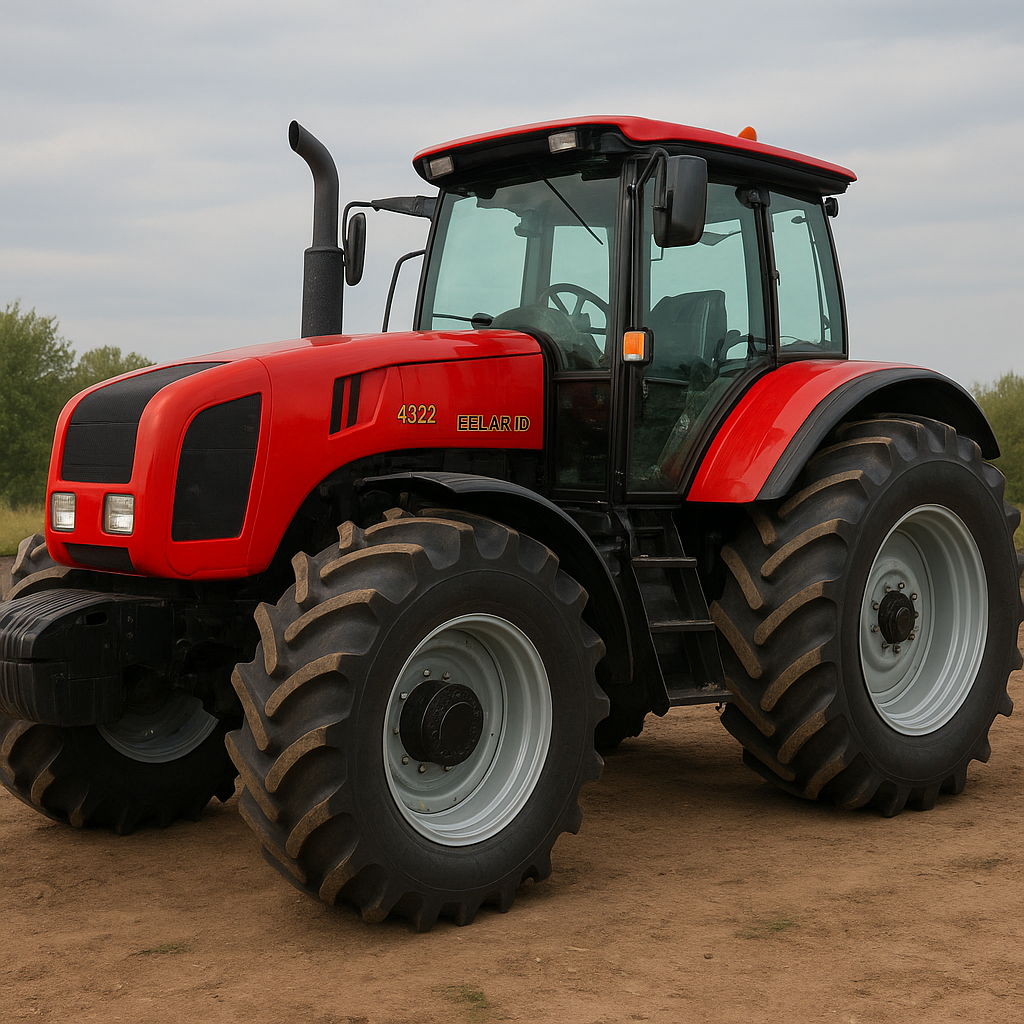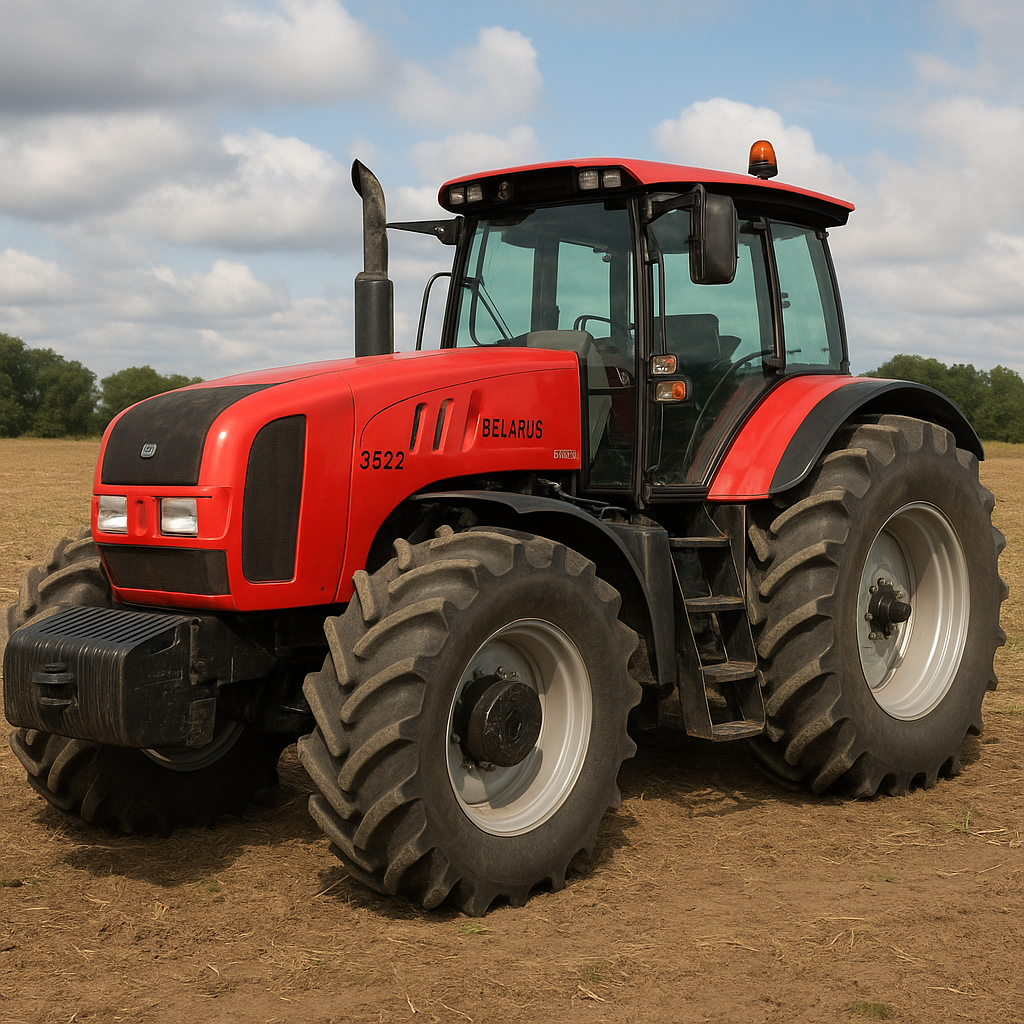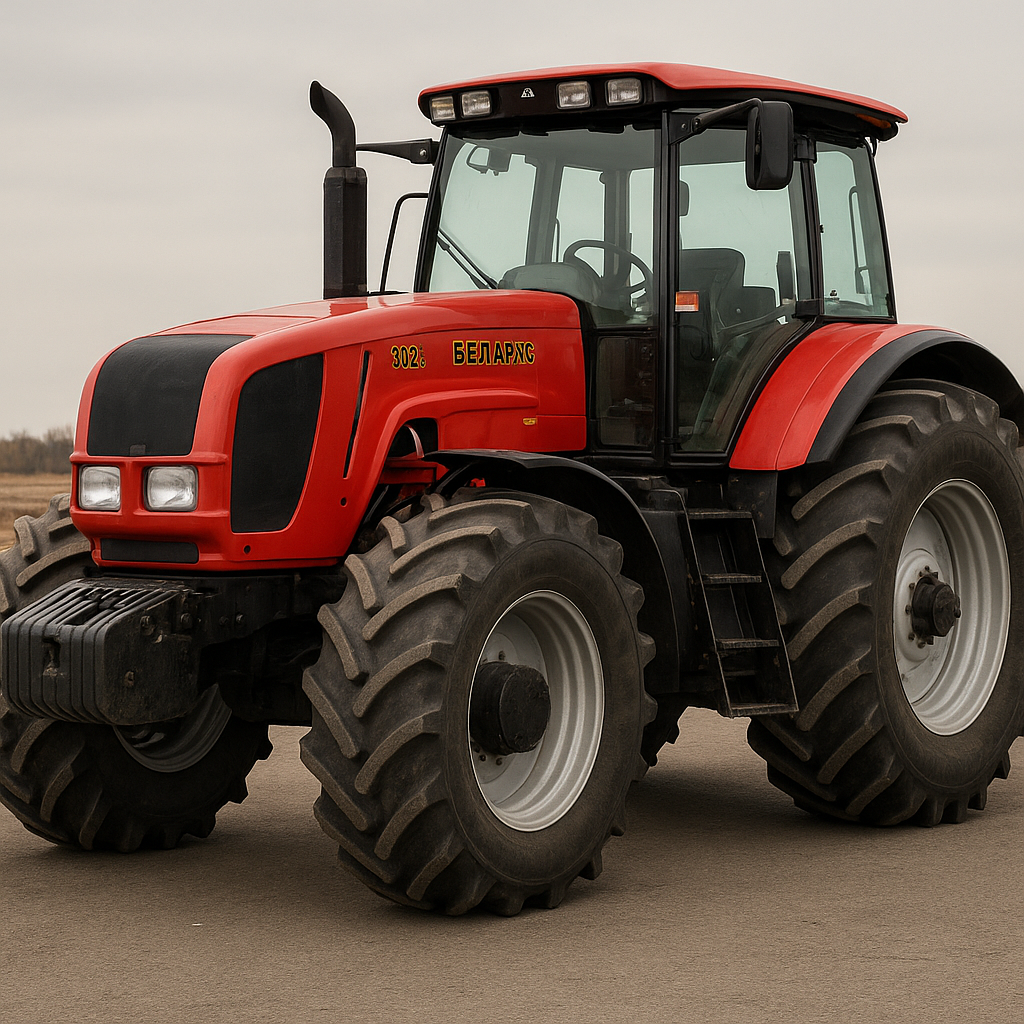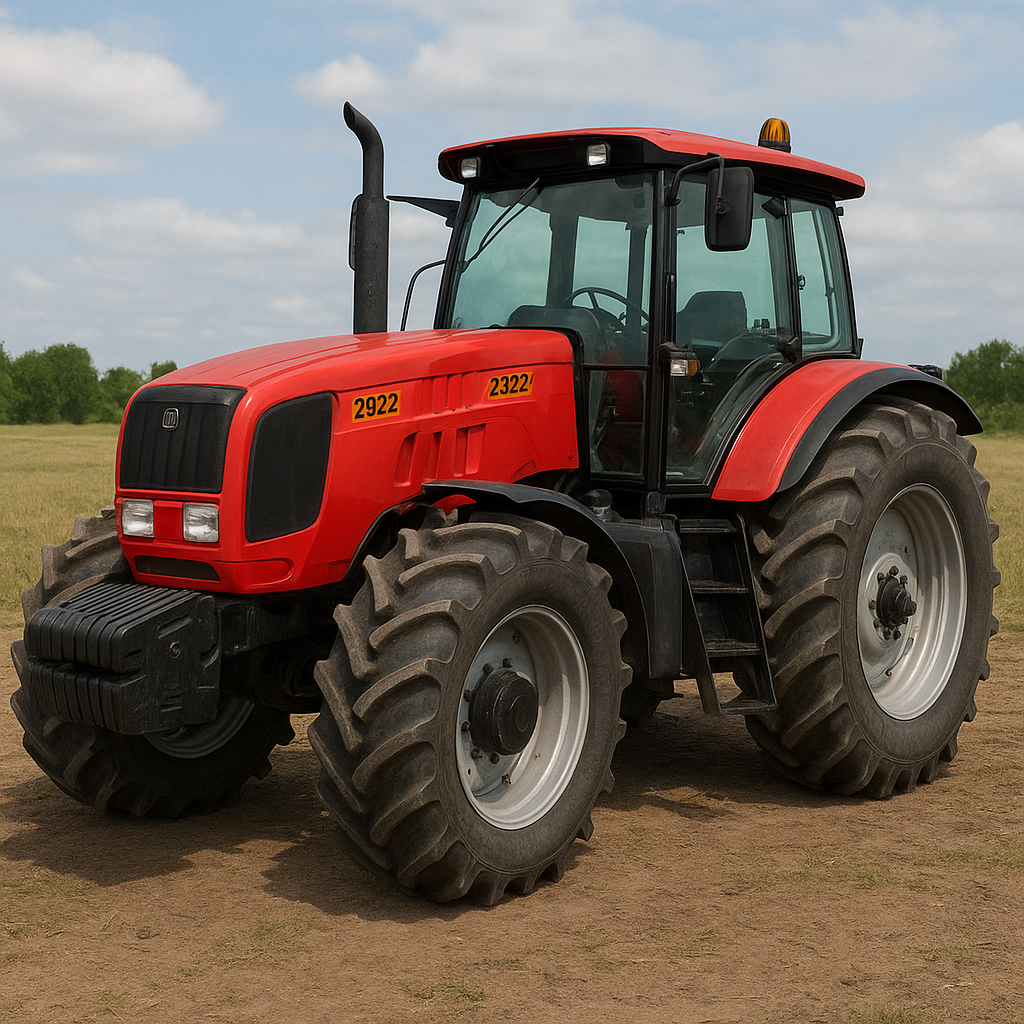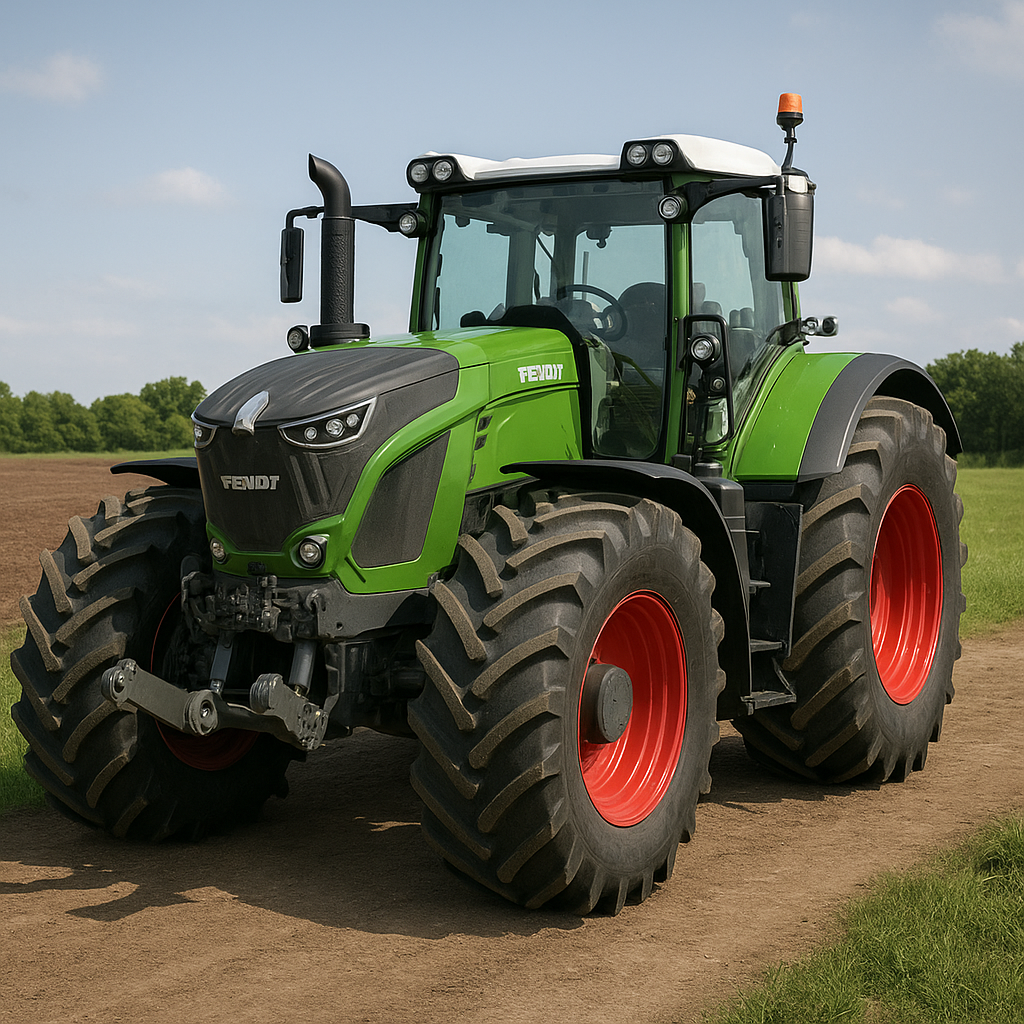
The Fendt 942 Vario is a member of the acclaimed Fendt 900 Vario family and is widely recognized among farmers and contractors for combining high power with smooth, stepless transmission and advanced electronics. In this article you will find an overview of its design philosophy, typical technical data and statistics (where available), practical applications, operator comfort and control systems, as well as economic and environmental considerations. The goal is to give a complete picture of why the Fendt 942 Vario remains a popular choice in demanding agricultural and contracting tasks.
Design and engineering principles
The Fendt 942 Vario was engineered to deliver high continuous power for heavy-duty agricultural tasks while maintaining operational efficiency and driver comfort. As part of the higher-power segment of the Fendt range, it features a robust chassis, strong three-point linkage and PTO options, as well as a sophisticated hydraulic system designed to work with large implements. Key engineering goals were efficiency, durability, and versatility — enabling operators to switch seamlessly between fieldwork and road transport while keeping fuel consumption and downtime low.
Powertrain and transmission
At the heart of the Fendt 942 Vario is a high-output diesel engine coupled to the signature Fendt Vario continuously variable transmission. The Vario system provides smooth acceleration and an infinite number of gear ratios between standstill and top speed, which improves traction control and fuel economy compared with stepped transmissions. Typical characteristics of the drivetrain include:
- an inline six-cylinder diesel engine (depending on year and configuration);
- maximum power figures in the upper mid-hundred to low four-hundred horsepower range (varies by model year and factory rating);
- Vario stepless transmission offering high torque transfer efficiency and precise speed control for PTO and implement operations.
Fendt’s continuous development of software for engine-transmission coordination also means that the tractor often operates at lower engine speeds for a given workload, which contributes to reduced noise levels, better fuel use and longer engine life.
Chassis, hydraulics and PTO
The structure of the 942 Vario is designed to handle heavy implements and high drawbar loads. The rear linkage capacity, hydraulic flow rates and PTO torque are sized to match the demands of large seed drills, heavy plows, deep cultivators and modern slurry or manure spreaders. Important components and attributes include:
- high-lift three-point hitch with lift capacity sufficient for heavy mounted and semi-mounted implements;
- powerful hydraulic pumps providing competitive flow rates (often in the 160–250 l/min range depending on configuration), supporting multiple circuits and auxiliary functions;
- PTO options typically including 540/1000 rpm and speed-sensing control to match implement requirements;
- robust axle and braking systems allowing safe transport at road speeds (often up to 40–60 km/h depending on market spec and gearing).
Technical specifications and statistical data
Technical figures for the Fendt 942 Vario can vary by production year, optional packages and regional market regulations, but the most commonly cited statistics describe a high-capacity, high-traction tractor intended for large farms and contractors. When reviewing figures below, note they are representative ranges rather than a single fixed specification.
Representative performance figures
- Engine type: inline six-cylinder diesel (turbocharged), designed for heavy-duty continuous operation.
- Rated power: typically in the range of approximately 350–420 hp depending on boost/overpower settings and model year; many configurations targeted the 380–410 hp class for continuous field performance.
- Maximum torque: often in the region of 1,500–2,000 Nm at mid-range rpm, providing strong pull for draft work.
- Transmission: Fendt Vario stepless CVT enabling precise control from 0.02 km/h to top road speeds (top speed often 40–60 km/h depending on gearing and tires).
- Lifting capacity: rear linkage lift typically rated around 7,000–10,000 kg at the ball ends, allowing heavy implements to be carried and lifted safely.
- Hydraulic flow: multiple pump options commonly available; combined flows often in the 160–250 L/min range to power multiple hydraulic functions and implements.
- Weight: unladen operating weight commonly falls in the approximately 10,000–13,000 kg bracket depending on ballast, tires and equipment.
- Fuel capacity: large tanks are frequent on this class, typically around 500–700 liters to enable long working days between refuels.
These numbers reflect the tractor’s positioning as a high-performance machine for large-scale operations. Exact figures for a specific unit can be found on the manufacturer’s specification sheet for the model year or from dealer documentation.
Applications and typical use cases
The Fendt 942 Vario is built for enterprises that demand sustained high power, flexibility and equipment compatibility. Below are common sectors and tasks where this tractor excels.
Arable farming and tillage
Large-scale arable farms benefit from the 942’s strong drawbar pull and steady power delivery. It is especially suited to:
- primary tillage with heavy ploughs and disk harrows, where consistent torque and traction are essential;
- seedbed preparation using heavy cultivators and rollers;
- stone-burying or subsoiler operations requiring deep draft capabilities.
Planters, drills and precision seeding
When paired with large planters or drills, the tractor’s electronic control systems and steady-speed capability improve seeding accuracy and uniformity. Features such as ISOBUS compatibility and guidance integration (e.g., auto-steering) make it well-suited for precision agriculture workflows.
Contracting and heavy transport
Contractors value the Fendt 942 Vario for its ability to handle a wide range of implements while providing comfortable long hours in the cab. High travel speeds combined with strong hydraulic and PTO capacity enable efficient road transport of equipment and rapid switching between jobs. Applications include:
- hauling heavy trailers and tankers;
- operating large mowers, balers and forage equipment;
- specialist roles such as forestry winching and large-scale land reclamation projects with appropriate attachments.
Livestock and manure handling
Large livestock operations often need powerful tractors for slurry tankers and spreaders. The 942’s torque and hydraulic capacity allow it to manage heavy loaded trailers and ensure even spread patterns at required working speeds.
Operator comfort, controls and electronics
Fendt has long distinguished itself with a focus on ergonomics and intelligent controls. The 942 Vario integrates modern operator aids and comfort features that reduce fatigue and increase productivity over long shifts.
Cab design and visibility
The cab is engineered for all-day comfort: good insulation, user-adjustable seating, and excellent visibility all around. Controls are positioned to minimize arm movement and allow one-handed operation of many functions. Acoustic insulation combined with low engine speeds under load helps keep noise levels down, supporting a more productive working environment.
Control systems and automation
Modern Fendt tractors are equipped with an advanced electronic platform that can include:
- Vario terminal with configurable screens for machine and implement control;
- ISOBUS compatibility for plug-and-play implement control;
- automatic guidance and steering options (e.g., VarioGuide integration) for precision field passes;
- tasking and telematics solutions for fleet management and performance logging (FendtONE or manufacturer-provided telematics on newer configurations).
These systems enable more efficient field passes, better fuel economy through automatic engine/transmission optimization, and simpler integration with precision farming workflows.
Maintenance, reliability and lifecycle costs
For high-powered tractors like the Fendt 942 Vario, lifecycle costs and uptime are as important as purchase price. The design emphasizes ease of maintenance, long service intervals (contingent on working conditions), and modular components to reduce downtime.
Maintenance features
Common maintenance-friendly design elements include:
- easily accessible service points for regular checks (oil, filters, coolant);
- modular cooling and filtration systems to keep contaminants away from critical components;
- dealer networks and manufacturer support providing diagnostic tools and parts availability in many markets.
Total cost of ownership (TCO)
The TCO for a machine in this power class depends on utilization, fuel prices, local labor costs, and residual values. Factors that tend to lower effective TCO for the 942 include:
- higher fuel efficiency under typical workloads due to optimized engine-transmission coordination;
- strong resale values for well-maintained units in markets where Fendt is a premium brand;
- reduced operator fatigue and higher throughput thanks to ergonomic design and automation, indirectly boosting profitability.
Environmental considerations and efficiency
Modern agricultural machinery faces increasing pressure to reduce emissions and improve resource use efficiency. The Fendt 942 Vario, in line with manufacturer trends, incorporates technologies aimed at supporting these goals.
Fuel efficiency and emissions
The synergy between the engine management and the Vario transmission helps the tractor operate at lower engine rpm for a given power output, which reduces fuel consumption and CO2 emissions per hectare. Compliance with applicable emissions standards (e.g., Stage V/ Tier 4 final depending on region and model year) is typically achieved through exhaust aftertreatment systems that minimize particulate and NOx outputs.
Precision farming support
By integrating guidance systems and ISOBUS-enabled implements, the 942 Vario reduces overlaps and optimizes passes, conserving fuel, seed and agrochemicals. The data collection and telematics features that can be fitted also help managers analyze usage patterns and identify efficiency improvements across operations.
Market positioning and practical buying considerations
The Fendt 942 Vario is positioned toward large-scale farms, professional contractors and enterprises where reliability, operator comfort and integration with precision agriculture systems deliver measurable productivity gains. Prospective buyers should weigh the following:
- intended annual hours and types of tasks — high-utilization operations justify premium acquisition costs;
- configuration options (tires, ballast, hydraulic flow packages, cab and electronic packages) that can significantly affect purchase price and field performance;
- availability of local dealer support, parts, and service plans for reducing downtime;
- resale expectations in the local market — brand reputation and maintenance history influence residual values.
Conclusions and outlook
The Fendt 942 Vario represents a synthesis of power, advanced transmission technology and operator-centered design. It is particularly compelling for operations that require high tractive effort, long workdays and integration with precision farming systems. While specific technical figures vary with production year and configuration, common themes across the model range include strong continuous power delivery, smooth and efficient Vario transmission control, and broad compatibility with heavy implements and automated guidance systems.
For buyers and operators, success with a machine like the 942 Vario depends on selecting appropriate options for hydraulic flow, ballast and electronic systems to match the intended implement set and farm workflows, and maintaining regular service to preserve uptime and resale value. Overall, the tractor remains a benchmark choice where performance, comfort and modern control features are prioritized.