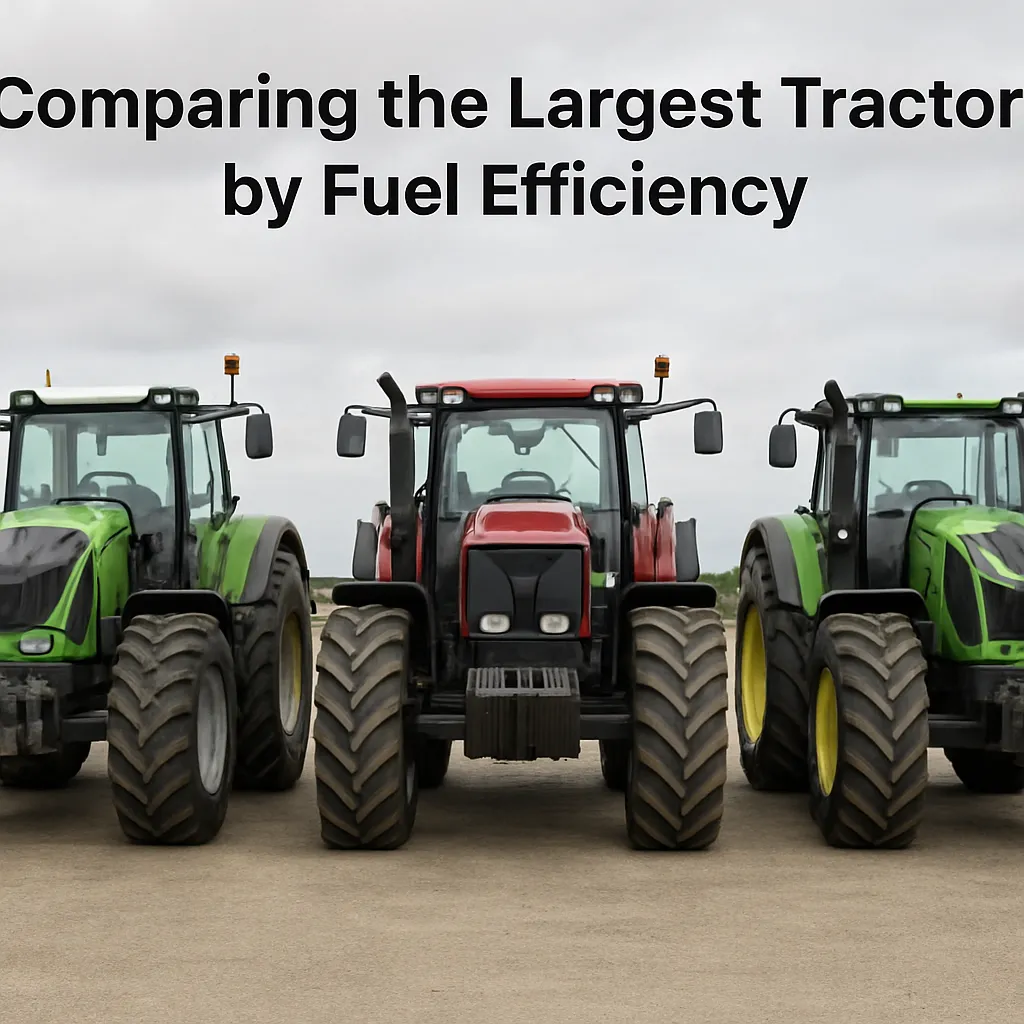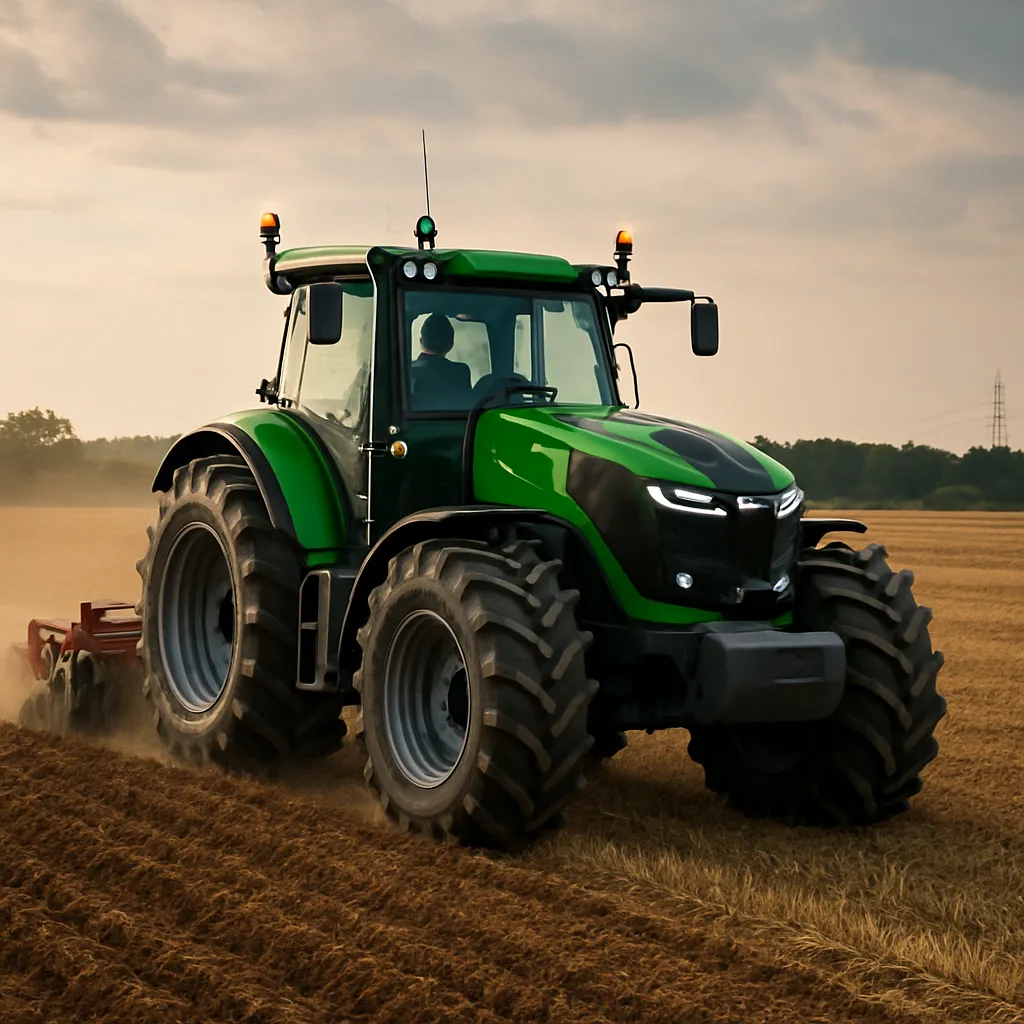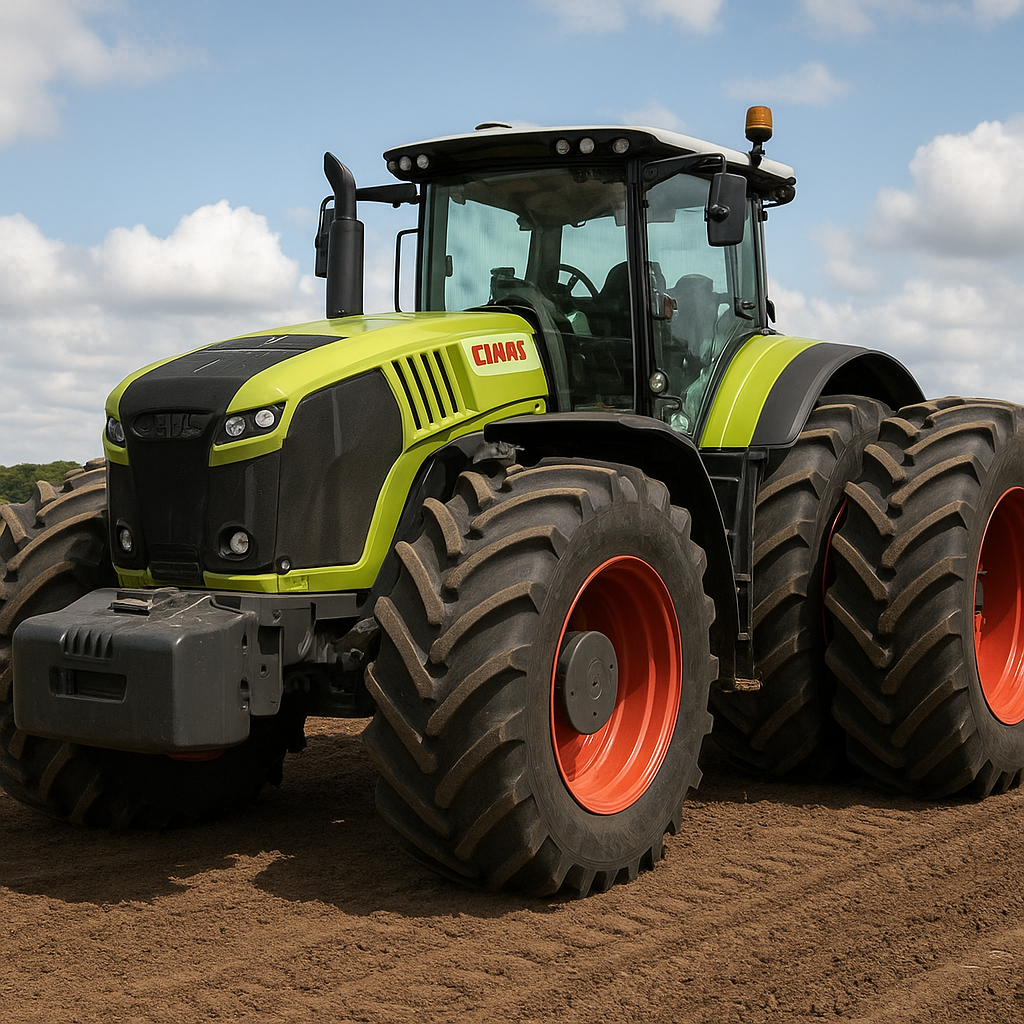
Amid increasing global food demand, the scale of modern agriculture has expanded to include some of the most colossal land vehicles ever constructed. These behemoths combine cutting-edge engineering with robust design to deliver unparalleled towing capacity and field coverage. As farms grow larger and planting windows narrow, manufacturers push boundaries to create machines that demonstrate true horsepower and unwavering reliability.
Evolution of Heavy-Duty Farm Machinery
The journey toward today’s mega tractors began in the early 20th century, when gasoline engines first replaced steam power in field equipment. Progress accelerated through the post-war era, as large-scale operations demanded ever greater pulling force. Early models struggled on soft soil and suffered from frequent breakdowns, but they laid the foundation for modern engineering breakthroughs.
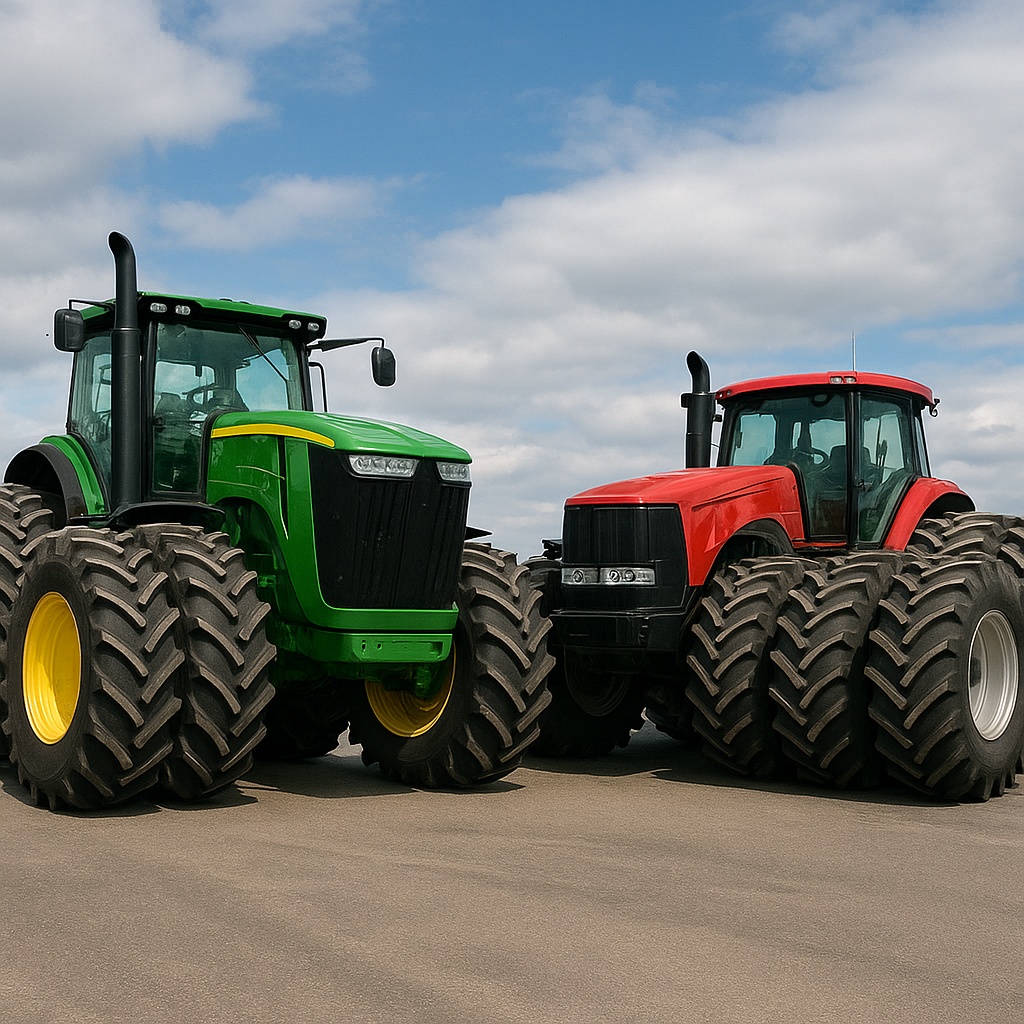
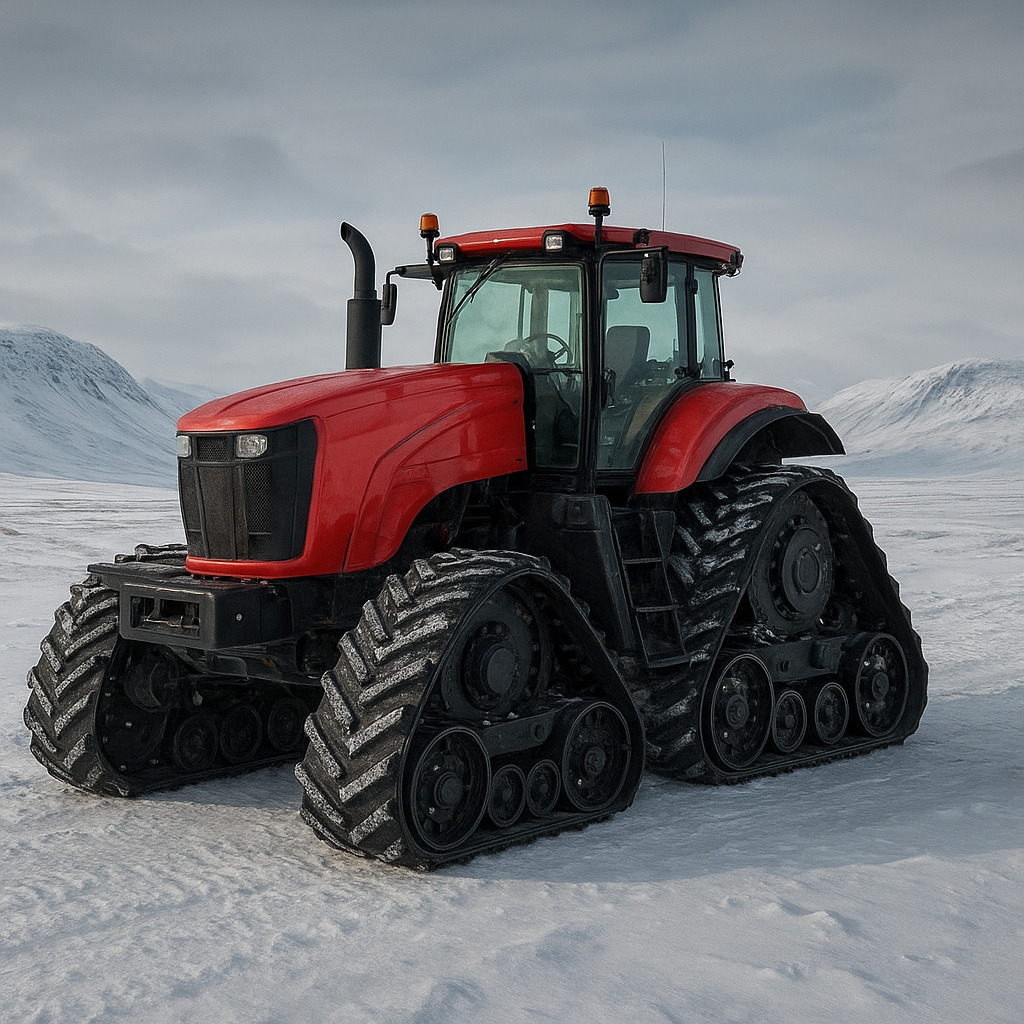
By the 1970s and 1980s, four-wheel drive configurations and articulated steering transformed traction and maneuverability. Designers introduced dual wheels and tracks to distribute weight evenly, dramatically reducing compaction. These advances marked a shift from mere size to thoughtful integration of power delivery systems that would later embrace sophisticated hydraulics.
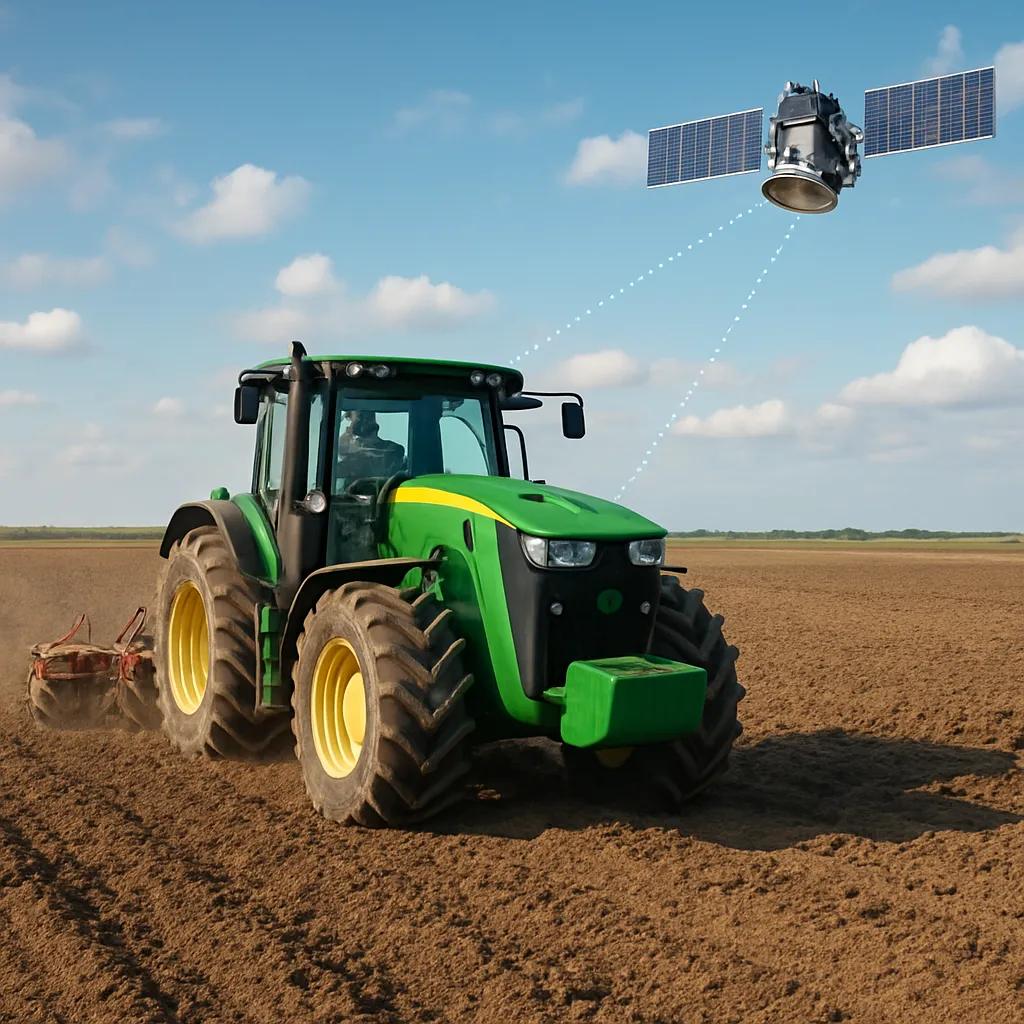
Today’s giants often exceed 600 hp and can cover several hectares per hour. Farmers leverage GPS guidance, auto-steer systems and data analytics to plan operations down to the inch. This level of precision ensures resources such as seed, fertilizer and water are deployed optimally, minimizing waste and environmental impact.
Advanced Hydraulic Power Systems
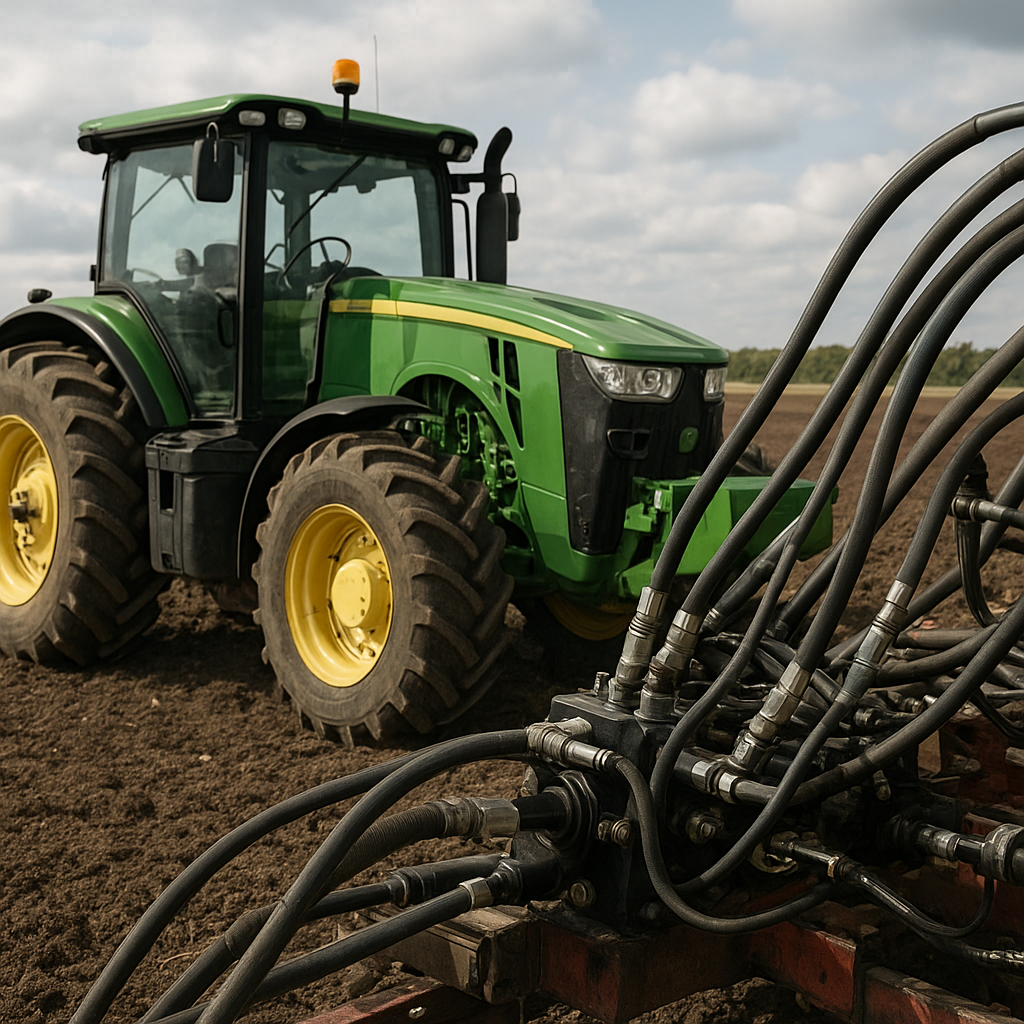
At the heart of any giant tractor is a complex network of hydraulic circuits, valves and pumps that enable implements to lift, tilt and adjust under heavy load. Unlike older mechanical setups, modern machines use closed-center hydraulics that maintain pressure only when needed, cutting parasitic losses and improving overall efficiency.
Primary Components
- High-flow main pump supplying multiple outlets
- Pressure relief valves calibrated for safety
- Electronic flow control modules
- Load-sensing circuits that adapt to varying demands
By monitoring implement pressure in real time, tractors can automatically distribute force where it’s most needed. This dynamic response increases drawbar pull and torque, delivering consistent performance even in changing soil conditions. In many flagship models, electronics coordinate engine output and hydraulic flow to maximize continuous drawbar torque ratings, sometimes exceeding 2,000 Nm.
Cooling and Maintenance
Hydraulic fluid operates at high temperature and pressure. Effective heat exchangers and reservoir designs are essential for maintaining fluid viscosity and preventing component wear. Regular filter changes, system flushing and oil sampling form the backbone of preventative maintenance. Proper care extends component durability and prevents costly downtime during peak seasons.
Leading Mega Tractors on the Market
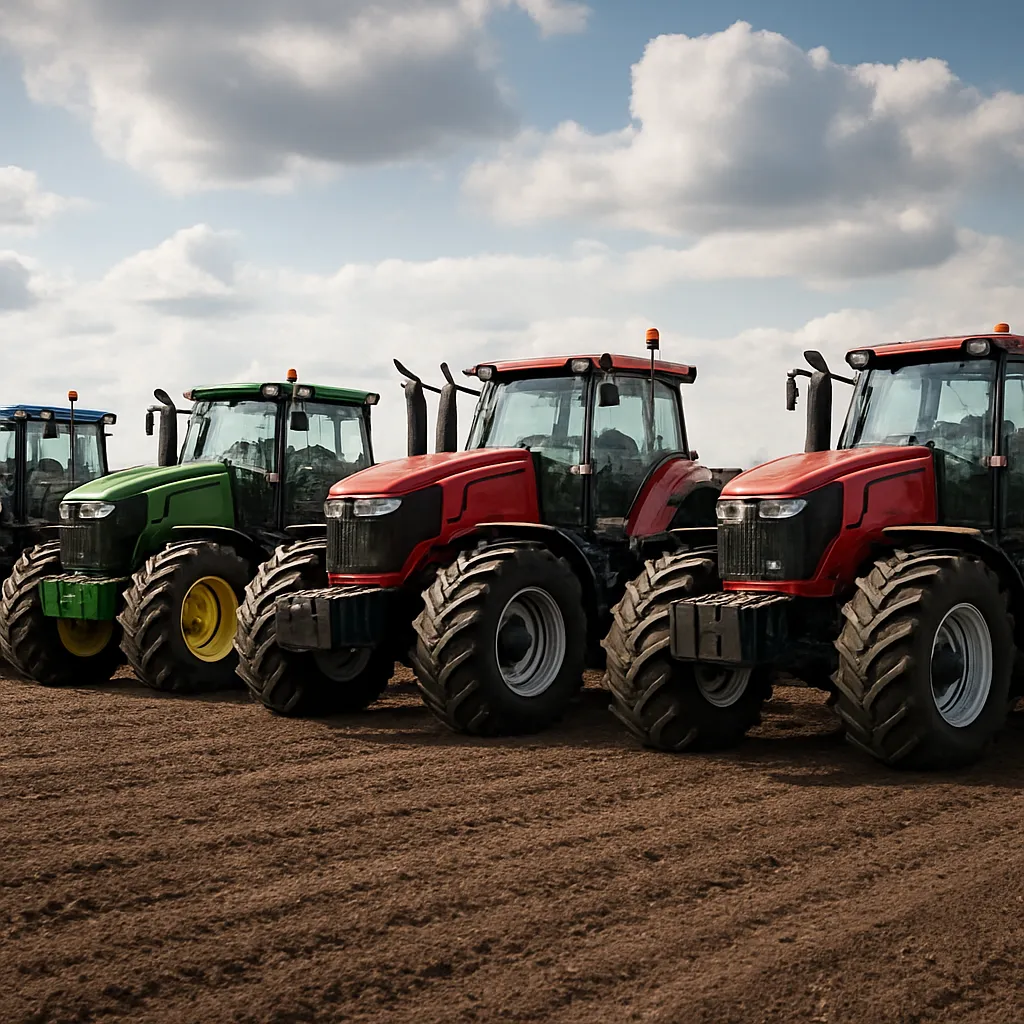
Several manufacturers vie for the title of the world’s largest tractor, each boasting unique features and record-breaking specifications. These machines typically range from 400 to over 600 engine hp, with some experimental units pushing beyond the megawatt mark when using twin engines or auxiliary power packs.
- Brand A Titan X: A four-track design with 650 hp, triple-pump hydraulics and four-wheel steering for tight turns.
- Brand B MegaDrive: Offers load-sensing hydraulics, automatic ballast adjustment and up to 750 Nm drawbar torque.
- Brand C UltraFarm: Features a seamless CVT gearbox, 30 in. dual wheels and 50 gal/min flow capacity.
- Brand D PowerMax: Known for modular implement interfaces and onboard telematics for remote diagnostics.
Beyond raw power, these tractors incorporate advanced operator environments. Climate-controlled cabs, panoramic visibility, and multi-function joysticks ensure that long hours in the field remain productive and comfortable. Emphasis on ergonomic controls reduces fatigue and enhances overall performance.
Emerging Innovations and Sustainability
Environmental regulations and the drive for carbon neutrality have spurred the development of hybrid and fully electric prototypes. Regenerative braking systems capture excess hydraulic energy, feeding it back into battery banks or auxiliary motors. This approach can lower fuel consumption by up to 20 percent, a significant improvement in large-scale operations.
Several research programs focus on alternative fuels such as biodiesel blends and hydrogen fuel cells. These technologies promise high energy density with minimal emissions. Early trials indicate that fuel cell–powered tractors can match the torque curves of conventional diesel engines, providing smooth, silent operation.
Precision Agriculture Integration is another major trend. By linking tractors to cloud-based management platforms, growers can analyze field data, adjust seeding rates on the fly and monitor crop health via drone imagery. These systems rely on real-time analytics and machine learning to recommend adjustments that enhance yield and reduce input costs.
Optimized Maintenance and Operational Strategies
With machines worth six or seven figures, uptime is critical. Many manufacturers now offer subscription-based services for software updates and remote diagnostics. Telematics units relay engine hours, hydraulic pressures and fuel consumption data to service centers, enabling proactive maintenance scheduling.
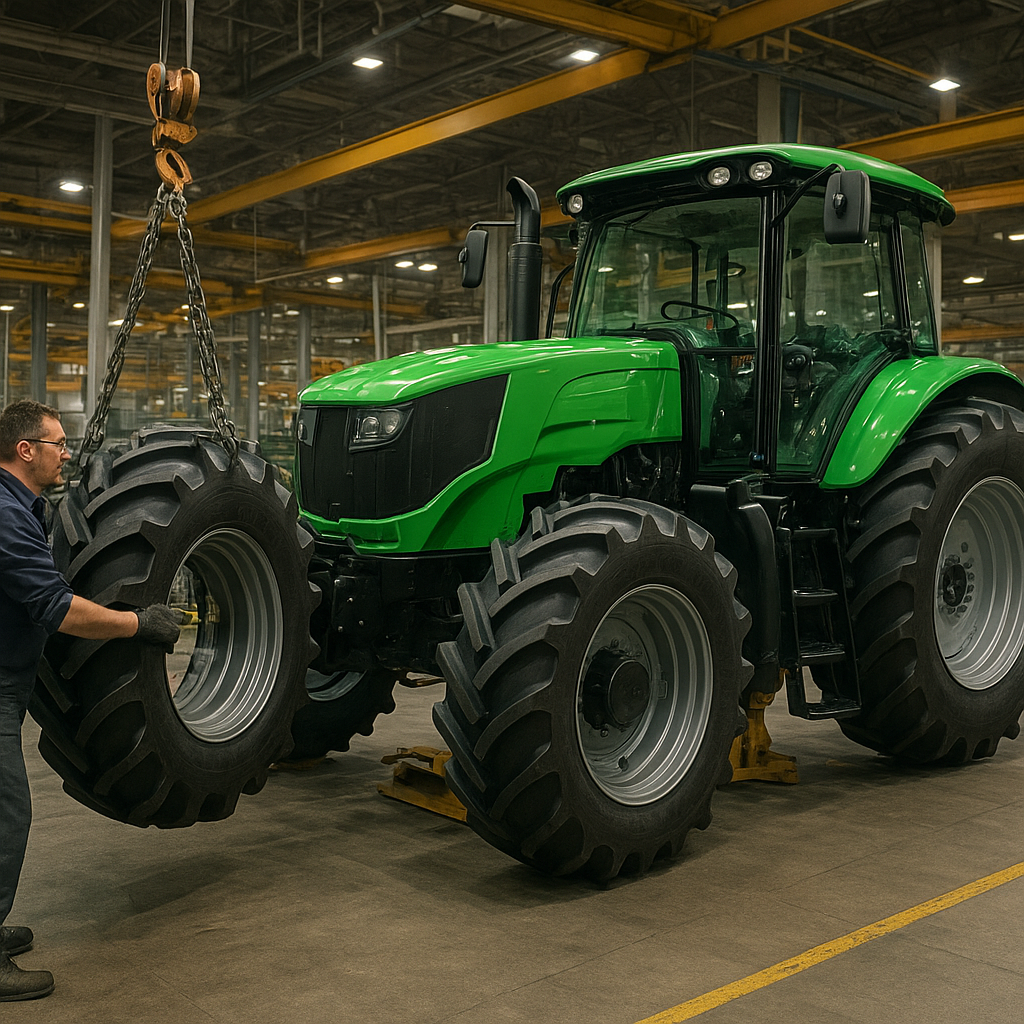
Operators also follow stringent checklists before and after each shift. Visual inspections, fluid checks and range testing of hydraulic circuits help catch wear and leaks early. Proper tire inflation, track tensioning and torque verification on critical fasteners ensure consistent field performance and extend component life.
Training programs for technicians emphasize system troubleshooting and advanced calibration techniques. As tractors become more sophisticated, expertise in electro-hydraulic integration and networked control systems becomes a valuable skill set. Well-trained staff can reduce repair times and keep operations running smoothly throughout the planting and harvest seasons.