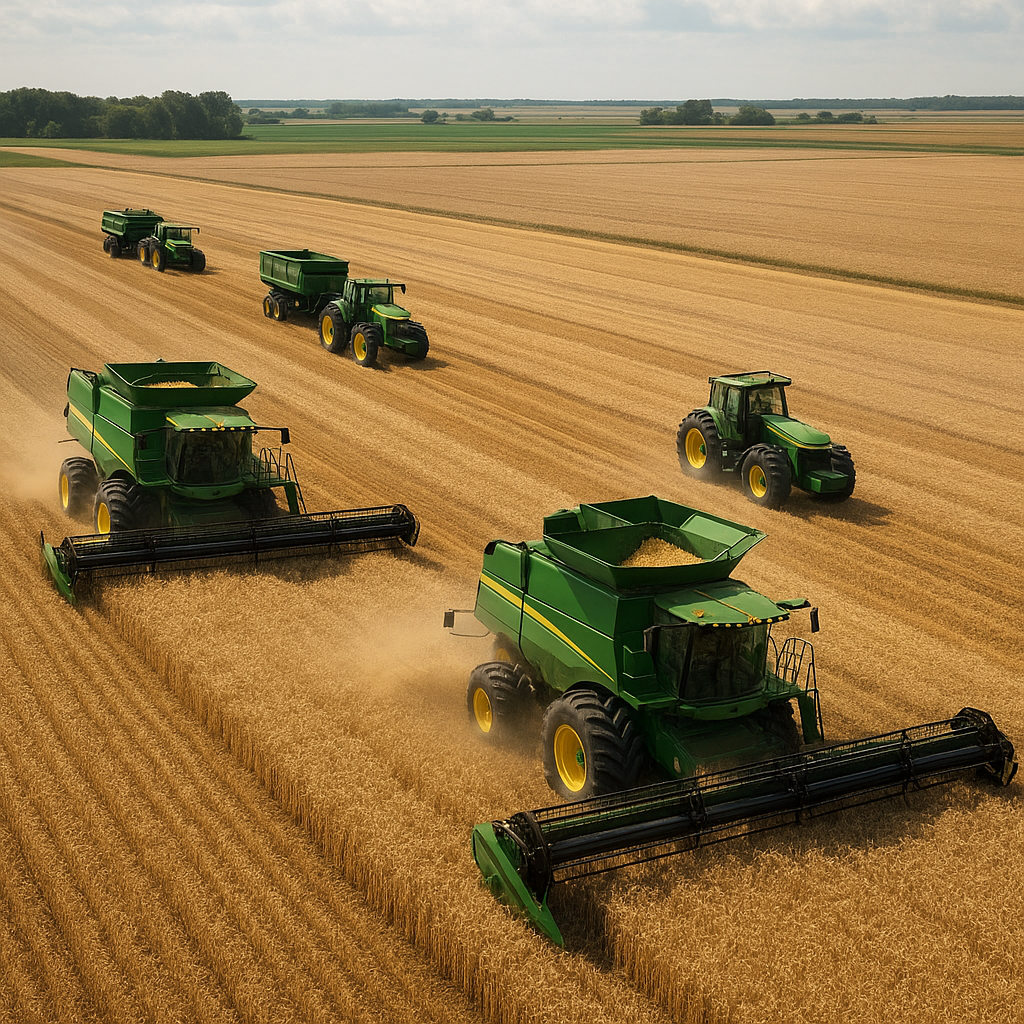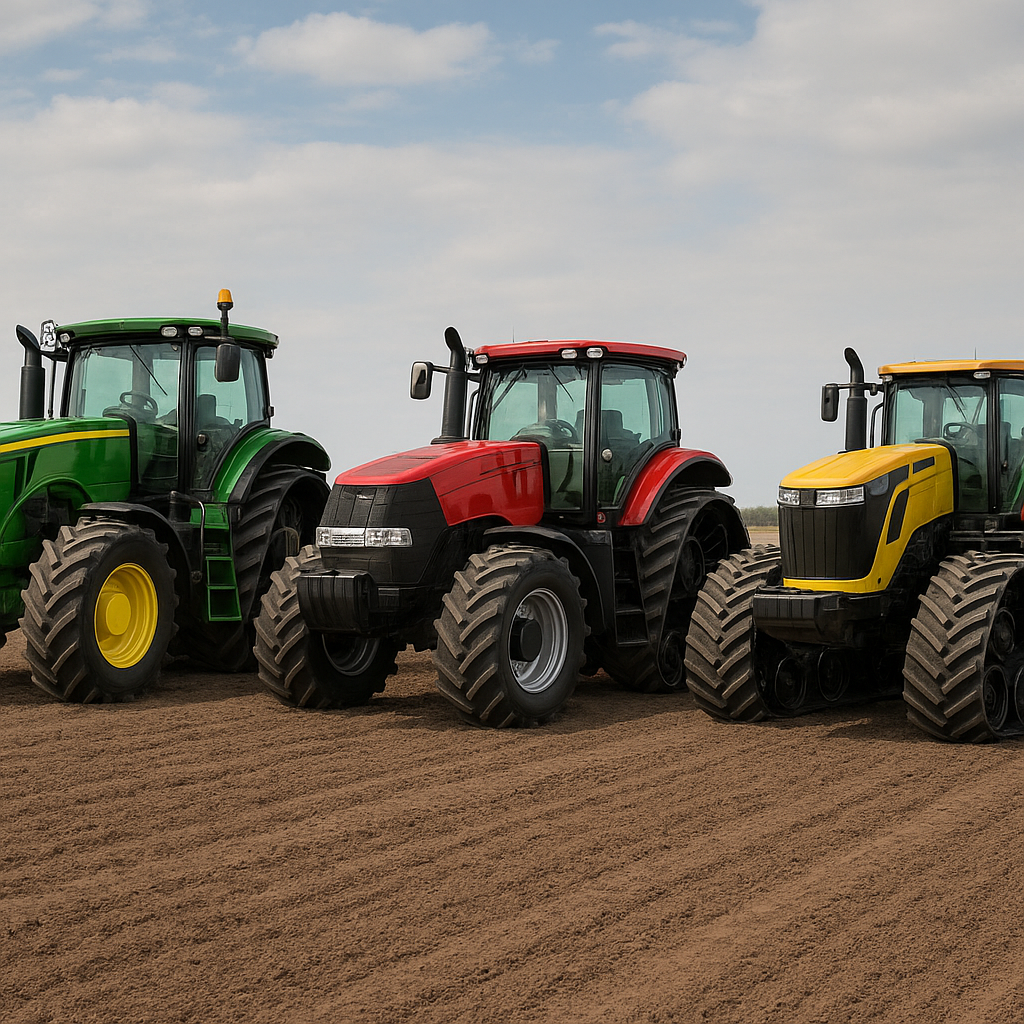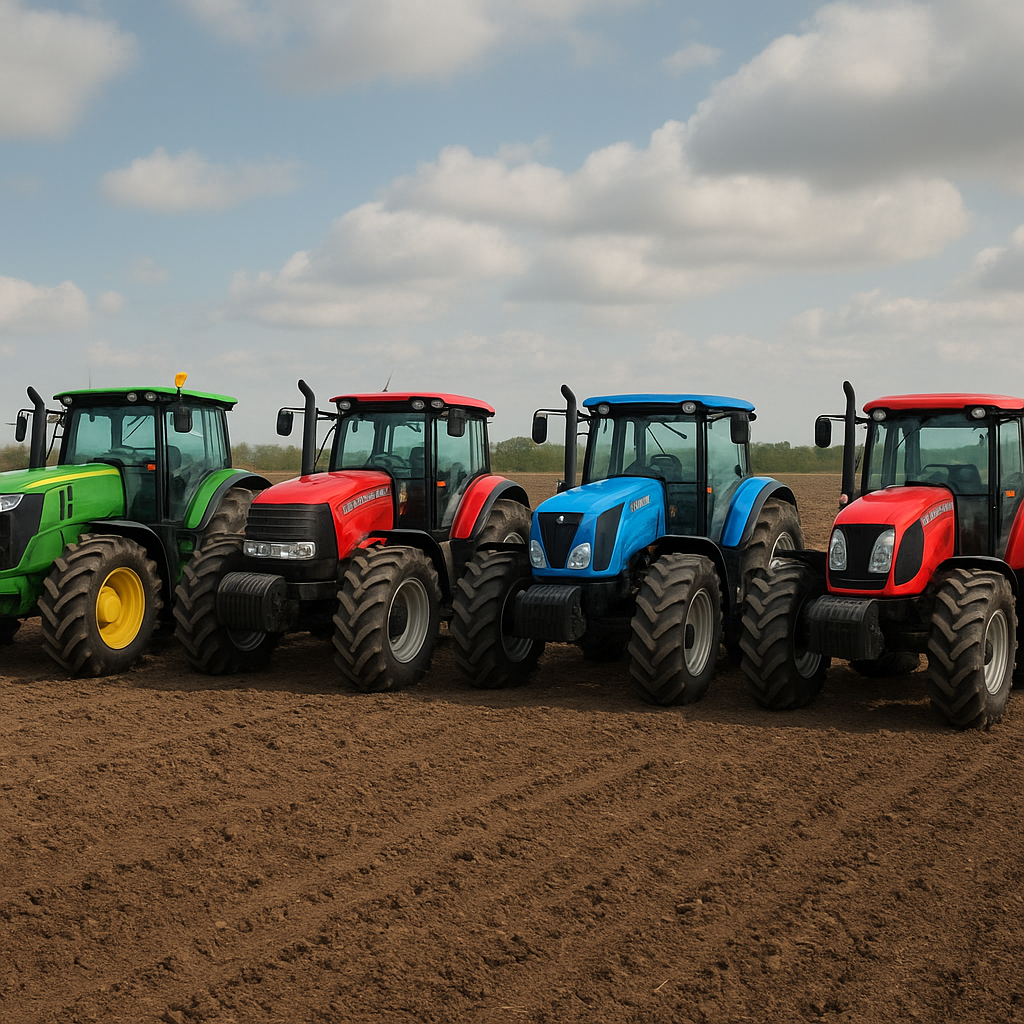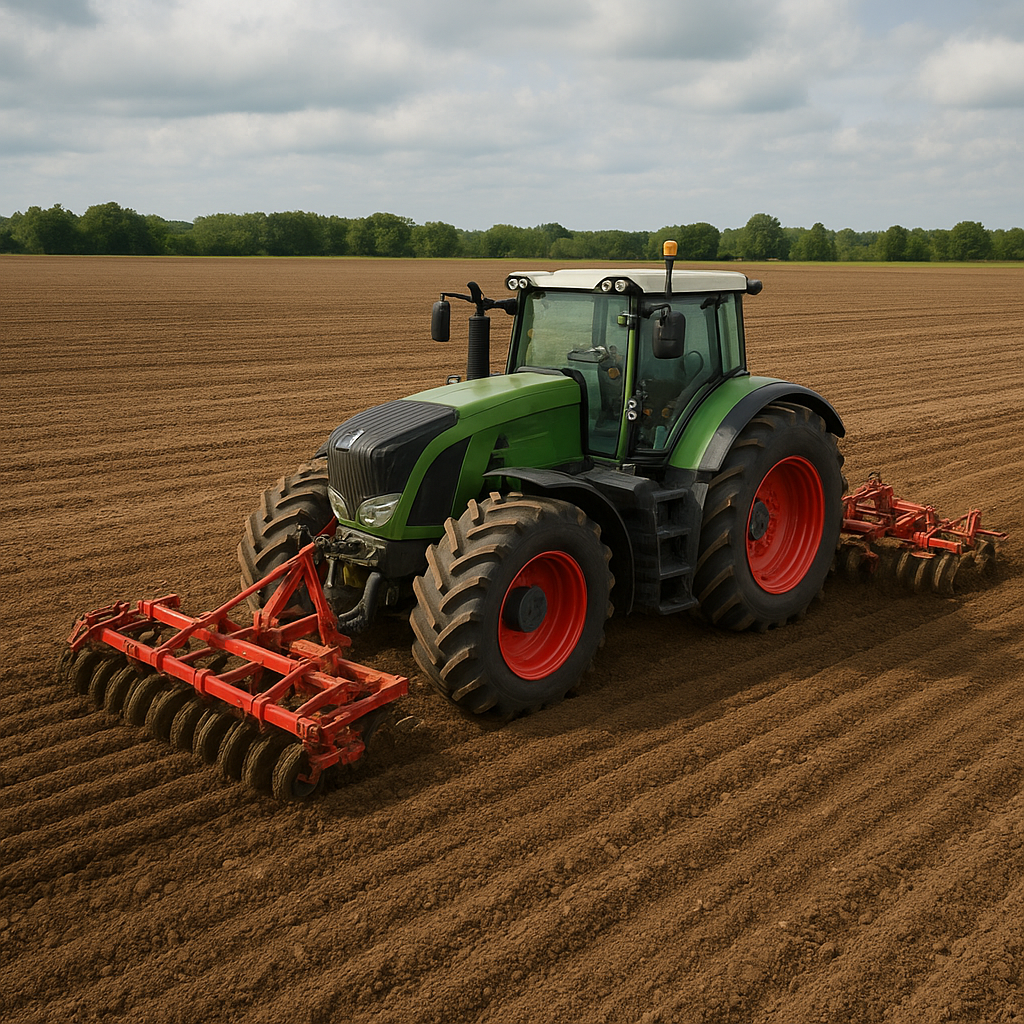
The journey from factory floor to fertile fields demands rigorous evaluation of the world’s most powerful agricultural machines. Designers and engineers collaborate with testing specialists to ensure that each massive tractor delivers on promises of horsepower, torque, and fuel efficiency. Behind the scenes, specialized equipment, controlled environments, and real-world trials combine to push these giants to their limits before any sale agreement is signed.
Engineering Rigs and Simulated Environments
Before heading outdoors, tractors undergo exhaustive checks within purpose-built facilities. In these settings, raw components and complete vehicles are stressed under repeatable conditions to uncover potential issues in a safe, documented manner.
Load Simulation
- Hydraulic actuators apply variable hydraulics pressures against the lift arms and implements, mimicking plowing and seeding tasks.
- Electric motors and dynamometers simulate drawbar pulls to verify frame integrity and transmission gearing under extreme loads.
- Engine test benches measure continuous output, ensuring the specified horsepower and torque curves hold steady across operating ranges.
Thermal and Environmental Chambers
Massive chambers replicate temperature extremes and humidity levels the tractor will encounter. Data acquisitions systems log performance parameters while:
- Condensation cycles test for water ingress and corrosion resistance.
- High-temperature trials stress cooling systems to maintain optimal engine temperatures.
- Cold-soak procedures verify that starting systems and fuel lines remain reliable at sub-zero conditions.
Key Benefits
- Early identification of durability issues before large-scale production.
- Standardized, repeatable metrics for comparison across models and competitors.
Performance and Efficiency Assessments
After components clear bench testing, integrated tractors face a battery of performance and emissions evaluations. This phase ensures compliance with global regulations while meeting growers’ demands for cost-effective operation.
Engine Output Measurements
On a specialized dynamometer, the tractor’s engine is run through acceleration, idle, and full-load cycles. Instrumentation records:
- Instantaneous power and torque peaks across the RPM spectrum.
- Fuel injection timing and combustion efficiency to optimize power delivery.
- Emissions profiles, including NOx and particulate counts, to meet Tier 4 or Stage V standards.
Fuel Consumption Analysis
- Continuous monitoring of fuel flow rates under standardized tasks.
- Comparisons against baseline figures for similar classes to ensure superior fuel efficiency.
- Validation of alternative fuel compatibility or biodiesel blends when offered.
Data Integration
Advanced telemetry systems transmit real-time performance metrics to engineering offices. Algorithms analyze patterns to pinpoint any anomalies or opportunities for calibration improvements.
Field Trials and Real-World Validation
Controlled facilities cannot replicate every soil type or weather condition. Therefore, tractors embark on extensive field trials spanning diverse geographies. These tests confirm that lab-proven metrics translate into tangible on-farm benefits.
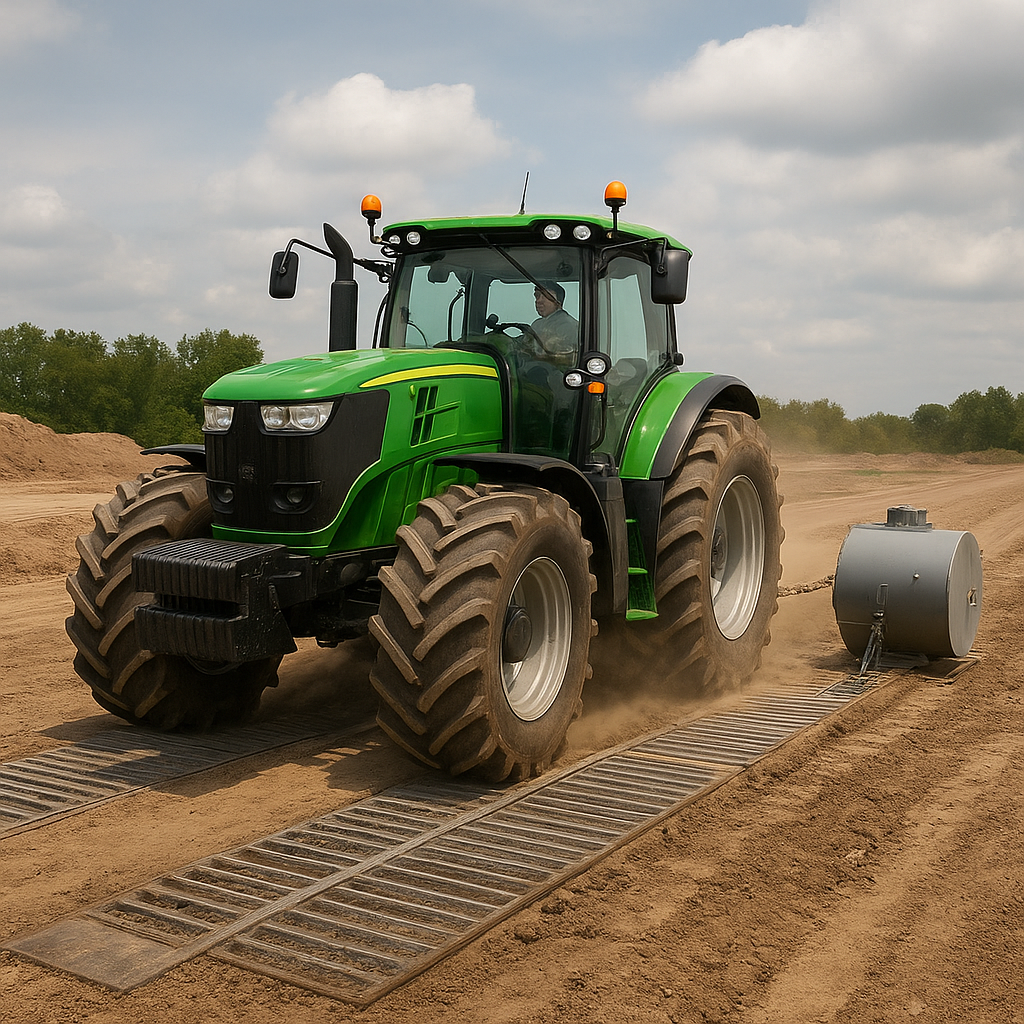
Terrain Handling and Traction Tests
- Operators evaluate stability and grip on clay, sandy, and rocky soils, measuring slippage and energy loss.
- Weight distribution adjustments with front ballast and rear wheel configurations ensure optimal traction for heavy implements.
- Dynamic steering assessments gauge turning radius and responsiveness under various loads.
Seasonal Adaptability
Trials proceed through planting, mid-season cultivation, and harvest operations to verify:
- Transmission shift smoothness under incremental load variations.
- Hydraulic cycle times for loader attachments in both wet and dry conditions.
- Consistency of cab comfort features—heating, ventilation, and filtration—across temperature extremes.
Performance Indicators
- Task cycle times versus historical benchmarks to ensure productivity gains.
- Fuel burn metrics correlated with acreage coverage to calculate cost-per-hectare.
- Wear rates on tires, drive belts, and filters as early predictors of maintenance needs.
Safety, Comfort, and Operator Feedback
Modern tractors blend raw power with human-centered design. Safety protocols and ergonomic evaluations aim to protect drivers during long hours in the field.
ROPS and Cab Integrity
- Roll-over Protective Structures (ROPS) undergo collapse simulations to ensure structural stability.
- Crash barriers and safety glazing are tested for impact resilience and shatter resistance.
- Emergency egress drills confirm that operators can exit rapidly if required.
Ergonomics and Comfort Metrics
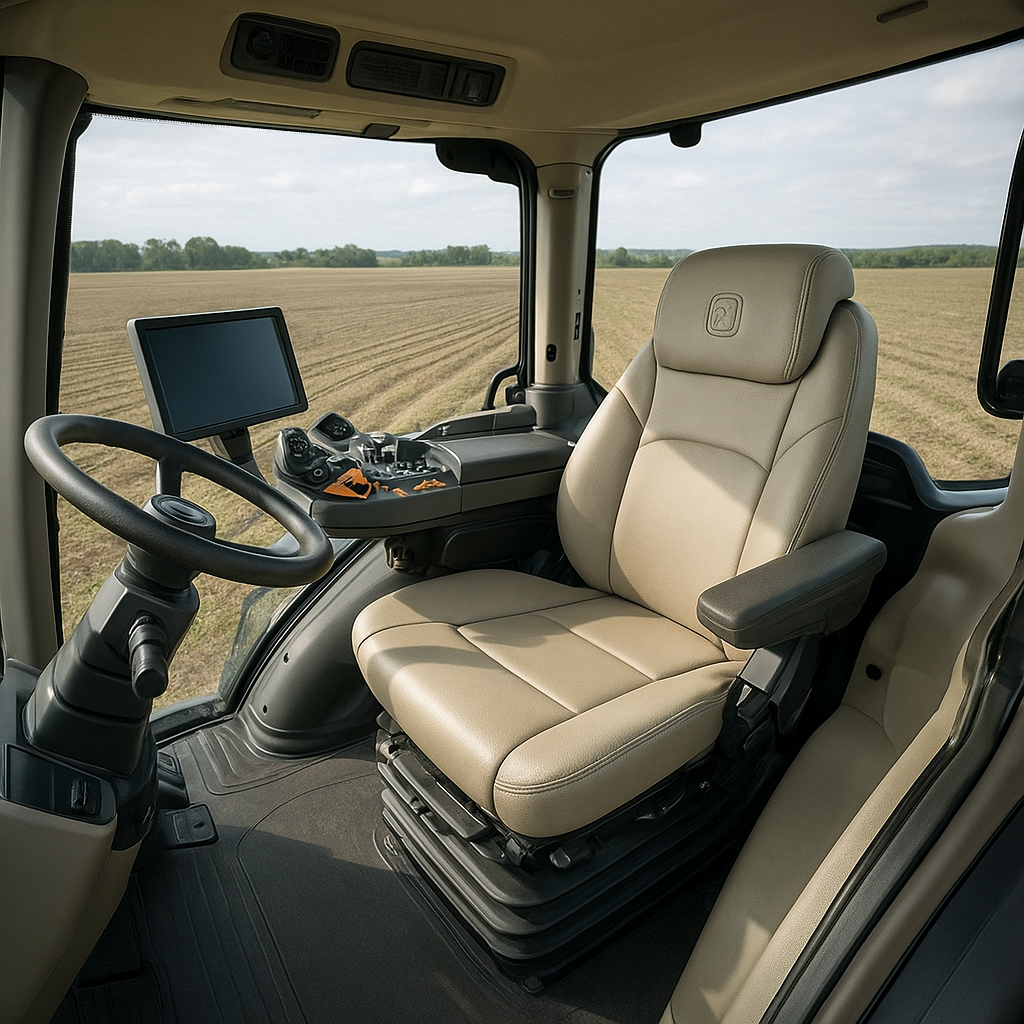
- Seat suspension systems are calibrated to reduce fatigue, absorbing shocks from uneven terrain.
- Dashboard layouts and joystick placements are refined based on anthropometric studies.
- Noise, vibration, and harshness (NVH) levels are measured to keep cab sound levels within safe limits.
Operator Surveys and Real-Time Monitoring
Feedback drives continuous improvement. Manufacturers deploy test units on selected farms, combining:
- Structured surveys on ease of use, visibility, and control responsiveness.
- On-board sensors that log ride comfort, gear shifts, and hydraulic pressures.
- Remote telematics platforms to track uptime, maintenance intervals, and unexpected faults.
By the time the largest tractors reach dealer lots, every component has endured relentless scrutiny. From simulated loads in climate-controlled chambers to muddy field days and long-term operator studies, these machines prove their worth on multiple fronts. The result is a tractor with uncompromising reliability, proven durability, and the advanced capabilities needed to meet the evolving demands of modern agriculture.