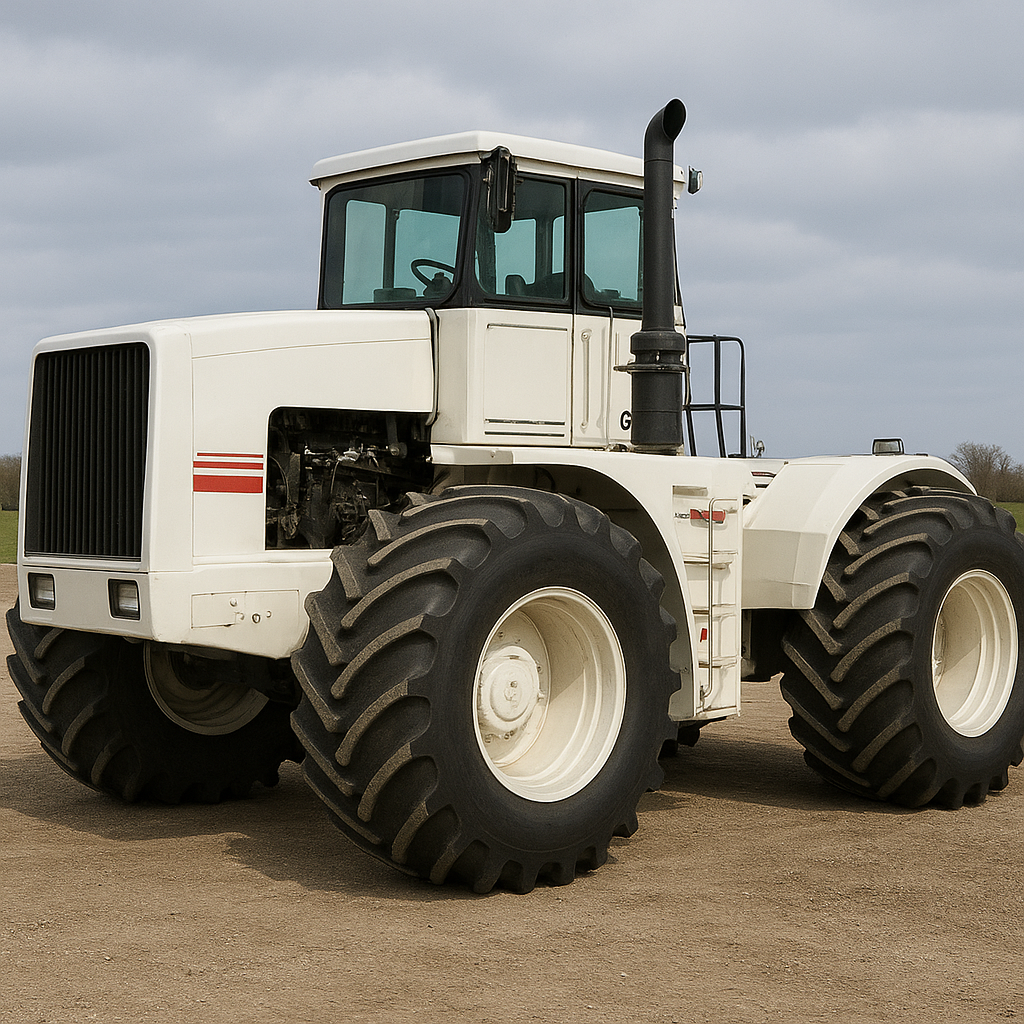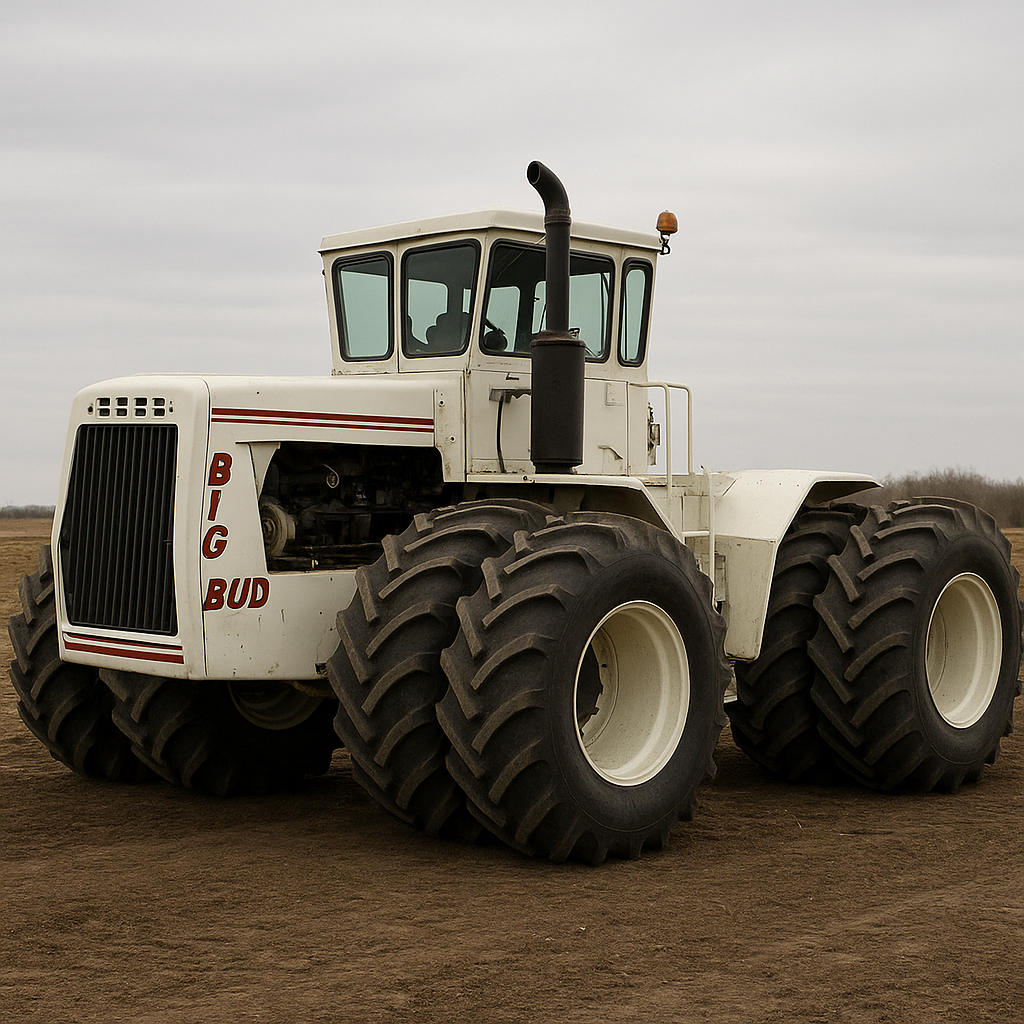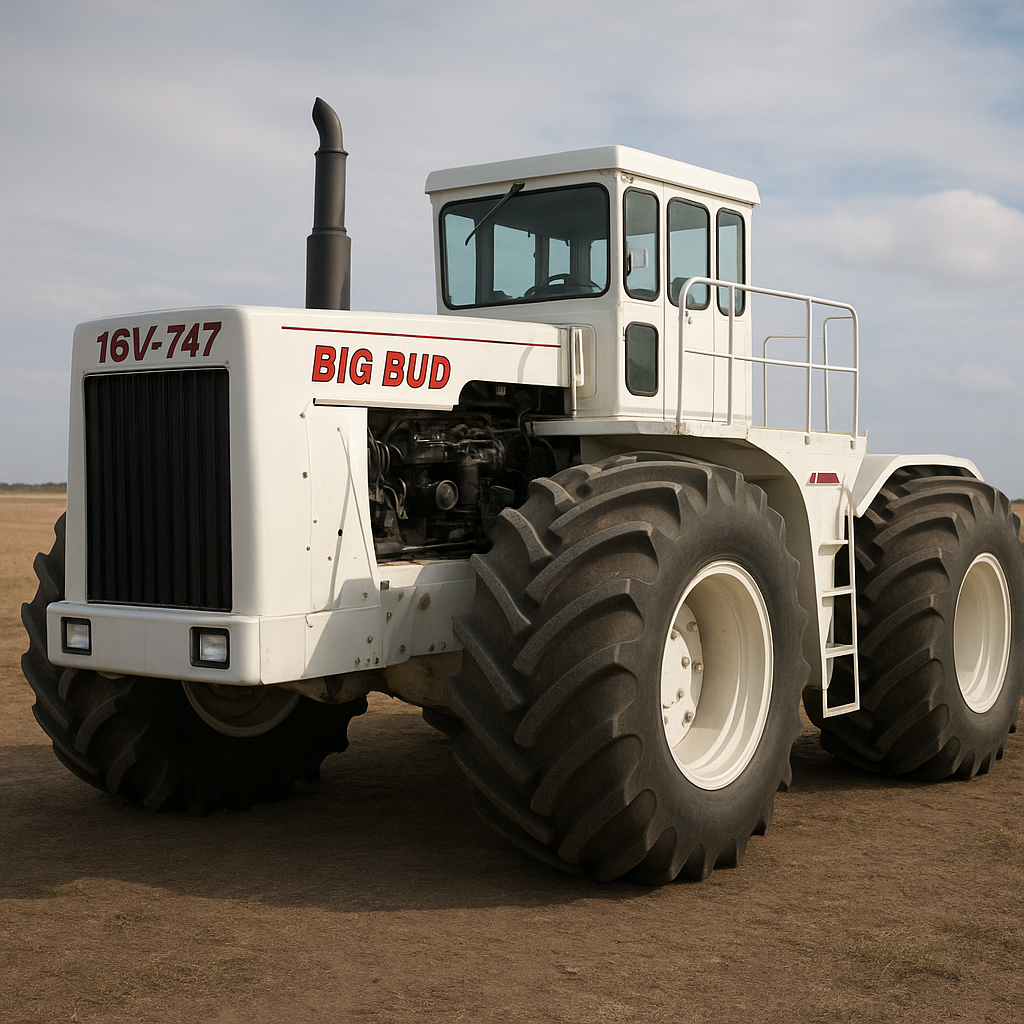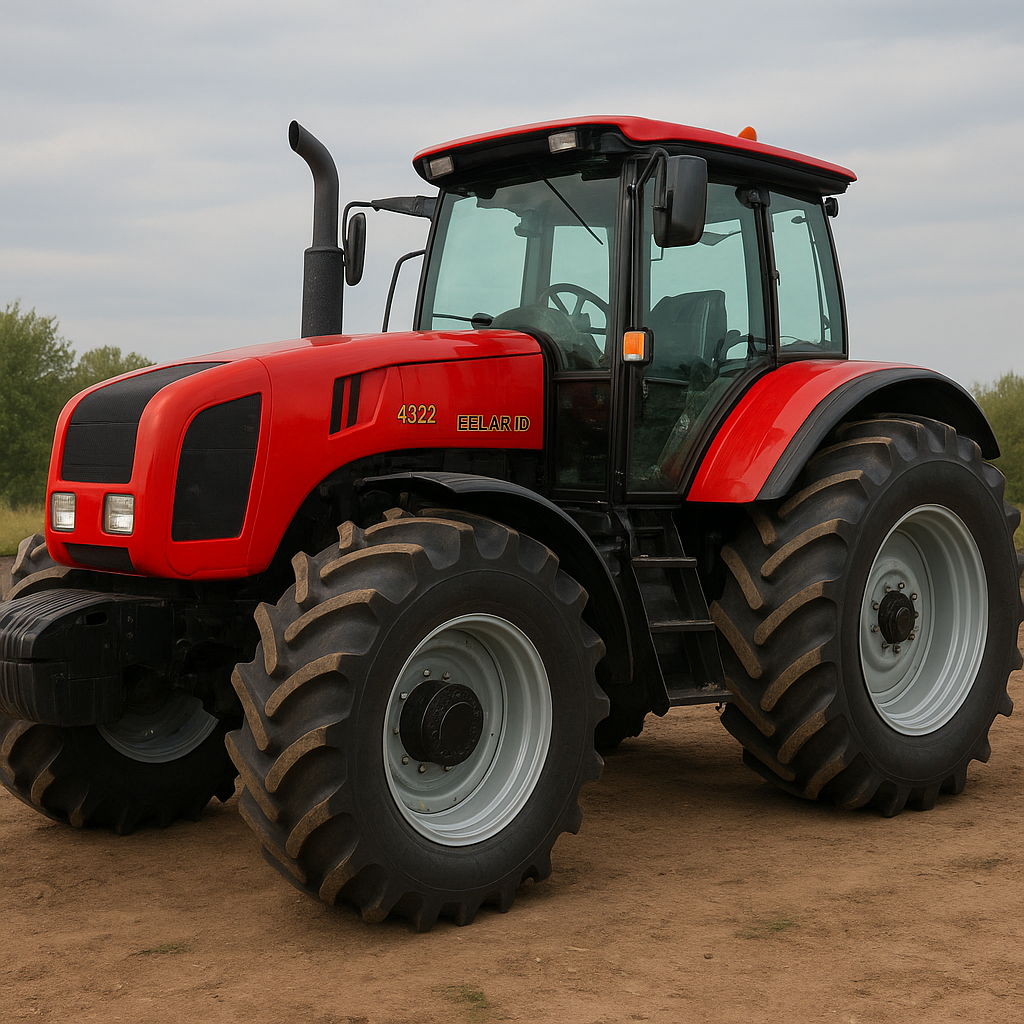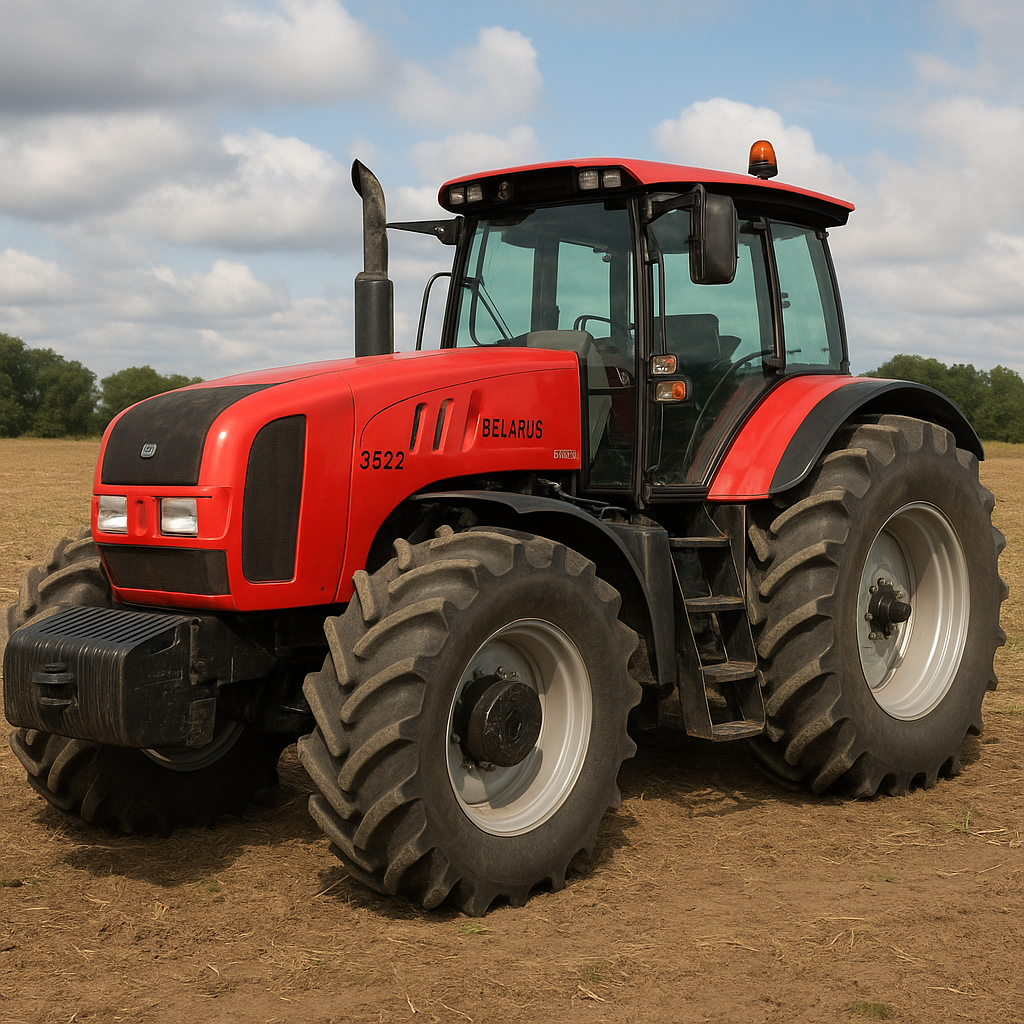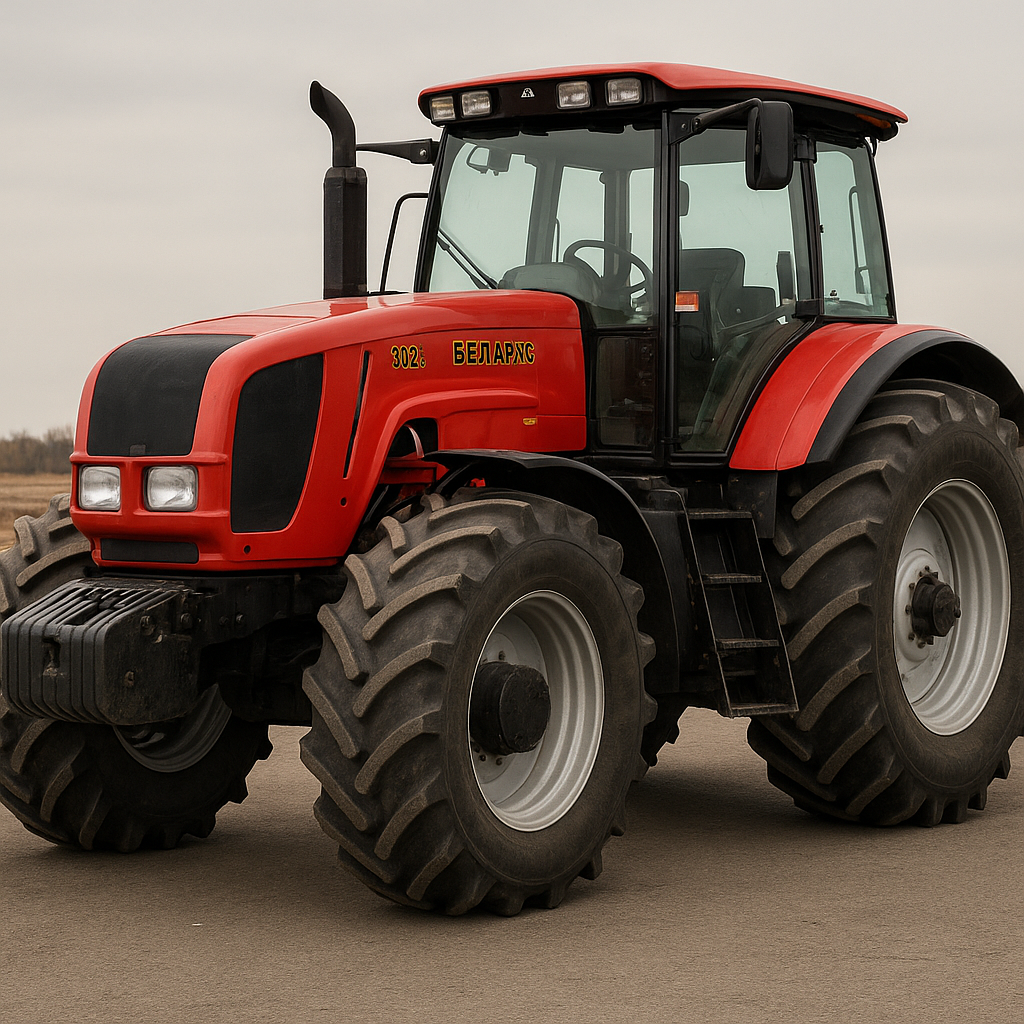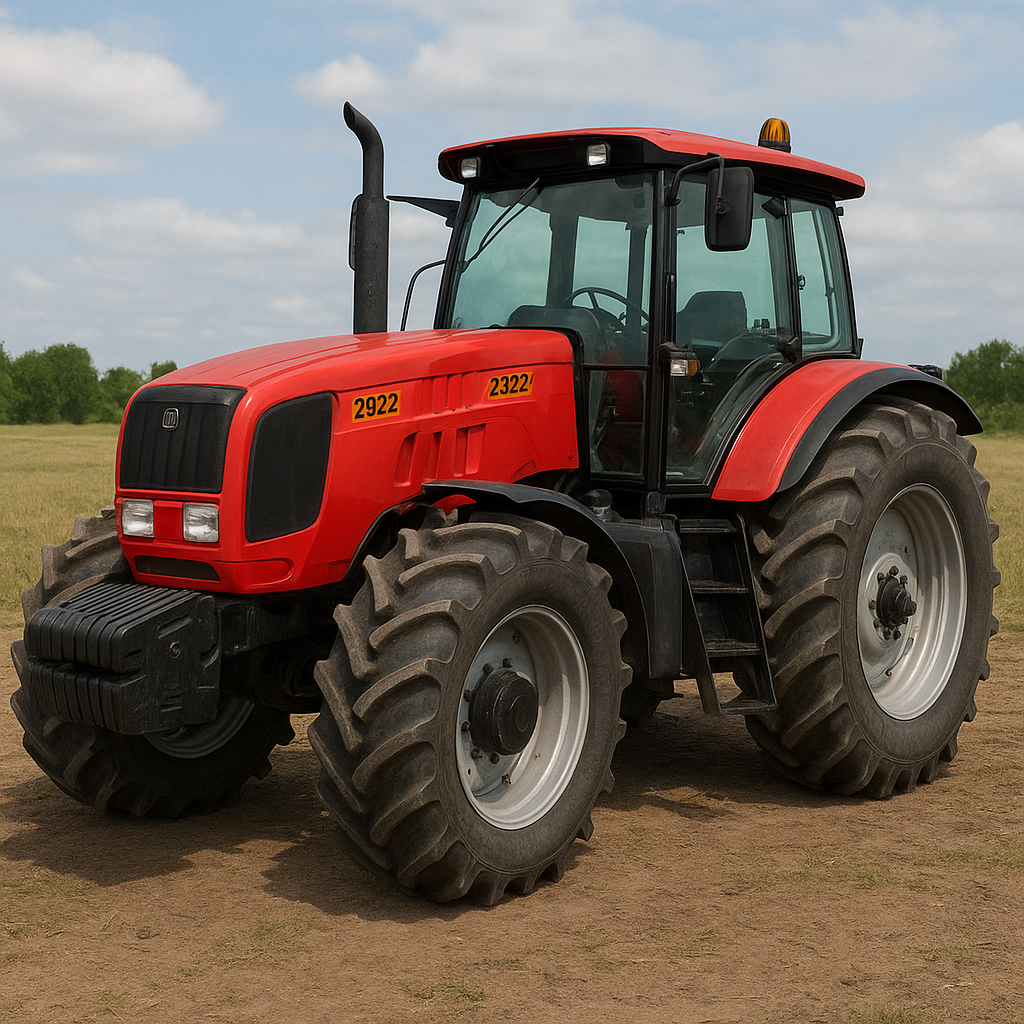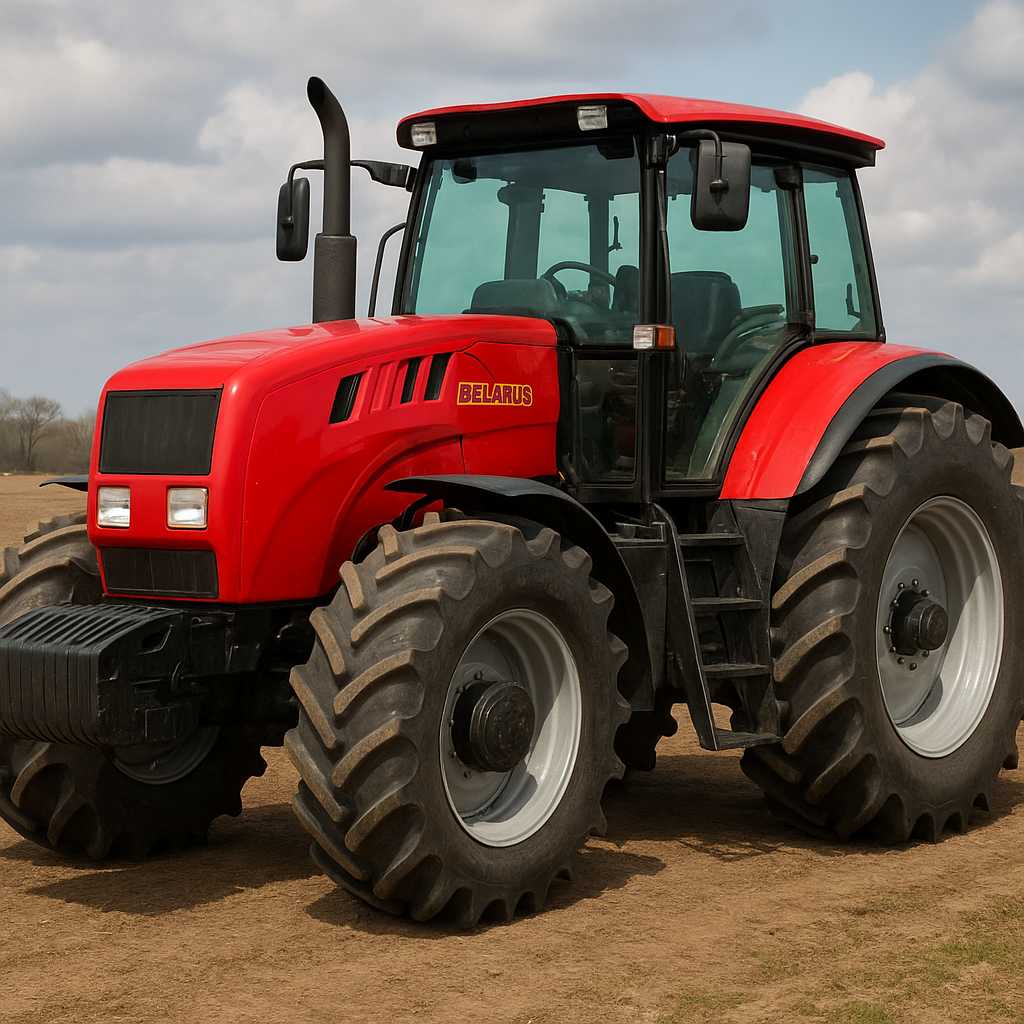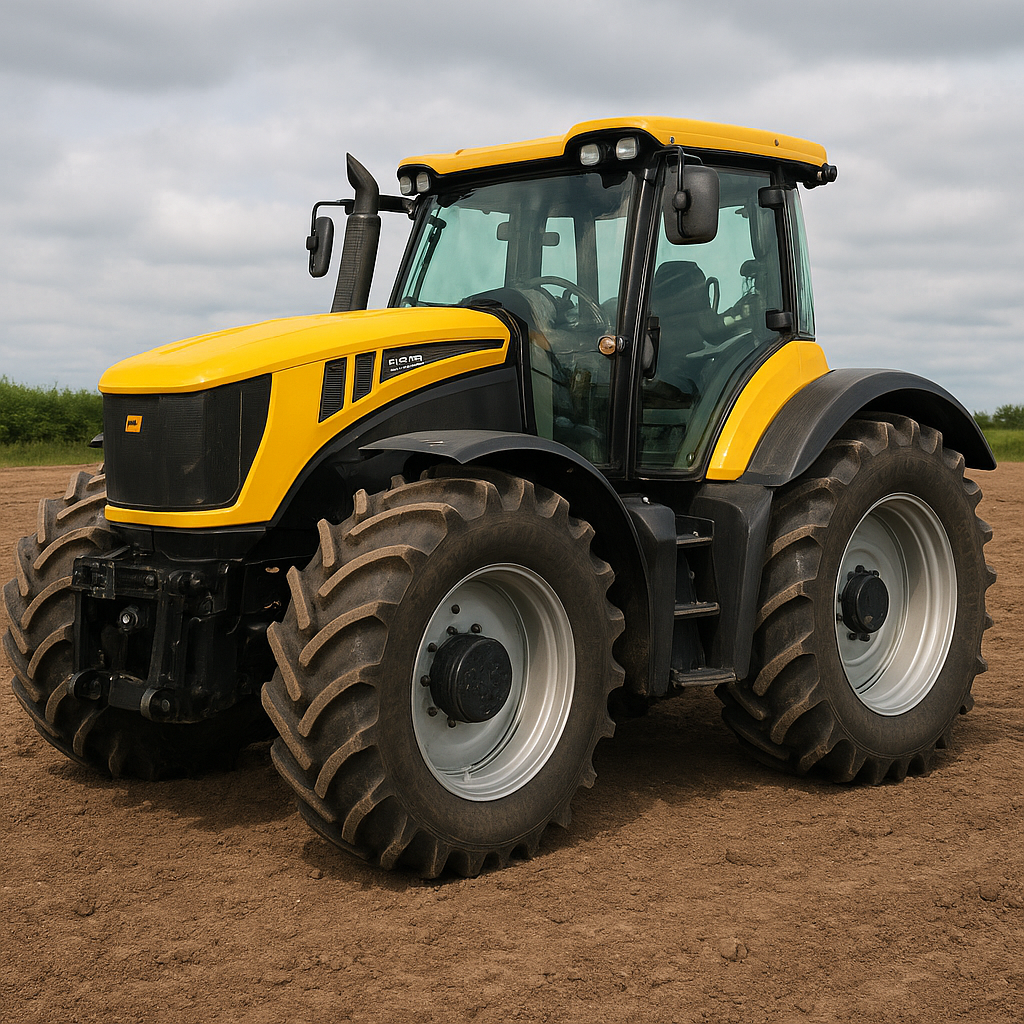
The JCB Fastrac 2170 represents a class of agricultural machines designed to combine the pulling power and implement compatibility of a conventional tractor with the high-speed road performance and refined ride quality more commonly found in farm transport vehicles. Built around the Fastrac philosophy of a long wheelbase, independent suspension and road-oriented drivetrain, the 2170 is intended for farms and contractors who need a machine that spends significant time traveling between plots, delivering loads, or towing implements over public roads. This article explores the design, typical applications, technical characteristics, operational considerations and market context of the JCB Fastrac 2170 to help potential users understand where it fits in modern agriculture and contracting work.
Design philosophy and key features
The Fastrac family was developed by JCB to address a gap between slow, heavy tractors optimized for field work and faster, road-capable machines used for on-farm transport. The 2170 follows that lineage and focuses on a few defining design priorities: speed, comfortable ride through full-vehicle suspension, and flexible implement compatibility. Compared with many standard tractors, the 2170 stresses road performance and operator comfort without compromising the hydraulic and towing capabilities needed for demanding agricultural tasks.
Chassis and suspension
- The 2170 is built on a rigid, long wheelbase frame that improves stability when towing and during high-speed travel. This configuration gives an advantage when hauling trailers loaded with grain, bales or heavy equipment over distances.
- Independent or fully suspended axles are a hallmark of the Fastrac series; they significantly reduce driver fatigue and protect cargo when operating at higher speeds on uneven surfaces. The suspension system also improves tyre contact in field conditions, delivering better traction in certain situations.
- Braking systems on Fastrac models are designed for road use: multiple circuits, powerful disc brakes and often integrated load-sensing systems to meet safety expectations when traveling at higher speeds.
Cab, ergonomics and controls
Ergonomics and operator comfort are more pronounced on the 2170 than on many purely field-focused tractors. The cab usually features excellent visibility, effective climate control, and a layout that minimizes fatigue on long runs. Controls are arranged for both field and transport tasks, and modern variants include electronic management systems, display screens and straightforward joystick or lever control of hydraulics and auxiliary functions. The emphasis on comfort and efficiency is one reason contractors and mixed farms favor Fastrac machines for multi-task roles.
Applications and typical use cases
The JCB Fastrac 2170 is versatile. Its design targets users who require a single machine to perform a mix of heavy fieldwork, transport, and contractor tasks. Typical applications include:
- Field operations: Tillage, seeding, fertiliser application and combinations where hydraulic flow and linkage capacity are important.
- Transport and hauling: Grain trailers, bale wagons, slurry and muck spreaders—especially when fields and storage sites are spaced apart and on-road travel is frequent.
- Contracting work: Contractors who move between sites value the Fastrac’s ability to reach sites quickly and safely with implements attached.
- Forestry and municipal tasks: With appropriate implements the 2170 can undertake roadside mowing, towing of equipment and other non-arable tasks.
- Specialist roles: Loader work, heavy trailer movements and applications where a combination of lifting capacity, hydraulic flow and road speed is beneficial.
Because it is designed to travel at higher speeds, the 2170 reduces downtime associated with long relocations. Time savings can be substantial on large estates or when contractors service multiple farms in a day, which translates to lower operating costs per task and improved fleet utilisation.
Technical characteristics and performance (typical figures)
Manufacturers often offer multiple configurations for the same nominal model to suit different markets and tasks. The following figures reflect commonly reported or typical ranges for a machine in the 2170 class; exact numbers vary by specification, year and optional packages.
- Engine power: The model number 2170 historically indicates a machine positioned around the mid-horsepower band. Typical power for the 2170 class is in the region of 150–180 hp, suitable for a wide range of implements without being excessively large for mixed farms.
- Speed: One of the distinguishing features is a high transport speed capability, often in the 60–70 km/h range depending on gearing and legal limits. This is markedly higher than many conventional tractors and allows safe road transit.
- PTO and lift capacity: Fastrac machines usually offer standard PTO options (540/540E and 1000 rpm) and rear linkage lift capacities that typically fall in the 3,000–5,000 kg range, enabling heavy mounted tools and trailed equipment to be used effectively.
- Hydraulic flow: To support modern implements the 2170-class tractors often feature hydraulic systems with flows in the range of 100–160 L/min depending on pump configuration, with multiple spool valves and optional closed-centre load-sensing systems.
- Fuel capacity and autonomy: Fuel tanks are sized for long days in the field and on the road; typical capacities for similarly sized machines are often between 250–500 litres, although factory options may change that number.
- Weight and dimensions: Kerb weight commonly sits in the range of 6–9 tonnes depending on fitment, ballast and attachments. Axle loads and wheelbase are engineered to balance field traction and on-road stability.
These performance features make the Fastrac 2170 a balanced option for operators who want a relatively compact, but road-efficient, mid-power tractor capable of handling mainstream agricultural duties and frequent transport tasks.
Maintenance, reliability and lifecycle costs
Maintenance considerations for the 2170 mirror those of modern agricultural tractors but with a few additions tied to its road-focused design. The suspended axles, higher road speeds and advanced hydraulics require specific attention.
- Suspension and axle servicing: Regular inspection and servicing of the suspension components and drive axles are essential. Road speeds increase wear on tyres, bearings and brakes compared with purely field machines.
- Engine and transmissions: Scheduled oil changes, filter replacements and monitoring of cooling systems remain crucial. If the model uses a powershift or advanced transmission, adherence to service intervals and recommended fluid types preserves performance and longevity.
- Hydraulic system: Contamination control is critical. Using correct hydraulic oils, keeping filtration systems healthy and following the manufacturer’s service intervals helps prevent costly failures with pumps or valves.
- Costs vs. productivity: Although the 2170 can have higher upfront and maintenance costs versus a simple specialist field tractor, those costs are often offset by the machine’s ability to reduce transport time, consolidate fleet numbers and increase operational flexibility.
Reliable performance is influenced by operator training, maintenance discipline and selecting the right spec for the intended tasks. Many operators report long service life if maintenance schedules and lubrication regimes are followed.
Implement compatibility and attachments
A key strength is implement compatibility. The 2170’s hydraulics, PTO and linkage choices allow it to work with a broad range of implements:
- Seeders, cultivators and ploughs for primary and secondary tillage.
- Sprayers and fertiliser spreaders, running at field or transport speeds.
- Bale handlers, balers and loaders for forage work.
- Slurry tanks and muck spreaders that need a stable towing platform for road travel.
- Front loaders, telehandlers and other front-mounted equipment if front linkage and loaders are fitted.
Compatibility, combined with the ability to travel quickly between fields, makes the 2170 attractive where multiple implement types are in daily rotation or when contractors need to carry implements on public roads.
Safety, regulations and operator considerations
The Fastrac 2170’s emphasis on road use brings additional safety considerations and regulatory compliance issues compared to purely field tractors. Key items include:
- Road signage and lighting: When operating at speed on public roads, proper lighting, reflectors and signage are mandatory and must meet local regulations.
- Weight and axle limits: Be mindful of legal axle loads and total vehicle mass when towing heavy trailers or carrying loads—especially in jurisdictions with strict bridge and road weight limits.
- Operator training: Maneuvering heavy towed loads at higher speeds requires skill. Operators should be trained on the dynamic behaviour of the machine under load, safe braking distances and appropriate speeds for various conditions.
- Maintenance safety: Suspension systems and heavy hydraulic components pose hazards during service. Follow manufacturer guidance and use appropriate jacking/support equipment when working under the machine.
Market position, resale value and alternatives
The JCB Fastrac 2170 sits in a niche between conventional agricultural tractors and purpose-built transport machinery. Its market appeal is strongest among:
- Large mixed farms where time spent traveling reduces effective working hours.
- Contractors and service providers needing a single, flexible machine to handle diverse tasks over a broad area.
- Operations requiring rapid, on-road movement of heavy equipment or produce.
Resale values for Fastrac machines tend to reflect their versatility. Because they suit multiple roles, used Fastracs often maintain value better than highly specialised tractors that are limited to narrow tasks. However, resale depends on service history, hours, specific configuration, and the local demand for high-speed agricultural tractors.
When considering alternatives, buyers often weigh the 2170 against:
- Conventional high-power tractors with added transport trailers—cheaper up-front but slower on roads.
- Split fleets: a dedicated field tractor plus a fast utility vehicle—offering optimized machines for each role at the cost of higher total fleet investment.
- Competitor high-speed tractors from other manufacturers—each with different trade-offs in comfort, service network and implement compatibility.
Practical tips for buyers and operators
To get the best out of a 2170, consider the following practical advice:
- Right-size the spec: Choose engine power, hydraulic flow and linkage capacity that match your heaviest implements. Overspec’ing adds cost and fuel consumption without proportional benefit.
- Check service records: For used machines, verify suspension maintenance and axle servicing. High road mileage can stress components differently than field hours.
- Invest in operator training: Safe high-speed towing and load handling increase productivity and reduce risk of incidents on public roads.
- Plan tyre and brake maintenance: Road use accelerates tyre wear and brake servicing needs; proactive replacement improves efficiency and safety.
- Consider telematics: Modern telematics packages can help monitor fuel use, hours, location and servicing intervals—valuable for contractors and large farms.
Conclusion
The JCB Fastrac 2170 is aimed at users who require a versatile machine combining the comfort and safety of high-speed road travel with the lifting, hydraulic and PTO capabilities needed for demanding agricultural work. Its design priorities—robust chassis, advanced suspension, and broad implement compatibility—make it a strong choice for large farms and contractors that value reduced transfer time and consolidated fleet utility. While precise specifications vary with configuration and year, the model class typically sits in the mid-power band with transport capabilities materially higher than standard field tractors. For buyers considering a Fastrac 2170, careful attention to spec selection, maintenance history and operator training will maximize uptime and long-term value, while delivering tangible productivity gains on mixed or widely-spread operations.