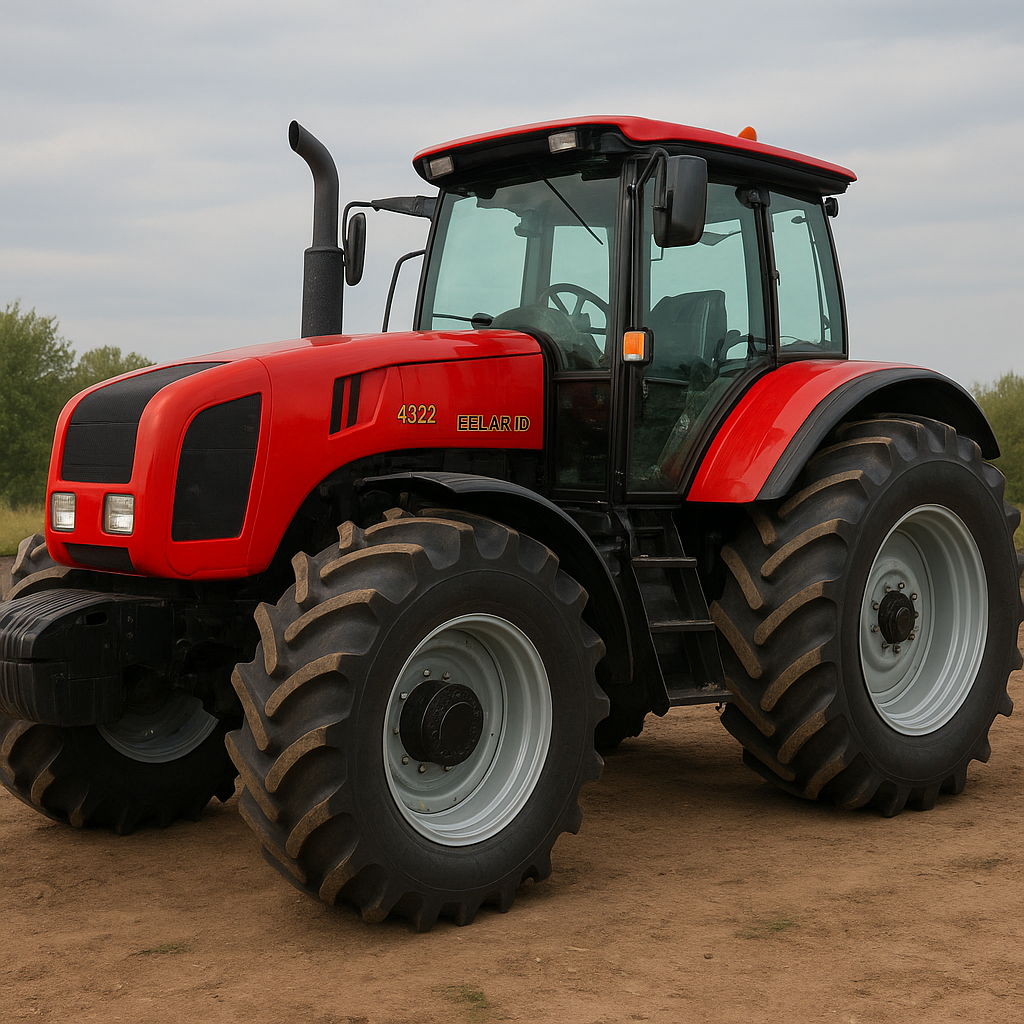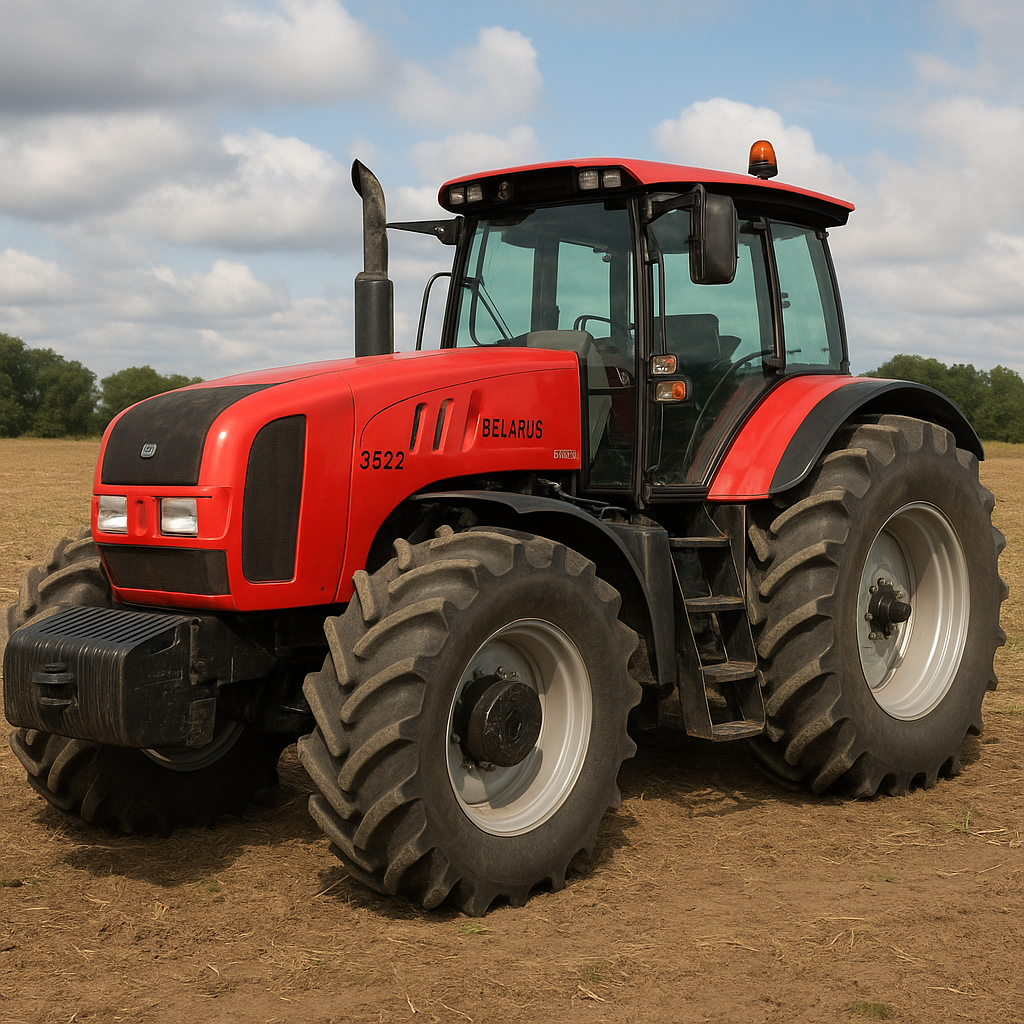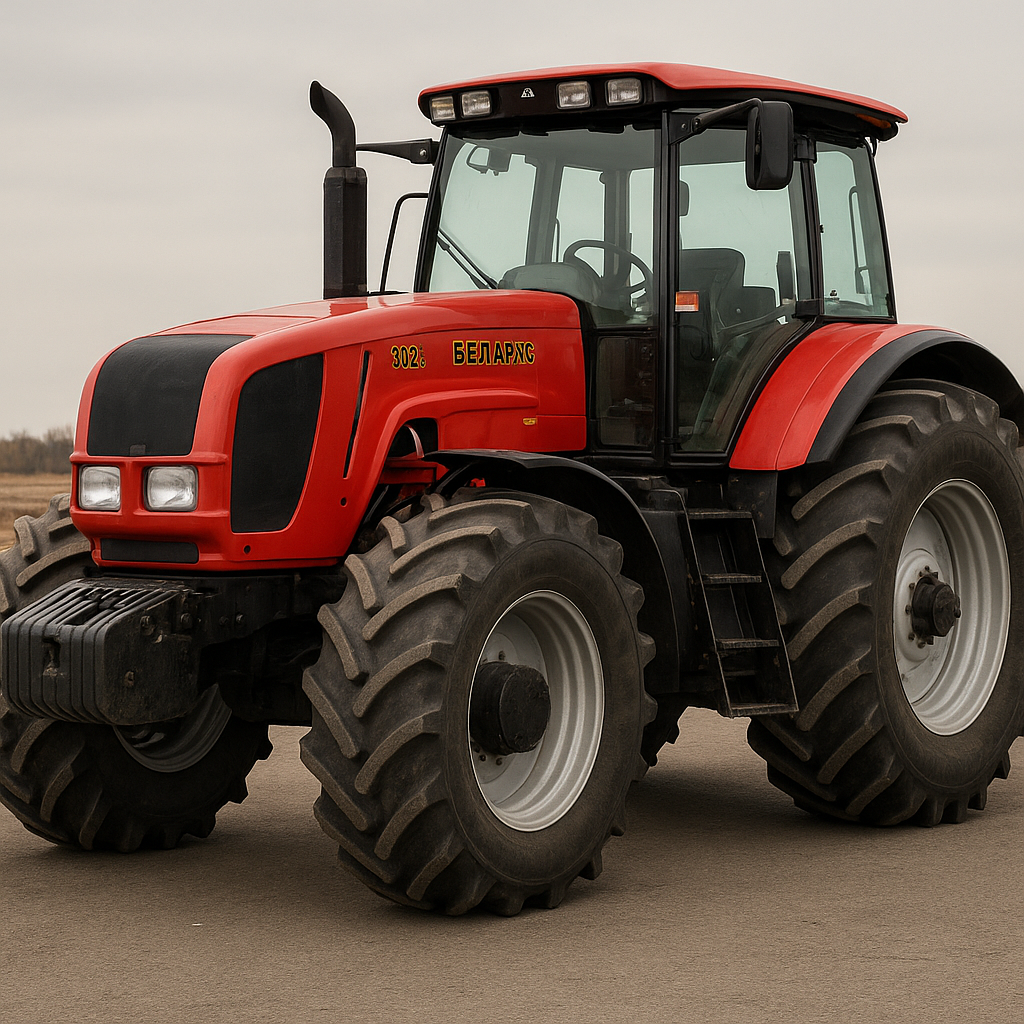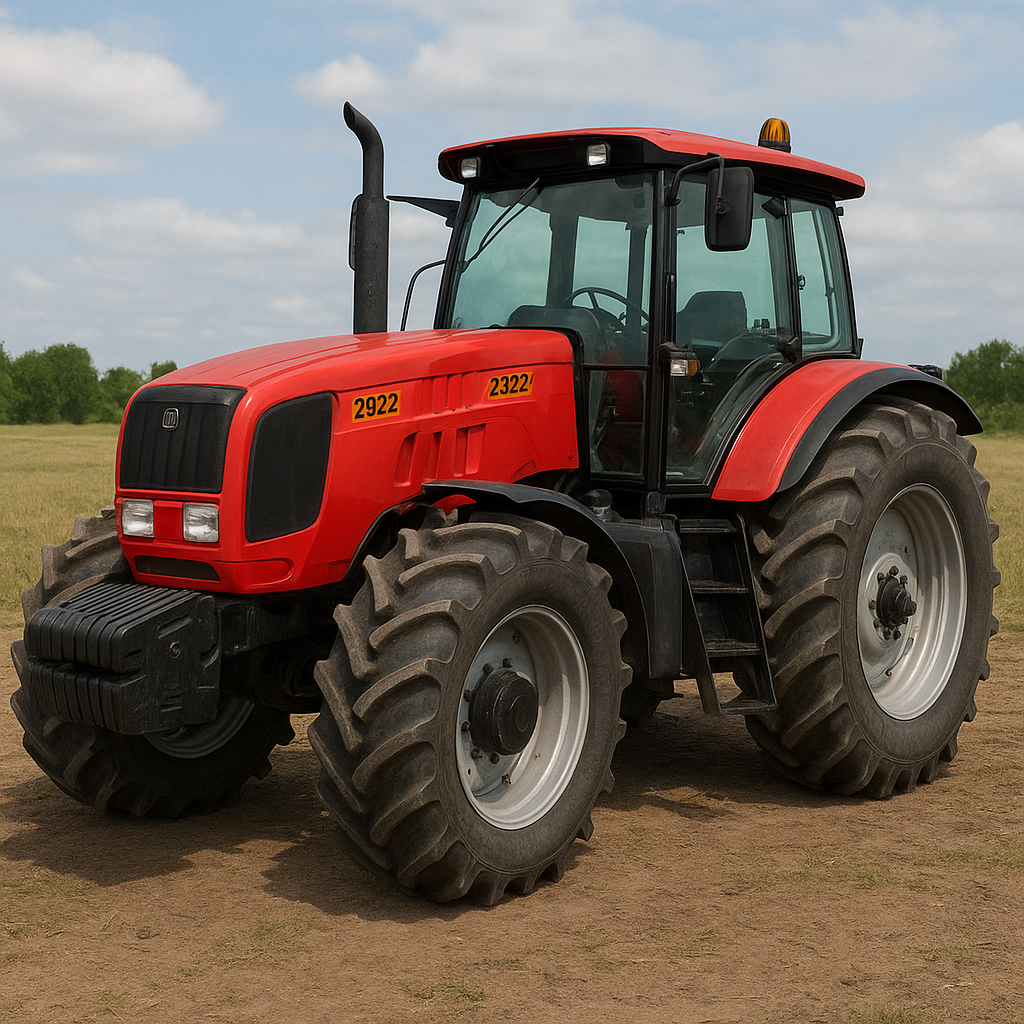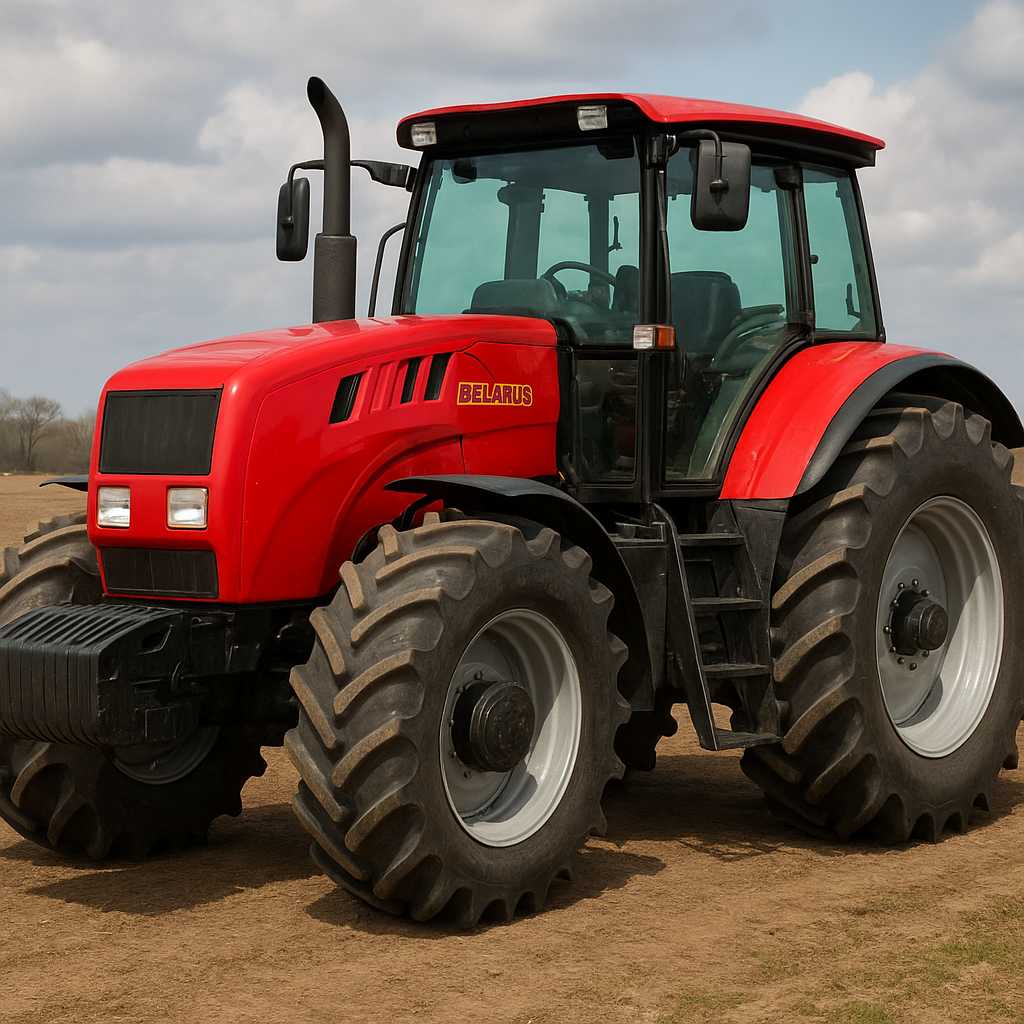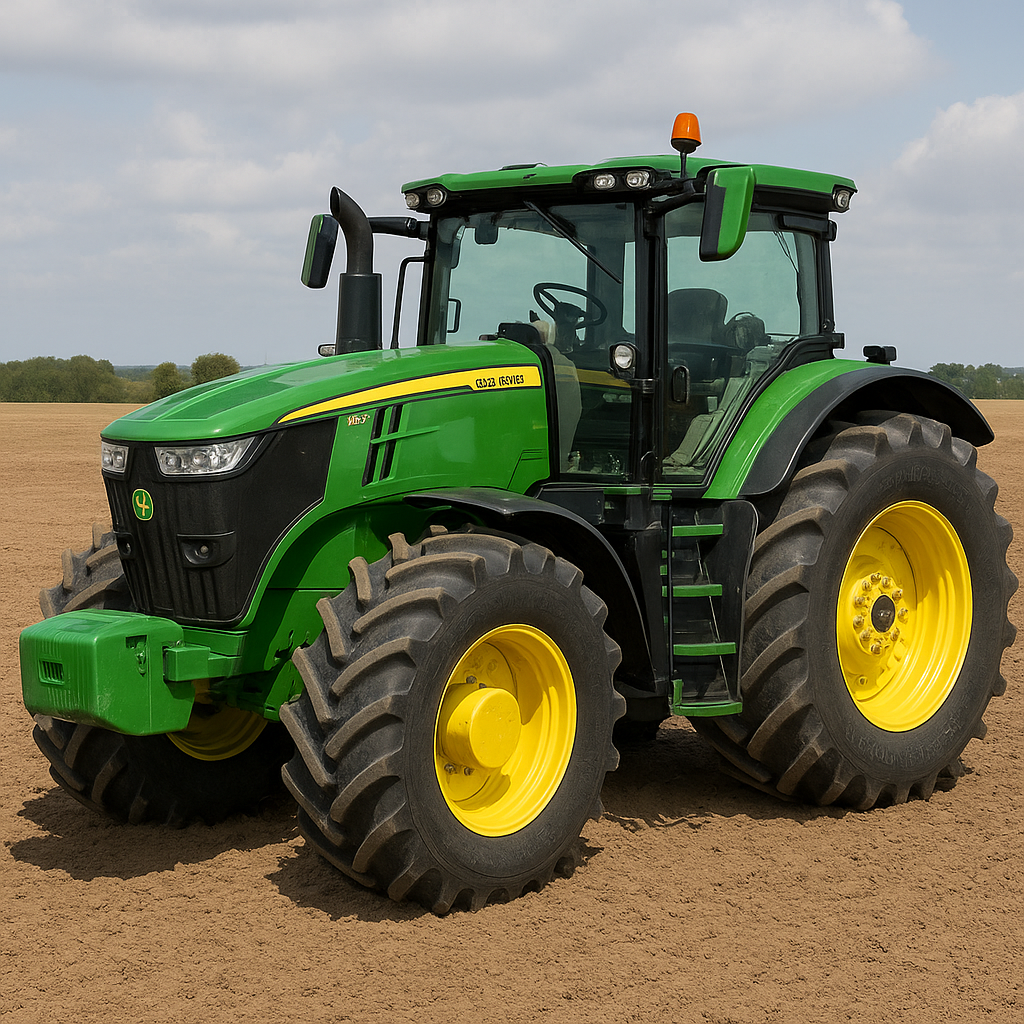
The John Deere 7R 290 is a versatile modern agricultural machine that blends high-capacity power with advanced electronics and operator comfort. Designed for medium-to-large farms and contractors, this model serves as a bridge between heavy-field work and sophisticated precision agriculture tasks. In the following sections, we will explore the machine’s design philosophy, practical applications, technological features, typical technical data, and ownership considerations to provide a full picture of where the 7R 290 fits in contemporary farming.
Design and powertrain: built for sustained work
At the core of the 7R 290 is an engine and driveline package tuned for long hours in the field without sacrificing responsiveness. John Deere has positioned the 7R family as tractors that combine substantial horsepower with agility for a range of implements and tasks. The 7R 290 is typically equipped with a robust inline-six diesel engine and offered with multiple transmission choices so operators can match performance to application.
Engine characteristics
Most 7R 290 tractors are powered by John Deere PowerTech engines known for durability, relatively low operating rpm, and good torque curves. Typical engine characteristics include:
- Inline-six configuration delivering the model designation of around 290 rated engine horsepower (figures vary by model year and regional ratings).
- Turbocharged with intercooling and modern emissions controls for compliance with regional standards (e.g., Stage IV/Tier 4 final for many later-year models).
- Emphasis on mid-range torque to pull heavy implements and maintain ground speed under load.
Manufacturers aim to balance peak power with sustainable fuel consumption: the 7R 290’s design helps achieve steady pull at lower rpm, which supports both efficiency and longevity.
Transmission and driveline options
One of the 7R 290’s selling points is its variety of drivetrain options. Farmers can choose from modern continuously variable or multi-speed power-shift transmissions to suit field speed control and transport requirements. Common choices include:
- An infinitely variable transmission (John Deere’s AutoPowr/IVT) for seamless speed changes and fine control when running implements like planters, sprayers, or loader work.
- Advanced power-shift options (e.g., e23 or similar) that provide direct gears for heavy haul and consistent engine braking for transport.
- Four-wheel drive with a locked front differential option to maximize traction in adverse conditions.
These options let operators prioritize fuel economy, transport speed, or maximum drawbar performance according to daily tasks.
Applications and field uses: where the 7R 290 shines
The 7R 290 is designed as a multi-role machine that performs well in large-scale arable farms, specialty operations, and contractor fleets. Its combination of power, hydraulics, and electronic control makes it suitable for a broad range of duties.
Primary field applications
- Tillage: With sufficient drawbar and PTO capability, it tows large ploughs, discs, and cultivators at economical working speeds.
- Seeding and planting: Paired with wide planters, the 7R 290 maintains consistent ground speed critical for seed placement accuracy.
- Spraying: When used as a tractor for trailed or mounted sprayers, precise speed control and hydraulic capacity ensure correct application rates.
- Haulage and transport: Transporting grain trailers, slurry tanks, and heavy loads between fields and storage benefits from the available transmission options and braking systems.
- Baler and forage work: Power for rotary balers and high-capacity forage assemblies enable efficient harvest operations.
Specialized and emerging uses
Beyond traditional tasks, the 7R 290 is often integrated into precision agriculture systems for variable-rate seeding and nutrient application. Contractors may equip the tractor with GPS-guided implements for tasks such as strip-till, controlled-traffic farming, and even non-agricultural work like road verge mowing or municipal applications when configured with the right tools.
Operational environments
The 7R 290 finds use across varied terrains—from the flat, high-acreage regions where it covers many hectares per day to hilly farms where torque and braking are more critical. Tire and ballast options allow fine-tuning between low soil compaction setups (wider tires or tracks) and maximum traction setups (duals and heavy ballast).
Technology and operator experience: precision, connectivity, comfort
Modern tractors are as much computers as they are mechanical machines. The 7R 290 includes an array of electronic systems aimed at improving productivity, reducing operator fatigue, and enabling precision agriculture workflows.
Precision farming features
- Compatibility with AutoTrac and guidance systems for reduced overlap and consistent pass-to-pass accuracy.
- ISOBUS compatibility to control a wide range of implements from the tractor’s display, reducing the need for multiple control boxes.
- Variable-rate control and documentation modules that integrate with farm management information systems (FMIS).
These technologies lower input costs by improving application accuracy for seed, fertilizer, and chemicals while also generating data for later analysis and compliance documentation.
Cab and ergonomics
Operator comfort is a priority in the 7R series. Features typically found on the 7R 290 include:
- Spacious, climate-controlled cab with low noise levels for long-day operations.
- Ergonomic controls and multi-function armrests that centralize frequently used functions.
- High-visibility roof and lighting packages for night work.
- Advanced suspension systems (cab and front axle options) to reduce fatigue and improve ride quality over rough fields.
Comfort and intuitive controls translate into fewer operator errors and higher daily productivity.
Connectivity and telematics
John Deere’s telematics platform (e.g., JDLink) connects machines to fleet managers and service providers. The 7R 290 benefits from:
- Remote diagnostics and machine health monitoring that can reduce downtime.
- Data transfer capabilities that allow agronomic data to be shared with consultants or aggregated for long-term planning.
- Over-the-air software updates for certain control modules, depending on region and model year.
Typical specifications and performance figures
Specifications for any tractor change with model year, market, and optional equipment. The numbers below are shown as typical values or ranges commonly associated with the 7R 290 and closely related variants. Always consult the manufacturer’s specification sheet for precise values on a particular machine.
- Rated engine power: around 290 hp (manufacturer ratings may vary between mechanical and PTO values).
- Engine displacement: commonly an inline-six in the 6.8L to 9.0L range depending on generation; many 7R models use a 6.8L PowerTech in certain years.
- PTO power: typically lower than engine gross power and dependent on configuration; expect PTO power in a range roughly between 220–260 hp depending on rating method and options.
- Transmission: IVT (AutoPowr) or multi-speed power-shift (e.g., e23), with top transport speeds commonly up to 40 km/h or 50 km/h depending on gearing and regional limits.
- Hydraulic flow: main pump flow often in the 150–220 L/min range with optional high-flow or dual-pump configurations for large sprayers and high-demand implements.
- Weight: base operating weights commonly range from approximately 8,000 to 10,500 kg depending on ballast and options; transport and fully ballasted configurations may weigh significantly more.
- Fuel tank capacity: ranges commonly between 450–700 liters depending on factory and aftermarket tanks.
- Axle options: rigid and suspended front-axle options with a variety of gear ratios for different field speeds and transport needs.
- Lift capacity: rear linkage lift capacities commonly exceed 8,000–10,000 kg with optional front linkage units adding several thousand kilograms of lift for mounted equipment.
These figures should be treated as representative. Exact values for a specific serial number and option set must be verified with John Deere publications or a dealer.
Maintenance, running costs and total ownership considerations
Owning a high-horsepower tractor like the 7R 290 involves upfront cost, ongoing maintenance, and decisions about lifecycle management. Several factors influence the total cost of ownership.
Fuel consumption and efficiency
Fuel use depends heavily on duty cycle, soil conditions, and operator behavior. Typical measures used by farm managers include liters per hectare for typical tasks or liters per hour at a given workload. The 7R 290’s engine management and transmission options are designed to optimize fuel use by keeping the engine in efficient rpm ranges, and IVT systems can further improve economy under variable loads.
Service intervals and reliability
Regular maintenance includes engine oil and filter changes, fuel system servicing, hydraulic fluid checks, and scheduled checks of the emissions after-treatment system on models that include DPF/SCR technologies. Telemetry and remote diagnostics often reduce surprise failures and can guide predictive maintenance.
Resale and lifecycle
Large tractors tend to hold value if they are well maintained, properly documented, and equipped with popular technology packages (guidance, ISOBUS, high-flow hydraulics). Customization for a specialized task (e.g., hop or vineyard running gear) can sometimes reduce resale appeal, while universal configurations usually attract a wider buyer base.
Market use, competing models, and strategic fit
The 7R 290 competes in a market segment where operators balance raw power and electronic sophistication. Competitors in similar power bands include offerings from other major manufacturers that also provide CVT/IVT options, telematics, and precision-ag integration. The choice often comes down to dealer support, parts network, financing, and the existing brand ecosystem on a farm (e.g., compatibility with other implements and software platforms).
Who should consider the 7R 290?
- Medium-to-large arable farmers who need a tractor that can handle wide planters, sprayers, and primary tillage while also serving transport roles.
- Contractors who require a reliable, high-hour machine with telematics for fleet management and diagnostic support.
- Operators invested in precision agriculture who will use AutoTrac, section control, and data-driven application maps to reduce overlaps and inputs.
Limitations and alternatives
For extremely heavy-duty applications (very high traction demands, very large frame-mounted implements), higher-rated models from the 8R/9R range or articulated tractors might be more appropriate. Conversely, for smaller mixed farms, compact utility tractors or the lower 6R line may be a more economical choice.
Final considerations and practical tips for buyers
If you are evaluating a 7R 290, consider the following practical points:
- Match the transmission type to your primary tasks: IVT for variable-speed implement work and comfort vs. power-shift for heavy transport.
- Confirm hydraulic flow and linkage capacities if you plan to run high-demand implements like large sprayers or planters with many driven components.
- Check available telematics and data subscription options to ensure compatibility with your farm management systems.
- Assess tire/track and ballast options for your soil types to manage compaction and traction.
- Review dealer support, warranty, and service plans—these affect uptime and long-term costs more than many buyers expect.
In summary, the John Deere 7R 290 is a capable, technology-rich tractor that brings together flexible drivetrain choices, robust hydraulics, and modern precision tools. For farms and contractors requiring a balance of power, comfort, and electronic integration, the 7R 290 remains a compelling option—provided one selects the right configuration for the intended tasks and prepares for the maintenance and data-management aspects of modern machinery.