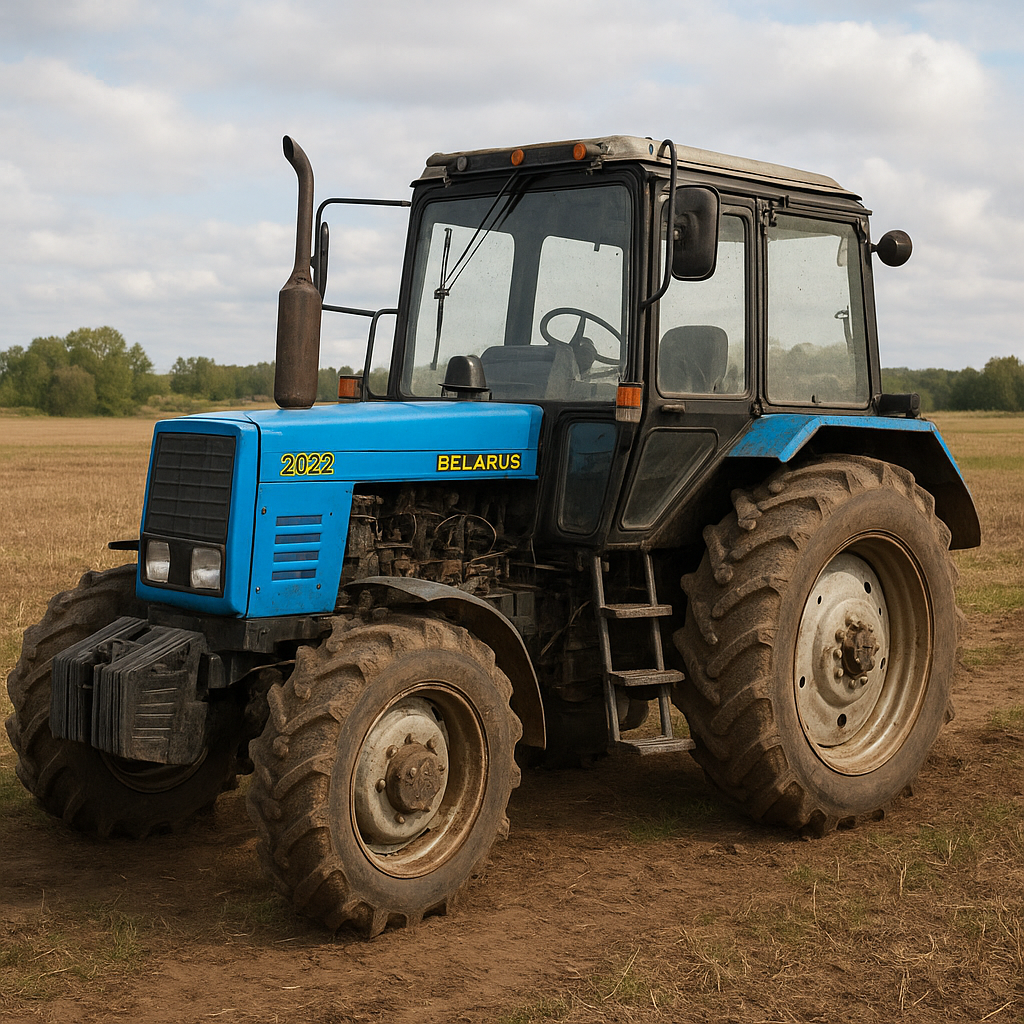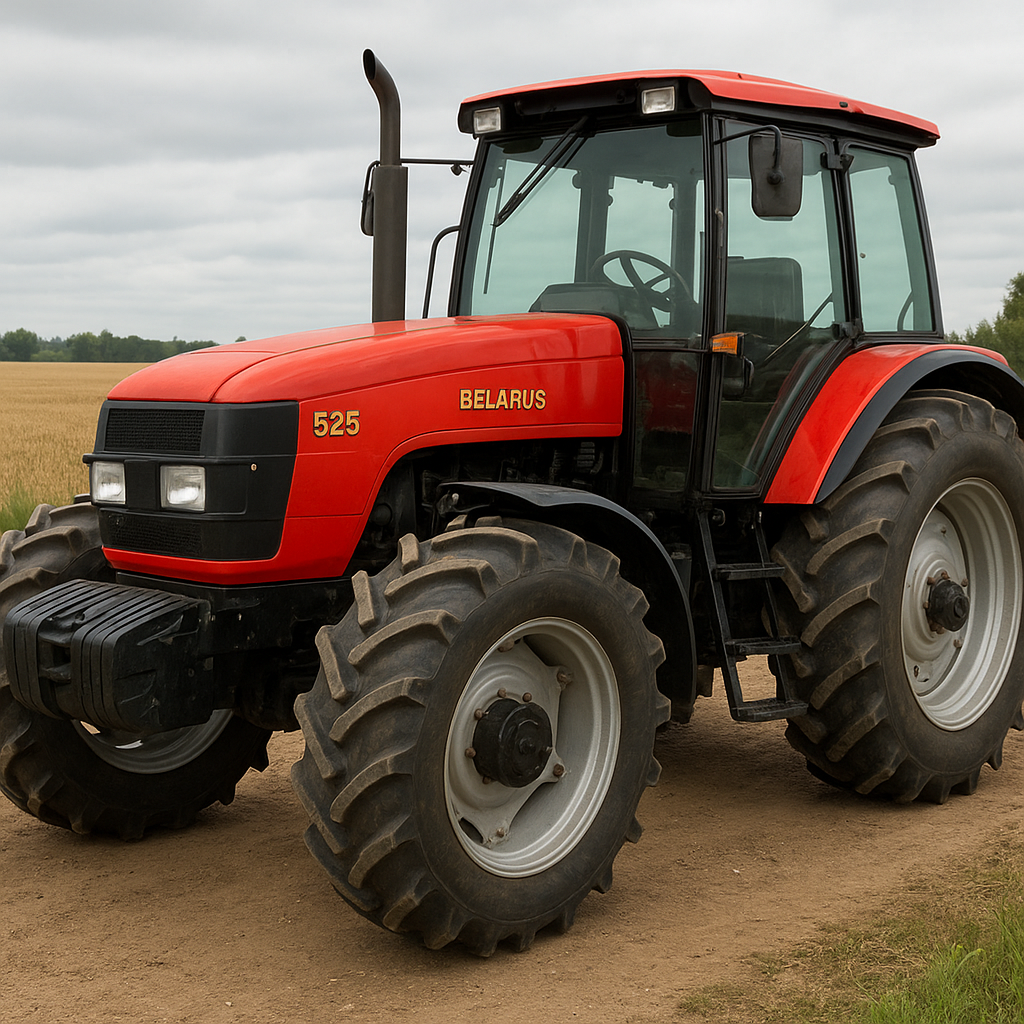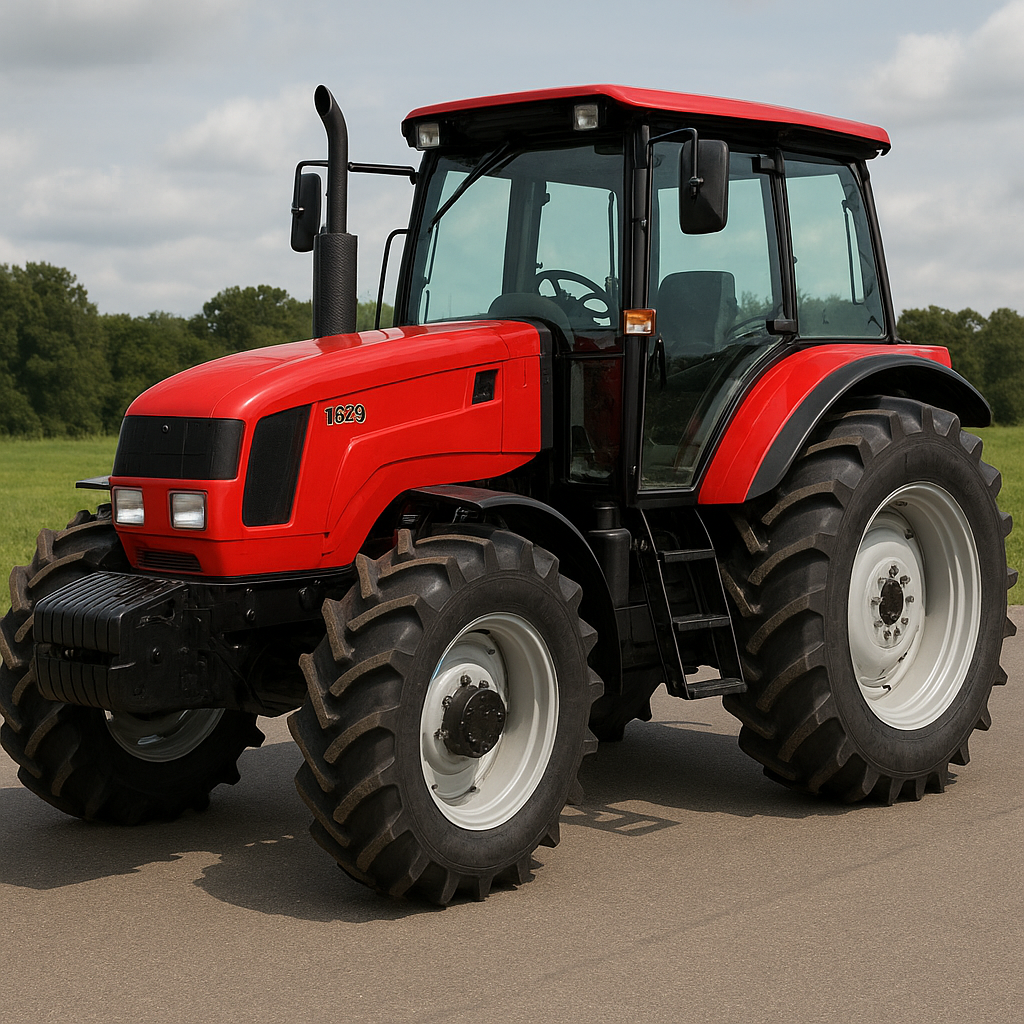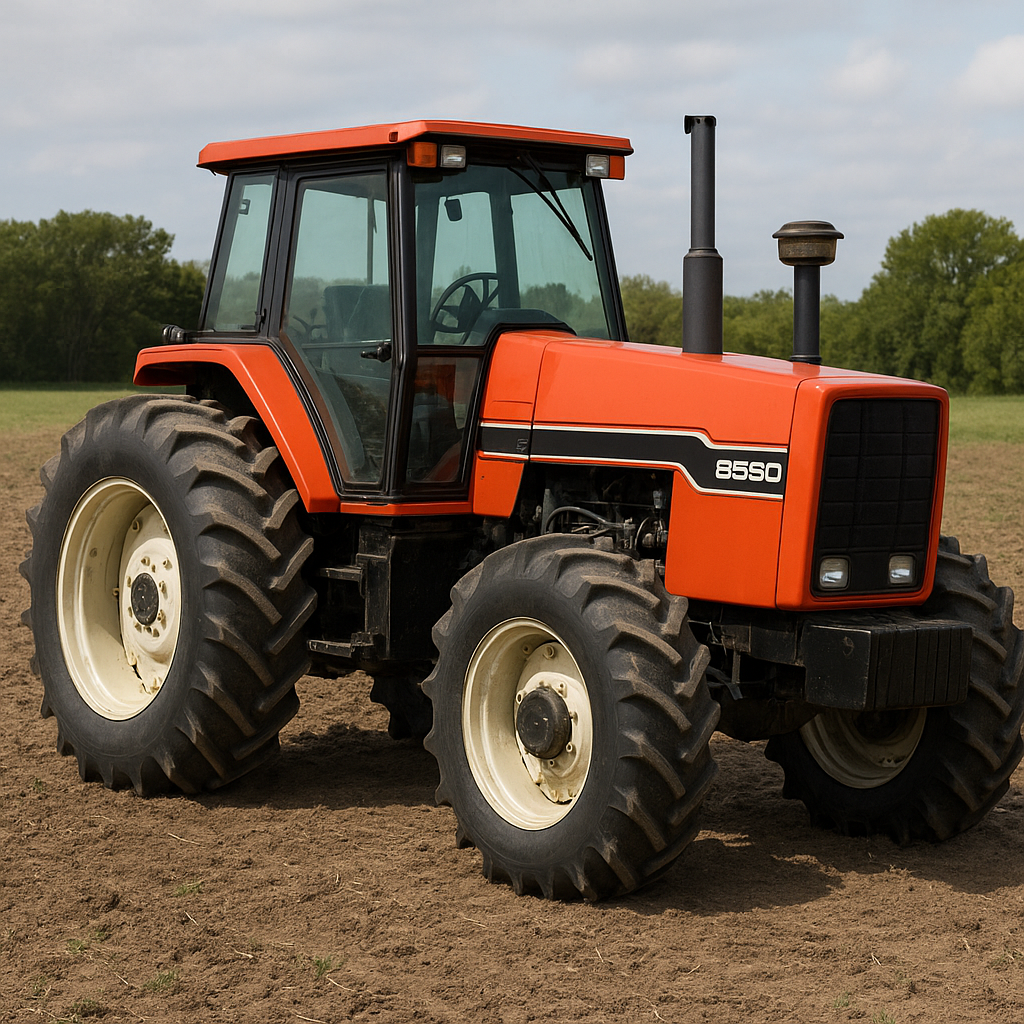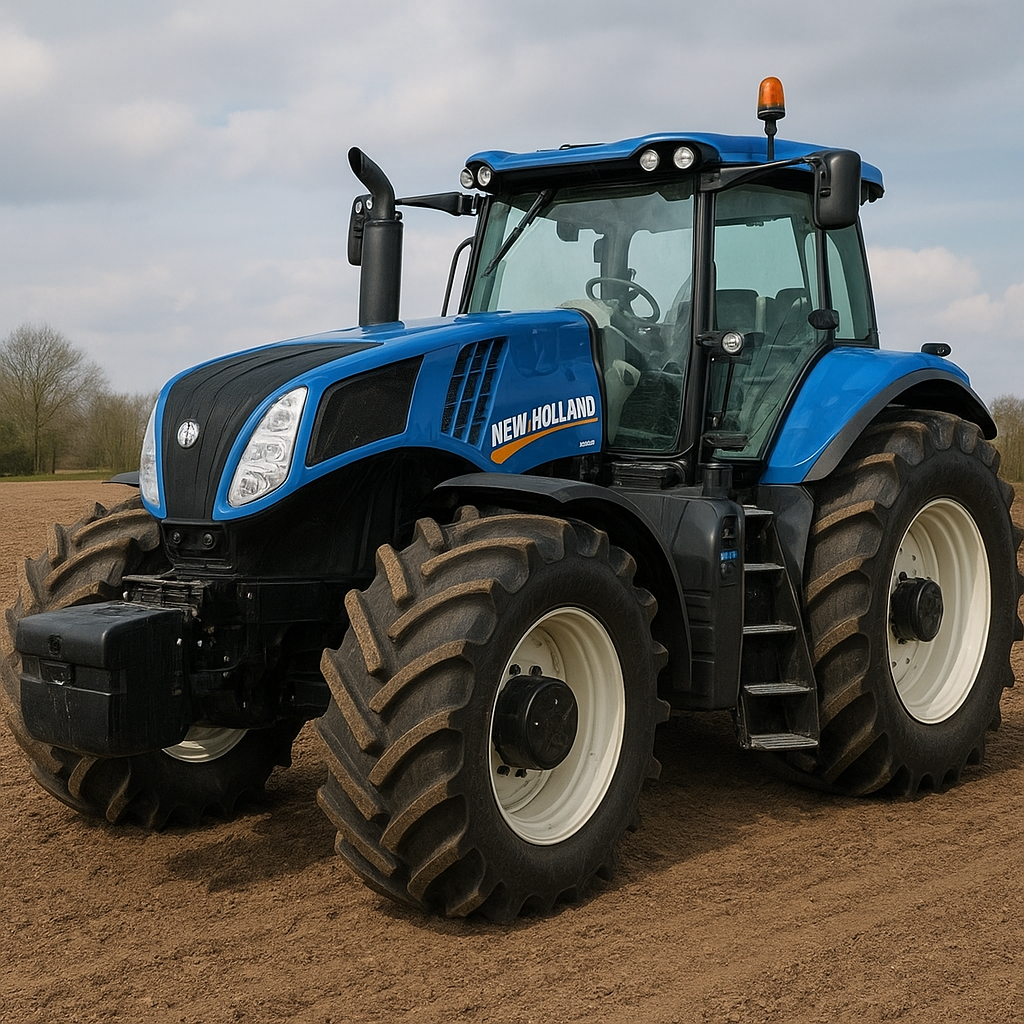
The New Holland T8.390 is a high‑power, full‑size agricultural tractor designed for demanding modern farm operations and heavy haulage tasks. Its combination of advanced drivetrain technologies, robust chassis engineering and operator‑focused cab design positions it among solutions preferred by contractors and large scale farmers. Below you will find a detailed look at its design, typical applications, technical characteristics, operator amenities, maintenance considerations and real‑world performance notes.
Design, powertrain and core technologies
The T8.390 is part of New Holland’s T8 range, which targets high‑horsepower requirements while maintaining flexibility for a wide variety of tasks. At the heart of the machine is a strong emphasis on reliable, efficient propulsion and precise power delivery. The tractor typically features a large displacement diesel engine, coupled with the manufacturer’s advanced transmission and drive systems.
Engine and performance
- Engine: The T8.390 is commonly fitted with a six‑cylinder, turbocharged diesel engine developed by FPT/Fiat Powertrain technologies. This robust unit is tuned to deliver the high output required by heavy implements and high‑speed field operations.
- Power: As indicated by the model designation, maximum power is around 390 horsepower at peak engine operating point (rated according to industry standards such as ECE R120 in many markets). Peak torque values are designed to sustain heavy draft and transport loads.
- Emissions and aftertreatment: The model range is configured to meet modern emissions regulations (Tier 4 / Stage IV in many regions) using selective catalytic reduction (SCR) and diesel oxidation catalysts, often allowing for efficient operation without a particulate filter in some configurations.
Transmission and drivetrain
One of the signature technologies available on T8 tractors is the continuously variable transmission (CVT) branded as Auto Command by New Holland. The CVT provides seamless speed control, optimized torque delivery and improved fuel economy during variable load conditions.
- Smooth acceleration and precise ground speed control make it particularly suited for implements that require consistent speed (e.g., seed drills, spreaders, sprayers).
- Advanced four‑wheel drive systems and electronically controlled differentials give excellent traction and tractive effort in challenging field conditions.
- Top transport speeds typically range up to 40–50 km/h depending on gearing and local regulations, enabling efficient road transfers between fields.
Hydraulics, PTO and hitch
The T8 series is engineered to support large, power‑hungry implements. Key elements include high‑flow hydraulic systems, robust three‑point hitch components and multiple PTO speed options.
- Hydraulics: High‑capacity hydraulic pumps supply multiple remote circuits with substantial flow for large planters, loaders and hydraulic motors. Flow rates and remote valve configurations are typically configurable to match farmer needs.
- PTO: Rear PTO speeds commonly include 540 / 1000 rpm settings to match the rotational speed requirements of a wide variety of implements.
- Rear linkage lift capacity is sized to handle heavy implements, with top link and lower link geometries optimized for stability and control.
Applications and field versatility
The New Holland T8.390 is designed for operations where both continuous field performance and road transport efficiency are necessary. Its combination of high horsepower and modern control systems makes it versatile across several agricultural and non‑agricultural roles.
Primary agricultural uses
- Arable farming: Pulling large ploughs, cultivators and seed drills across extensive acreage. High torque at low engine speeds reduces fuel consumption during draft work.
- Planting and seeding: Paired with wide planters and precision seeders, the tractor’s steady speed control ensures consistent seed placement and depth.
- Fertiliser and manure application: Large spreaders and slurry tankers are commonly matched to this class for efficiency and capacity.
Transport and contract work
- Road transport: With higher top speeds and efficient transmissions, the T8.390 can perform long internal transport tasks between fields or on public roads.
- Contracting: Contractors use these tractors for a wide range of services — tillage, harvesting support, transport — where uptime and flexibility are critical.
Specialised and auxiliary tasks
- Loader work: When fitted with a high‑capacity front loader, the tractor handles heavy materials and bulk handling tasks, although many operators choose a loader‑specialty machine for intensive loader duty.
- Non‑agriculture: Forestry, municipal snow clearing and heavy haulage in industrial contexts can be addressed with appropriate configurations.
Operator environment, controls and ergonomics
New Holland places strong emphasis on civilian comfort and ease of use to reduce operator fatigue during long workdays. Features are designed to integrate machine control with implement management.
Cab and visibility
- Spacious, climate‑controlled cab with panoramic views for safer implement hookup and in‑field monitoring.
- Ergonomic seating, adjustable steering column and well‑placed controls reduce operator strain and improve productivity.
- Excellent sound insulation and vibration control for a comfortable working environment.
Control layout and technology
- Intuitive multifunction armrest integrates transmission, hydraulic and PTO controls for one‑handed operation.
- In‑cab displays provide real‑time readouts of fuel consumption, engine parameters and implement status; optional precision farming systems (GPS guidance, auto‑steer) enhance accuracy.
- Telematics and remote diagnostics are often available, letting fleet managers monitor performance and schedule maintenance efficiently.
Maintenance, operating costs and economics
When evaluating a high‑power tractor like the T8.390, total cost of ownership (TCO) is a major consideration. Fuel efficiency, service intervals and component longevity affect profitability over the machine’s life.
Fuel consumption and operating efficiency
Large tractors can be surprisingly efficient when operated in their optimal power band. The Auto Command CVT helps maintain engine RPM close to the most economical point while adjusting ground speed for load changes, which can result in tangible fuel savings compared with older step‑gear transmissions.
- Real fuel consumption depends on task: draft work at low speeds, transport at higher speeds, and PTO‑driven operations all yield different consumption profiles.
- Precision farming integrations (e.g., variable rate application) can further reduce input costs and increase per‑acre efficiency.
Service intervals and reliability
- Routine maintenance items include engine oil changes, fuel system servicing, hydraulic oil checks and air filter replacement. Intervals vary with use but are typically aligned with industry norms for high‑power tractors.
- Designed for robust duty cycles, many owners report long service lives when following manufacturer maintenance schedules and using genuine parts.
Resale and lifecycle value
High‑spec tractors from established manufacturers tend to retain value well, particularly when equipped with modern electronics and telematics packages. Factors that preserve resale value include documented maintenance history, low hours relative to size of operation and desirable options such as precision guidance.
Typical specifications and performance data (indicative)
Below are representative figures often associated with the T8.390 class. Exact values depend on year, regional configuration and chosen options; treat the numbers as indicative factory or common in‑field figures rather than absolute, model‑year locked specifications.
- Maximum engine power: approximately 390 hp (engine peak output).
- Engine configuration: 6‑cylinder, turbocharged diesel (displacements commonly in the 12–13 litre range on comparable engines).
- Transmission: Auto Command CVT or equivalent continuous variable drive.
- Hydraulic flow: high‑flow pumps delivering from roughly 150 to over 200 litres per minute depending on configuration.
- Rear linkage lift capacity: typically several tonnes (designed for heavy implements and large planters); figures often quoted in the 9,000–12,000 kgf range for linkage lift at the hook.
- PTO options: 540 / 1000 rpm standard, sometimes with additional economy PTO modes.
- Maximum road speed: commonly 40 km/h or 50 km/h depending on regional homologation and gearing.
- Fuel tank capacity: commonly several hundred litres to enable long work periods between refuels; exact capacity varies by build and optional tanks.
- Operating weight: substantial for stability and traction—often in the neighborhood of 10,000–12,000 kg depending on configuration, ballast and options.
Real‑world performance, case studies and operator feedback
Farmers and contractors using T8‑class tractors typically emphasize three strengths: pulling power, comfort and versatility. In large arable farms, the ability to maintain higher average field speeds with wide implements translates directly into reduced working hours during tight seasonal windows.
Field efficiency
- Wide cultivations: When pulling 6–10 meter implements, the tractor’s power and torque reserves allow consistent forward speed with fewer gear changes, improving fuel efficiency per hectare.
- Planter and seeder operations: The stable ground speed control reduces overlap and seed rate variation when combined with guidance systems.
Transport and logistics
- Rapid transfers: High maximum speeds and road‑friendly transmission behavior reduce downtime between fields and increase overall daily productive hours.
- Implement changes: Well‑organized hydraulic and electrical connectors reduce hookup times and minimize labor overhead.
Operator experience
- Operators frequently cite reduced fatigue thanks to comfort features and simplified control layouts, both of which contribute to more consistent operations over long shifts.
- Telematics and onboard diagnostics are praised for reducing downtime and enabling proactive maintenance scheduling.
Comparisons, alternatives and buying considerations
In the high‑power tractor segment, buyers compare the T8.390 with models from other major manufacturers offering similar horsepower and transmission technologies. Key decision factors include fuel economy, transmission feel, local dealer support, option availability (precision farming, telematics) and resale expectations.
Choosing the right configuration
- Assess typical tasks: If the bulk of work is heavy draft, prioritize torque and drawbar features; if road transfers dominate, prioritize top speed and suspension options.
- Consider fuel capacity and service access for remote operations.
- Specify guidance and precision packages if input savings and yield benefits are part of the ROI calculation.
Alternatives
- Competitors in this class often include equivalent models from other global brands offering similar horsepower and CVT options. Each brand has slightly different ergonomics and dealer ecosystems, so local support is a major part of the choice.
Safety and regulatory considerations
Operators should be aware of regulations affecting large tractors: on‑road speed limits, lighting and marking rules for public road transport, and emissions compliance. Safety systems such as rollover protection, seat belts, mirrors and camera options are essential for safe operation, particularly in public‑facing tasks.
- Install additional lighting and marking for road work or night operations.
- Use appropriate ballast and tire choices to maintain safe stability when lifting heavy rear implements or carrying front loads.
Summary and closing thoughts
The New Holland T8.390 represents a high‑power, technologically advanced solution aimed at large farms, contractors and operations that require both field performance and road transport capability. Its strengths lie in powerful propulsion, the smooth control of a CVT drivetrain, high hydraulic capacity and an operator environment designed for long hours. When matched with the correct options — precision farming, telematics and the proper implement suite — it can be a highly efficient and versatile centerpiece of a modern mechanized operation.
For buyers and operators, the most important considerations are matching the tractor’s configuration to the predominant tasks on farm, ensuring strong support from the dealer network, and maintaining scheduled servicing to maximize uptime and residual value. Properly utilized, a T8.390 class tractor can deliver high productivity, strong fuel economy in the field and a comfortable working environment for operators handling the most demanding agricultural workloads.