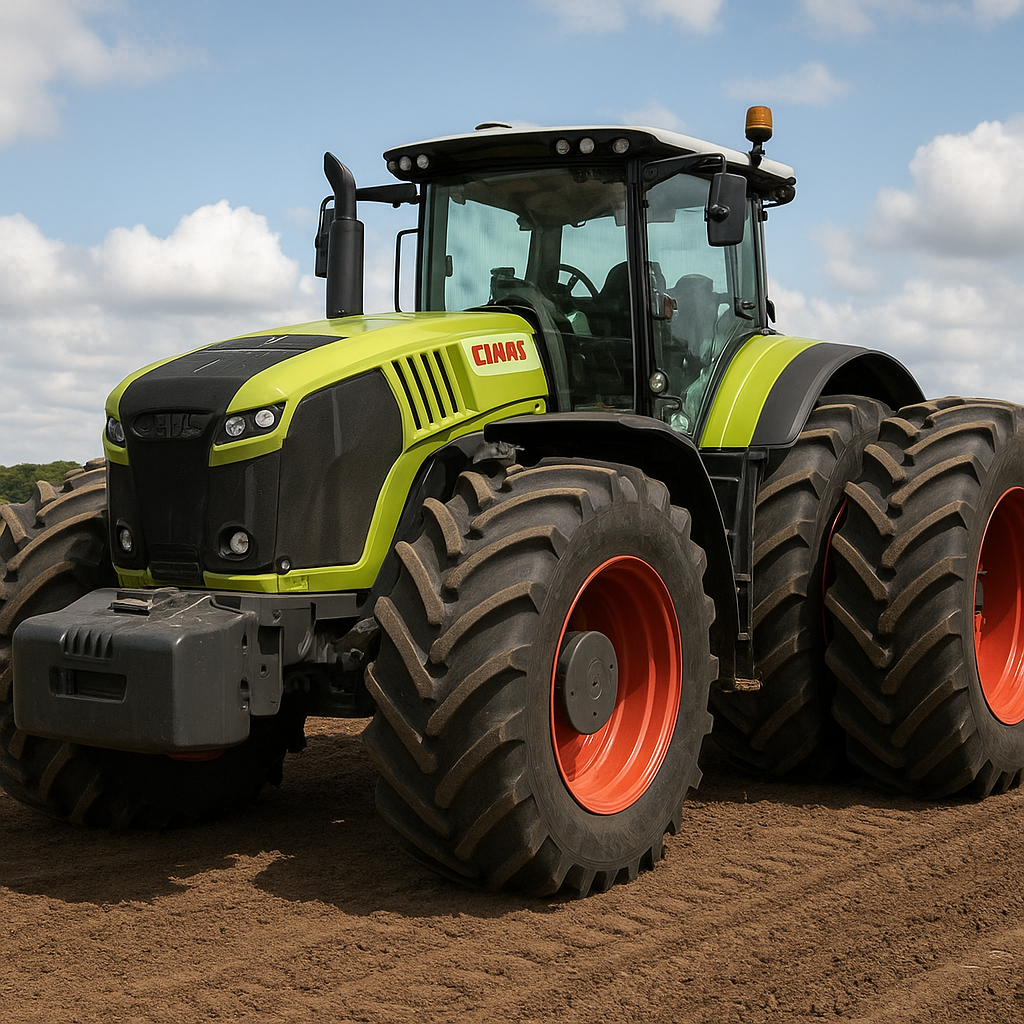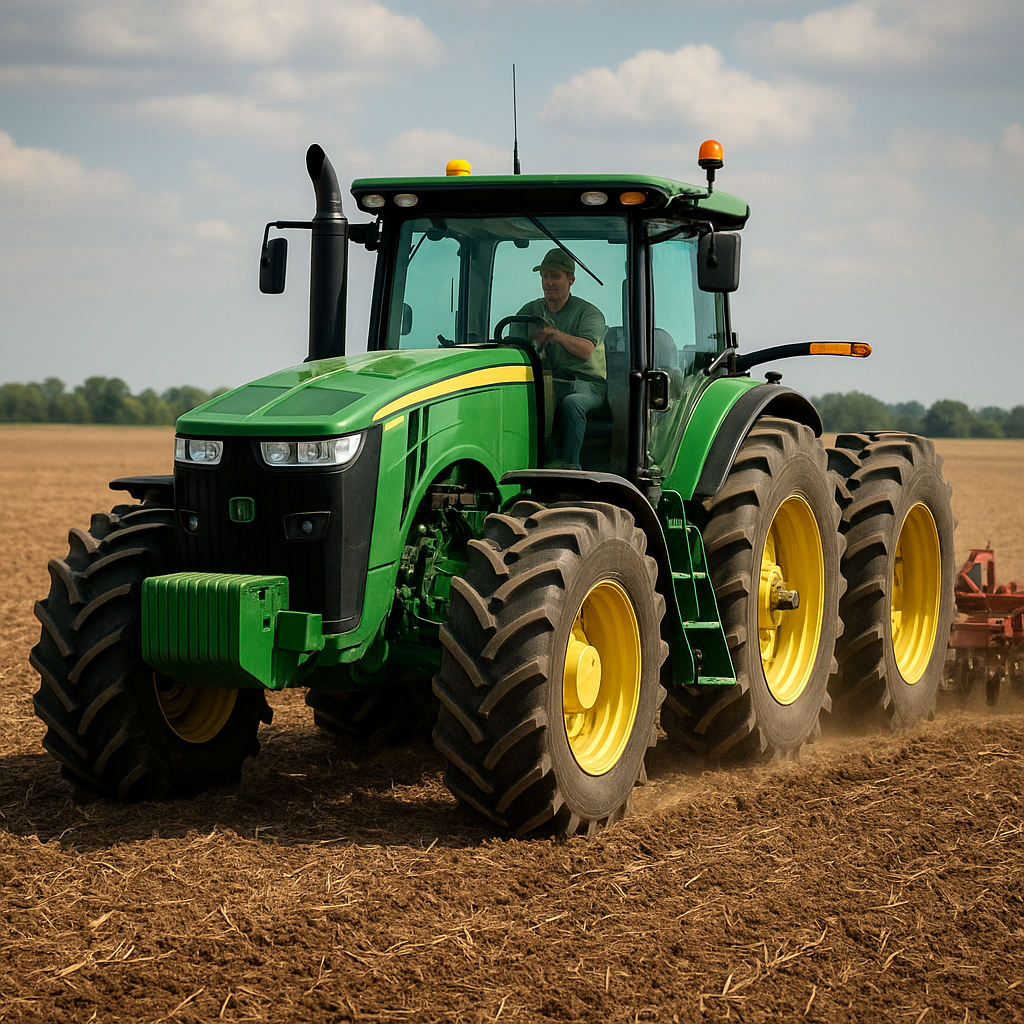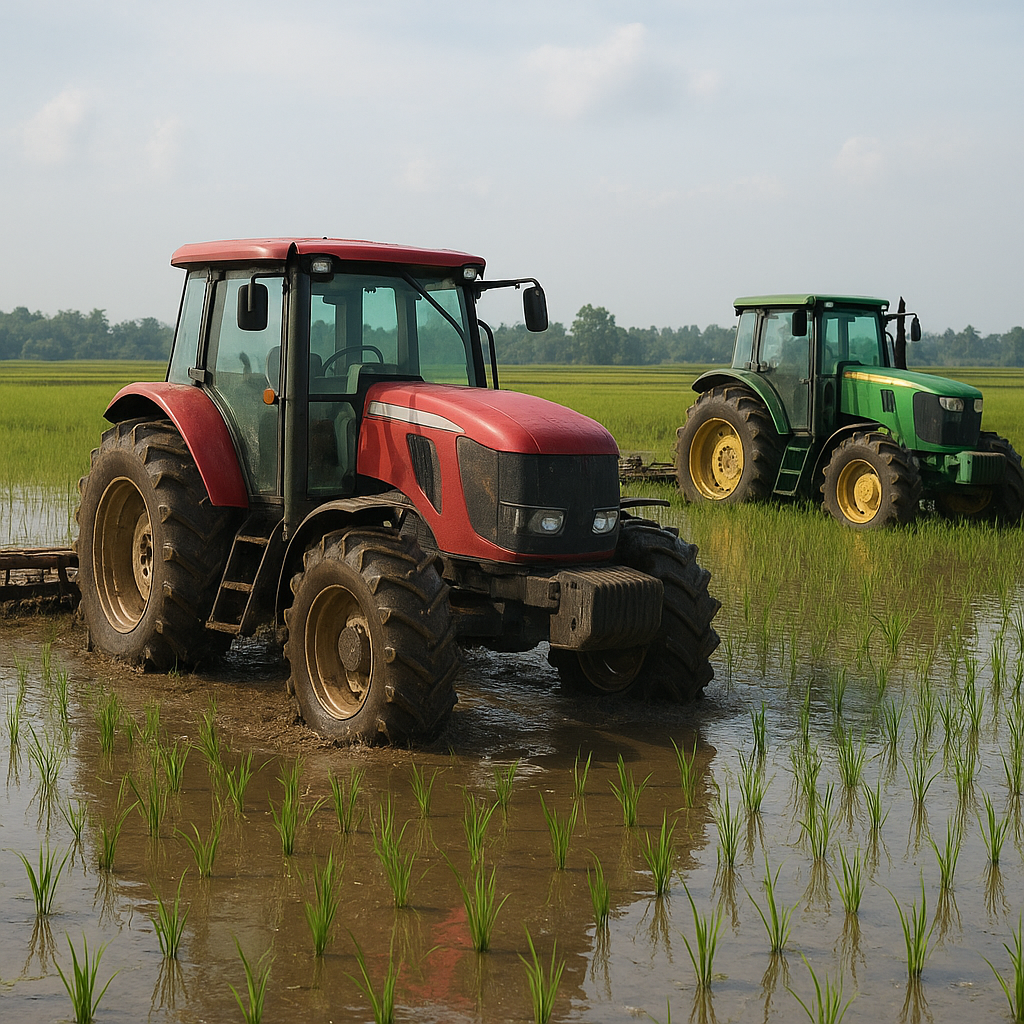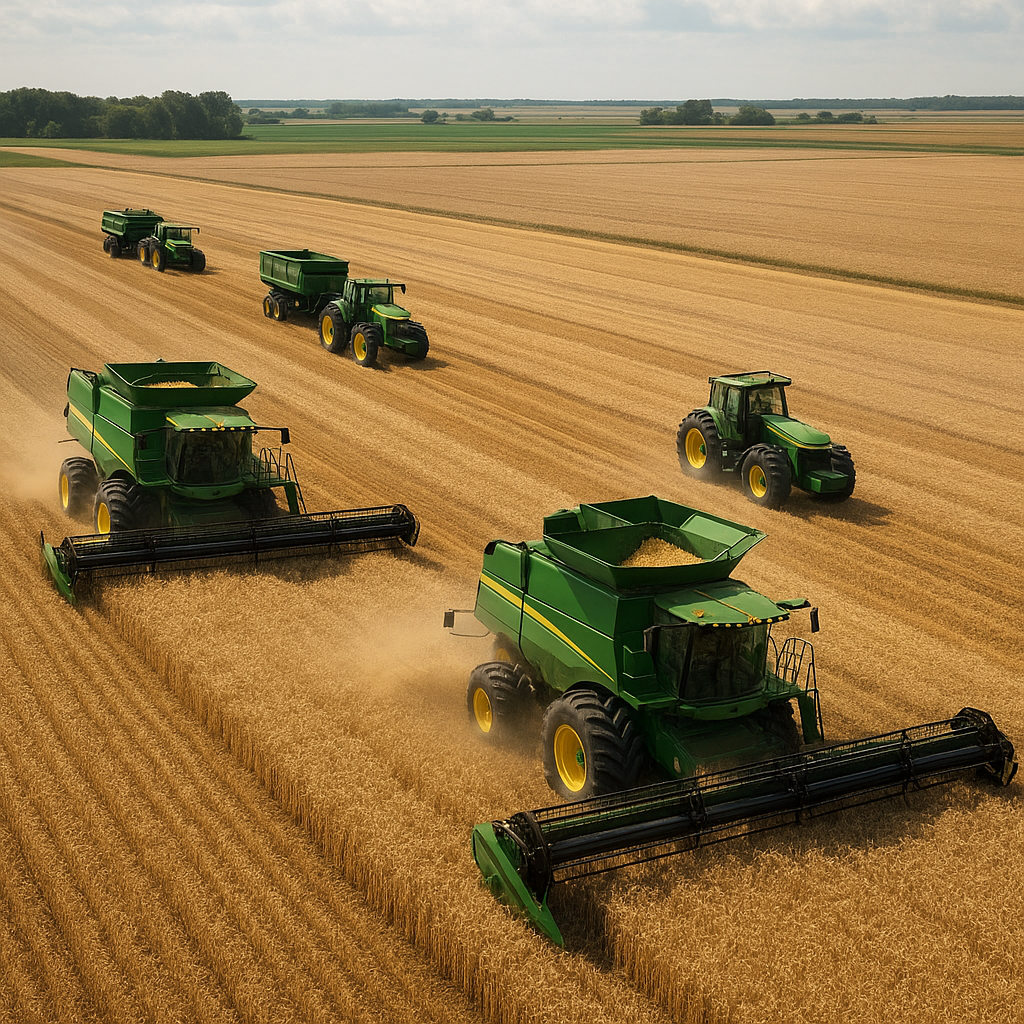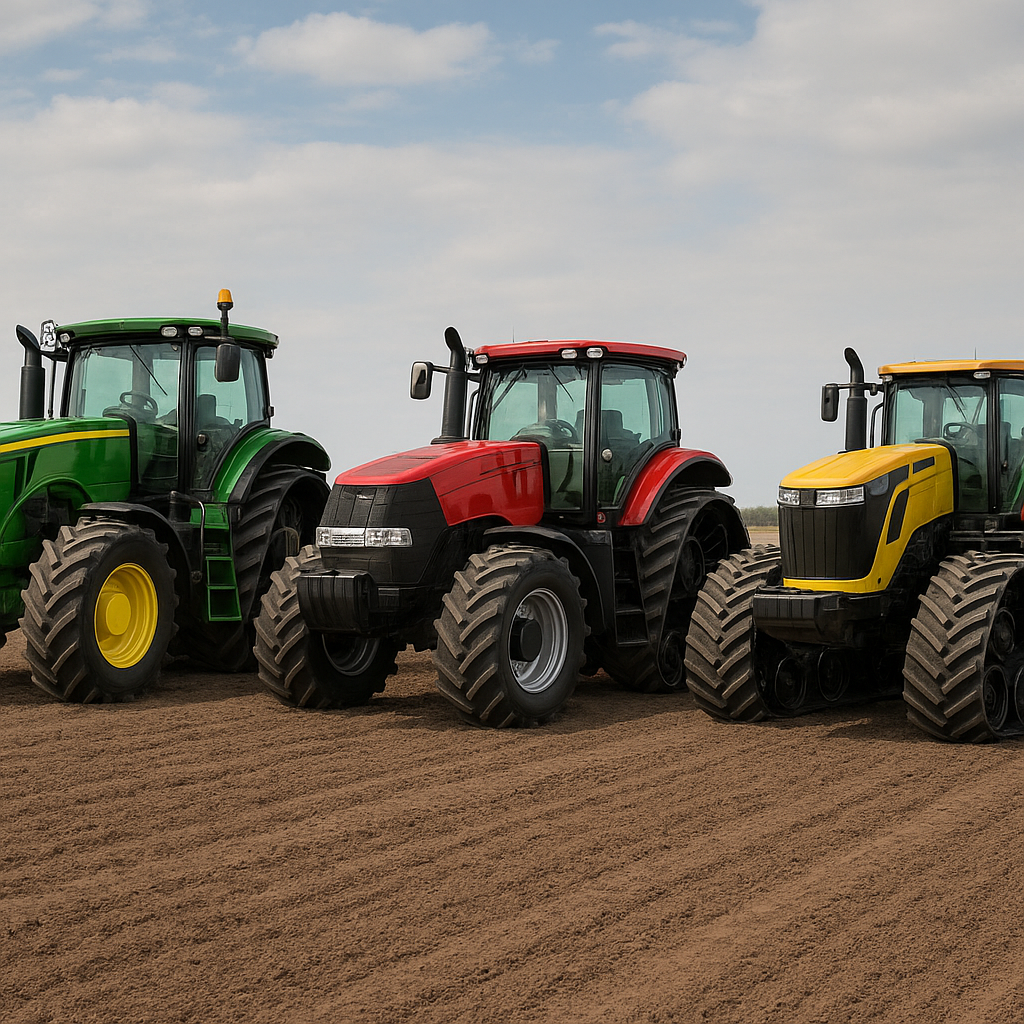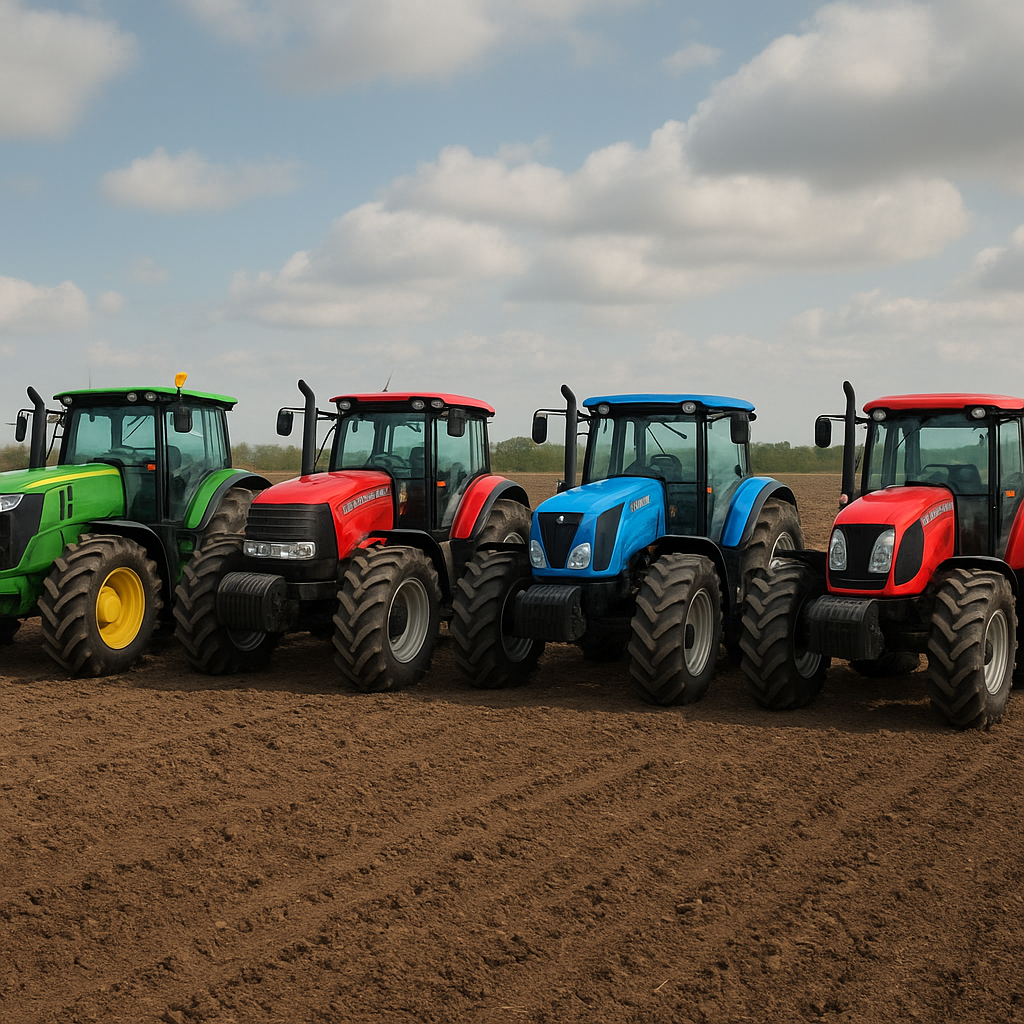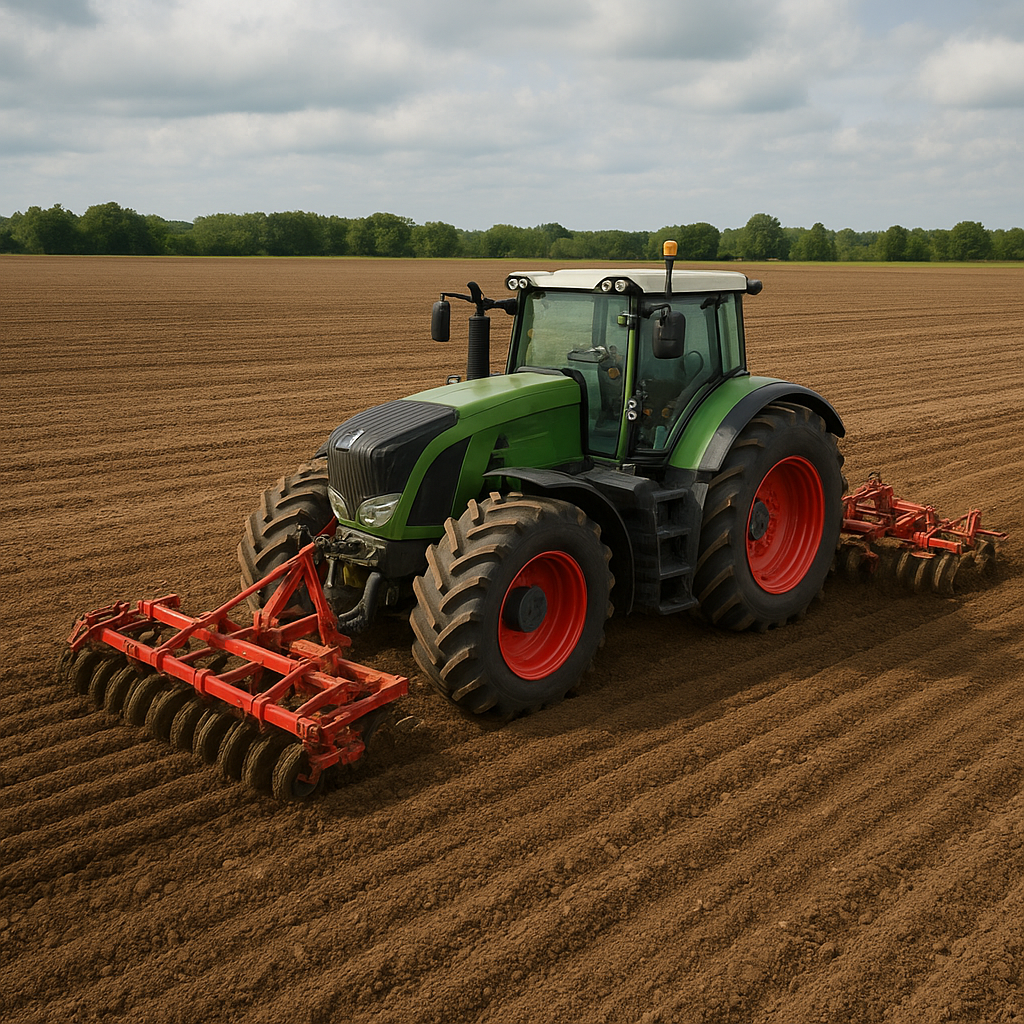
A field doesn’t just need any machine; it demands an unstoppable force capable of handling the toughest tasks. Across sprawling acres and construction yards alike, the quest for the heaviest, most powerful tractors has sparked fierce competition among manufacturers. These titans of steel combine sheer mass with cutting-edge technology to deliver unparalleled performance and durability, redefining what it means to move earth and haul loads. In this exploration, we delve into the essence of weight, examine the current roster of the top ten heaviest tractors in production, and uncover the innovations fueling their rise.
Engineering Foundations Behind Monumental Weight
At its core, a tractor’s weight is no accident; it’s the result of meticulous design choices aimed at optimizing traction and stability. By concentrating mass over driving wheels, engineers ensure that tremendous amounts of torque translate into forward motion without excessive slip, even when pulling multi-ton implements. The chassis itself must be reinforced, often employing high-strength steel frames and robust axles to withstand the stresses of prolonged heavy-duty operation.
Beyond raw materials, modern heaviness stems from integrated systems: advanced four-wheel drive, dual tires or tracks, and ballast packages that let operators fine-tune the machine’s center of gravity. Each additional kilogram serves a purpose—whether it’s anchoring a plow deep into compacted soil or preventing unwanted pitching when pushing earth. However, balancing added weight with efficiency remains a critical challenge, prompting ongoing research into lightweight composites and modular ballast technologies.
Noise reduction, operator comfort, and environmental regulations have all driven the assimilation of sophisticated features that inadvertently add mass. Sound-dampening cabins, large-capacity fuel tanks for extended field hours, and heavy exhaust after-treatment systems collectively boost the tractor’s footprint. Yet, these elements are invaluable for maximizing uptime, reducing fatigue, and meeting strict emission standards without sacrificing muscle.
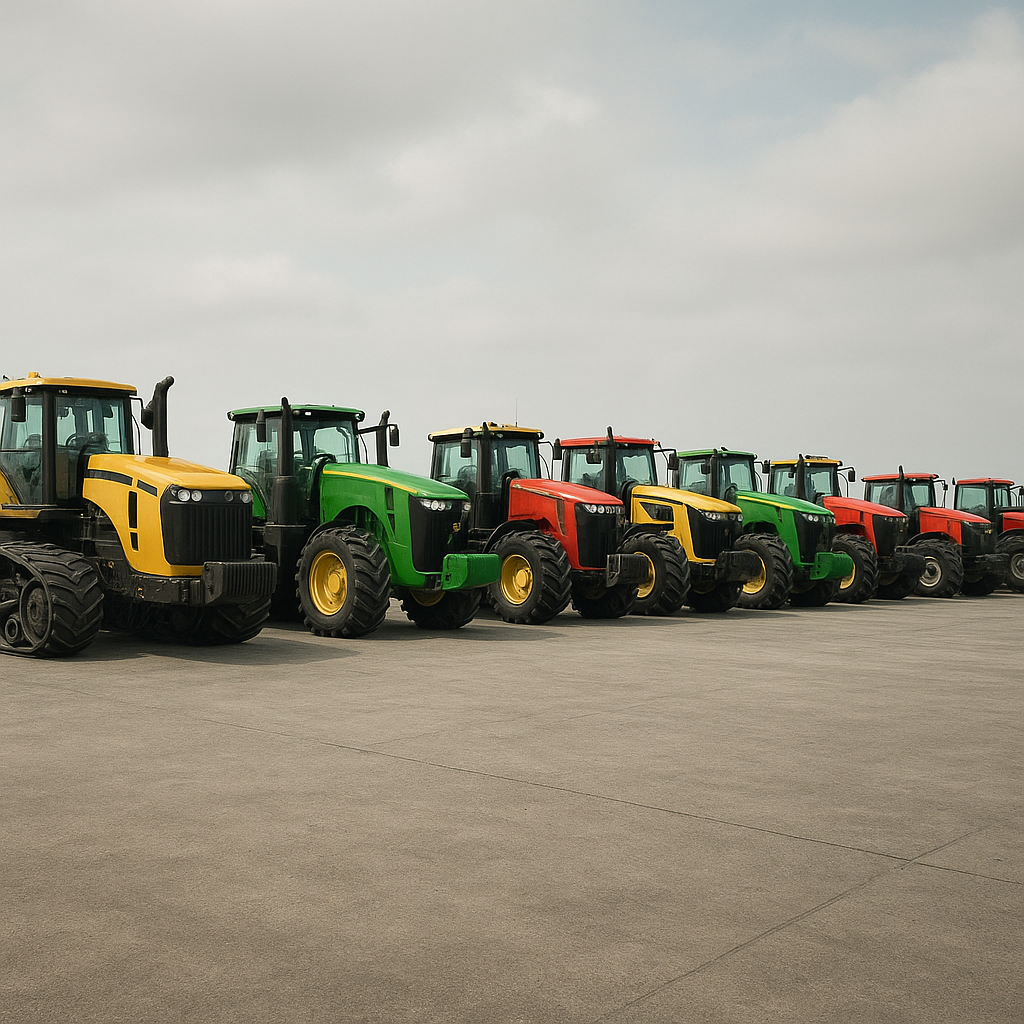
Top 10 Heaviest Tractors in Production
- Fendt 1167 Vario MT – Approximately 26,500 kg | 517 HP
The flagship of tracked power, the 1167 Vario MT brings a low ground pressure design and hydrostatic transmission. Its integrated weights and dual continuous tracks make it ideal for challenging terrain. - Case IH Steiger 620 Quadtrac – Around 24,700 kg | 620 HP
Featuring four independent tracks, this beast offers exceptional flotation. Its max torque of 2,700 Nm ensures consistent performance under heavy draft loads. - John Deere 9RX 670 – Near 24,200 kg | 670 HP
A pinnacle of innovation, the 9RX 670 incorporates heavy-duty final drives and a groundbreaking auto-steer system. It’s engineered for the most demanding planting and tillage tasks. - New Holland T9.700 – About 24,000 kg | 700 HP
Renowned for its EcoBlue™ HI-eSCR system, the T9.700 balances power with emission compliance. Optional Dual Steer axle enhances maneuverability, even at full load. - Massey Ferguson 8700 S – Roughly 23,600 kg | 380–405 HP
A newcomer with a robust chassis and integrated ballast. Its innovative AGCO Power engine meets Tier 4 final standards while maintaining reliable torque delivery. - Challenger MT900E Series – Up to 23,200 kg | 535–600 HP
This series boasts a unique rubber track design that reduces compaction. With seven power modes, it adapts to varied implements seamlessly. - Valtra T254 Versu – Approximately 22,800 kg | 254 HP
Though lighter on paper, the T254’s modular ballast kit allows operators to push weight beyond 23,000 kg. It combines a comfortable cab with robust hydraulics for demanding work. - Deutz-Fahr 9 Series – Near 22,500 kg | 310–405 HP
An emerging heavyweight featuring a high-capacity transmission and fully suspended front axle. Its intelligent power management system enhances fuel efficiency. - Kubota M8 Series – Roughly 22,300 kg | 230–300 HP
Kubota’s largest models prioritize balanced weight distribution and have advanced LED lighting packages. Heavy-duty hydraulics enable smooth implement operation. - Mahindra 9500 Series – Up to 22,200 kg | 330 HP
A global contender known for competitive pricing. This series integrates front and rear duals, increasing both weight and field grip without sacrificing comfort.
Technological Innovations Driving Extra Mass
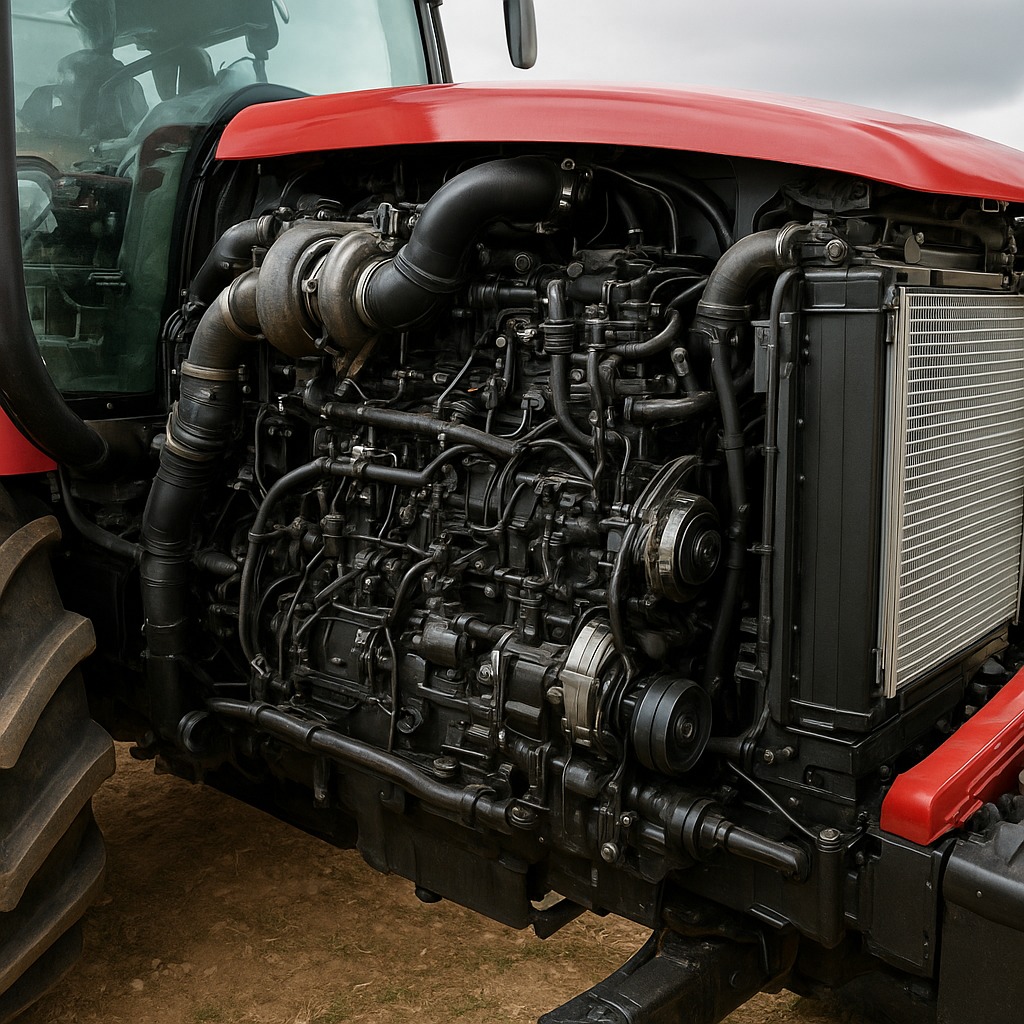
While horsepower wars grab headlines, it’s often the underlying systems that account for substantial weight. Modern transmissions, whether continuously variable or advanced powershift, require larger housings and complex planetary gears. The addition of advanced cooling networks—radiators, oil coolers, and intercoolers—means heavier plumbing and reinforced mounting points.
Exhaust after-treatment systems such as diesel particulate filters (DPF) and selective catalytic reduction (SCR) units add hundreds of kilograms. Yet they are indispensable for lowering NOx and particulate output, aligning with stringent global regulations. Manufacturers now integrate these components into compact modules, minimizing added bulk but still contributing to total mass.
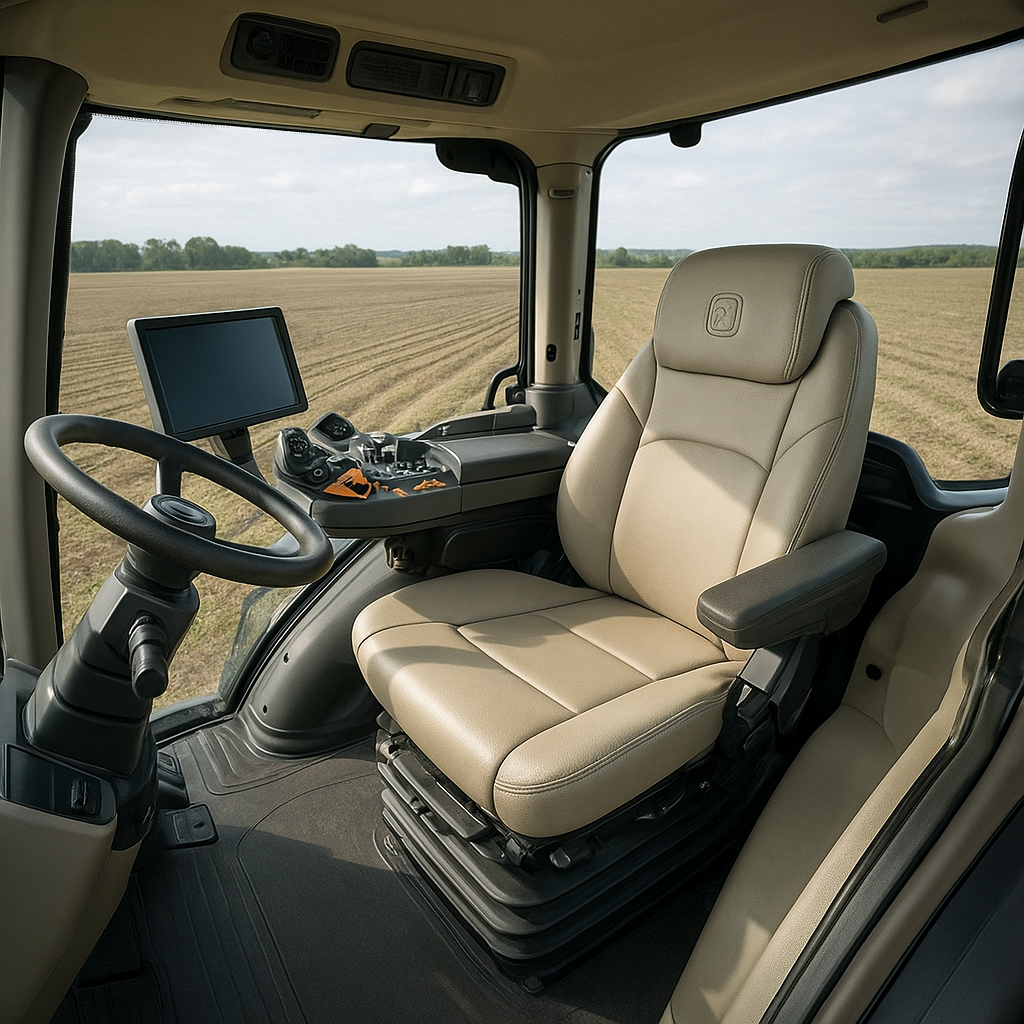
Cabs today are akin to mobile command centers: adjustable air suspension seats, touchscreen displays, climate control, and 360-degree cameras all require sturdy mounts and protective housings. While the focus is often on operator ergonomics, every feature adds incremental weight that accumulates to create a truly heavyweight tractor.
Impact on Agriculture and Construction
Heavier tractors transform the scope of farm mechanics and soil management. With increased traction, implements can operate at higher speeds and greater depths, enhancing field capacity and soil turnover. The extra weight also improves the performance of heavy-duty implements such as deep rippers, high-capacity planters, and large seed drills.
In construction, these machines offer unmatched pushing and pulling power. Bulldozer attachments, rock buckets, and ripper bars find an ideal platform in a high-mass tractor hull. Their dual-purpose capability—switching between fieldwork and earthmoving—makes them invaluable assets in mixed operations.
However, extra mass comes with considerations: soil compaction risk, road transport restrictions, and increased fuel consumption. To mitigate these challenges, many operators employ precision duals, track conversion kits, and strip-till techniques. Data-driven guidance systems further ensure that weight is used strategically, avoiding unnecessary ground pressure in sensitive areas.
Trends Shaping the Future of Heavy Tractors
The race for mass is far from over. Future designs point toward hybrid powertrains that could shift weight distribution by relocating batteries and electric motors. Autonomous traction vehicles, built to operate in convoys, will likely incorporate sensor arrays and redundancy systems that add new layers of heft. Researchers are also exploring high-strength aluminum alloys and carbon-fiber composites to offset unavoidable ballast, striking an optimal balance between weight and resilience.
As digital agriculture expands, tractors will carry yet more computing hardware, from edge servers to machine-learning processors, all secured within robust enclosures. The net effect: while some components lighten, others will gain prominence, continuing the cycle of purposeful accumulation. Ultimately, the heaviest tractors will remain those that best integrate mass with intelligence, delivering reliable, high-thrust operation season after season.