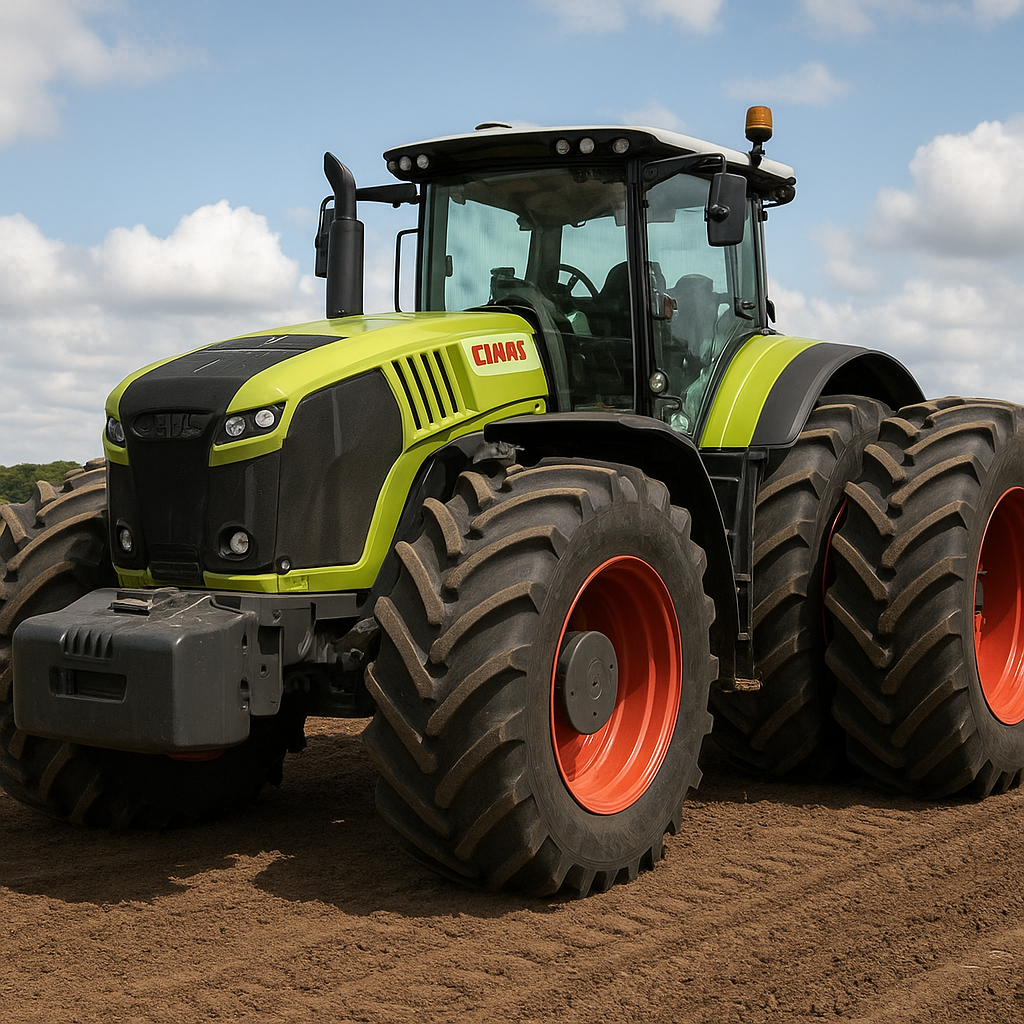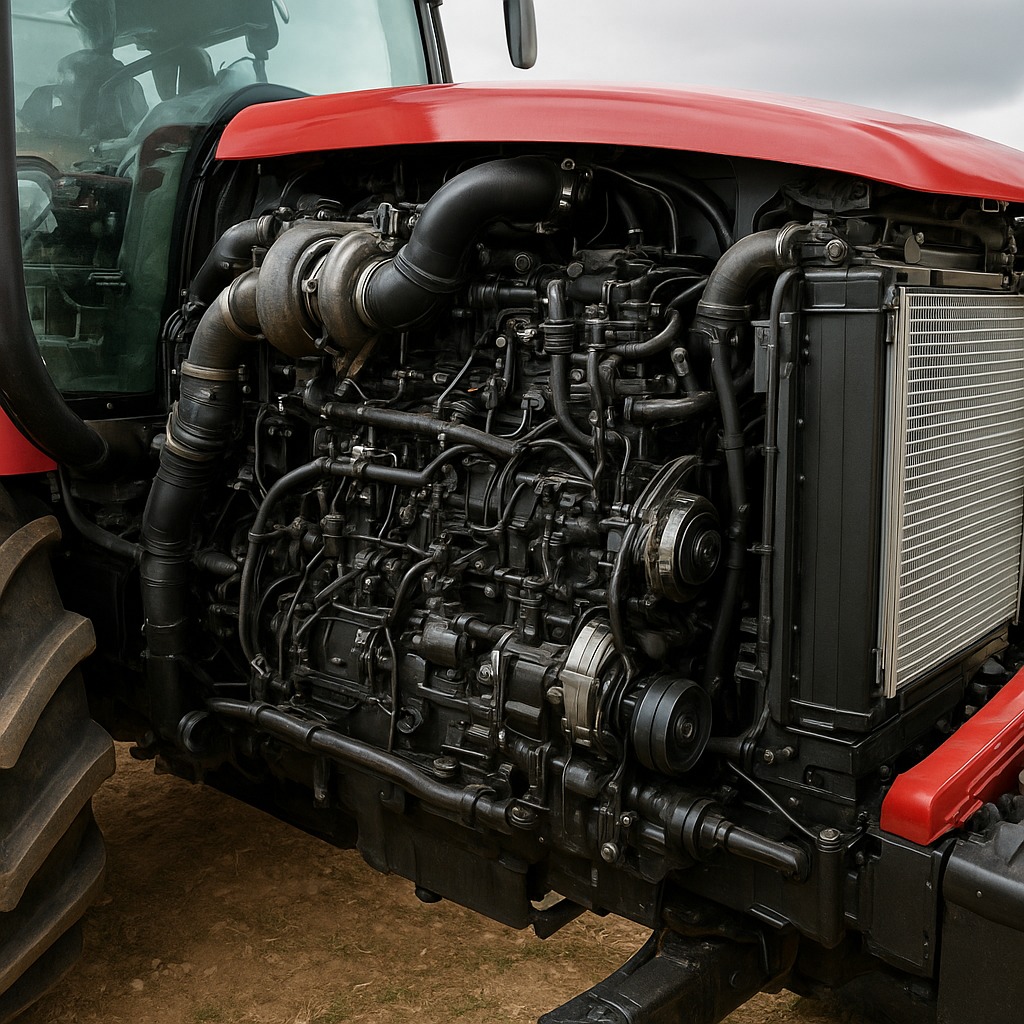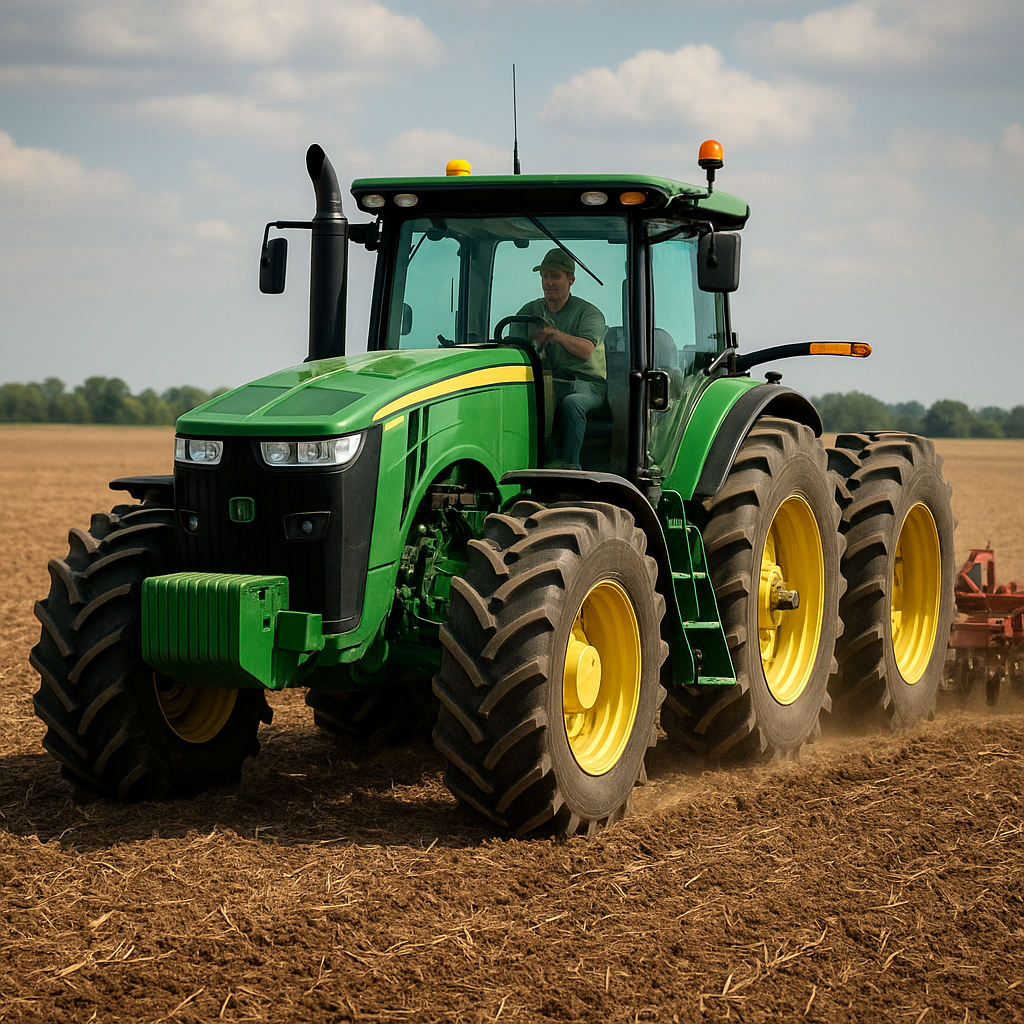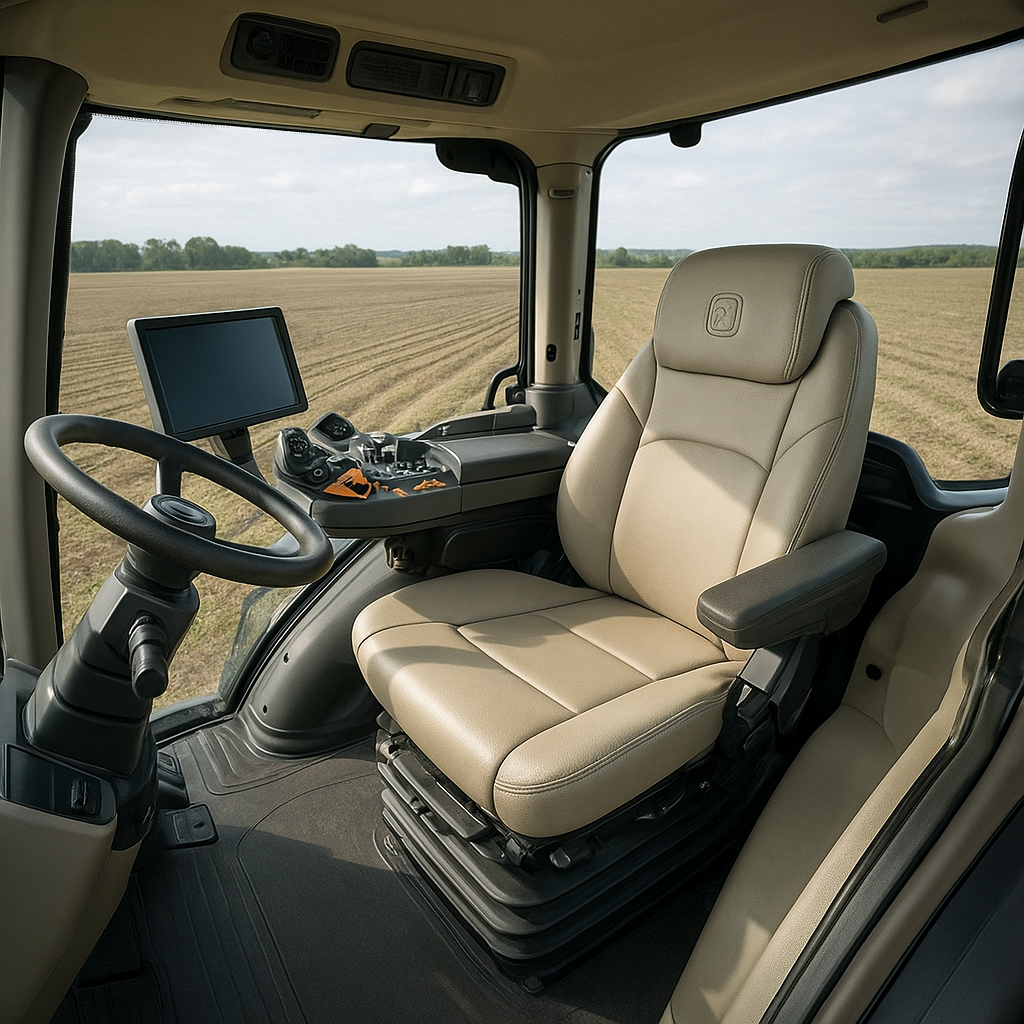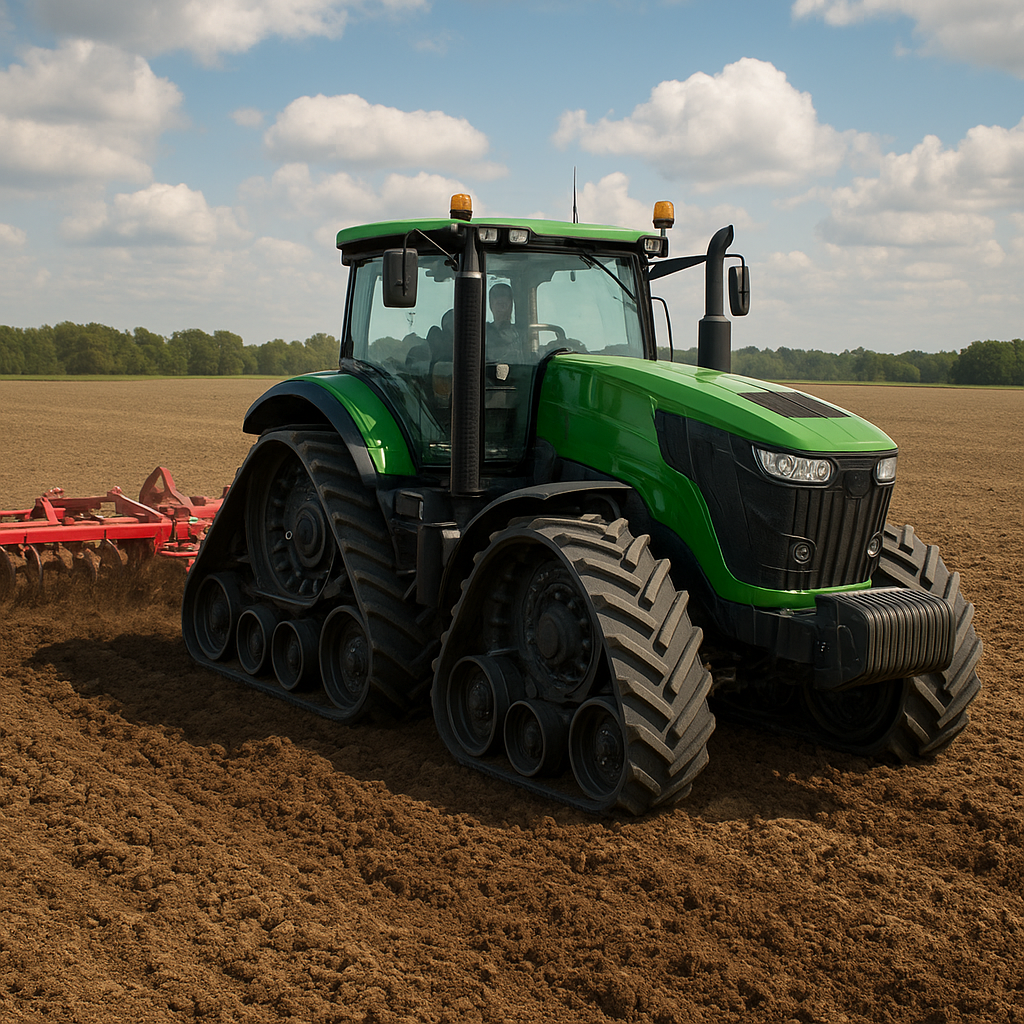
The relentless push towards maximizing field productivity has steered modern farming into the era of tracked tractors. As arable land expands and crop demands surge, farmers worldwide are turning to machines that deliver unparalleled traction and stability on diverse terrains. This exploration dives into the world of the biggest tractors, unveiling the factors behind their popularity, flagship models that dominate global markets, and the cutting-edge technologies shaping the next generation of agricultural giants.
Evolution of the World’s Largest Tractors
The lineage of massive tractors stretches back to the early 20th century when steam-powered behemoths began replacing animal labor. Over decades, these machines evolved from cumbersome steam rigs into refined diesel-powered wonders. The shift to engine power breakthroughs in the 1950s and 1960s enabled manufacturers to scale up horsepower without sacrificing maneuverability. Key milestones include:
- 1957: Introduction of over-100 hp models by major U.S. brands, prompting European rivals to boost their lineups.
- 1970s: Deployment of four-wheel drive tractors, setting the stage for the eventual transition to full-track systems.
- 1990s: Emergence of electronically controlled engines and transmissions, allowing for higher outputs and precise fuel management.
- 2000s–present: Rapid advancement in GPS precision, automated steering, and telematics fosters record-setting field coverage per day.
Today’s super-sized track tractors routinely deliver 600 hp to 1,200 hp, dwarfing early diesel models. They boast modular designs that facilitate maintenance and enable attachments ranging from deep tillage implements to multi-row planters.
Key Advantages Driving Global Adoption
The rise of tracked tractors is not solely due to brute force; it reflects a holistic approach to maximizing efficiency and sustainability:
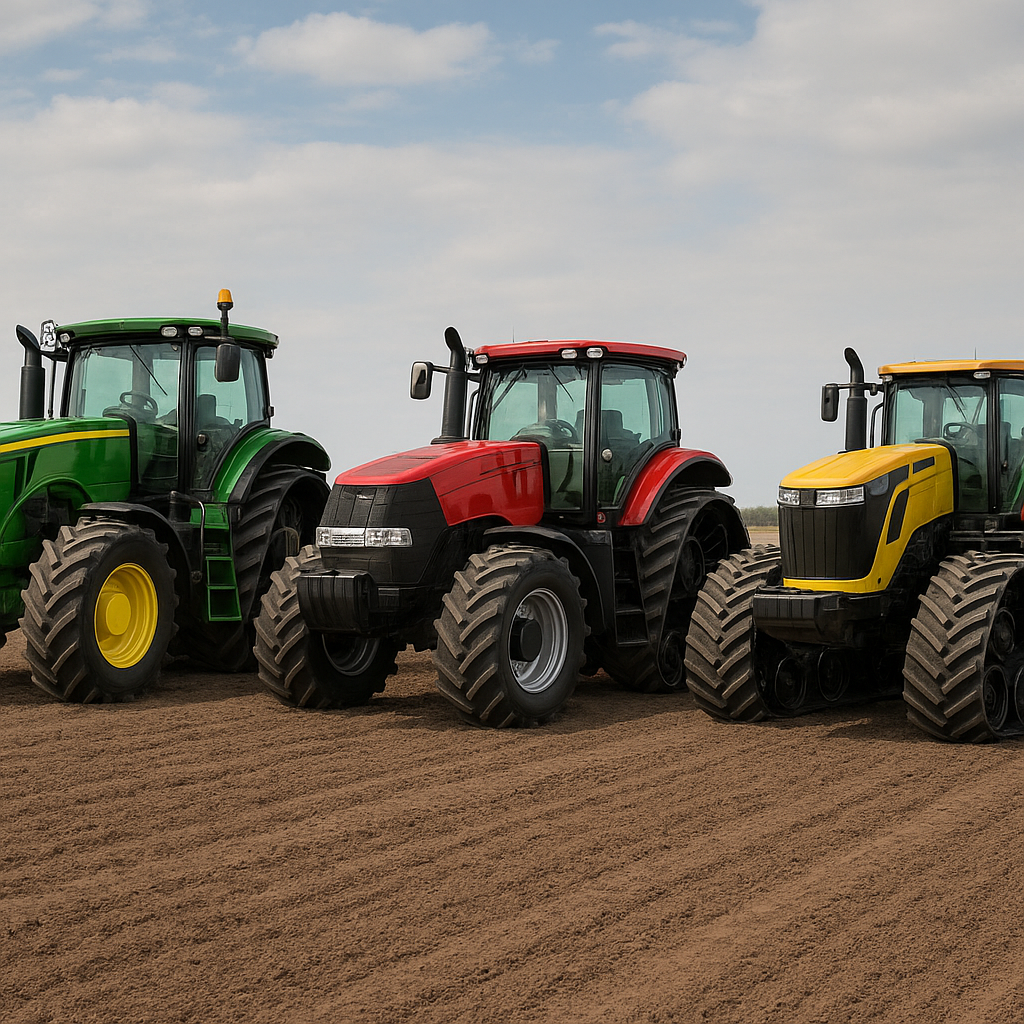
- Reduced Soil Compaction: Tracks distribute weight over a larger surface area, minimizing soil damage and preserving root zones.
- Enhanced Traction: On soft, wet, or uneven ground, tracks prevent slippage, ensuring consistent forward motion without crop damage.
- Superior Maneuverability: Zero-turn steering options and broad footprints enable tight cornering and reduced field passes.
- Year-Round Reliability: Winter snow, spring mud, or summer dust—tracked units maintain performance across seasons.
- Fuel Efficiency: Although heavier than wheeled counterparts, tracks optimize ground contact, reducing wheel spin and fuel waste.
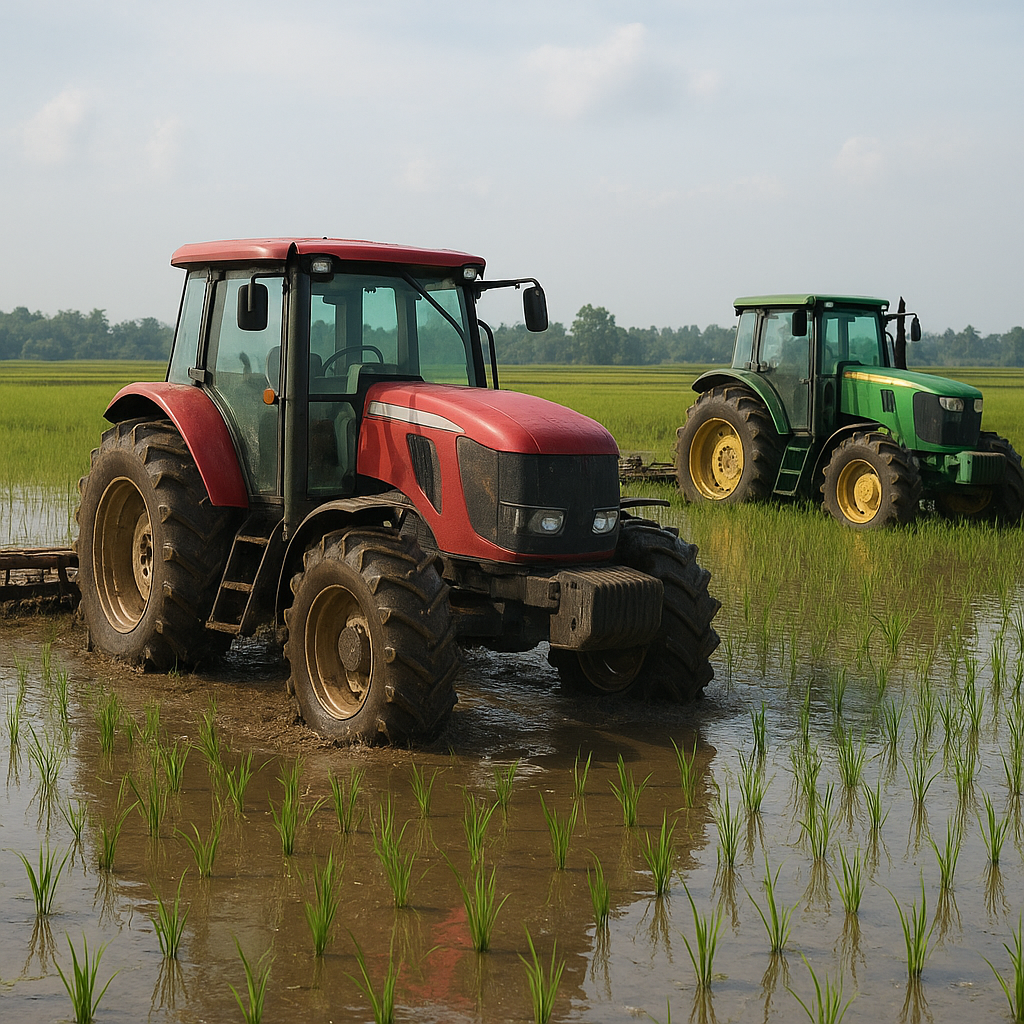
Such benefits resonate deeply in regions challenged by heavy rainfall or fragile soil profiles. From the rice paddies of Southeast Asia to the expansive wheat belts of North America, farmers value the combination of Versatility and Durability that mega-tractors deliver.
Iconic Models Leading the Charge
Certain flagship machines have captured the imagination of agricultural professionals, setting benchmarks for agriculture innovation:
1. Challenger MT900E Series
- Up to 530 hp.
- Ultra-modern CommandView cab for operator comfort.
- Modular undercarriage for quick track tension adjustments.
2. John Deere 9RX Series
- Offers 470 to 620 hp.
- Integrated ActiveCommand Steering reduces operator fatigue.
- JDLink telematics for real-time performance monitoring.
3. AGCO Fendt VT Series
- Spanning 300 to 490 hp.
- Unique VarioDrive infinitely variable drive train.
- Increased ground contact via flexible track units.
4. Case IH Quadtrac Series
- Engine outputs up to 620 hp.
- Intelligent Suspension System for smoother rides.
- Advanced Precision Land Management technology suite.
These models exemplify how high efficiency and robust engineering merge to fulfill the rigorous demands of large-scale operations.
Technological Innovations Enhancing Performance
The modern mega-tractor is as much a floating data center as it is a mechanical powerhouse. Recent innovations include:
- Autonomous Capabilities: Fully driverless field runs using machine vision, LiDAR, and AI-based obstacle avoidance.
- Precision Farming Integration: Seamless linkage to variable-rate seeding, fertilizer application, and yield mapping modules.
- Remote Diagnostics: IoT sensors constantly relay engine health, track tension, and hydraulic pressures to manufacturer service centers.
- Advanced Energy Recovery: Regenerative braking systems capture kinetic energy during turns, reducing net fuel consumption.
- Hybrid Drivetrains: Prototype designs incorporate battery packs to assist diesel engines during peak load moments.
Such technologies ensure that farmers harness every drop of potential from their fields while staying ahead of labor shortages and environmental regulations. The integration of digital agronomy platforms with ultra-large tractors fosters a data-driven approach that elevates yield predictions and resource stewardship.
Challenges and Considerations
Despite their advantages, mega tracked tractors also present hurdles for end users and manufacturers alike:
- High Entry Cost: Initial investments can exceed half a million dollars, requiring favorable loan conditions or cooperative ownership models.
- Transport Logistics: Wide track assemblies may violate road width regulations, leading to special permits and escort vehicles.
- Maintenance Complexity: Four-track systems are intricate, demanding specialized tools and technician training.
- Field Suitability: Small, irregularly shaped parcels may not justify the sheer size of the largest models.
- Resale Market: With a narrower buyer pool for ultra-high horsepower units, depreciation curves differ markedly from standard tractors.
Careful analysis of acreage, crop type, and terrain is vital to determine whether a mega tracked tractor offers a sound return on investment. In some cases, mid-sized four-wheel drive or articulated tracked machines provide a better balance of power and flexibility.
As the agricultural sector evolves to meet global food security challenges, the significance of mobility and power in mechanization becomes indisputable. Tracked tractors exemplify a commitment to pushing boundaries while maintaining respect for delicate ecosystems. By blending raw horsepower, digital intelligence, and ergonomic design, these giants continue to redefine what’s possible on the modern farm.