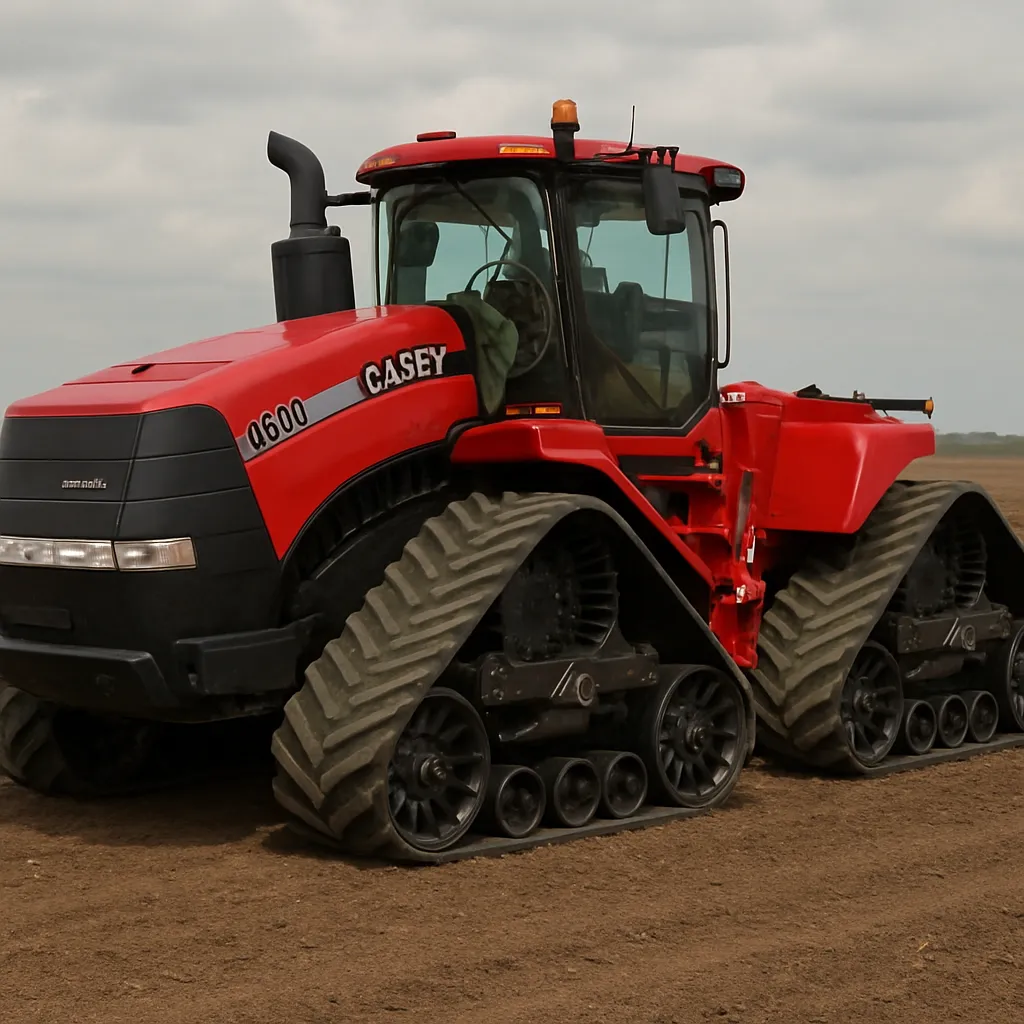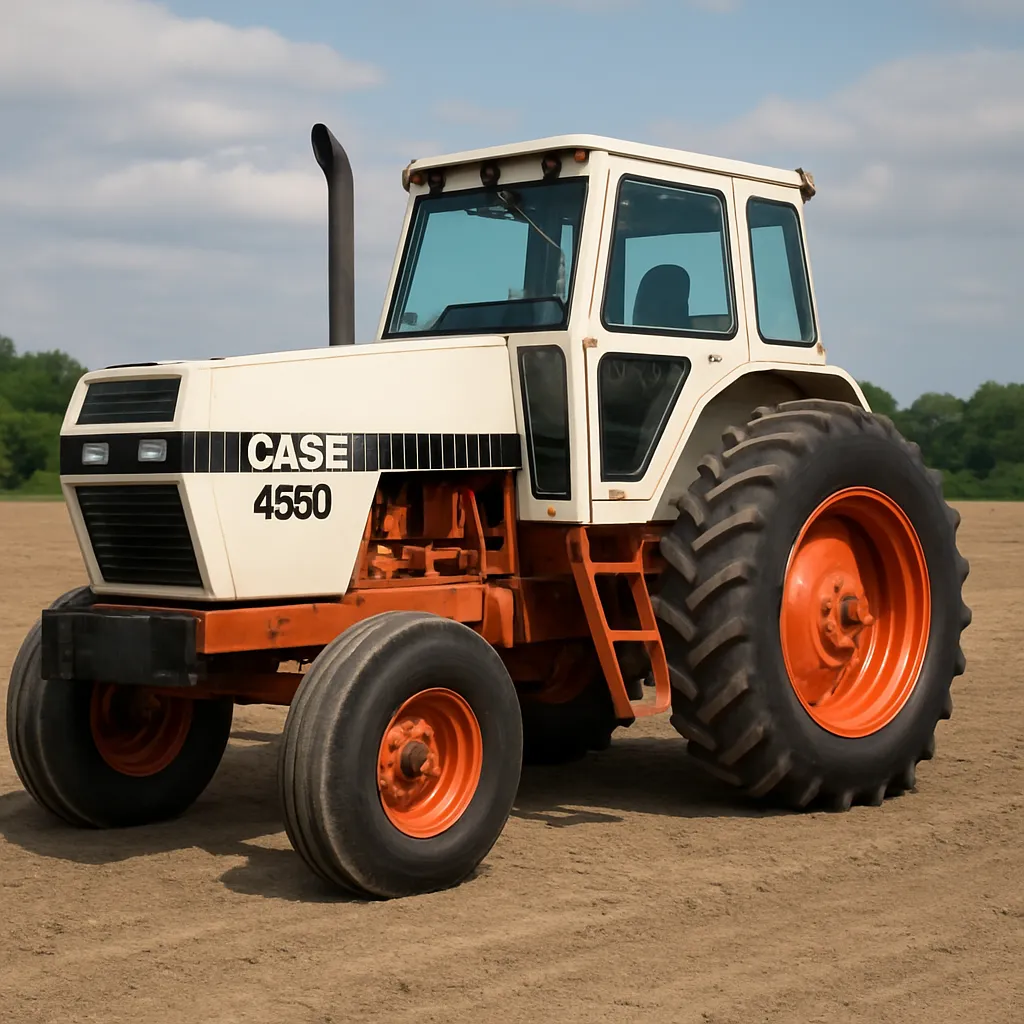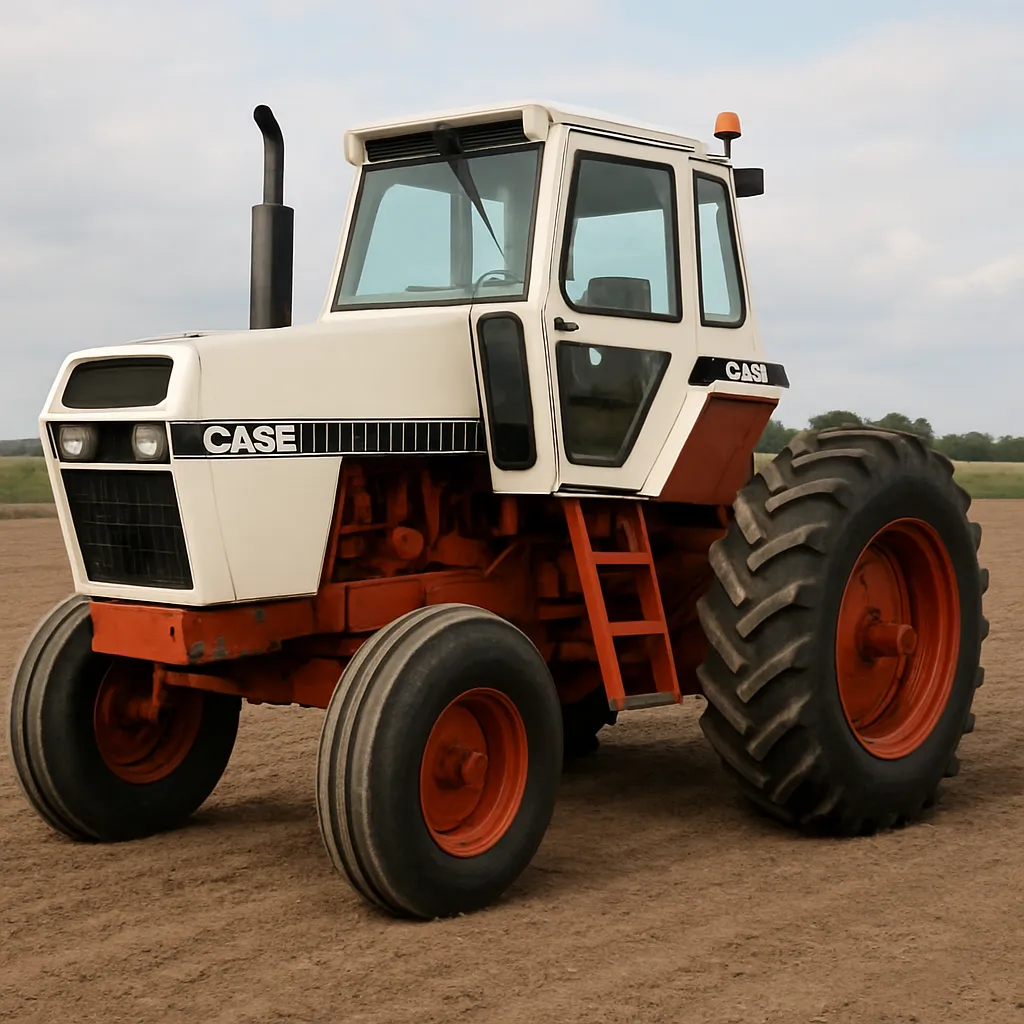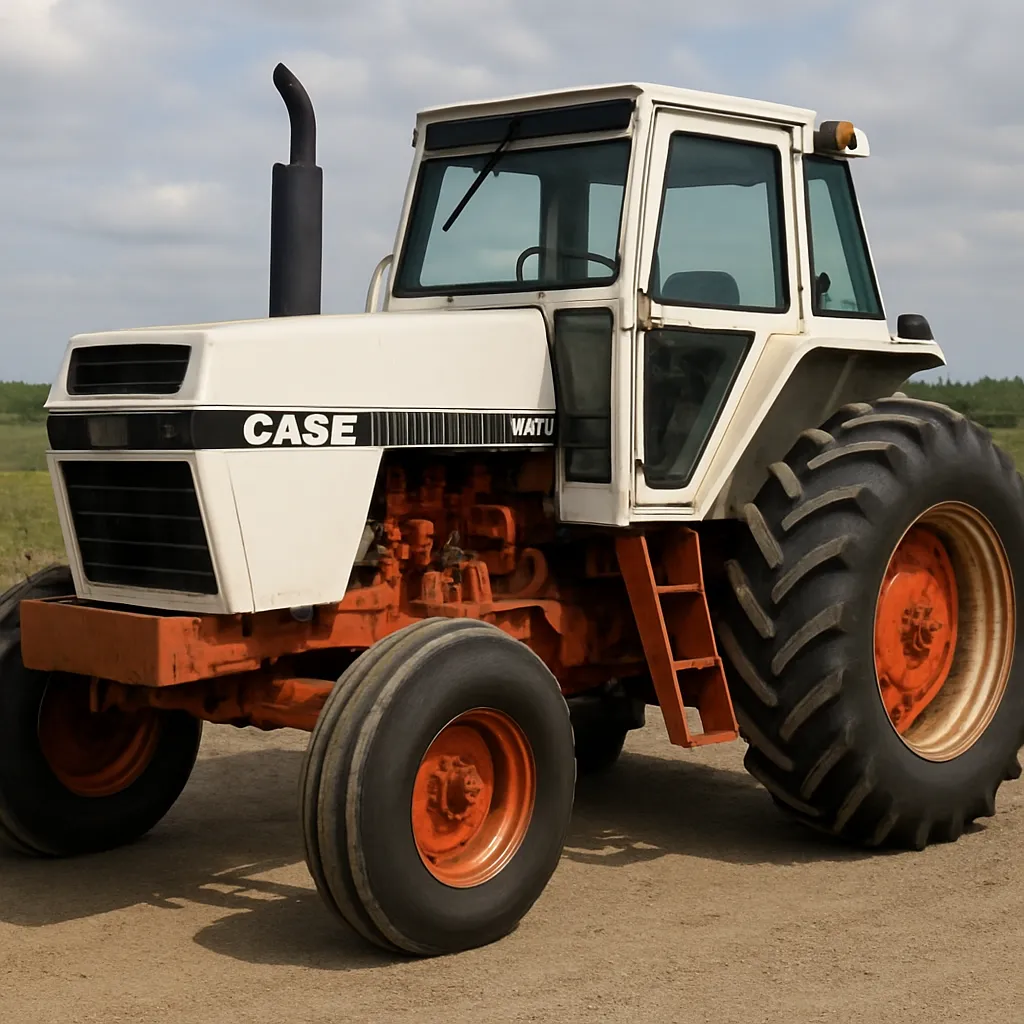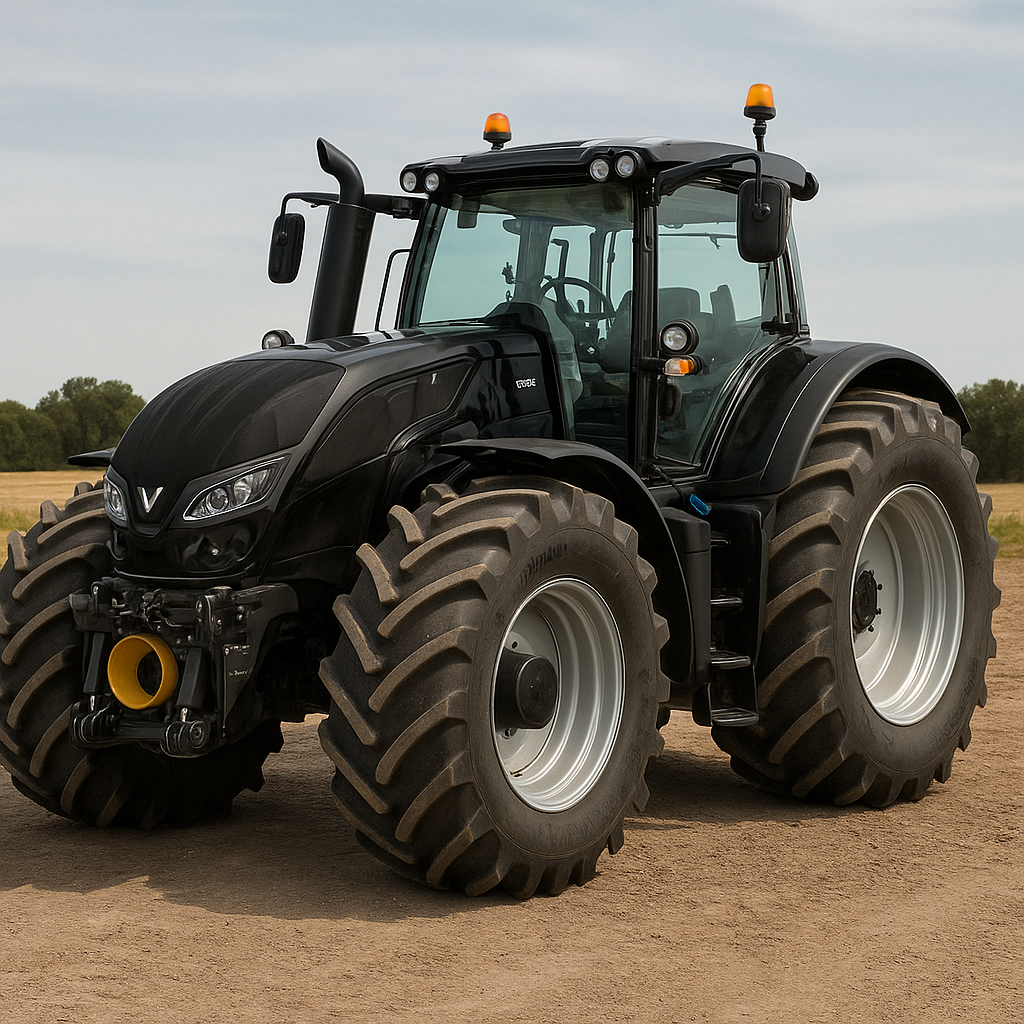
The Valtra S374 Stage V is a high-power agricultural tractor designed to meet the needs of modern large-scale farming, contracting and specialised field work. Combining robust mechanics, advanced emissions control and a focus on operator comfort and digital integration, the S374 represents Valtra’s push into the upper range of utility and field tractors. This article examines the machine’s key features, typical applications, performance considerations and practical information for operators and fleet managers.
Overview and design philosophy
Valtra’s S-series tractors aim to deliver a blend of raw pulling power, modularity and operator-focused ergonomics. The S374 Stage V sits near the top of this series, built around a strong chassis, heavy-duty drivetrain components and a cab designed for long hours in the field. As a Stage V model, it integrates advanced exhaust after-treatment systems to comply with the latest emissions regulations while maintaining fuel efficiency and torque delivery.
The machine is typically specified for customers who need sustained high power for large implements, deep tillage, large seed drills, heavy slurry or manure injection, baling and high-capacity transport. Valtra has positioned the S-series to be modular, meaning customers can choose options such as advanced hydraulics, front linkage and PTO setups, telematics and autonomous guidance packages, and several transmission types to suit different tasks.
The S374’s design emphasises durability: reinforced frames, heavy axles, and cooling systems sized for continuous high-load operation. It is also intended to be relatively service-friendly, with accessible service points and long maintenance intervals when genuine parts and recommended fluids are used.
Key technical features and components
Below are the most important technical elements that define how the S374 performs in real-world work:
- Engine: The S374 is powered by a robust six-cylinder AGCO Power engine family tuned to deliver the S374’s rated output. As a Stage V tractor, it uses a combination of selective catalytic reduction (SCR), diesel oxidation catalyst (DOC) and diesel particulate filter (DPF) to meet emissions standards while keeping torque and fuel economy high.
- Rated power: The model designation indicates a power class around 374 horsepower (approximately 275 kW) at the flywheel, which gives it the capability to handle the largest ground-engaging implements commonly used in arable farming and contracting.
- Transmission: Valtra offers multiple transmission options for the S-series, including continuously variable and advanced powershift/stepless drives. These transmissions are engineered to provide smooth power delivery, high efficiency and precise speed control required for tasks such as seeding, soil cultivation and road transport.
- Hydraulics: High-flow hydraulic systems with multiple spool valve configurations and electronic control are available, enabling complex implement control and fast response for implements such as planters, sprayers and loaders. Hydraulic flow rates typically range across optional packages to match customer demands.
- PTO and hitch: Rear PTO speeds (540/1000 rpm options) support a wide range of implements. Heavy-duty three-point hitch systems with high lift capacity are standard to handle deep tillage implements, large presses and modern heavy equipment.
- Cooling and reliability: Enhanced cooling packages, high-capacity radiators and robust cooling fans allow the S374 to run continuously under load with reduced risk of overheating, important for spring tillage and summer haymaking when ambient temperatures and workloads are high.
- Cab and controls: The S374 features the Valtra SmartTouch armrest and touchscreen interface (or similar control systems) that allow the operator to configure core machine functions, assign favourites and store user profiles. Options include air-suspended seats, climate control, and low-noise insulation for long-day comfort.
- Telematics and guidance: Options include factory-fit telematics (Valtra Connect) and autoguidance systems (Auto-Guide / GNSS), enabling precision farming, field mapping, remote monitoring and reduced overlap — all of which boost productivity and reduce input costs.
Applications and typical use cases
The Valtra S374 Stage V is designed for demanding tasks where high power, robust hydraulics and reliable serviceability are required. Typical applications include:
- Large-scale arable farming: Pulling wide cultivators, multi-shank subsoilers, heavy disc harrows and large seed drills across extensive fields.
- Contracting and heavy tillage: Contractors who need a versatile tractor for multiple clients and conditions often choose high-power models such as the S374 for their ability to sustain long hours at high loads.
- Hay and forage operations: Operating large mowers, tedders, rakes, high-capacity balers and forage harvesters where hydraulic and PTO power are crucial.
- Transport and road work: High-speed transmission options allow efficient transport of implements and trailers at road speeds, improving cycle efficiency between fields.
- Soil preparation and seeding: Paired with precision seeders and air drills equipped with guidance systems, the S374 can achieve consistent seeding depth and field coverage over large areas.
- Liquid manure and slurry application: The tractor’s torque and hydraulic capability make it suitable for running heavy slurry injection rigs and tankers, especially where sustained pull is necessary.
Operator environment and controls
Valtra places a strong emphasis on ergonomics and intuitive control systems. The S374’s cab is designed to reduce fatigue and increase productivity over long shifts:
- Ergonomically arranged cab controls with the SmartTouch armrest (or equivalent) let operators access transmission, hydraulics, PTO and ISOBUS implement settings from a single panel.
- Large, configurable touchscreens provide telemetry, machine diagnostics, field maps and implement control interfaces.
- Comfort features such as air-sprung seats, climate control, excellent visibility and low noise levels help maintain concentration and reduce operator stress.
- Multiple camera inputs can be fitted and displayed on the main screen to aid in hitching, monitoring implements and road driving safety.
Performance, efficiency and fuel economy
In high-power tractors like the S374, manufacturers aim to balance maximum usable power with fuel efficiency. Key strategies include:
- Engine tuning and torque curve optimisation: Engines are calibrated to deliver strong low-end torque so the tractor can pull heavy loads at lower engine speeds, saving fuel.
- After-treatment integration: Stage V emission systems are designed to minimise soot and NOx while maintaining engine responsiveness and efficiency. Regeneration strategies are managed to reduce downtime.
- Transmission efficiency: Stepless or advanced powershift transmissions keep the engine in its most efficient range during variable loads, whether in the field or on-road transport.
- Precision farming: Guidance systems and section control reduce overlap, cut inputs and increase effective field coverage per litre of fuel.
Real-world fuel consumption depends on implement type, soil conditions, operator technique and regional settings. For heavy tillage at sustained high load the S374 will consume more fuel per hour than during transport or light cultivation, but its high horsepower allows a contractor to complete a larger area in the same time, often improving litres-per-hectare figures.
Maintenance, serviceability and lifecycle considerations
Maintaining a high-power tractor must be planned carefully to maximise uptime and return on investment. Key maintenance considerations for the S374 include:
- Scheduled service intervals for oil, filters and fluids; many components have extended intervals when genuine parts are used.
- Access to service points is designed to be straightforward — filters, battery, and fluids are located for easy daily checks.
- Telematics can relay diagnostic codes, service reminders and operating hours to the fleet manager, allowing proactive maintenance scheduling.
- Use of approved lubricants and consumables is important to maintain warranty and ensure emissions controls function correctly.
Valtra’s dealer network typically provides service contracts, training for operators and remote support via telematics. For fleet operators, having a planned spare-parts inventory and access to local service technicians reduces downtime, especially during peak seasons.
Safety systems and regulatory compliance
Safety and regulatory compliance are integral to the design of modern agricultural machinery:
- Stage V emissions compliance reduces the tractor’s airborne particulate and NOx emissions by combining SCR, DOC and DPF technologies in a coordinated system.
- Operator protection features include ROPS-compliant cab structures, advanced braking systems and optional lighting packages for night work.
- Electronic controls include safety interlocks for PTO engagement, hitch control and implement attachments, helping prevent accidental damage or injury.
- Telematics and autoguidance can also contribute to safety by reducing operator distraction and maintaining controlled paths during field passes.
Market positioning, ownership costs and resale
The S374 targets customers who need a high-power, versatile tractor with modern electronic and emissions systems. Ownership costs should be considered in these categories:
- Acquisition cost: High-power, Stage V tractors such as the S374 command a premium price relative to lower-power models due to engine, transmission and electronics complexity.
- Operating costs: Fuel, tyres, scheduled maintenance and insurance represent the bulk of annual running costs. Telematics and precision farming tools can reduce input costs and improve utilisation.
- Resale value: Tractors with good service records, telematics history and popular configuration options (e.g., high-flow hydraulics, autoguidance-ready) generally command stronger resale values.
- Depreciation: As with all farm equipment, depreciation depends on hours, maintenance history and market demand for high-horsepower tractors in the region.
Optional equipment and customisation
One of Valtra’s strengths is the level of customisation available from factory or dealer. Frequently chosen options for machines like the S374 include:
- Advanced autoguidance and GNSS packages for accuracy down to centimetre-level repeatability.
- High-flow hydraulics and multiple spool valves for implements requiring large hydraulic volumes.
- Integrated front linkage and PTO for combined front and rear mounted implements.
- Heavy-duty tyres or duals/wide-based tyres for improved traction and reduced compaction.
- Front axle suspension, cab suspension and heavy-duty towing packages for enhanced road comfort and stability.
Comparisons and what to consider before buying
When evaluating the S374 against competing models in the 300–400 hp class, consider the following:
- Application match: Choose power and hydraulic capability matched to the implements you run most frequently. Over-specifying power can increase purchase cost and fuel consumption; under-specifying reduces productivity.
- Transmission preference: Some operators prefer stepless CVT-like drives for smooth operation and infinite speed steps, while others favour powershift for perceived robustness in heavy draft conditions.
- Service network: Access to dealer support, parts availability and local technicians can make or break total cost of ownership.
- Precision farming readiness: If you plan to use section control, variable-rate application and autoguidance, ensure the tractor has the necessary ISOBUS/telemetry options.
Statistical and performance notes (typical figures)
Exact published specifications depend on configuration and market region; the following are typical or indicative values associated with tractors in this class and with the S374 designation:
- Rated engine power: ~374 hp (approx. 275 kW) at rated engine speed.
- Maximum torque: High torque output across a broad range of rpm, engineered for low-end pull — typically in the high hundreds to low thousands of Nm, depending on tuning and configuration.
- Hydraulic flow: Configurable from medium-flow packages up to high-flow systems in the range of roughly 200–400 L/min depending on pump options.
- Operating weight: Often in the range of roughly 9–12 tonnes depending on ballast, tyres and options — heavier when fitted with duals or dual-wheel solutions.
- Top road speed: Up to 50–60 km/h with appropriate transmission and gearing options, which improves transport efficiency between jobs.
- Fuel tank capacity: Typical large-tractor tanks range from 400–800 litres depending on factory-fitment and regional specifications.
These figures are indicative and vary by regional specification, regulatory requirements and optional equipment. Always consult official Valtra specification sheets or your local dealer for precise numbers for a specific machine.
Real-world considerations and operator tips
To make the most of an S374 in everyday work:
- Use telemetry to monitor fuel consumption and implement match so you can identify inefficiencies in operation or setup.
- Choose tyre and ballast setups tailored to your soil type to balance traction and compaction control.
- Train operators on the SmartTouch (or installed control system) features to reduce wasted time and ensure consistent settings across shifts.
- Plan service intervals around peak seasons — preventive maintenance before busy periods avoids costly downtime.
Summary
The Valtra S374 Stage V is a purpose-built, high-horsepower tractor aimed at large farms, contractors and operations that need a combination of sustained pulling power, advanced hydraulics and modern electronic integration. With its Stage V emissions package and a host of operator and telematics features, it represents a contemporary solution for professional agricultural work where productivity, uptime and precision matter. Buyers should evaluate configurations carefully, align options with their primary tasks and use telematics and guidance systems to maximise field efficiency and reduce operating costs.