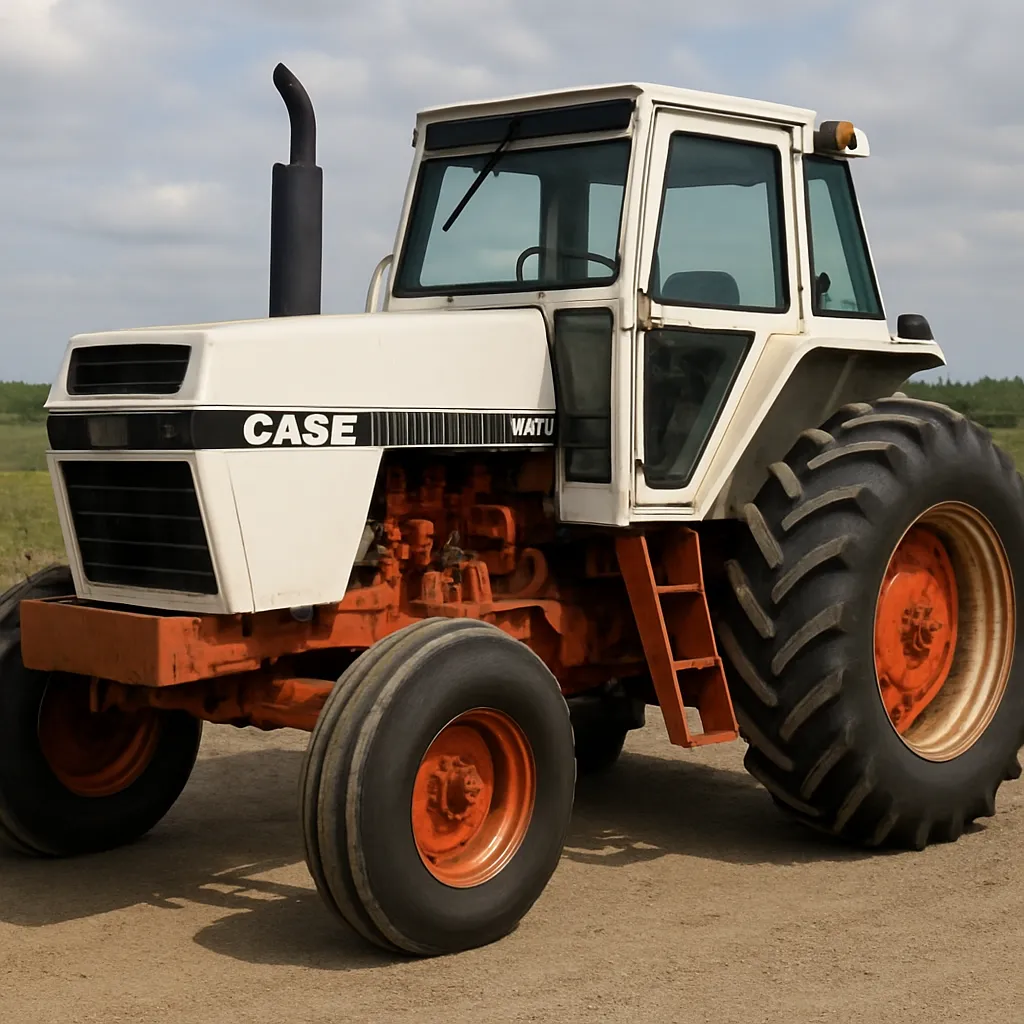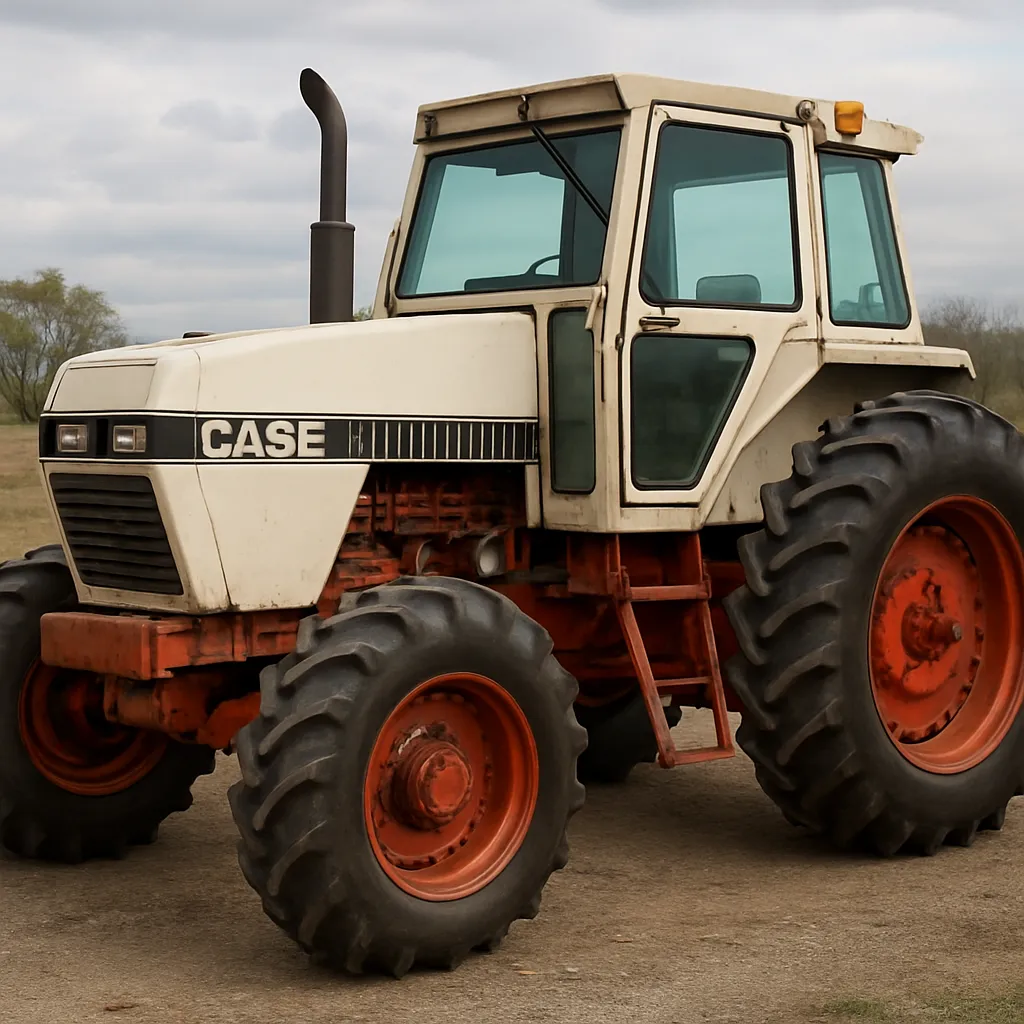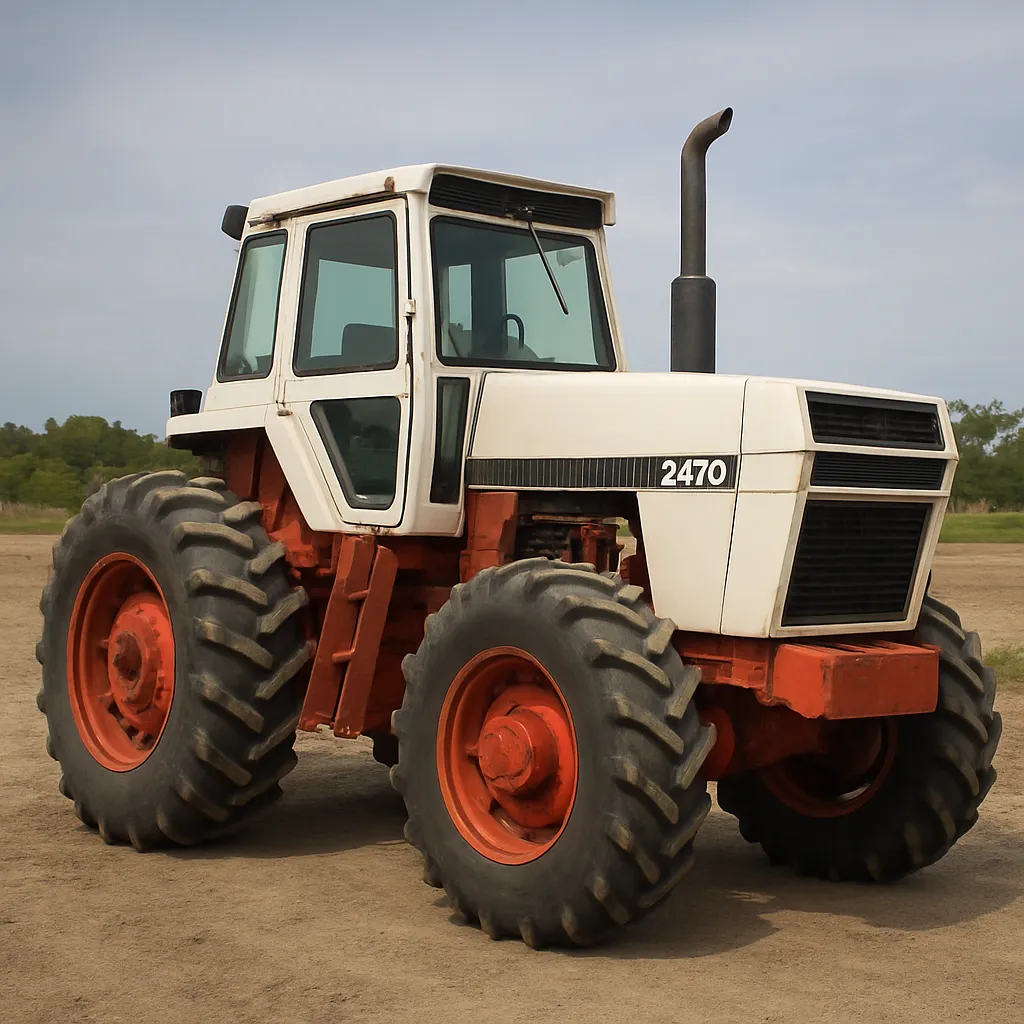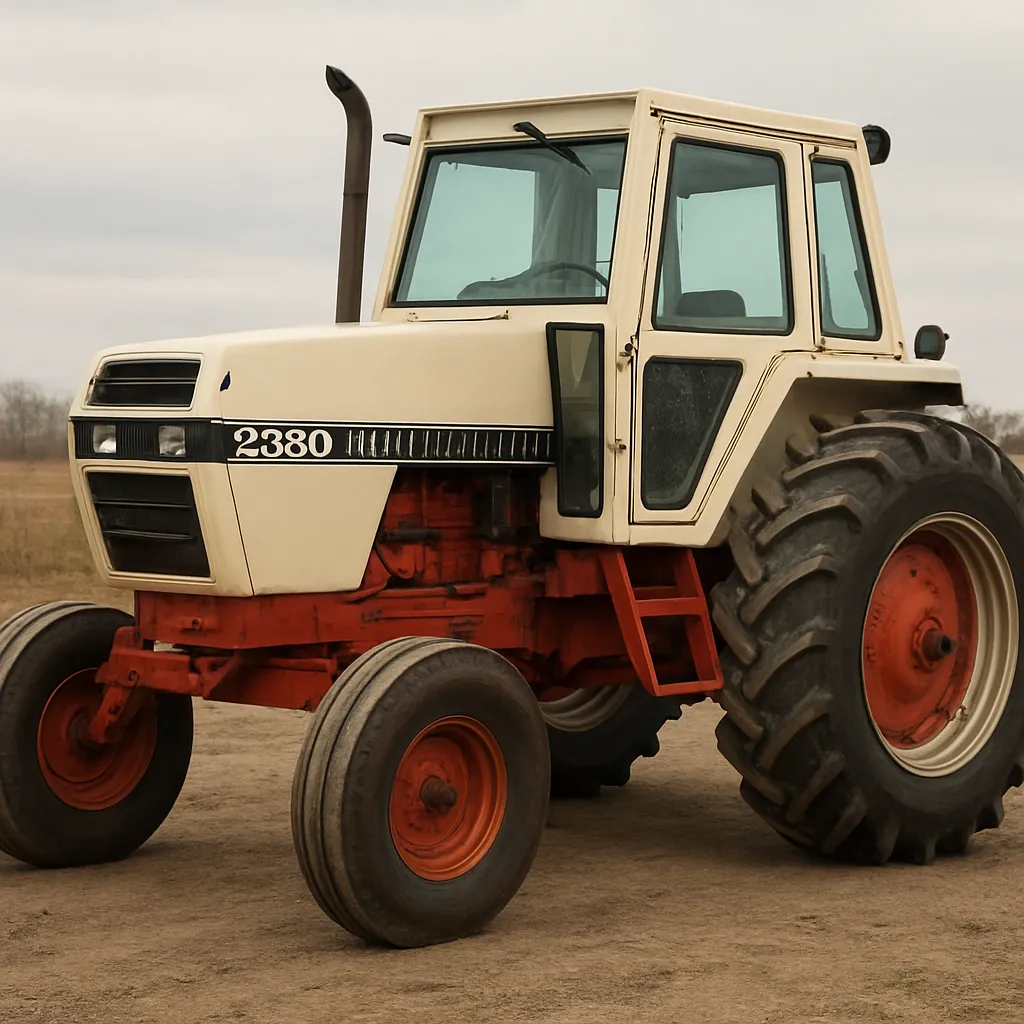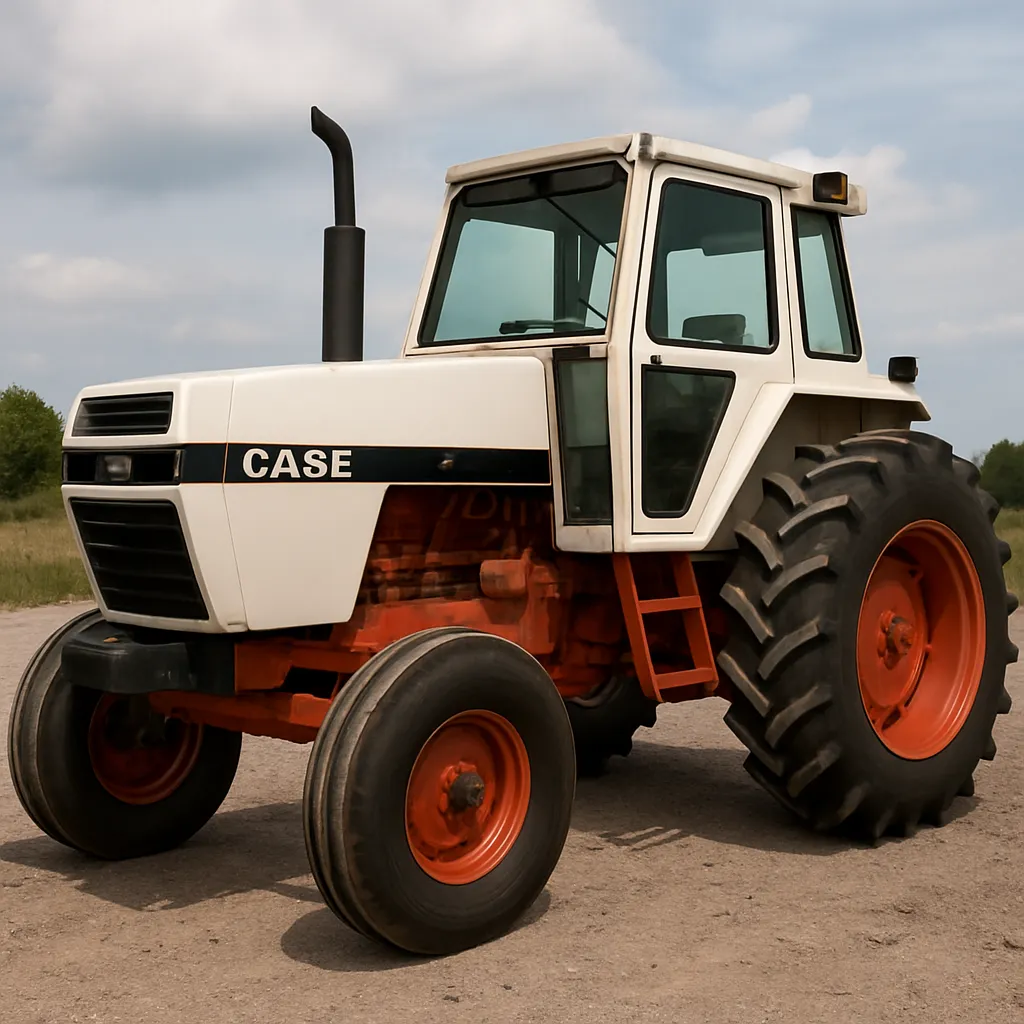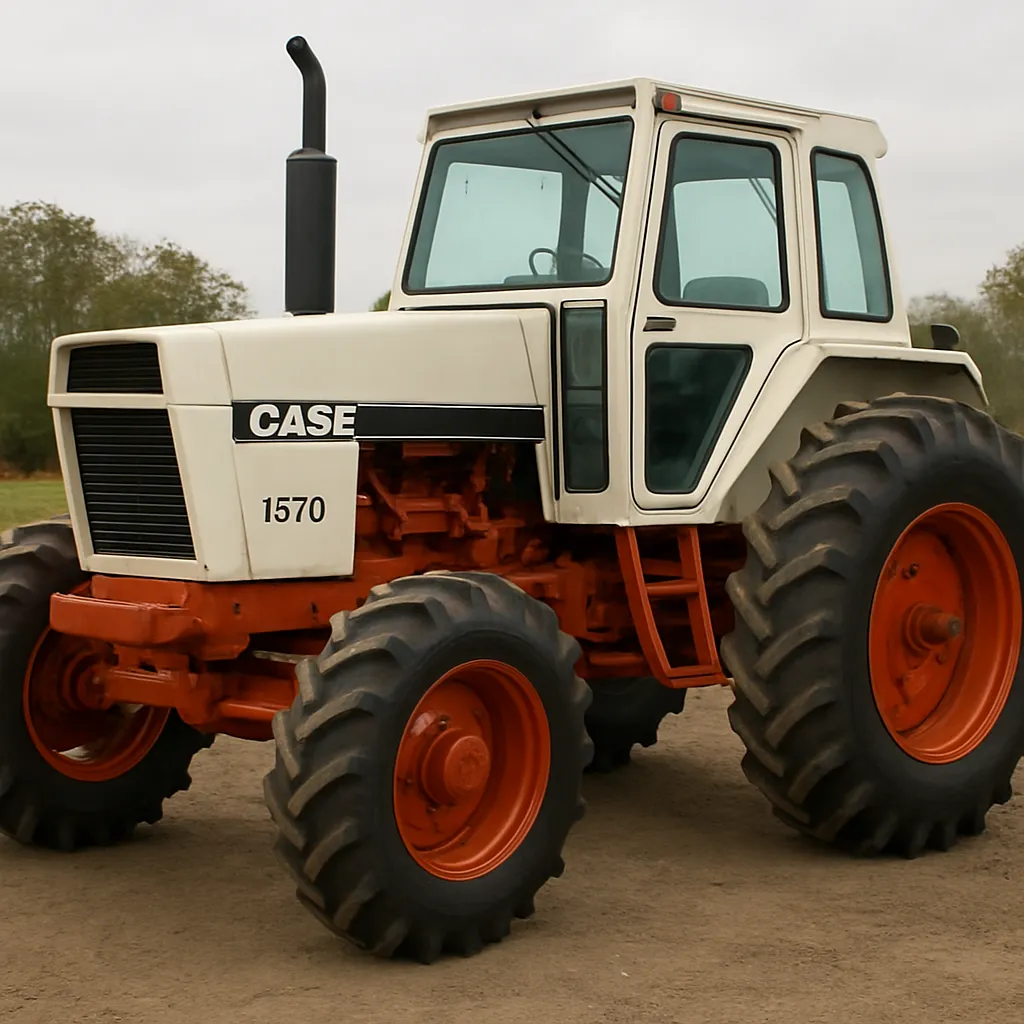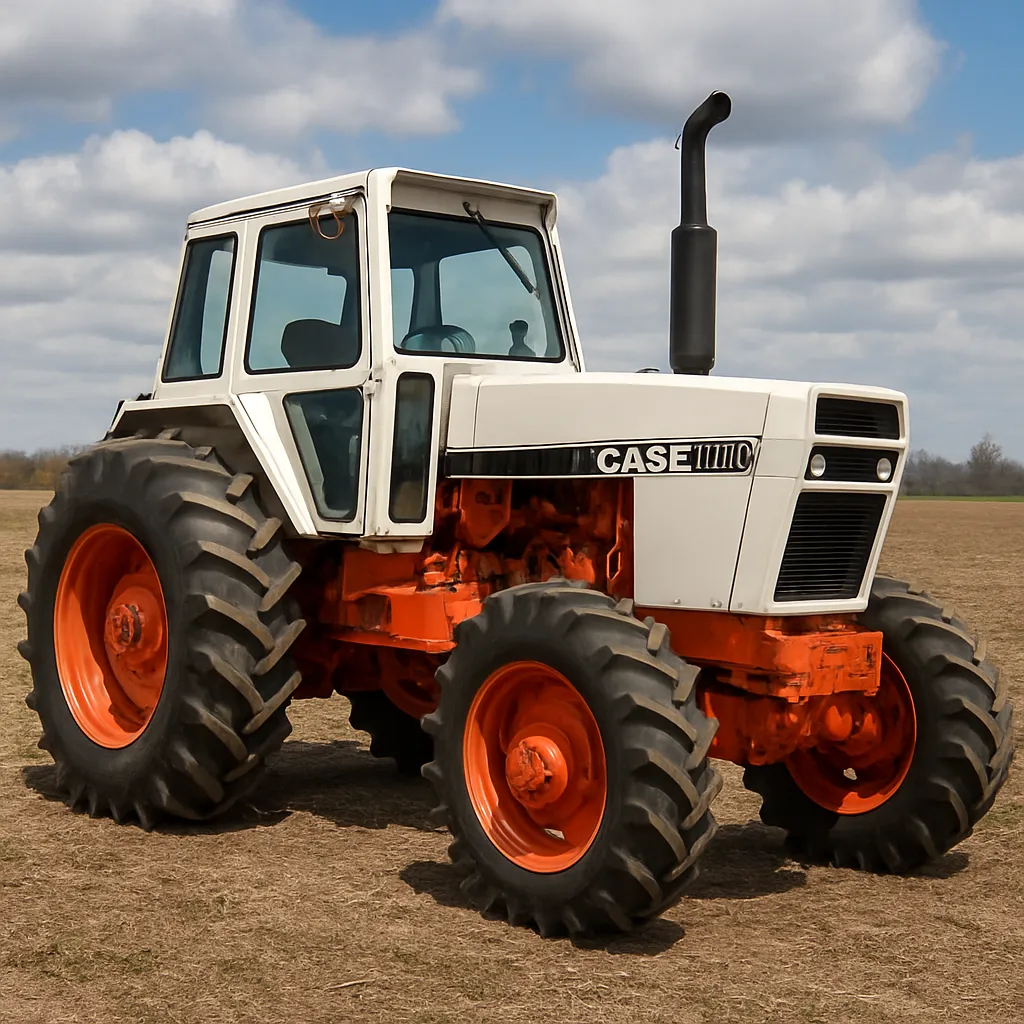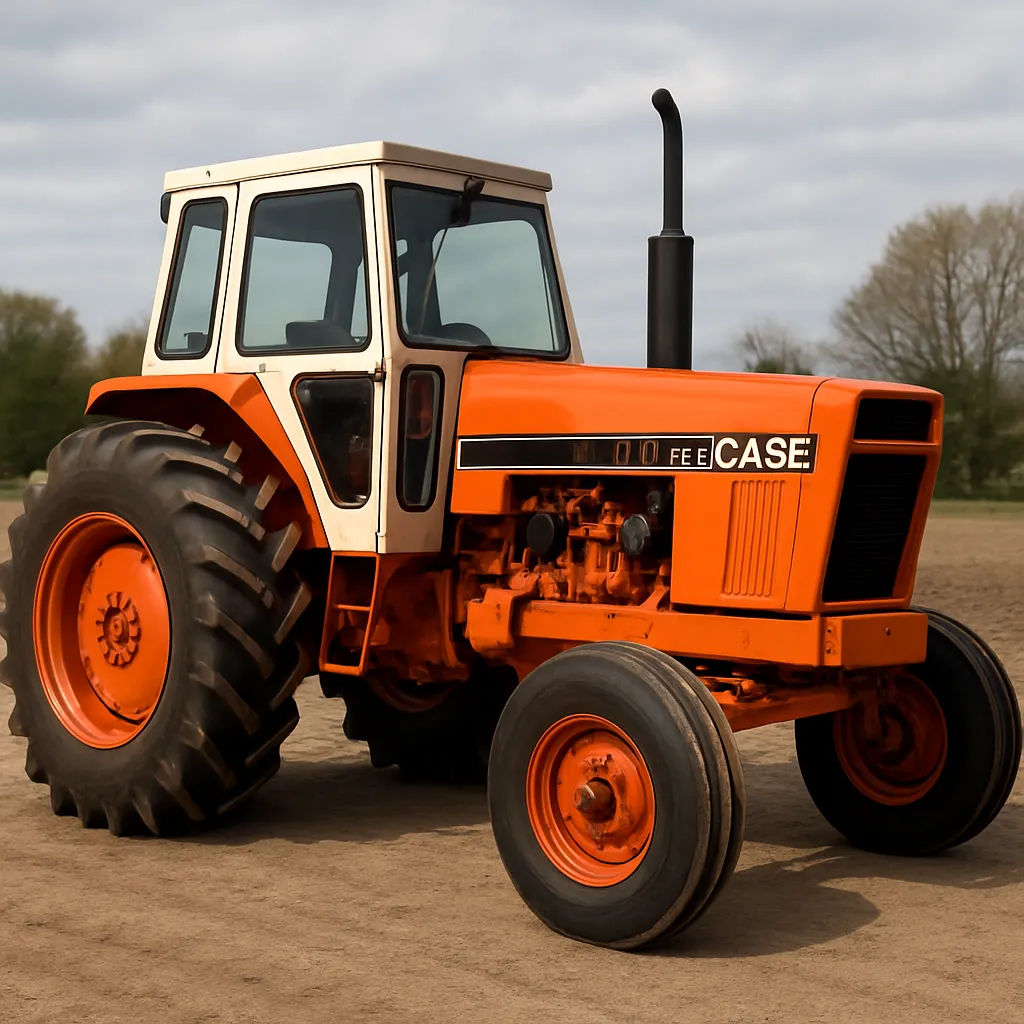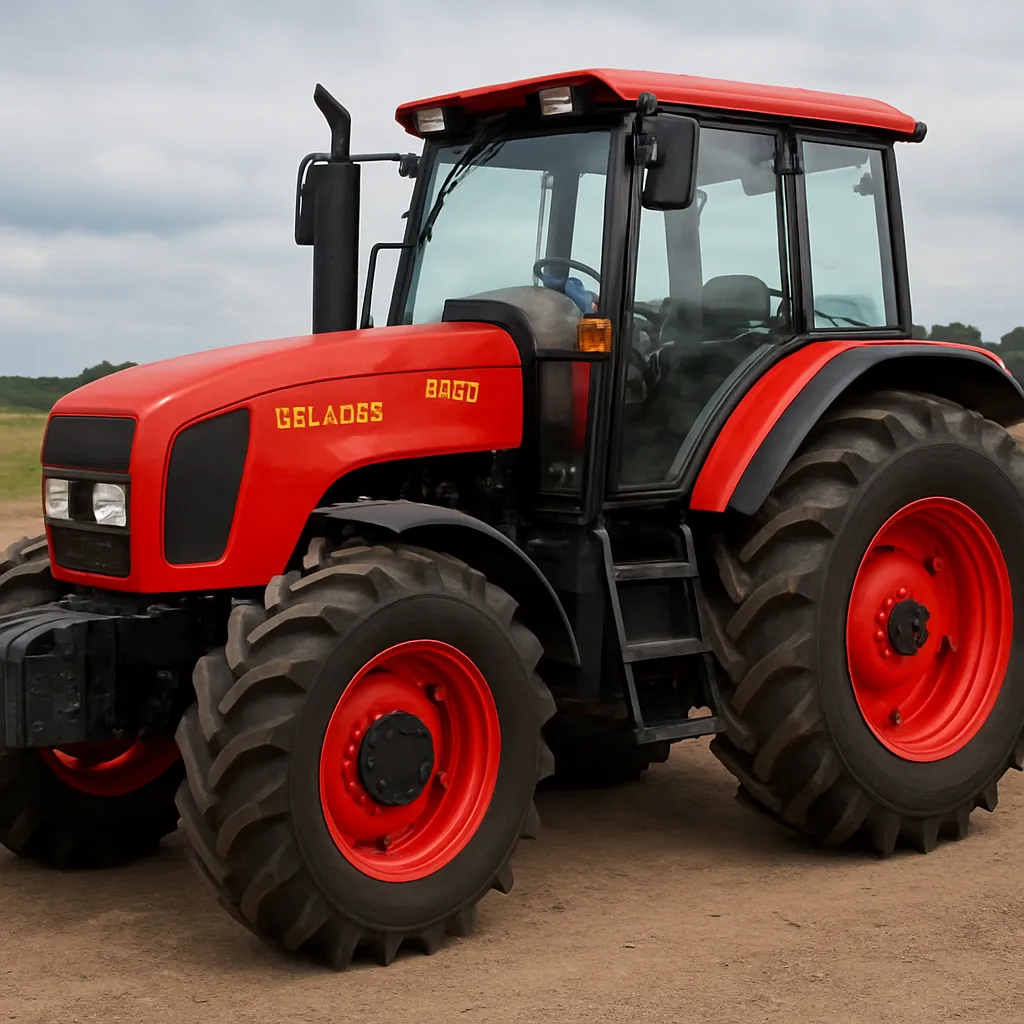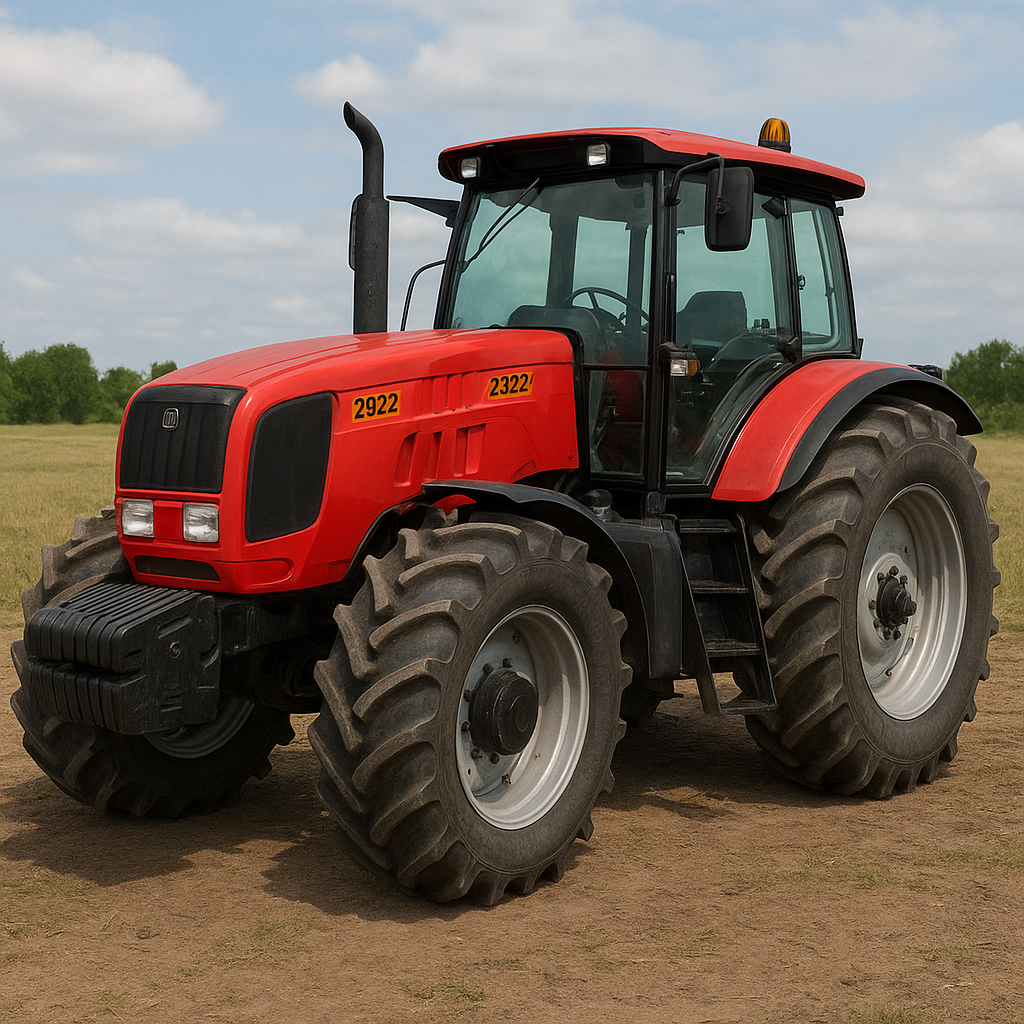
The Belarus 2822 is a modern, mid-to-large class agricultural and utility tractor produced by the Minsk Tractor Works (MTZ). Designed to combine robust construction with practical functionality, this model targets professional farmers, contractors and municipalities who need a machine capable of handling heavy field work, transport tasks and specialized implements. In the following sections you will find a detailed overview of its design, typical technical data, common applications, economic and operational characteristics, maintenance practices, and market presence.
Overview and design philosophy
The Belarus 2822 continues MTZ’s long tradition of producing durable, no-nonsense machines built for a wide variety of environments. Emphasizing reliability and ease of service, the 2822 is intended for operators who require a tractor that can work long hours in diverse conditions—sandy soils, clay fields, slopes and paved urban streets. Its design balances modern comforts with straightforward mechanical systems, making it accessible for repair in locations with limited specialized service facilities.
Key design features
- Robust chassis and heavy-duty axles designed for towing and traction under load.
- Comfort-focused cab options including ergonomic controls, visibility enhancements and climate control for extended shifts.
- Modular implement attachment points (front loader readiness, rear three-point linkage, and PTO variants) for broad compatibility.
- Emphasis on simple, proven components to reduce downtime and simplify maintenance.
Technical specifications (typical)
Exact specifications can vary by year, market and optional equipment packages. Below are representative values and ranges commonly associated with the Belarus 2822 family; these give a realistic picture of the tractor’s capabilities without claiming a single definitive configuration.
- Engine: 4- or 6-cylinder diesel engines, turbocharged options available. Commonly using engines developed in-house or in cooperation with established diesel manufacturers. Typical displacement ranges from about 4.5 to 6.5 liters.
- Power: Rated power from approximately 180 to 220 horsepower (hp) at rated RPM, suitable for medium to heavy implements and PTO-driven equipment.
- Torque: High torque at low rpm to support heavy draft work and loader operations (often in the 700–900 Nm range for models in this class).
- Transmission: Multiple transmission options including synchronized gearboxes with 8–16 forward and 4–8 reverse gears, and some versions offering power shift or semi-powershift transmissions for smoother directional changes.
- PTO: Standard 540/1000 rpm PTO options, with some models providing ground speed PTO or electro-hydraulic engagement for convenience.
- Hydraulics: Closed-centre load-sensing systems or open-centre pumps depending on configuration; lifting capacity at the rear linkage typically in the 5,000–7,000 kgf range.
- Weight: Operating weight commonly between 6,500 and 8,500 kg depending on configuration and ballast.
- Fuel capacity: Tanks in the 200–350 liter range to support long field operations without frequent refueling.
- Tire and axle options: Several front/rear tire sizes and wobble/locking differentials for optimized traction and transport stability.
These specifications make the Belarus 2822 competitive in the class of tractors that are intended for mixed farming, heavy cultivations and contractor work. The model’s emphasis on torque and hydraulics particularly supports demanding implement use.
Applications and typical use cases
The Belarus 2822 is engineered to be versatile. It is commonly found in the following roles:
Agricultural operations
- Primary tillage: Pulling large ploughs, subsoilers and heavy discs where traction and pulling force are critical.
- Seeding and planting: Powering seed drills and planters, often in combination with a hydraulic marker or auxiliary systems.
- Crop protection and fertilization: Driving high-capacity sprayers and fertilizer spreaders over large acreages.
- Hay and forage: Operating mowers, balers and forage harvesters, especially in mixed farms where a single tractor must serve many implements.
Contracting and transport
- Field contracting: Contractors frequently choose the 2822 for its combination of power and durability, enabling long daily operating hours.
- Transport: Using front or rear-mounted loaders, trailers and semi-trailers for on-farm transport or local delivery.
Municipal and industrial uses
- Winter maintenance: Fitted with snowploughs and blowers in colder climates due to strong engines and robust frames.
- Construction support: Light earthmoving, site preparation and moving materials when combined with loaders or forklifts.
- Forestry: With protective packages and specialized attachments, useful for hauling and winching logs.
Operational performance and economy
Performance in the field depends on several factors such as engine tuning, ballast and tire selection. The Belarus 2822 performs well in heavy draft tasks thanks to its torque curve and rear linkage capacity. Below are operational considerations and typical economic metrics.
Fuel consumption and efficiency
- Fuel consumption is influenced by load: in light transport tasks consumption may be modest, while heavy tillage will increase usage. Typical fuel consumption for tractors in this power band ranges roughly from 12 to 22 liters per hour depending on duty cycle.
- Optimization potential: Using correct gear selection, maintaining tire pressure and proper ballast help lower specific fuel consumption (fuel per hectare or per hour).
Productivity metrics
- Field speed and work rate: When pulling wide ploughs or discs, the 2822 can cover large swath widths quickly due to sustained torque, often achieving daily field areas desirable for medium-to-large farms.
- Implement compatibility: High hydraulic flow and linkage lift capacity enable the use of modern, high-capacity implements, improving hours-per-hectare productivity.
Maintenance, serviceability and longevity
MTZ tractors are known for their pragmatic approach to maintenance—components are often accessible and service intervals are reasonable. The Belarus 2822 follows this philosophy, offering straightforward servicing for both preventive and corrective maintenance.
Routine maintenance tasks
- Regular oil and filter changes for engine, transmission and hydraulic systems.
- Cooling system checks—radiators and intercoolers require cleaning in dusty environments.
- Greasing points and inspection of linkage pins to reduce wear.
- PTO and clutch inspections, especially if frequent implement changes are routine.
Service network and parts
MTZ has a broad international dealer network, but availability of parts and specialized service can vary by region. One of the design goals of the Belarus 2822 is to rely on common components that local workshops can repair—improving uptime in remote agricultural regions.
Variants, options and customization
To meet diverse demands, the Belarus 2822 is often offered with several options and accessory packages:
- Cab levels: Basic to premium cabs with air conditioning, suspension seats and upgraded control panels.
- Transmission choices: Manual synchronized, semi-powershift, or fully powershift transmissions for different operator preferences.
- Front loaders and quick-coupler systems for fast implement changeover.
- Specialty packages for forestry, municipal snow clearing or orchard configurations with reduced heights and different protection systems.
Market presence and real-world adoption
The Belarus series has a strong reputation in Eastern Europe, Central Asia, Africa, and parts of Latin America due to its value proposition: sturdy machines with reasonable price points and relatively simple mechanical systems. The 2822 occupies a niche where customers require more power than entry-level tractors but do not want to invest in the highest-cost premium Western-brand machines.
Key selling points in target markets
- Cost-effectiveness: Competitive upfront price and favorable total-cost-of-ownership on many configurations.
- Durability: Good track record under continuous heavy use when properly maintained.
- Serviceability: Simpler systems that allow local workshops to perform most repairs.
Comparative advantages and challenges
The Belarus 2822 offers a balance of strengths and known compromises that are important for buyers to evaluate:
Strengths
- Versatility: Able to handle a wide variety of implements and tasks.
- Reliability: Robust construction suited to demanding environments.
- Maintenance-friendly: Designed for easy access to wear items and common service points.
- Good torque and hydraulic performance for heavy implements.
Challenges
- Cabin refinement and noise levels may be lower than premium competitors.
- Fuel efficiency and emissions controls can lag behind the latest Western models unless specified with updated engines or emissions packages.
- Availability of dealer support and spare parts varies by country—critical to check local networks before purchase.
Statistics and usage data (indicative)
Comprehensive global statistics for a single model like the Belarus 2822 can vary by region and are not always publicly consolidated. However, industry patterns and available regional registration data typically show:
- Commonly chosen by medium-sized farms and contracting firms that manage 200–2,000 hectares.
- Operational lifetimes in many markets exceed 10–20 years with diligent maintenance, making them long-lived assets compared with some higher-cost alternatives.
- Resale values retain a reasonable fraction of original cost in markets where MTZ presence is strong.
Buying considerations and recommendations
Potential buyers should evaluate the following before choosing a Belarus 2822:
- Local dealer and service network—confirm parts lead times and warranty coverage.
- Optimal configuration for intended work—select transmission, PTO and hydraulic options that match the implements you will use most.
- Consider ballast and tire selection based on soil type and transported loads to maximize traction and fuel economy.
- Inspect used models for maintenance records, hours, and signs of heavy wear in the drivetrain and hydraulics.
Interesting facts and historical context
MTZ has produced tractors for decades, evolving from simple, rugged machines to models incorporating more modern ergonomics and electronic controls. The Belarus 2822 follows this lineage but remains true to the principles that built the brand’s reputation—solid mechanical engineering, wide implement compatibility and an emphasis on practical performance rather than highest-end luxury features.
In some regions, older generations of Belarus tractors have been adapted for creative uses—mobile workshops, irrigation pumping units, and even emergency power units—testament to the platform’s adaptability. The 2822, with its higher power bracket, expands that versatility to larger-scale operations and heavier special-purpose roles.
Summary
The Belarus 2822 is a work-oriented, powerful and adaptable tractor that serves farmers, contractors and municipalities requiring a dependable machine that can perform a wide range of tasks. With strong engine torque characteristics, flexible transmission options, and capable hydraulics, it supports demanding implements and long working days. Its strengths lie in versatility, reliability and ease of maintenance, while buyers should weigh cab comfort, emissions technology and local service availability when making a purchase decision. For operations needing a cost-effective, durable and practical tractor in the 180–220 hp class, the Belarus 2822 remains a compelling choice.