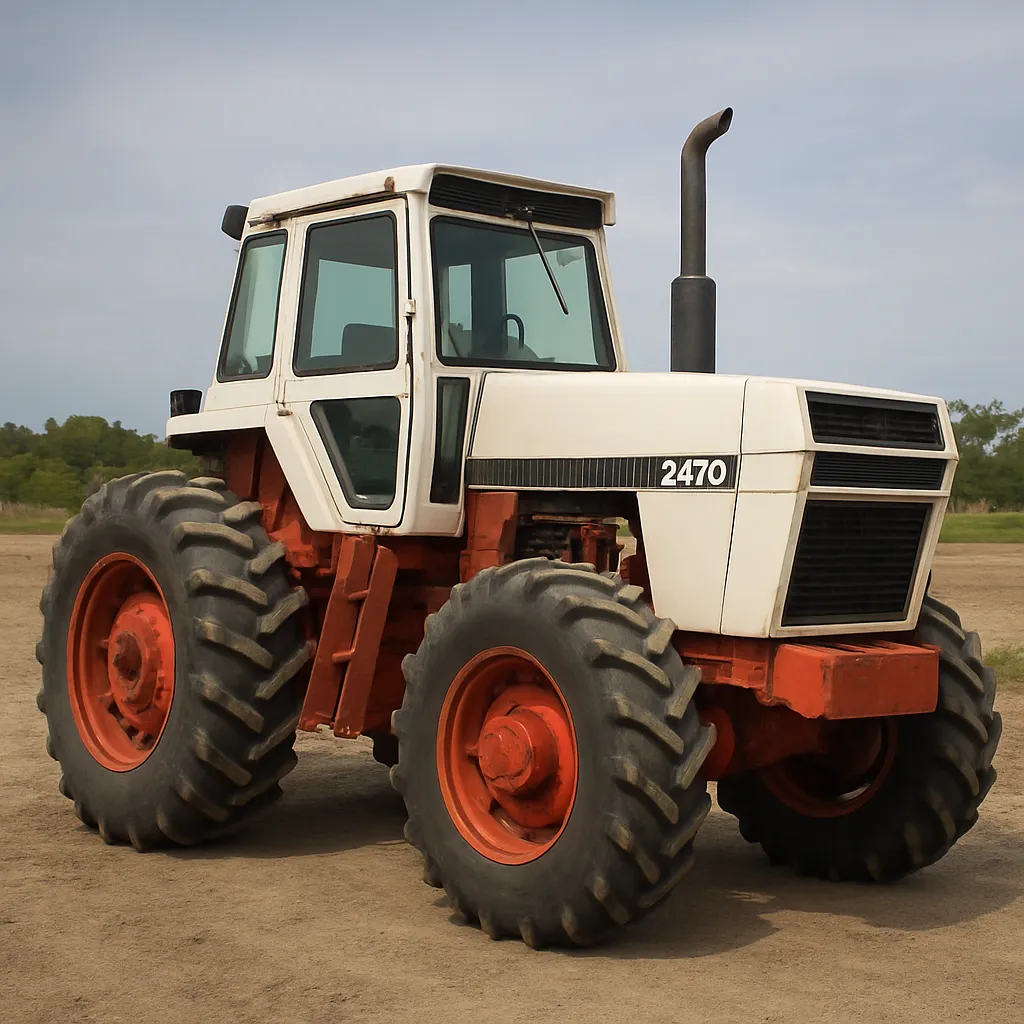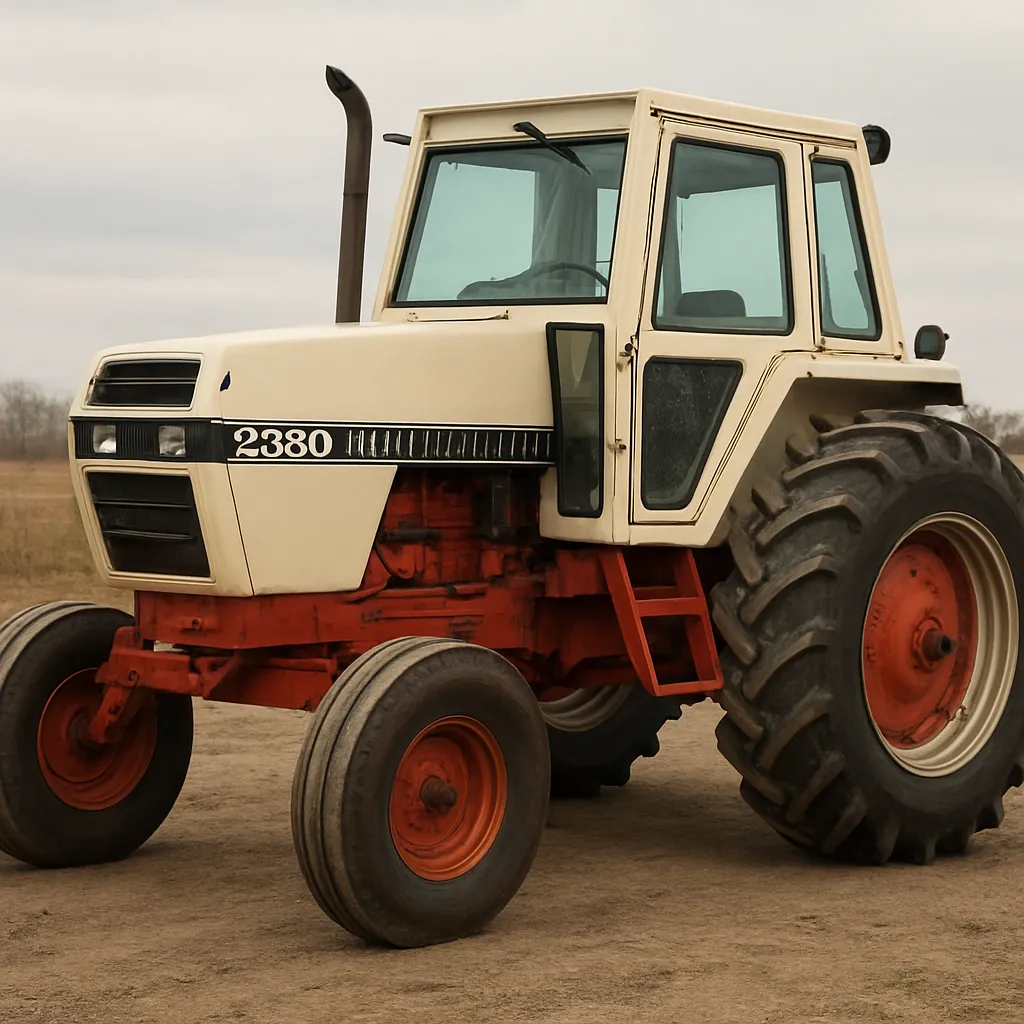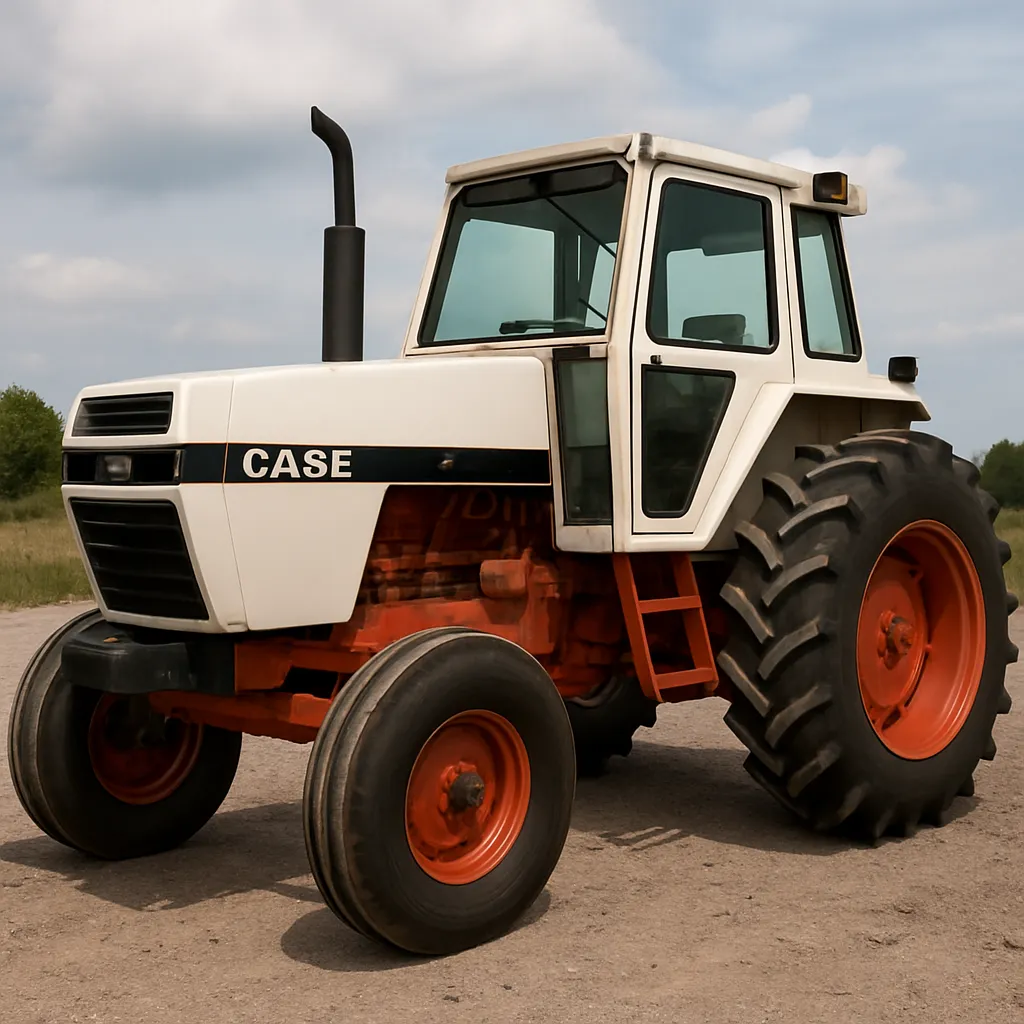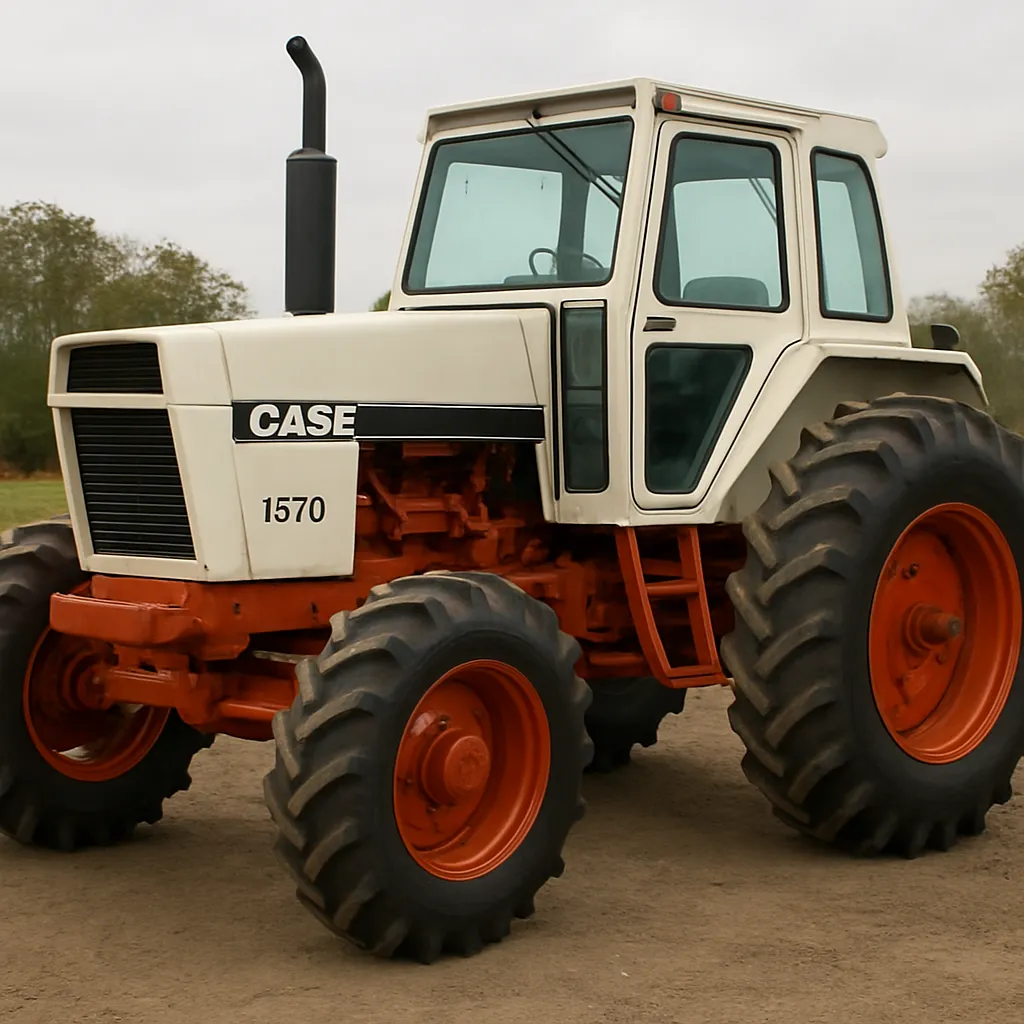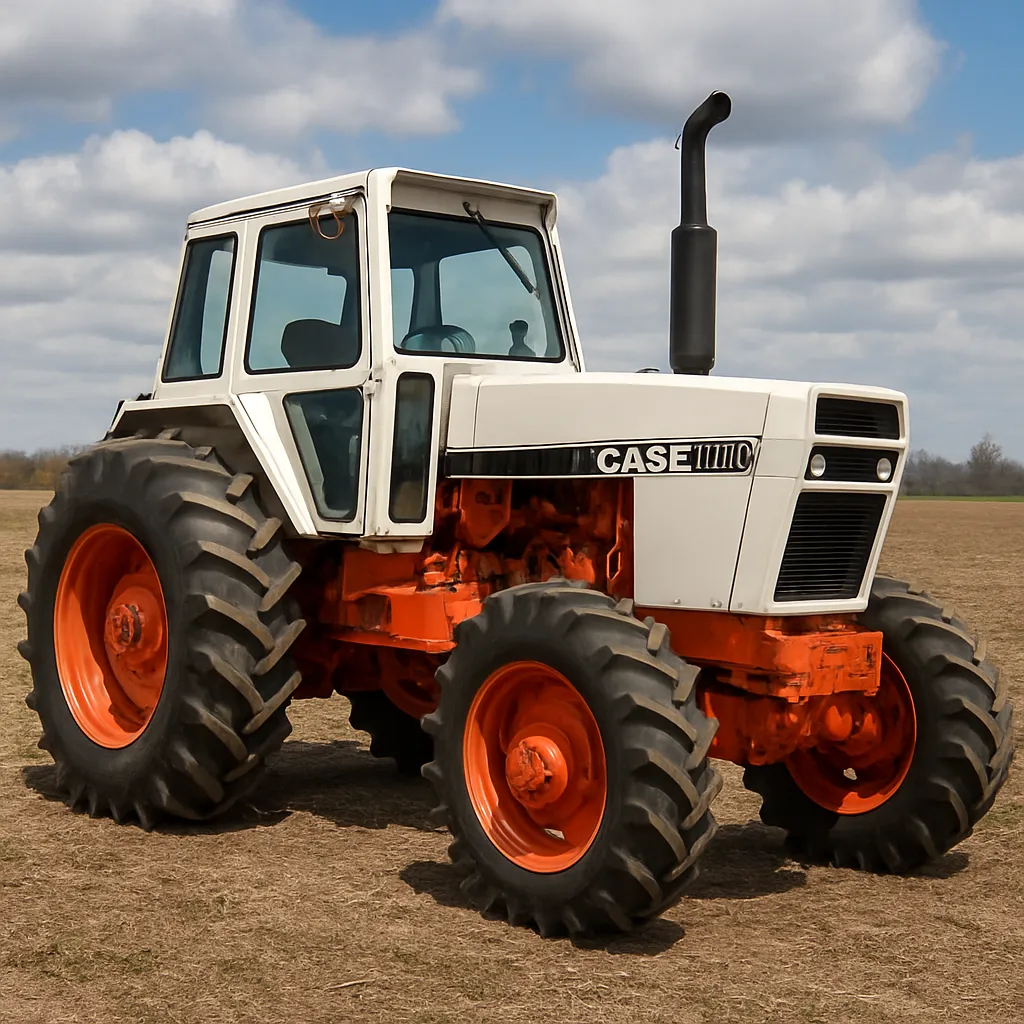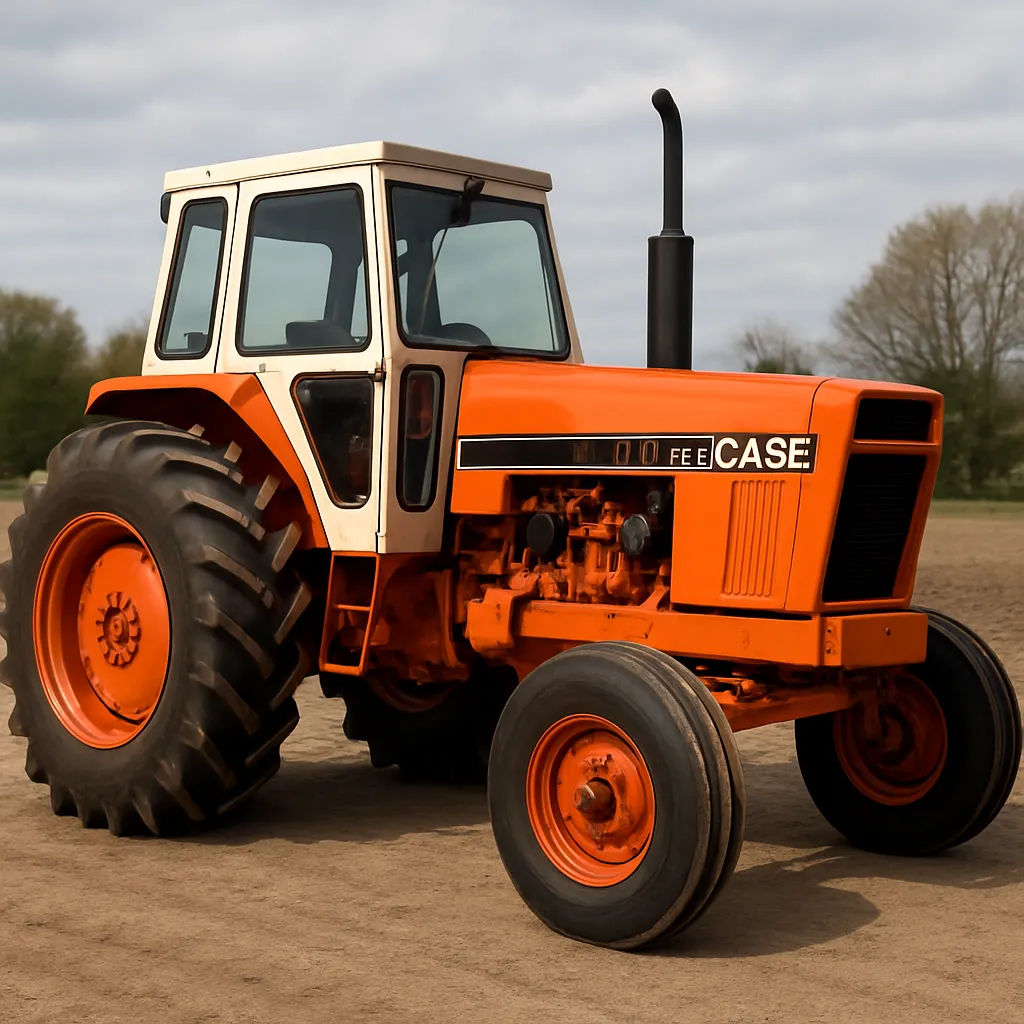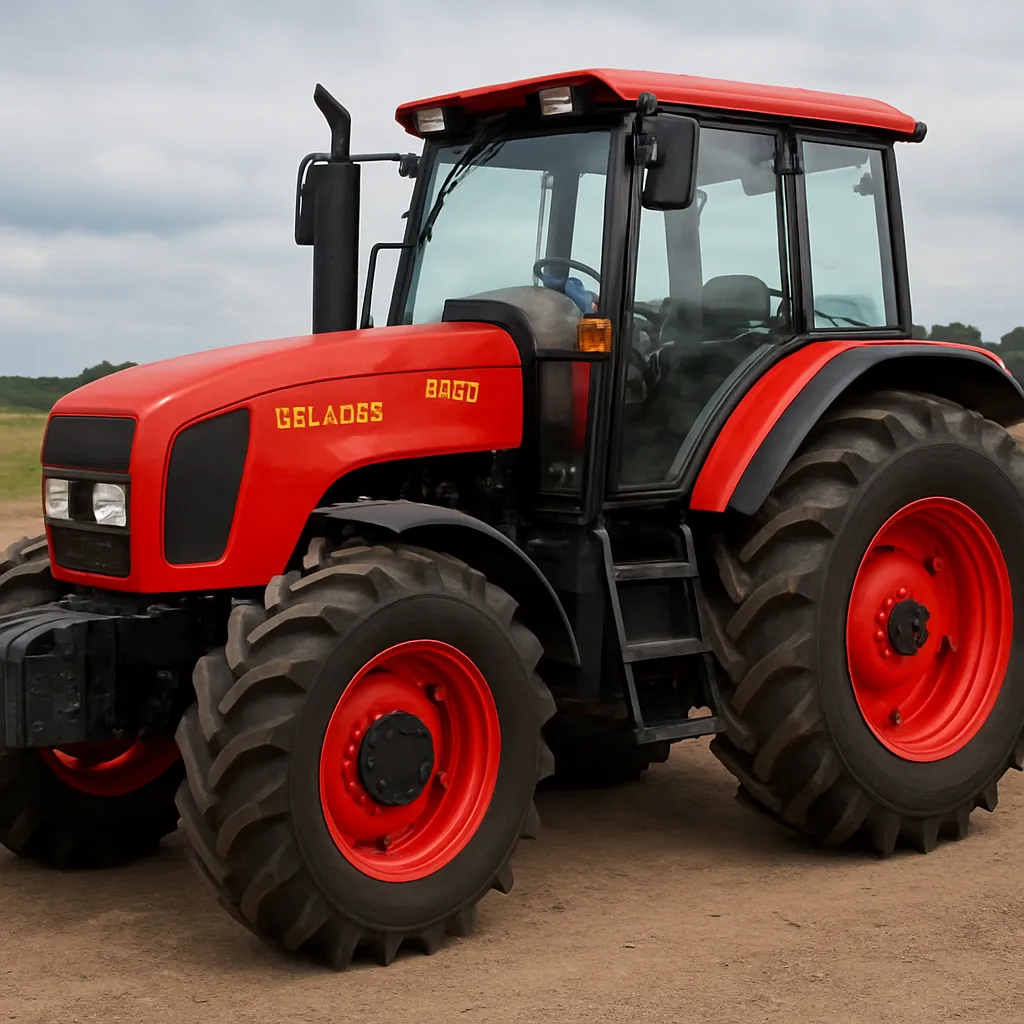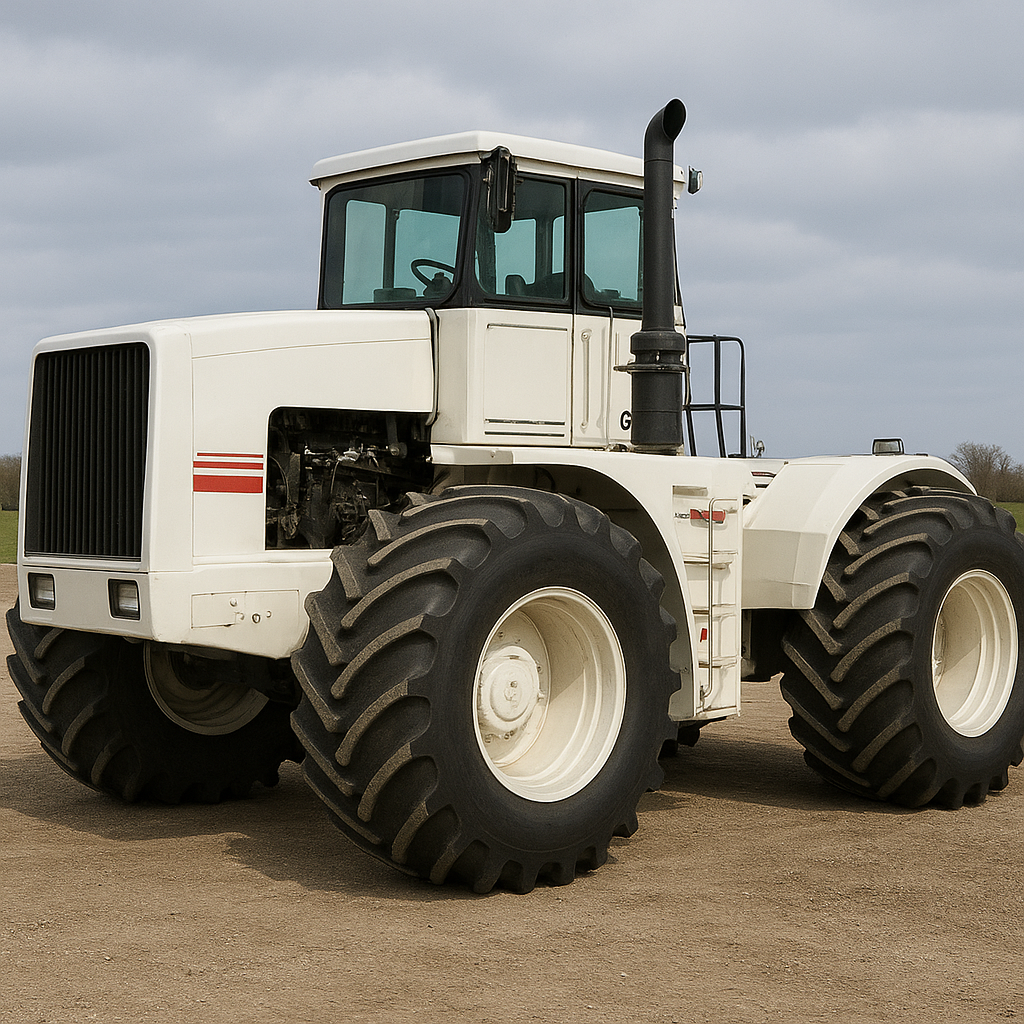
The Big Bud 360/30 occupies an interesting place in the world of large-scale farming machinery. Built on the tradition of oversized, purpose-built tractors designed for broad-acre agriculture, this model is intended for operations where power, traction and persistence in the field matter more than nimbleness or compactness. In the following text, you will find an overview of its background, typical applications, technical and operational considerations, maintenance and economics, and the broader significance of machines in this class. The article aims to give a practical and contextualized picture of why a grower or contractor might choose a machine like the Big Bud 360/30 and what to expect when operating and maintaining it.
Origins and context: where Big Bud fits in agricultural history
The Big Bud name is synonymous with some of the largest agricultural tractors ever built. Historically, manufacturers and custom builders pursued ever-larger designs to meet the needs of highly mechanized, large-field farming in regions such as the American Great Plains, Canada’s prairie provinces and parts of Australia. The objective was simple: increase the area a single machine can cultivate or seed per day by combining higher continuous power with large implements, reducing the need for multiple smaller tractors and multiple passes.
The Big Bud 360/30 should be read in this context — a machine designed to deliver sustained power and drawbar performance for heavy primary tillage, deep ripping and pulling large seeding or fertilizing systems. While there are many Big Bud models and custom configurations, machines in this family are built for scale. They are not intended for small-market mixed farms but for operations where every hour of field time delivered by a single machine can translate into measurable economic advantage.
Design and technical overview
Models named with a pattern like 360/30 typically indicate approximate engine power and the transmission or speed-step configuration: in this case, roughly 360 horsepower and a multi-speed transmission with around 30 forward gears. This naming convention is common in the industry but is not a formal universal standard — actual factory or custom specifications can vary by serial number, rebuild or aftermarket modification.
Powertrain and drivetrain
- Engine: Diesel powerplants are universal in tractors of this class for their torque characteristics and fuel economy under heavy load. Expect a turbocharged, intercooled design tuned for long-duration pulling rather than high-rpm output.
- Transmission: A multi-step mechanical or powershift transmission offering many forward and reverse options—often 20+ forward speeds—is typical, allowing fine control of ground speed under varying soil conditions.
- Transmission and final drive robustness: Heavy-duty clutches, planetary final drives and large-diameter axles are used to transfer the engine’s torque to the ground reliably.
Chassis, weight and traction
Large tractors like the Big Bud 360/30 are engineered to maximize traction: wide or dual wheels, sometimes triples or tracks, and significant ballast capacity are standard. Gross operating weight is deliberately high to increase drawbar pull without excessive wheel slip. Frame and axle design prioritize strength and serviceability over lightness.
Hydraulics and hitching
To handle long-frame disc harrows, multi-section rippers and large seeders, these tractors feature high-capacity hydraulic systems, multiple remotes and reinforced hitching points. Electronic control systems for draft and depth often accompany hydraulic hardware to maintain consistent working depths across varied terrain.
Practical applications and field performance
The Big Bud 360/30 is best deployed where high-acreage throughput and heavy implement demands intersect. Typical applications include:
- Primary tillage: Pulling heavy chisel plows, large disc rigs and multi-section cultivators to break and condition soil at scale.
- Deep ripping: Operating deep rippers that require sustained drawbar pull to penetrate compacted subsoils.
- Seeding and planting support: Pulling very large air seeders or planters across broad swaths, often in conjunction with reduced-tillage systems designed for speed.
- Fertilizer and chemical application: Towing large tandem tanks or applicators when time-sensitive applications must cover many hectares quickly.
- Specialty heavy tasks: Roadside mowing with heavy rotary heads, pulling heavy center-pivot irrigation equipment or non-farm pull jobs where massive traction is required.
In operational terms, a machine of this class delivers steady power and can maintain low-ground-speed operations for long durations, making it efficient for tasks that rely on consistent forward progress under load. When compared with multiple smaller tractors working in tandem, a single large tractor can simplify logistics (one operator, centralized maintenance) but can create a single point of failure risk and high per-hour fuel and maintenance consumption.
Fuel use, efficiency and economics
Big tractors are often misunderstood in economic terms. While hourly fuel consumption is high compared with smaller tractors, cost per acre can be competitive due to reduced pass count, fewer setup hours and simplified field logistics. Key points to consider:
- Fuel consumption: High continuous output engines mean substantial fuel usage when working hard. Fuel efficiency should be evaluated in liters/gallons per acre rather than per hour to understand economic impact.
- Operating costs: Tires or tracks, gearbox wear, hydraulic components and service intervals are priced at the high end of the market. However, for very large acreages the cost per hectare often falls in line with or below alternatives because of productivity gains.
- Labor and time savings: A single operator managing a large tractor can replace multiple operators with smaller machines, reducing scheduling complexity and potentially total labor cost.
- Depreciation and capital expense: Upfront purchase or custom rebuild expenses are substantial. Leasing or custom hire models (contracting a large tractor for peak seasons) are common ways farms access this capability without full ownership.
Maintenance, reliability and service considerations
Maintenance planning for the Big Bud 360/30 must be rigorous. Heavy-duty components are resilient by design, but their repair costs are significant, and downtime on a large machine has a high opportunity cost. Practical maintenance concerns include:
- Preventive maintenance schedules: Oil, coolant, hydraulic fluid and filter changes at intervals recommended by the engine and component manufacturers.
- Tire and undercarriage care: Large tires or track systems represent a major expense; monitoring for wear and damage is essential.
- Spare parts inventory: Keeping critical spare parts on hand (filters, belts, hoses, sensor modules) reduces downtime during peak seasons.
- Access to expertise: Technicians trained on heavy-duty agricultural gear and familiarity with the specific Big Bud configurations are invaluable.
Common modifications and modern upgrades
Owners of large tractors often invest in modernization measures to improve efficiency and reliability:
- Electronic engine management upgrades for better fuel mapping and diagnostics.
- GPS auto-steer and precision-farming integration to reduce overlap and improve pass consistency.
- Aftermarket filtration systems, improved cooling packages or enhanced hydraulic pumps for better performance in extreme conditions.
Comparisons, alternatives and operational trade-offs
Choosing a Big Bud-class machine versus multiple smaller tractors depends on several farm-specific variables:
- Acreage size: Very large contiguous farms benefit most from a single high-power tractor.
- Soil type and field conditions: Heavy soils or deep ripping tasks favor larger tractors because of increased traction and ballast.
- Flexibility needs: Multiple smaller machines give flexibility for staggered tasks and reduce risk if one unit is down for repairs.
- Transport and logistics: Oversize transport permits and yard handling must be managed; some large tractors require disassembly for road movement.
Environmental and regulatory considerations
Large tractors consume considerable fuel, which has implications for greenhouse gas emissions and local air quality. Modernization initiatives focus on:
- More efficient engines and selective catalytic reduction (SCR) systems to meet emissions regulations.
- Precision application technologies to reduce wasteful re-application of inputs, thereby lowering overall chemical use and fuel consumption per acre.
- Alternative fuels and hybrid concepts are subjects of research, though retrofitting large legacy machines is technically and economically challenging.
Collectibility, resale and cultural significance
Historically significant or custom-built large tractors often gain a collectible following. Enthusiast communities celebrate preserved models at shows and in museums. The Big Bud name, thanks to some very large and iconic models in the brand’s lineage, carries reputation value that can boost resale demand among collectors, contractors and high-acreage farmers.
Resale market dynamics
Market values for large tractors are driven by service history, hours of operation, implemented upgrades (e.g., GPS, modern hydraulics), and condition of high-wear items like tires and transmissions. For many, the option of using such machines on a contract basis rather than owning them outright is an attractive way to access high-power capability responsive to seasonal peaks without long-term capital commitment.
Safety and operator considerations
Operating a large tractor requires training and respect for scale. Safety considerations include:
- Understanding center of gravity, especially on slopes or with heavy mounted implements.
- Safe transport procedures, including escort vehicles or disassembly for public road travel where required.
- Noise and vibration exposure—cabs are usually designed for comfort, but hearing and vibration mitigation remain important.
- Emergency response planning in case of hydraulic failures, tow-outs or fires.
Summary and practical recommendations
For operators considering a Big Bud 360/30 or similar large tractor, the decision should be informed by an assessment of scale, soil demands and the total cost picture. Key recommendations:
- Match machine capability to average and peak workload requirements—oversizing can waste capital, undersizing can create bottlenecks.
- Plan maintenance and spare parts access before peak seasons to minimize downtime risk.
- Consider contract hire or leasing to access large-tractor benefits without full ownership overhead.
- Invest in precision farming and modern controls to reduce per-acre input use and boost operational efficiency.
Notable statistical references and data cautions
Specific factory specifications for any particular Big Bud 360/30 serial can vary due to configuration, rebuilds and aftermarket modifications. Model naming often implies a rough benchmark—such as approximately 360 horsepower and a multi-step transmission (the “30” often indicating gear-step variety)—but for exact numbers (engine displacement, torque curves, drawbar pull and fuel consumption rates) consult the vehicle’s data plate, original manufacturer documentation or verified service manuals.
As context, among Big Bud models, larger flagship machines (frequently referenced in media and enthusiast literature) have been reported to exceed 1,000 horsepower in specially built configurations. Those extremes illustrate the family’s orientation toward scale — but they are not representative of the 360/30’s intended operational niche.
In summary, the Big Bud 360/30 is a machine for large-scale, power-intensive agricultural work. Its strengths are in straight-line, heavy-load field operations where sustained power, traction and hydraulic capacity translate into higher acre-per-hour performance. Trade-offs include higher fuel and maintenance costs, transport logistics and the need for a well-planned service strategy. For the right operation, however, a tractor in this class can be a decisive productivity tool.