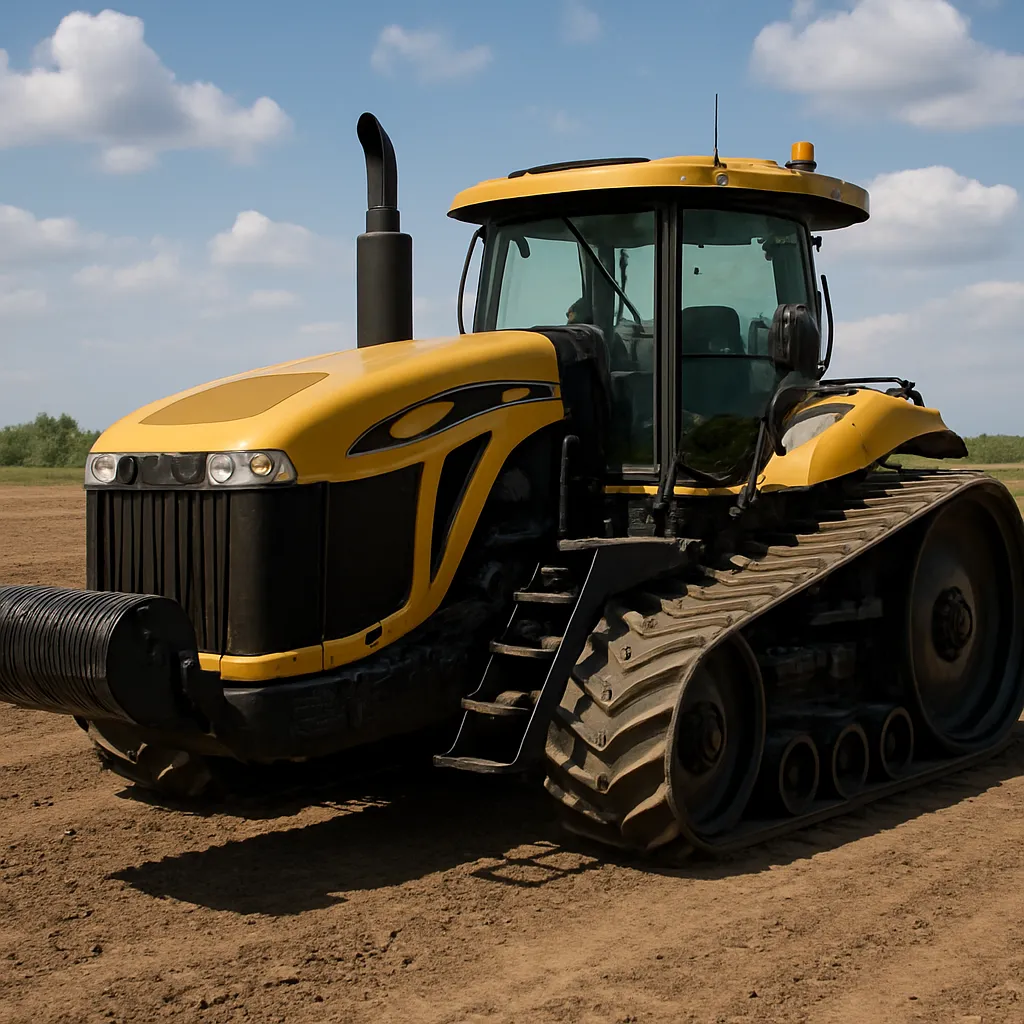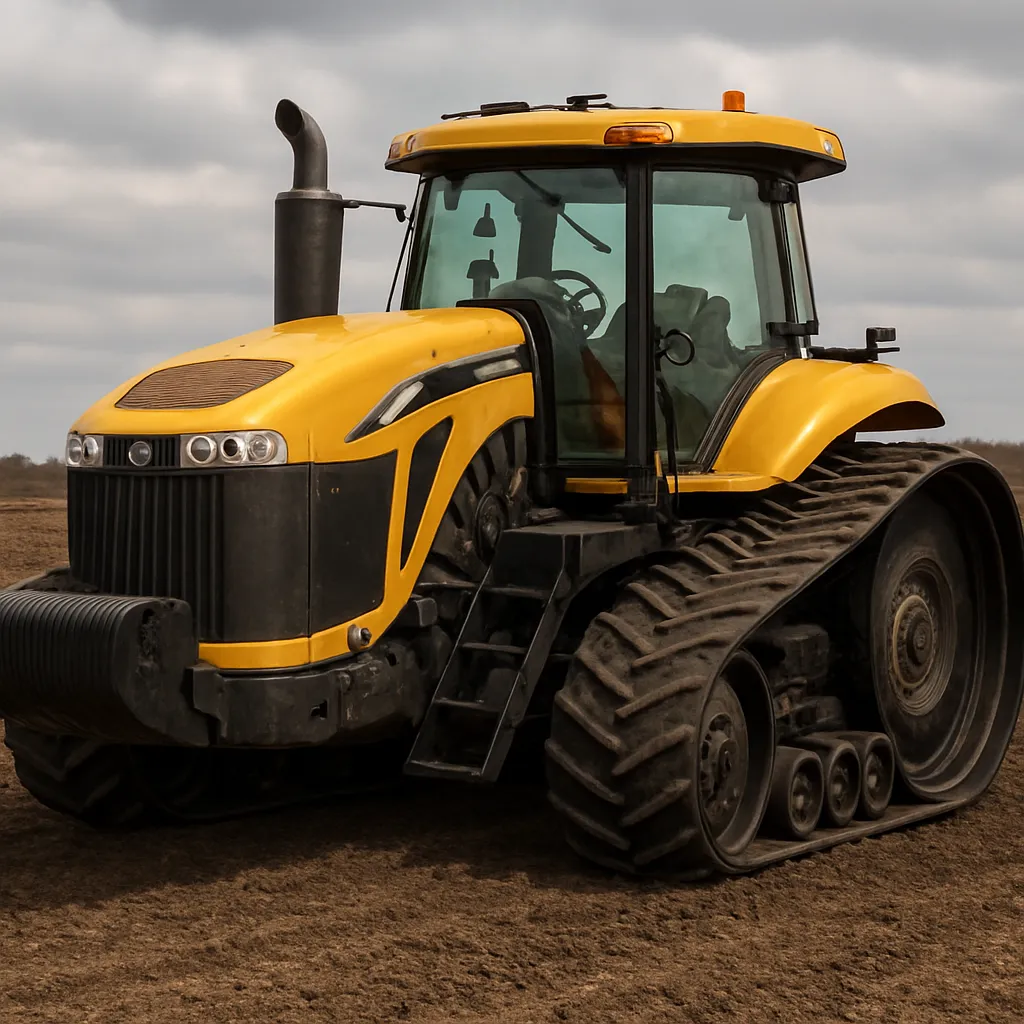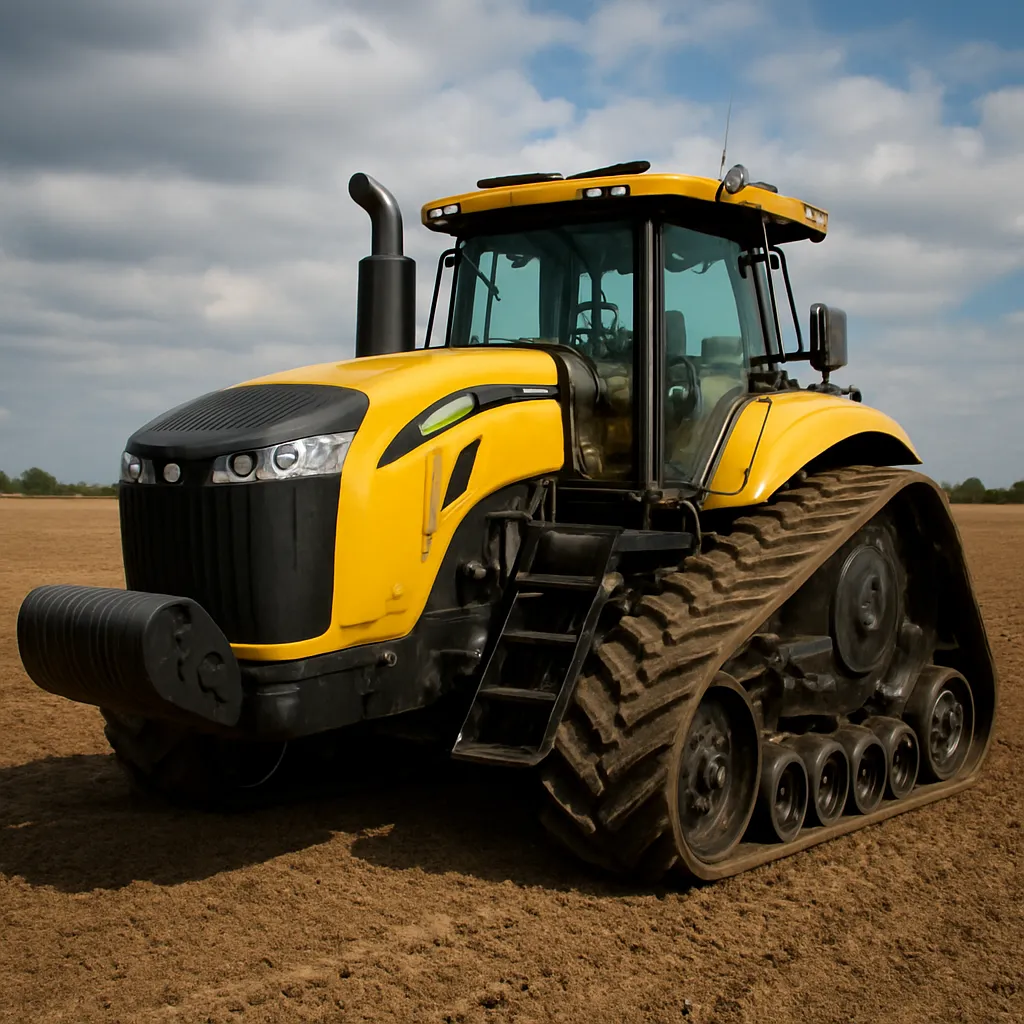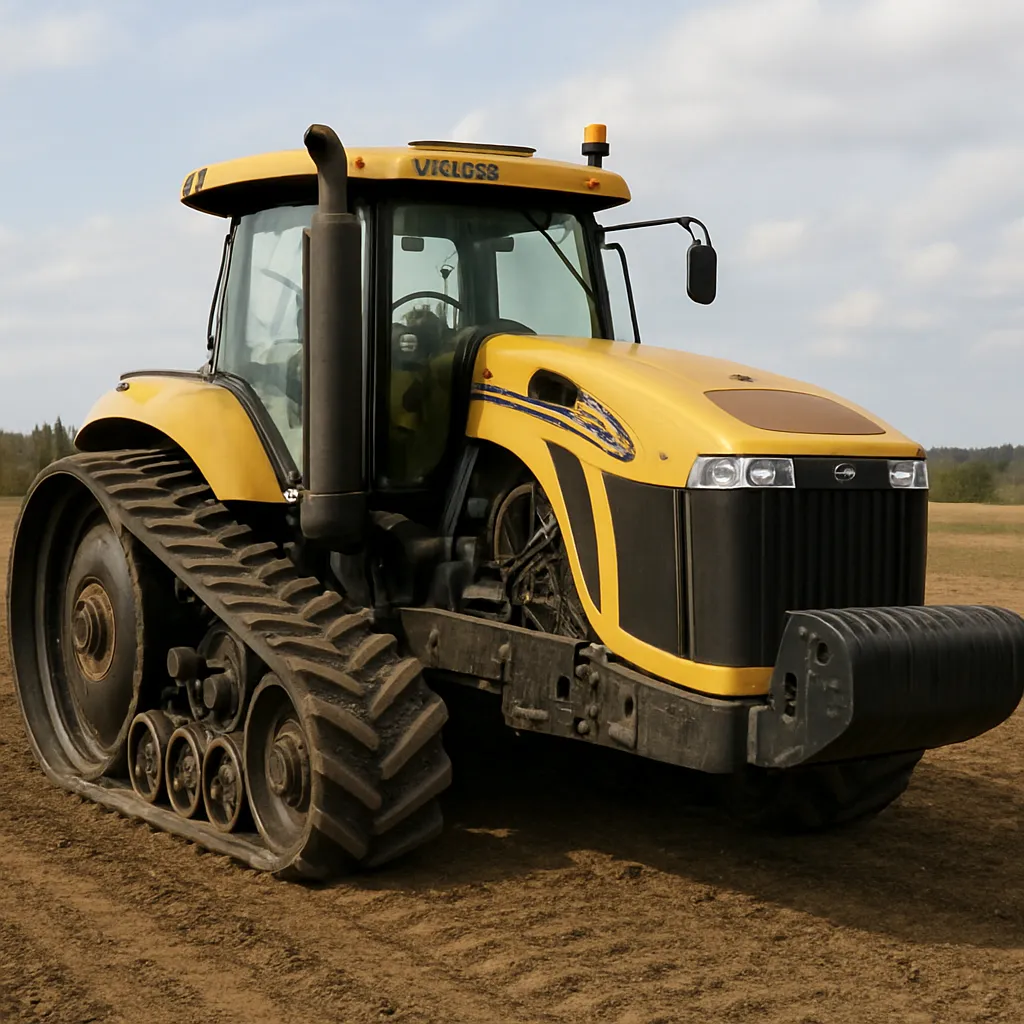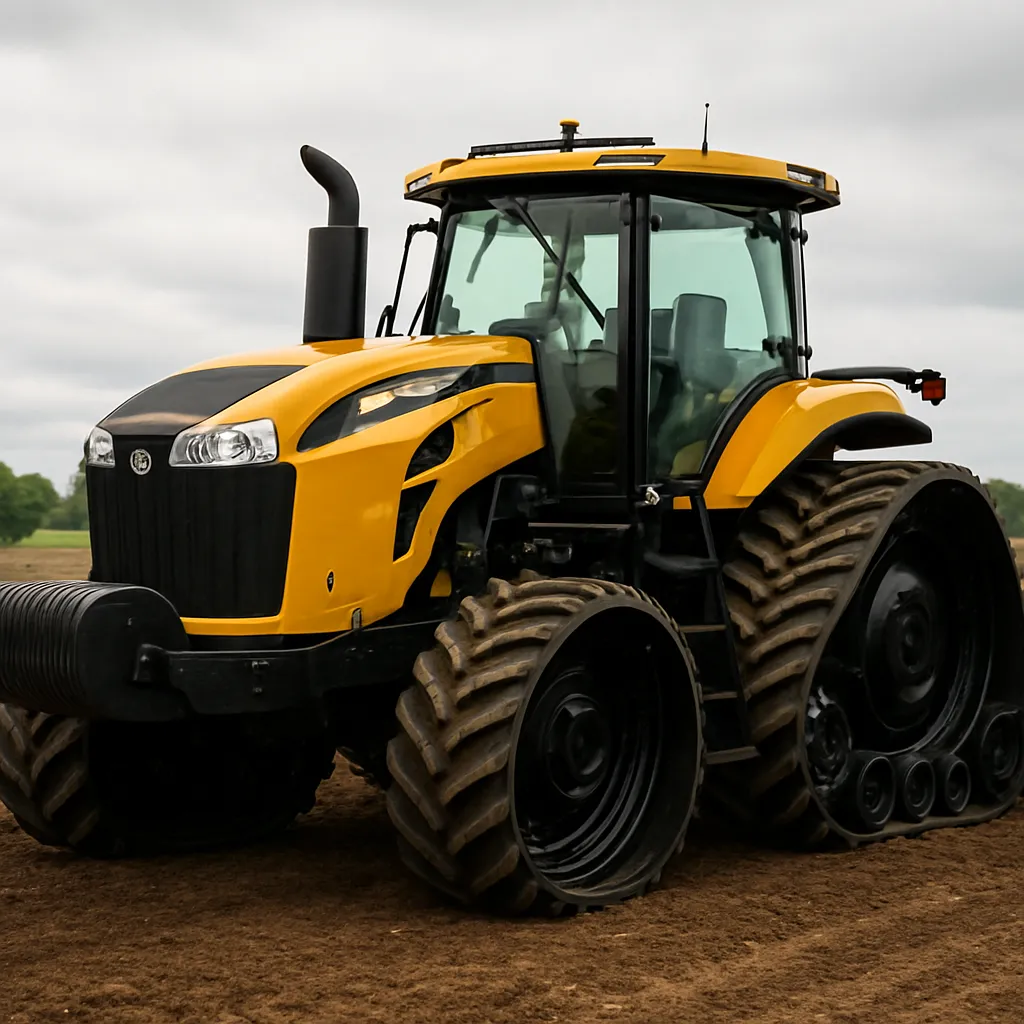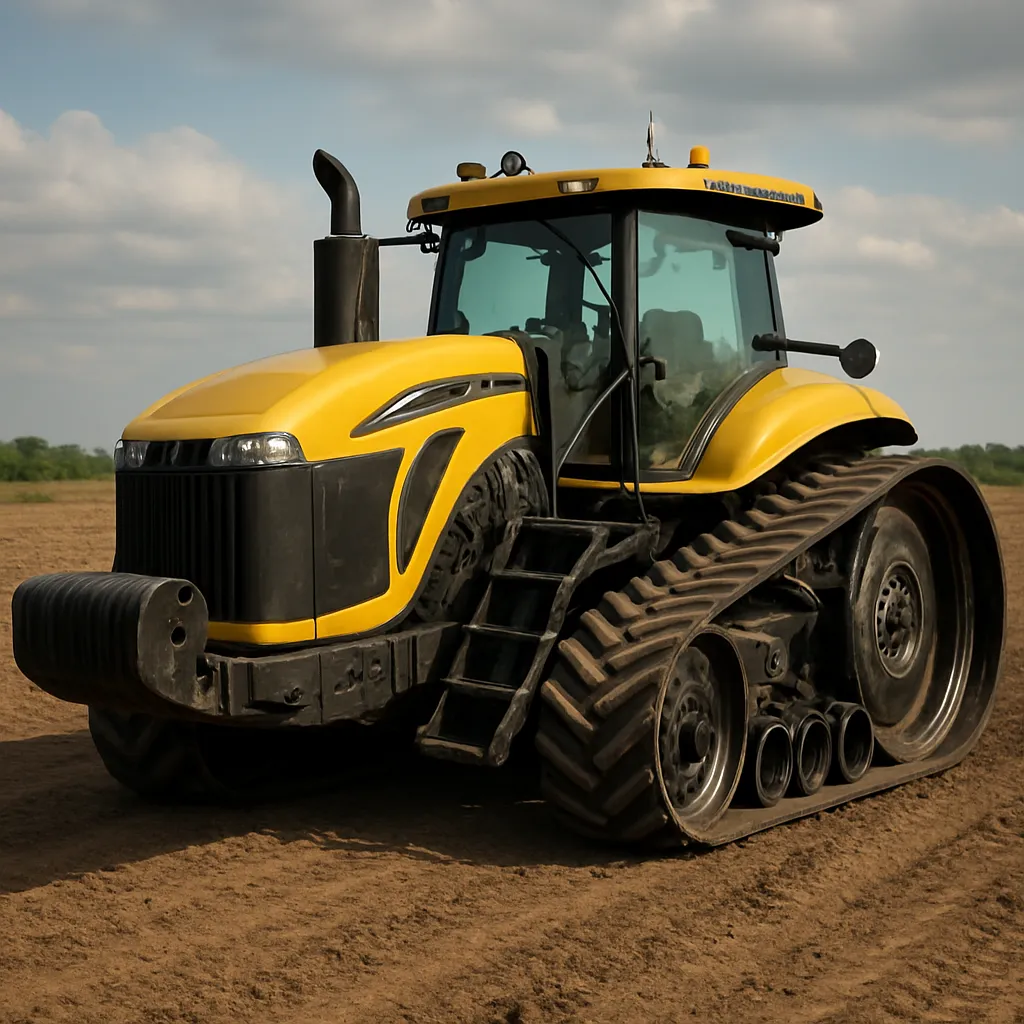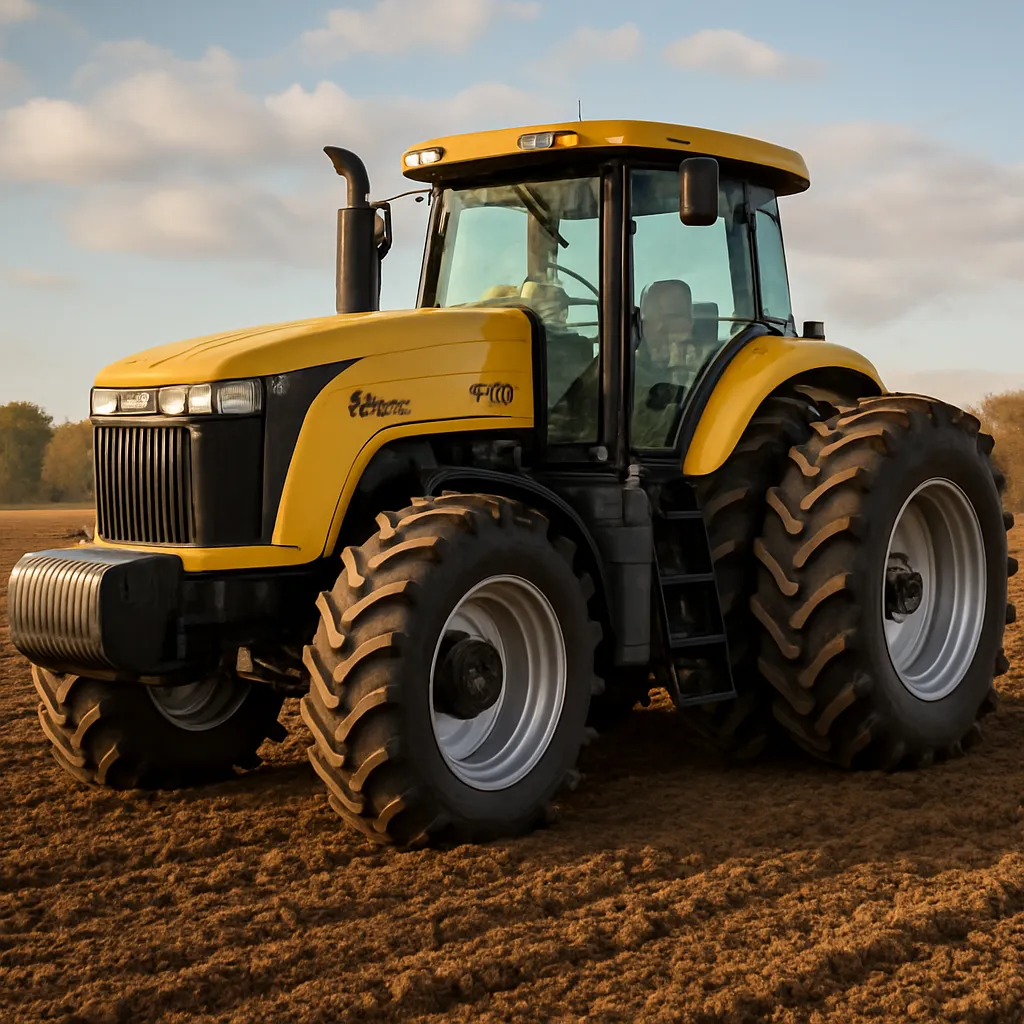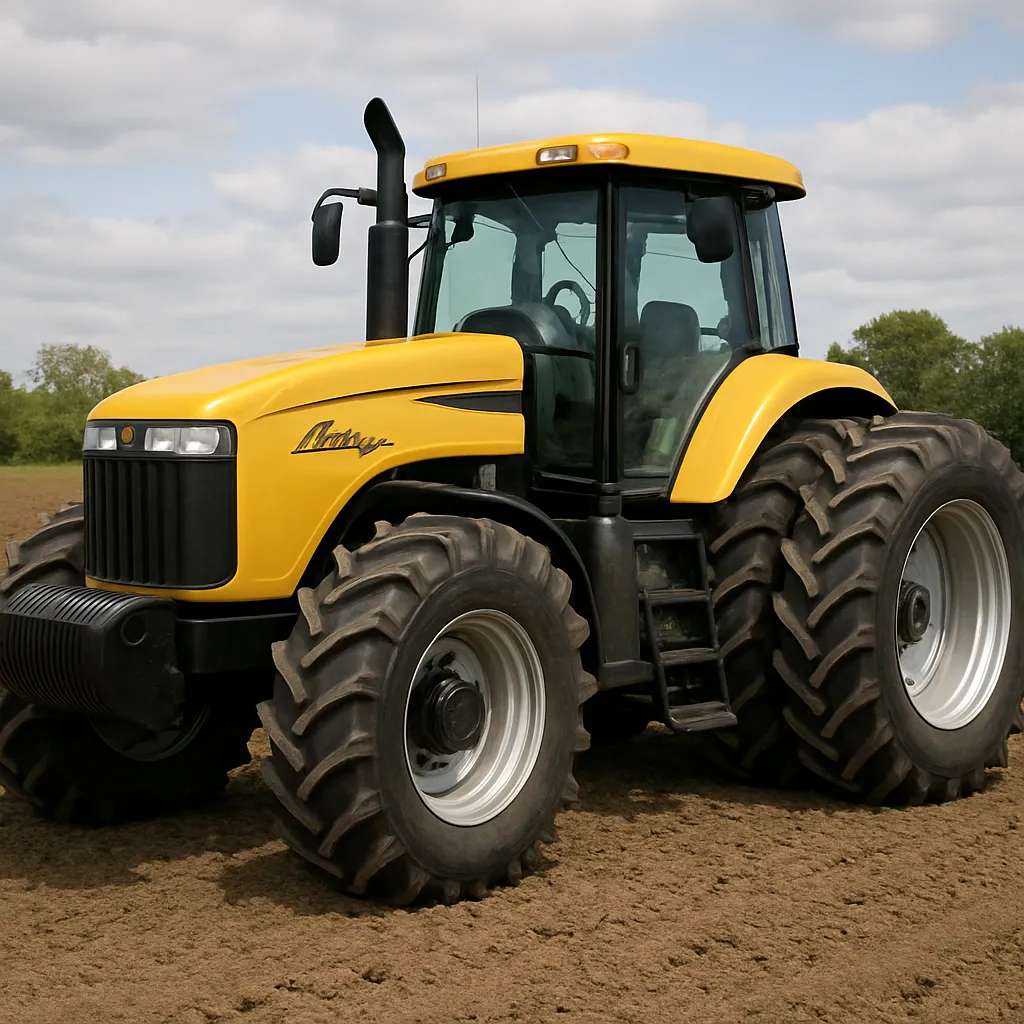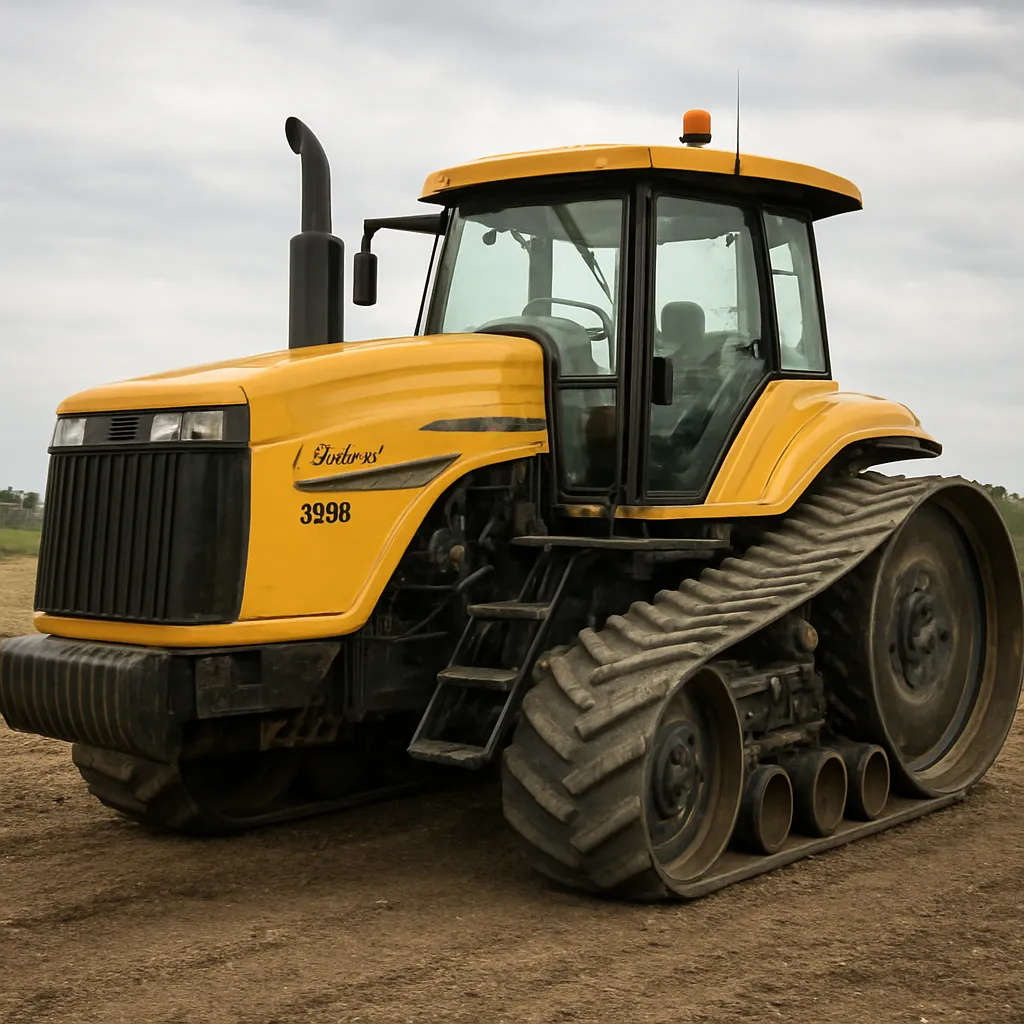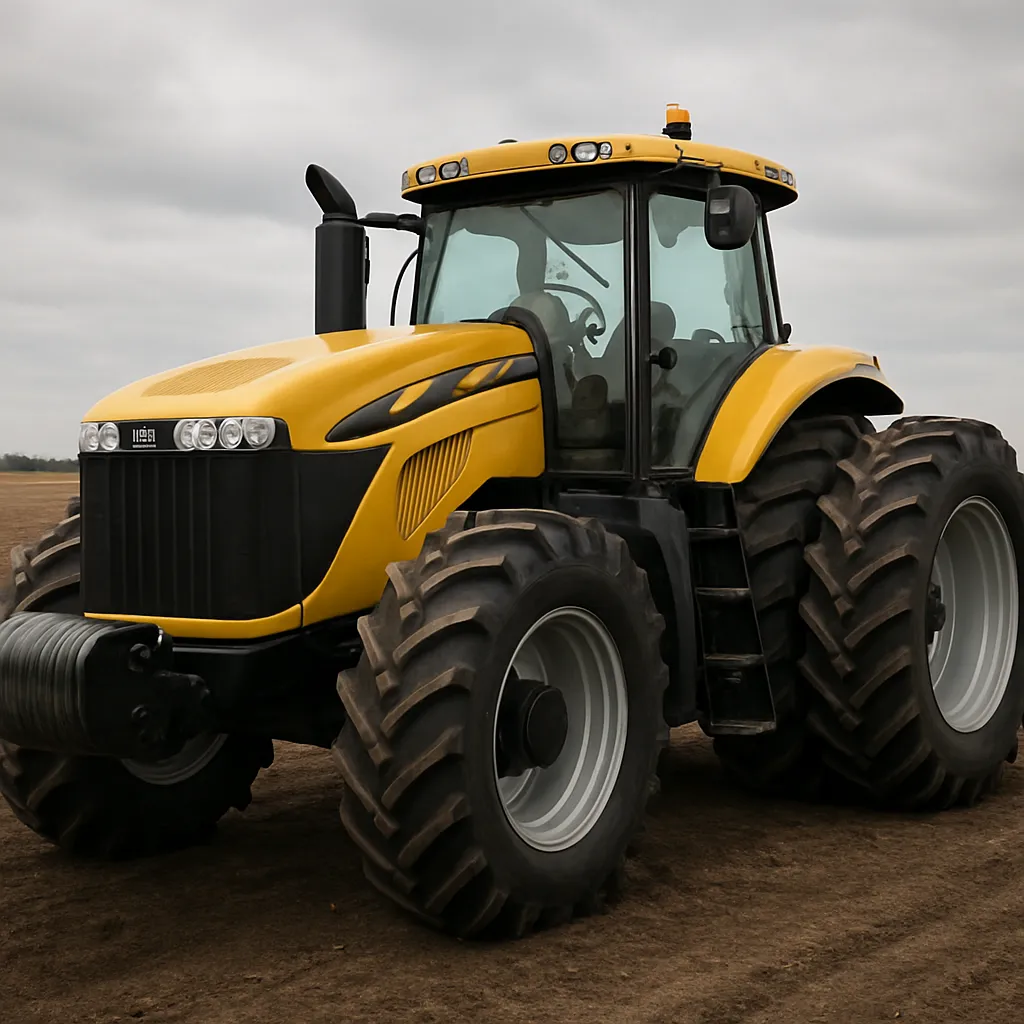
The Challenger MT955C is a heavy-duty agricultural tractor designed for large-scale farming operations and demanding tasks that require exceptional pulling ability and continuous performance. Combining robust mechanical design with contemporary electronic control systems, this model exemplifies a class of machines built to transform raw engine output into steady field productivity. Below, you will find a detailed exploration of its design, typical applications, technological features, maintenance considerations, and practical implications for modern agriculture.
Design and technical characteristics
The Challenger MT955C is notable for its distinctive configuration that emphasizes continuous ground contact and stability. Most machines in this family employ a **tracked** undercarriage rather than conventional wheels, which fundamentally changes how force is transmitted to the soil. This results in significantly improved traction and a reduced risk of wheel slip in adverse conditions.
Powertrain and drivetrain
The tractor is built around a heavy-duty diesel engine coupled to a reinforced transmission designed to handle prolonged high-load tasks. While specific output figures can vary by configuration and market, tractors in this class typically offer very high rated power suitable for large implements and deep tillage operations. The drivetrain converts engine torque into usable drawbar and implement power, optimized for both field speed and pulling capacity.
- Engine type: high-displacement diesel, turbocharged and intercooled
- Transmission: heavy-duty powershift or continuously variable options in some configurations
- Cooling and filtration: upgraded systems for continuous operation in dusty environments
Undercarriage and traction
Instead of conventional dual tires, the MT955C uses full-length rubber tracks or an articulated track system. This choice provides several operational benefits:
- Increased ground contact area, which enhances overall traction
- Lower ground pressure, reducing the risk of compaction compared with narrow tires
- Improved stability on slopes and uneven terrain
Track systems are engineered to distribute vehicle mass more evenly and to maintain steady contact with the ground during continuous work cycles, which improves efficiency when pulling large implements such as deep ploughs, seed drills, and multi-section cultivators.
Hydraulics, hitching and PTO
High-capacity hydraulic systems supply flow to remote valves, three-point hitches, and implement control units. The tractor is equipped to operate multiple hydraulic circuits simultaneously, accommodating complex implements with independent functions. PTO and hitch ratings are aligned with the machine’s high power class to ensure reliability when running heavy-driven equipment.
- High-flow hydraulic pumps for multi-implement control
- Robust three-point hitch with electronic draft control
- PTO shafts and driveline components sized for high torque loads
Fields of application and practical uses
The Challenger MT955C is designed for large-scale and intensive agricultural operations where continuous high tractive effort and productivity are paramount. Typical applications include:
- Primary tillage (deep ploughing, subsoiling) where consistent draft is required
- Secondary tillage and seedbed preparation with wide implements
- Seeding and planting operations over large acreages using wide planters or multi-row drills
- Heavy fertilizer or lime spreading where even field coverage and power are essential
- Hauling heavy trailers or equipment across variable soil conditions
Because of its design, the MT955C is particularly well suited to regions with soft soils, moderate to high rainfall, or where field operations must continue even when conditions are less than ideal. The emphasis on fuel efficiency relative to the amount of work performed (tonnes moved, hectares treated) is an important economic factor for large farms and contracting businesses.
Large-scale cropping systems
In grain, oilseed and row-crop systems that span thousands of hectares, the MT955C enables operators to cover more ground per hour with larger implements, reducing the total time window needed for seasonal operations. Time-sensitive tasks like seeding and harvesting preparation benefit from the tractor’s steady high-speed pulling capacity when paired with contemporary implements.
Specialized roles beyond typical cropping
Beyond traditional arable use, the tractor can serve in specialized roles such as heavy-duty land reclamation, large-scale pasture renovation, and even non-agricultural work like pipeline right-of-way maintenance or forestry site preparation where tracked traction and low ground impact are advantageous.
Operator environment and automation features
Modern versions or similarly classed tractors emphasize operator comfort and machine control. The MT955C’s cab typically focuses on ergonomic layout, visibility, and integration with guidance systems, enhancing productivity and reducing operator fatigue.
Ergonomics and controls
Cab design prioritizes a quiet workspace, adjustable seating, and simplified control interfaces. Critical controls for transmission, hydraulics, and three-point hitch are grouped logically to reduce operator workload. Adjustable suspension seats and climate control systems are standard on many configurations to improve long working-day comfort, increasing effective productive hours.
Precision agriculture and connectivity
To maximize field efficiency, the tractor can integrate with GPS-based precision agriculture systems, autosteering, and telematics platforms. These systems support:
- Automatic guidance and steering for consistent pass-to-pass accuracy
- Section control and variable-rate application when integrated with implement controllers
- Remote diagnostics and performance monitoring via telematics
These capabilities help reduce overlap, limit input waste, and increase overall field productivity. Integration of guidance systems also enables safer night operations and improved accuracy in irregularly shaped fields.
Maintenance, lifecycle costs and operational considerations
Owning and operating a high-horsepower tracked tractor involves considerations distinct from lighter wheeled tractors. Total cost of ownership (TCO) includes purchase price, fuel, track wear, servicing, and downtime. Strategic maintenance planning is essential to keep the machine productive.
Routine service tasks
- Regular engine oil and filter changes to preserve engine life
- Hydraulic fluid and filter replacement intervals based on manufacturer recommendations
- Track inspection, tension adjustments, and eventual track replacement or resurfacing
- Cooling system maintenance to avoid overheating during continuous heavy work
Proactive maintenance reduces the likelihood of unplanned downtime, which can be particularly costly during narrow seasonal windows. Keeping accurate service logs and following recommended intervals prolongs component life and helps maintain resale value.
Economic factors and fuel use
Fuel consumption for tractors of this class is significant because they are used for heavy-duty tasks at higher continuous loads. However, the metric to evaluate is not fuel burned per hour alone but fuel consumed per hectare or per unit of work. When matched to the right implement and field conditions, tracked tractors like the MT955C can achieve superior work-per-liter figures compared to underpowered machines working harder or slipping on tires.
Other economic aspects to consider:
- Higher initial capital cost vs. lower soil compaction and potentially greater long-term yields
- Residual value influenced by hours, maintenance history, and condition of tracks
- Potential for reduced tillage passes if larger implements are used, lowering overall operational cost
Soil interaction and environmental impact
Tracks change the dynamics of soil interaction. Because they spread the machine’s mass over a larger area, surface pressure is reduced, which can mitigate deep soil compaction — a major long-term soil health problem. Reduced compaction improves water infiltration, root growth, and soil biological activity when combined with appropriate agronomic practices.
However, tracks can leave continuous impressions or ruts under certain conditions, so field traffic management is still important. Optimal use patterns, controlled traffic farming principles, and occasional rotation of headlands can reduce localized soil damage.
Statistical context and performance indicators
Exact manufacturer specifications and measured performance values vary by model year and regional configuration. General performance indicators for tractors in this category include:
- Rated engine output usually positioned in the upper hundreds of horsepower range to support large implements
- High drawbar pull figures, suitable for deep primary tillage with wide ploughs
- Fuel consumption that scales with load, typically measured in liters per hour; efficiency evaluated as hectares per liter or liters per hectare
- Operating weights that can exceed several tonnes, a factor in both traction and transport logistics
Manufacturers often publish detailed spec sheets enumerating exact horsepower, torque curves, weight, track dimensions, hydraulic flow rates, three-point hitch capacities, and PTO torque. For reliable planning and purchasing decisions, consult the official documentation for the precise model year and regional variant of the MT955C or its equivalent.
Operational examples and practical tips
Farmers and contractors using machines like the MT955C report best results when attention is paid to implement matching, transport logistics, and field sequence planning. Some practical recommendations:
- Match implement width and working depth to the tractor’s power margin — overloading reduces fuel efficiency and increases wear
- Use guidance systems to minimize overlap and improve straight-line traction advantages
- Monitor track wear and rotation to avoid unexpected maintenance needs during critical seasons
- Adopt an integrated traffic plan for the farm to limit repeated passes across sensitive zones
Contract operators value the machine’s ability to shorten the time required for large field tasks, allowing better responsiveness to weather windows and crop timing requirements.
Comparisons and market positioning
The Challenger MT955C competes in the high-horsepower tracked tractor segment with other manufacturers offering similar machines tailored to large-arable systems. Its principal competitive strengths typically include superior traction, lower effective ground pressure, and a design emphasis on reliability under sustained load. Buyers should compare:
- Fuel efficiency per hectare and drawbar performance
- Service network availability and parts support
- Cab comfort and electronic integration for precision farming
- Resale values and historical reliability records in similar operations
Conclusion and future outlook
The Challenger MT955C represents a category of tractors built to meet the demanding needs of large-scale agriculture and heavy-duty fieldwork. With its focus on tracked traction, robust power delivery, and modern operator features, it supports efficient use of large implements and helps operators complete time-sensitive tasks faster. While ownership carries noticeable costs in purchase price and maintenance, the potential gains in productivity, reduced compaction, and operational flexibility make such machines a compelling choice for large farms and contractors seeking to maximize throughput.
If considering acquisition, evaluate the specific model year, available options (such as guidance and telematics packages), and the local servicing infrastructure. A careful match between machine capability and farm requirements will determine whether the MT955C or a similar tractor offers the best return on investment for your operation.