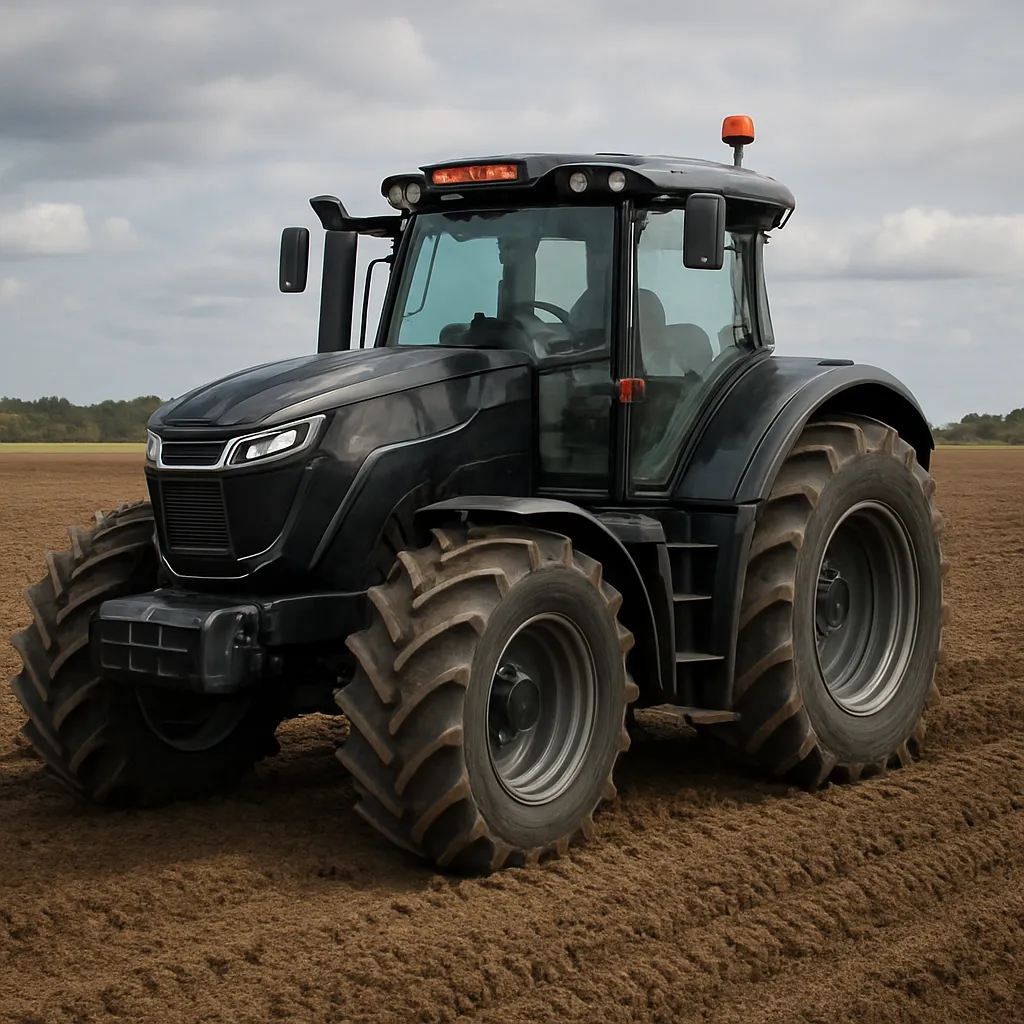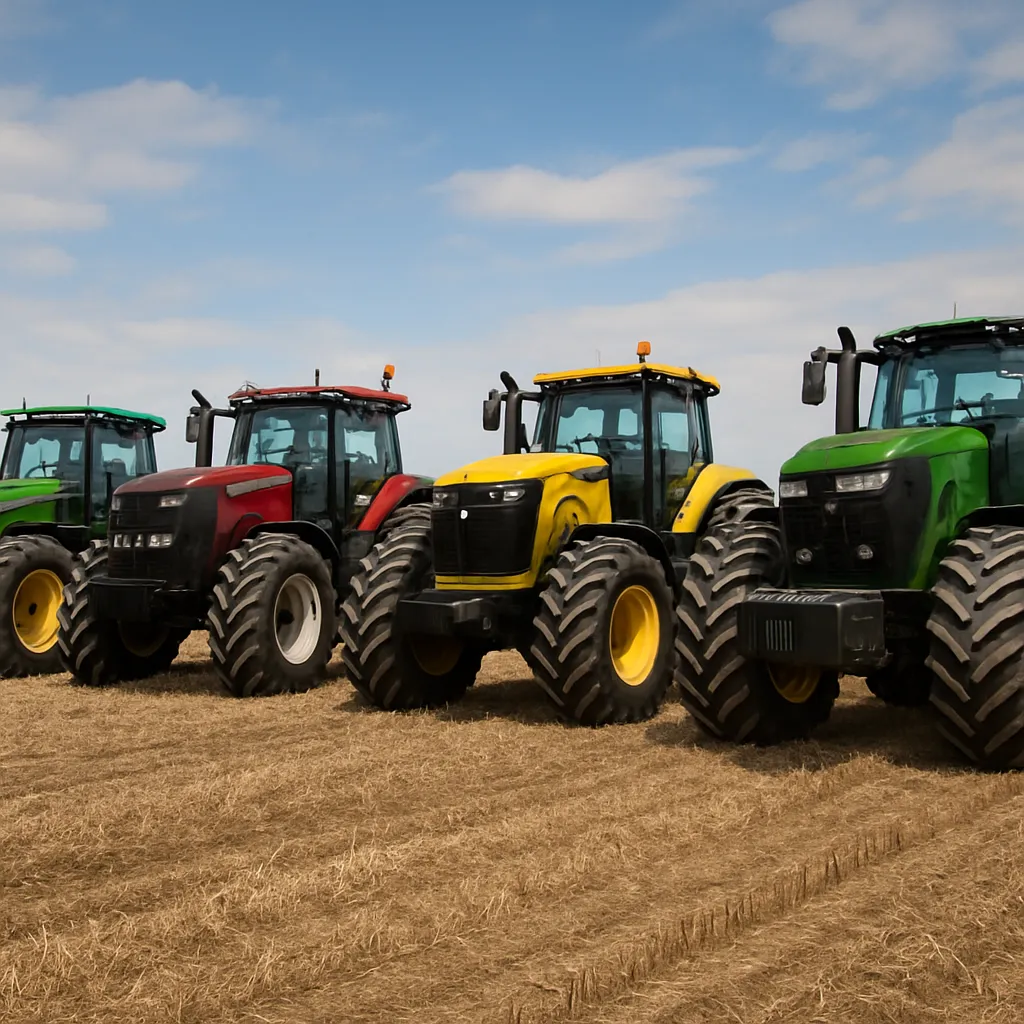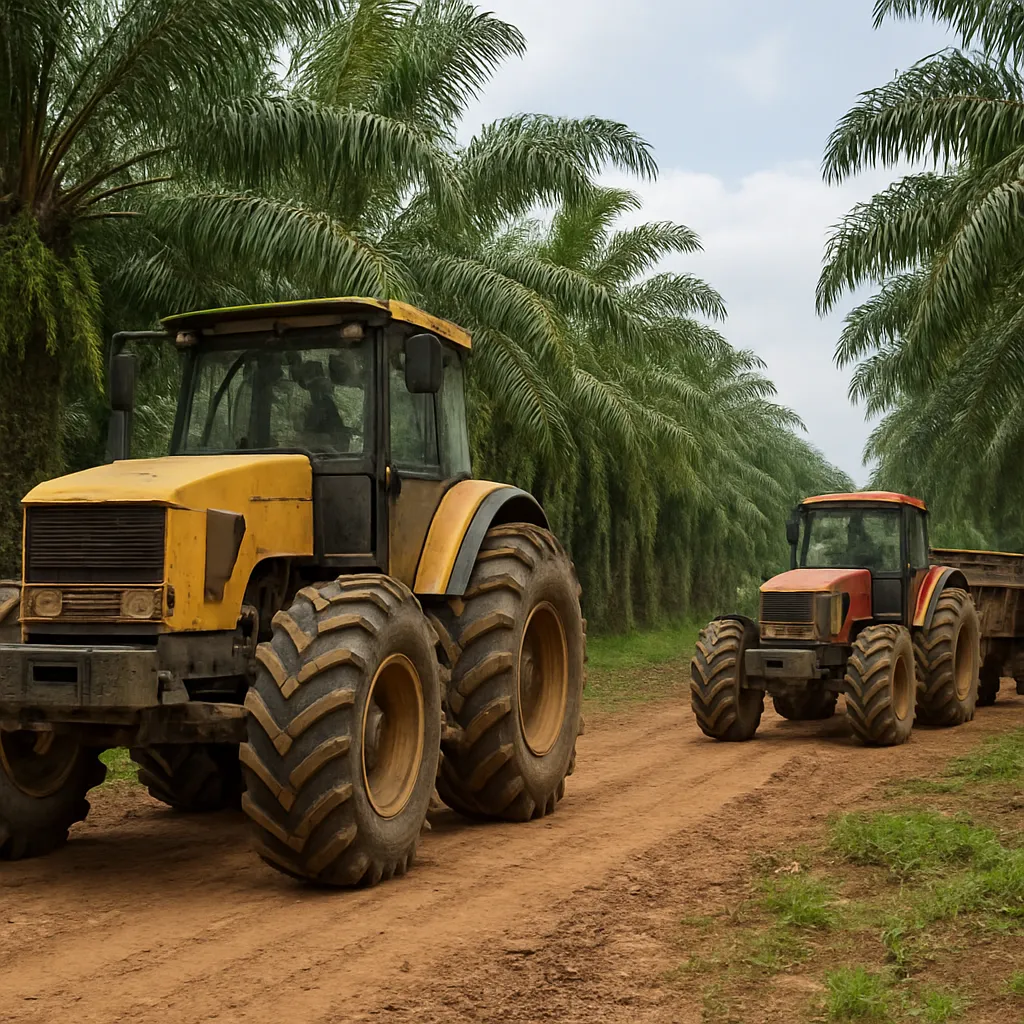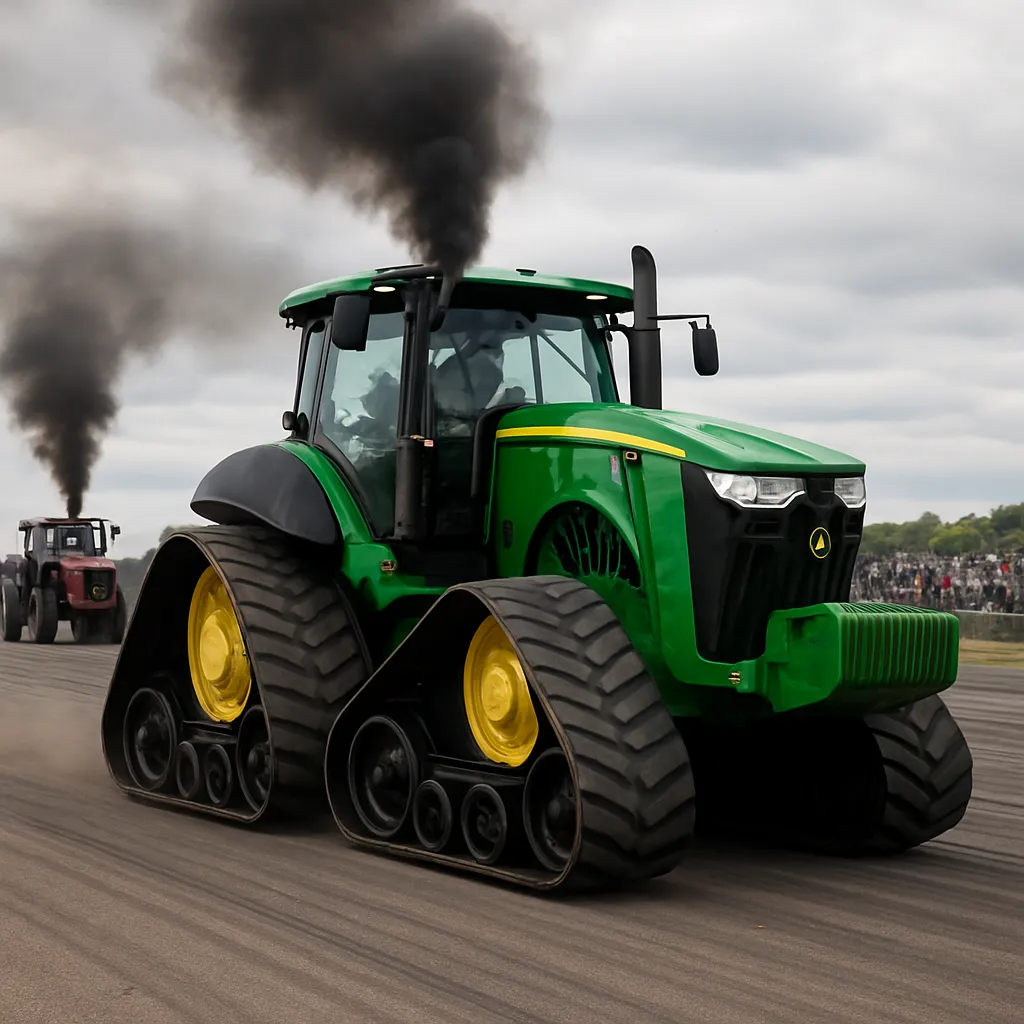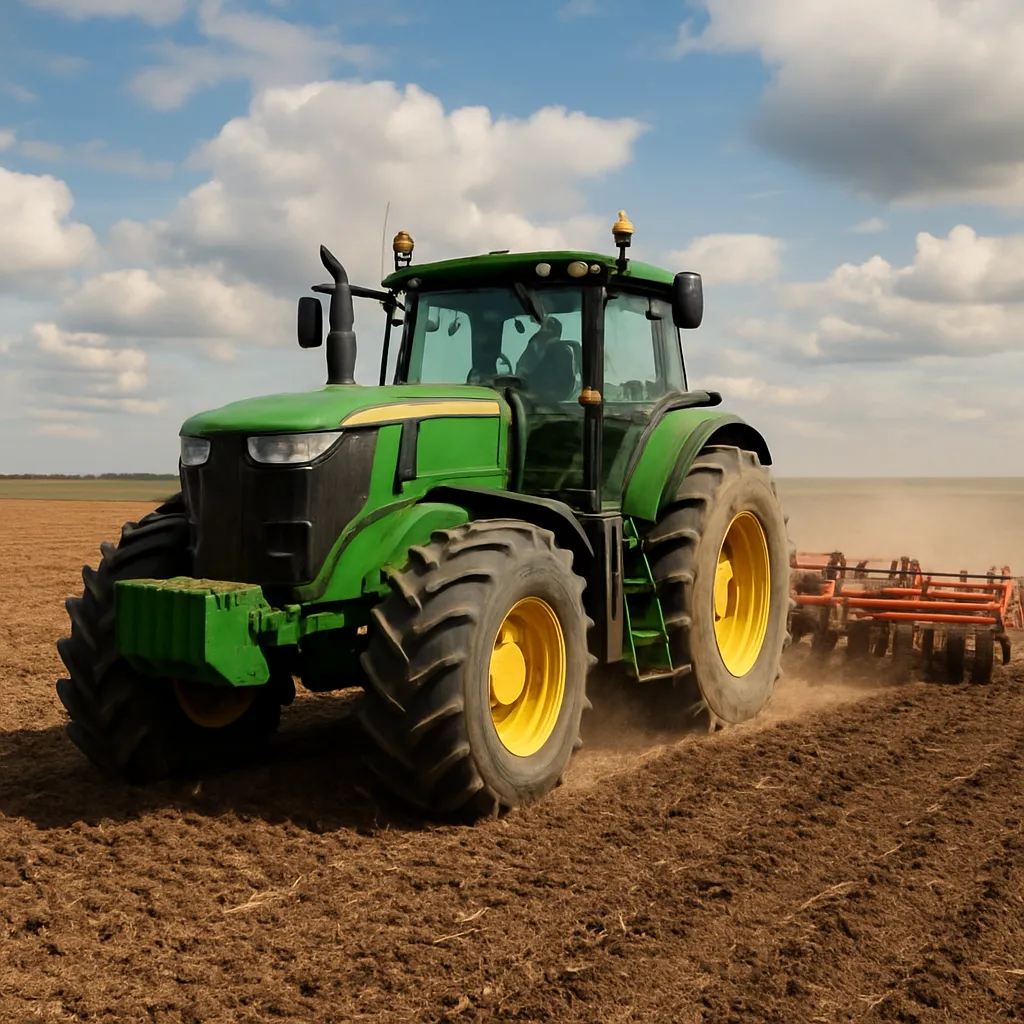
Massive agricultural machines have transformed how farmers cultivate fields, harvest crops, and manage vast expanses of land. Among these giants, the largest tractors stand out as symbols of innovation and progress, driving the expansion of modern food production systems. Their advanced capabilities are redefining workflows, reducing labor needs, and boosting overall efficiency in both large-scale commercial farms and emerging agribusiness operations.
Revolutionizing Field Efficiency
At the core of every high-output farming enterprise lies a fleet of powerful tractors capable of handling thousands of acres each season. Models like the Big Bud 747, Fendt 1167 Vario, and John Deere 9RX series are engineered to deliver exceptional pulling power. These behemoths incorporate GPS-guided steering systems, variable-rate control, and auto-steering features that ensure planting, spraying, and harvesting pass lines are executed with pinpoint precision. By minimizing human error and overlapping passes, farmers can eliminate wasted inputs, reduce soil disturbance, and increase net yields.
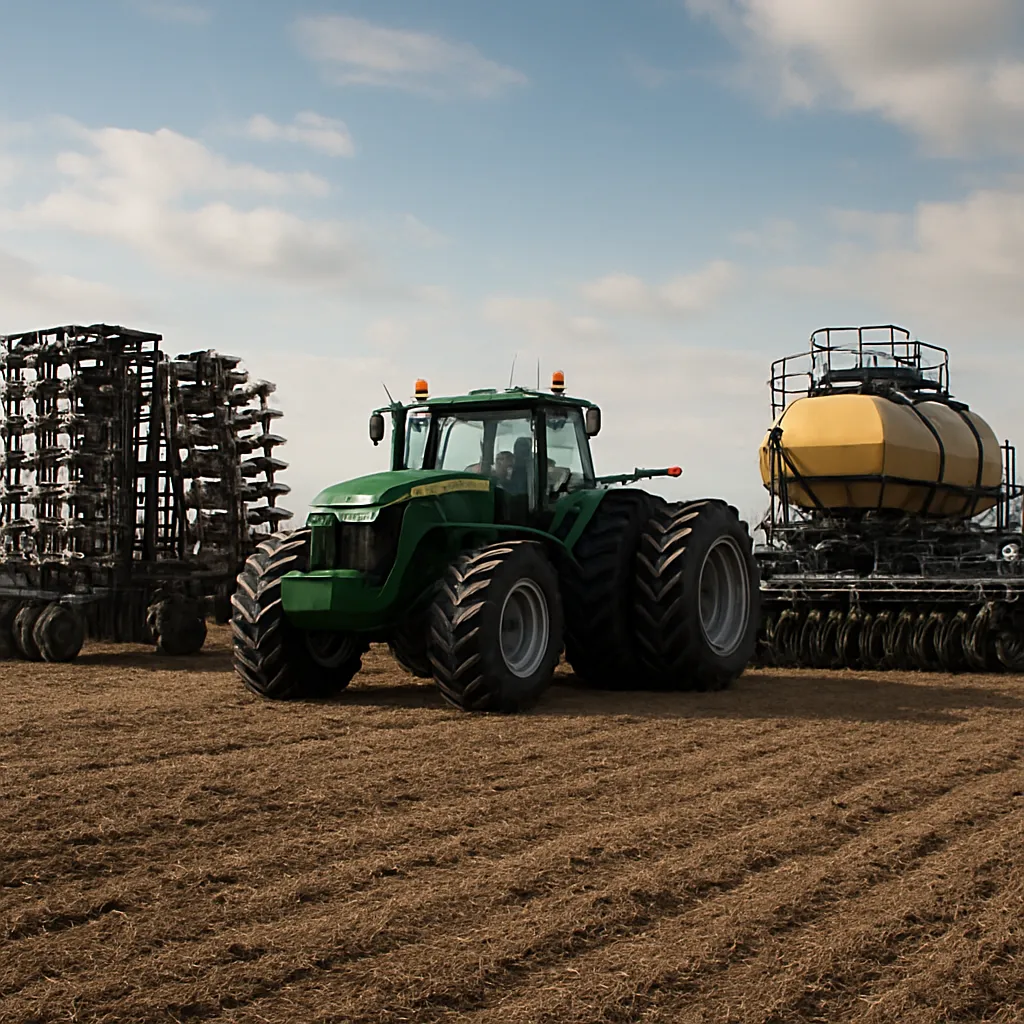
With drawbar horsepower often exceeding 600 HP, the traction and soil engagement of these machines allow them to tow multiple implements simultaneously. Trailing cultivators, air seeders, and heavy-duty plows can be chained together, enabling a single tractor to perform tasks that once required an entire team of mid-sized machines. The result is a streamlined workflow where planting and tillage operations are consolidated into fewer passes, reducing fuel consumption, labor hours, and equipment wear.
- Integrated yield monitoring and mapping
- Adjustable ballast and track width for varying soil types
- Real-time implement diagnostics and maintenance alerts
Environmental Impact and Sustainability
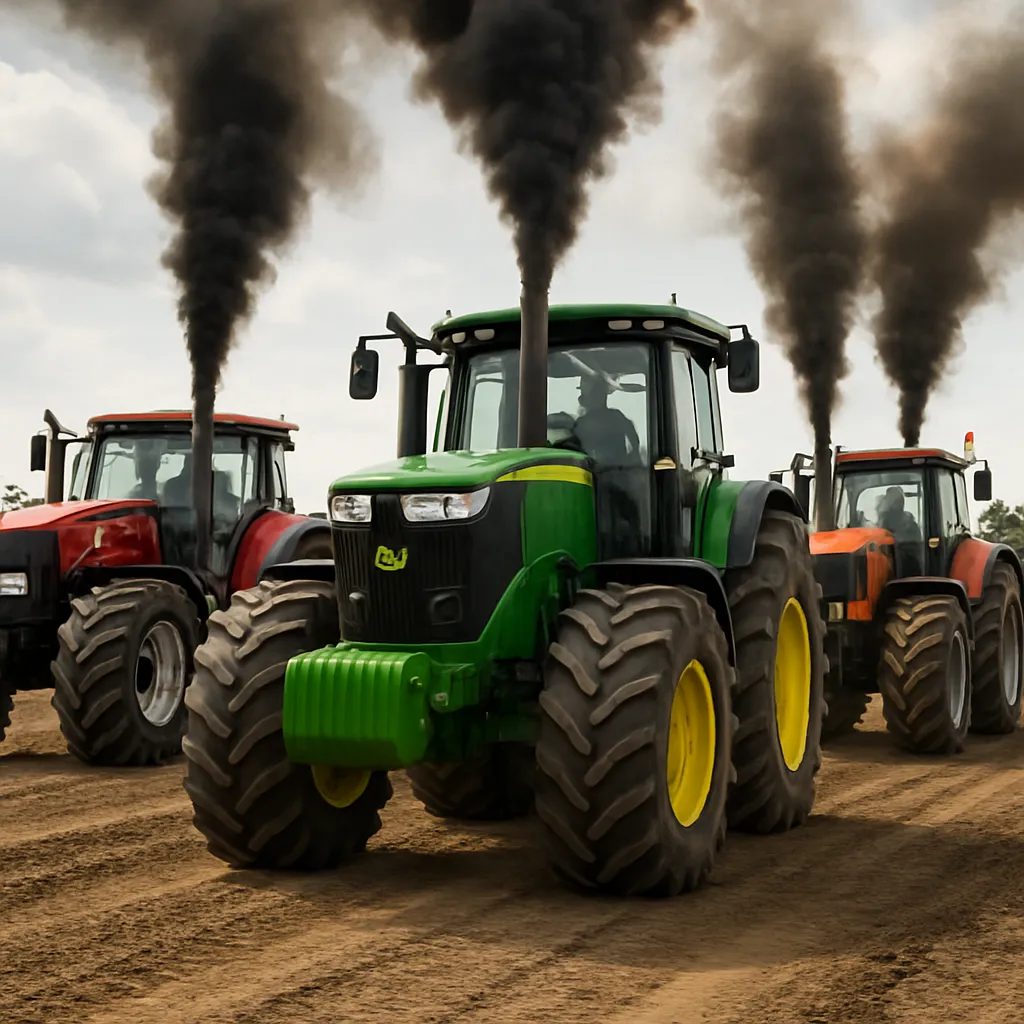
As agricultural land becomes scarcer and environmental regulations tighten, operators of large tractors face the challenge of balancing productivity with ecological stewardship. Modern engines meet stringent emissions standards, using selective catalytic reduction (SCR) and diesel particulate filters to cut nitrogen oxides and soot. Meanwhile, innovations such as hybrid drivetrains and alternative fuels are gaining traction. Some prototypes run on biofuel blends, while experimental electric tractors showcase zero-emission possibilities.
Nevertheless, the immense weight of big tractors can cause resilience issues in soil health. Excessive compaction reduces pore space, hindering water infiltration and root growth. To combat this, manufacturers design specialized low-pressure tires and dual-track systems that distribute load across a wider surface area. Controlled Traffic Farming (CTF) further minimizes compaction by restricting wheel paths, preserving the structure of the surrounding soil for higher crop yield.
- Cover crop integration to maintain organic matter
- Precision nutrient application to prevent runoff
- Sensors for moisture and salinity monitoring
Technological Innovations Driving Growth
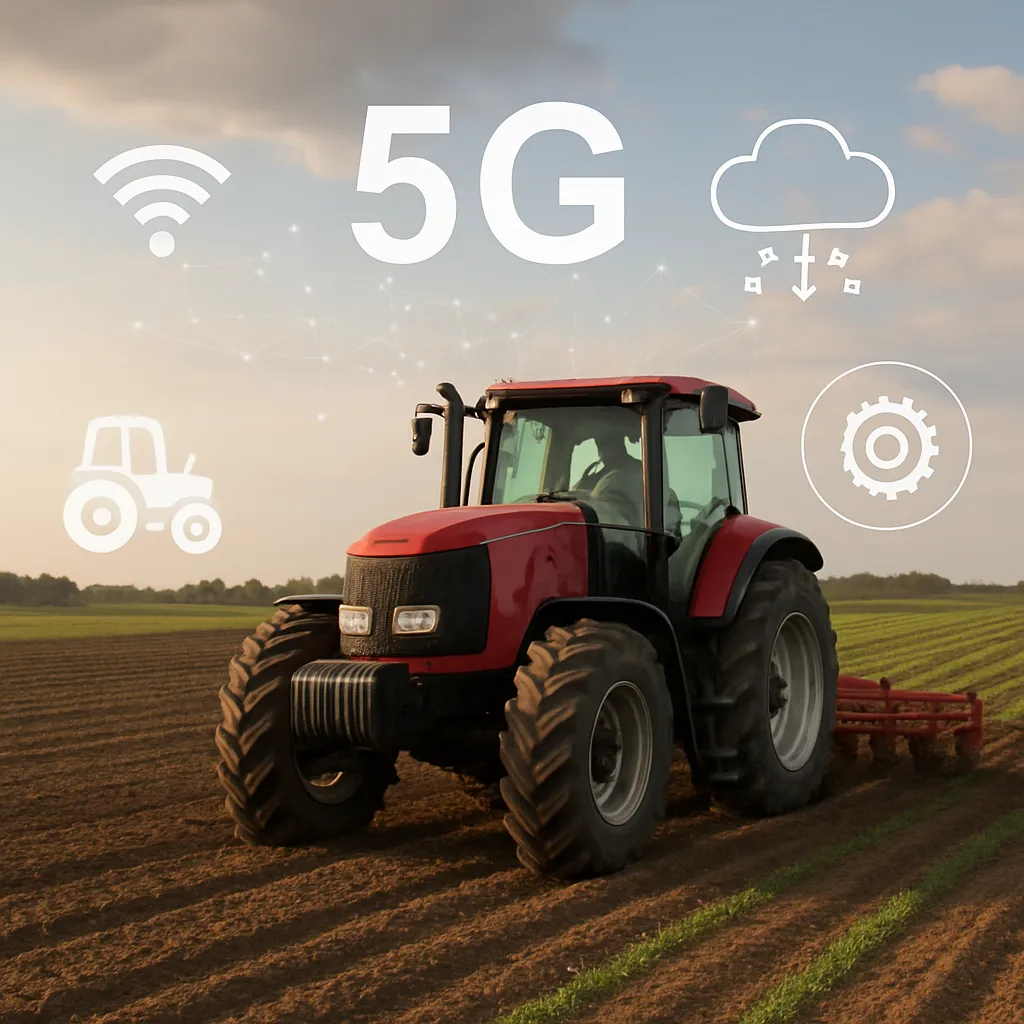
Connectivity and data exchange have elevated tractors from mere workhorses to mobile command centers. Advanced telematics transmit performance metrics to cloud platforms, enabling farm managers to oversee fleets across multiple sites. Insights generated through machine learning algorithms analyze fuel efficiency, implement stress, and field productivity to optimize scheduling and reduce downtime. Real-time telemetry supports predictive maintenance, alerting technicians before minor faults escalate into costly failures.
Perhaps the most dramatic advancement is the move toward full autonomy. Autonomous tractor prototypes navigate fields using LiDAR, radar, and camera systems, executing tasks with minimal human supervision. Robotic hitching mechanisms allow implements to be interchanged automatically, while on-board processors react to obstacles in milliseconds. This level of automation holds promise for 24/7 operations during peak seasons, unlocking round-the-clock planting and harvesting windows.
- Obstacle detection and collision avoidance
- Fleet management via mobile applications
- Machine-to-machine (M2M) integration for coordinated operations
Economic Implications for Farmers
Investing in the largest tractors represents a significant capital outlay. A top-tier model can cost upwards of half a million dollars, making financing and return-on-investment analyses crucial. Leasing options, equipment-sharing cooperatives, and custom hire services help spread costs among multiple stakeholders. In regions where farm sizes exceed several thousand hectares, the economies of scale justify the purchase as operational savings offset initial expenses over a few seasons.
Accessory technologies—autosteering kits, precision planters, and application monitors—often carry their own price tags but deliver measurable savings in input use and labor. By tracking every liter of fuel and kilogram of fertilizer applied, farmers can pinpoint inefficiencies and negotiate better terms with suppliers. In turn, this data-driven approach fosters a more transparent supply chain, with grain buyers rewarding producers for proven sustainability practices.
- Custom hire enterprises offering turnkey services
- Government subsidies for precision agriculture adoption
- Partnerships between manufacturers and agritech startups
Future Trends and Challenges
Looking ahead, the trajectory of big tractor development hinges on continued leaps in engine technology, digital integration, and alternative energy. Hydrogen fuel cells may offer the next breakthrough in emission-free power, while advanced AI could steer tractors through unpredictable conditions with unrivaled accuracy. Yet challenges remain in training a new generation of operators adept at managing complex systems and interpreting vast streams of data.
Ensuring equitable access to these high-end machines also raises policy questions. Smallholder farmers and cooperatives in developing regions may struggle to adopt or share the latest equipment. Innovative financing models, public-private partnerships, and community-based service networks could help bridge this gap, ensuring that the benefits of analytics and automation are distributed more widely and support global food security goals.