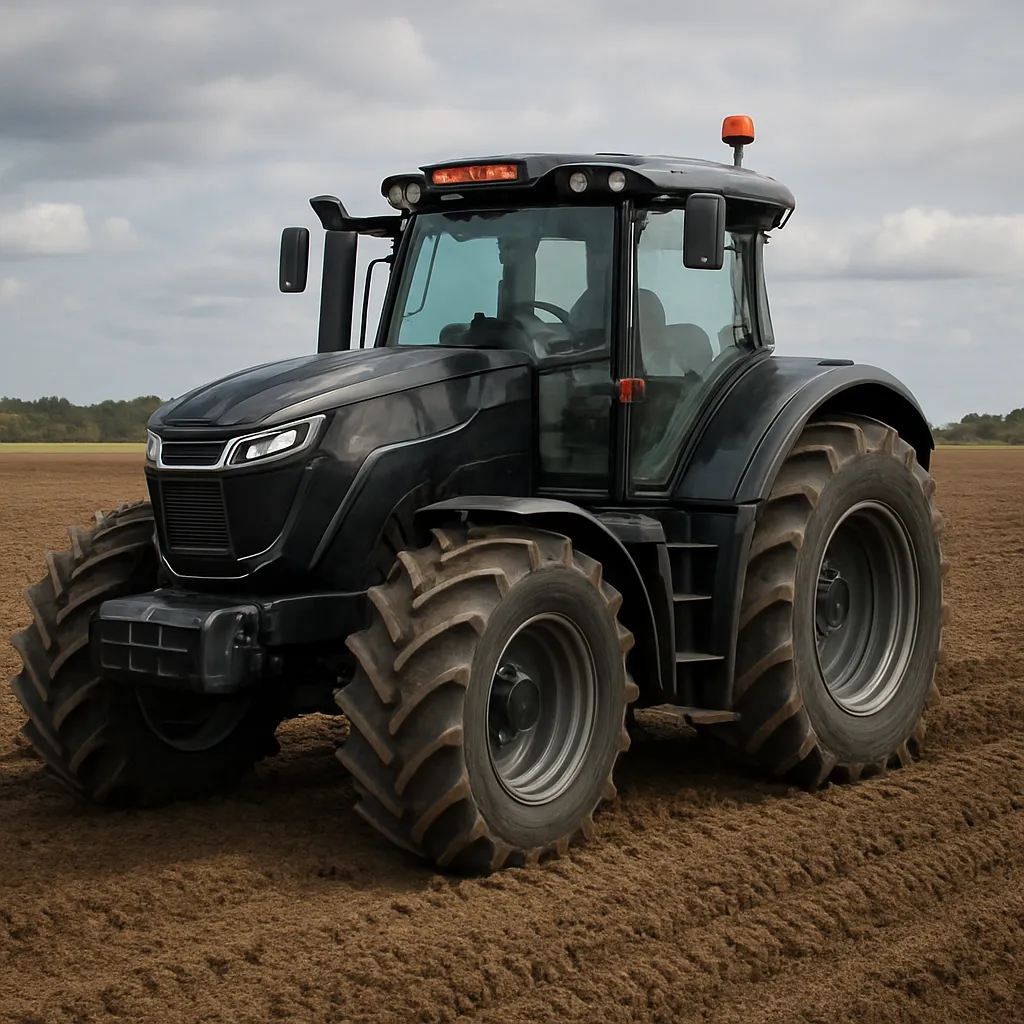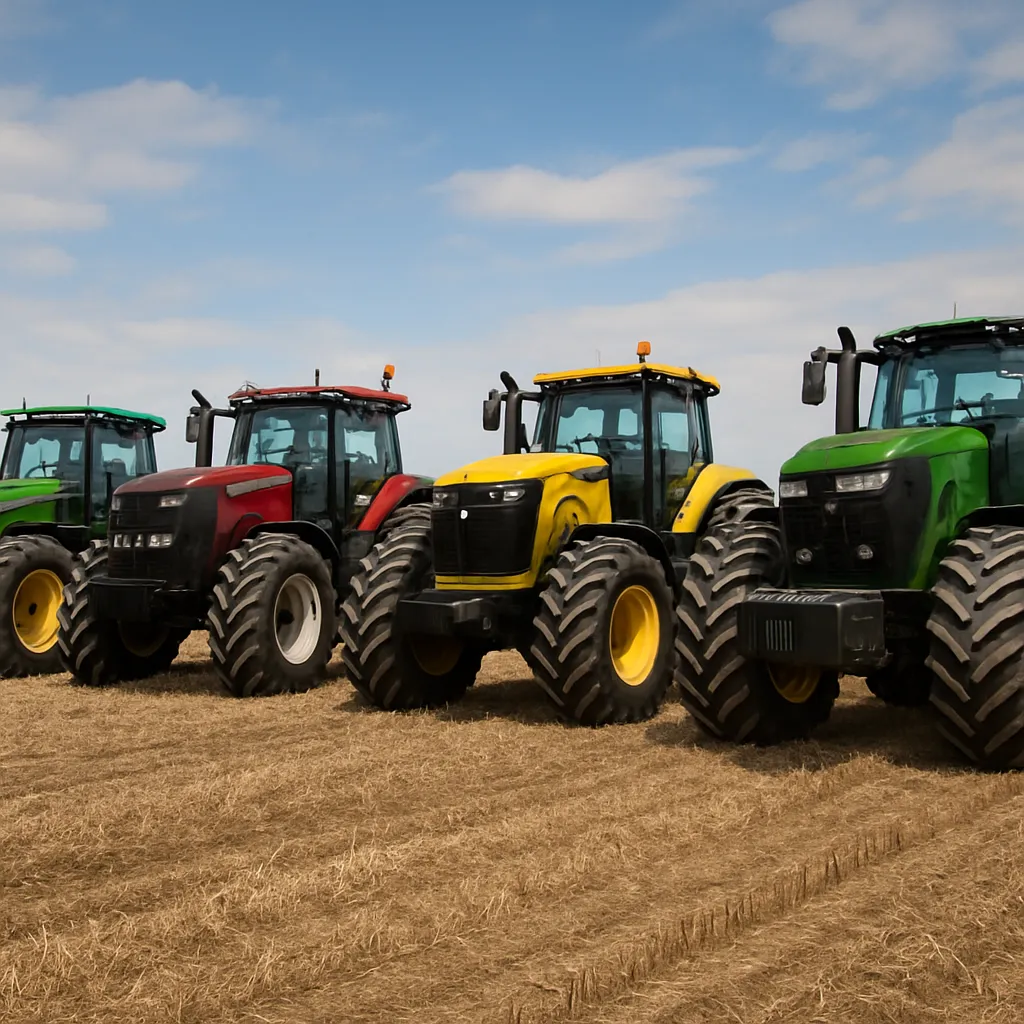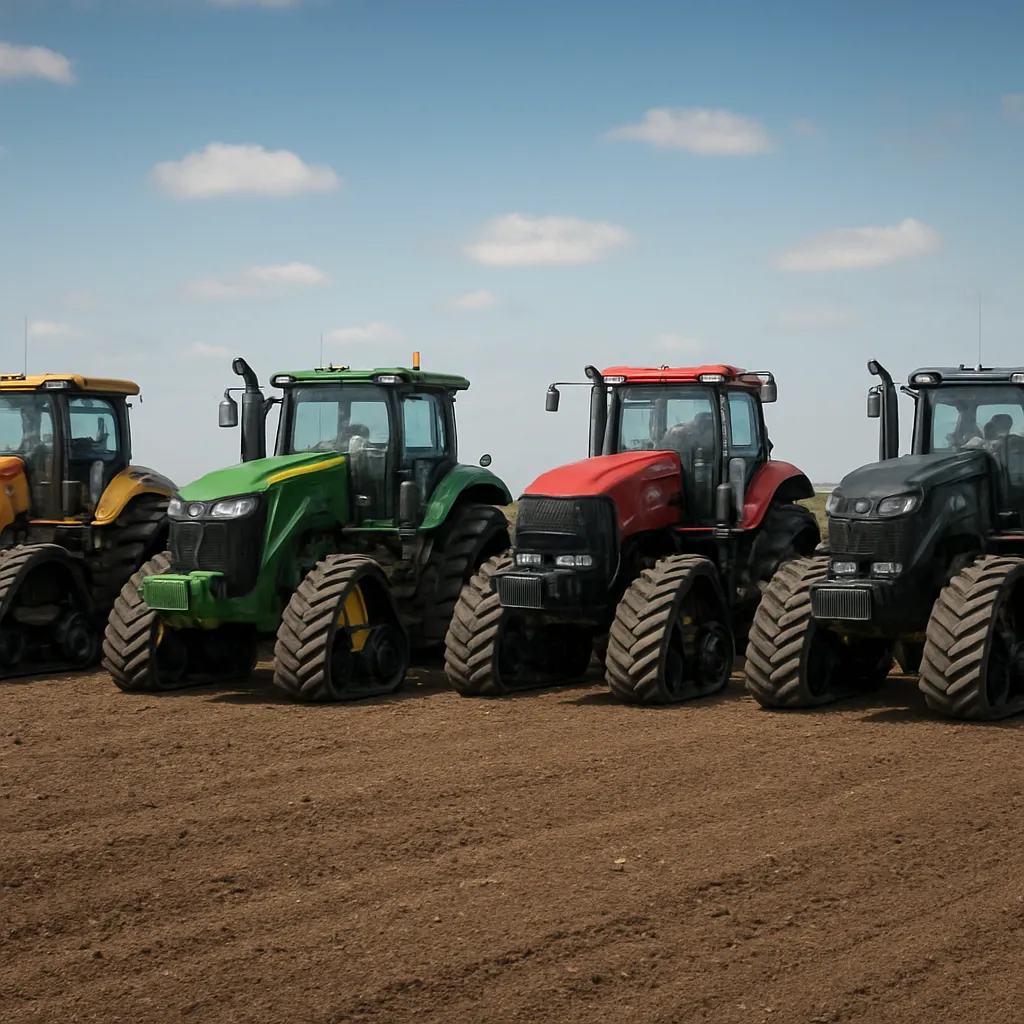
Across vast agricultural landscapes, the pursuit of maximizing productivity has driven engineers to design ever-larger, more powerful machines. Among these engineering marvels, the four-track tractor stands out for its unmatched blend of stability, traction, and field coverage. This article delves into the world of the biggest four-track tractors, exploring their history, technical innovations, current flagship models, and their impact on modern agriculture.
Evolution of Four-Track Tractors
The concept of using multiple tracks on a farm vehicle emerged in the early 20th century, as farmers sought alternatives to traditional steel wheels that often compacted soil and got mired in mud. In the 1960s and 1970s, tire-based tractors dominated the market, but they struggled when pulling heavy implements across soft fields. Tracks, borrowed from military tank designs, offered a solution by distributing weight more evenly and reducing ground pressure.
- Early prototypes: Initial experiments with caterpillar-style tracks focused on replacing rear wheels, but these prototypes suffered from mechanical complexity and maintenance issues.
- Advancements in materials: The introduction of reinforced rubber tracks and high-strength steel undercarriages in the 1980s allowed manufacturers to build more reliable machines.
- Shift to four-track: By the 1990s, several major agricultural OEMs began offering four-track layouts, combining front and rear tracks to optimize traction and maneuverability.
Today’s four-track giants owe their existence to decades of incremental improvements in hydraulics, suspension, and track design. Each innovation has pushed the boundaries of what these tractors can accomplish, enabling operators to tackle larger acres more efficiently than ever before.
Engineering Breakthroughs in Four-Track Technology
Biggest four-track tractors rely on a suite of cutting-edge systems to deliver exceptional performance. These engineering components not only increase pulling power but also enhance efficiency and operator comfort.
Advanced Track Suspension
Unlike early rigid-track layouts, modern four-track machines employ independent suspension on each track. This design allows the tractor to maintain constant ground contact over uneven terrain, reducing slippage and improving ride comfort. Shock absorbers and torsion axles help absorb bumps, protecting both the machine and the operator.
High-Capacity Hydraulic Systems
Hydraulic pumps in today’s largest four-track tractors can deliver thousands of liters per minute, powering everything from the track drive motors to auxiliary implements. Variable-displacement pumps adjust flow on demand, minimizing fuel consumption and heat generation.
Powertrain and Engine Innovation
- Tier 4 engines: Emission regulations prompted the adoption of ultra-clean diesel engines with selective catalytic reduction (SCR) systems, ensuring compliance without sacrificing horsepower.
- Torque management: Electronic control units (ECUs) modulate torque delivery to the tracks, preventing wheel slip and optimizing fuel usage under heavy load.
- Continuously Variable Transmission (CVT): Several flagship four-track models now feature CVTs, allowing seamless speed changes without shifting gears and ensuring maximum torque at all times.
Flagship Models and Leading Manufacturers
Several industry giants compete fiercely in the high-horsepower, four-track segment. Below are some of the most prominent models shaping the market today:
- Caterpillar Challenger 1050E: Equipped with a 717 kW (961 hp) engine, this machine combines robust hydraulics with an advanced MVX suspension system. Its massive footprint and low ground pressure make it ideal for heavy tillage.
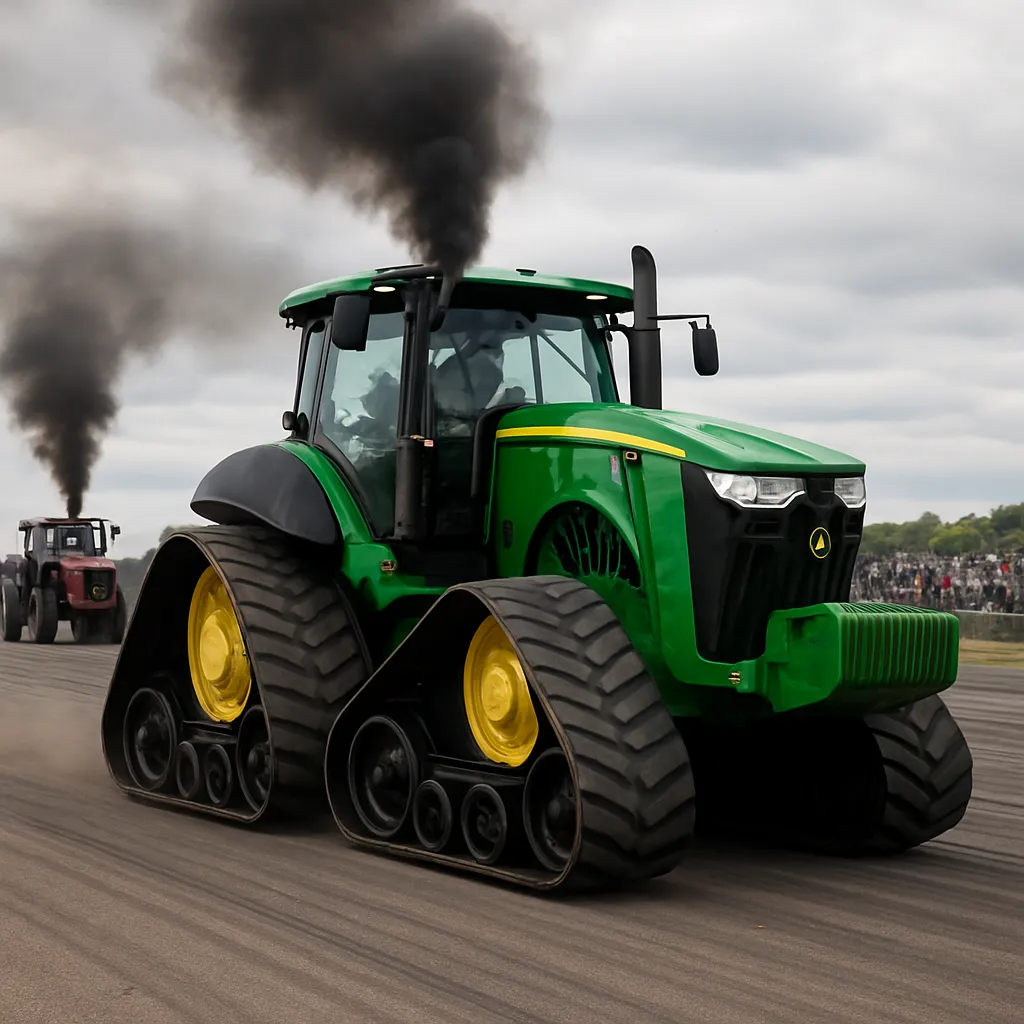
- John Deere 9RX Series: Boasting up to 670 kW (900 hp), the 9RX tractors feature a four-track layout with Tri-Point Suspension, improving ride and track life. Its integrated JDLink system enables real-time monitoring of vital parameters.
- Case IH Steiger Quadtrac 620: Powered by a 620 hp engine and Quadtrac suspension, this model excels in deep ripping and large-scale planting operations. Its self-leveling track frames ensure consistent performance on slopes.
- Versatile 610DT: Offering 610 hp, the 610DT uses a dual-track design on a welded steel chassis. Its robust build and reputation for durability make it a favorite among contractors and custom operators.
Each of these models pushes the envelope in terms of performance, reliability, and operational efficiency. Through advanced telematics and precision farming integrations, manufacturers help farmers make data-driven decisions to maximize yields.
Application and Impact on Modern Farming
By distributing weight over four broad tracks, these tractors address some of the most persistent challenges in agriculture:
- Soil compaction: Lower ground pressure preserves soil structure, promoting healthier root development and improved water infiltration.
- Fuel efficiency: Enhanced traction reduces energy loss through slippage, leading to lower fuel consumption per hectare.
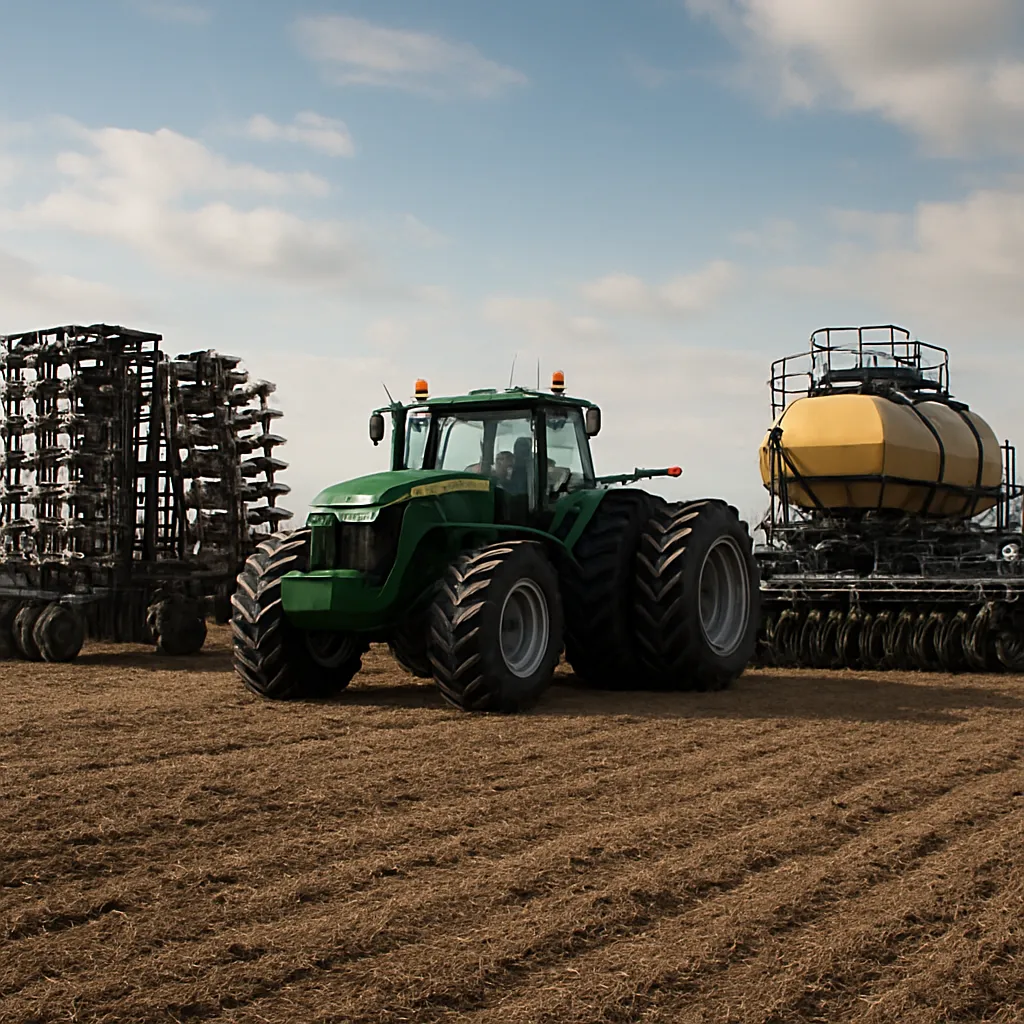
- Versatility: Capable of handling heavy implements—such as plows, seed drills, and sprayers—these machines can switch tasks rapidly without sacrificing stability.
On large-scale farms and contract operations, four-track tractors have redefined what it means to cover acres efficiently. Their high-capacity designs allow for longer working hours and fewer refills, translating to lower operational costs and faster completion of field tasks.
Challenges and Maintenance Considerations
While four-track tractors deliver unmatched capabilities, they also introduce new maintenance and operational demands:
- Track wear: Rubber tracks, though more forgiving than steel, require careful tensioning and periodic inspection to avoid premature failure.
- Complex hydraulics: Advanced hydraulic systems must be serviced by experienced technicians to prevent leaks and ensure consistent performance.
- Initial investment: The sticker price for a top-tier four-track tractor can exceed half a million dollars, making return on investment analyses vital for farm managers.
Proper training and preventative maintenance schedules are essential to safeguard these multimillion-dollar assets. Manufacturers often offer comprehensive service plans and extended warranties to help operators minimize downtime and protect their investment.
Innovation and Future Trends
The next generation of four-track tractors is poised to integrate even more sophisticated technologies:
- Autonomous operation: GPS-guided, driverless tractors will handle routine field chores, allowing human operators to oversee multiple machines simultaneously.
- Alternative fuels: Hydrogen combustion engines and biofuels may reduce the carbon footprint of heavy farm machinery.
- Predictive maintenance: Advanced sensors and machine learning algorithms will forecast component failures before they occur, optimizing service intervals.
- Enhanced connectivity: 5G networks and edge computing will deliver real-time analytics, enabling instantaneous adjustments to field conditions.
As these technologies converge, four-track tractors will become even more powerful, efficient, and environmentally responsible. Their continued evolution will play a pivotal role in meeting global food production challenges and supporting sustainable farming practices.