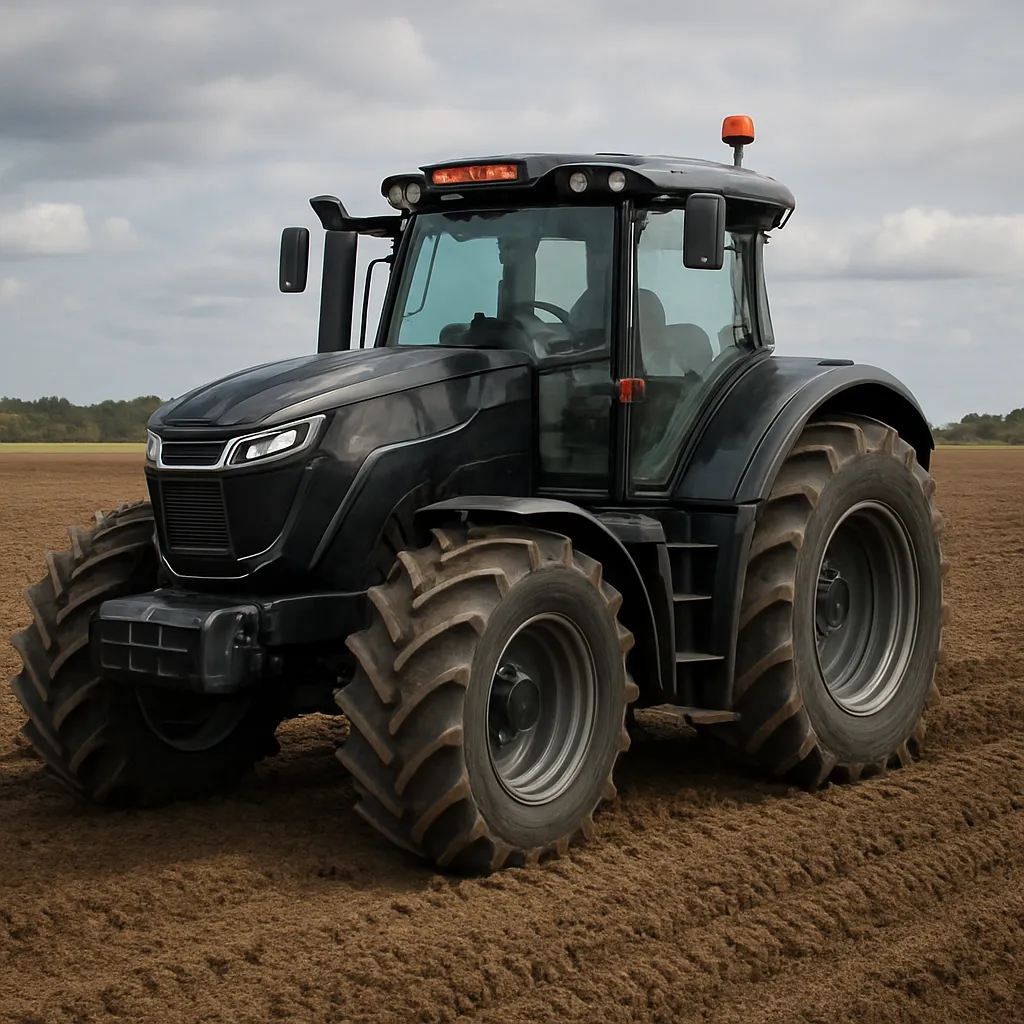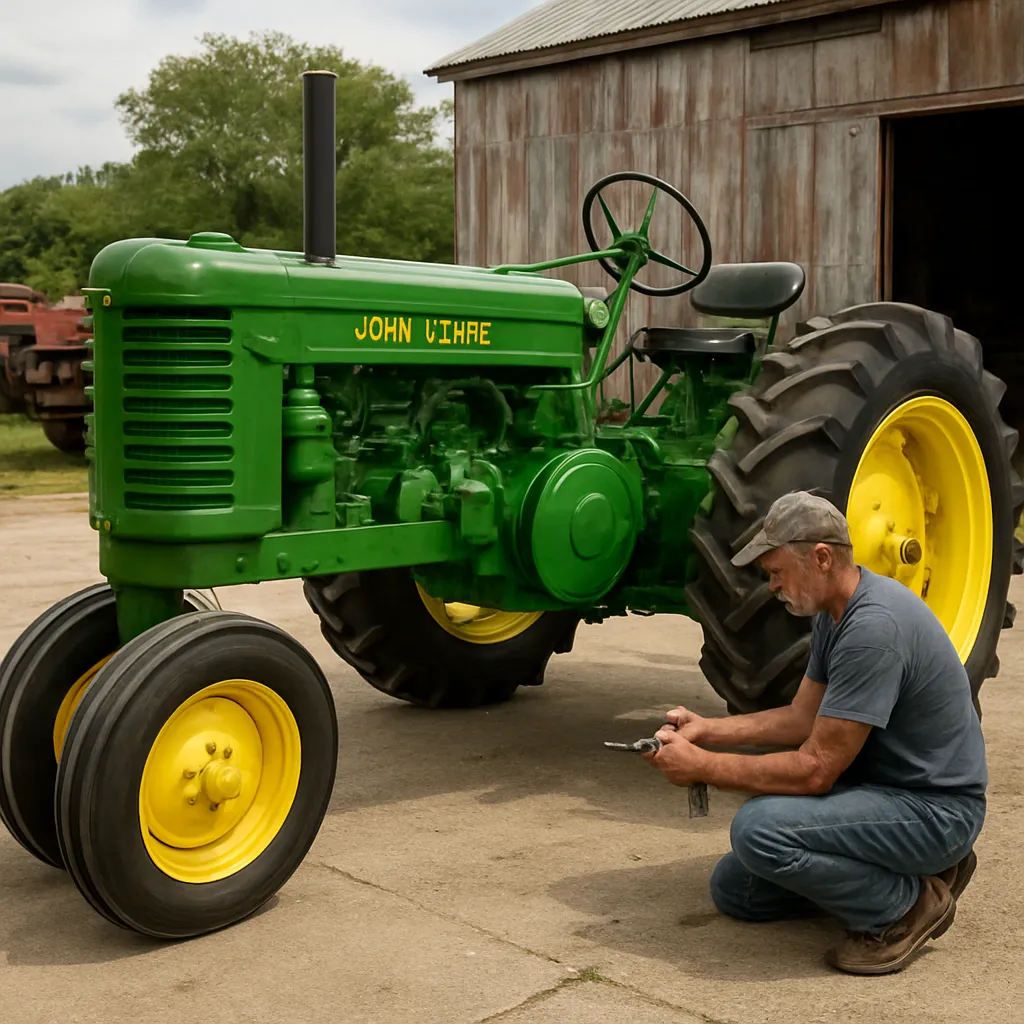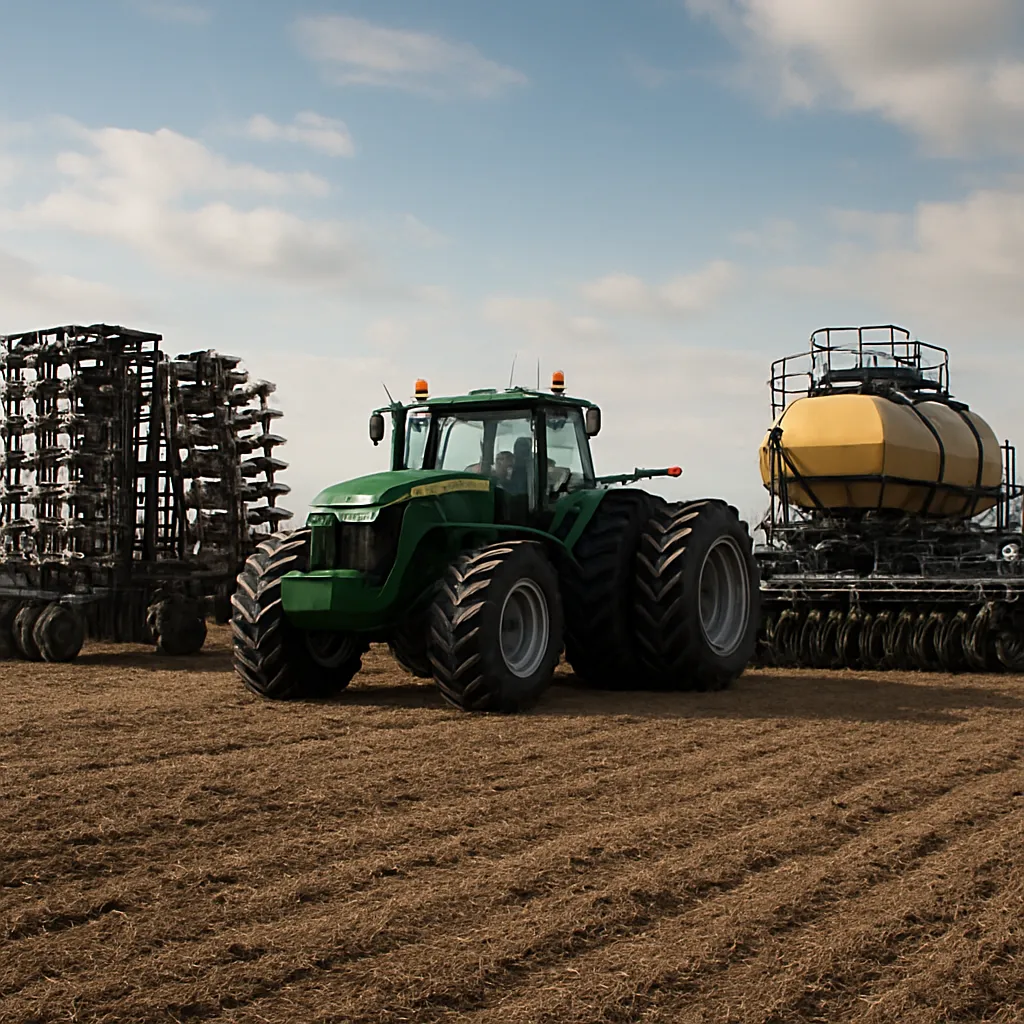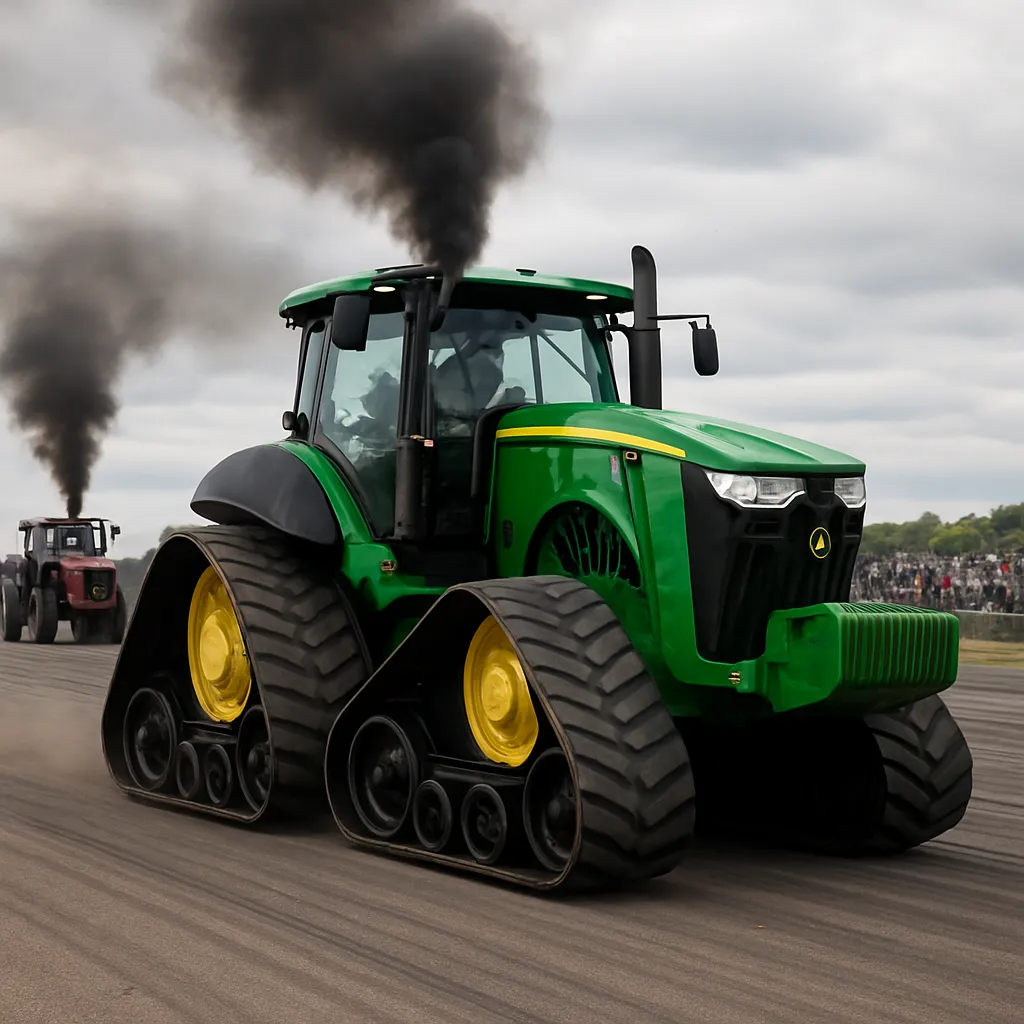
This guide explores the realm of the most colossal agricultural machines, centering on the techniques required to operate a 30-ton tractor. From the intricate powertrain that generates mind-blowing horsepower to the meticulous checks ensuring absolute safety, each aspect will be broken down into actionable insights. Whether you’re a seasoned operator or a curious enthusiast, you’ll gain practical knowledge on managing the raw might of these mechanical giants.
Understanding the Power: The World’s Largest Tractors
Modern super-tractors break boundaries with extraordinary metrics in weight, engine output, and chassis design. A typical 30-ton tractor might boast over 8000 Nm of torque and exceed 1200 PS in engine rating, making them indispensable for massive tillage, deep plowing, or heavy hauling tasks. Before stepping into the cab, it’s critical to grasp the core components that deliver such immense force.
- Engine Architecture: High-displacement diesel engines with turbocharging and intercooling deliver sustained power across a wide rpm range.
- Transmission Systems: Advanced continuously variable transmissions (CVTs) or fully synchronized powershift gearboxes ensure seamless speed selection under load.
- Hydraulics: Closed-center, load-sensing hydraulic circuits provide rapid response for implements and steering, even when towing multi-ton trailers.
- Traction Control: Differential locks, electronic slip regulation, and dual-wheel configurations enhance ground grip on soft soil.
- Stability Features: Reinforced chassis frames, low-center-of-gravity design, and electronically monitored suspension systems maintain balance when traversing uneven terrain.
Preparing for Operation: Safety and Inspection
Before firing up the engine, a thorough inspection ensures that every system functions flawlessly. Large tractors present unique hazards: rotating components, high-pressure fluids, and massive moving assemblies. Prioritize these steps:
- Check engine oil, coolant, and hydraulic fluid levels. Improper lubrication can cause catastrophic failure when working under heavy loads.
- Examine tires or tracks for wear, correct inflation, and even tread depth to maximize traction and prevent slippage.
- Inspect all hoses, fittings, and seals for leaks. High-pressure leaks can cause fluid injection injuries or sudden power loss.
- Test the brakes, differential locks, and parking brake. A robust braking system is vital when halting thousands of kilos in motion.
- Verify that all lights, alarms, and cameras are operational to ensure visibility and control in low-light conditions or confined spaces.
Mastering Control: Driving Techniques for a 30-Ton Behemoth
Operating a tractor of this scale demands fine coordination of throttle, steering, clutch, and hydraulic levers. Skills to cultivate include:
- Smooth Throttle Modulation: Abrupt pedal inputs can induce wheel slip or overload the transmission. Gradually increase engine speed, especially when coupling implements or accelerating uphill.
- Clutch Management: On powershift gearboxes, engage gears only when load is stable. For manual transmissions, feather the clutch to prevent stalling under heavy pull.
- Precision Steering: Anticipate wide turning radii. Counter-steer slightly before beginning a turn to avoid tire scrubbing and soil compaction.
- Use differential locks selectively. While locks maximize forward pull, they can hinder maneuverability on firm ground. Disengage when fine steering is needed.
- Implement Calibration: Match hydraulic flow and PTO speed to the requirements of rotary cutters, seed drills, or plows. Overpowering accessories may overload the system.
Maintenance and Troubleshooting Mechanisms
Ensuring long-term reliability of a 30-ton tractor hinges on preventive upkeep and prompt fixes of emerging issues. Regular maintenance not only extends service life but also safeguards operator well-being.
- Follow manufacturer-recommended service intervals for oil, filter, and coolant changes. Skipping these can accelerate wear in critical bearings and gears.
- Monitor electronic control units (ECUs) via onboard diagnostic tools. Error codes often pinpoint failing sensors, clogged injectors, or electrical shorts.
- Inspect the transmission and final drives for abnormal noise or vibration. Early detection of worn gears or damaged bearings prevents costly overhauls.
- Examine brake discs and pads. Friction elements on machines of this mass endure intense heat cycles and require frequent adjustment or replacement.
- Grease all pivot points, linkage arms, and splines. Proper lubrication reduces friction in joints, maintaining accurate implement positioning.
- Torque all wheel bolts and hitch pins to specified settings. Loose fasteners can lead to catastrophic detachments under load.
- Service air filters and cooling radiators regularly to prevent engine overheating. Clogged fins diminish airflow, risking thermal damage.
- Replace hydraulic hoses and seals at the first sign of abrasion or swelling. Aging rubber components can rupture without warning, releasing pressurized fluid.