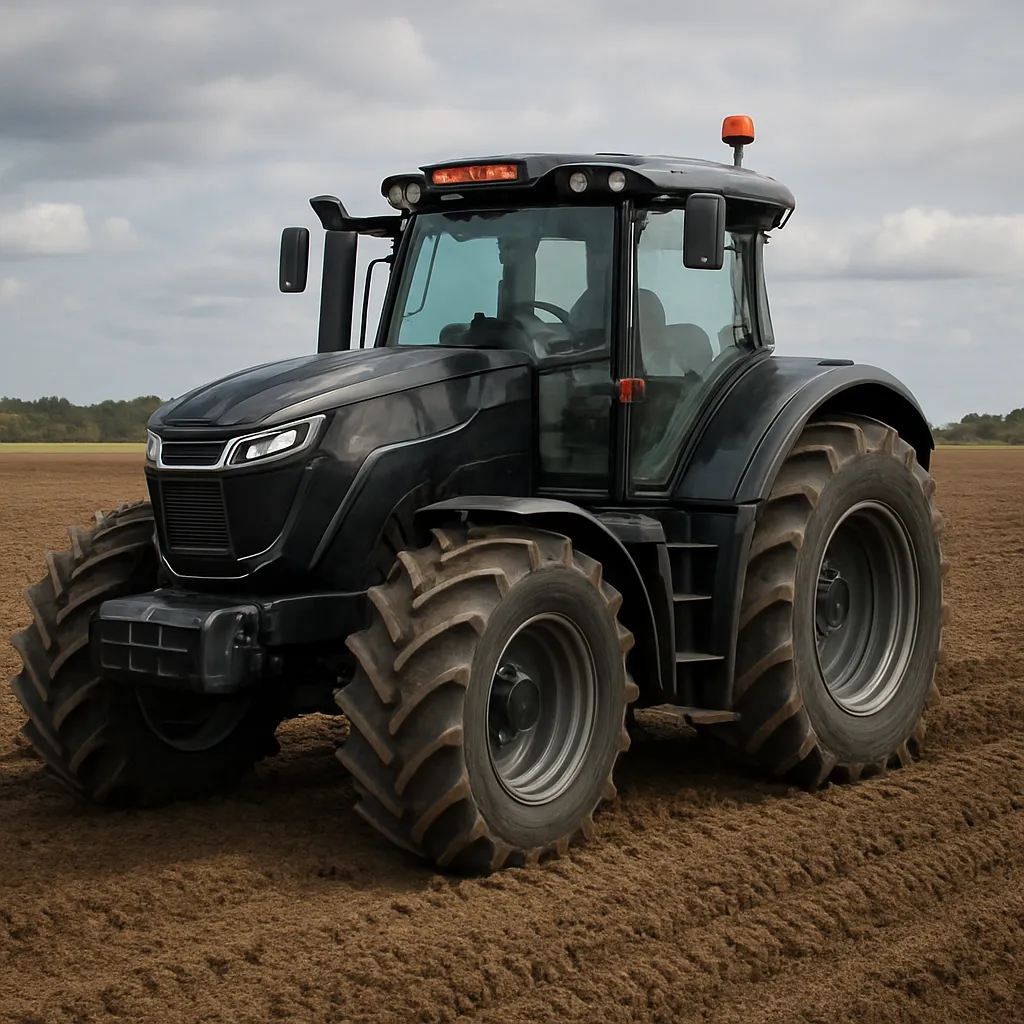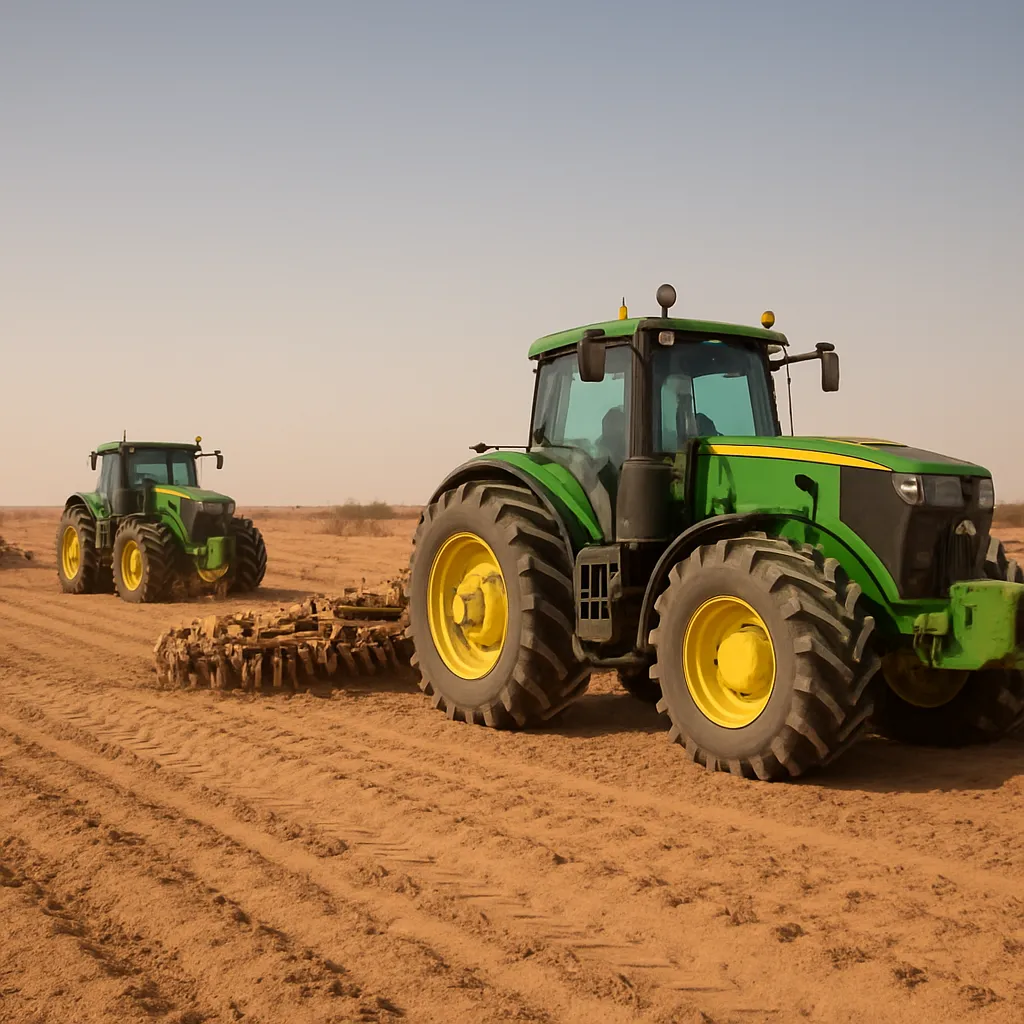
Desert farming projects demand specialized machinery capable of operating in challenging terrain, extreme temperatures, and minimal water resources. Among these machines, the biggest tractors stand out for their remarkable horsepower, advanced traction systems, and integrated precision agriculture technologies. This article explores key aspects of the largest tractors deployed in arid landscapes, highlighting their design features, operational strategies, and future developments that promise to transform large-scale cultivation in harsh environments.
Technological Innovations in Desert Farming Tractors
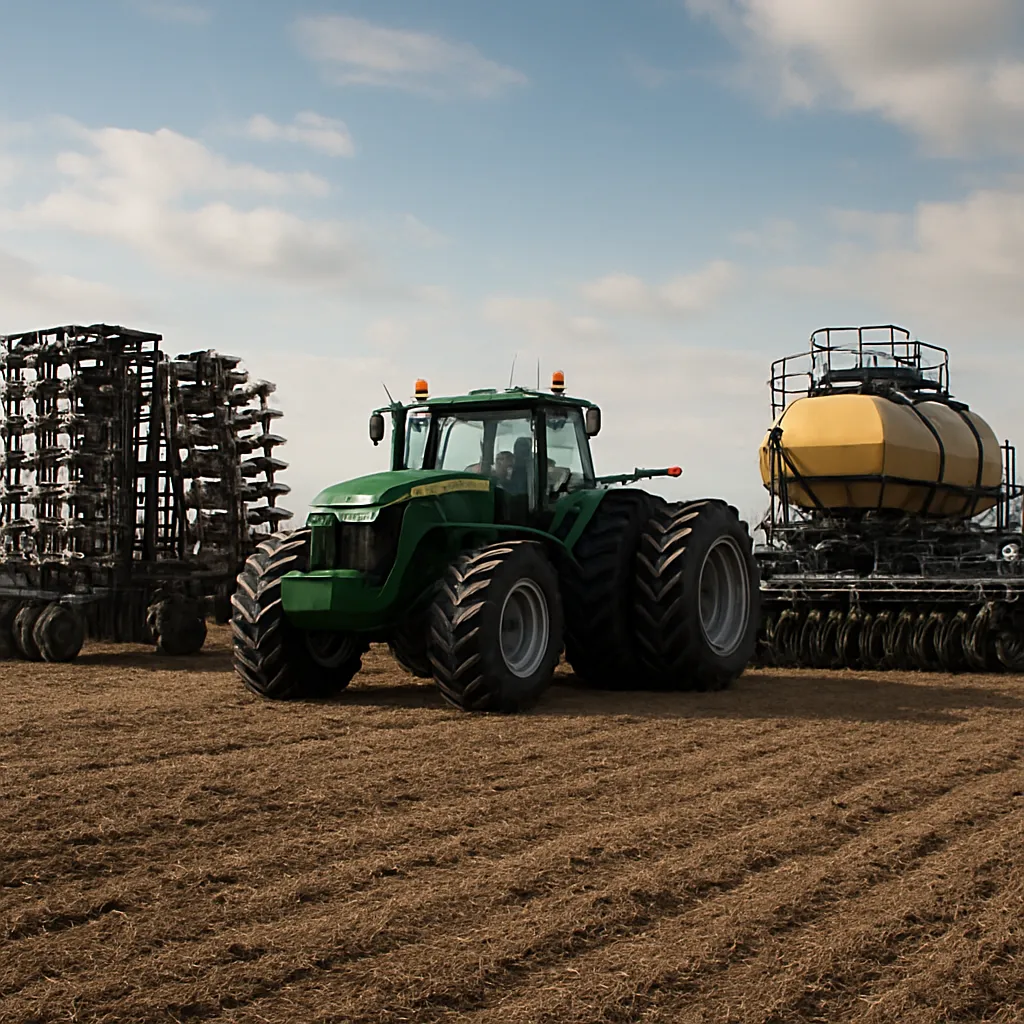
Modern tractors built for desert conditions incorporate several breakthrough technologies to ensure optimal performance. Robust engine configurations deliver between 350 and 700 HP, facilitating heavy-duty operations such as deep tillage and large-scale seeding. Advanced irrigation support systems integrate with onboard sensors to monitor soil moisture levels and automate water distribution through connected drip lines or pivot sprinklers. These systems reduce waste and boost crop yields in regions where every drop of water is critical.
Engine Cooling and Filtration
- High-capacity radiators with multi-layered fins to dissipate heat effectively.
- Dust-sealed air intake systems with cyclonic pre-filters to protect turbochargers.
- Enhanced oil filtration modules designed for fine desert particulates.
By combining powerful cooling solutions with durable filtration, these tractors maintain reliability under scorching daytime temperatures and prolonged operational cycles.
Precision Guidance and Autonomy
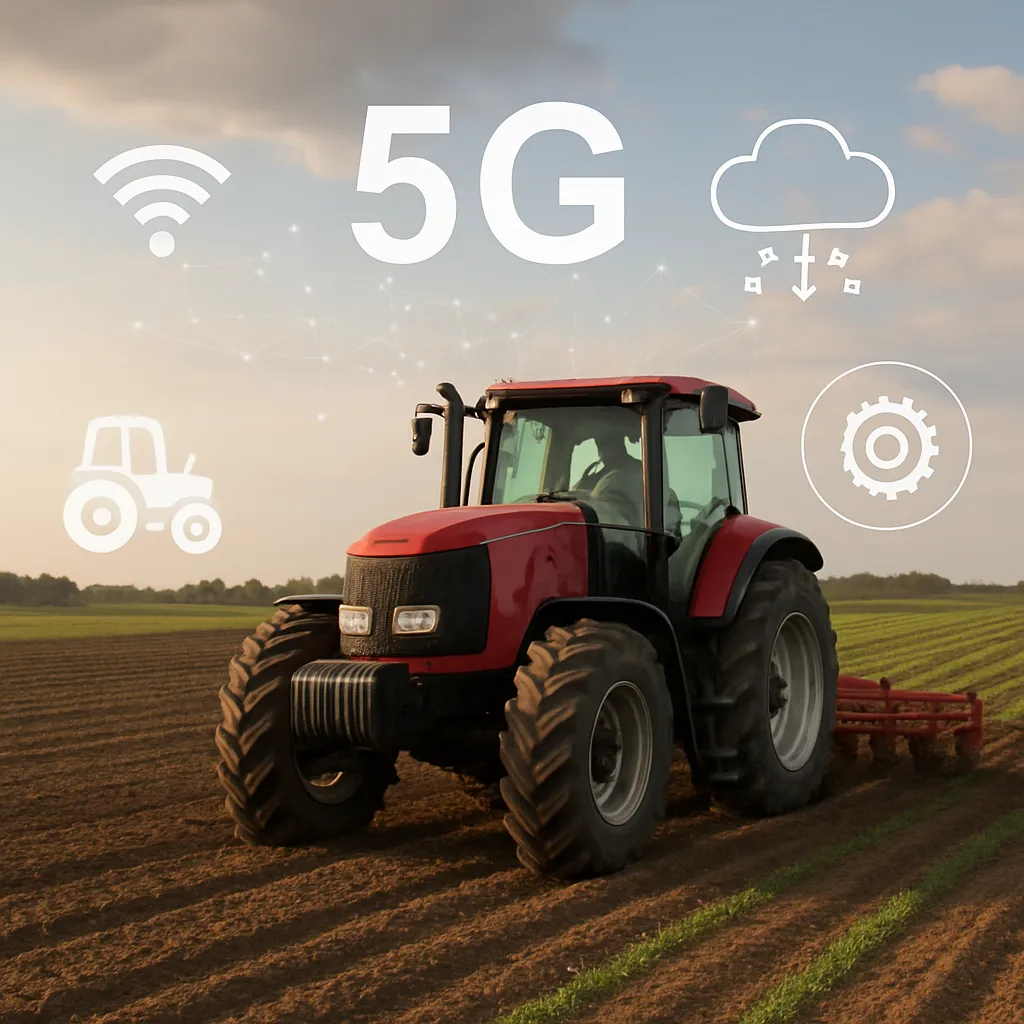
GPS-guided auto-steer functions minimize overlaps and missed strips during planting and harvesting, maximizing land utilization. Integration of remote-sensing cameras and LiDAR scanners enables real-time obstacle detection and path recalibration. Some of the new mega-tractors offer semi-autonomous modes, where human supervisors can remotely manage tasks from a central control hub, optimizing labor costs and reducing operator fatigue.
Top 5 Largest Tractors for Arid Environments
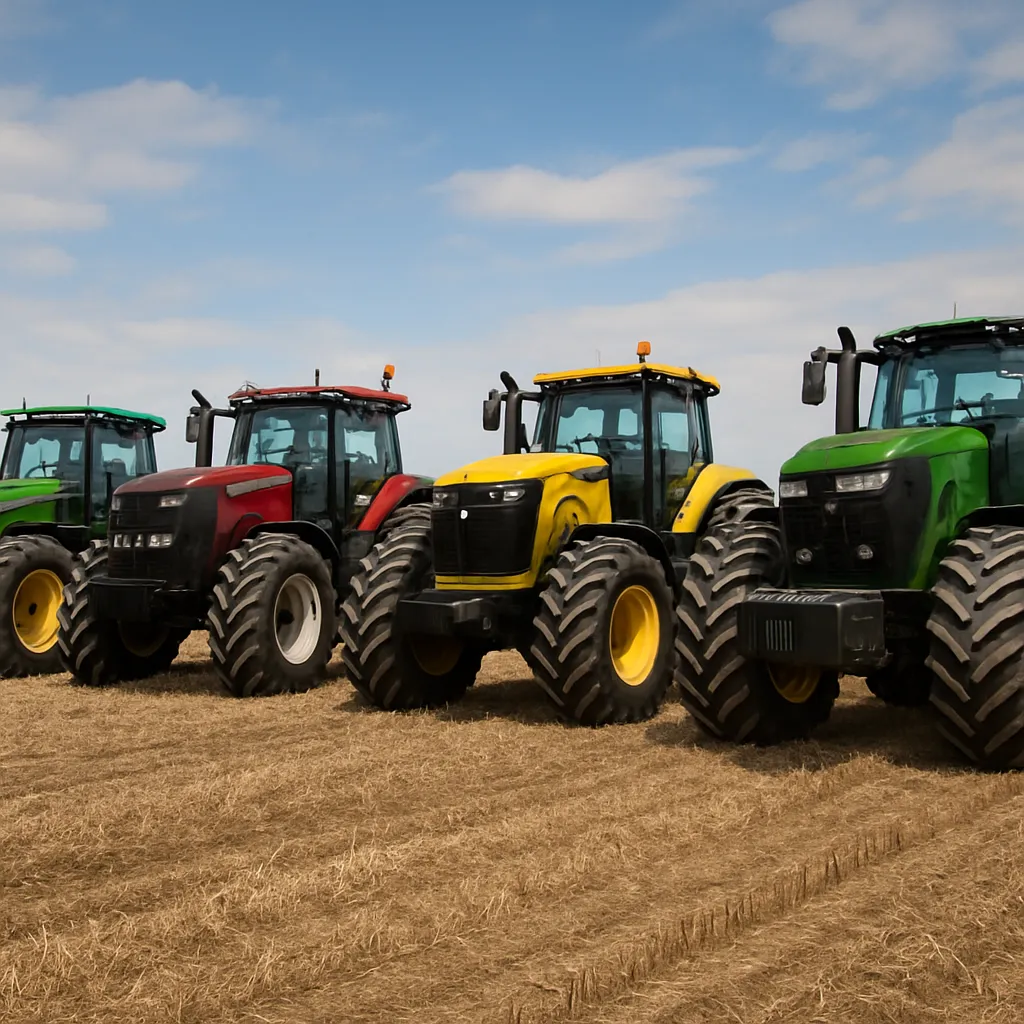
Several tractor models have emerged as industry leaders in desert farming operations. The following list showcases the top five, ranked by size, power, and specialized desert adaptations.
- Model Alpha X900 – 700 HP, variable gauge track system to prevent soil compaction
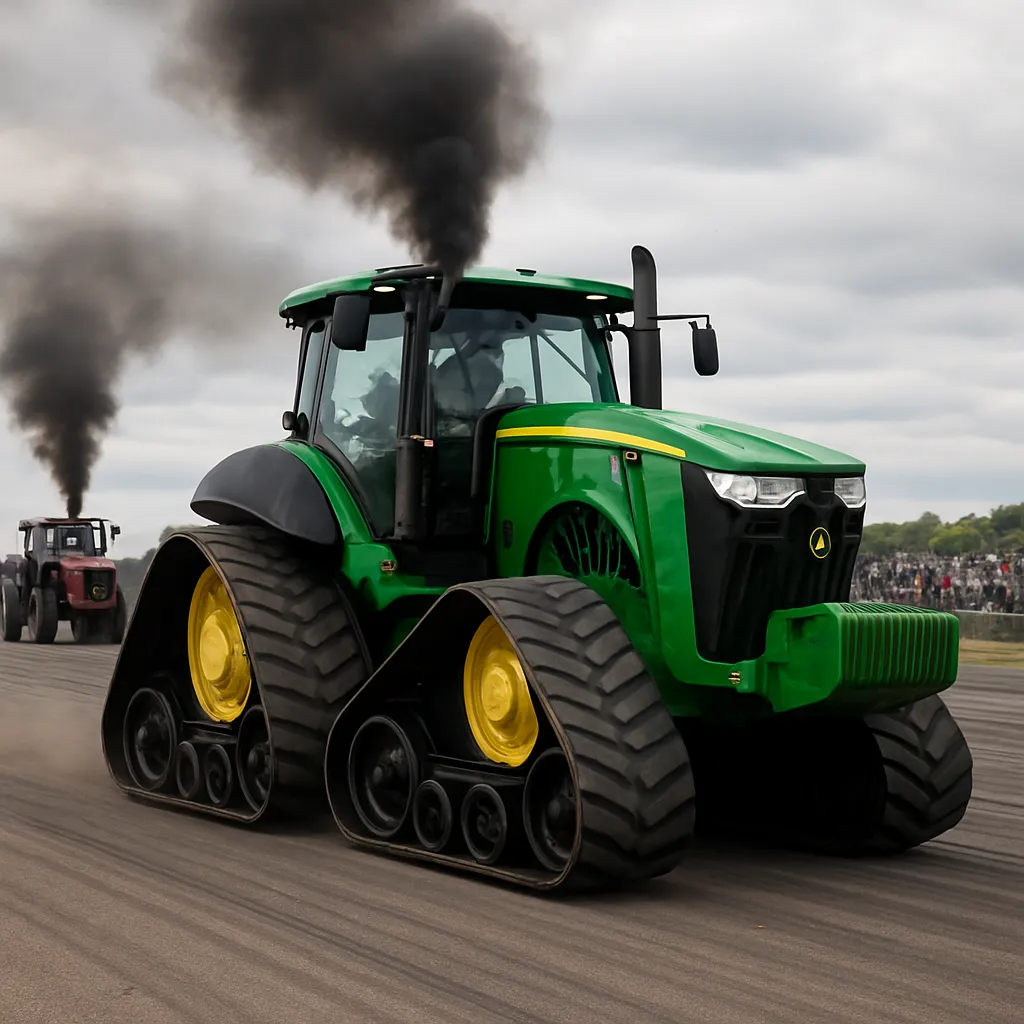
- Delta TerraMax 7800 – 650 HP, pyramid-shaped track pads for enhanced flotation
- Zeta DuneRunner 740 – 620 HP, integrated solar panels to power auxiliary electronics
- Omega SandSpear 710 – 580 HP, reversible air intake to blow out sand accumulations
- Gamma OasisPro 680 – 550 HP, modular fuel cells for extended remote operation
Each of these tractors features specialized components tailored to resist abrasion, prevent overheating, and deliver consistent performance in open landscapes with shifting dunes and rocky outcrops.
Model Alpha X900 Highlights
- Dual turbocharged diesel engine with intercooling
- Electronic traction control across six drive wheels
- Hydraulic weight transfer system for adjustable ground pressure
The Alpha X900’s efficiency surfaces in large-scale tillage, where it can plow up to 16 meters in a single pass, reducing fuel consumption by 12% compared to predecessor models.
Operational Challenges and Maintenance Strategies
Deploying oversized tractors in desert environments involves unique operational hurdles. Abrasive sand particles accelerate wear on mechanical components, while extended idle times under intense heat can degrade seals and gaskets. Proactive maintenance and tailored service plans are essential to sustain productivity.
Abrasive Wear Prevention
Regular greasing schedules and the use of high-viscosity lubricants help maintain protected surfaces. Replacing conventional bushings with self-lubricating ones reduces downtime. Underbody guard kits shield the transmission and hydraulic lines from sand ingestion, prolonging component lifespan.
Heat Management and Downtime Reduction
- Scheduled engine cooldown periods during peak heat hours to stabilize oil temperature
- Installation of thermostatic bypass valves to regulate coolant flow
- Use of ceramic coatings on exhaust manifolds to reflect radiant heat
Implementing these measures increases time between service intervals by up to 20%, allowing fleets to cover more acreage without unplanned stops.
Environmental Considerations and Sustainable Practices
Responsible desert farming balances yield goals with ecosystem preservation. The biggest tractors now incorporate features that reduce carbon emissions and conserve resources in fragile landscapes.
Alternative Fuel Options
Biodiesel blends and hydrogen-enriched diesel fuels lower greenhouse gas output. Some experimental prototypes run on compressed natural gas (CNG) with dedicated high-pressure fuel tanks. As refueling infrastructure expands, these options promise to make heavy machinery significantly greener.
Water-Efficient Cultivation Techniques
- Controlled traffic farming (CTF) to limit the compaction footprint and enhance water infiltration
- Precision fertigation that injects nutrients directly into drip lines, minimizing runoff
- Remote soil moisture sensors that trigger irrigation pumps only when thresholds fall below critical levels
These innovations address the scarcity of water by optimizing distribution and reducing waste, ensuring sustainable yields over multiple growing cycles.
Future Trends and Next-Generation Desert Tractors
Looking ahead, the next wave of massive farming machines will likely integrate advanced autonomy, renewable energy subsystems, and AI-powered crop management tools. Concepts currently in development include fully electric drivetrains supported by portable solar charging arrays and robotic attachments capable of real-time pest detection and removal.
Robotic Harvesting Modules
Attached to the rear three-point hitch, these modules use machine vision to distinguish ripe produce from green growth. They selectively harvest without damaging surrounding plants, enhancing both quality and yield.
Data-Driven Crop Analytics
Onboard supercomputers will process multispectral imagery captured by drones and tractor-mounted cameras, generating actionable insights on plant health, nutrient deficiencies, and yield projections. This level of automation will transform decision-making, reducing reliance on manual scouting and accelerating adaptive management responses.
Integration with Smart Grid Infrastructure
Future tractors may operate as mobile power units, feeding excess energy back to local microgrids when idle. By leveraging regenerative braking in track systems and smart battery storage, they can support farmhouse electrification and remote sensor networks across extensive perimeters.
As desert farming projects scale up to meet global food demands, the evolution of these colossal tractors will be pivotal. Their blend of brute force, technological sophistication, and environmental mindfulness sets the stage for a new era of sustainable agriculture in the world’s most inhospitable regions.