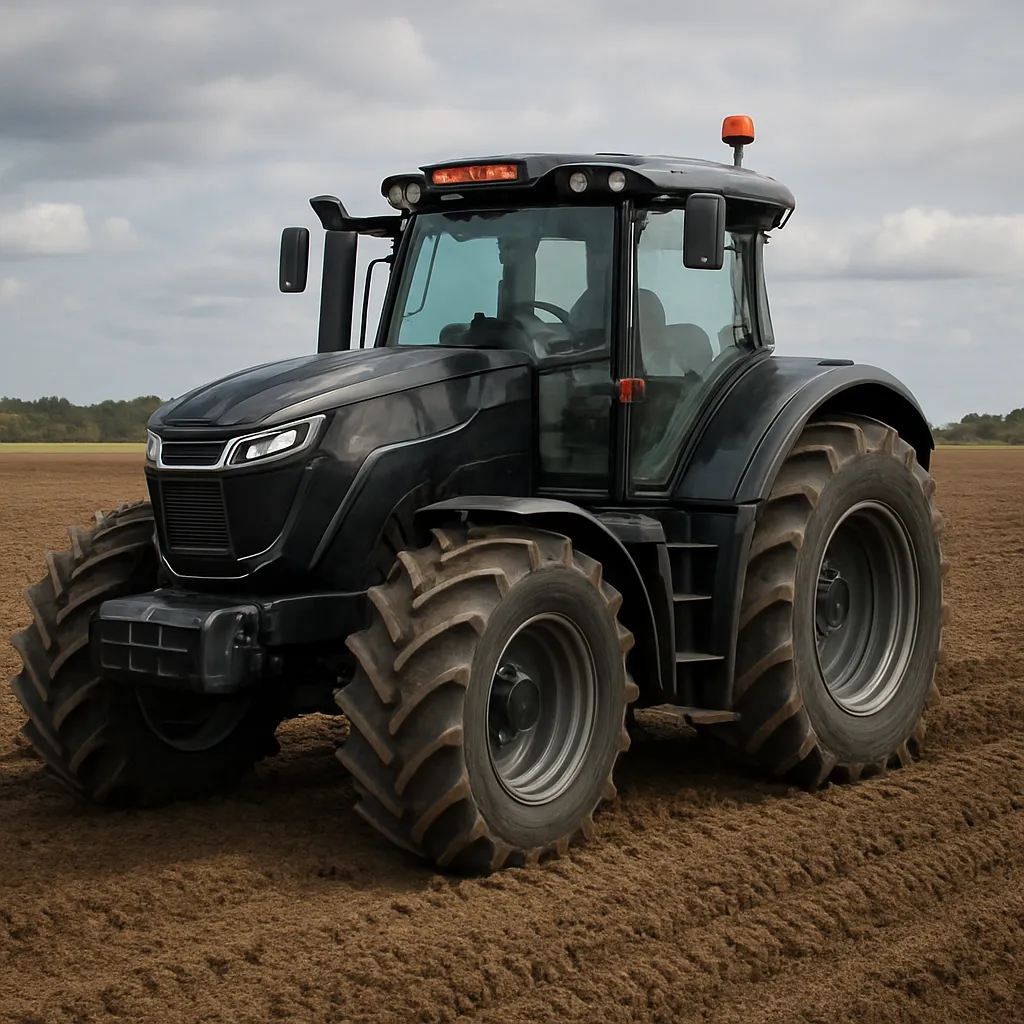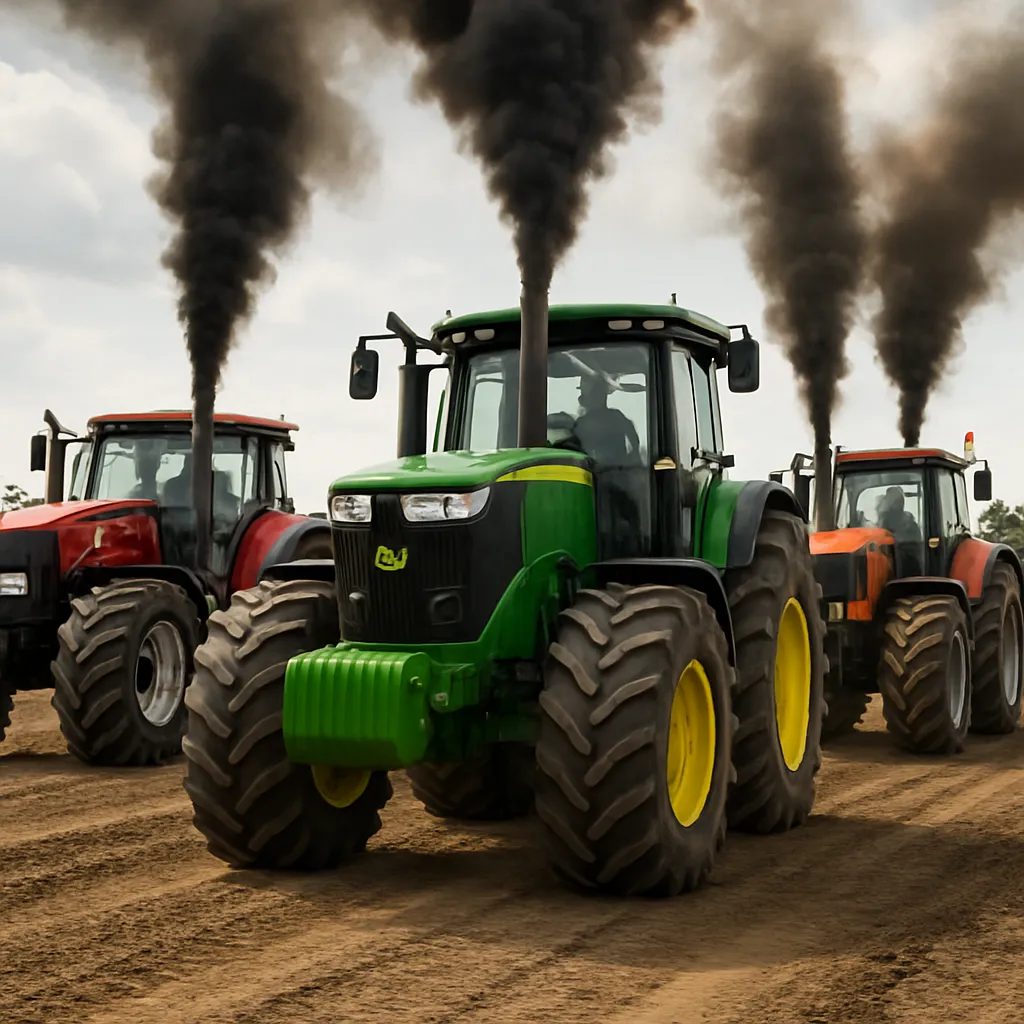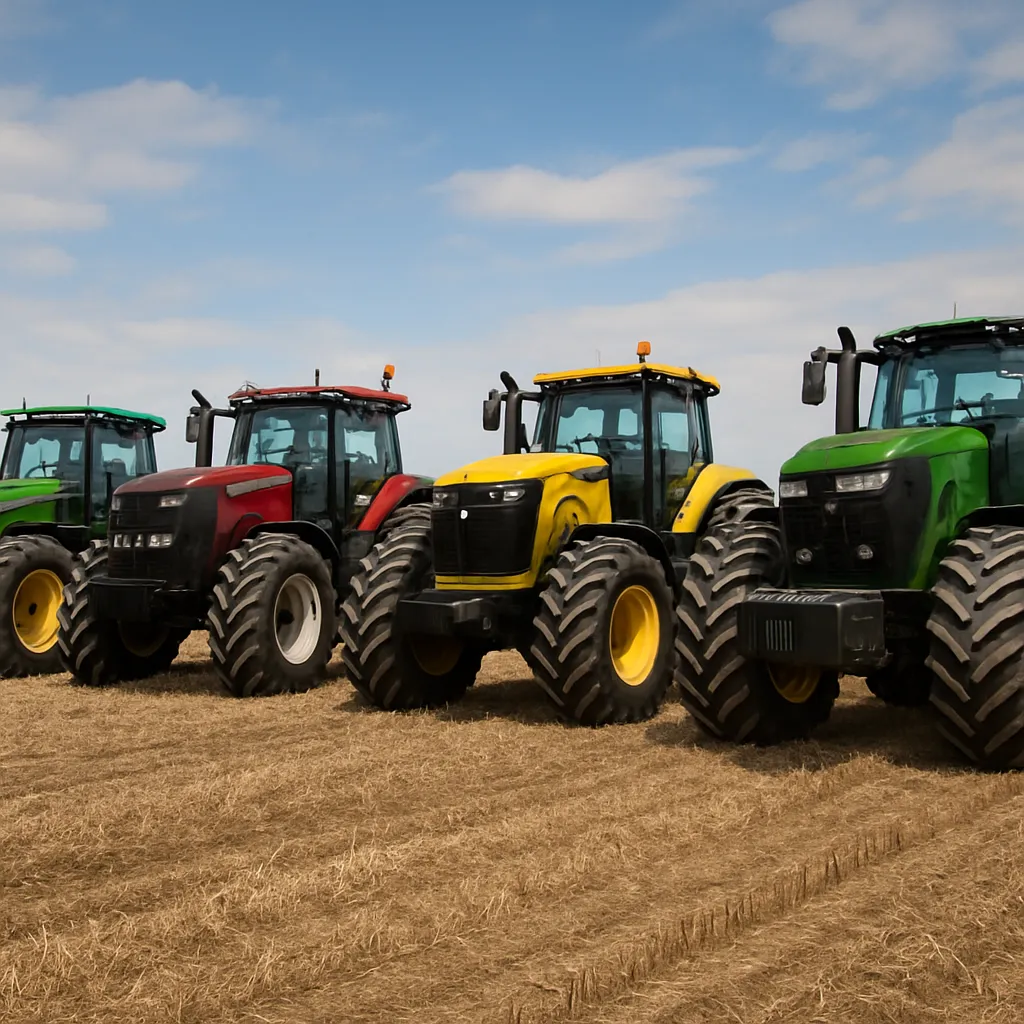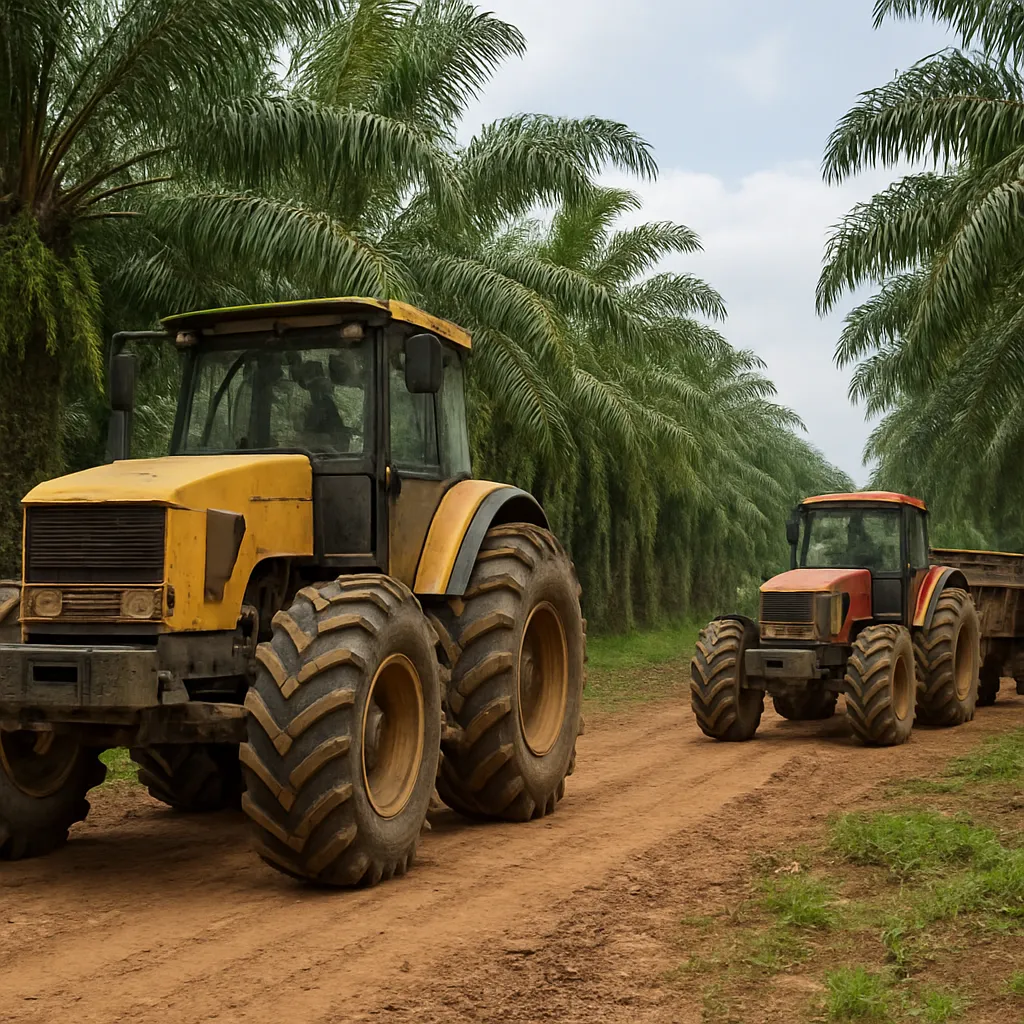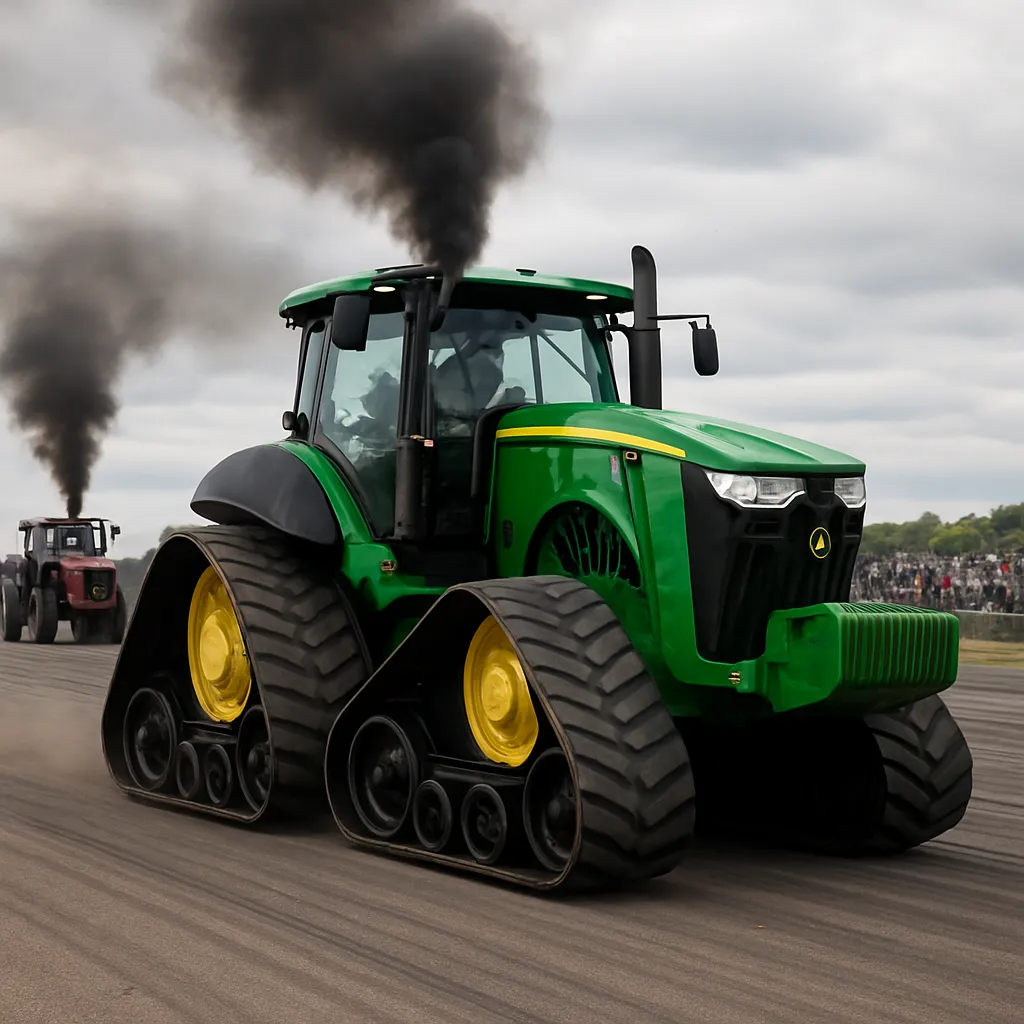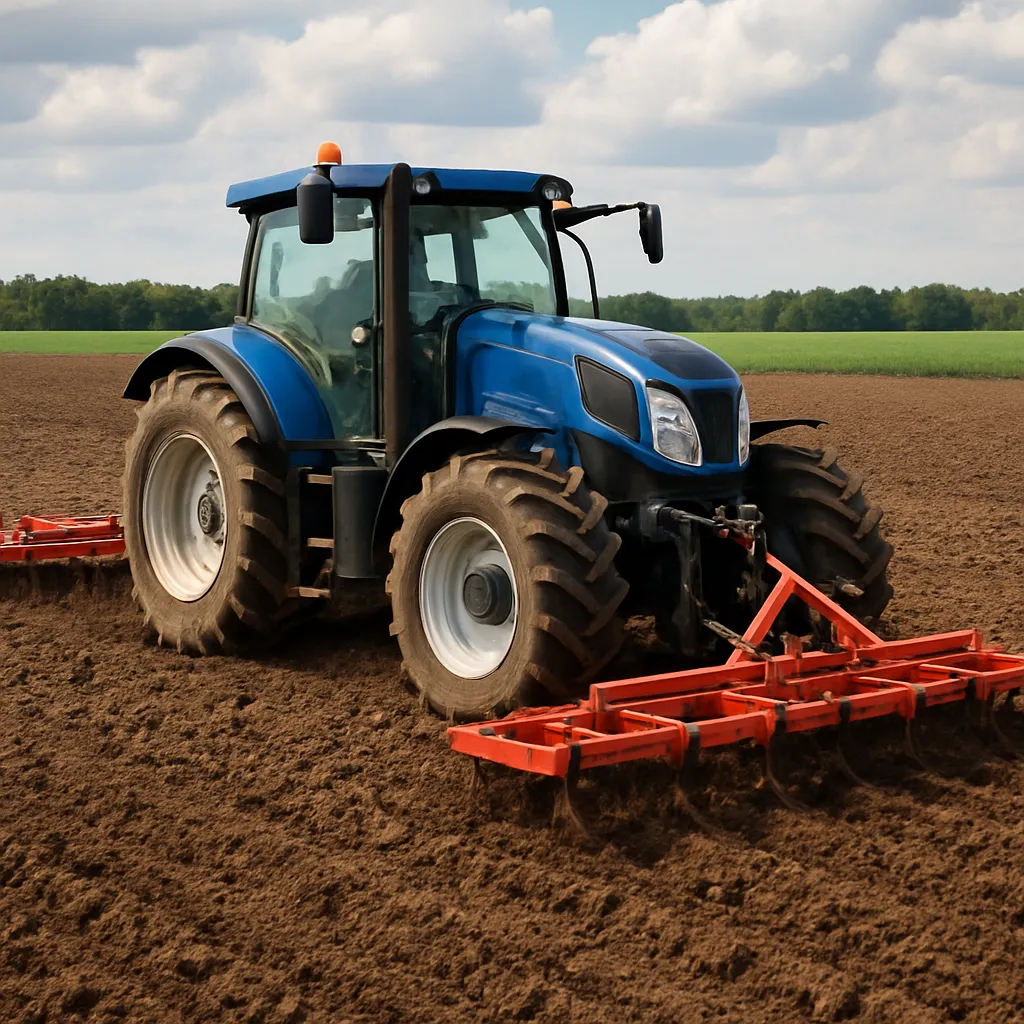
The advent of colossal agricultural machines has heralded a new era in modern farming, where scale and efficiency converge to meet global food demands. Among these giants, heavy tractors stand out as the backbone of large-scale cultivation, offering unmatched traction and power. However, their sheer mass also poses challenges for long-term soil health and crop yield. This article examines the engineering evolution of the world’s biggest tractors, unpacks the science behind soil compaction, and explores best practices to balance mechanization with ecological stewardship.
Engineering Marvels: The Evolution of the Heaviest Tractors
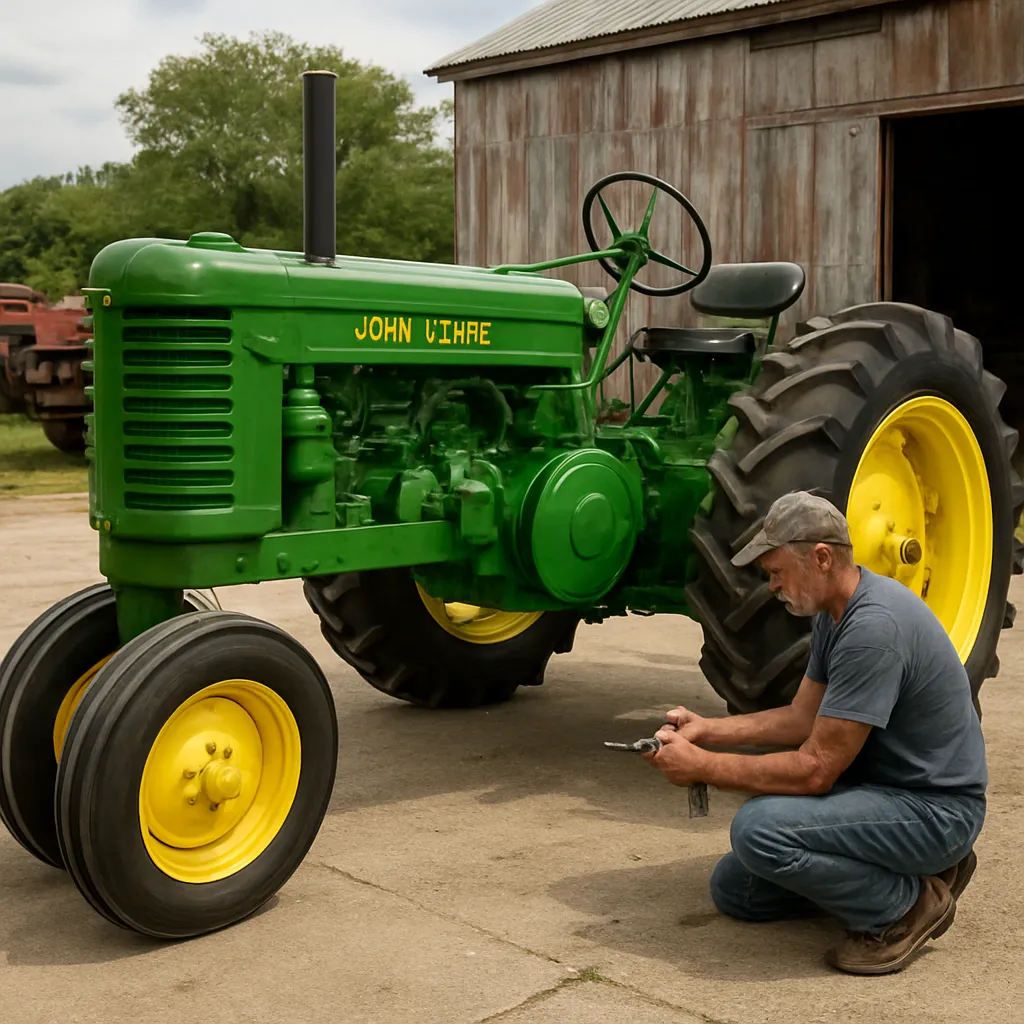
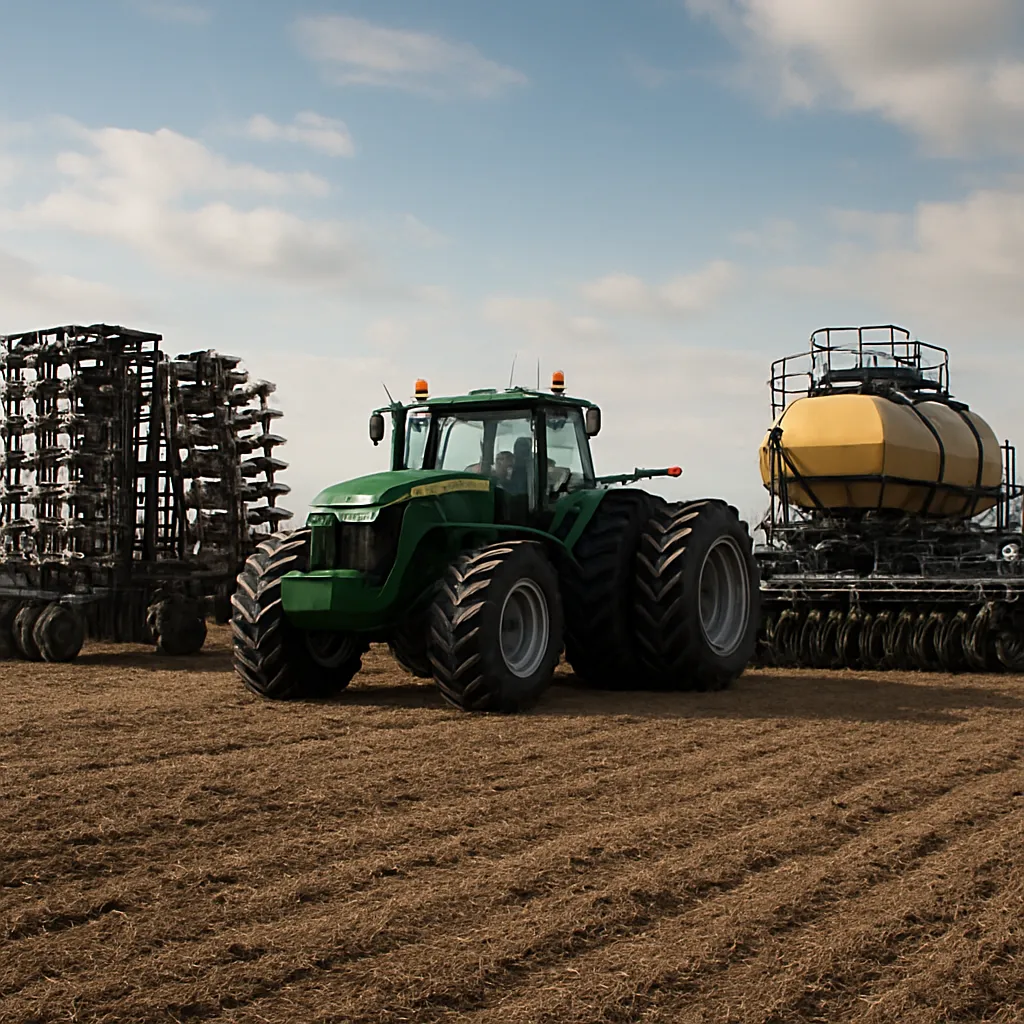
Since the first gasoline-powered tractor emerged in the early 20th century, manufacturers have relentlessly pursued designs that deliver greater horsepower and improved load-bearing capacity. Today’s super-sized models tip the scales at over 20 metric tons, featuring advanced engine power outputs exceeding 600 horsepower. These machines incorporate state-of-the-art hydraulic systems and reinforced chassis structures, allowing them to pull massive implements such as multi-row cultivators and ultra-wide planters.
Breakthroughs in Powertrain Design
- Turbocharged diesel engines: Provide optimum torque at low RPM, essential for heavy draft work.
- Continuously variable transmissions (CVT): Offer seamless speed adjustment without gear shifts, reducing operator fatigue.
- All-wheel drive (AWD) configurations: Distribute traction evenly, preventing wheel slip on soft fields.
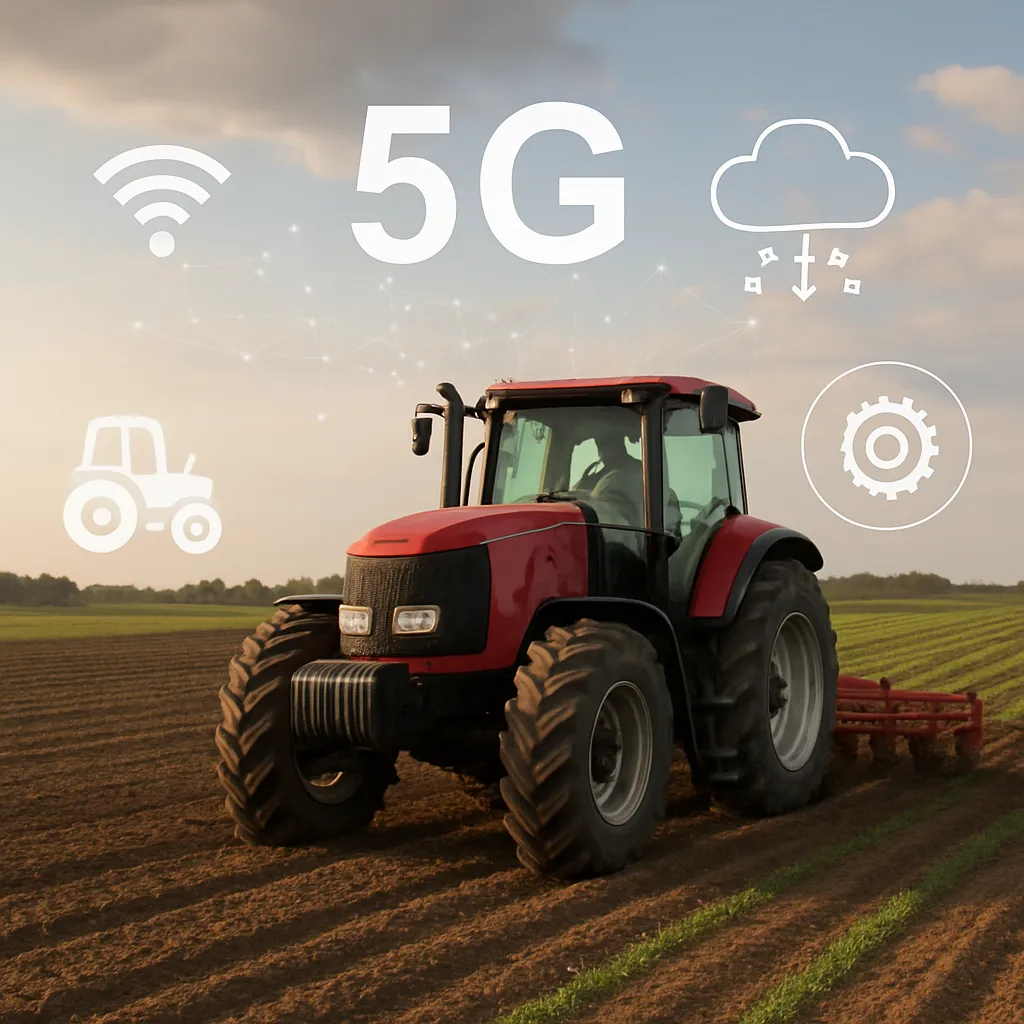
Integrating computer-controlled power management has led to tractors that automatically adjust weight distribution based on implement load and terrain conditions. GPS-guided steering and telemetry further optimize field operations, ensuring precise pass-to-pass coverage and minimizing overlap.
Soil Compaction and Its Agricultural Consequences
While robust tractors enhance operational efficiency, their mass exerts substantial pressure on the ground, compressing soil pores critical for air and water movement. Excessive soil compaction constricts the pore network, hindering root development and diminishing nutrient uptake. Long-term compaction leads to stratified layers with distinct mechanical resistance, forcing roots to circumvent compacted zones and reducing effective root volume.
Impact on Water Dynamics and Microbial Activity
- Impaired infiltration: Compacted soil exhibits reduced hydraulic conductivity, increasing runoff and erosion risk.
- Oxygen deficit: Limited gas exchange fosters anaerobic pockets, which can release harmful gases and reduce microbial activity.
- Waterlogging susceptibility: Poor drainage exacerbates root diseases during wet seasons.
Agronomists have documented yield penalties of up to 15% in fields with chronic compaction. In cereal crops, shallow root architecture results in lower drought resilience and uneven maturation. Leguminous plants may exhibit stunted nodulation, affecting nitrogen fixation and subsequent nutrient cycles.
Managing Tractor Weight: Strategies for Sustainable Yield
Mitigating the adverse effects of tractor mass requires a combination of mechanical, agronomic, and technological tactics. Farmers and contractors can implement field-specific measures to preserve soil structure and sustain high crop yield.
Mechanical Approaches
- Tire Innovations: Using flotation tires or dual-wheel systems can lower ground pressure by distributing weight over a broader footprint.
- Adjustable Tire Inflation Pressure: Reducing PSI in tires adapts to soil moisture conditions, easing compaction on soft soils.
- Subsoiling Techniques: Periodic deep ripping penetrates compacted pans, enhancing root penetration and water movement.
Agronomic Practices
- Controlled Traffic Farming: Limiting tractor paths to fixed lanes prevents random passes and confines compaction to designated areas.
- Cover Cropping: Incorporating deep-rooted species such as radish or rye improves soil structure and creates biopores for future root growth.
- Organic Amendments: Adding compost or biochar increases aggregation and resilience against compressive forces.
Technological Innovations
- Precision Agriculture Platforms: Real-time soil sensors monitor moisture levels and compaction risk, guiding equipment adjustments.
- Autonomous Tractor Fleets: Lighter, smaller robotic units can perform repeated tasks while heavy tractors focus on high-load operations, reducing overall field stress.
- Variable Depth Tillage: Automated control systems tailor tillage intensity to specific field zones, preventing unnecessary deep passes.
By integrating these strategies, farmers can harness the capabilities of the largest tractors without sacrificing the long-term productivity of their fields. Embracing innovation—from mechanical retrofits to digital decision-support—ensures that agricultural giants become allies rather than adversaries of soil vitality.