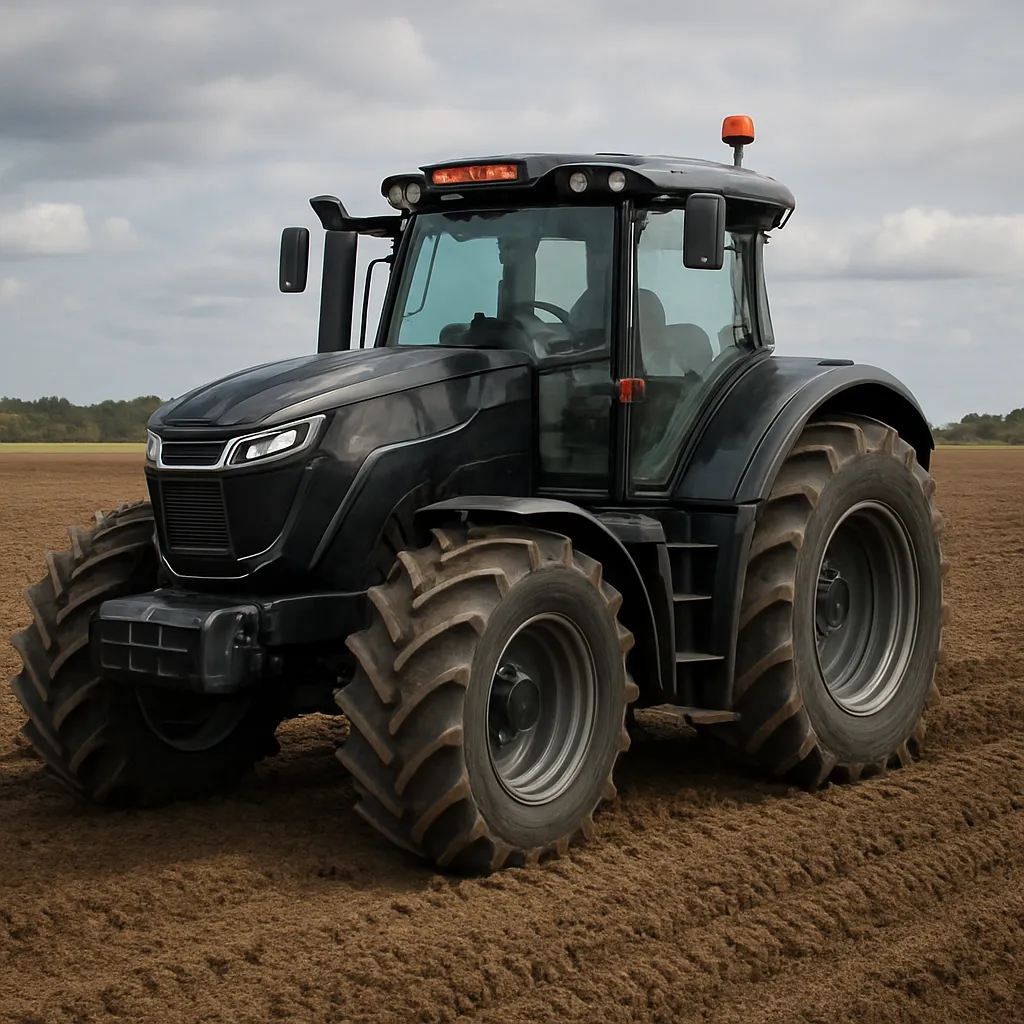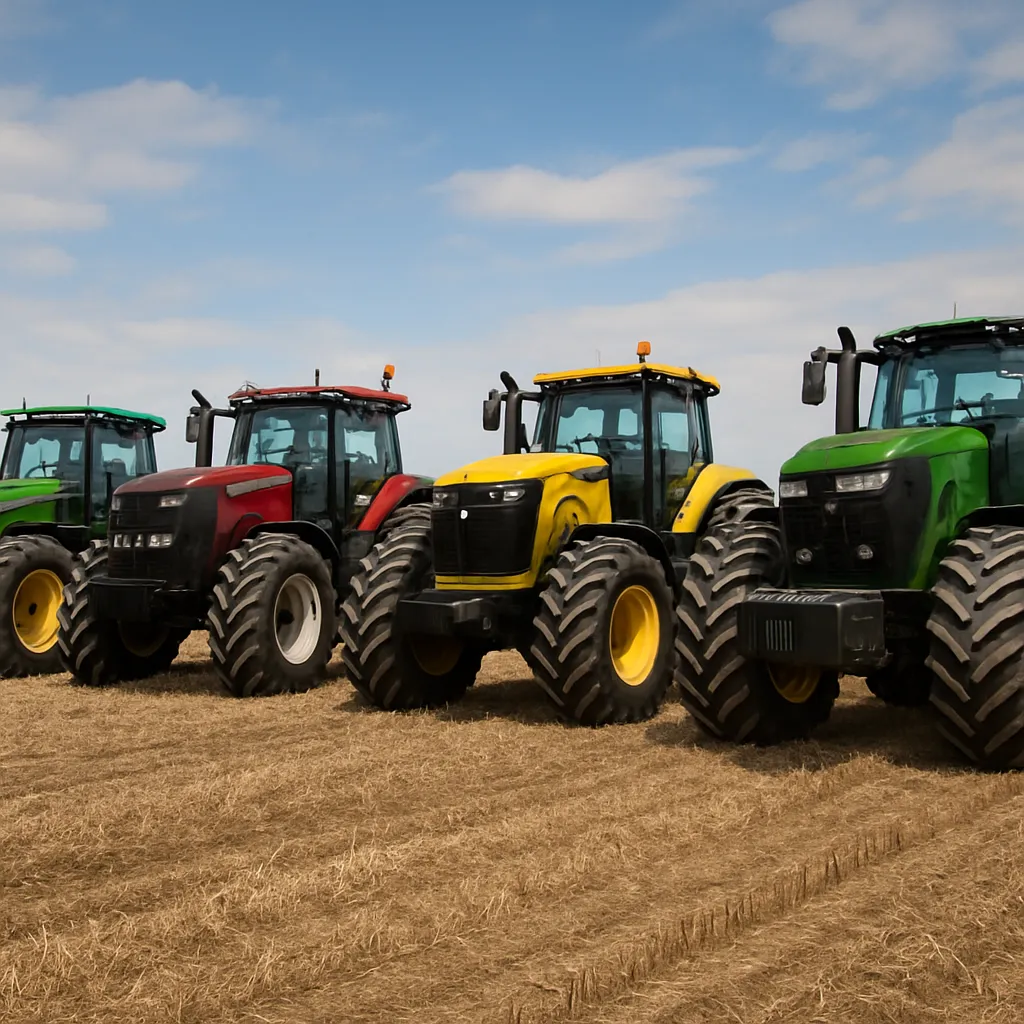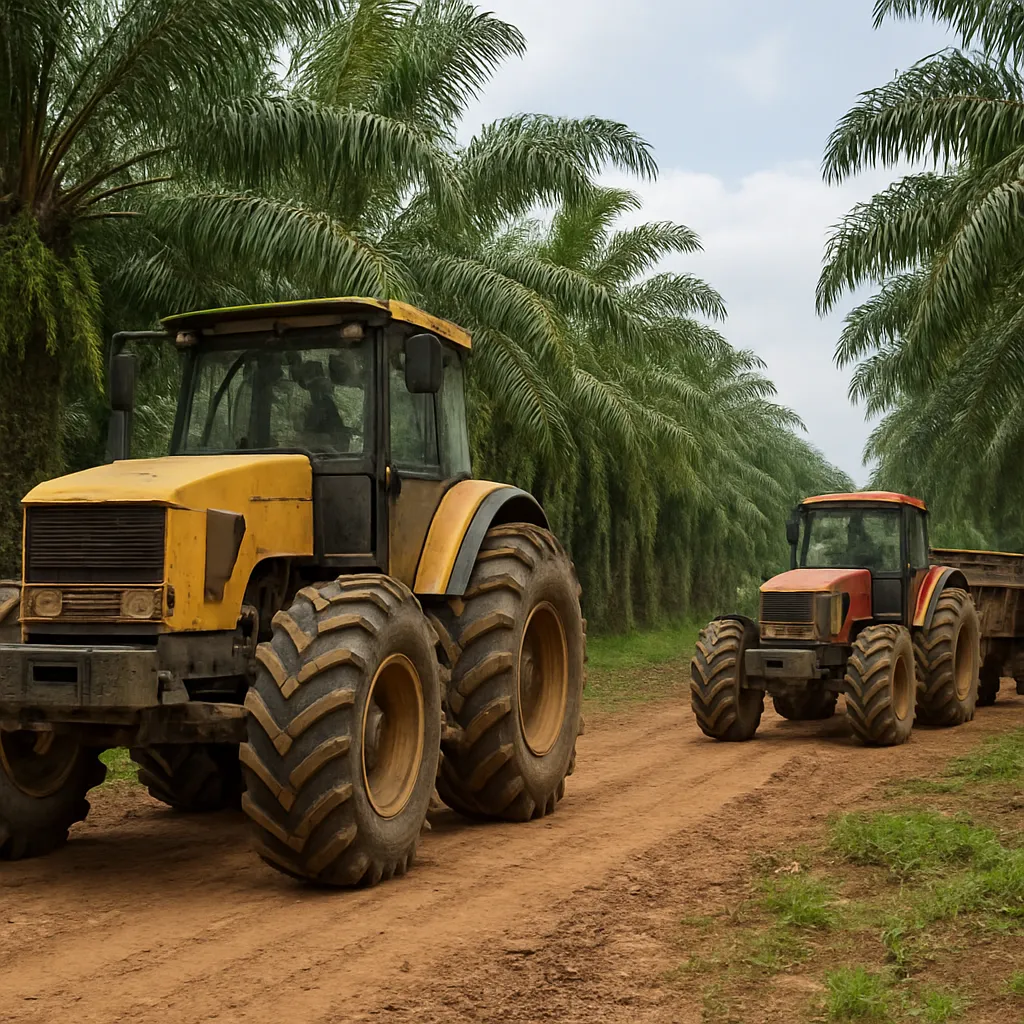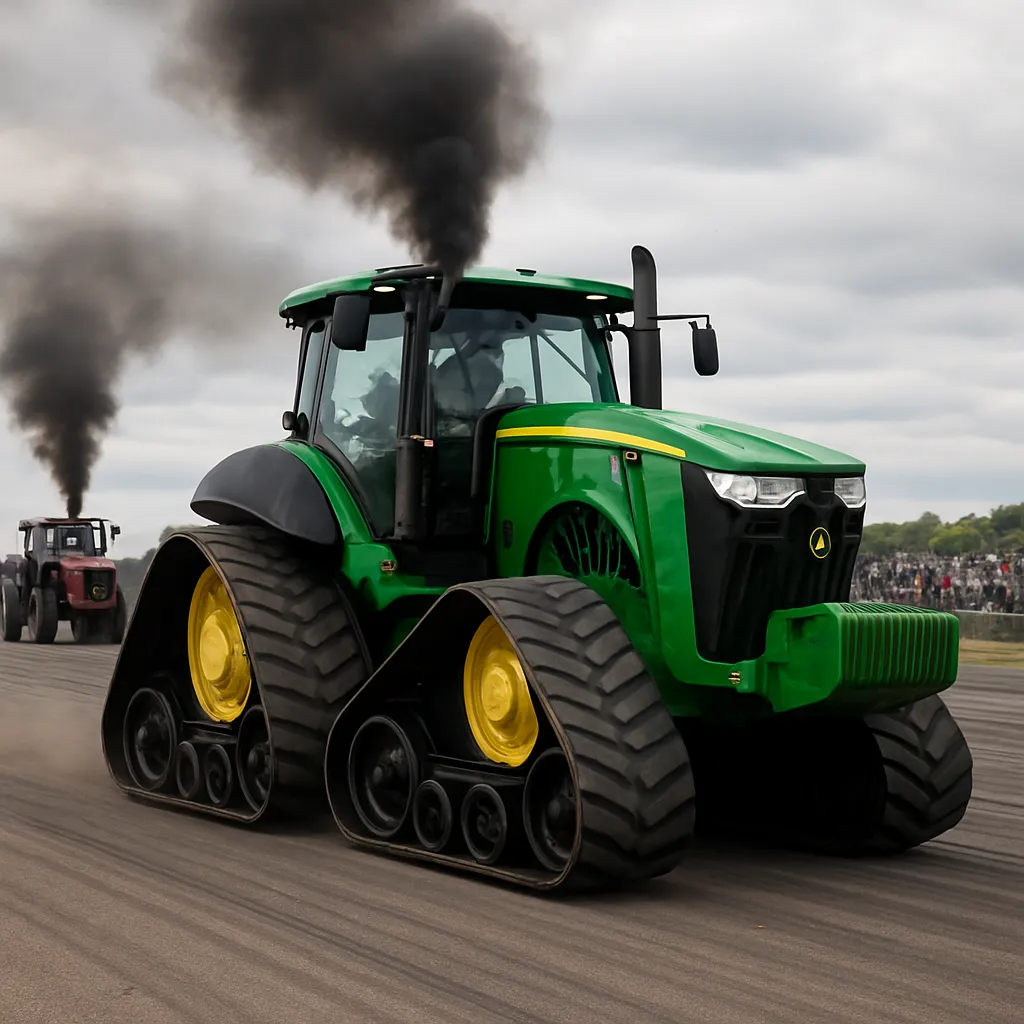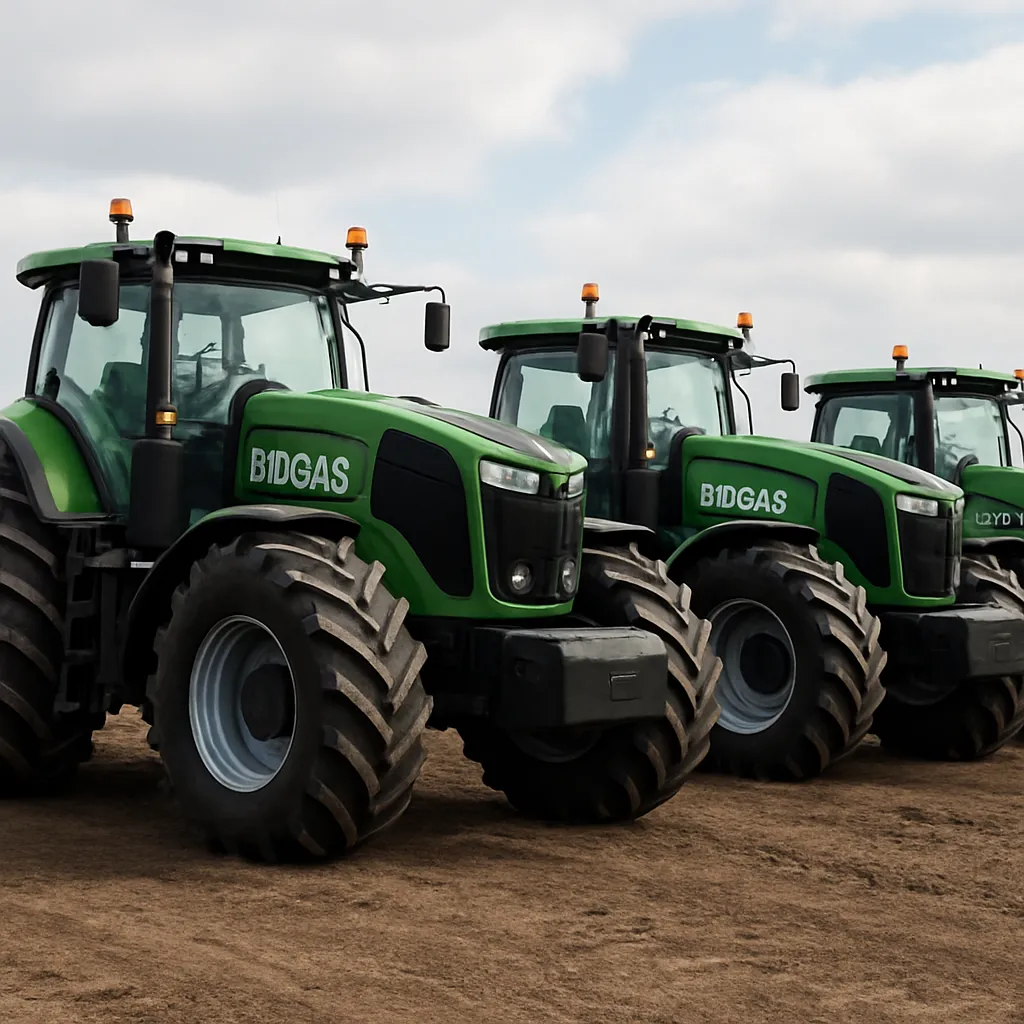
The evolution of agricultural machinery has taken a remarkable turn with the introduction of the world’s largest biogas-powered tractors. These colossal machines not only redefine power metrics but also pave the way for a more sustainable and environmentally friendly future in agriculture. From cutting-edge engine designs to groundbreaking fuel systems, this article explores the technical, economic, and ecological dimensions of these giants of the field.
Biogas as a Sustainable Fuel Source
Biogas, a renewable fuel derived from the anaerobic digestion of organic matter, has gained attention as a credible alternative to fossil fuels. Comprised mainly of methane and carbon dioxide, biogas can be upgraded to biomethane, offering a high-calorific energy source with significantly reduced emissions. In large-scale agricultural settings, on-site production of biogas from crop residues, manure, and food waste closes the resource loop while delivering a stable supply of power.
- Production Process: Farms employ anaerobic digesters where microbes break down biomass. The captured biogas is then cleaned, compressed, and stored.
- Energy Density: Upgraded biomethane boasts energy content comparable to conventional diesel, enabling tractors to operate with minimal modifications to existing infrastructure.
- Carbon Footprint: Utilizing biogas recycles carbon that would otherwise emit as methane, a potent greenhouse gas. The result is a near-carbon-neutral cycle.
By integrating biogas systems, agricultural enterprises can substantially cut fuel costs, minimize reliance on external suppliers, and strengthen energy security.
Engineering Marvels of the Largest Tractors
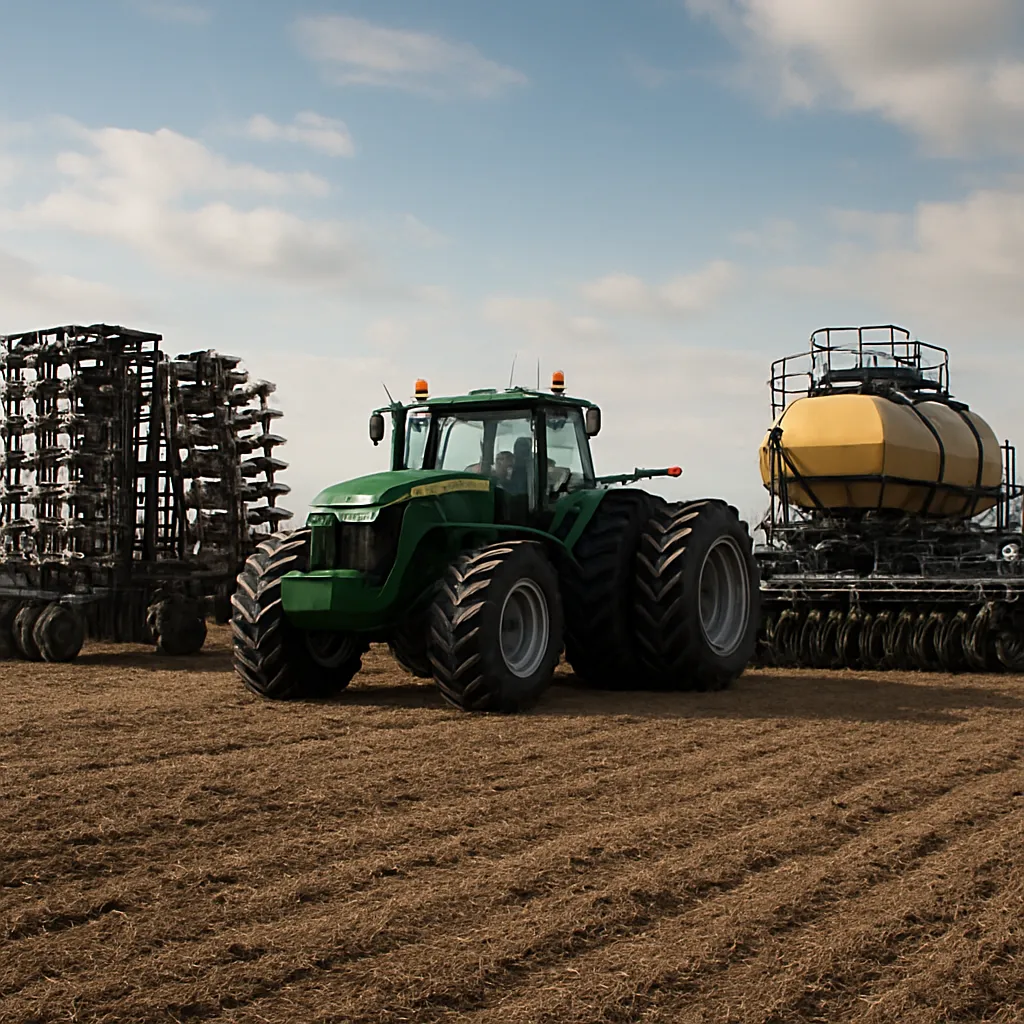
Designing the world’s largest biogas-powered tractors demanded innovation across multiple disciplines. Manufacturers collaborated with research institutes to tailor powertrain components capable of handling the unique characteristics of biogas while delivering the brute force required for heavy-duty operations.
- Engine Adaptation: Standard diesel engines were reconfigured with reinforced cylinders and specialized fuel injectors to ensure precise biogas delivery and optimal combustion.
- Storage Solutions: High-pressure tanks mounted on chassis extensions maintain a consistent gas supply. Advanced sensors monitor pressure and temperature, ensuring safety and peak performance.
- Chassis and Drivetrain: To support weights exceeding 25 tonnes, reinforced axles, tracked systems, and multi-wheel assemblies distribute load while enhancing traction on varied terrain.
- Electronic Control Units (ECUs): Customized ECUs manage fuel-air ratios, ignition timing, and exhaust after-treatment, maximizing efficiency and reducing particulates.
One flagship model boasts 800 horsepower, a torque peak of 4,500 Nm, and a tank capacity allowing 10 hours of continuous field work—statistics that rival or surpass many diesel-powered counterparts.
Impact on Agricultural Practices
The introduction of these tractors transforms both large commercial farms and cooperative ventures. Key impacts include:
- Operational Costs: While initial capital investment is higher, ongoing savings on fuel and maintenance due to cleaner combustion can offset expenses within five to seven years.
- Regulatory Compliance: Stricter emissions standards in many regions drive adoption. Biogas tractors inherently meet or exceed current regulations, reducing potential fines and enhancing farm reputations.
- Resource Management: On-site biogas production fosters better manure handling, odor control, and nutrient recycling, linking crop production and livestock management in a single sustainable loop.
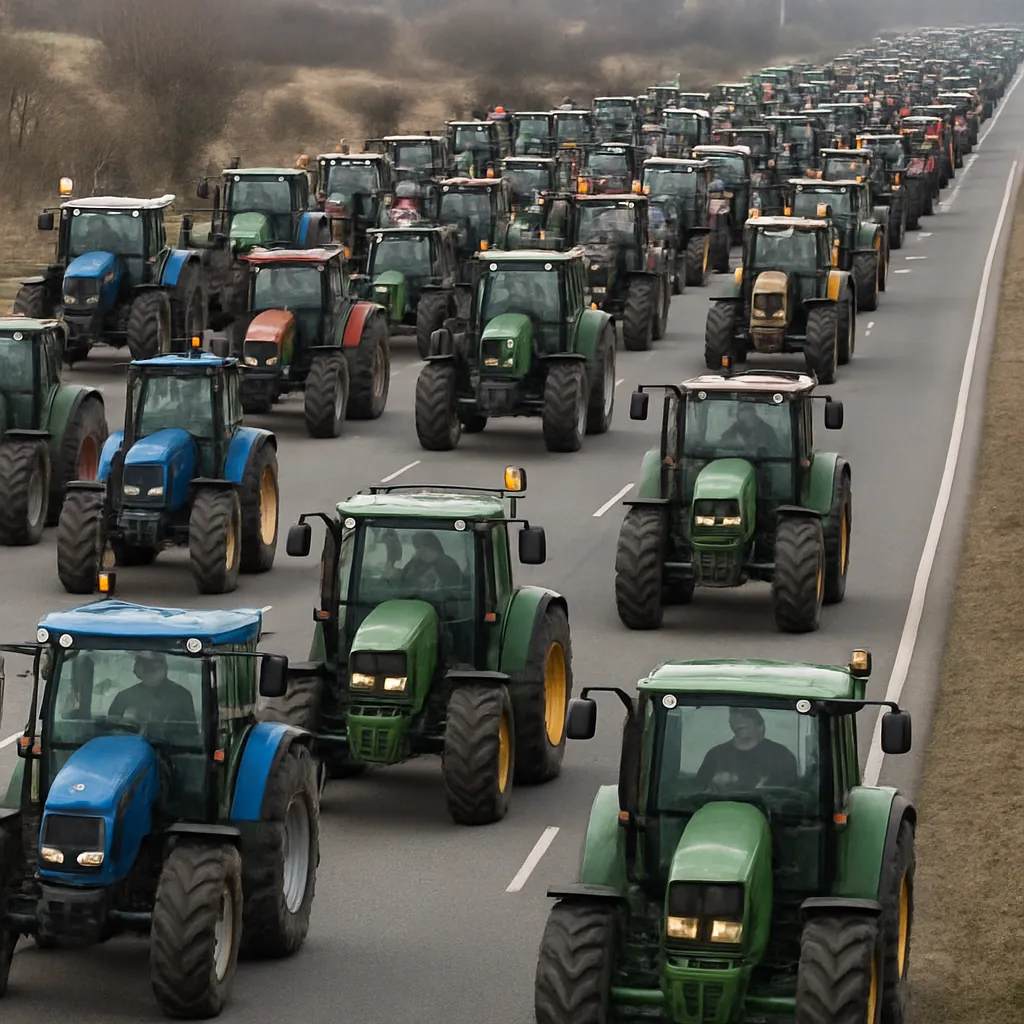
- Community Benefits: Cooperative digester projects allow small-to-medium farms to share infrastructure, democratizing access to advanced machinery and strengthening rural economies.
Data from pioneering farms indicates up to 30% reduction in overall greenhouse gas output, improved soil health through precision tillage provided by high-torque tractors, and enhanced yield consistency owing to uninterrupted field operations.
Future Prospects and Innovations
The trajectory for biogas-powered tractors is promising, driven by continuous innovation in both fuel technology and machine design. Several areas are under active development:
- Hybrid Configurations: Combining battery-electric systems with biogas engines can further smooth power delivery, optimize fuel consumption, and enable zero-emission operation in sensitive environments.
- Advanced Digesters: Next-generation reactors with higher conversion rates and modular designs will scale production for mega-farms and industrial partners.
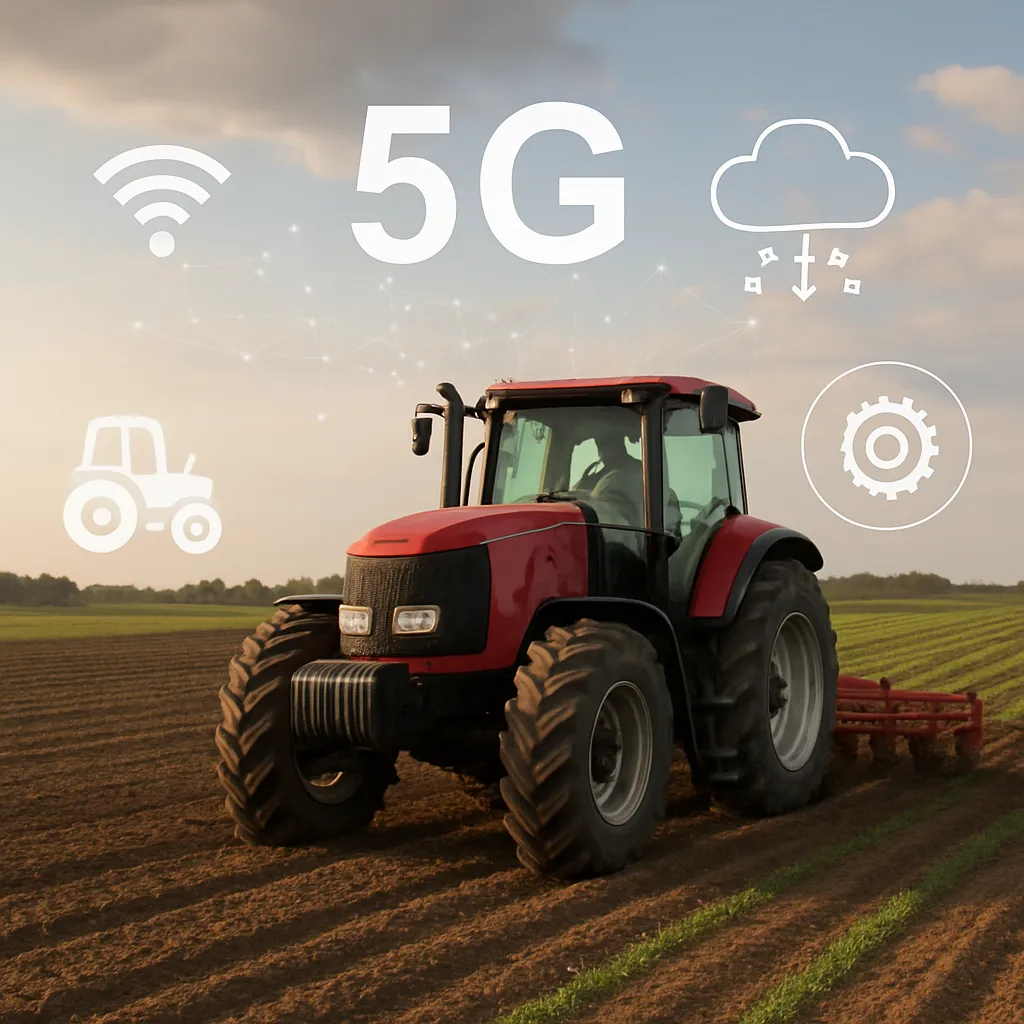
- AI and Automation: Integration of autonomous driving systems powered by AI can maximize field coverage, adjust engine parameters in real time, and minimize human intervention.
- Global Expansion: Emerging markets with abundant agricultural waste are poised to adopt biogas tractors, unlocking new revenue streams and reducing dependence on diesel imports.
As ventures into bioenergy flourish, partnerships between agritech firms, renewable energy providers, and government agencies will be crucial. The adoption of standardized fueling stations, analogous to current liquefied natural gas (LNG) networks, will simplify logistics and accelerate deployment worldwide.
The dawn of the largest biogas-powered tractors marks a milestone in the quest for a more sustainable agricultural landscape. By harnessing renewable resources and cutting-edge engineering, these giants are steering the sector toward a future where productivity and ecological responsibility go hand in hand.