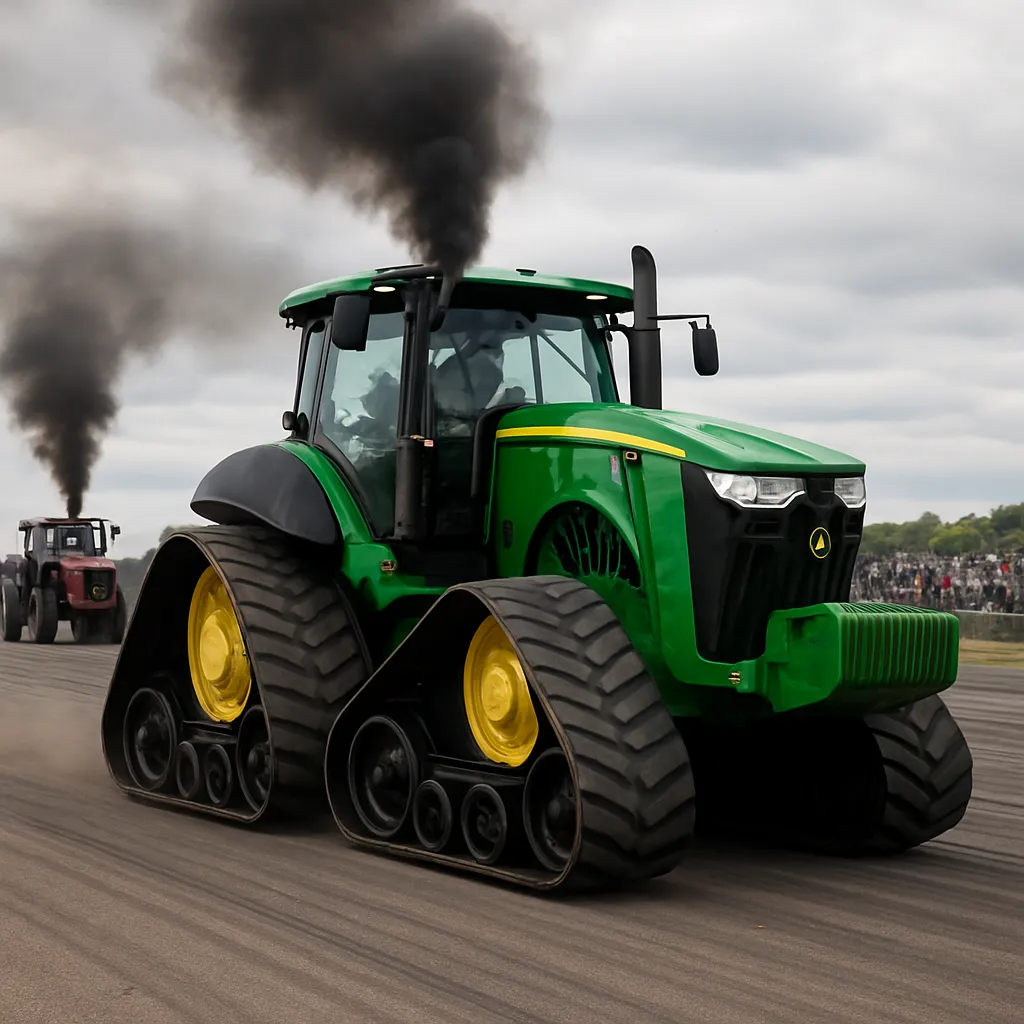
The debate over the most formidable machines in the agricultural world often pits the mammoth Big Bud against the renowned Case IH series. Farmers seeking to elevate their operations weigh factors such as horsepower, reliability, and advanced technology to determine which tractor best suits their needs. With both brands offering impressive specifications and unique advantages, understanding their core strengths is essential for making an informed investment.
Power and Performance Comparison
When evaluating the raw capability of a tractor, horsepower and torque are critical metrics that directly influence field productivity. Big Bud tractors are famed for record-breaking output, with models exceeding 1,000 HP, delivering immense pulling power for heavy tillage. Conversely, Case IH’s Magnum and Steiger lines offer a broad range of ratings, from 180 HP to over 600 HP, ensuring versatility across diverse farm sizes. Farmers prioritize efficiency in fuel consumption, and Case IH designs leverage advanced engine management systems to optimize consumption without sacrificing performance. Big Bud’s massive displacement engines, meanwhile, excel in extended heavy-duty operations where continuous high load is the norm.
Engine Architecture and Innovation
Big Bud tractors are often custom-built around large-displacement diesel engines, providing unwavering performance under extreme loads. Their simpler mechanical systems cater to operators who value durability and straightforward maintenance. In contrast, Case IH integrates cutting-edge electronic controls, turbocharging, and after-treatment systems to meet stringent emissions standards without compromising power delivery. This technology focus appeals to farmers seeking modern solutions for regulatory compliance and sustainability goals.
Transmission and Traction
Transmission design plays a pivotal role in harnessing a tractor’s potential. Big Bud models typically feature heavy-duty powershift transmissions designed for minimal slippage under load, offering robust traction and durability. Case IH, however, offers proven CVX continuously variable transmissions (CVT) that deliver seamless speed variation and fuel-efficient operation. These transmissions allow for precise ground speed adjustments, essential for tasks such as planting or application, where consistent field speed enhances uniformity and yield.
Field Versatility and Operational Flexibility
Modern agriculture demands machines that handle varied tasks, from primary tillage to precision planting. Case IH excels in this domain with its extensive range of factory-tested implements and integrated precision farming technology. GPS-guided auto-steer systems, variable-rate application control, and real-time yield mapping are standard on many high-end models, boosting productivity and resource efficiency.
- Implement Compatibility: Case IH Quick-Hitch systems facilitate rapid tool changes, reducing downtime between operations.
- Precision Farming: Steiger and Magnum series tractors support ISOBUS-compatible attachments, ensuring seamless communication between tractor and implement.
- Fuel Economy: Intelligent engine mapping adjusts fuel delivery based on load, minimizing waste during lighter tasks.
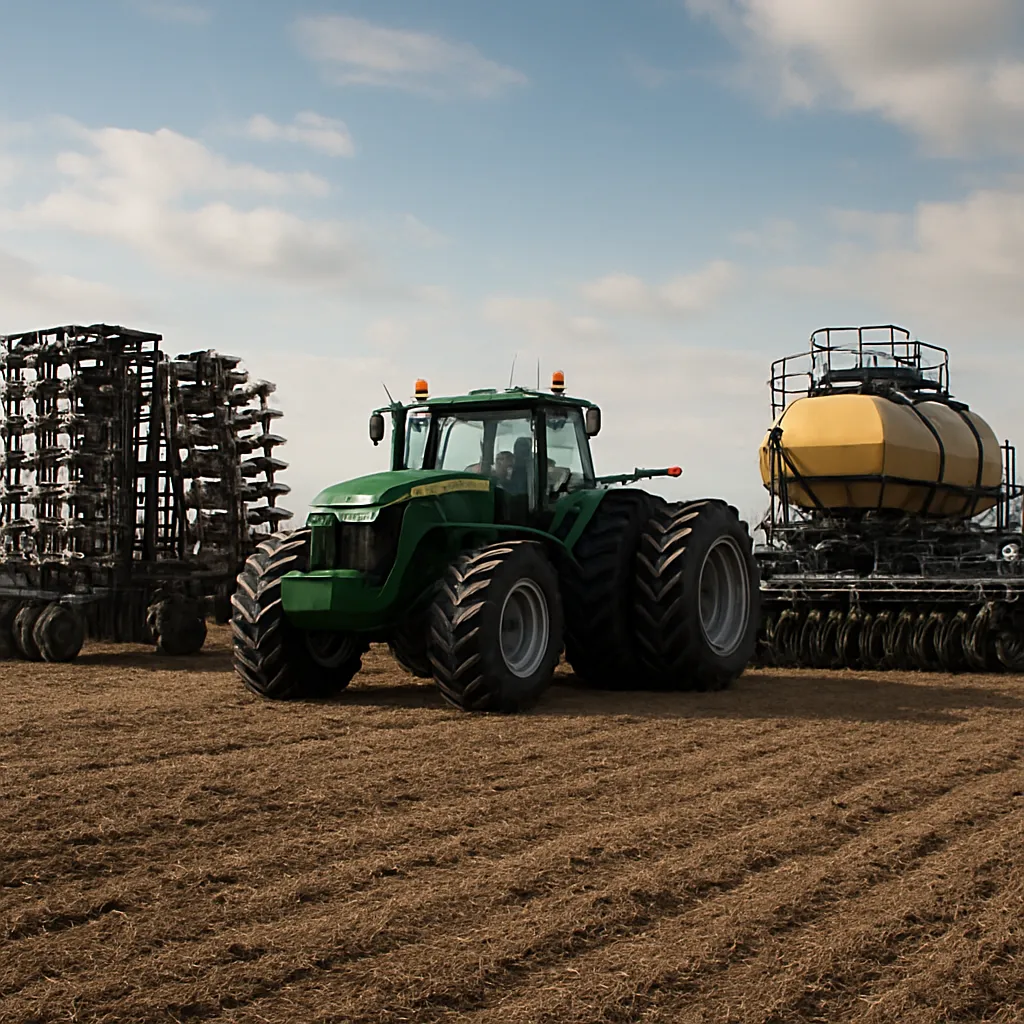
Big Bud tractors, while less focused on electronics, are prized for sheer versatility in large-scale, heavy-duty roles. Their robust three-point hitches and drawbars handle massive plows and deep cultivators, making them indispensable for deep rip operations and land leveling on expansive acreage.
Comfort, Cab Design, and Operator Experience
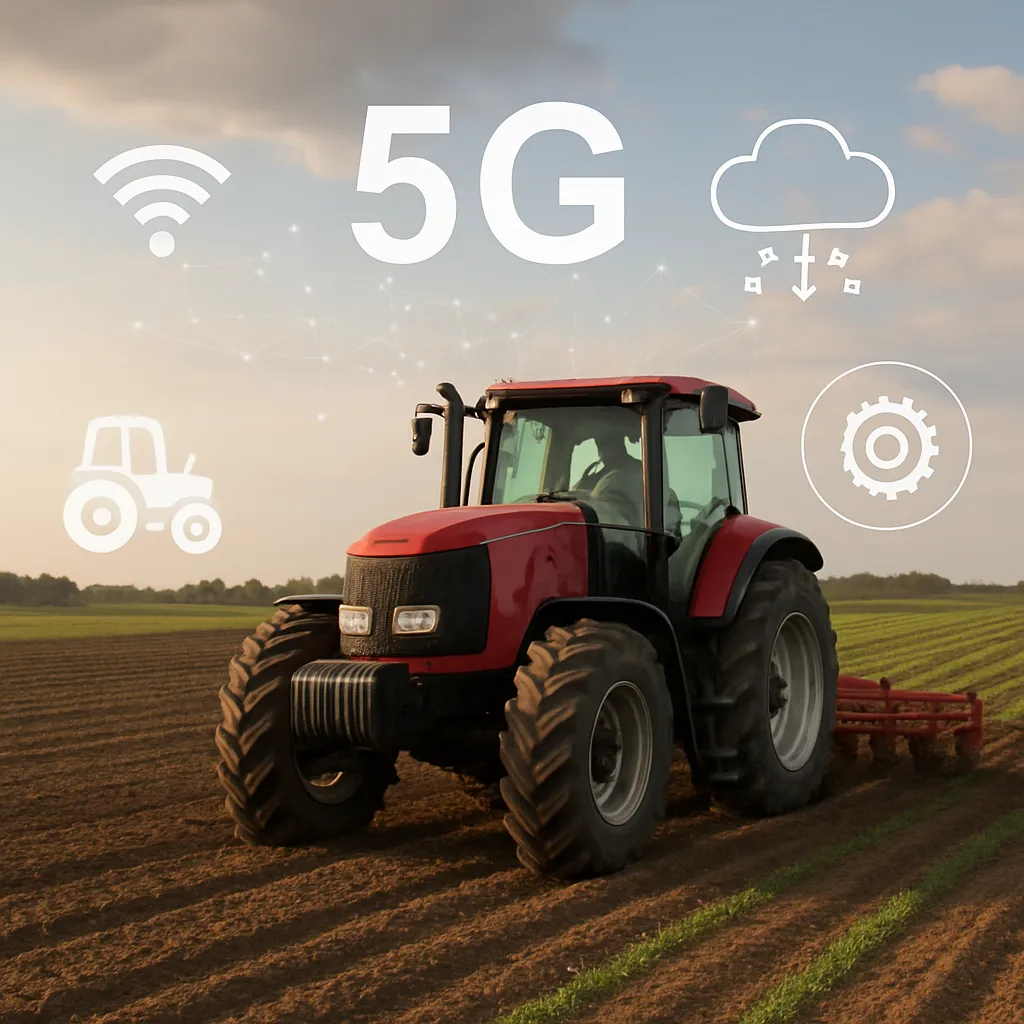
Long hours in the field necessitate a cab environment that prioritizes comfort and ergonomic controls. Case IH has invested heavily in operator-centric design, offering climate-controlled cabins with adjustable seating, intuitive touchscreens, and customizable control layouts. Integrated telematics and wireless connectivity allow managers to monitor machine performance remotely, improving decision-making and reducing downtime.
Advanced Guidance Systems
Case IH’s AFS (Advanced Farming Systems) suite provides end-to-end solutions, from mapping to automated steering. These systems reduce operator fatigue and improve accuracy in implement placement, critical for tasks such as row-crop planting and precision spraying. The ability to overlay multiple data layers enhances field insights, enabling targeted interventions that maximize yield.
Big Bud’s Spartan Comfort Approach
While less technologically complex, Big Bud cabs offer panoramic visibility and rugged simplicity. Large windows, basic HVAC systems, and easy-to-reach mechanical controls ensure reliability in harsh environments. Operators who prefer analog feedback and minimal electronic interfaces often gravitate toward Big Bud for its proven, straightforward design.
After-Sales Support, Maintenance, and Resale Value
Investing in a high-horsepower tractor is only part of the equation; ongoing support and resale prospects also factor heavily into purchasing decisions. Case IH boasts a global dealer network that provides scheduled maintenance, genuine parts availability, and software updates for precision farming modules. Their warranty programs cover critical components such as the engine, transmission, and hydraulic system, giving farmers peace of mind during peak seasons.
- Dealer Network: Rapid response and onsite service reduce downtime during critical planting and harvesting windows.
- Warranty Coverage: Standard and extended warranties protect major components and electronic systems, mitigating repair costs.
- Resale Value: Case IH tractors hold value well, thanks to brand reputation, widespread parts availability, and retained technological relevance.
Big Bud owners, though fewer in number, benefit from specialized service technicians and a dedicated community of heavy-duty equipment enthusiasts. Parts may take longer to source, but many components are overbuilt, reducing the frequency of replacements. Resale of Big Bud machines often occurs within niche markets where their unparalleled horsepower is in constant demand.
Economic Considerations and Return on Investment
The decision between Big Bud and Case IH ultimately boils down to a cost-benefit analysis. Farmers assess initial acquisition costs, expected maintenance expenses, fuel consumption, and projected increases in field efficiency. Smaller operations might prefer Case IH’s scalable offerings, which allow incremental investment in high-tech features as budgets permit. Large-scale producers aiming for maximum throughput often find Big Bud’s colossal power and straightforward engineering to be the most reliable choice for heavy tillage and land leveling.
Financing and Incentives
Case IH frequently partners with financial institutions to offer flexible leasing, deferred payment plans, and seasonal finance options. Government rebates and sustainability grants may further offset the cost of precision farming technologies. Big Bud purchases, while less frequently financed through mainstream channels, can be negotiated with specialized lenders catering to large equipment acquisitions.