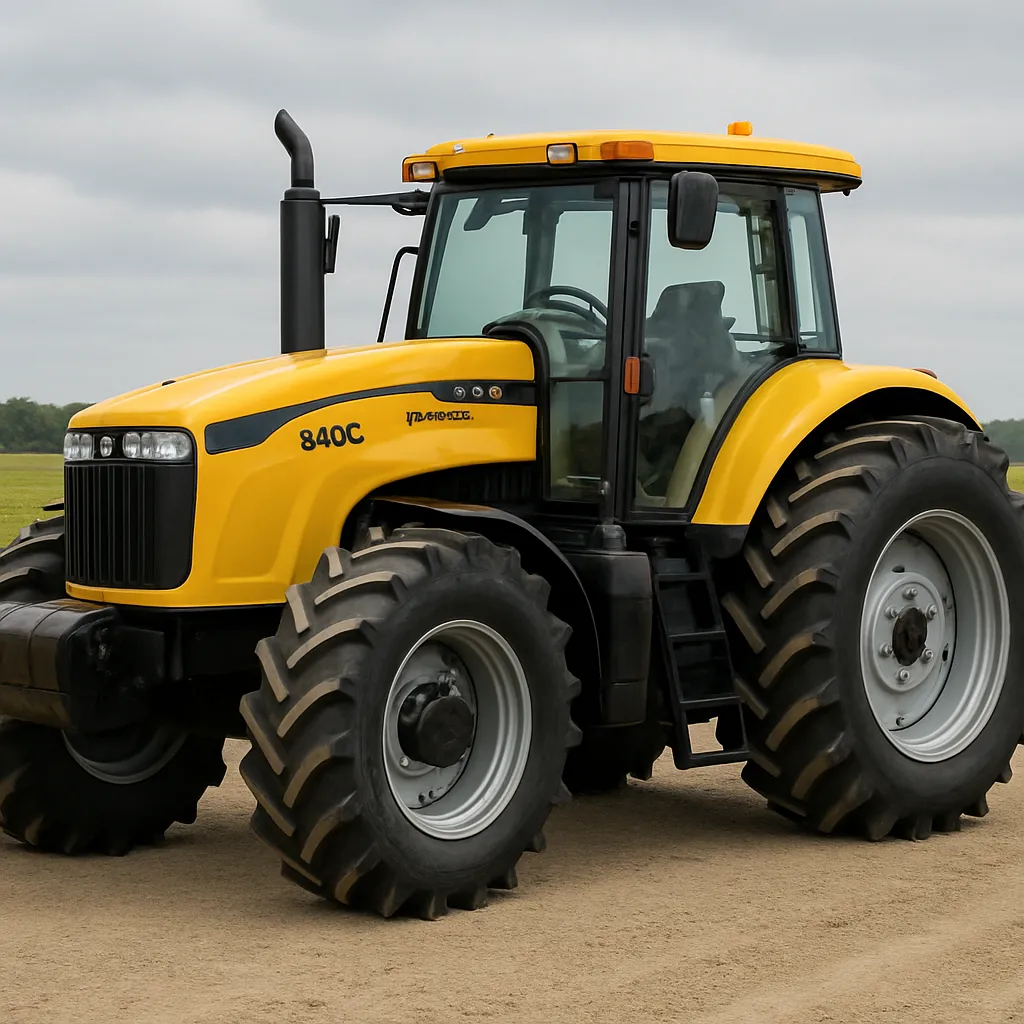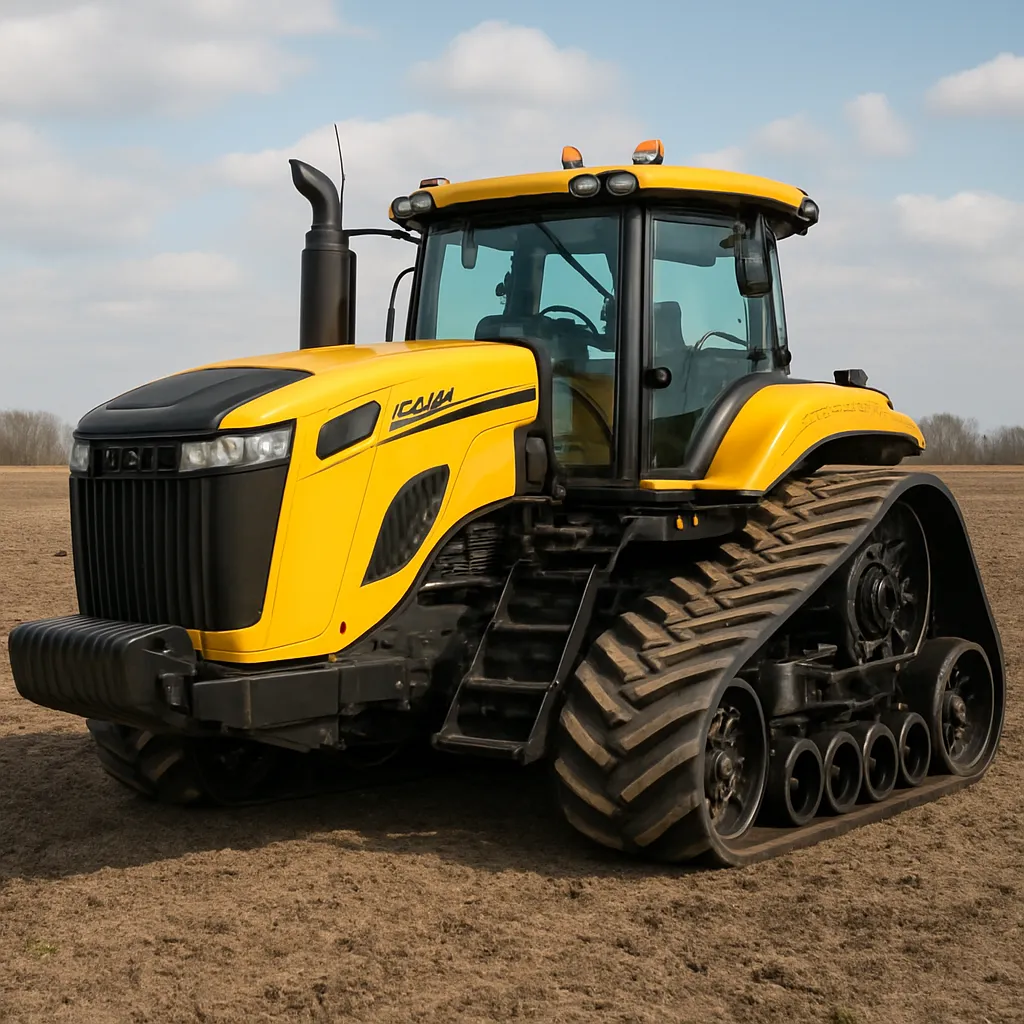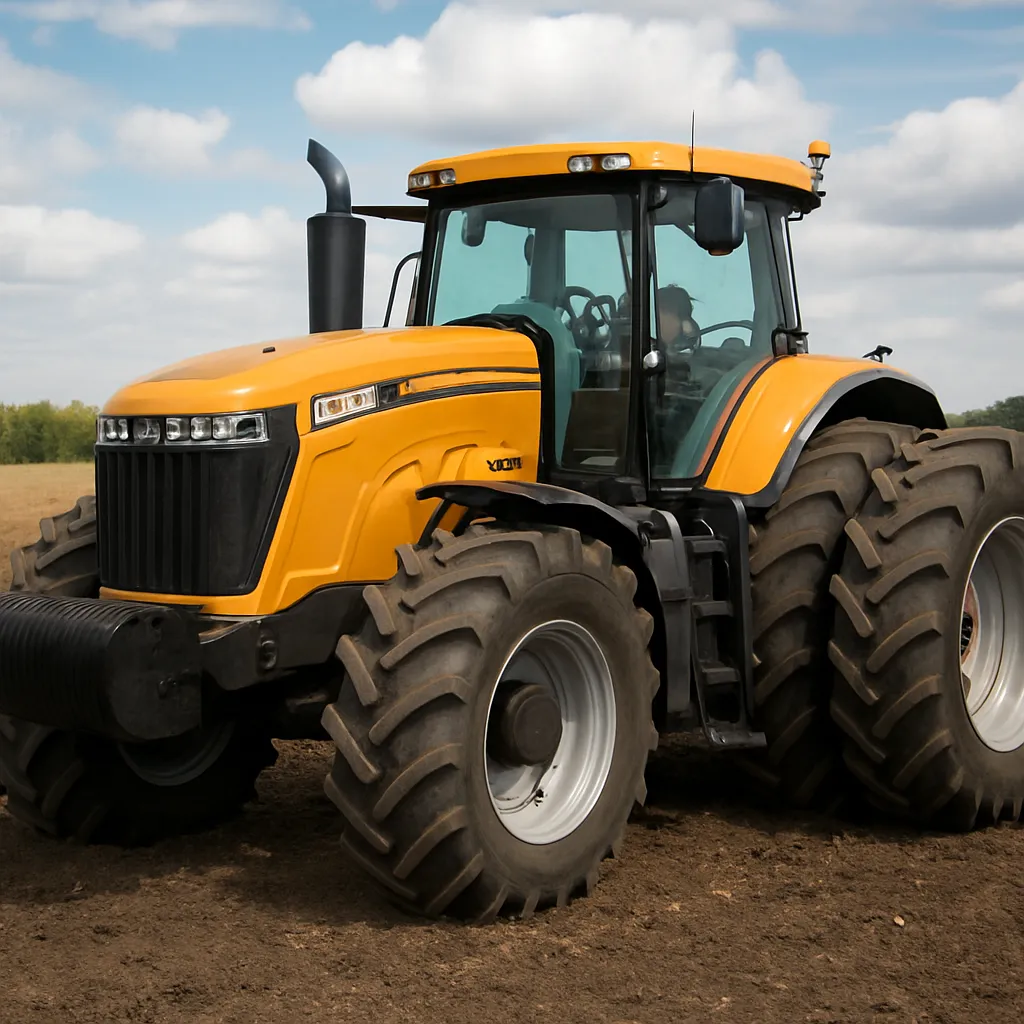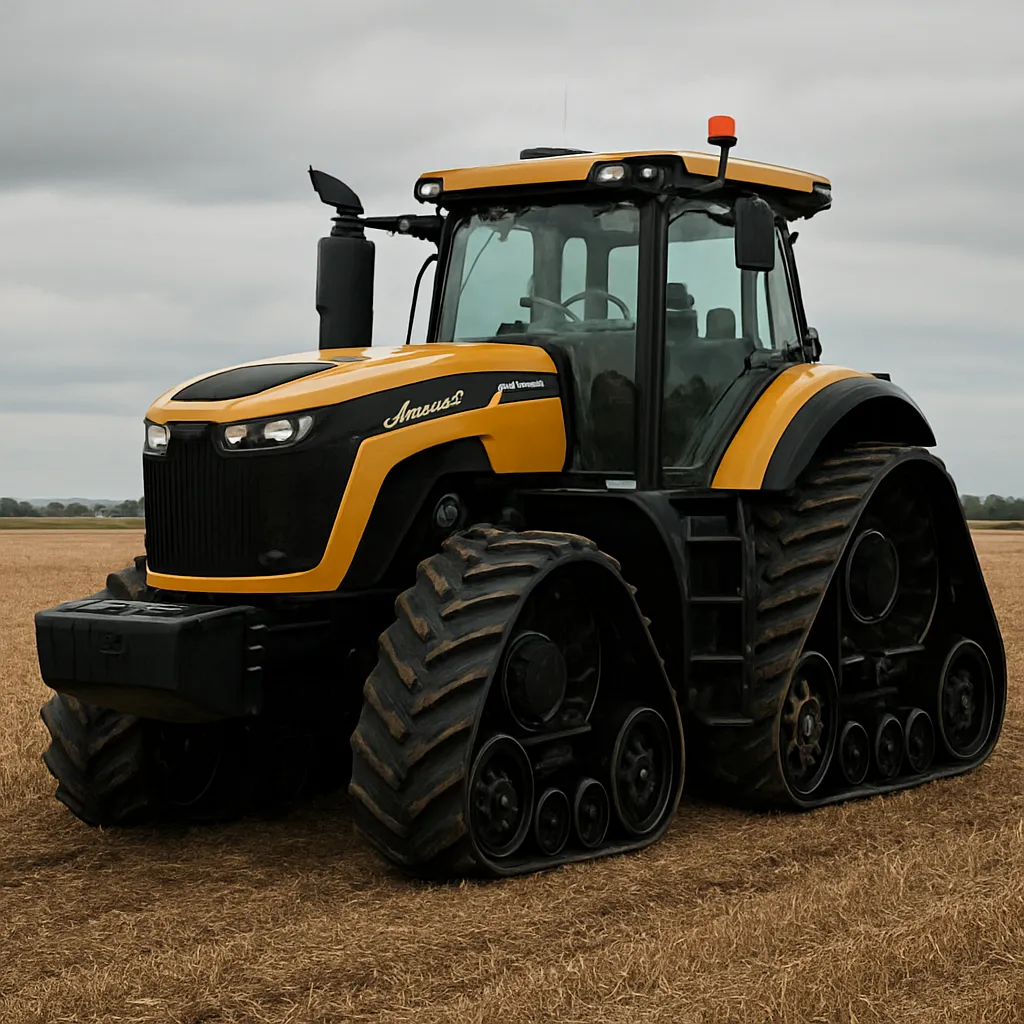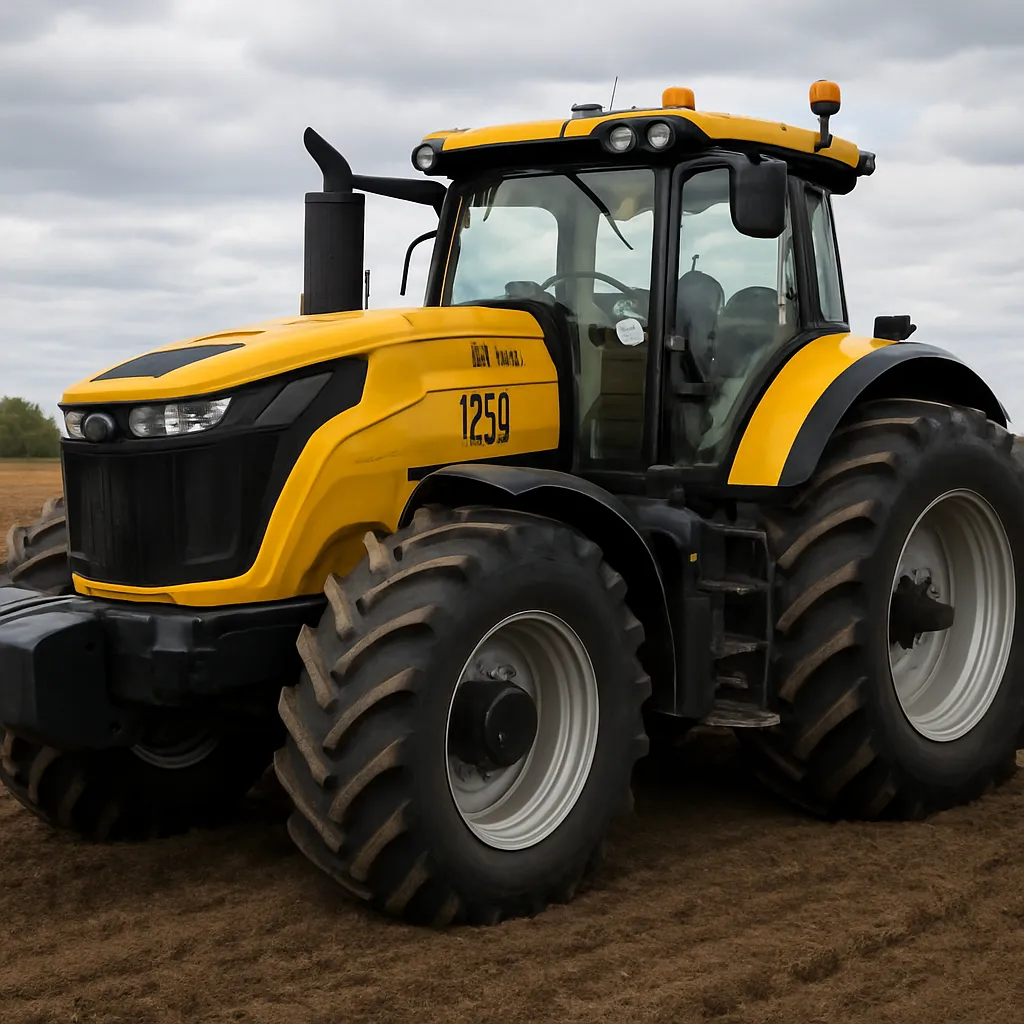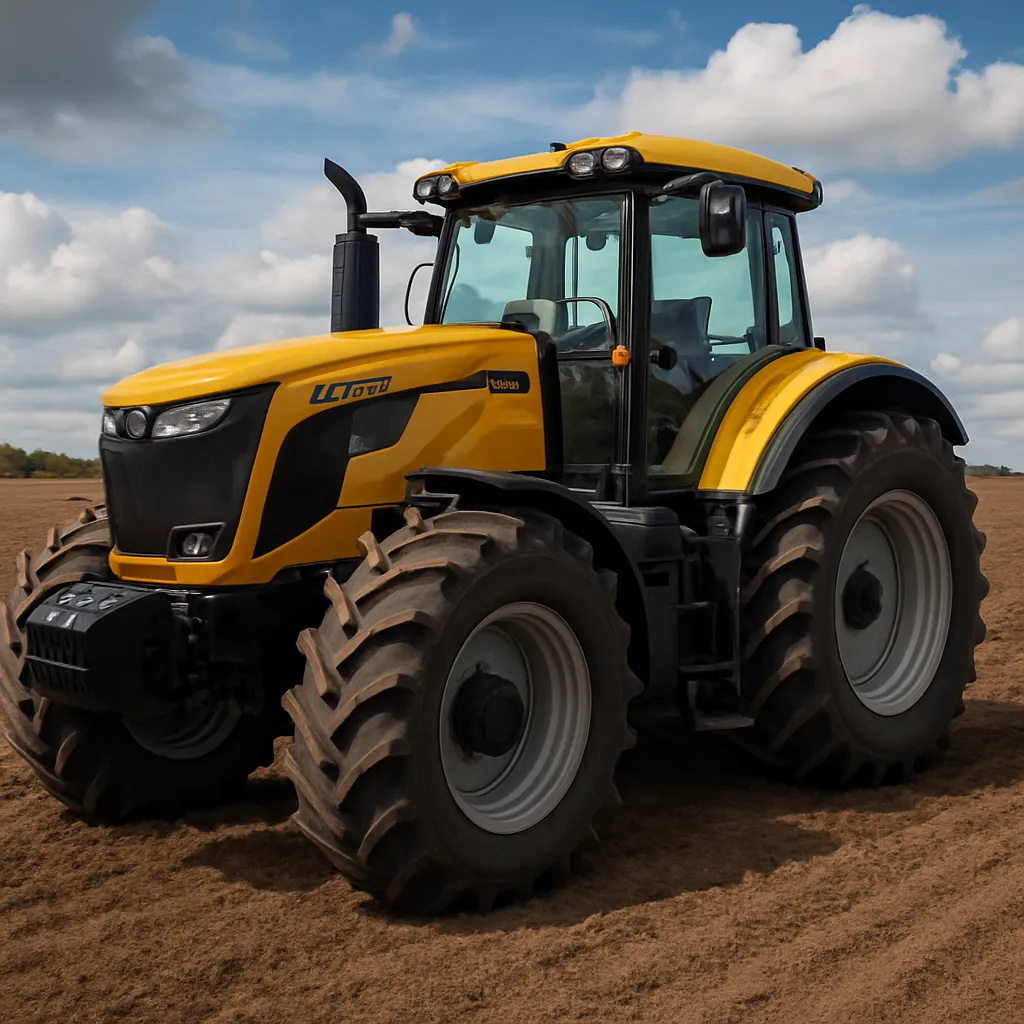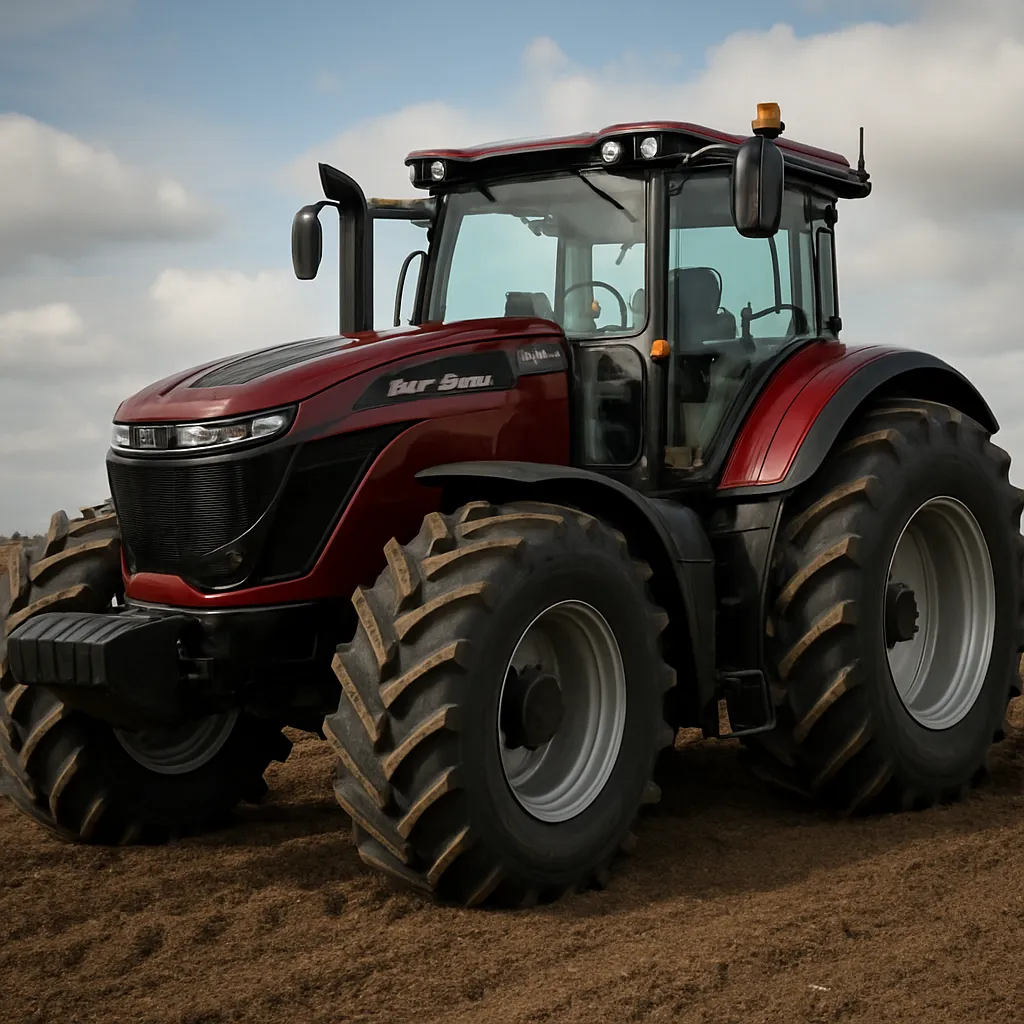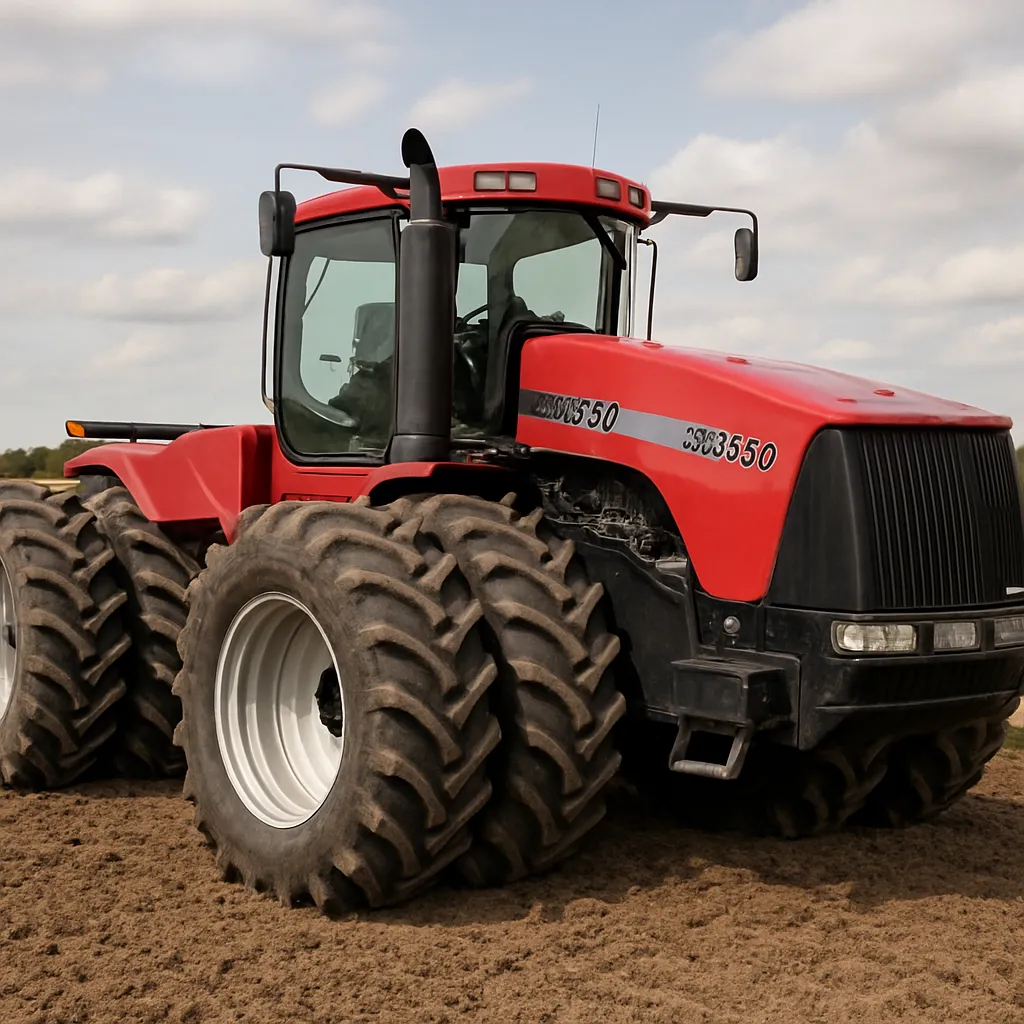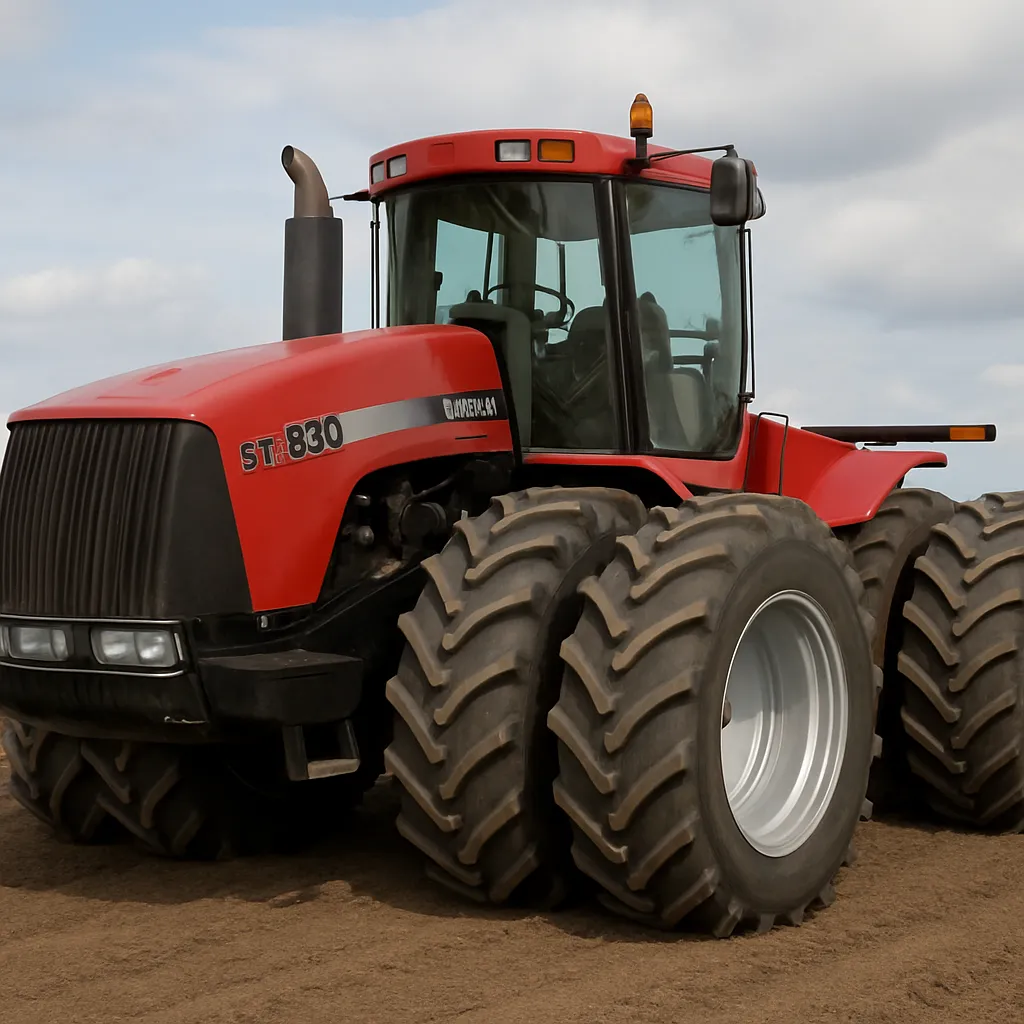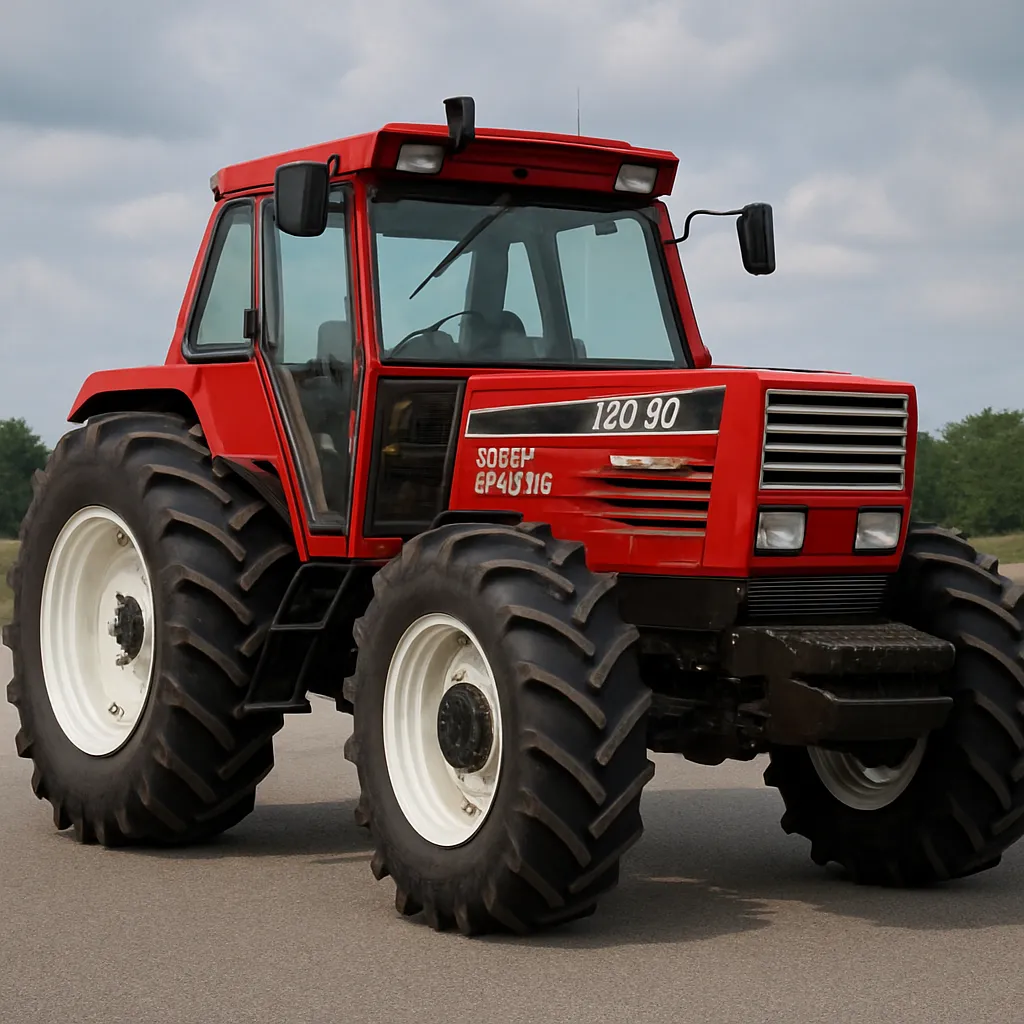
The Fiat 180-90 Racing Proto is a distinctive example of how an agricultural workhorse can be adapted into a high-performance, competition-ready machine. Built originally on the platform of a heavy-duty agricultural tractor, this variant represents the convergence of rural engineering and motorsport creativity. In this article we examine the origins, technical aspects, practical applications, and the cultural significance of the Fiat 180-90 Racing Proto. We also review typical specifications and common modifications used when transforming a standard tractor into a racing proto used in events such as tractor pulling and prototype off-road competitions. Below you will find a detailed and practical look at what makes this machine noteworthy for both farmers and enthusiasts.
History and development background
The lineage of the platform that gave rise to the Fiat 180-90 stretches back to Fiatagri’s push in the 1970s and 1980s to produce heavy, reliable tractors for large-scale farming. Over time, owners and private teams sought to extract more performance from robust agricultural chassis, giving birth to numerous custom-built “proto” machines. The term Racing Proto refers to a prototype racing configuration derived from a stock tractor with extensive modifications for competitive use.
The transition from farm tool to competition vehicle often begins with a commercially available model like the Fiat 180-90. The original 180-90 platform was designed for heavy draught work, towing and high-power PTO tasks. Its strong block, durable drivetrain and sizeable chassis made it an ideal candidate for conversion. Teams and fabricators transformed these traits into assets for sports such as tractor pulling, hill-climb events, and specialized off-road trials. The Racing Proto iterations typically preserve the base frame and general silhouette while replacing or heavily modifying powertrain, cooling, safety, and suspension systems.
Design and engineering principles
Converting a heavy agricultural tractor into a tractor optimized for racing follows several engineering principles: maximize usable power, improve cooling and breathing, shift weight and balance for traction, and ensure driver safety at high loads and speeds. Designers of the Fiat 180-90 Racing Proto focus on reinforcing critical load paths and adapting components to repeated dynamic stresses that differ from slow agricultural work.
Chassis and structural changes
- Frame reinforcement: Welding gussets and cross-bracing to prevent flex and fatigue under lateral loads encountered in racing.
- Roll-over protection: Installation of certified roll cages and driver safety structures to meet event regulations.
- Weight distribution: Addition of ballast or repositioned components to achieve optimum traction and wheel lift control.
Powertrain and power upgrades
- Engine tuning: Upgraded turbochargers, modified fuel injection systems, and strengthened internals for higher output while retaining diesel reliability.
- Cooling systems: High-capacity radiators, oil coolers, and intercoolers to manage sustained high-load operation.
- Transmission and driveline: Reinforced gearboxes, high-capacity clutches, and heavy-duty driveshafts to withstand increased torque spikes.
Typical technical specifications and performance figures
Exact specifications vary because Racing Proto builds are often one-off conversions tailored to competition rules and the constructor’s goals. However, typical observable metrics for a Fiat 180-90 platform and commonly achieved figures after conversion are summarized below, presented as conservative or typical ranges rather than exact factory data.
- Power: the stock 180-90 agricultural variants are nominally associated with the 160–190 hp class; Racing Proto conversions often push produced power higher through forced induction and fuel system upgrades, commonly in the 220–500+ hp range depending on rules and presence of multiple turbocharging or alternative fuels.
- Torque: baseline torque figures for heavy tractors are normally high to start with; Racing Proto versions can yield very high torque numbers under boost—typical post-conversion torque can range from 900 to several thousand Nm in extreme pulling setups (measured at the flywheel or crank), with practical and safe operating values targeted by constructors.
- Engine displacement: The original blocks found in similar tractors are typically large-displacement diesels (often 5.9–7.5 L in comparable class tractors). Racing builds may use stroked or sleeved variants, or in some cases entirely different powerplants installed on the chassis.
- Transmission: Stock transmissions might be 12–16 forward gears with robust multi-plate clutches; Racing Proto modifications often include sequential gearboxes or reinforced synchromesh units and customized final drives.
- Top speed: As-built agricultural tractors are not optimized for high speed; typical road speeds for the base model are up to 30–40 km/h. Racing Proto tractors, when geared and balanced for speed events, can routinely exceed these figures; however, many competitions focus on pull distance or acceleration rather than top speed.
- Weight: Base machine curb weight commonly ranges 4,500–6,500 kg for heavy tractors; Racing Proto versions may add ballast and safety structures, bringing total competition weight typically between 5,000 and 7,500 kg, depending on class rules.
- Fuel capacity and consumption: Racing tractors use larger fuel flows and may carry dedicated race fuel cells. Consumption during an event can be extremely high—tens to hundreds of liters per hour under full-load competition conditions.
These figures are representative and should be treated as indicative averages rather than precise manufacturer specifications. Builders and teams frequently tune the machine to a specific class or event requirement.
Applications and use cases
Although derived from agricultural equipment, the Racing Proto version of the Fiat 180-90 serves specific niches. Its compelling combination of torque, weight, and modifiability makes it suitable for a range of specialized tasks.
Competitive motorsport
- Tractor pulling: This is the most common arena for heavily modified tractors. Machines are judged by the distance they can pull a weighted sled. Racing Proto configurations concentrate on maximum traction and transient torque delivery.
- Off-road prototype events: In events that permit modified agricultural platforms, the Racing Proto competes in hill climbs and farm-based speed trials where durability and raw power matter more than aerodynamic efficiency.
- Demonstration runs: Many teams convert tractors to Racing Proto spec for public exhibitions, fairs and motorsport festivals where spectacle and sound attract crowds.
Industrial and practical reuses
- Heavy haulage and logging: Reinforced drivetrains and high torque capabilities make converted platforms useful for niche heavy-haul tasks where short bursts of power and traction are required.
- Research and development: Universities, private firms and bespoke engineering shops use such modified tractors as testbeds for drivetrain components, alternative fuels, and thermal management systems.
Notable modifications and how they change behavior
The leap from a farm tractor to a competition-grade Racing Proto involves focused modifications that change handling, safety and performance characteristics. Key changes have predictable impacts.
- Forced induction upgrades: Larger turbos and higher fuel delivery raise peak power; they also increase thermal and mechanical stress requiring cooling and lubrication improvements.
- Clutch and gearbox reinforcement: A stronger clutch allows for higher torque transfer, but changes in engagement characteristics can make the tractor harder to modulate in agricultural tasks.
- Suspension and axle changes: Stiffer mounting and altered tire choices improve traction in pulling but may reduce comfort and crop-friendliness in field use.
- Electronic controls: Many conversions introduce ECU tuning, boost control, and telemetry systems which give precise control over engine performance and provide data for iterative improvements.
- Safety systems: Roll cages, harnesses, fire suppression and cut-off switches ensure compliance and protect the driver under competitive conditions.
Maintenance, parts availability and reliability
One advantage of basing a Racing Proto on a Fiat agricultural platform is the robust engineering designed for long-term heavy use. The base components are often over-engineered compared to similarly powered road vehicles, providing a solid starting point for racing conversions.
Maintenance considerations
- Regular inspection of chassis welds and stress points is essential due to repetitive high-load cycling in competition.
- High-flow filters, frequent oil changes, and monitoring of coolant and lubrication systems are critical to prevent failure under elevated power.
- Spares planning: Teams commonly keep spare turbos, injection systems, and driveline parts to minimize downtime at events.
Parts and sourcing
Original service parts for the base Fiat 180-90 tractor platform are generally available through agricultural suppliers and specialist dealerships in regions where Fiat-branded agricultural machines were sold. Racing-specific components (big turbos, custom gearboxes, reinforced axles) typically come from motorsport suppliers or are fabricated by experienced shops. This hybrid sourcing model — OEM for structural items and bespoke for high-performance parts — is a hallmark of Racing Proto builds.
Cultural interest and collector value
The Fiat 180-90 Racing Proto occupies a unique position between agricultural heritage and motorsport spectacle. Enthusiasts appreciate the machine for several reasons:
- Historical continuity: It retains the silhouette and many components of a classic agricultural tractor while showcasing dramatic performance upgrades.
- Custom craftsmanship: Each Racing Proto often represents a bespoke project with visible hand-crafted modifications, making every example unique.
- Event appeal: The sheer sound, smoke and torque delivery of a diesel Racing Proto make it a crowd favorite at agricultural shows and pulling events.
Collectors and museums that focus on industrial and agricultural history sometimes acquire Racing Proto examples to illustrate the crossover between farm machinery and motorsport innovation. Properly restored and documented machines can command interest from both tractor collectors and motorsport aficionados.
Safety, regulations and ethical considerations
Running a Racing Proto in competition or exhibition requires attention to safety regulations and environmental responsibilities. Event organizers typically require roll cages, harnesses, approved fuel systems, and fire suppression. Sound and emissions regulations may limit the types of fuel and exhaust configurations allowed in certain venues.
- Driver protection: Modern race harnesses, helmets, and head-and-neck restraint systems are often mandated.
- Track safety: Wheelie bars, rear guards and controlled ballast help prevent dangerous rebounds or airborne behavior.
- Environmental considerations: Use of approved fuels and use of containment systems for lubricants reduces environmental impact during events.
Comparisons with other competition tractors
When compared with other tractors modified for competition, the Fiat 180-90 Racing Proto is known for its sturdy platform and adaptability. Some traits that distinguish it include the availability of a heavy-duty factory chassis, a willingness among builders to graft high-output diesel engines, and a balance of weight that often favors traction-critical disciplines like pulling.
- Versus purpose-built pulling tractors: Purpose-built machines may achieve higher peak figures, but the Fiat-based Proto is often praised for its reliability over a season and easier maintenance.
- Versus lighter prototype tractors: Heavier platforms like the 180-90 offer superior traction and momentum but can be less nimble and have higher wear on driveline components when driven aggressively.
Statistics, records and notable examples
Due to the custom nature of Racing Proto builds, records and performance statistics are typically tied to individual machines or teams rather than a factory-produced Fiat 180-90 Racing Proto catalog. Nevertheless, anecdotal and event-level statistics reveal consistent themes:
- Event performance: Many Racing Proto machines based on the 180-90 chassis achieve winning distances in local and regional pull events because of excellent traction and tuned torque delivery.
- Reliability rates: Teams report that standard agricultural components—when reinforced—tolerate season-long competition with consistent preventive maintenance.
- Fuel and consumption: High-power pulls can consume dozens of liters of fuel in a single pull, with total event consumption per machine often measured in the hundreds of liters depending on number of runs and testing sessions.
Specific measurable specs for a particular Racing Proto are best obtained from the owning team or event organizers, and interested buyers or competitors should request dyno charts, torque curves, and documented maintenance histories before making procurement or strategic decisions.
Buying, restoring and building a Fiat 180-90 Racing Proto
For individuals interested in acquiring or building a Racing Proto based on the Fiat 180-90, there are several paths:
- Purchase a used Fiat 180-90 agricultural tractor and commission or perform a conversion. This path allows customization but requires significant technical competence or access to a fabrication team.
- Buy an existing Racing Proto from a private team or estate sale. This offers immediate competitive capability but may require rule-specific modifications and thorough inspection.
- Collaborate with specialist builders: Several motorsport fabricators and agricultural engineering firms offer turnkey conversion packages or bespoke builds tailored to class rules.
Restoration of an older Racing Proto often involves balancing authenticity with safety upgrades. Restorers typically replace worn structural members, refresh the powertrain with newer components where appropriate, and update safety features to modern standards.
Conclusion
The Fiat 180-90 Racing Proto exemplifies the creative reuse of durable agricultural engineering in the pursuit of raw motorsport performance. It is a machine that bridges two worlds: the pragmatic reliability demanded by farms and the spectacle-driven innovation of competitive motorsport. Whether used in tractor pulling, off-road prototype trials, or as a dramatic showpiece, the Racing Proto offers a compelling narrative about adaptation, engineering, and the passion of builders who turn workhorses into racing icons. For anyone interested in the intersection of agriculture and motorsport, the Fiat 180-90 Racing Proto remains a particularly interesting case study in how function can be refitted into spectacle while preserving the underlying strengths of the original design.