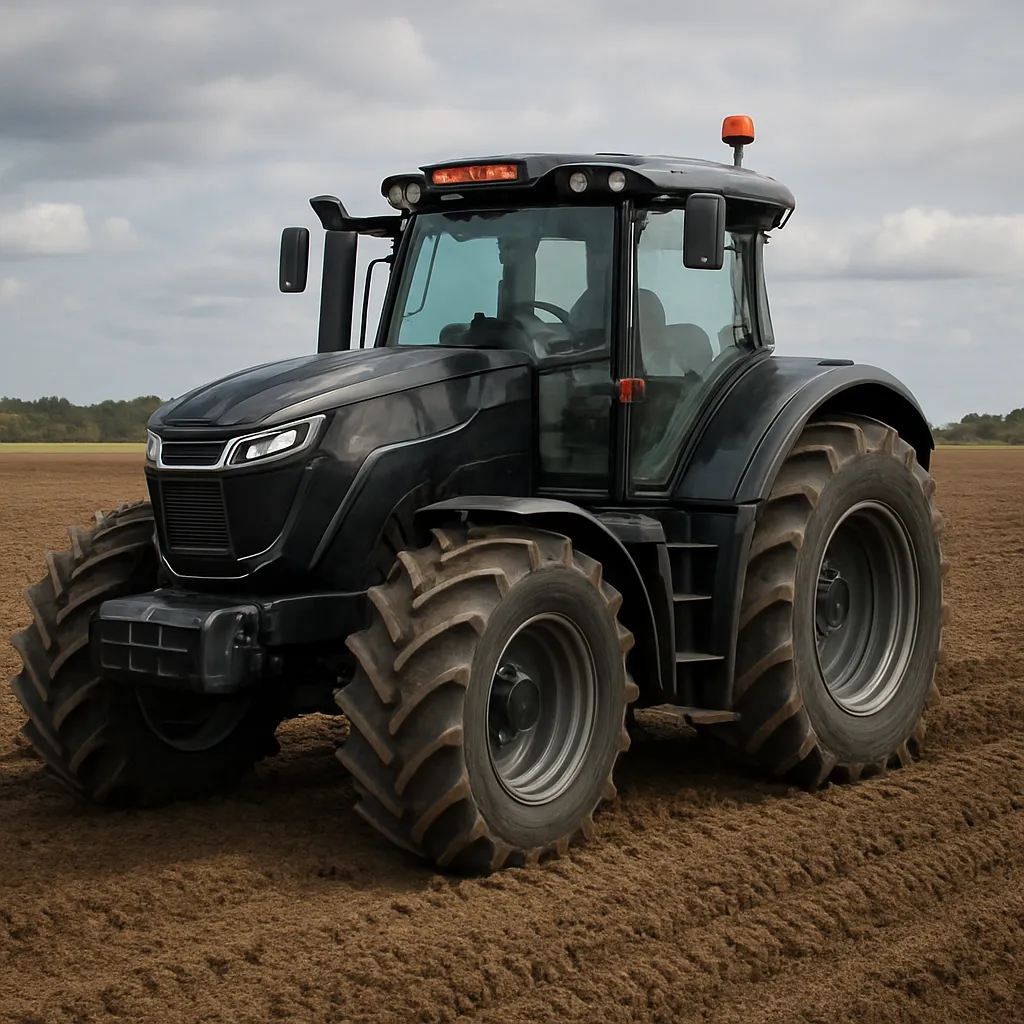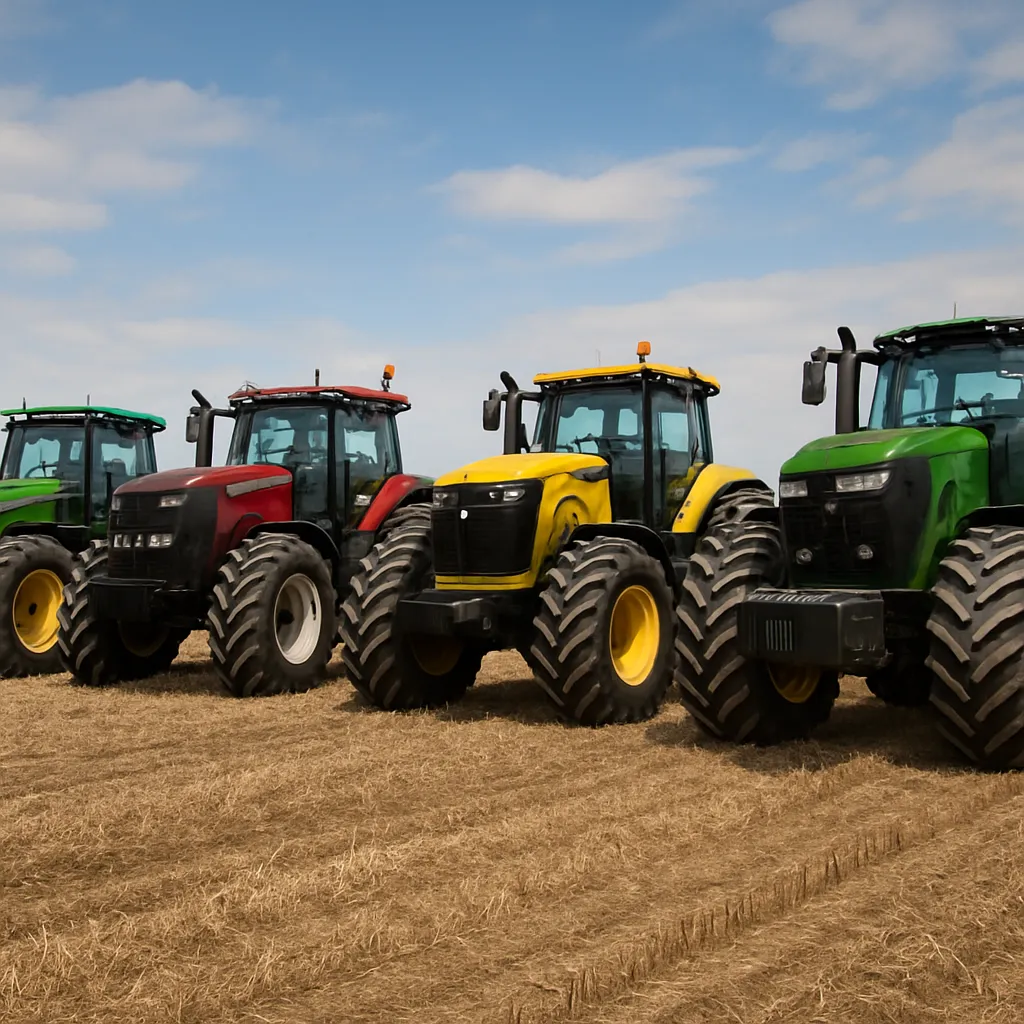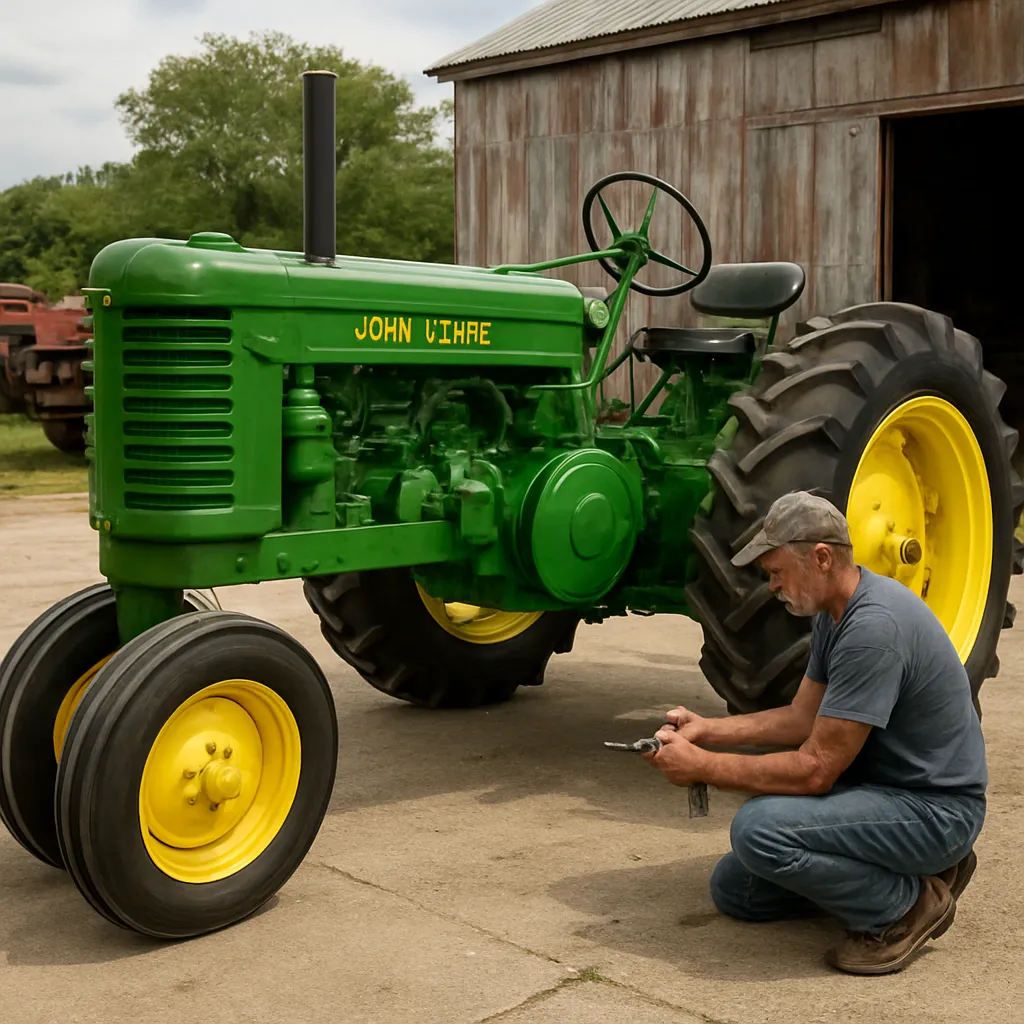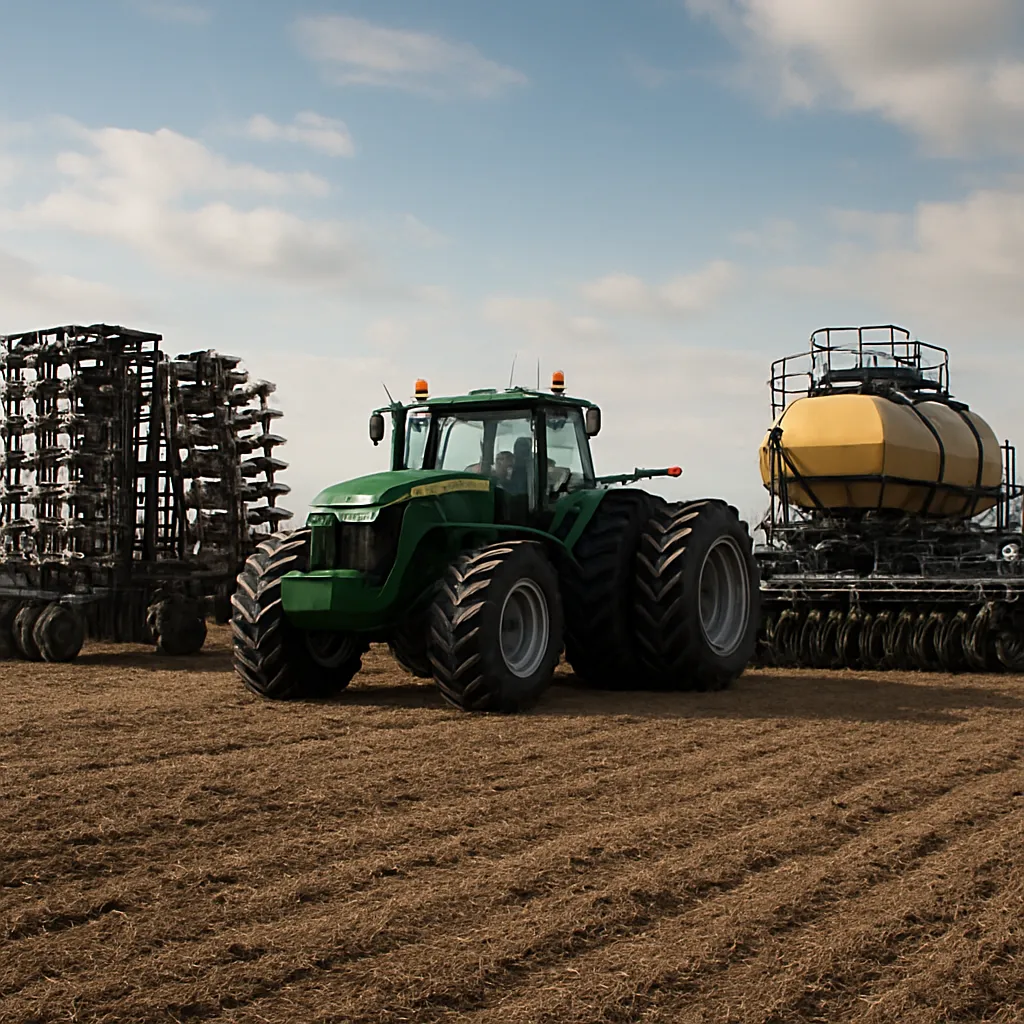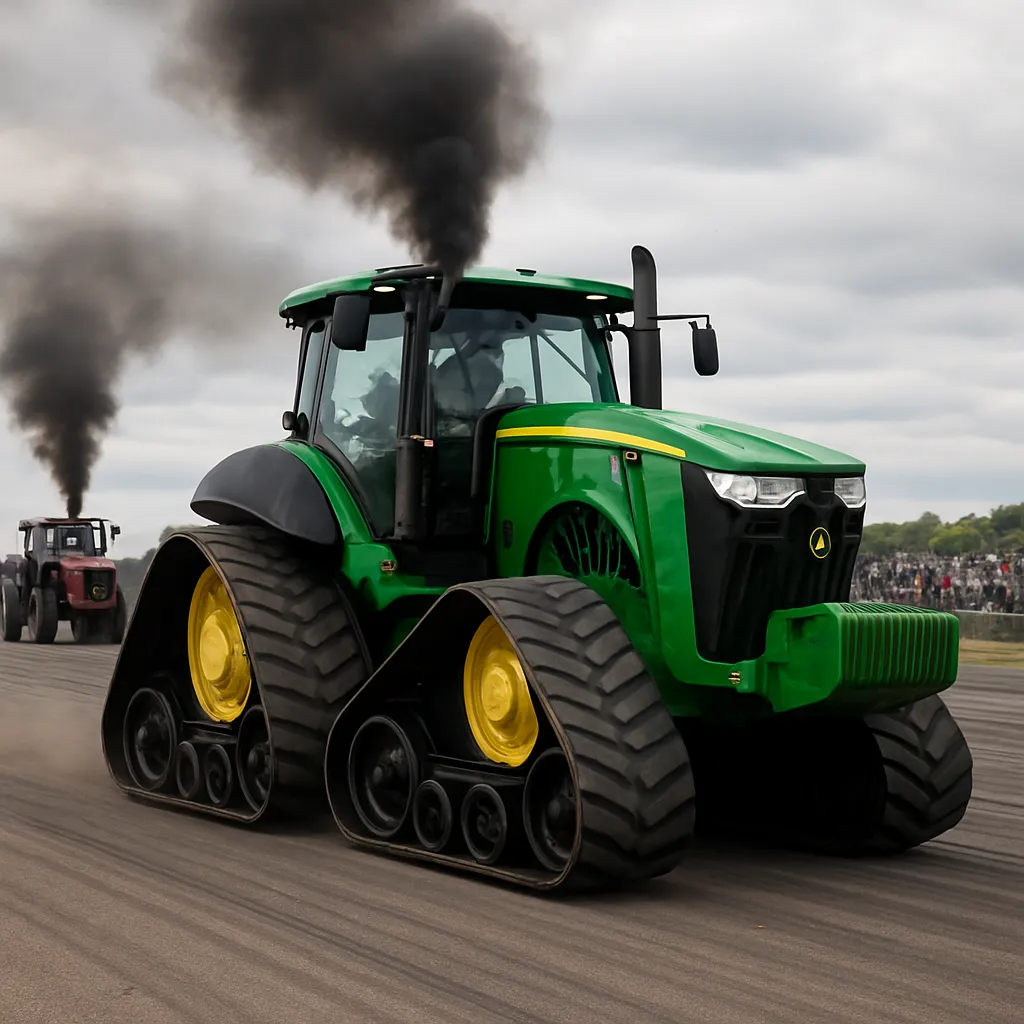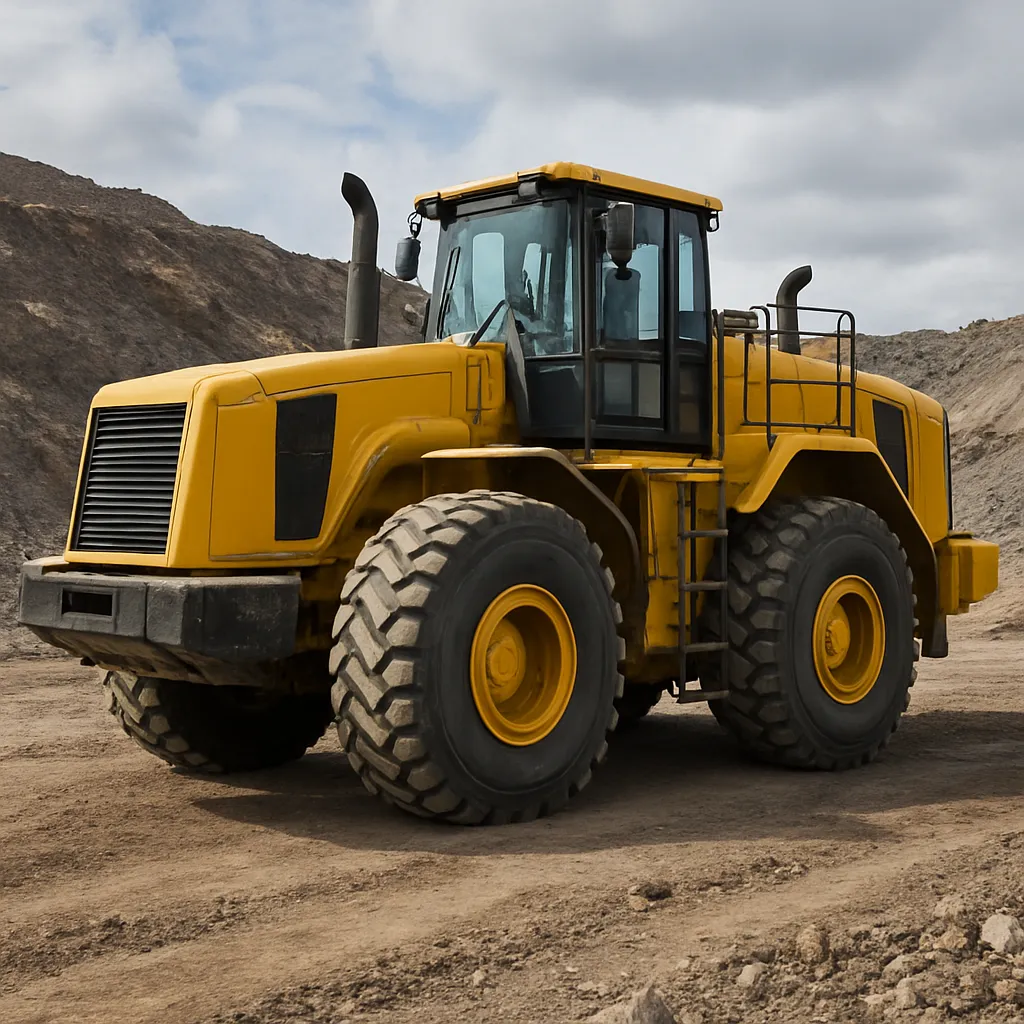
The evolution of heavy-duty tractors has redefined the possibilities of excavation and material handling in the mining and industrial sectors. From quarries carved into rocky landscapes to open-pit mines spanning kilometers, these mechanical giants deliver unmatched performance and robustness. Engineers and operators continually seek ways to optimize power, control, and safety, driving innovations that shape the future of large-scale earthmoving.
Design and Engineering Innovations
Modern mining tractors are the result of decades of research into chassis dynamics, powertrain efficiency, and operator comfort. Each component is engineered to withstand extreme conditions, from subzero temperatures to scorching heat, while maintaining peak productivity.
- Engine Optimization: Advanced turbocharged diesel units deliver up to 4,000 horsepower, balancing raw output with fuel economy.
- Advanced Materials: High-strength alloys and wear-resistant steels enhance durability without compromising weight distribution.
- Hydraulic Systems: Redesigned pumps and actuators provide precise control over blade movement and steering under heavy loads.
- Operator Cab: Ergonomic layout, vibration isolation, and climate control minimize fatigue during long shifts.
- Modular Architecture: Simplified maintenance routines achieved through bolt-on components and centralized service points.
Beyond raw power, integration of advanced sensors and telematics systems enables real-time performance monitoring. Fleet managers can track engine hours, fuel burn rates, and predictive maintenance alerts from a central dashboard, reducing downtime and optimizing asset utilization.
Leading Models Shaping the Industry
Several manufacturers dominate the market with flagship models that push the envelope of capacity and control. Each tractor embodies unique strengths, addressing specific operational demands.
Caterpillar AD60 Underground Loader
- Engine Output: 340 kW
- Bucket Capacity: 10 m³
- Operational Weight: 56,000 kg
- Key Feature: Integrated traction control for steep inclines
This loader excels in narrow tunnels, combining reliability with improved energy recovery during downhill travel. Advanced nuclear-hardened components ensure uninterrupted performance in high-wear zones.
Komatsu 980E-4 Electric Drive Truck
- Engine Output: 4,000 hp equivalent
- Payload Capacity: 360 metric tons
- Gross Vehicle Weight: 580,000 kg
- Key Feature: AC electric drive for smooth torque delivery
The Komatsu 980E-4 stands out with its electric drive system, eliminating mechanical downsizing losses and delivering peak torque at low speeds. Regenerative braking returns energy to the system during downhill runs, enhancing overall efficiency.
Liebherr T 284 Ultra-Class Haul Truck
- Engine Output: 3,840 hp
- Payload Capacity: 363 metric tons
- Turning Radius: 12.4 m
- Key Feature: High-visibility operator station with panoramic glass
Designed for massive open-pit operations, the T 284 features a low center of gravity and reinforced frame, ensuring stability on uneven terrain. Automated tire-pressure monitoring extends wheel life, reducing unplanned stops.
Operational Efficiency and Sustainability
The push for greener operations has inspired manufacturers to integrate hybrid architectures and alternative fuels into their largest tractors. By focusing on emissions reduction and resource management, the industry aligns with global climate goals without sacrificing productivity.
- Hybrid Powertrains: Pair diesel engines with battery arrays to capture energy during braking and idle phases.
- Biofuel Compatibility: Engines tuned to run on HVO or biodiesel blends, reducing carbon footprint by up to 90%.
- Remote Diagnostics: Cloud-based analytics identify anomalies before they escalate into costly failures.
- Recyclable Components: Emphasis on circular design, from cabin plastics to hydraulic fluids.
- Eco-Mode Settings: Adjustable engine maps reduce fuel consumption during low-load tasks.
These advancements foster a new era where massive tractors contribute to sustainability goals. Operators report 15–20% fuel savings in hybrid models, while emission controls maintain compliance with stringent environmental regulations. The convergence of data analytics and machine learning further refines operations, enabling adaptive responses to changing conditions.
Challenges and Future Developments
Despite continuous progress, mining and industrial tractors face hurdles that demand creative solutions. Harsh environments, regulatory pressures, and evolving labor dynamics shape the roadmap for forthcoming innovations.
- Autonomy and autonomy Safety: Implementing Level 4 self-driving capabilities while ensuring fail-safe protocols under adverse conditions.
- Hydrogen Fuel Systems: Exploring high-pressure storage and fuel-cell integration for zero-emission haul trucks.
- Wearable Interfaces: Augmented-reality displays and haptic feedback suits to streamline operator training.
- Smart Tire Technology: Embedded sensors monitoring thermal hotspots and wear patterns in real time.
- Collaborative Robotics: Autonomous loaders paired with smart haul trucks for synchronized loading cycles.
To remain competitive, OEMs invest heavily in R&D, focusing on lightweight composite frames, next-generation power electronics, and enhanced remote connectivity. As sites become more automated, the human role shifts towards oversight and strategic decision-making, leveraging data dashboards to orchestrate entire fleets.
Integration of Advanced Control Systems
Digital transformation extends beyond hardware upgrades. Control systems integrate multi-layered safety and performance features, leveraging AI-driven algorithms for predictive adjustments.
- Adaptive Cruise Control: Maintains optimal distance between vehicles on haul roads, reducing collision risk.
- Terrain-Adaptive Suspension: Automatically tunes shock absorbers based on ground conditions.
- Load-Sensing Hydraulics: Distributes power dynamically to maintain consistent blade speed under variable resistance.
- Real-Time Simulation: Virtual testing environments replicate potential scenarios, refining control logic before deployment.
- IoT Mesh Networks: Ensures uninterrupted communication in remote locations, linking tractors to centralized command centers.
These integrated systems unlock new levels of efficiency, enabling tractors to self-optimize for changing workloads and environmental factors. In essence, the tractor becomes a smart partner rather than a mere tool, continually learning and adapting to maximize uptime.
Customization and Aftermarket Support
Every mining operation has unique topography, material properties, and logistical demands. As a result, customization options and robust aftermarket ecosystems are crucial for sustaining long-term productivity.
- Customized Attachments: Specialized buckets, rippers, and winches tailored for specific rock types and load densities.
- Onsite Refurbishment: Mobile workshops capable of overhauling major components without transporting massive units offsite.
- Spare Parts Logistics: Rapid-response supply chains minimize wait times for critical replacements, such as hydraulic cylinders and track segments.
- Training Programs: Remote learning platforms and simulation labs for operators and maintenance teams.
- Performance Audits: Quarterly consultations to assess utilization metrics and recommend upgrades.
Partnerships between OEMs and mining firms ensure that each tractor evolves with operational needs. Continuous feedback loops enable iterative improvements, optimizing both reliability and return on investment.