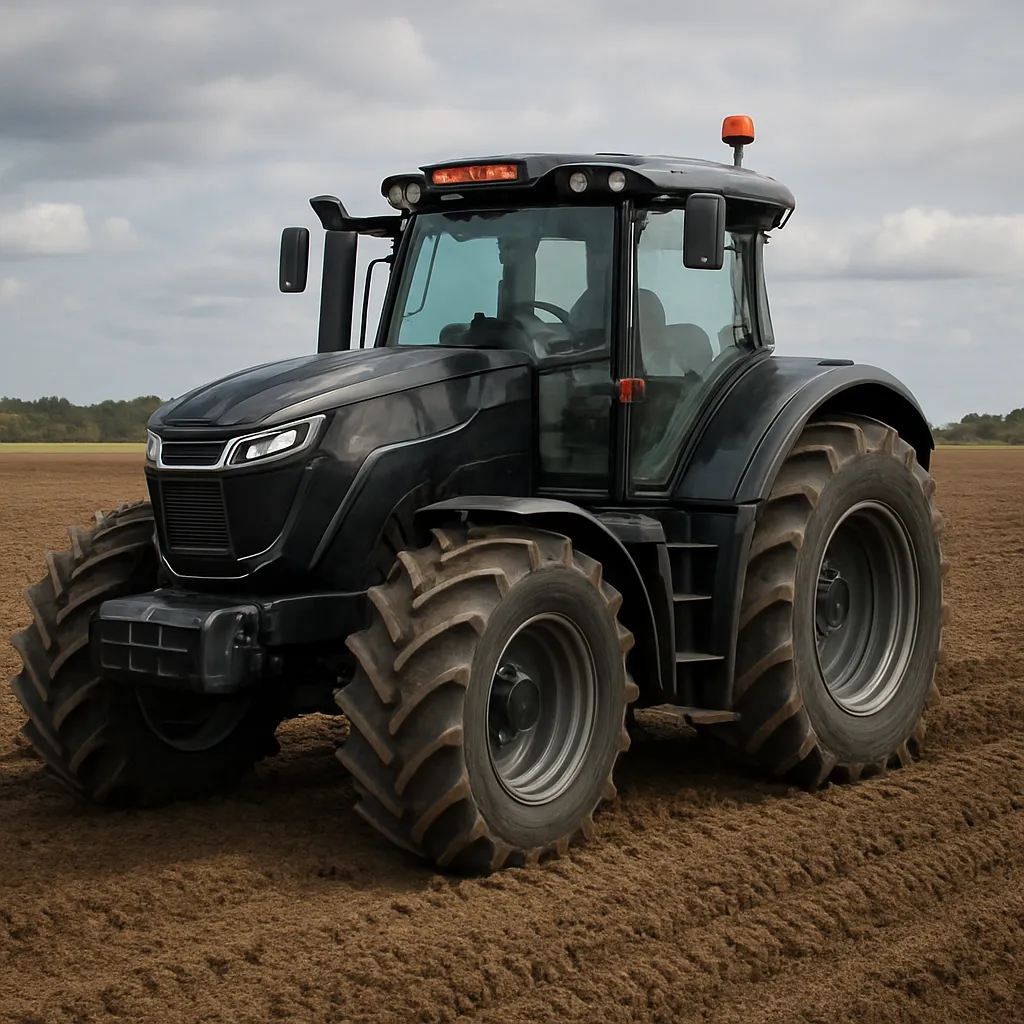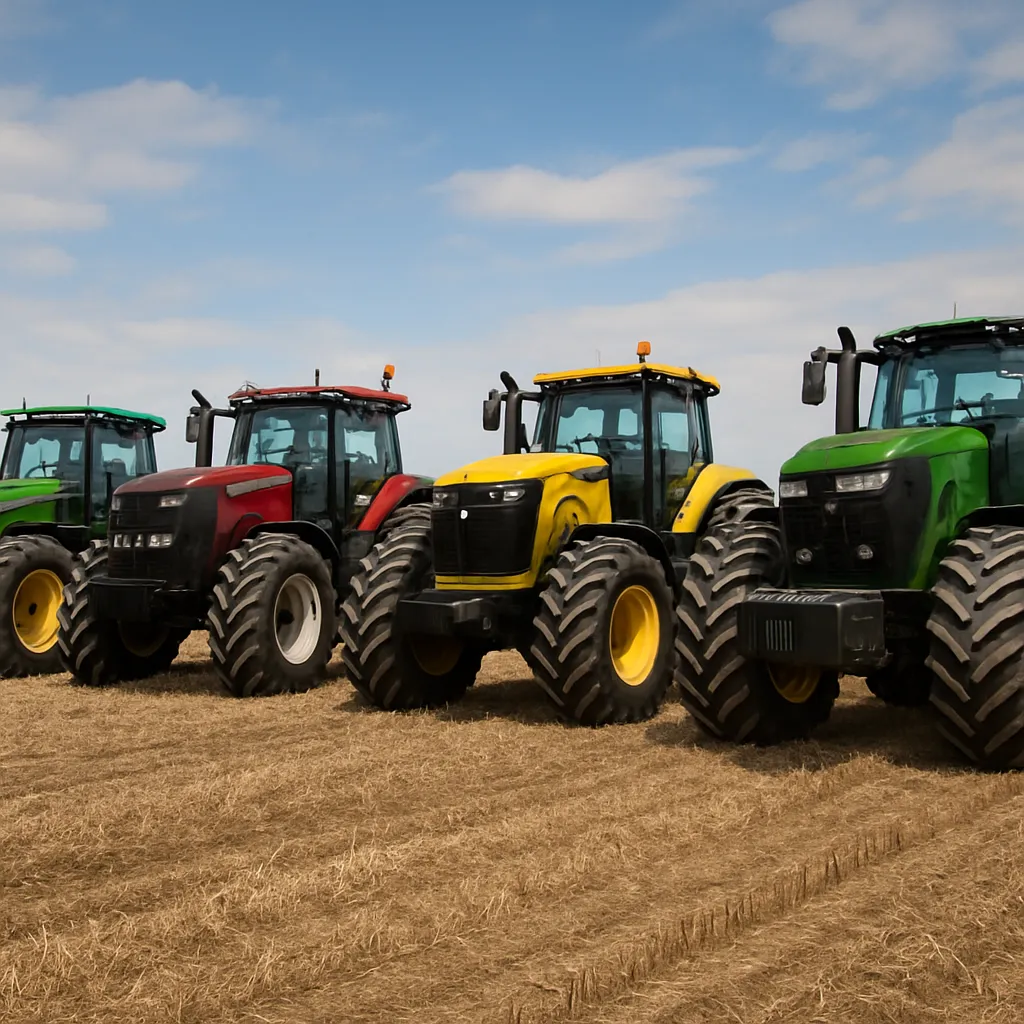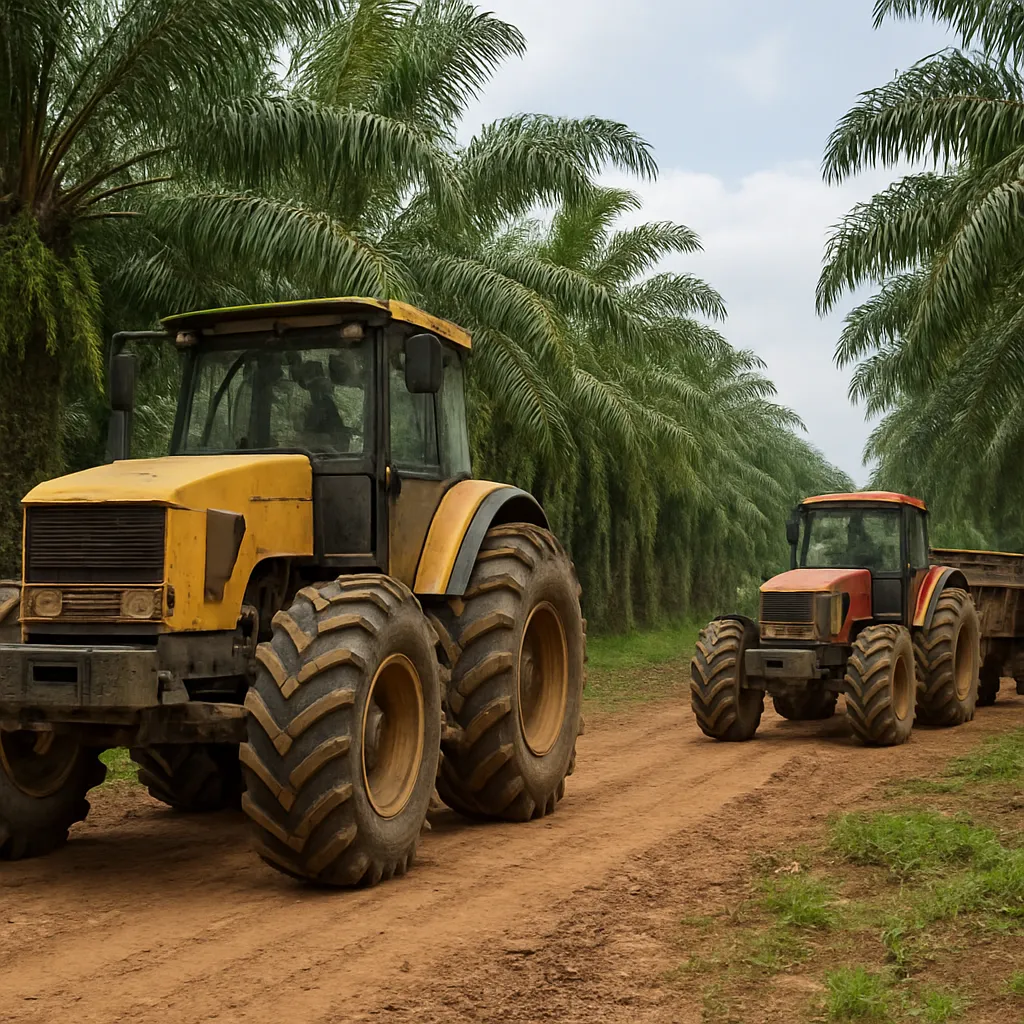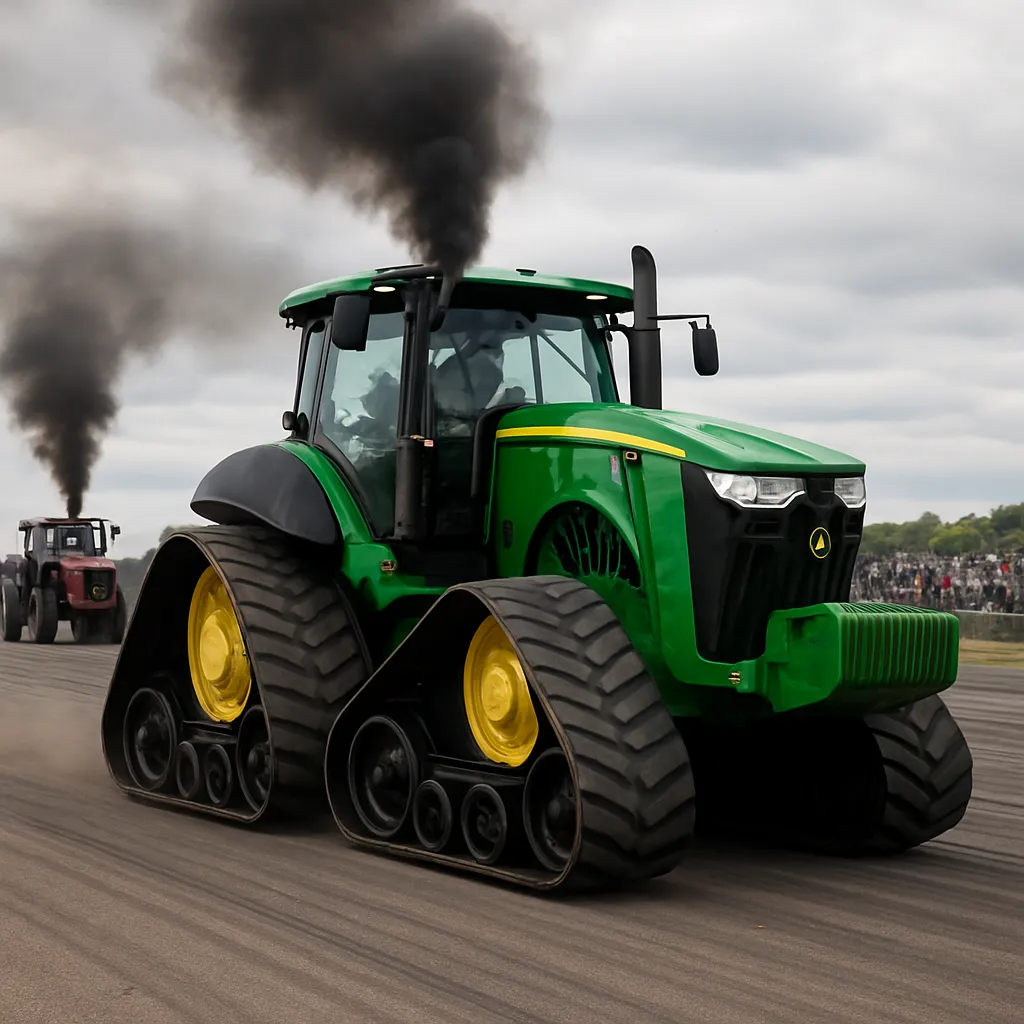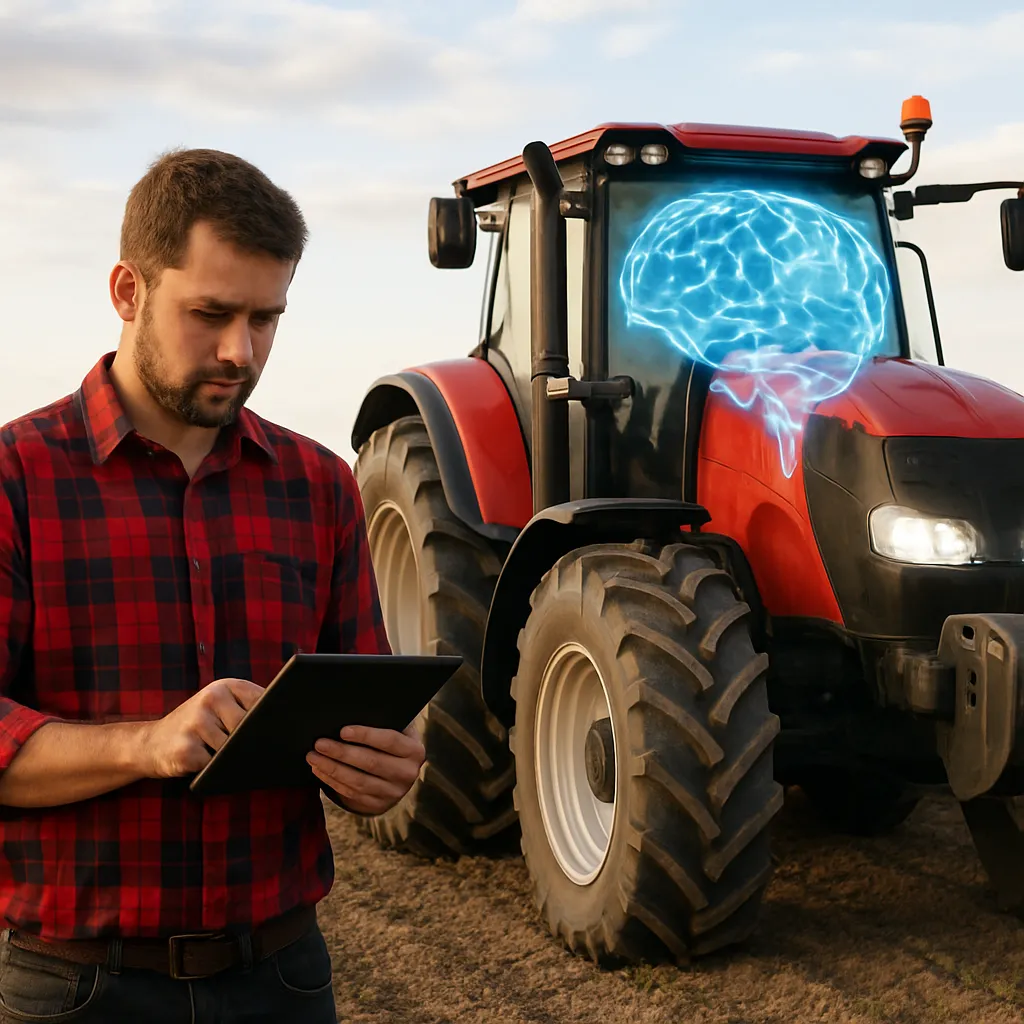
Modern agriculture has witnessed a dramatic shift as manufacturers push the boundaries of tractor size and capability. The emergence of the world’s largest farming machines offers a glimpse into how AI technologies are transforming raw power into intelligent operations. Alongside unprecedented scale, these tractors integrate sophisticated systems to optimize performance, reduce waste, and drive farm productivity to new heights.
AI-Driven Power and Size Scaling
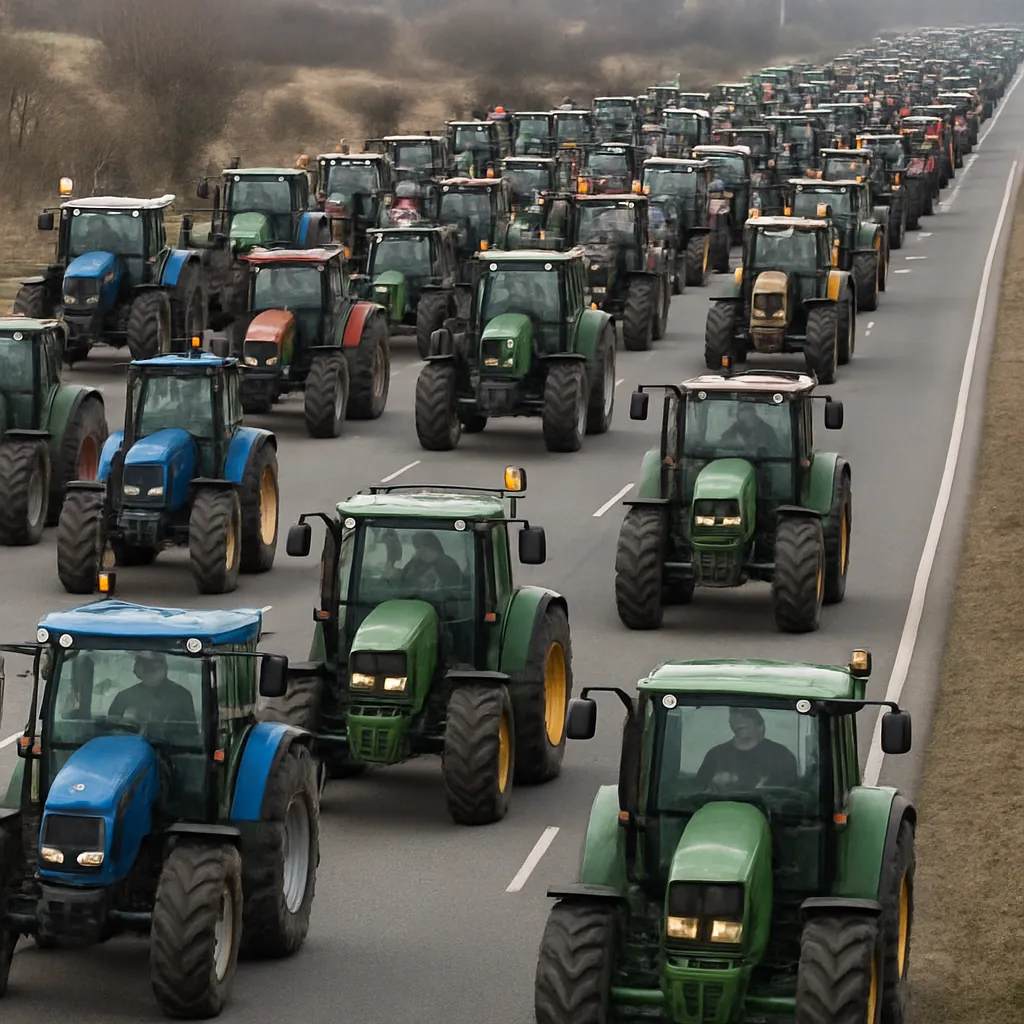
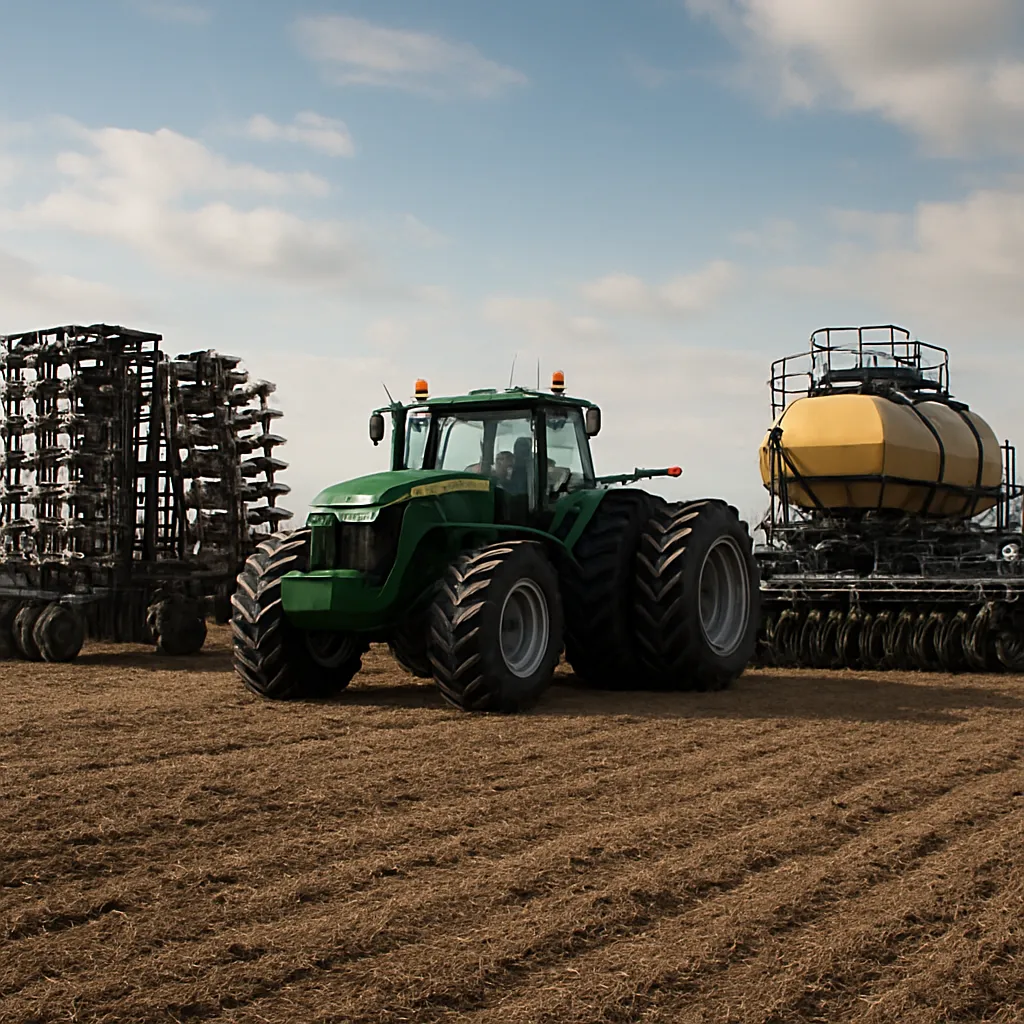
The trend toward ever-larger tractors has accelerated in recent years, yielding colossal machines often referred to by enthusiasts as “mega-tractors.” These behemoths deliver thousands of horsepower and span widths that dwarf smaller equipment. However, sheer size alone is no longer the primary selling point. Manufacturers now embed predictive models and adaptive algorithms to manage the complex mechanical systems found in these giants.
Adaptive Engine Management
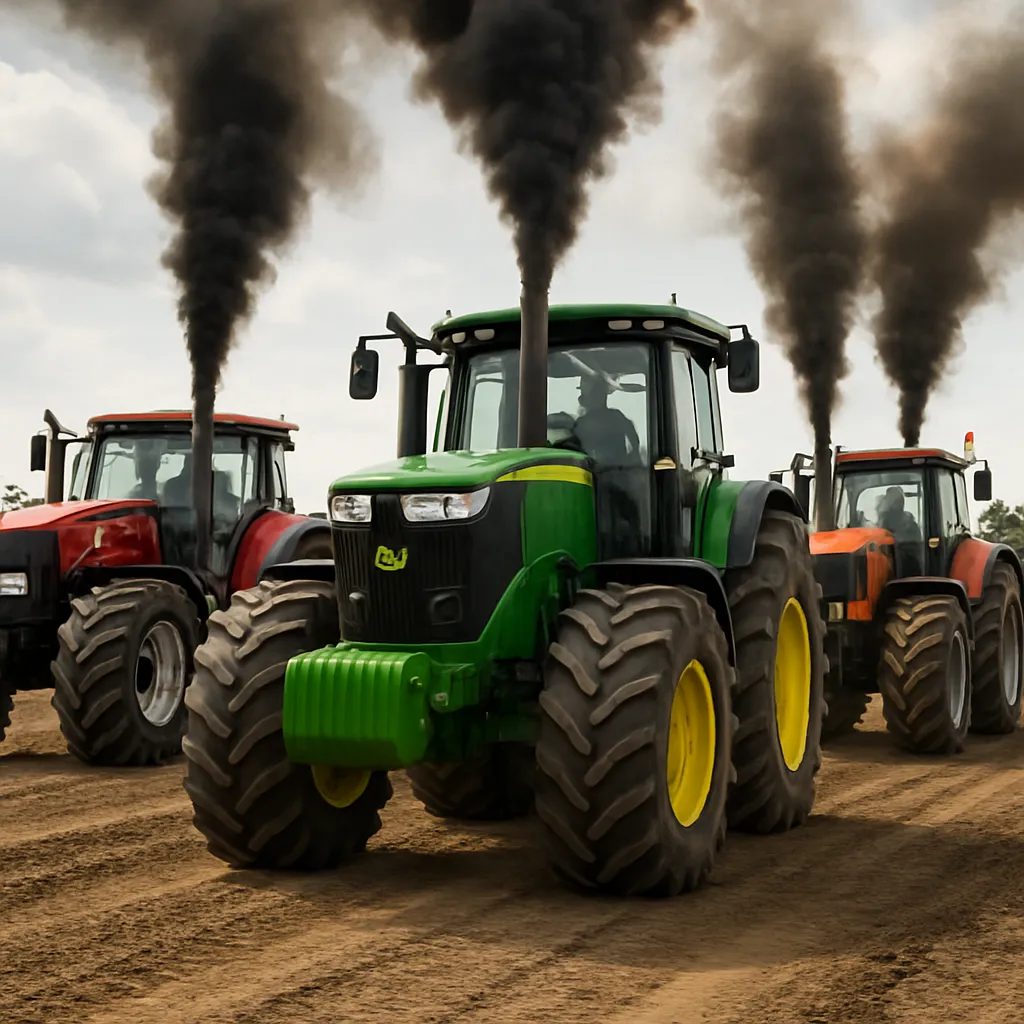
Traditional diesel engines rely on fixed maps for fuel injection and turbo boost, but modern tractors leverage real-time data to finely calibrate performance. Onboard computers continuously analyze factors such as soil resistance, slope gradient, and implement load to adjust injection timing and boost pressure. This approach enhances efficiency by reducing unnecessary fuel consumption and minimizing emissions during heavy-duty operations. By incorporating deep learning models, tractors can anticipate tough field conditions and preemptively adapt engine parameters, ensuring uninterrupted traction and torque.
Tire and Traction Optimization
Large tractors often operate in challenging soils where traction can be a limiting factor. Through a network of pressure sensors embedded in each tire, AI systems measure ground contact forces and soil compaction in real time. Machine learning algorithms then regulate tire inflation and differential lock settings to maintain optimal grip. These adjustments enhance fuel economy while preserving soil structure, balancing the need for power with long-term sustainability.
- Sensors monitor wheel slip and soil moisture.
- AI modules decide optimal tire pressure and traction mode.
- Continuous feedback loops ensure consistent field performance.
Autonomous Functions and Safety Enhancements
As tractors expand in scale, human operators face greater risks if safety protocols are not rigorously enforced. Advanced driver-assist features and full autonomy are becoming standard in the largest models, minimizing human error and enhancing productivity.
Advanced Obstacle Detection
Massive tractors can cause substantial damage if collisions occur. To mitigate these risks, manufacturers integrate high-resolution cameras, LiDAR, and radar units. AI-powered perception systems construct a 3D map of the surroundings, classifying objects such as rocks, stumps, and livestock. When an obstacle enters a predetermined safety zone, the autonomy stack either alerts the operator or initiates evasive maneuvers.
Precision Auto-Steering
Guidance systems in cutting-edge tractors combine GPS corrections with onboard sensor fusion. By merging data from satellite positioning, inertial measurement units, and terrain mapping, the tractor maintains lane accuracy within mere centimeters. High-field widths amplify the consequences of misalignment—straying an inch at the front can translate into feet off-line at the rear. AI-driven auto-steering ensures that every pass maximizes coverage, reduces overlap, and optimizes crop yield.
- Redundant sensor arrays guarantee robust perception.
- Real-time path planning adapts to changing field layouts.
- Fail-safe protocols enable safe manual takeover.
Data Analytics and Precision Farming with Huge Tractors
The true advantage of combining massive tractors with AI lies in unlocking the potential of data-driven agriculture. Large-scale operations generate volumes of information—from soil profiles to machine performance logs. Processing this data effectively can transform resource use, crop management, and long-term planning.
Yield Mapping and Variable-Rate Application
Integrated yield sensors record crop harvest metrics as the tractor moves through the field. AI algorithms analyze spatial variability and identify zones of high or low productivity. With this intelligence, farmers deploy fertilizer, pesticides, or seeds at variable rates tailored to micro-environmental conditions. Variable-rate technology conserves inputs in productive areas while focusing resources on weaker spots, thus boosting overall precision and output.
Predictive Maintenance and Uptime Maximization
Downtime costs are magnified when machines are the size of small houses. Modern tractors incorporate vibration detectors, thermal cameras, and oil analysis sensors to monitor component health. Anomaly detection models track deviations from normal operating signatures, signaling potential failures before breakdowns occur. Scheduled maintenance can then be planned during off-peak windows, safeguarding continuous operation and elevating farm-wide efficiency.
Cloud Connectivity and Remote Management
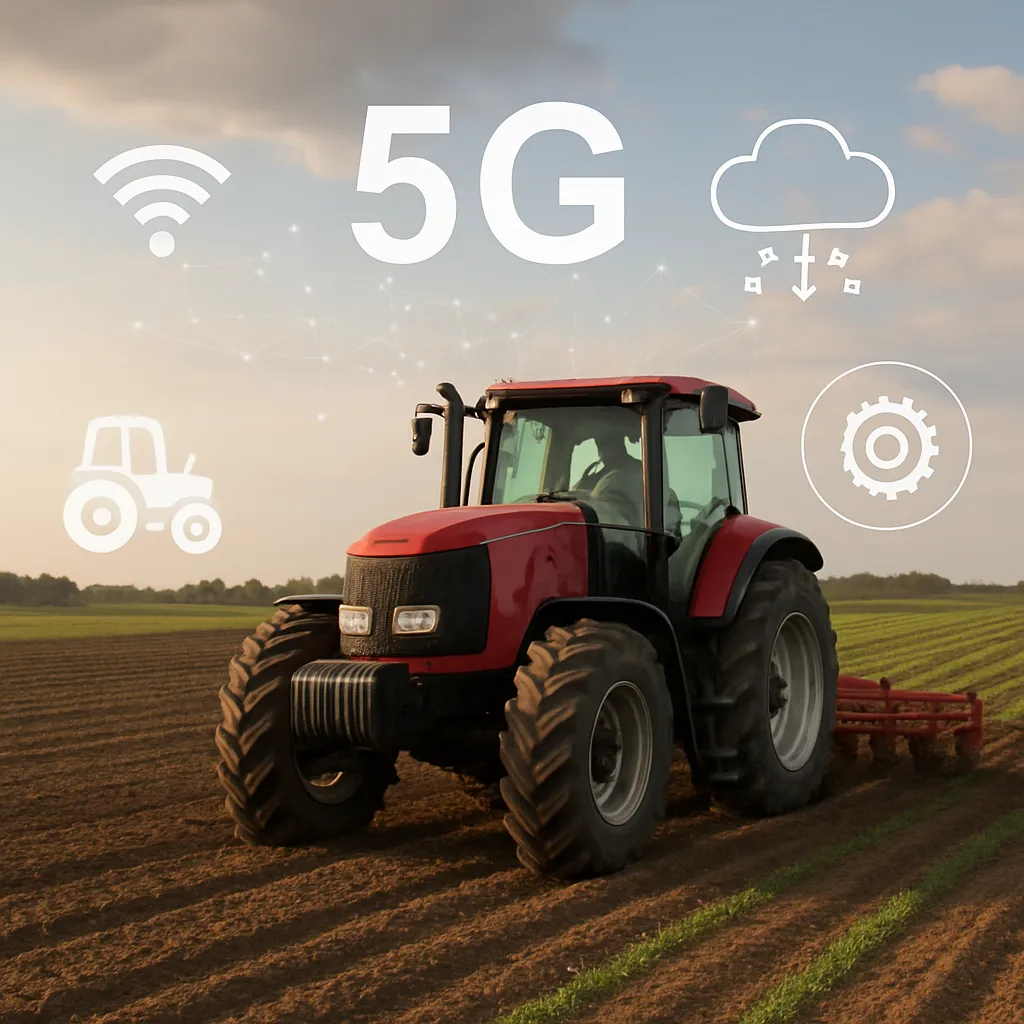
With reliable Internet links, tractor fleets transmit telemetry to centralized farm management platforms. Managers gain a holistic view of all units, including fuel levels, engine loads, and GPS tracks. Through intuitive dashboards, AI-driven recommendations suggest optimal work schedules, equipment rotations, and field assignments. This connectivity reduces coordination overhead, aligns labor resources, and ensures that each mega-tractor is employed where it can deliver maximum value.
Emerging Innovations and Future Outlook
Though the integration of AI in giant tractors is already transformative, research continues on cutting-edge advancements. Swarm robotics envisions coordinated teams of large and smaller machines collaborating on planting and harvesting. Augmented reality interfaces promise to enhance operator situational awareness, overlaying real-time telemetry onto the field of view. Quantum algorithms may one day optimize route planning and resource allocation across hundreds of thousands of acres.
Human–Machine Collaboration
Rather than replacing operators, future designs aim for seamless collaboration. Artificial intelligence will serve as a copilot, offering insights and adjusting controls while entrusting critical decisions to human expertise. Such synergy ensures that tractors of unprecedented scale operate with peak performance, safety, and environmental stewardship.
Toward Sustainable Mega-Farming
By harnessing the power of AI, the largest tractors can play a pivotal role in sustainable agriculture. Precise nutrient management, minimized soil disturbance, and optimized fuel usage all contribute to reduced ecological footprints. As the global population grows, these mega-machines, guided by intelligent systems, will be instrumental in meeting food demands without sacrificing environmental integrity.