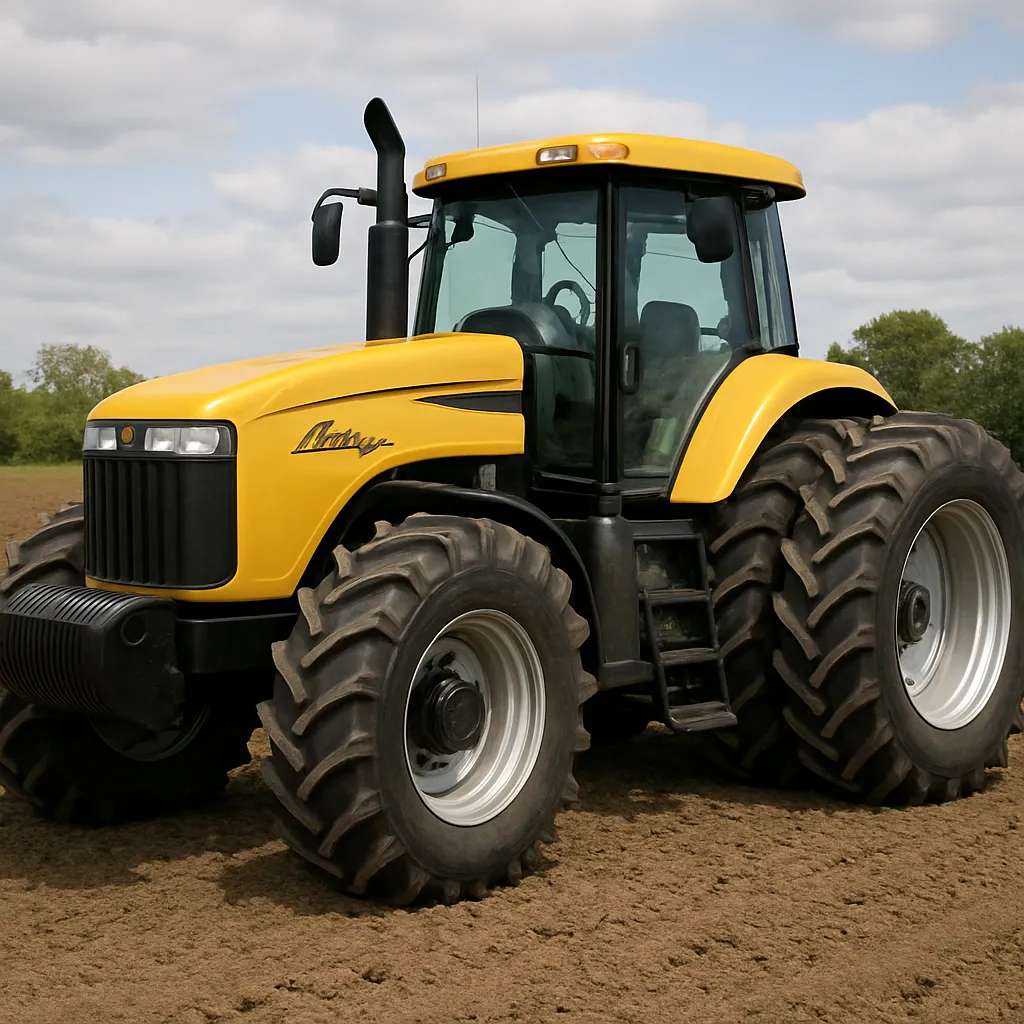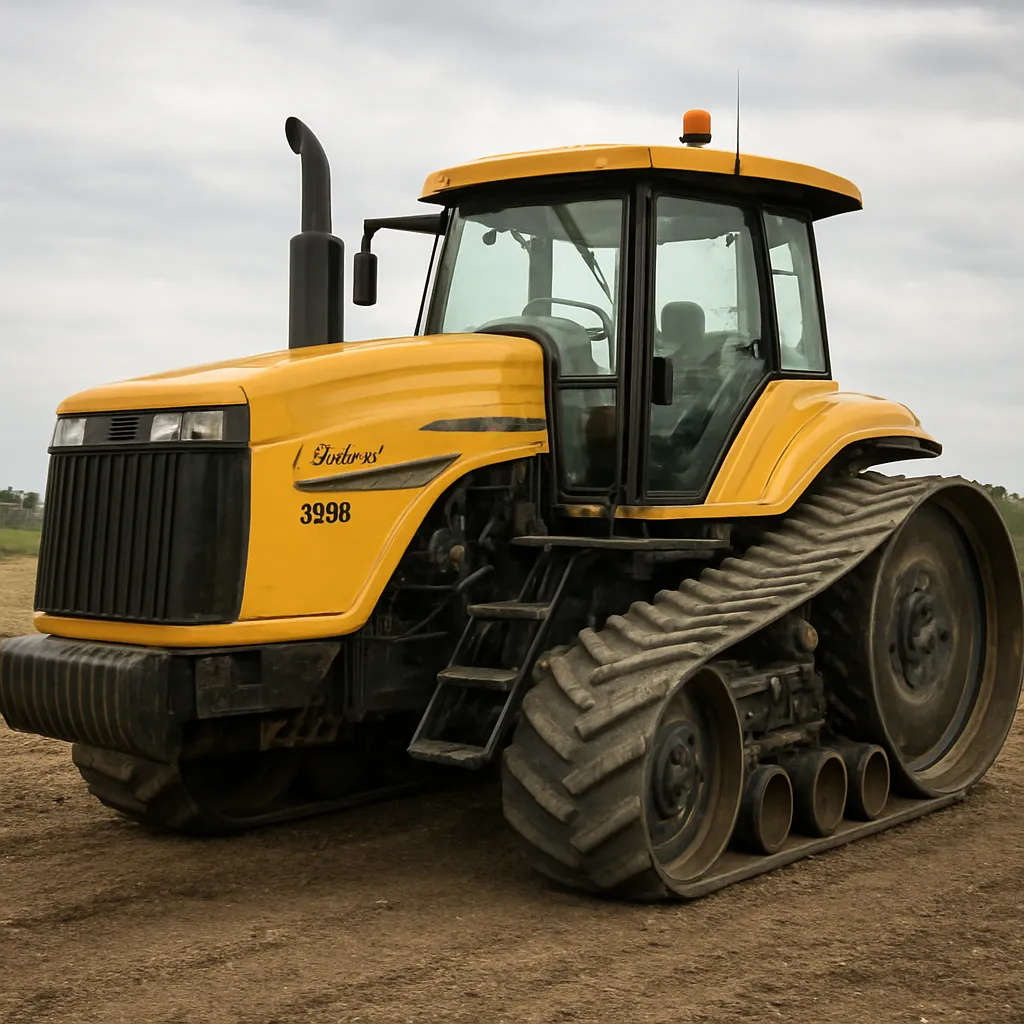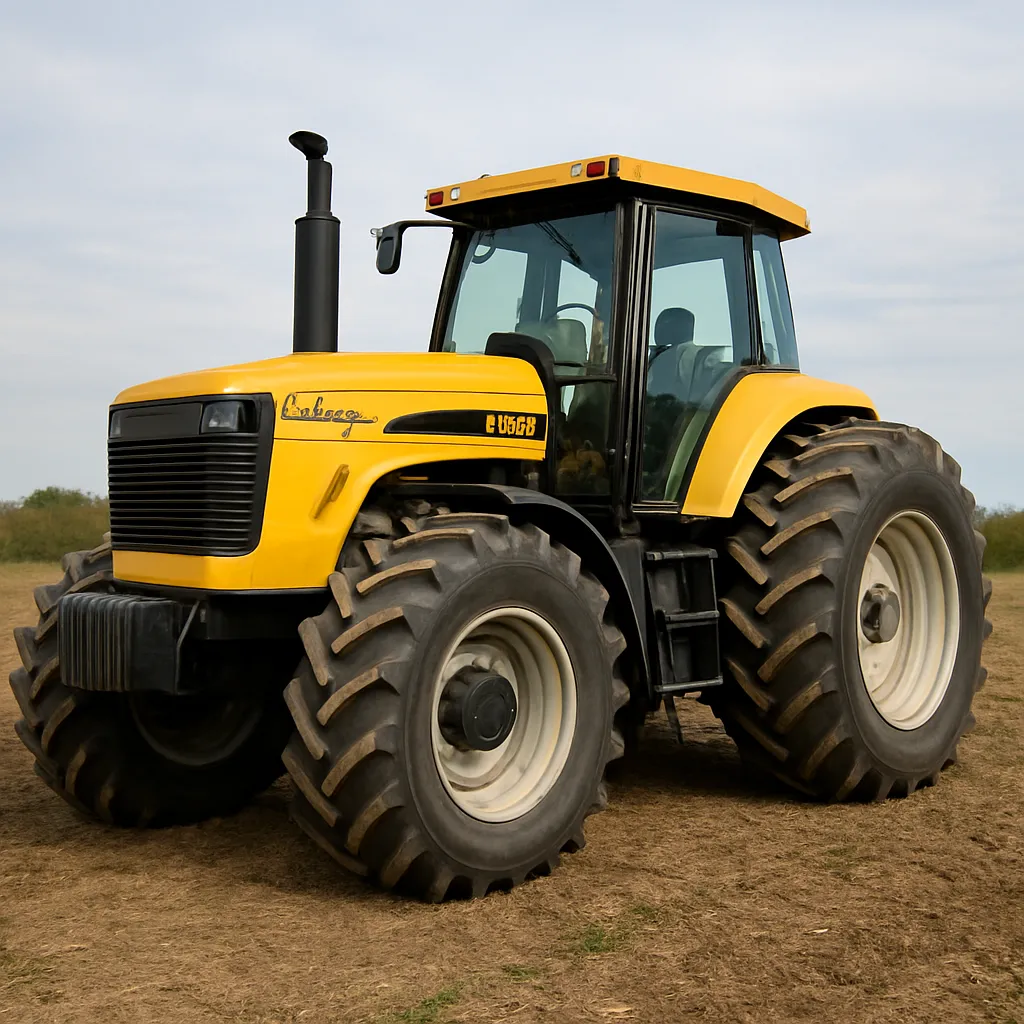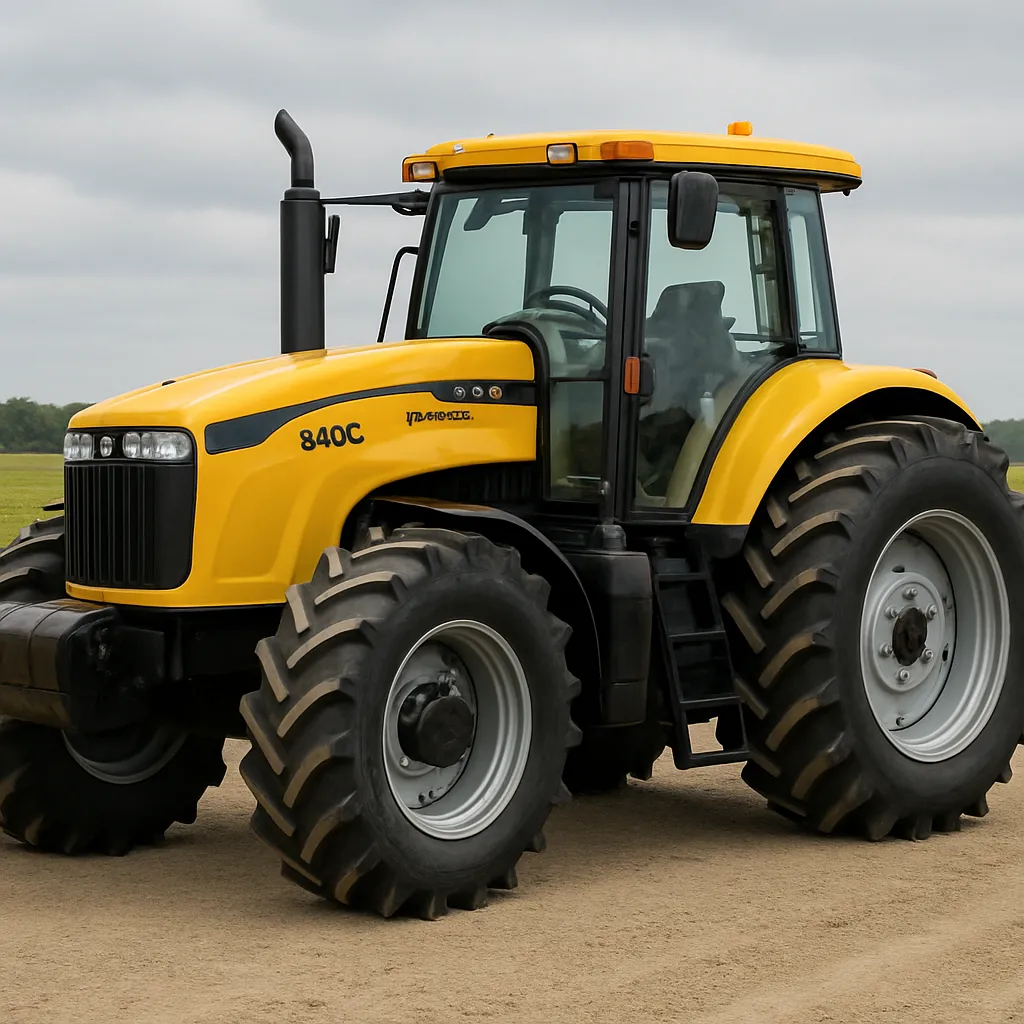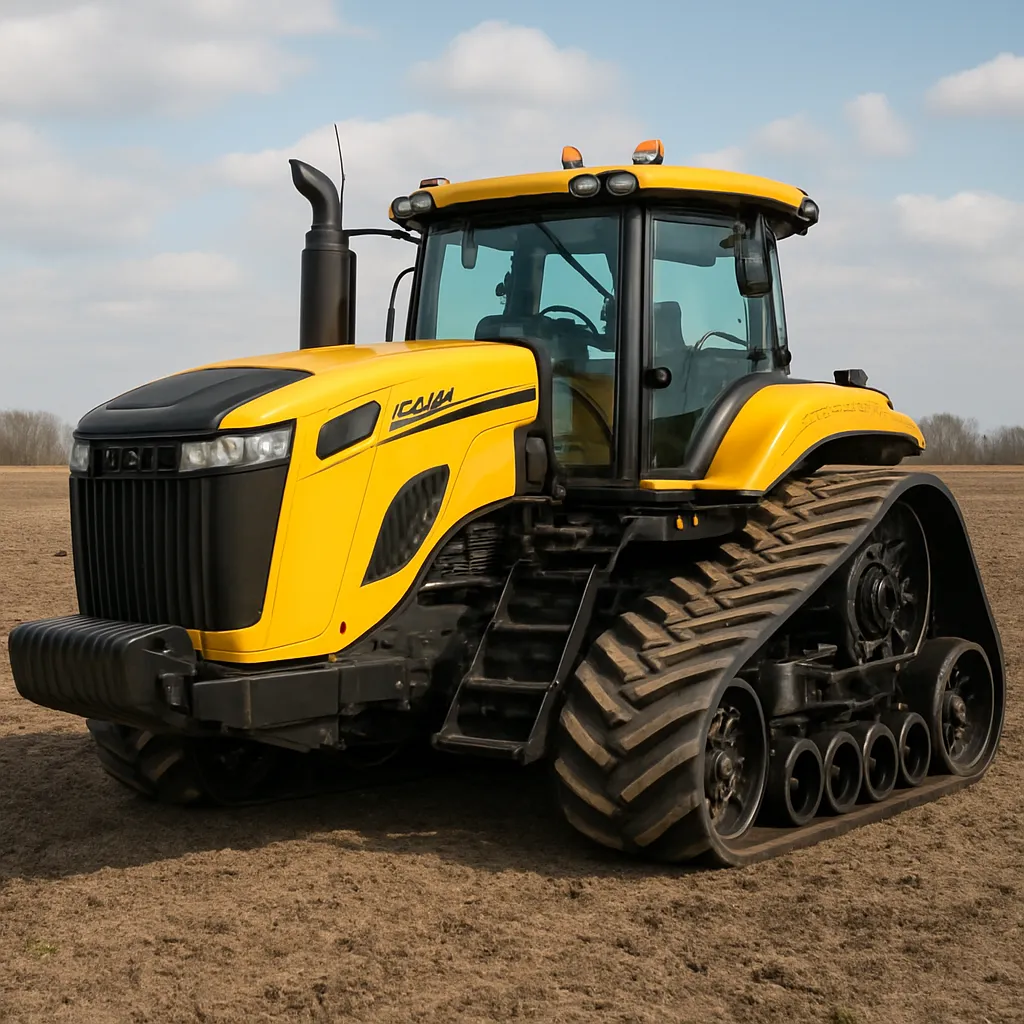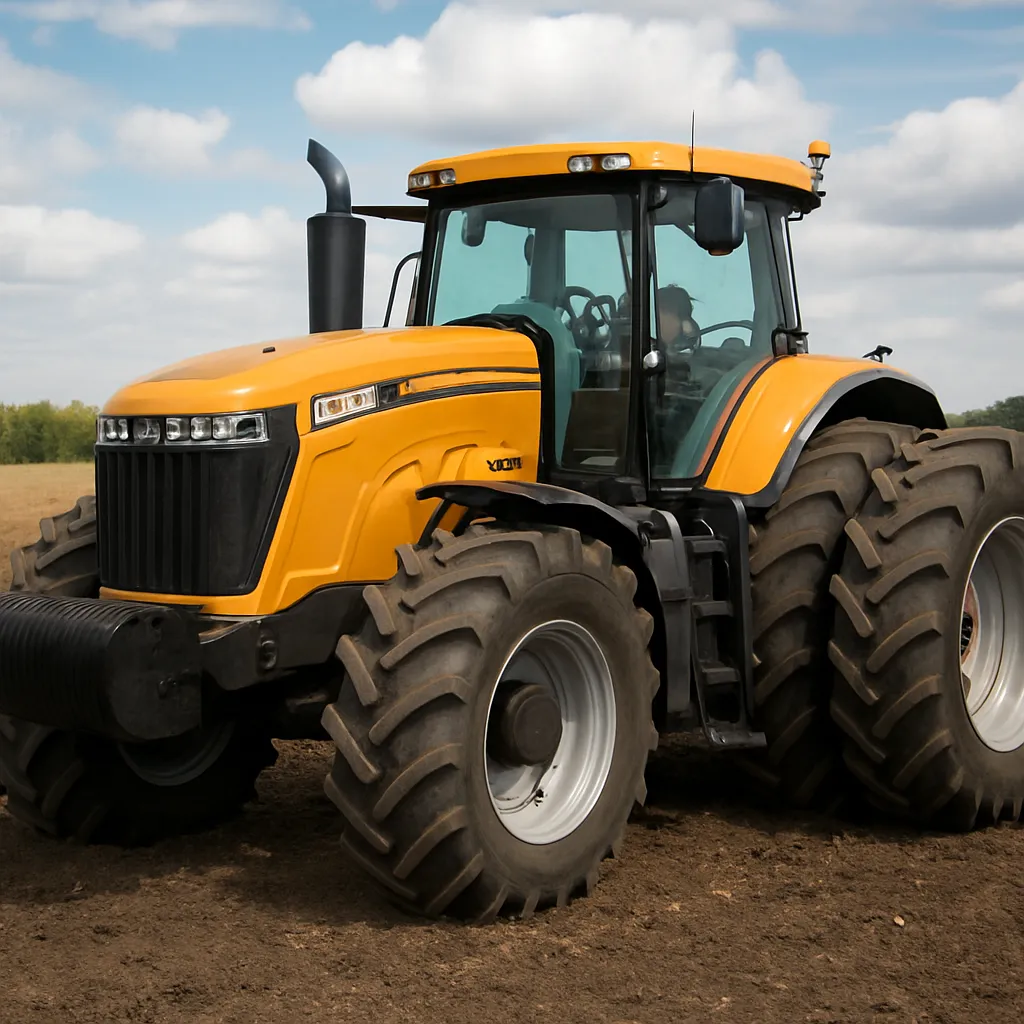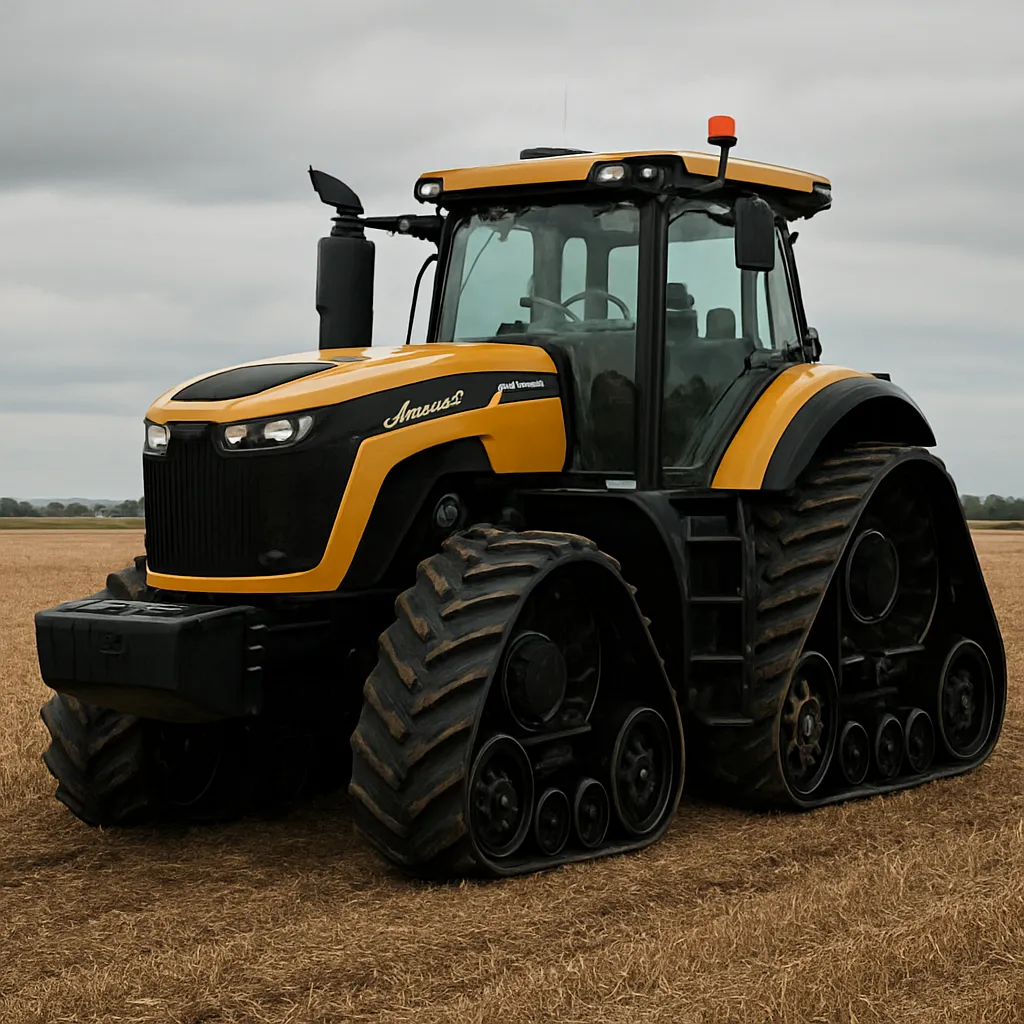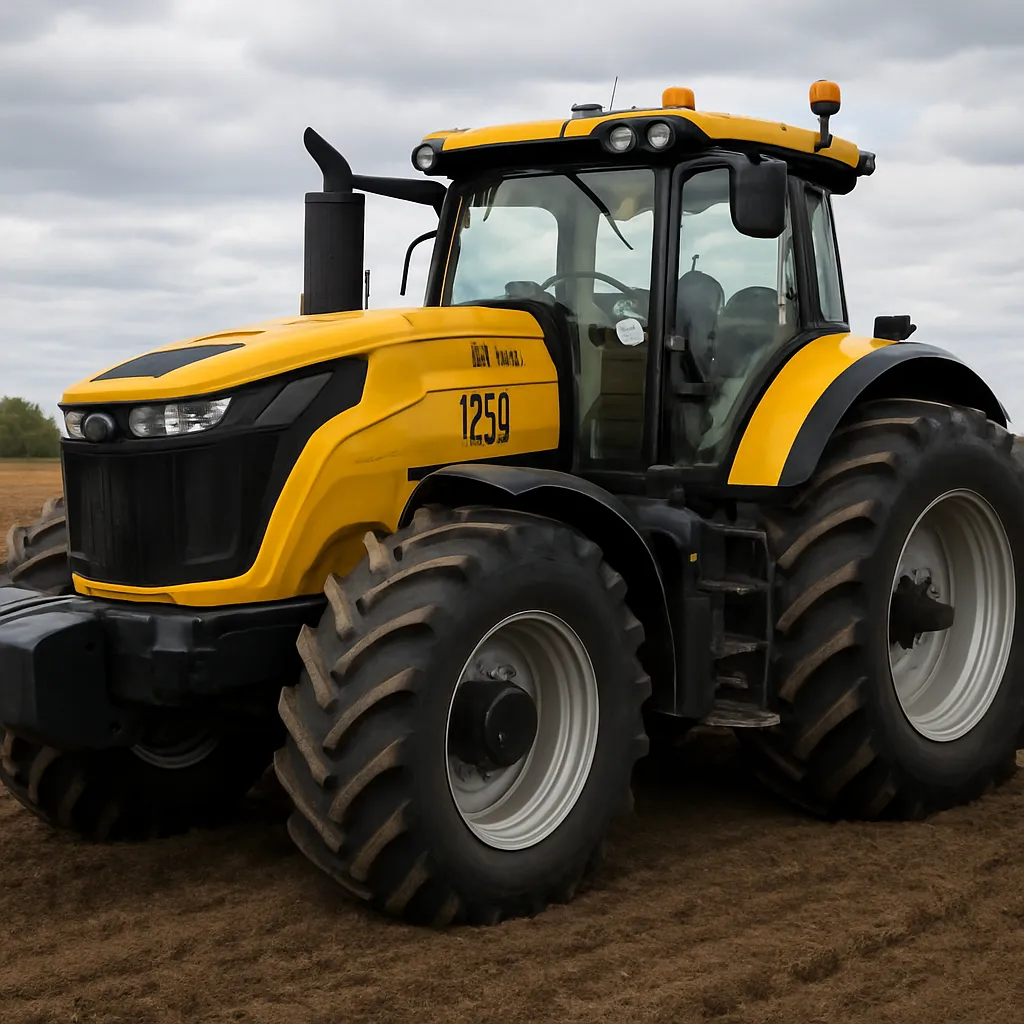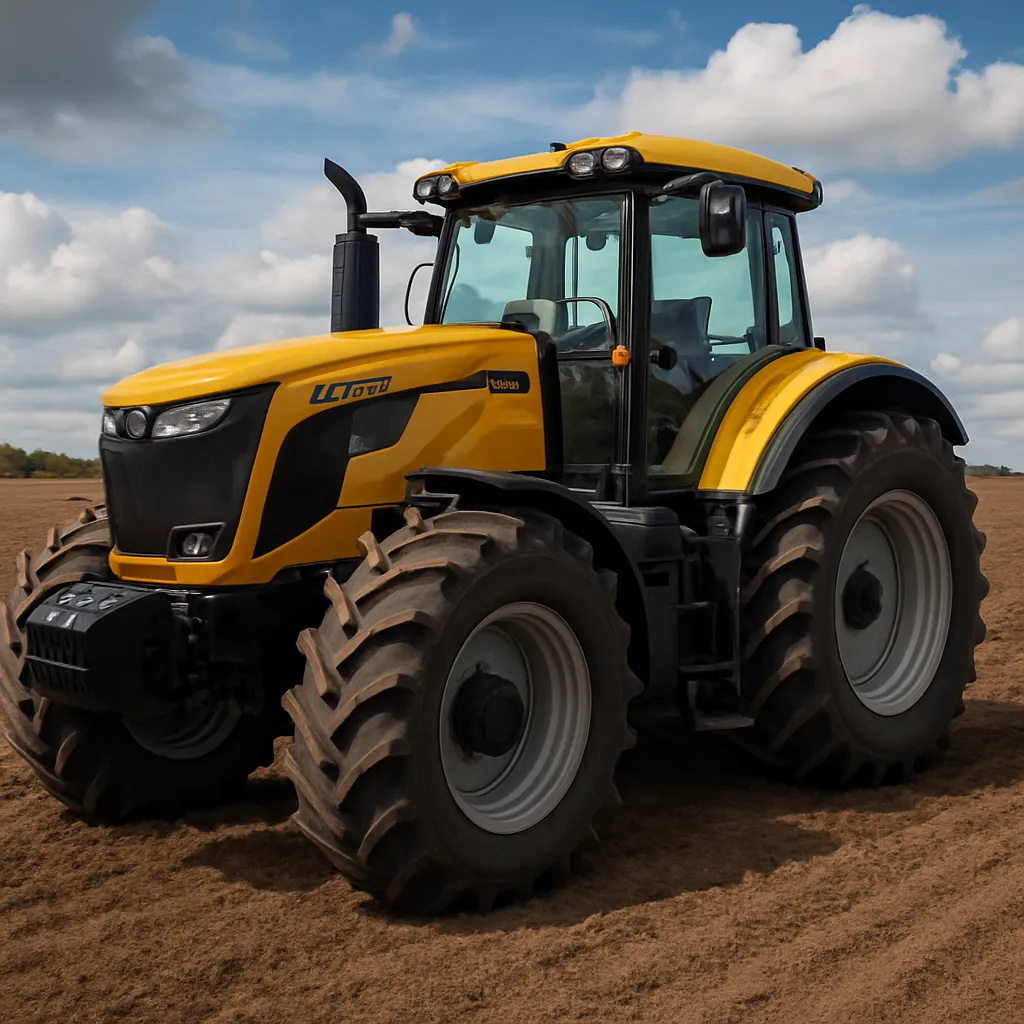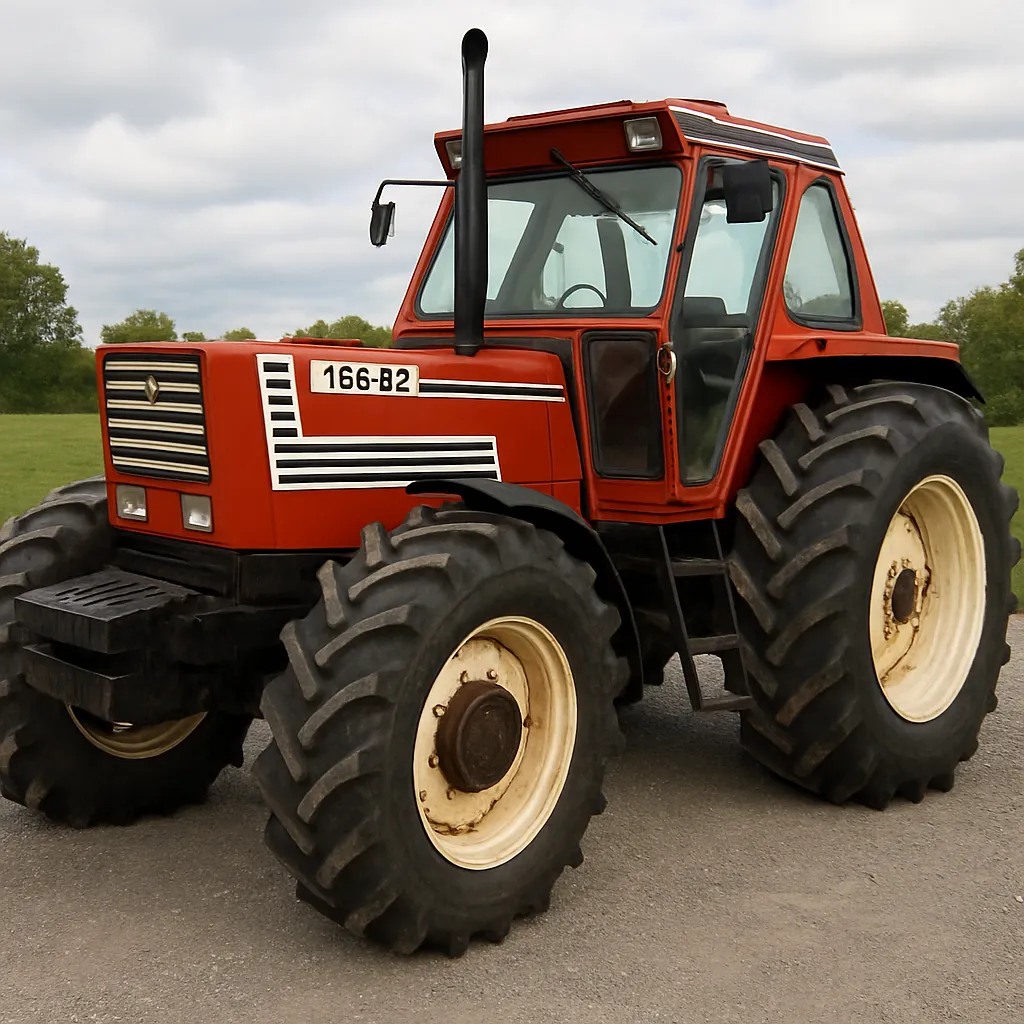
The Fiat 180-90 Turbo is a classic example of a heavy-duty agricultural machine that left a lasting mark on farming in Europe and beyond. Introduced as part of Fiat’s line of high-power tractors, this model combined robust mechanical design with practical features that made it suitable for demanding tasks on large farms, contractor services, and industrial applications. In the following sections, we examine the tractor’s history, technical characteristics, typical uses, maintenance considerations, and its place in today’s marketplace.
Overview and historical context
The lineage of the model known as Fiat 180-90 Turbo traces back to a period when tractor manufacturers were focused on increasing power, improving operator comfort, and expanding the versatility of machines to meet the needs of larger farms and contractors. While Fiat (later Fiatagri and part of CNH) produced many models during the 1970s and 1980s, the 180-90 Turbo became notable for offering a combination of relatively high rated power, robust construction, and a turbocharged engine—features that made it attractive where sustained performance and torque were required.
This model was commonly available in both two-wheel drive and four-wheel drive configurations, often with options for inter-axle differential locks, varied gearbox layouts, and different hydraulic and PTO packages to suit regional market needs. It was produced at a time when European agriculture was consolidating and mechanizing on a larger scale, so tractors in the 150–200 horsepower range were increasingly in demand. The “180” in the model name suggests the tractor’s class or marketed power level, while “Turbo” indicates the presence of turbocharging to enhance torque and efficiency.
Technical characteristics and typical specifications
One of the strengths of the Fiat 180-90 Turbo was the balance between powertrain capability and mechanical simplicity. Below are the typical technical characteristics and standard features that you would expect to find on this model or closely related variants. Exact figures can vary by production year, regional configuration, and after-market modifications.
Engine and powertrain
- Turbocharged diesel engine: The 180-90 Turbo was fitted with a turbocharged inline diesel engine, engineered to provide strong low-end torque for heavy draft work.
- Power output: marketed roughly in the 150–180 horsepower range (PTO and drawbar ratings differ depending on test conditions and year).
- Displacement: typically in the 6–7 liter range for engines of this power class at the time.
- Cooling: conventional liquid cooling with a robust radiator and fan assembly suitable for extended field operation.
- Transmission: available with manual synchronized gearboxes or multi-range transmissions offering a wide spread of ratios; some variants offered partial powershift options.
- Top forward speed: commonly around 30–40 km/h depending on gearing and tires, suitable for both fieldwork and road transfer.
PTO, hydraulics and hitch
- PTO: standard 540 rpm with an optional 1000 rpm selection on many units, enabling compatibility with a wide range of implements.
- Hydraulic system: robust open-center hydraulic pump providing moderate to high flow for implements of the era; typical flow rates ranged from about 60 to 90 liters per minute depending on pump options and condition.
- 3-point hitch: Category II (and in some regions Category II/III) with substantial lift capacity suited for heavy implements like ploughs, seed drills, and front loaders.
Chassis, weight and drivetrain
- Drive options: rear-wheel drive or full-time/part-time four-wheel drive variants; 4WD models commonly used for heavy traction and contractor work.
- Weight: operating weight typically in the range of 4,500–6,500 kg, depending on the configuration and ballast.
- Brakes and steering: hydraulic-assisted steering with drum brakes; later upgrades or restorations sometimes include improved braking components for safety.
Operator environment
While not as luxurious as modern tractors, the Fiat 180-90 Turbo provided a functional cab or platform layout designed for long hours. Many units came with a practical cab offering weather protection, good visibility, and ergonomically placed controls for the time. Optional features in later years or in higher trim levels included improved seats, heating, and better instrumentation.
Applications and typical uses
The Fiat 180-90 Turbo was designed for several demanding agricultural and non-agricultural tasks. Its power and torque characteristics made it suitable across a broad set of applications, from primary tillage to transport and specialty operations.
Heavy-field agriculture
- Deep ploughing: With substantial drawbar pull and a high-capacity hydraulic hitch, the tractor could handle multi-furrow reversible ploughs and heavy tillage equipment.
- Seedbed preparation and cultivation: Adequate power for large discs, cultivators, and power harrows across larger acreages.
- Large seeding and fertilizing rigs: The PTO and hydraulics supported larger mounted and trailed implements used on medium and large farms.
Transport and grassland work
- Trailed transport: Road-haul tasks with trailers and tankers benefited from the torque and mid-range power, especially on gradients.
- Hay and forage operations: Compatible with mowers, balers, and forage harvest equipment where steady PTO power and hydraulic control were required.
Contractors and non-farm uses
- Contractors favored the 180-90 Turbo for its durability and ability to run long hours on heavy jobs, including deep cultivation and subsoiling.
- Municipal and industrial tasks: When adapted with appropriate attachments, machines could be used for earthmoving, road maintenance, and other utility duties.
Performance in the field and economy
In practical terms, the tractor’s turbocharged diesel engine delivered strong mid-range torque, which made it efficient in traction-heavy operations where consistent pulling force is more important than peak rpm power. Fuel economy for older high-power tractors varies widely by load and operator style, but field consumption figures for machines in this class generally fall in a range that depends on duty cycle:
- Light to moderate load tasks: around 12–18 liters per hour.
- Heavy draft work: figures can rise to 25–35 liters per hour under continuous heavy drawbar loads.
These numbers are illustrative and influenced by engine condition, tuning, fuel quality, and implement type. Many owners report that the turbocharged engine, when well-maintained, offers a favorable balance between fuel use and delivered work output compared to naturally aspirated engines of similar age and displacement.
Maintenance, reliability and common issues
The Fiat 180-90 Turbo has a reputation for being sturdy and relatively straightforward to maintain, but like any older heavy farm machinery it requires attention to several key areas to remain dependable:
- Regular engine servicing: oil and filter changes, fuel filter replacements, and monitoring turbocharger condition are critical.
- Cooling system upkeep: radiator cleaning, coolant replacement and inspection of hoses and seals prevent overheating under sustained loads.
- Transmission and hydraulic care: routine fluid checks and filter changes; gearbox synchronization components and clutch packs may need adjustment or replacement after heavy use.
- Electrical system: starter, alternator, and battery checks are important on older units, particularly where wiring has aged.
- Tires and final drives: monitoring tire condition and axle seals reduces downtime; final drive wear can be a source of expensive repairs on tractors of this age.
Common issues reported by owners and mechanics include turbocharger wear on high-hour machines, clutch or gearbox wear if used aggressively, and hydraulic pump deterioration. However, the overall mechanical simplicity relative to modern electronic-controlled tractors contributes to easier field repairs and greater longevity when properly cared for.
Upgrades and modernization
Many owners seeking to extend the service life and utility of the Fiat 180-90 Turbo perform modifications and upgrades:
- Fitting modern seats and ergonomic controls for operator comfort.
- Upgrading lighting and electrical systems to meet road-use safety standards.
- Retrofitting a modern PTO clutch or improved hydraulic pumps to support contemporary implements.
- Installing improved filtration and pre-heating systems for reliability in varied climates.
These changes can make the tractor more productive and comfortable while preserving the core mechanical reliability that many operators value.
Market presence, parts availability and collectibility
Even decades after production, the Fiat 180-90 Turbo remains visible on farms and in second-hand marketplaces, especially in Europe, parts of Africa, and Latin America where Fiat and its successors had established strong distribution networks. The availability of parts can vary by region, but several factors help owners keep these tractors running:
- Aftermarket and rebuilt parts: components such as hydraulic pumps, turbochargers, and transmissions are commonly available as rebuilt or aftermarket items.
- Interchangeable components: many mechanical parts are compatible across Fiat models of the era, improving repair options.
- Specialist workshops: a network of tractor specialists and enthusiasts often supports older Fiat models with knowledge and replacement parts.
As for collectibility, the Fiat 180-90 Turbo appeals primarily to enthusiasts of classic agricultural machinery and to farmers who prefer proven, serviceable equipment. Restored examples can command a premium among collectors who value authenticity and mechanical originality, while well-maintained working tractors remain valued for utility rather than collector status.
Comparisons with contemporaries and modern equivalents
When compared to contemporaries from brands such as Ford, Massey Ferguson, and John Deere, the Fiat 180-90 Turbo often held its own on the basis of torque-per-liter and mechanical simplicity. Modern tractors in the same horsepower band now offer advanced features—electronic engine management, GPS-assisted guidance, powershift or CVT transmissions, and high-flow hydraulics—that the 180-90 Turbo lacks. However, for operators prioritizing ease of maintenance, lower acquisition cost, and mechanical ruggedness, the older Fiat remains an attractive option.
Key strengths
- Reliability when well-maintained.
- Strong low-end torque for draft work.
- Relative mechanical simplicity enabling do-it-yourself repairs.
- Good availability of used parts in many markets.
Limitations relative to modern machines
- Lack of advanced electronic controls and precision farming features.
- Lower hydraulic flow and PTO versatility compared to latest models.
- Operator comfort and emissions performance are behind contemporary standards.
Practical advice for buyers and operators
For prospective buyers of a Fiat 180-90 Turbo—whether for active farm work or restoration—some practical steps help ensure a satisfactory purchase:
- Check service history and ask about major overhauls (engine, turbo, transmission).
- Inspect for signs of hydraulic leaks, engine smoke, or overheating—early indicators of wear.
- Verify PTO and hitch performance under load; test the tractor with an implement if possible.
- Evaluate condition of tires, axles, and final drives—expensive repairs often hide behind cosmetic upkeep.
- Consider availability of parts and specialist service in your region before committing to purchase.
Operators who plan to run these tractors intensively should schedule routine preventive maintenance, keep a modest stock of common wear items (filters, belts, seals), and maintain contact with a reliable service provider familiar with older Fiat machines.
Conclusion
The Fiat 180-90 Turbo occupies a place in agricultural machinery history as a hardworking, turbocharged tractor that provided substantial pulling power and versatility for its era. While modern tractors have surpassed it in electronic control, operator comfort, emissions compliance, and implement compatibility, the 180-90 Turbo’s combination of mechanical robustness and capable performance continues to make it relevant where durable, serviceable power is required. For farms, contractors, and enthusiasts who value straightforward design and proven functionality, this model remains a practical and often cost-effective choice.