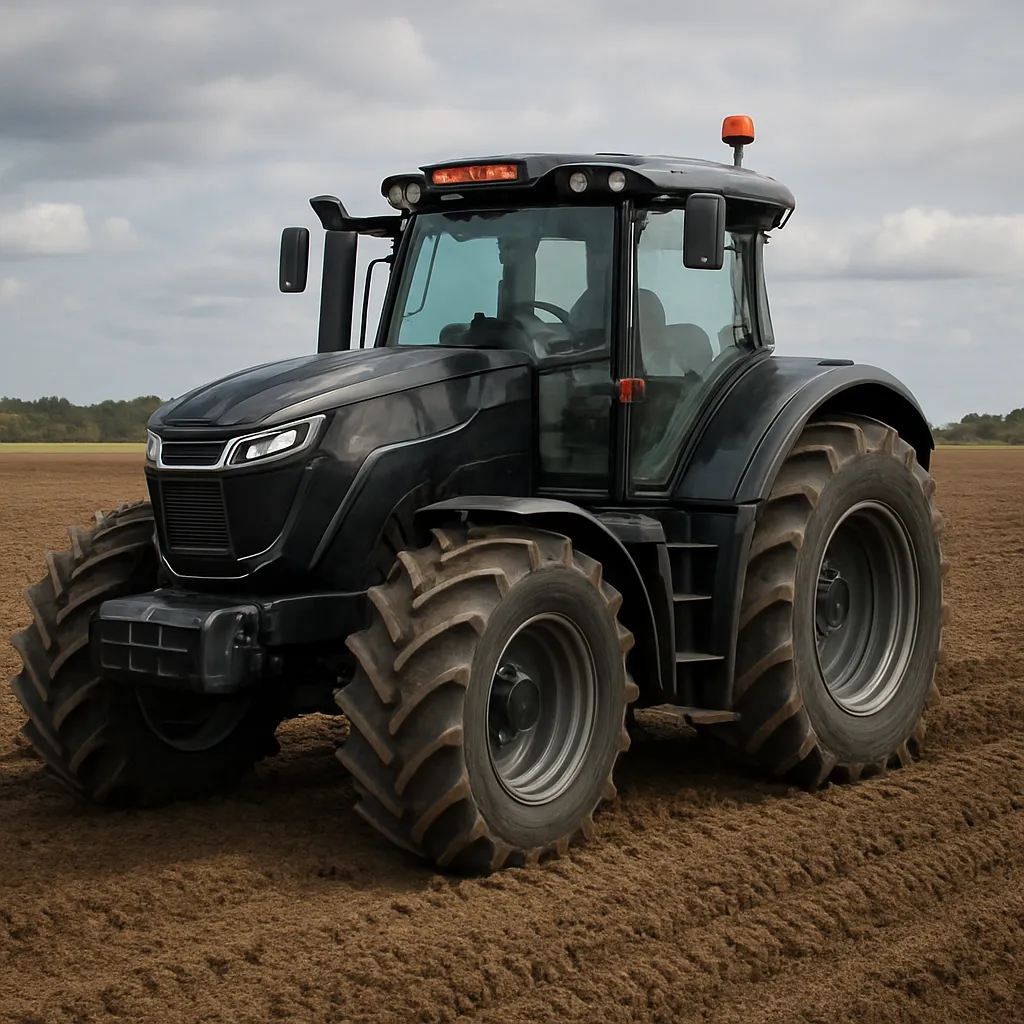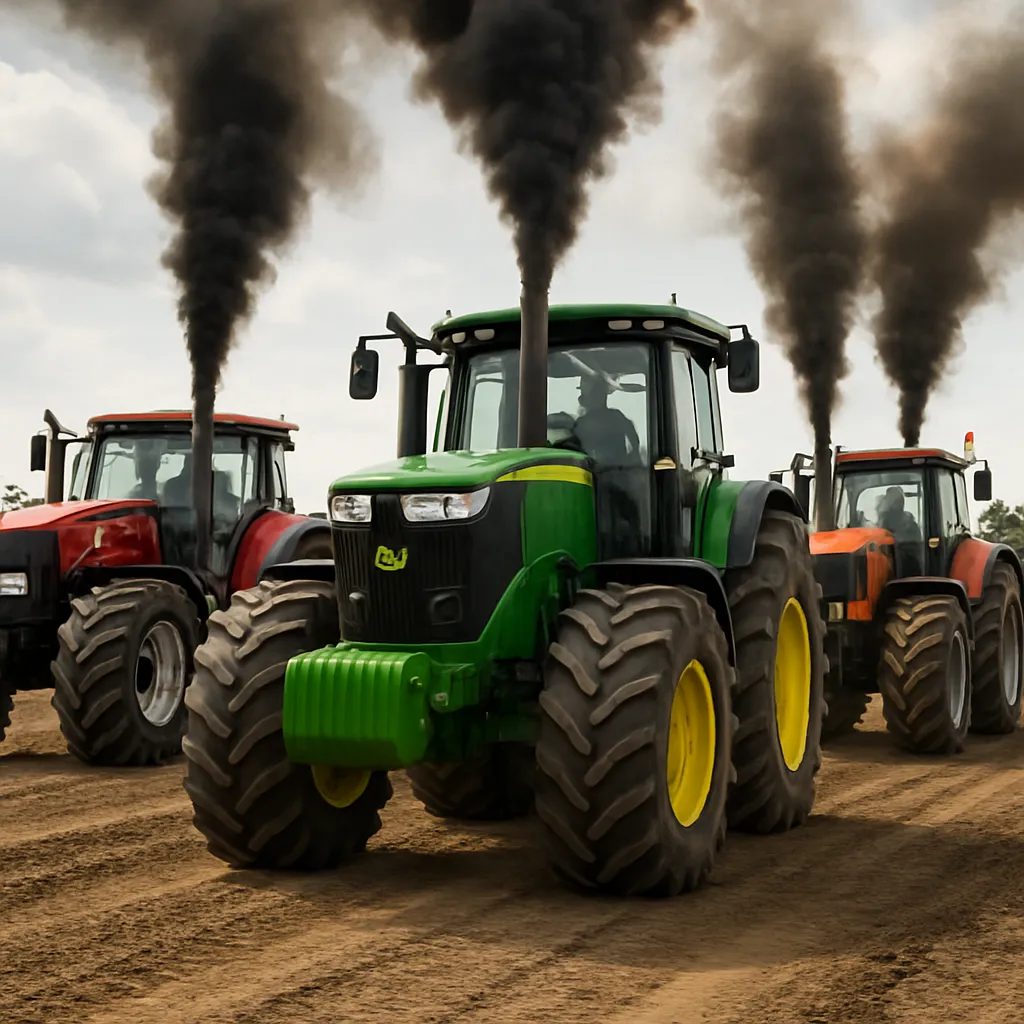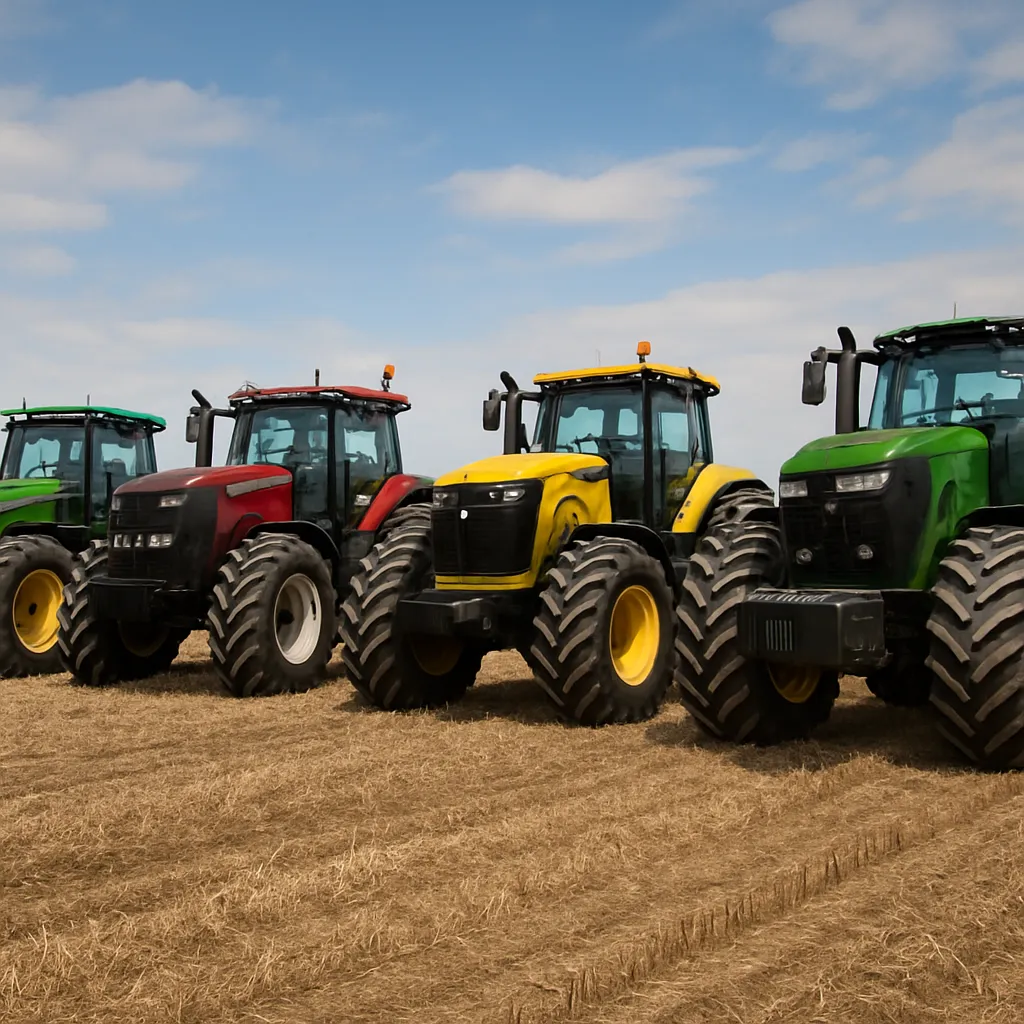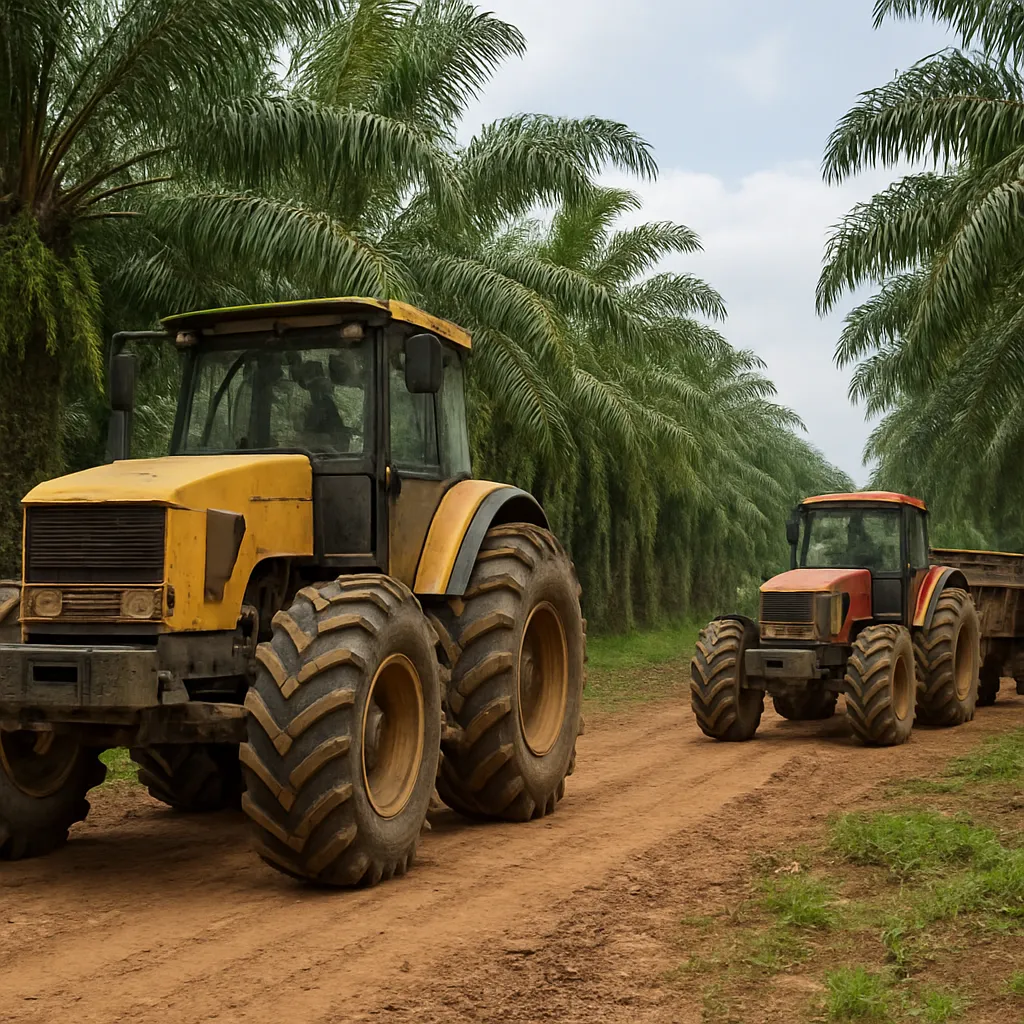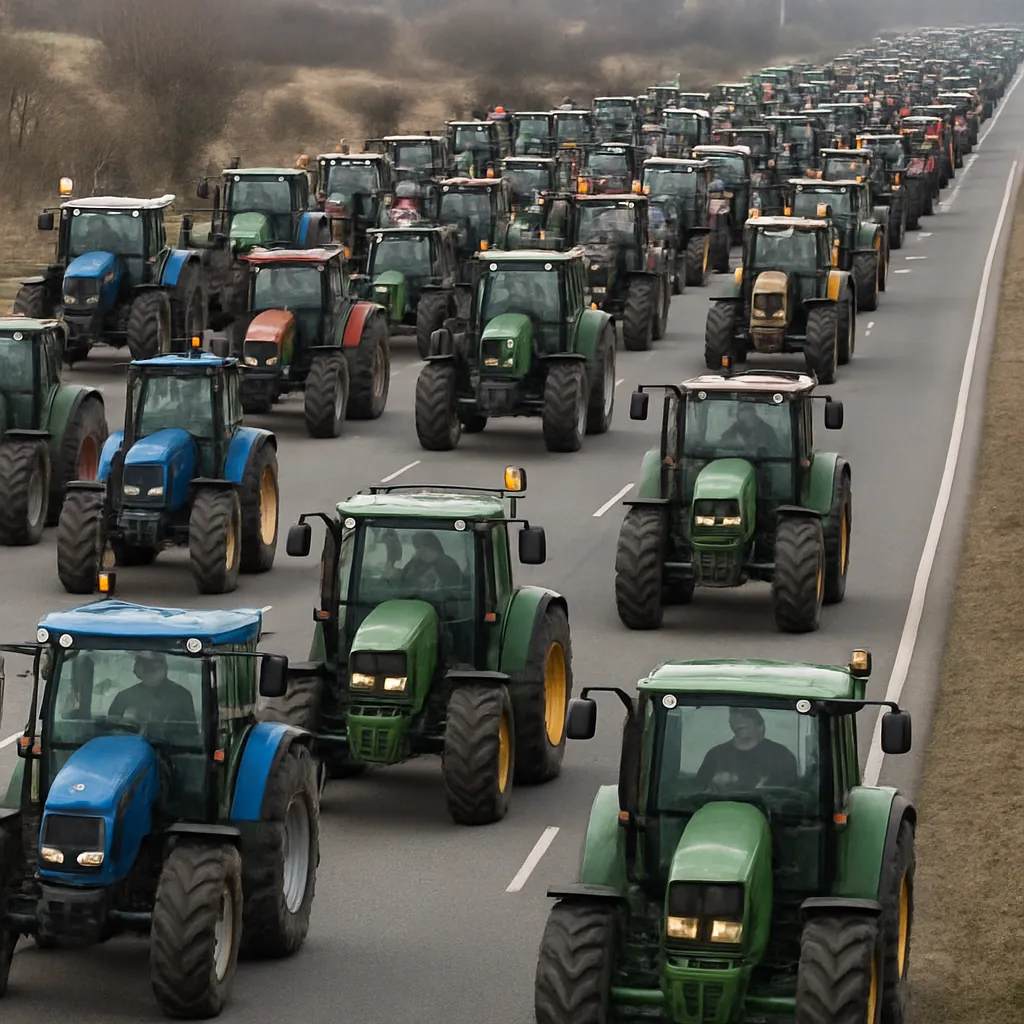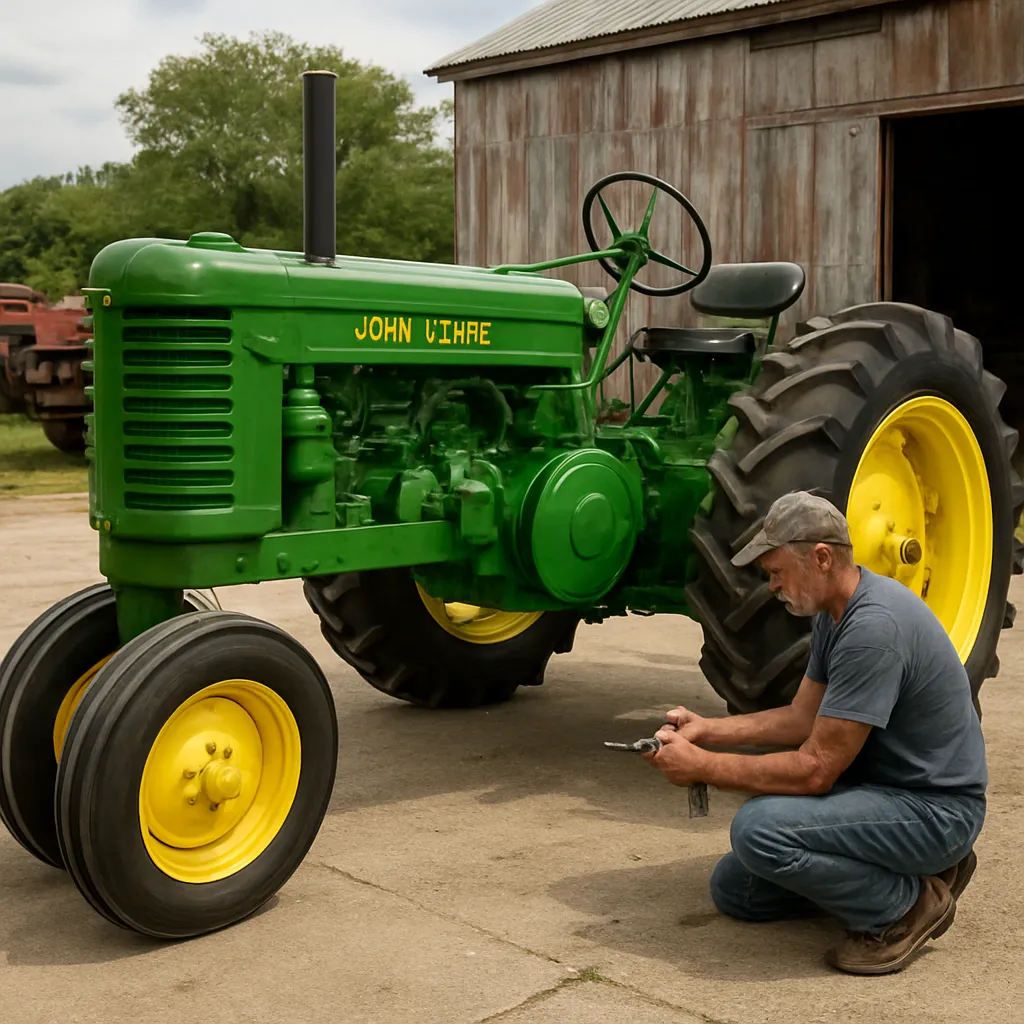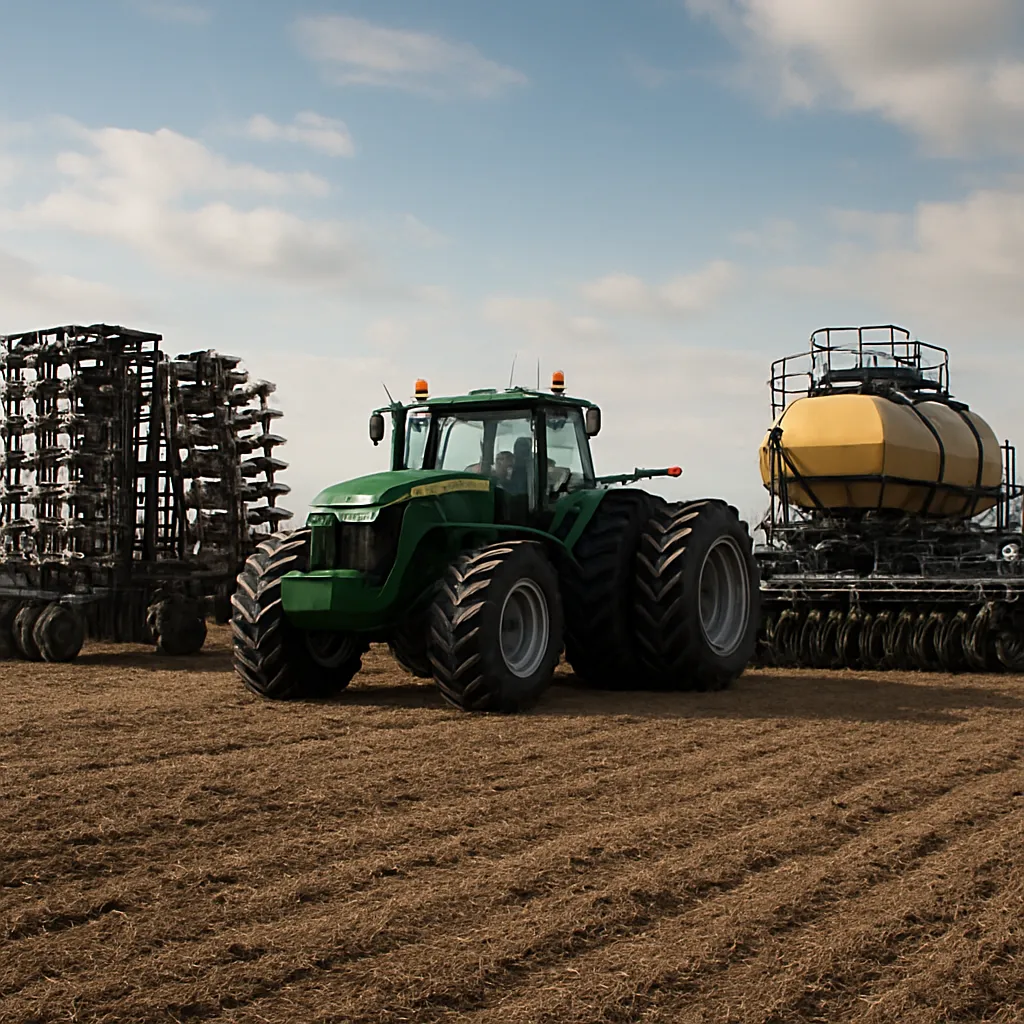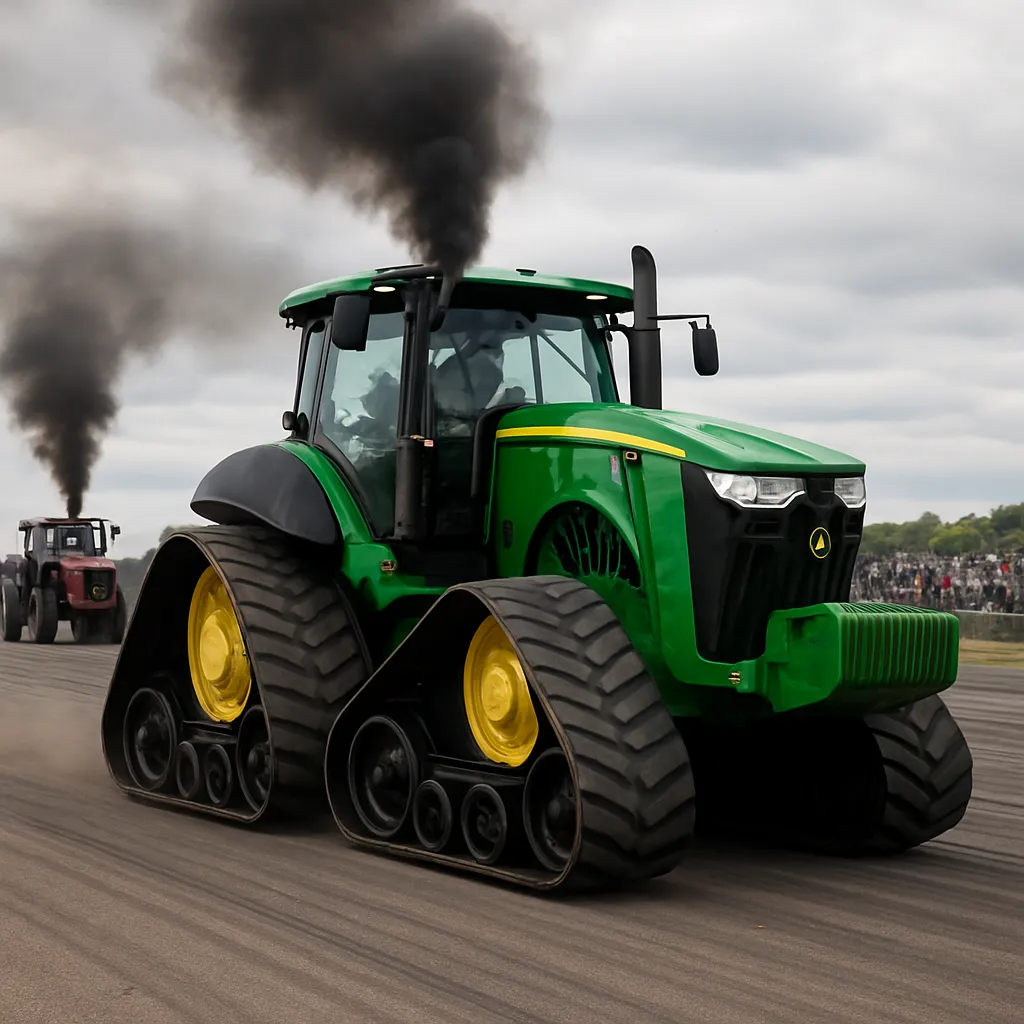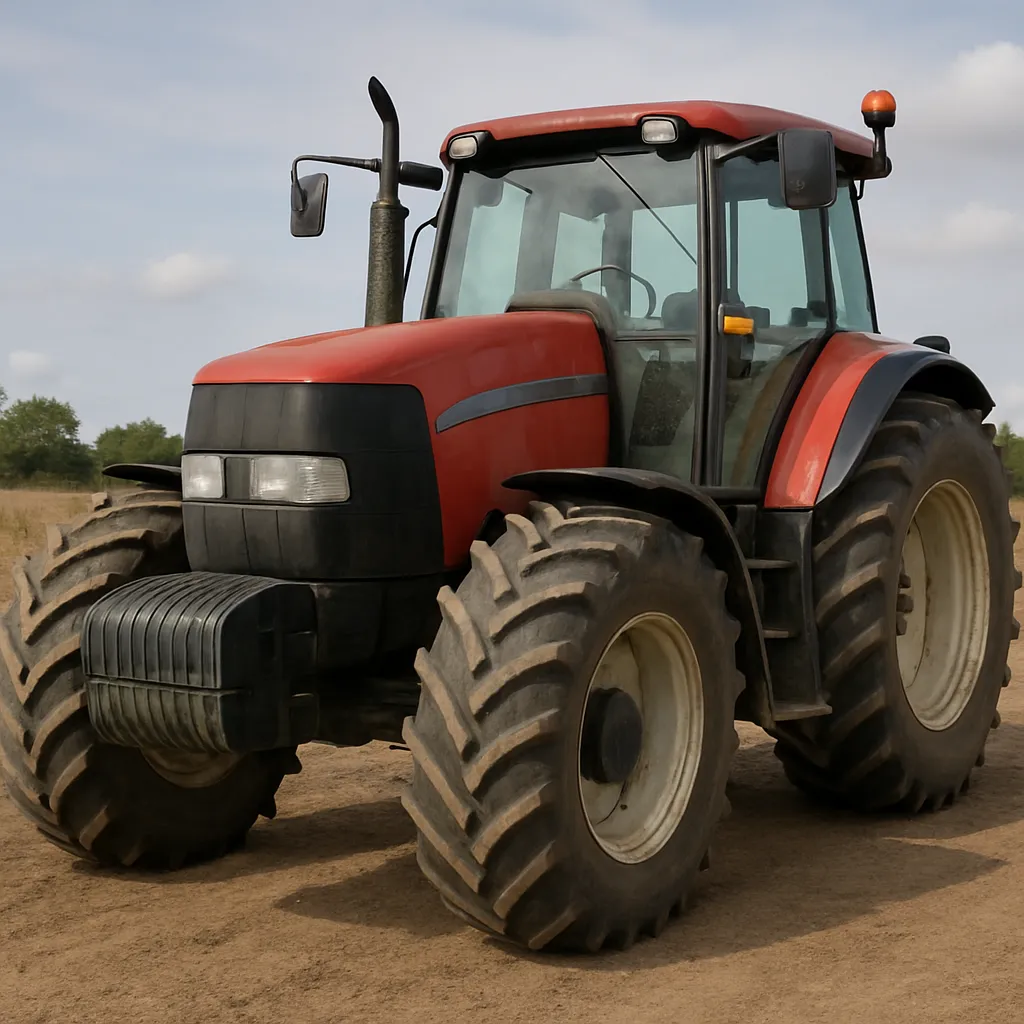
Welcome to the Ultimate Guide to purchasing a used giant tractor. Whether you’re a veteran grower or a newcomer to large-scale farming, selecting the right secondhand machine can transform your operation. In this guide, you’ll explore the world of high-horsepower workhorses, discover essential inspection tips, and learn how to safeguard your investment with proper maintenance and warranties. Dive in and prepare to drive efficiency and productivity to new heights.
Overview of the Biggest Tractors on the Market
When it comes to heavy-duty fieldwork, not all tractors are created equal. Top manufacturers like John Deere, Case IH, New Holland, and Fendt offer models exceeding 300–600 horsepower, designed for deep tillage, large-planter pulling, and heavy seedbed preparation. These machines boast robust frames, advanced electronics, and sometimes even GPS auto-steer systems. Below are key factors defining a giant tractor:
Engine and Drivetrain
- Turbocharged diesel engines delivering high torque at low RPMs.
- Synchronized transmissions versus continuously variable transmissions (CVT).
- Four-wheel drive (4WD) or tracked configurations for traction in wet fields.
Hydraulics and Hitch Capacity
- High-flow hydraulic systems to power heavy attachments.
- Three-point hitch lift capacities above 15,000 lbs.
- Multiple remote valves for simultaneous implement control.
Comfort and Electronics
- Air-ride seats, climate control, and noise-reduction cabs.
- Integrated GPS guidance, yield mapping, and telematics.
- Touchscreen displays with customizable settings for field tasks.
Key Considerations When Buying Used
A pre-owned giant tractor can offer significant savings, but it demands thorough evaluation. Here are crucial checkpoints to ensure reliability and cost-effectiveness:
Physical Inspection
- Frame and chassis: look for weld repairs, cracks, or bent sections under heavy loads.
- Engine compartment: check for oil leaks, coolant stains, or corroded hoses.
- Tire and track wear: uneven wear patterns can indicate alignment or suspension issues.
Service History and Hours
- Maintenance records: verify regular oil changes, filter replacements, and major services.
- Engine hours: a 400–1,000 hour annual average suggests moderate use, but extreme high hours require deeper scrutiny.
- Previous owners: single-owner machines often have better-documented care.
Test Drive and Operational Check
- Start-up: note any smoke, unusual noises, or delays in reaching operating temperature.
- Transmission shift: ensure smooth gear changes under load without jerking or slipping.
- Hydraulic response: lift, lower, and extend implements to test oil pressure and valve integrity.
Evaluating Durability and Longevity
Buying a robust secondhand tractor means understanding wear patterns and potential weak points. Focus on these systems to gauge remaining service life:
Hydraulic Pumps and Cylinders
- Examine pump housings for metal shavings, which imply internal wear.
- Check cylinder rods for pitting and smooth operation through full stroke.
Transmission and Clutch Packs
- Listen for grinding or whining sounds during gear changes.
- Test for slipping under heavy load; slipping suggests clutch pack replacement soon.
Electronic and Guidance Systems
- Inspect wiring harnesses for frays, rodent damage, or water intrusion.
- Verify software versions and update availability; outdated firmware may lack performance optimizations.
Financing, Warranty, and Resale Strategies
Securing financing and understanding warranty options can make or break a used-tractor purchase. Additionally, plan for future resale to maximize return on your investment:
Financing Options
- Manufacturer-certified pre-owned programs often include low-interest loans.
- Agricultural equipment lenders may require appraisals and proof of cash flow.
- Lease-to-own arrangements can preserve working capital in peak seasons.
Extended and Third-Party Warranties
- Factory-backed warranties cover major components but may require upfront fees.
- Third-party policies might offer broader protection for electronics and hydraulic systems.
- Review exclusions carefully: wear items like brake pads and filters often aren’t covered.
Resale Value Factors
- Brand reputation and model popularity influence demand in the secondary market.
- Complete service records and low-hour units fetch higher prices.
- Seasonal timing: selling after planting or harvest can yield faster sales but potentially lower rates.
Maintenance Routines for Peak Performance
After purchase, establish a proactive upkeep schedule to extend your tractor’s lifespan and avoid costly downtime:
Daily and Weekly Tasks
- Check oil, coolant, and hydraulic fluid levels before starting field operations.
- Clean air filters and inspect radiator fins for debris after dusty work.
- Grease all fittings according to the manufacturer’s lubrication chart.
Monthly and Seasonal Services
- Replace engine oil and fuel filters every 250–500 hours of operation.
- Inspect brake and clutch linkage adjustments for wear or slack.
- Update onboard software maps and guidance calibration annually.
Record Keeping
- Maintain a detailed logbook of all services, parts replaced, and hours operated.
- Use telematics data (if equipped) to predict upcoming maintenance needs.
- Store receipts and service invoices securely for future warranty or resale reference.