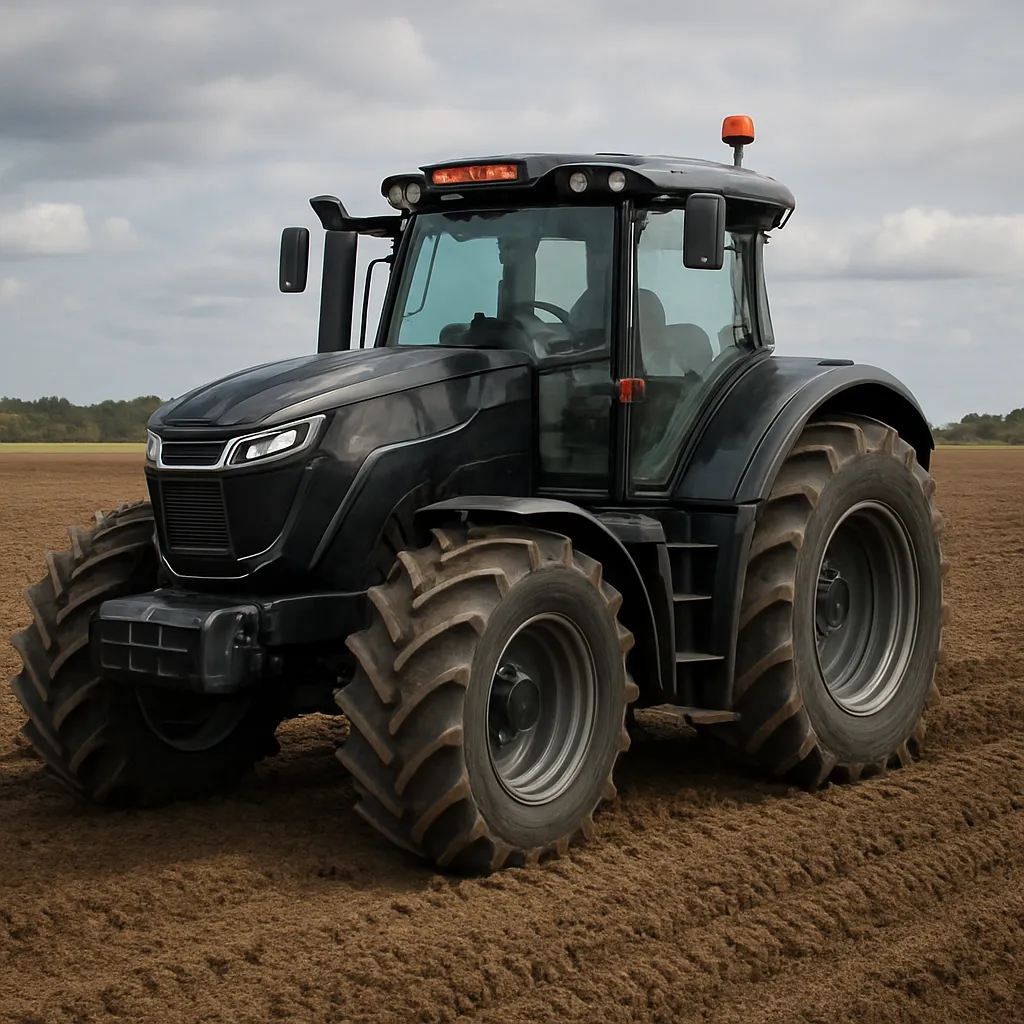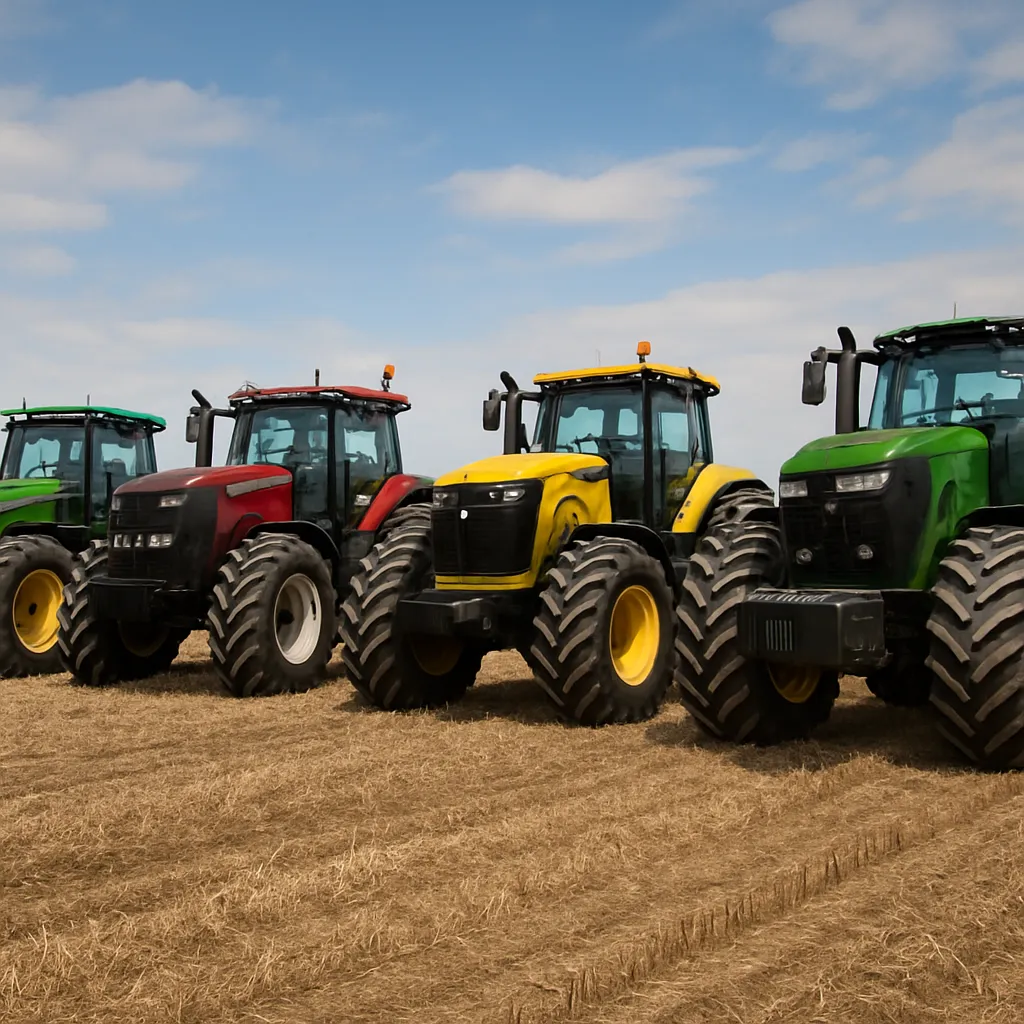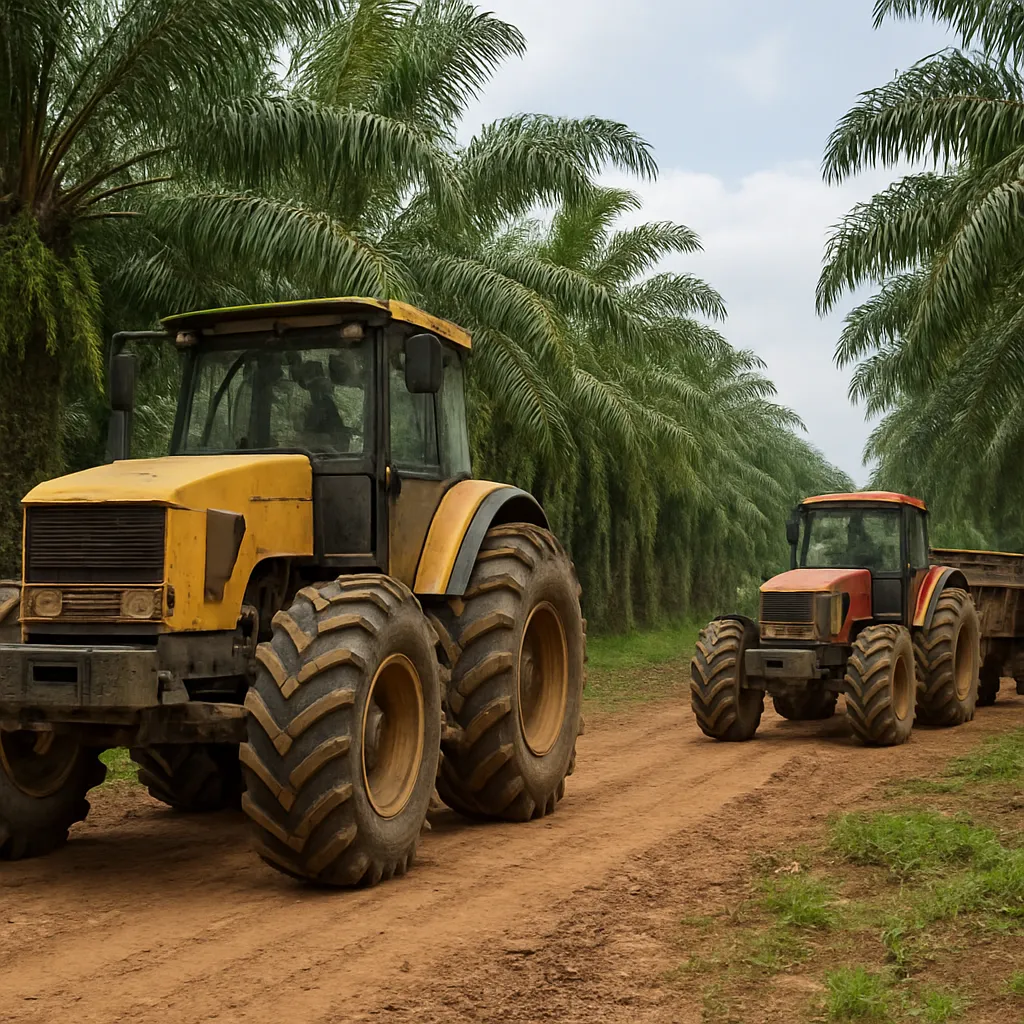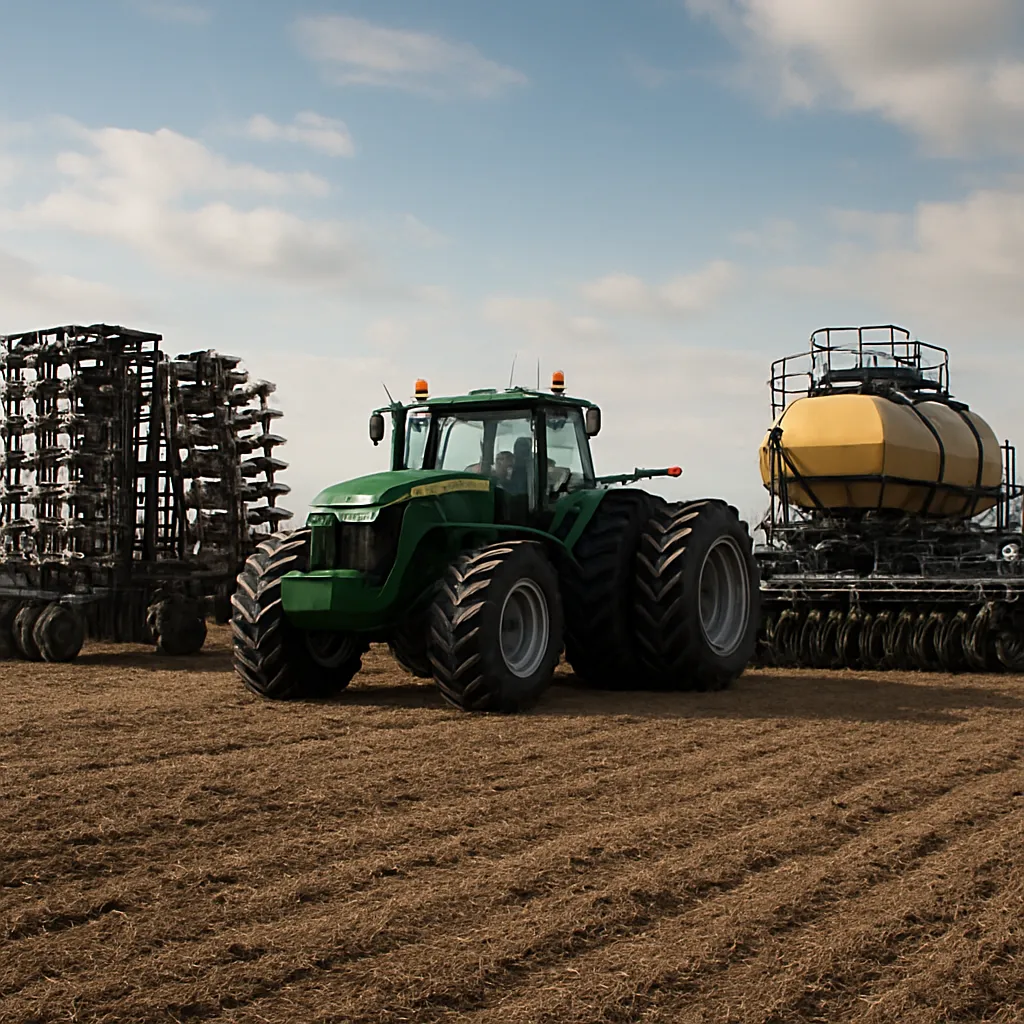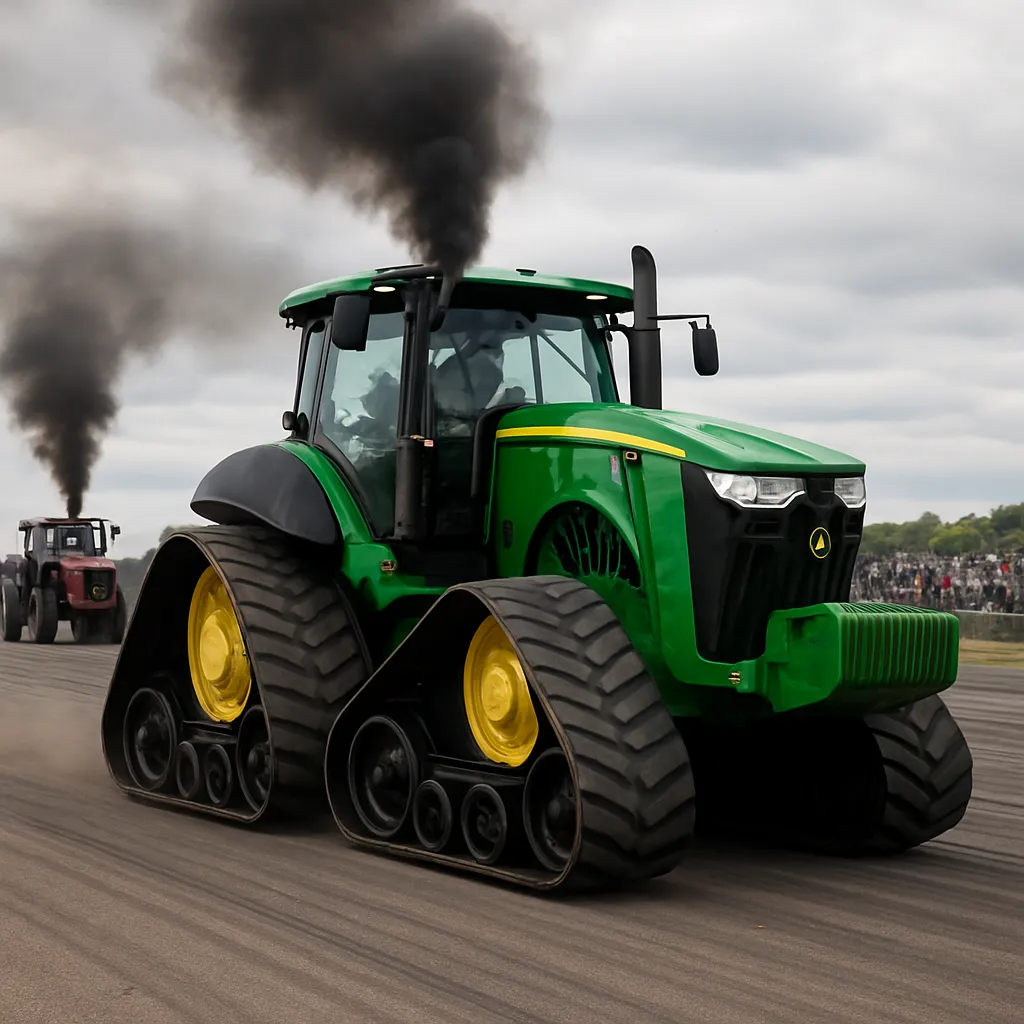
The Most Advanced Lighting Systems on Giant Tractors explores how modern illumination transforms agricultural machinery. This article delves into the evolution of tractor lighting, highlights the latest breakthroughs, and presents real-world applications on some of the world’s largest machines. Readers will gain a comprehensive understanding of how advanced lighting solutions enhance safety, boost productivity, and push the boundaries of nighttime farming.
Evolution of Tractor Lighting Systems
Tractor lighting has come a long way from basic halogen bulbs mounted in rudimentary housings. Early tractors featured simple reflectors and incandescent lamps that offered minimal visibility. As farms expanded and operations ran around the clock, the demand for stronger, more reliable lighting increased.
- Durability concerns led to sealed beam units that could withstand rough field conditions.
- Integration of multi-beam setups improved coverage across work areas.
- Modular designs allowed farmers to customize light placement for specific tasks.
With the advent of high-intensity discharge (HID) lamps, brightness soared, yet heat output and energy consumption remained challenges. The shift to light-emitting diode (LED) sources marked a turning point, offering a balance of output, efficiency, and longevity.
Key Features of Cutting-Edge Lighting Technologies
Modern lighting systems on giant tractors combine multiple layers of innovation to deliver unparalleled performance. The following features distinguish these advanced solutions:
High-Definition Light Mapping
By employing matrix-controlled LEDs, tractors can project specific light patterns that optimize field coverage while avoiding glare. This precision-driven approach ensures that operators can see furrows, obstacles, and crop rows with clarity.
Adaptive Beam Control
Adaptive beam systems adjust intensity and spread in real time based on speed, steering angle, and terrain. This innovation dramatically reduces blind spots and improves safety during headland turns or when navigating uneven ground.
Energy Management and Efficiency
Intelligent controllers regulate power delivery to each light module. Not only does this enhance overall efficiency, but it also extends the service life of critical components. Solar-charged batteries or power-sharing networks across multiple implements further reduce fuel consumption.
Rugged Construction and Weatherproofing
Advanced lighting clusters today feature shock-absorbing mounts and IP69K-rated enclosures. These ensure durability against dust, moisture, and mechanical shocks common in row-cropping or tillage work.
Smart Connectivity
Integration with onboard telematics allows operators to monitor light status remotely, schedule maintenance, and even dim or redirect beams through mobile apps. This holistic approach to machine fleet management enhances uptime and performance.
Case Studies: Giant Tractors with Advanced Lighting
Leading manufacturers of colossal farm machines have embraced these lighting innovations to maximize operational hours and safety.
- Model A9000 X: Equipped with 24 individually controllable LED pods, this behemoth offers 15,000 lumens per pod. The adaptive beam matrix can switch between wide-angle planting mode and narrow-cut cane harvesting mode in milliseconds.
- TurboMax 6000: Features dual laser-guided work lights that maintain alignment with implements. A built-in gyroscope stabilizes the beam, ensuring consistent visibility even when traversing hilly terrain at high speeds.
- FieldMaster VR: Utilizes a hybrid HID-LED configuration for ultra-long throw distance up to 1,200 meters. A proprietary cooling system prevents thermal throttling, preserving output under extreme loads.
These examples illustrate how top-tier tractors leverage advanced lighting to expand their operational envelope, enabling planting, spraying, and harvesting around the clock without compromising safety or crop quality.
Installation and Maintenance Best Practices
Proper setup and upkeep are critical to unlock the full potential of sophisticated lighting arrays.
- Align lamps according to manufacturer-specified angles to avoid self-glare and ensure uniform field coverage.
- Inspect seals and gaskets annually to maintain waterproof integrity and prevent electrical faults.
- Clean lens surfaces with non-abrasive solutions to preserve illumination efficiency and prevent hotspots that degrade LED life.
- Update firmware on smart lighting controllers to access the latest beam patterns and diagnostic tools.
Routine checks and timely part replacements enhance reliability, reduce downtime, and maintain optimal light output throughout each season.
Future Directions in Tractor Lighting
As the quest for higher yields and sustainable practices intensifies, lighting systems will continue to evolve. Next-generation innovations focus on:
- Spectral Optimization: Tailoring light wavelengths to support nocturnal crop physiology studies, potentially accelerating growth cycles.
- Augmented Reality Integration: Projecting guidance overlays onto the field of view, helping operators with boundary lines and implement alignment in real time.
- Self-Healing Optics: Employing advanced polymers that repair minor scratches or abrasions on lenses without manual intervention.
- Wireless Power Transmission: Reducing complex cabling by delivering energy through near-field magnetic resonance, enhancing adaptability across multiple implements.
These emerging trends will further transform how farmers leverage the world’s biggest tractors, pushing productivity to new heights under any lighting conditions.