The cultivation of feedstocks for renewable energy demands powerful and reliable machinery. From vast cornfields to thriving sugarcane plantations, the scale of operations in biofuel crop production has grown exponentially. This expansion has created a niche for some of the world’s biggest tractors, machines capable of handling heavy-duty tasks while optimizing both efficiency and cost-effectiveness. As farmers strive to meet the rising demand for sustainable fuels, these behemoths of the field play a pivotal role in tilling, planting, and harvesting with unmatched power and precision.
Overview of Giant Tractors in Biofuel Agriculture
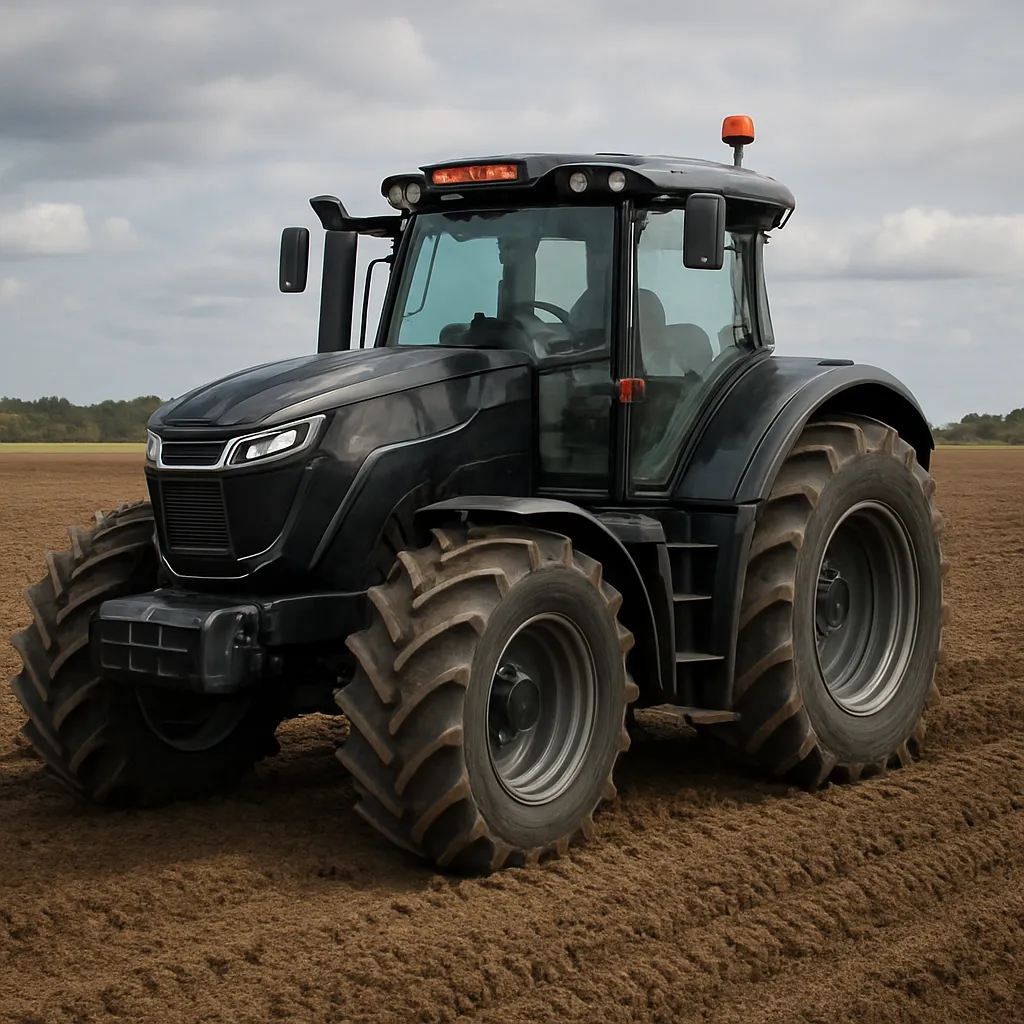
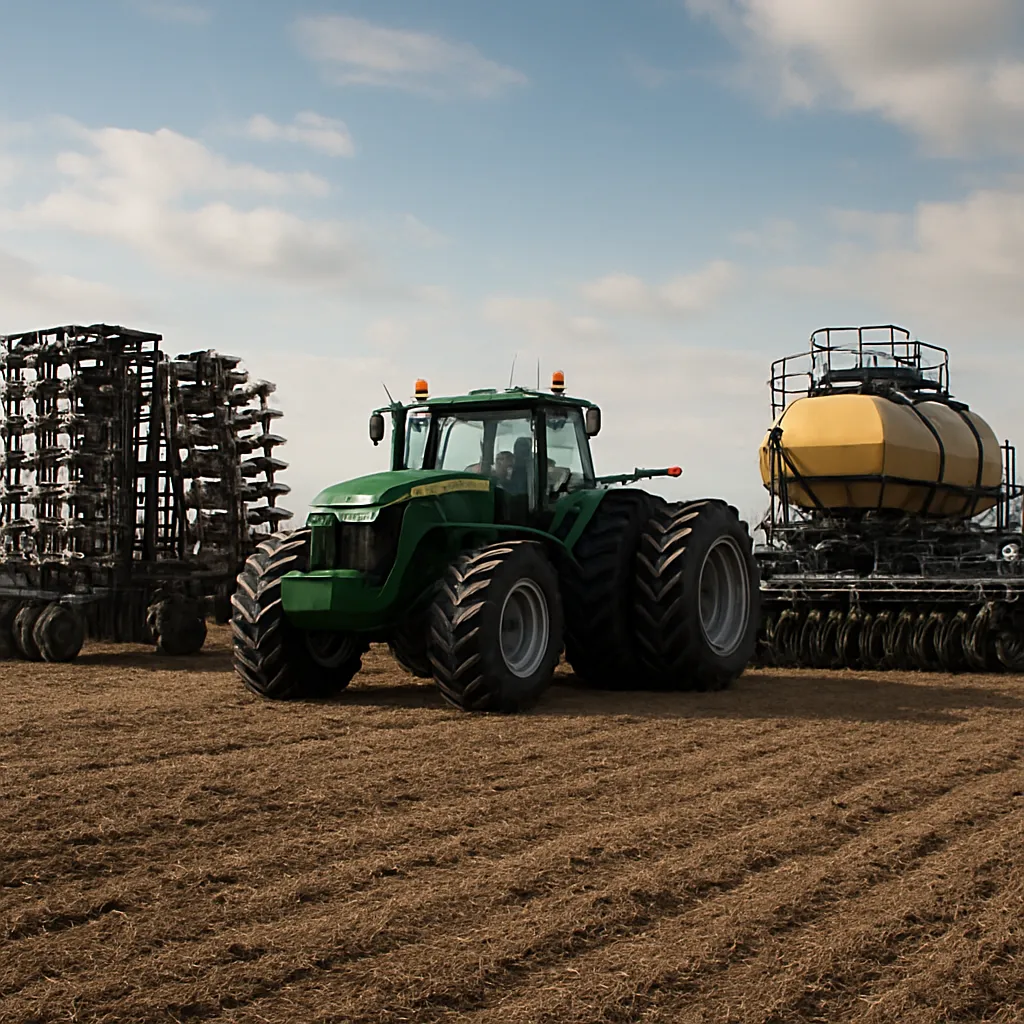
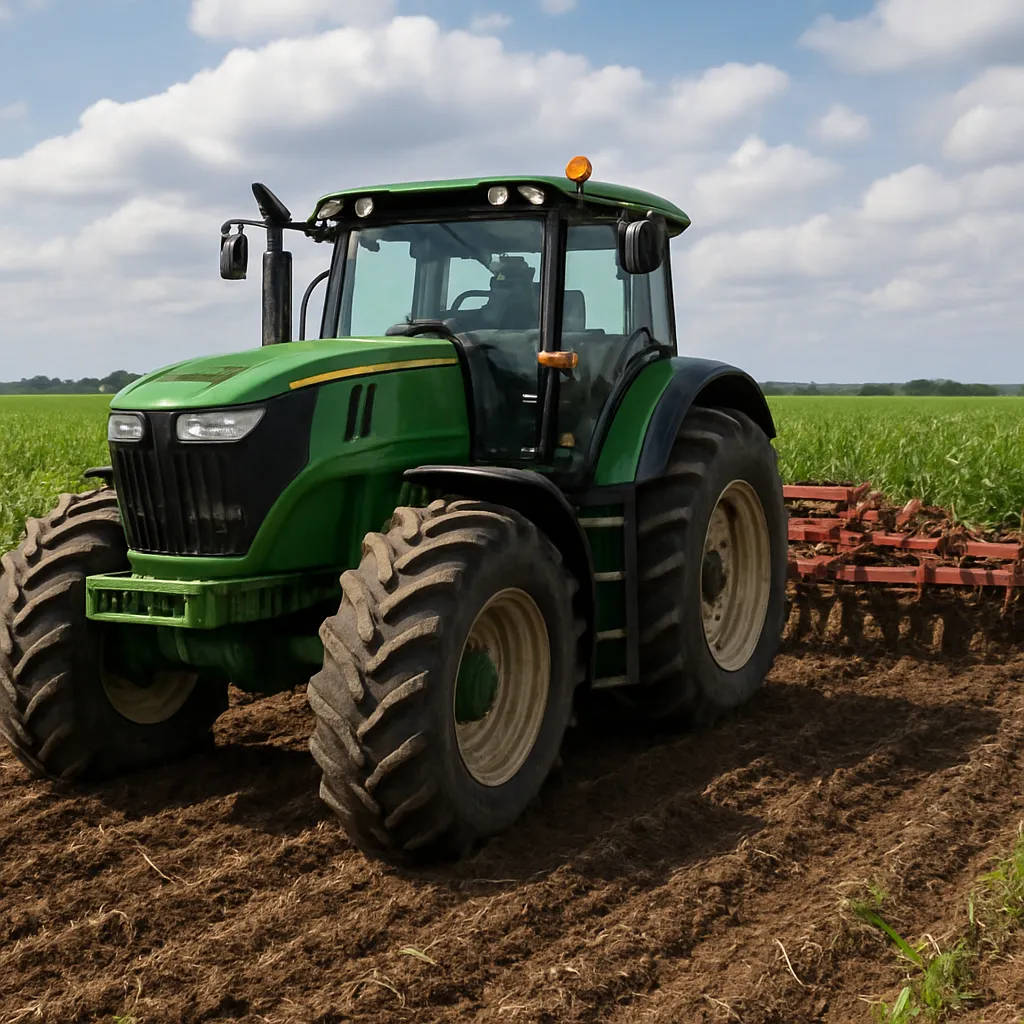
Farmers engaged in biofuel crop production require equipment that can cover large areas quickly and consistently. Modern high-horsepower machines, often exceeding 600 HP, are engineered to tackle tough soil conditions and heavy attachments. A typical giant tractor can weigh over 20 tonnes, offering the traction needed to pull multi-row planters loaded with seeds or to maneuver massive harrows designed for deep tillage.
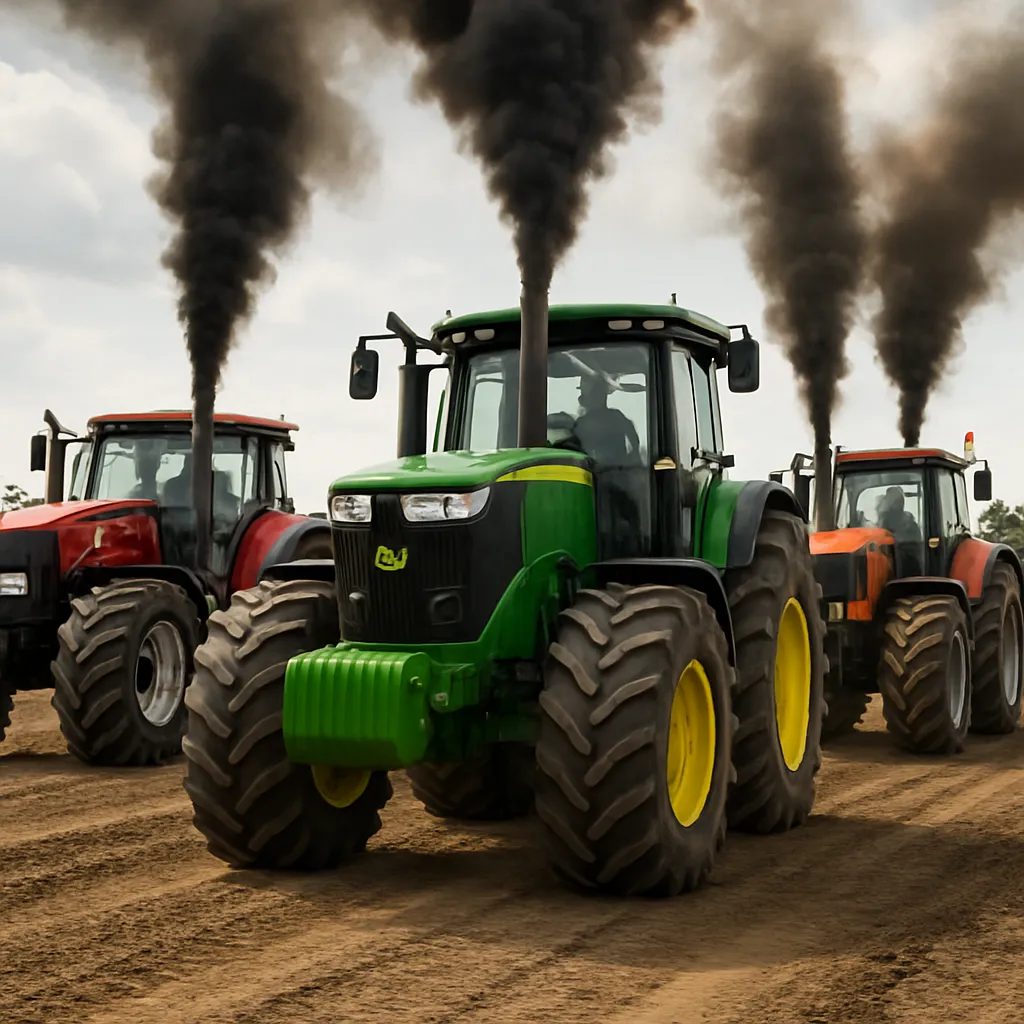
Another crucial aspect is fuel efficiency. While these tractors consume significant volumes of diesel, manufacturers employ advanced engine management systems and turbocharging to optimize combustion. Variable-speed transmissions allow operators to adapt power delivery to field conditions, reducing fuel consumption without sacrificing performance. As a result, a well-managed fleet of large tractors can lower operational costs per acre, improving the overall profitability of biofuel crop production.
Maintenance of such machinery is equally important. Robust design features—reinforced chassis, heavy-duty axles, and high-capacity cooling systems—ensure durability under continuous use. Remote diagnostics and telematics platforms enable proactive upkeep, alerting service teams to potential issues before they escalate into costly breakdowns. This blend of high power, reliability, and intelligent monitoring makes the biggest tractors indispensable assets on modern biofuel farms.
Leading Manufacturers and Models
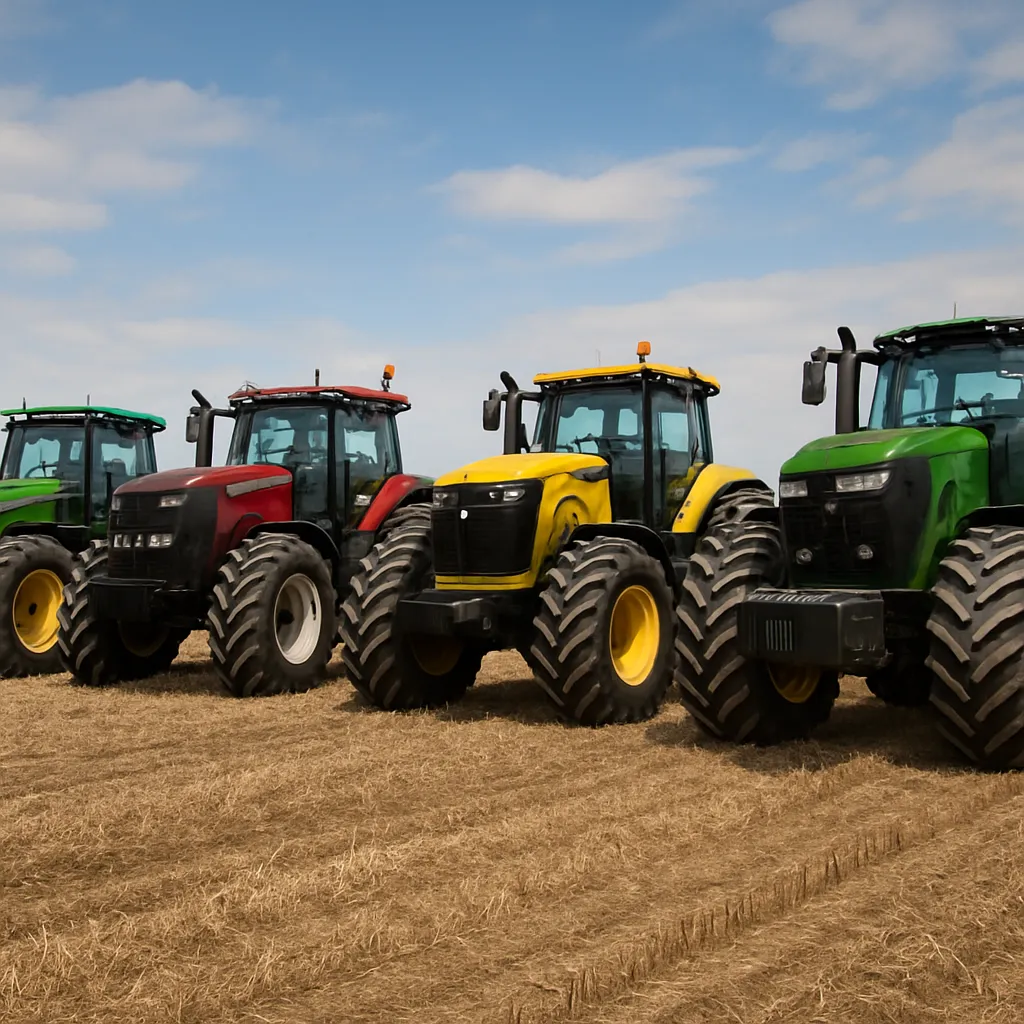
Several industry leaders compete to supply farmers with the most capable machines. Each brand brings unique strengths, from engine innovations to ergonomic cabin designs. Here are some iconic examples:
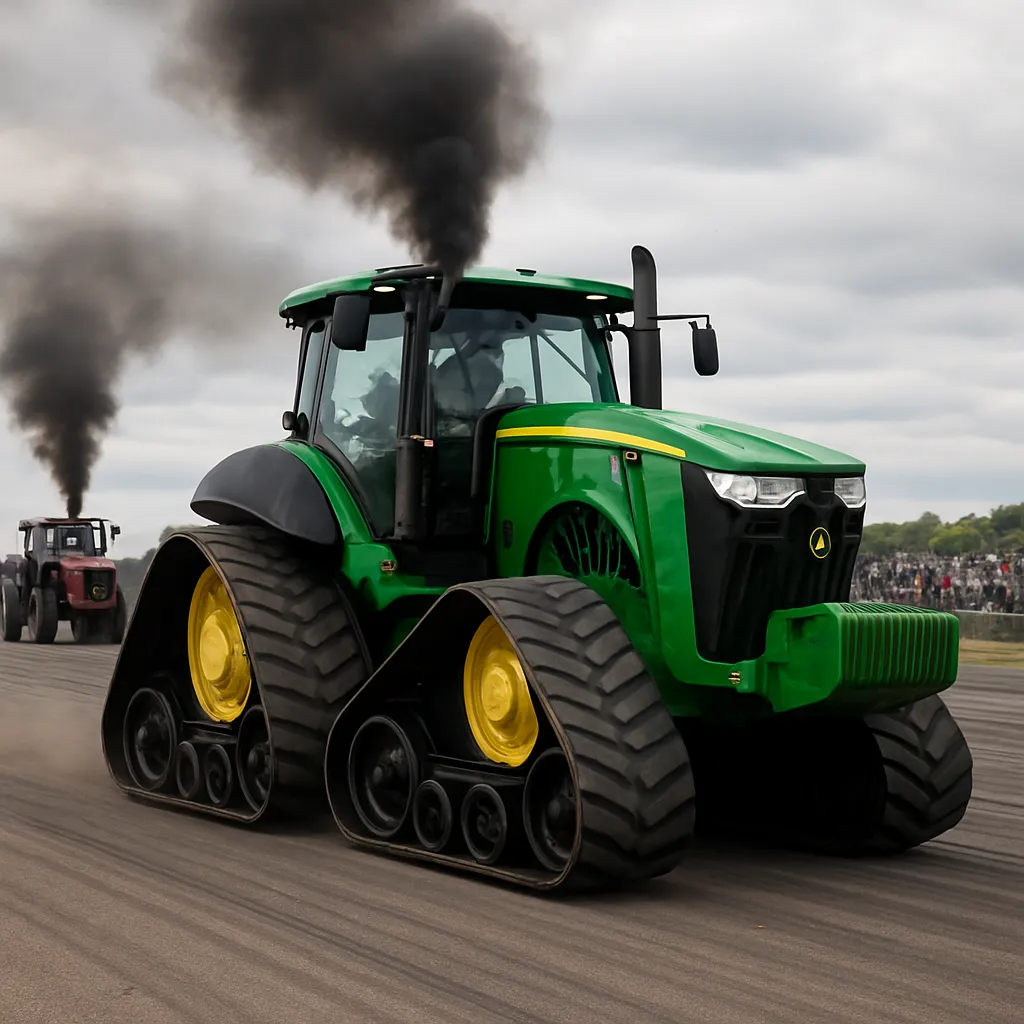
- John Deere 9RX Series – Featuring a four-track configuration for superior traction and minimal soil disturbance, these tractors deliver up to 620 HP and come equipped with advanced auto-steering systems.
- Case IH Steiger Quadtrac – Known for its Quadtrac track system, which distributes weight evenly to reduce compaction. Models offer up to 605 HP, ideal for large-scale planting and primary tillage.
- Fendt 1000 Vario – A German-engineered powerhouse with a continuously variable transmission (CVT) that provides smooth power transfer. High-capacity hydraulics support wide implements for efficient residue management.
- Massey Ferguson 8700 S Series – Balancing raw power (up to 400+ HP) with fuel-saving features, this line offers the Datatronic 5 interface for precise control and monitoring of all tractor functions.
- New Holland T9 Series – Designed for high-speed planting operations, these tractors produce up to 682 HP and include IntelliView™ displays to streamline workflow and manage multi-point GPS guidance.
Each model emphasizes a different aspect—whether it’s traction, horsepower, operator comfort, or digital integration. For biofuel producers, the choice often depends on field size, soil types, and the specific crop rotation plan.
Technological Innovations Enhancing Efficiency
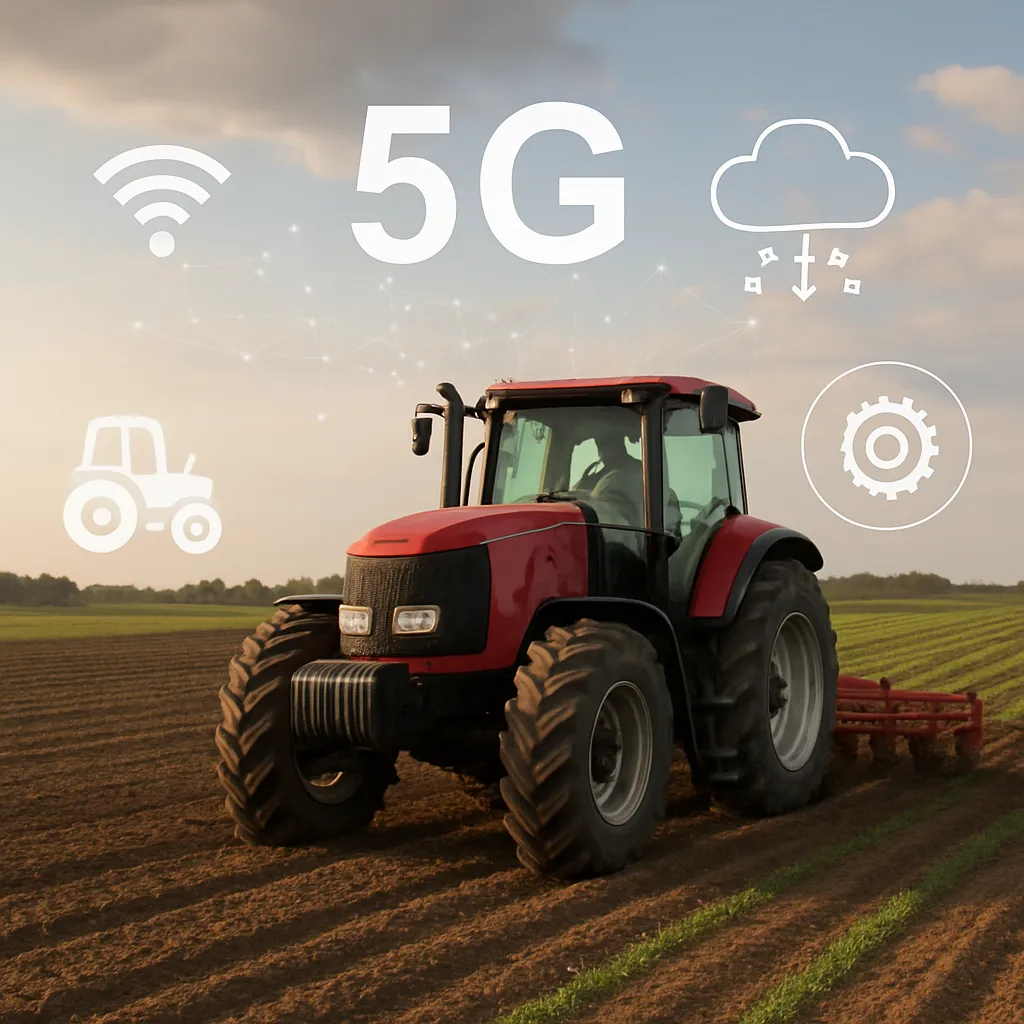
Technology has revolutionized large-tractor capabilities. Precision farming tools, guided by satellite-based GPS systems, allow for auto-steering with less than two-centimeter accuracy. This level of control prevents overlap during planting or fertilizing, reducing input waste by up to 15%. Additionally, real-time yield mapping and soil-moisture sensors feed data into farm management software, enabling operators to adjust settings on the fly.
Hybrid drivetrains and alternative-fuel prototypes are emerging. Some manufacturers test dual-fuel systems combining diesel with biodiesel or even natural gas to cut greenhouse gas emissions. Electric-assist motors integrated into the powertrain offer torque boosts during high-load operations, reducing main-engine strain. All these innovations aim to maximize productivity while supporting the broader goal of sustainable energy production.
Automation takes efficiency further. Many large tractors now feature semi-autonomous capabilities: once a field boundary is set, the machine can follow the perimeter, adjust speed for varying soil resistance, and activate implements at precise moments. This precision approach minimizes soil disturbance and ensures uniform seed placement, leading to more consistent crop emergence and ultimately higher yields per acre.
Environmental and Economic Impacts
The deployment of giant tractors in biofuel agriculture presents both opportunities and challenges. On the positive side, high-capacity machines reduce the number of passes required to prepare a field, which can decrease total fuel consumption and labor hours. Efficient large-scale operations also help meet renewable energy targets by increasing biomass yields.
However, there is concern about soil compaction caused by the immense weight of these tractors. Compacted subsoil can impede root growth, water infiltration, and nutrient uptake, potentially lowering long-term productivity. To counteract this, farmers often adopt controlled traffic farming (CTF), confining machinery movement to permanent lanes so the majority of the field remains undisturbed. Wide dual wheels or tracks further distribute weight, mitigating compaction risks.
From an economic standpoint, the initial investment in a mega-tractor can exceed several hundred thousand dollars. Yet, when amortized over thousands of acres and combined with lower per-acre operating costs, the return on investment can be attractive. Government incentives and tax credits for renewable energy projects sometimes offset purchase costs, encouraging adoption of the most advanced equipment.
Overall, the role of the largest tractors in sustainability efforts is twofold: they boost the scale and speed of biofuel crop production, and they push technological boundaries that benefit agriculture beyond energy feedstocks. As both environmental regulations and market demand evolve, these mechanical giants will continue to shape the future of farming and renewable energy alike.