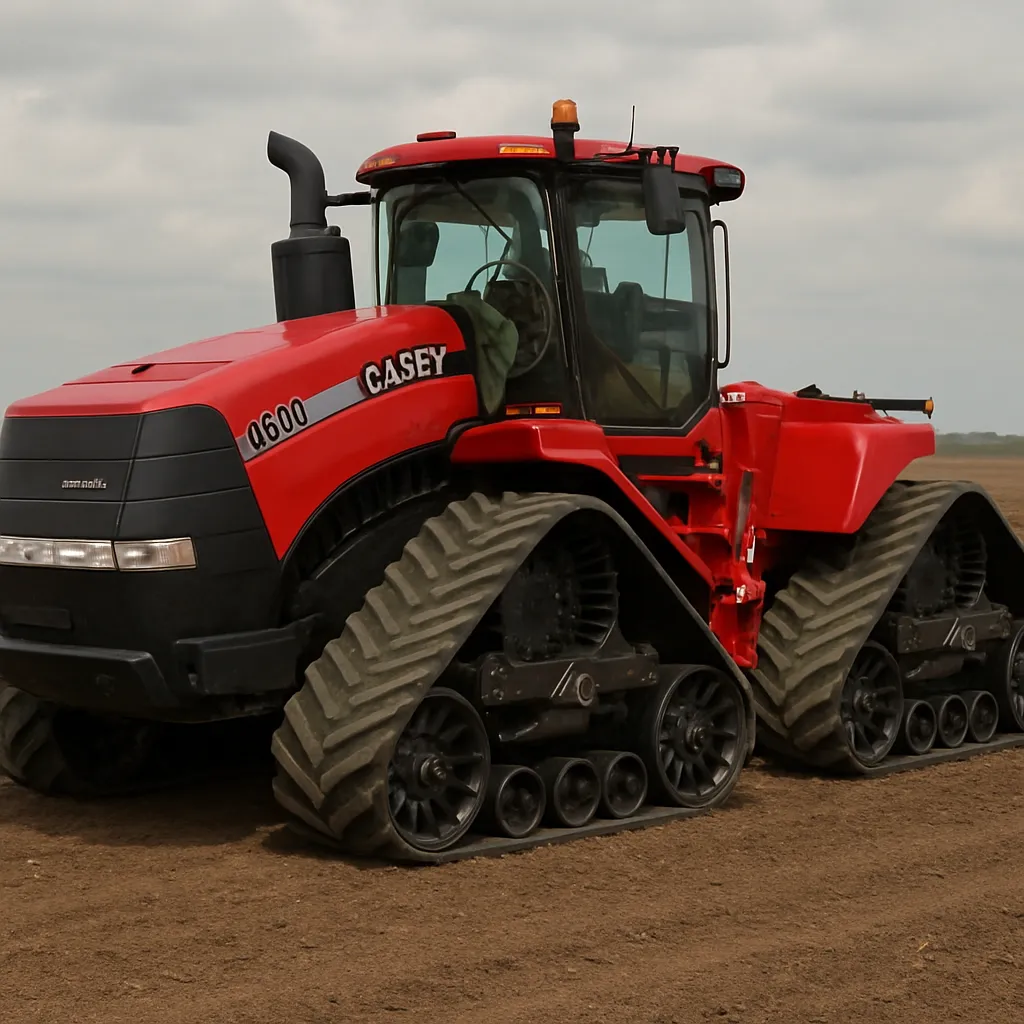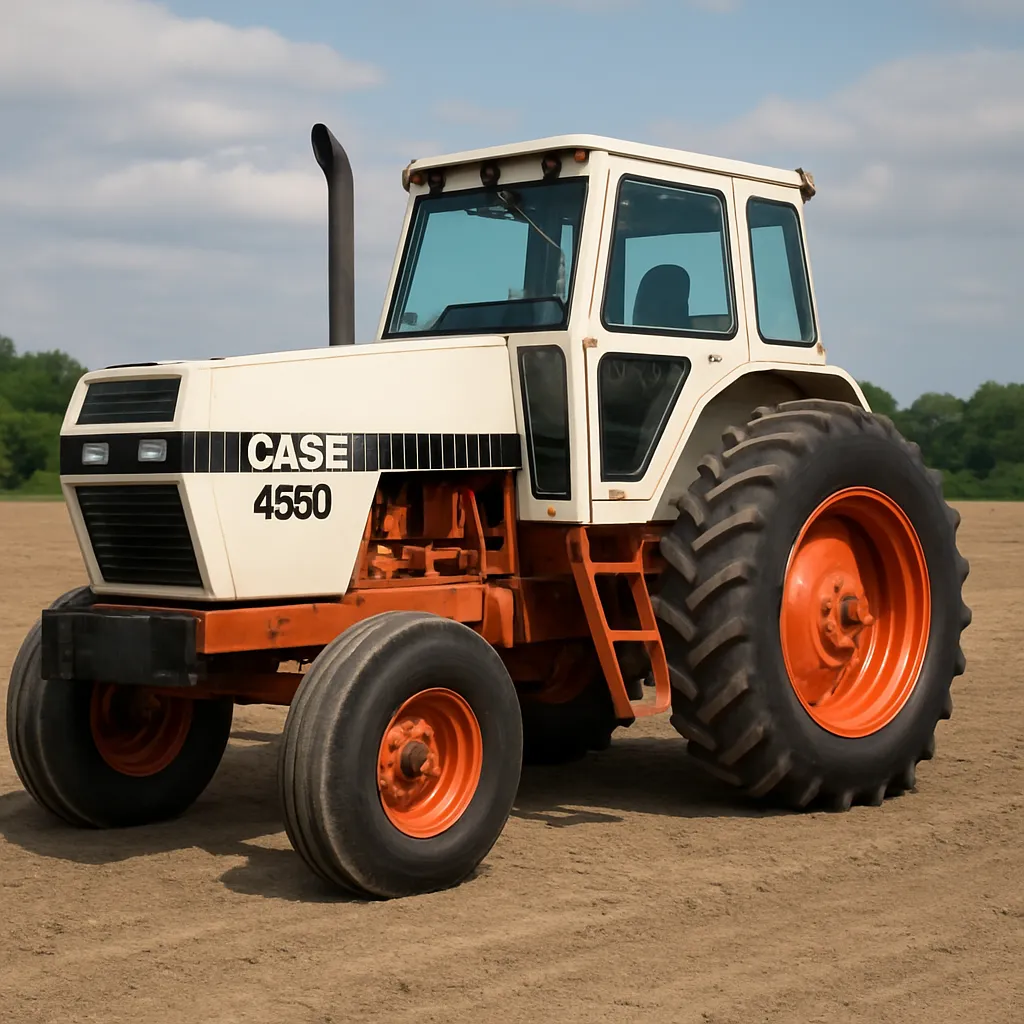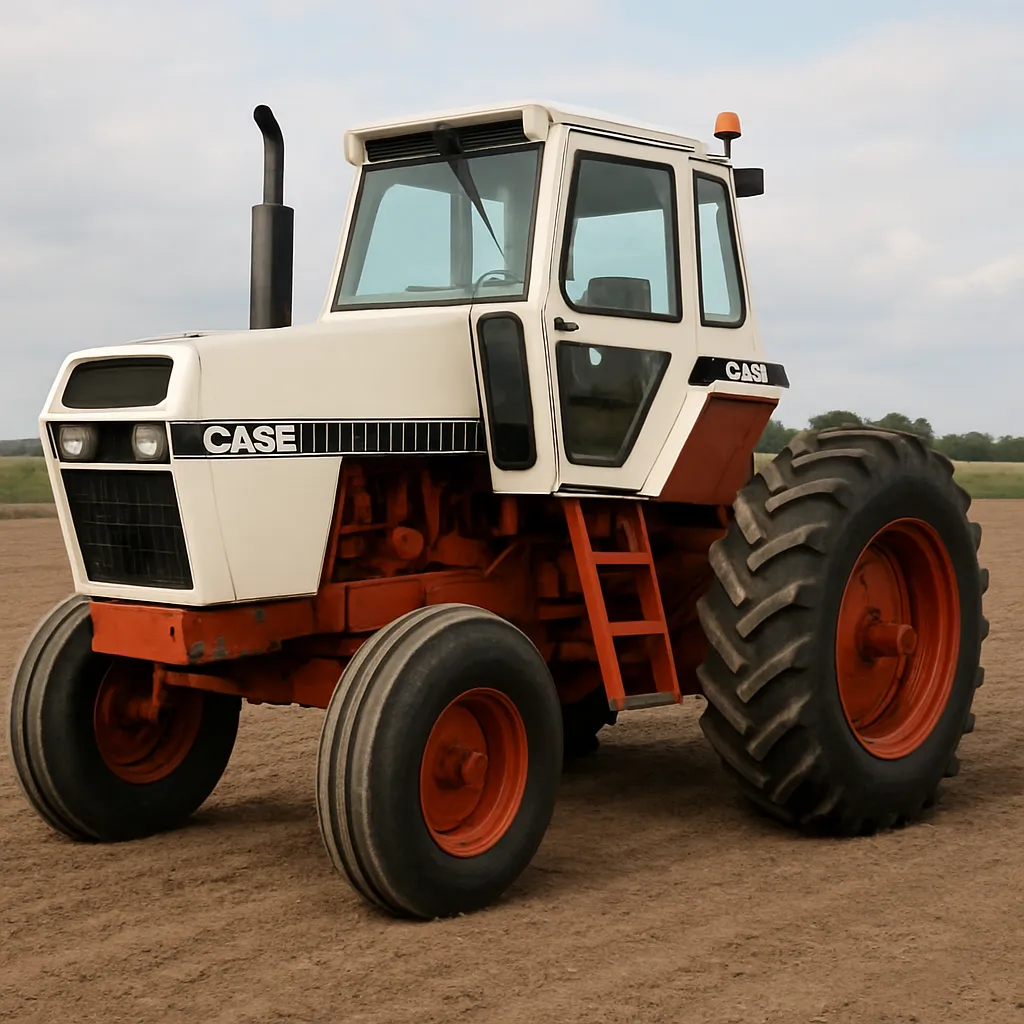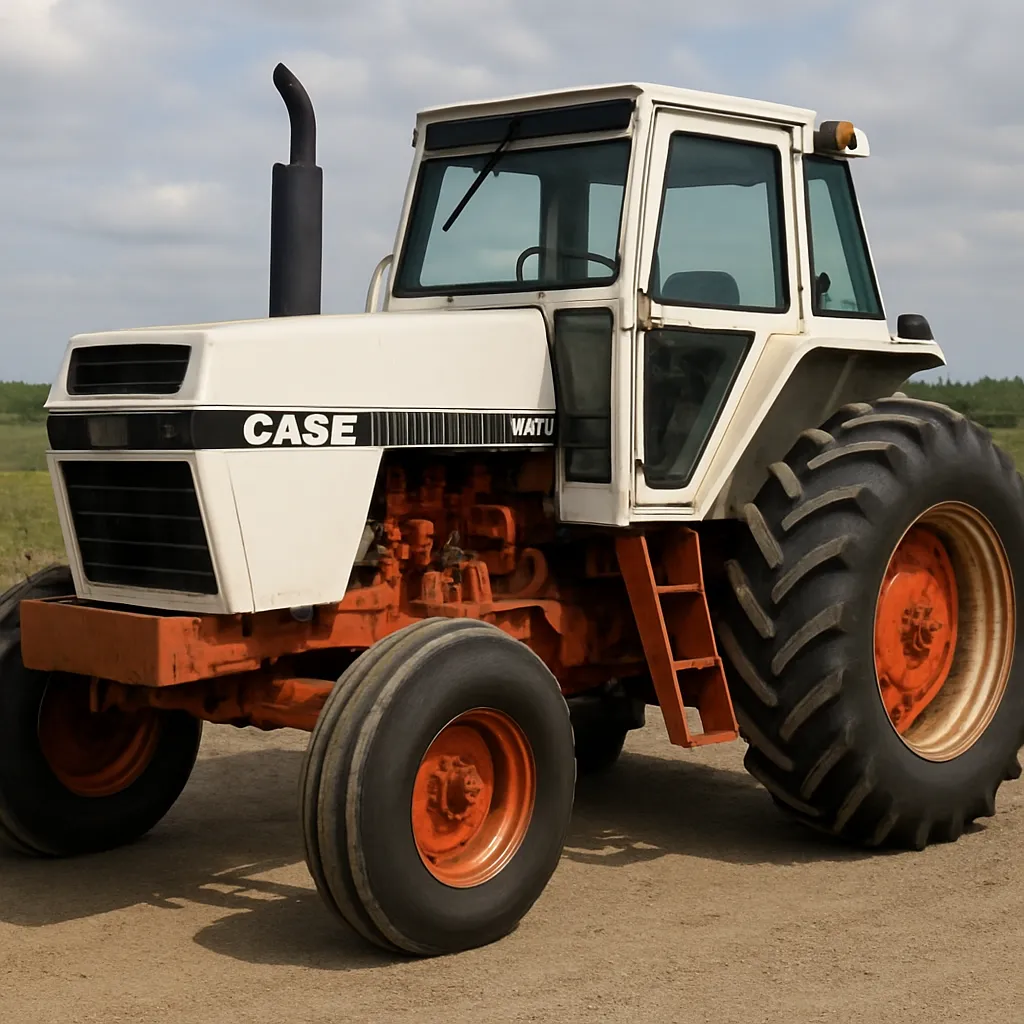
The Ursus 1930 tractor represents more than a machine; it is a symbol of early mechanization in agricultural Europe and a testament to the evolution of farm technology in Poland. In this article I will explore the historical background, typical technical characteristics and practical applications of tractors associated with the Ursus brand in the early 20th century, their role on farms, and the modern interest in preservation and restoration. The text will also examine common maintenance practices, typical attachments and implements, and the cultural and economic importance of these machines. Throughout the article I highlight several key concepts related to the tractor’s legacy and functionality.
History and Historical Context
The name Ursus is closely linked with Polish industrial and agricultural history. Beginning in the late 19th and early 20th centuries, Central and Eastern Europe saw a gradual shift from purely animal-powered farming to mechanized operations. By the 1930s, small and medium-sized farms were beginning to adopt tractors to increase productivity, reduce manual labor, and expand cultivated areas.
Origins of mechanization in the region
Mechanization in Poland and neighboring countries followed similar patterns to Western Europe but often lagged behind due to economic and political factors. Companies that later became known under the Ursus name were involved in manufacturing agricultural implements and engines before producing fully integrated tractors. Early tractors in the region were influenced by designs imported from Western Europe and North America but were adapted to local needs: smaller footprint, easier maintenance, and suitability for mixed farming and smaller plots.
Design trends of early-1930s tractors
Tractors associated with the 1930 era typically prioritized simplicity and robustness. Key design trends included:
- Modest power outputs, often in the range of 20–40 horsepower, appropriate for single-furrow plows and general farm tasks.
- Rudimentary transmissions with a few gears (commonly 3–5 forward speeds and 1–2 reverse speeds).
- Preferential use of gasoline or kerosene engines early on, with diesel power becoming more common slightly later due to fuel economy and torque benefits.
- Simple mechanical systems to facilitate field repairs and reduce dependency on specialized tools.
Technical Characteristics and Typical Specifications
Exact specifications for a model labeled “Ursus 1930” vary depending on whether one refers to a specific prototype, a factory product of that year, or a general family of early tractors produced by Ursus-affiliated workshops. The following is a synthesized overview of the technical characteristics typical for tractors produced in Poland and Central Europe in that period and for early Ursus-type machines:
Engine and powertrain
- Engine type: Early models were commonly fitted with 4-cylinder gasoline or kerosene engines; diesel conversions and purpose-built diesels gained popularity later. Engines were air-cooled or water-cooled, depending on the design.
- Power output: Typical effective power ranged from about 18 to 40 HP, allowing for single to small multiple implement operations. This made them suitable for plowing, harrowing, sowing and transport duties on small-to-medium farms.
- Transmission: Manual gearboxes with a limited number of ratios. The focus was on low-end torque for traction rather than high-speed travel.
Chassis, drive and mobility
- Early tractors had a relatively short wheelbase to keep maneuverability on tight fields, combined with a simple rigid frame.
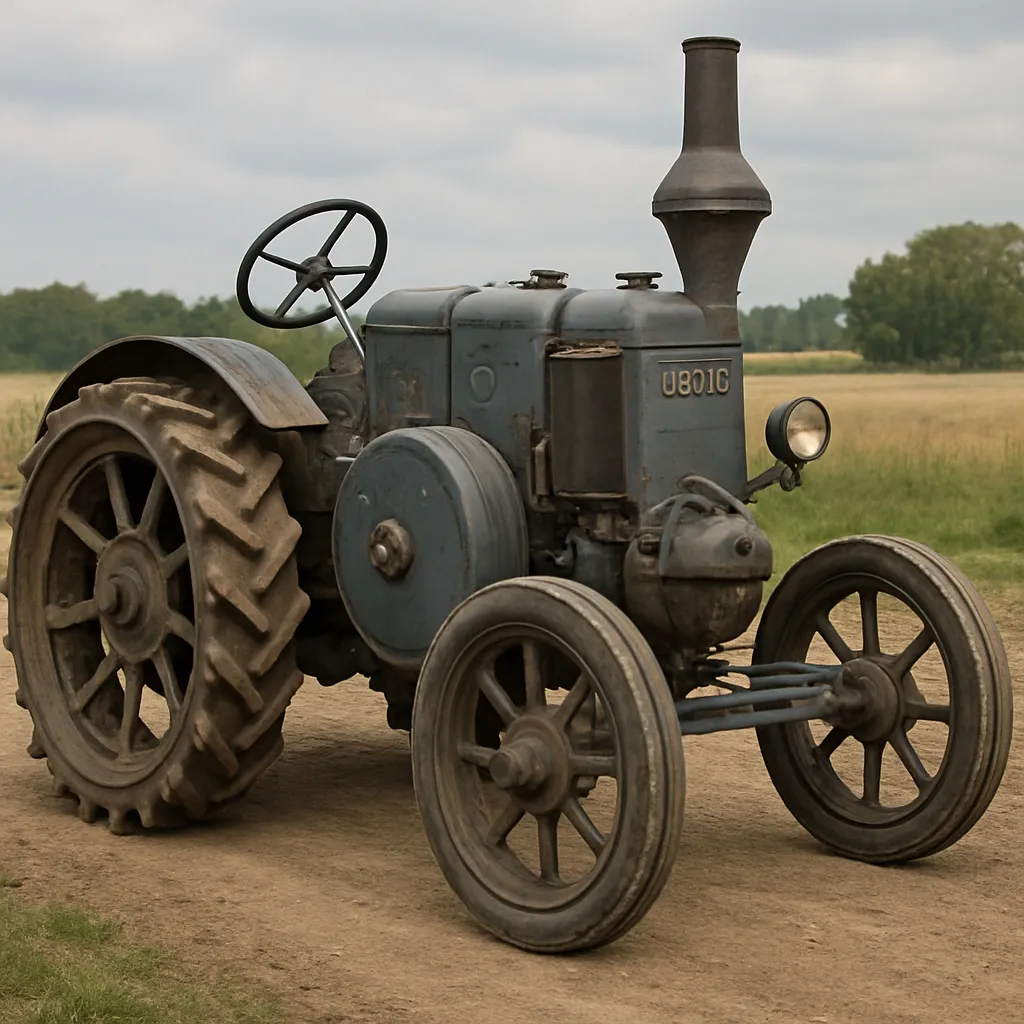
- Drive layout was typically rear-wheel drive with differential lock options on some models; front-wheel steering used a simple mechanical linkage. Pneumatic tires became common in the interwar period but steel wheels with cleats were still in use on some machines.
- Weight typically ranged from 1,000 to 2,500 kg depending on model and whether it had cast-iron components or lighter construction elements.
Implements and PTO (Power Take-Off)
Many early tractors did not have standardized power take-off shafts as we know them today; instead, implements were driven by belt pulleys or by simple mechanical linkages attached to the transmission. Typical implements included:
- Single-furrow plows
- Harrowing equipment
- Seed drills and planters
- Trailers and wagons for transport
- Belt-driven threshing machines used in farmyards
Applications and Uses on the Farm
By the 1930s, tractors like those built under the Ursus tradition were already diversifying farm operations. Their applications can be grouped into several practical categories:
Primary fieldwork
- Plowing: enabling faster soil turnover and expanding the area a single farm family could manage.
- Harrowing and seedbed preparation: improved soil conditioning and seed placement.
- Sowing and planting: when combined with simple planters, tractors increased sowing precision and speed.
Harvest and post-harvest operations
- Pulling wagons and trailers for crop transport.
- Driving threshing belts and powering stationary machinery such as balers and small mills.
- Providing mechanical assistance for activities that earlier would have required substantial manual or animal labor.
Non-agricultural and auxiliary roles
Tractors proved useful beyond pure agriculture:
- Roadside and municipal work: hauling materials, snow removal with improvised blades.
- Construction support: moving equipment and materials on small building sites.
- Rural electrification and workshops: providing mechanical power to small businesses through belt drives or generators.
Maintenance, Common Repairs and Longevity
Longevity of early tractors such as those produced under the Ursus name depended heavily on routine maintenance, adaptability of parts, and the simplicity of the design. Many machines from that era survived decades because owners could perform field repairs with limited tools.
Routine maintenance tasks
- Regular lubrication of bearings, steering linkages and transmission components.
- Frequent inspection of cooling systems and replacement of coolant if applicable.
- Carburetor or fuel system cleaning for gasoline/kerosene engines; injector and fuel pump attention for diesels.
- Track and tire care: ensuring proper inflation for pneumatic tires or checking riveted steel wheels for wear.
- Electrical system checks for early ignition systems, magnetos and battery upkeep where used.
Typical faults and field repairs
Common issues included worn piston rings and valves, clutch slippage due to wear, and gearbox tooth damage from heavy loads. Because engines were mechanically simple, many farmers could re-bore cylinders, replace piston assemblies, or re-line clutches without specialized facilities. This maintainability contributed to the tractors’ reputation for reliability and long service life.
Cultural and Economic Importance
During the interwar period and later decades, tractors such as those from Ursus played a strategic role in modernizing agriculture. The introduction of mechanized traction allowed farms to increase productivity per laborer and better withstand fluctuations in labor availability and market demands.
Symbol of modernization
In rural communities, tractors became symbols of progress and prosperity. An early tractor on a family farm often signaled the ability to cultivate more land, transition to more capital-intensive crops, and participate in emerging markets. The Ursus name in Poland evolved into a national industrial emblem, frequently associated with rural advancement.
Employment and industry growth
Manufacture, maintenance and distribution of tractors spawned local industries: repair workshops, parts suppliers, and training for operators and mechanics. Even small-scale production and refurbishment workshops contributed to local employment, keeping know-how circulating in rural regions.
Restoration, Collecting and Museums
Today, enthusiasts and collectors show strong interest in early tractors, including those tied to the Ursus heritage. Restored machines appear at classic agricultural shows, parades and museum exhibits. The restoration community focuses on authenticity, mechanical soundness and historical accuracy.
Restoration challenges
- Sourcing original parts: many components are no longer manufactured; collectors often rely on salvaging parts from donor machines or commissioning reproductions.
- Corrosion and wear: older tractors often suffer from rusted frames, seized engines and degraded rubber components.
- Authentic paint and decals: historical accuracy is valued and requires research into original color schemes and markings.
Museums and preserved examples
Museums of agricultural technology in Poland and across Europe often include preserved Ursus models or tractors of comparable vintage. These exhibits serve to educate the public about rural life, industrial history, and the technological progression that shaped modern agriculture.
Statistical and Quantitative Observations
Precise production figures specifically for a model labeled “Ursus 1930” are not always clearly documented in publicly available global databases. However, some broader observations and commonly reported statistics related to early Ursus-type production and the tractor market of that era are:
- Market penetration in Poland during the 1930s remained modest compared with Western Europe; tractors were concentrated on larger farms and experimental cooperative farms that could afford mechanization.
- By mid-20th century, mass-produced post-war Ursus models significantly increased total tractor numbers in Poland, with several hundred thousand units of later models produced during the second half of the 20th century—this underlines the later expansion of mechanization that early models like the Ursus machines helped initiate.
- Survivorship rates for pre-war tractors are low in absolute numbers, but a notable minority survives among collectors and museums. Estimates of preserved pre-1940 tractors in museums and private collections across Poland and neighboring countries run into the low hundreds.
Practical Advice for Enthusiasts and Small Farmers
Whether you own a restored Ursus-type tractor or are considering acquiring one, practical considerations are important to ensure safe and useful operation.
Assessment before purchase
- Check engine condition: compression test (if possible), visual inspection for cracks and previous repairs.
- Verify frame integrity and absence of major weld repairs that could indicate structural damage.
- Assess availability of parts and the presence of an active owners’ community to support restoration.
Operation and safety
- Remember that early tractors lack modern safety features. Operators should be trained, use personal protective equipment, and avoid carrying passengers on non-designated seats.
- Implement properly sized attachments and respect the machine’s load limits to prevent tipping or drivetrain damage.
Integration into small modern farms
Classic tractors can still be useful on small hobby farms where low-speed torque and simple attachments are sufficient. They also function well as educational tools that demonstrate historical agricultural practices while performing light-duty tasks like mowing, towing small trailers and powering belt-driven workshop tools.
Conclusion and Legacy
The Ursus legacy—especially machines associated with the early decades of the 20th century—represents the transition from traditional, labor-intensive farming to mechanized agriculture. Although specific technical specifications vary by source, the general features of these tractors include simple, robust construction, modest power suitable for the small-to-medium farms of the era, and a strong emphasis on maintainability and reparability in the field. Their role in agricultural modernization, regional industrial development, and cultural memory is clear.
Collectors, historians and rural communities continue to value these tractors for their practical contributions and symbolic significance. Whether as active farm machines, restored showpieces, or museum exhibits, these early Ursus-type tractors remain an important piece of agricultural history and a reminder of the technological shifts that shaped modern farming.