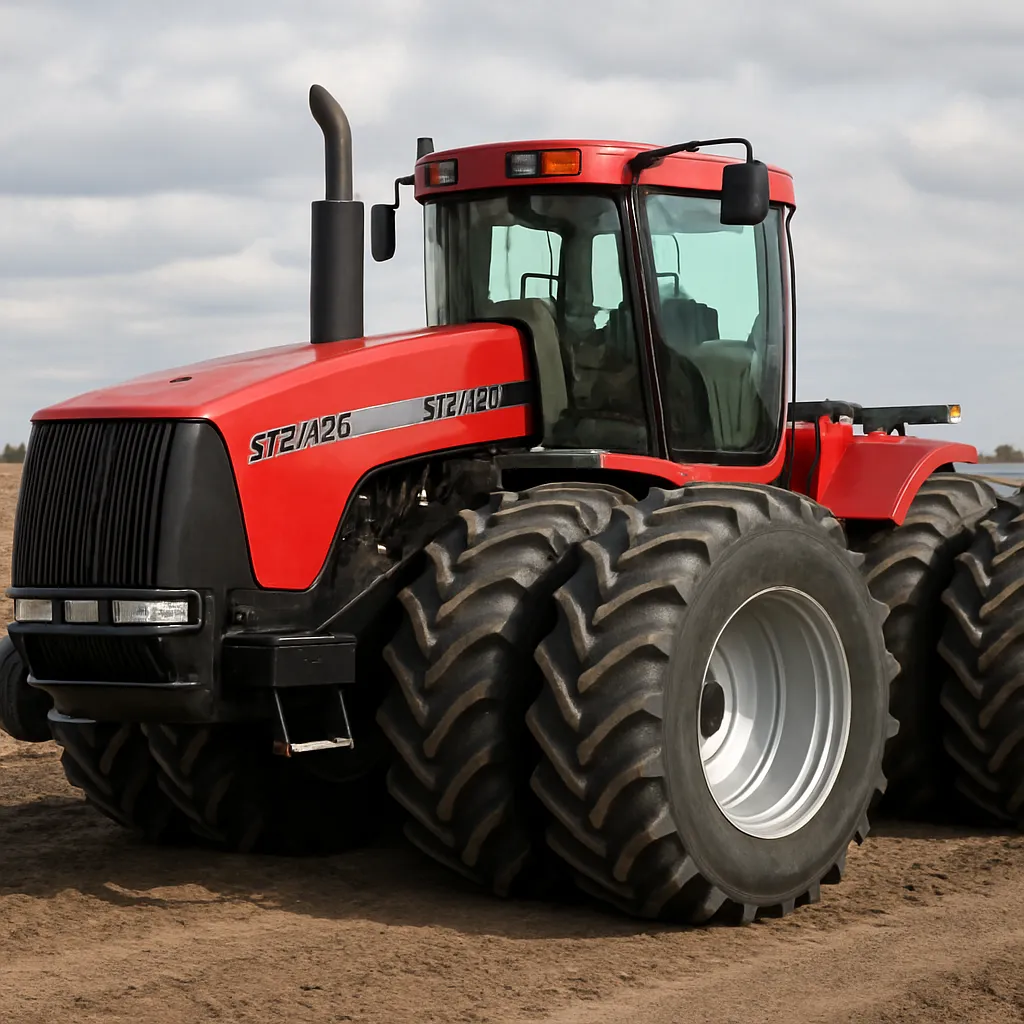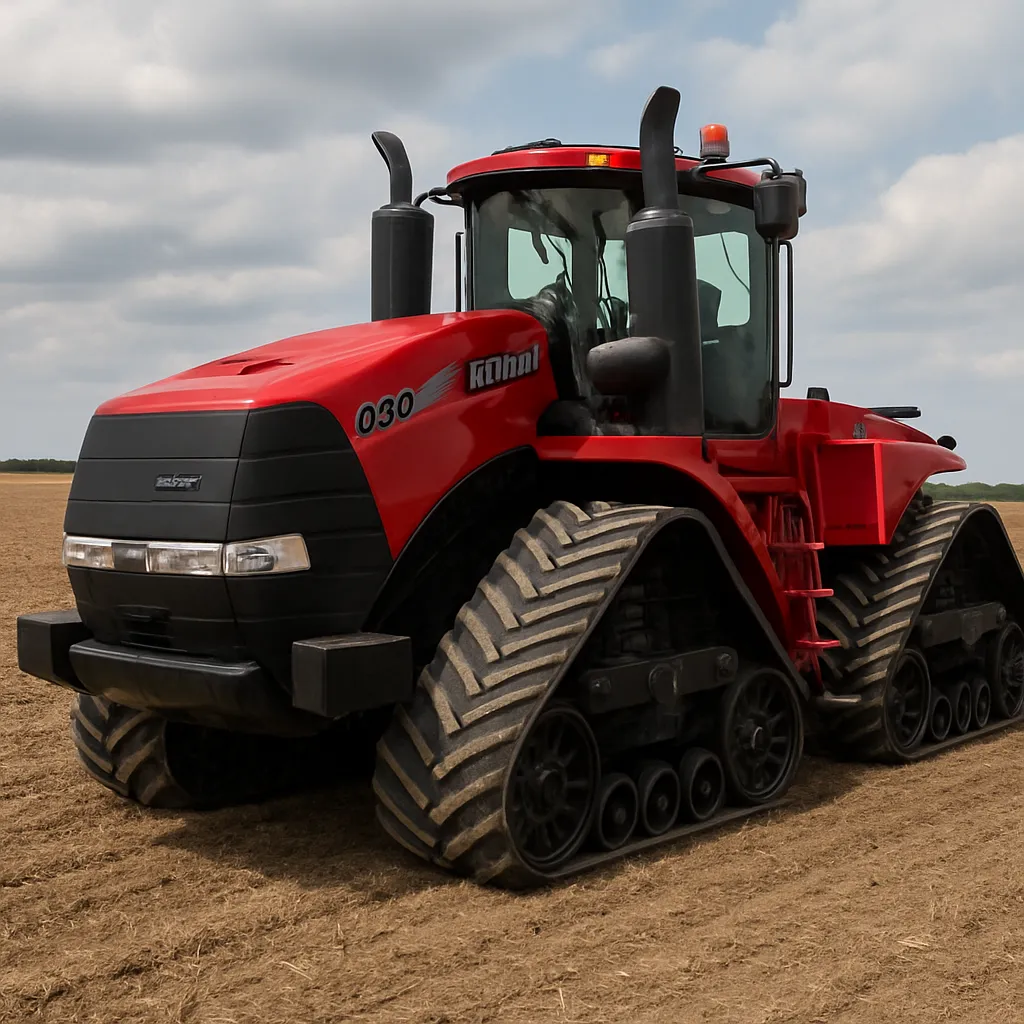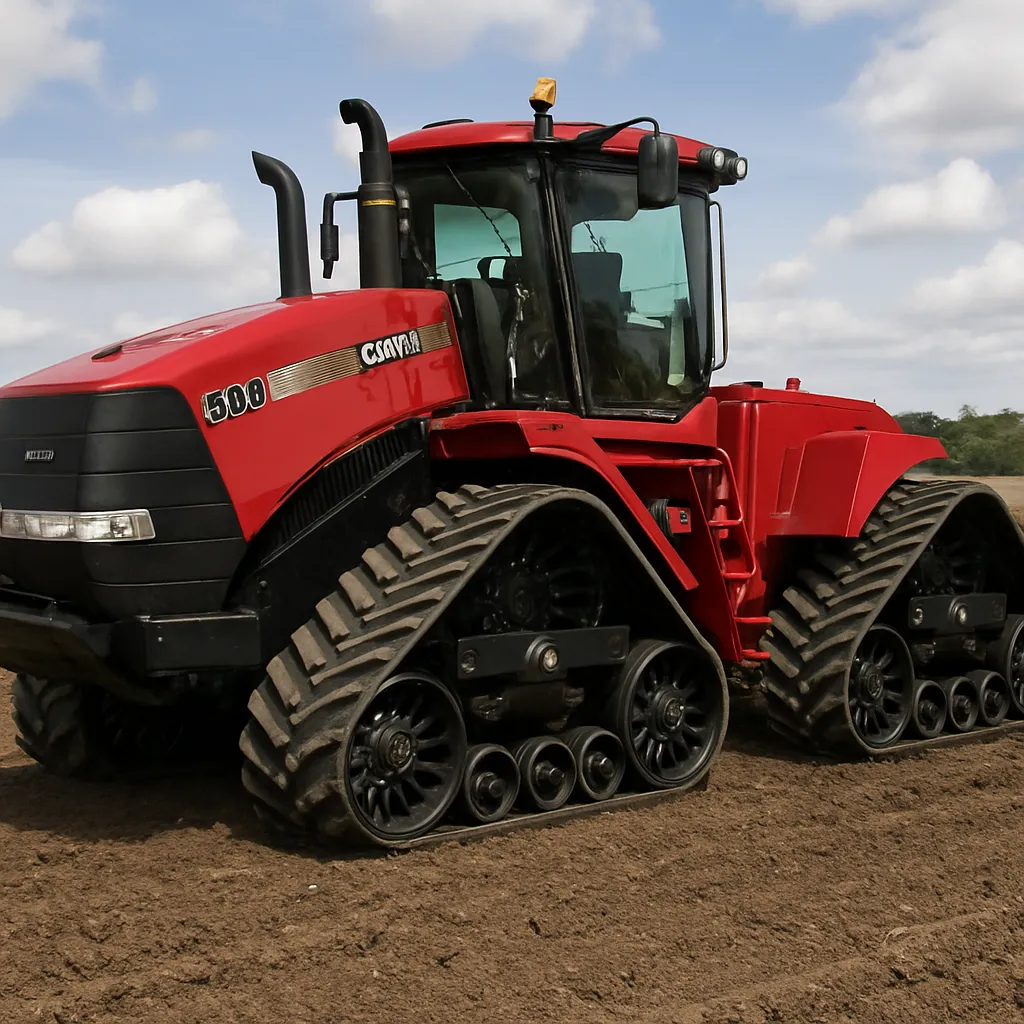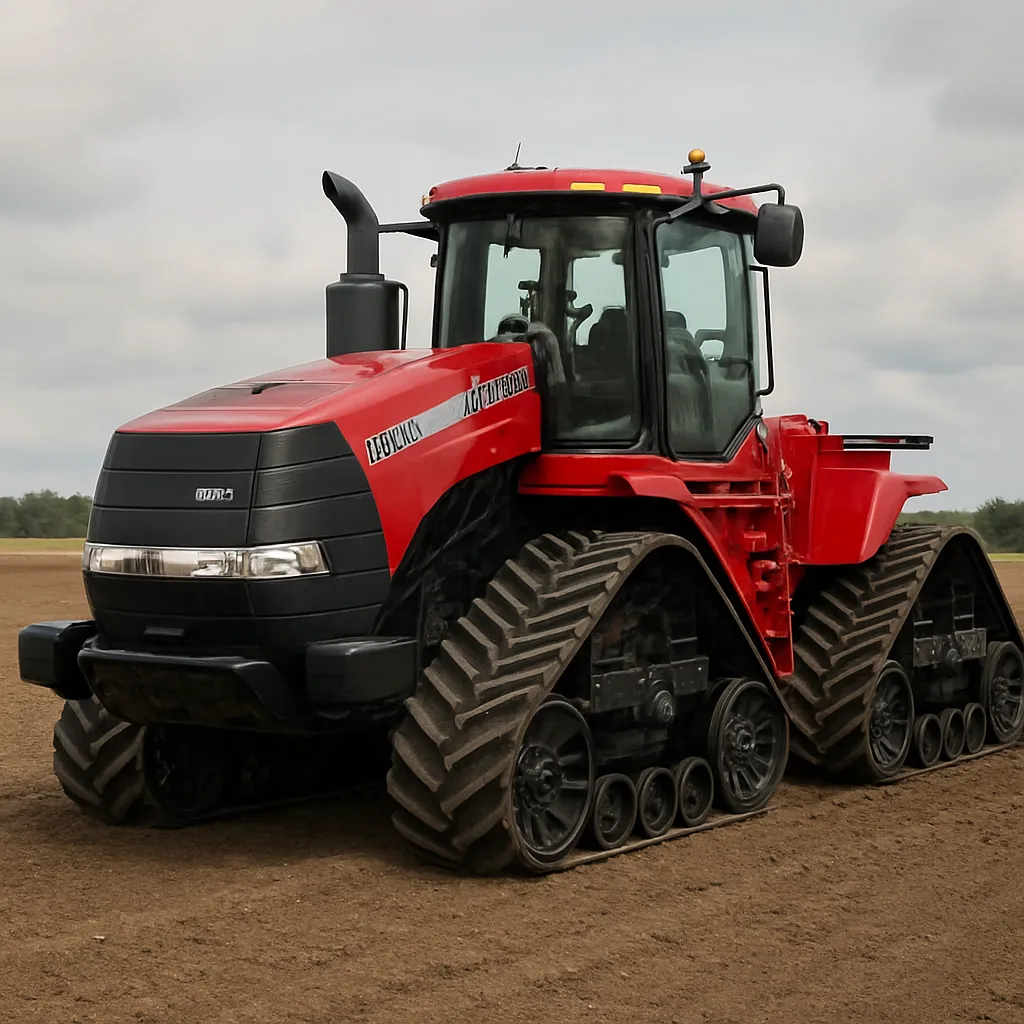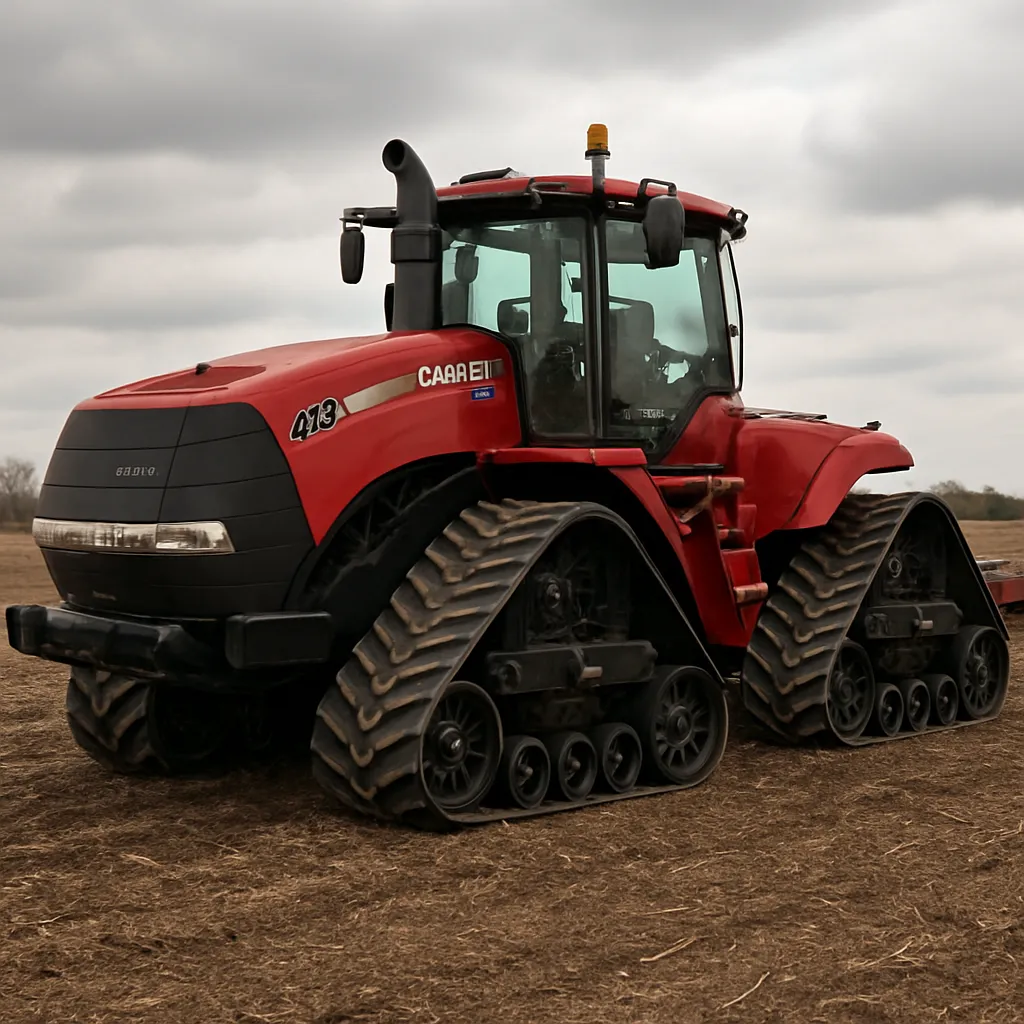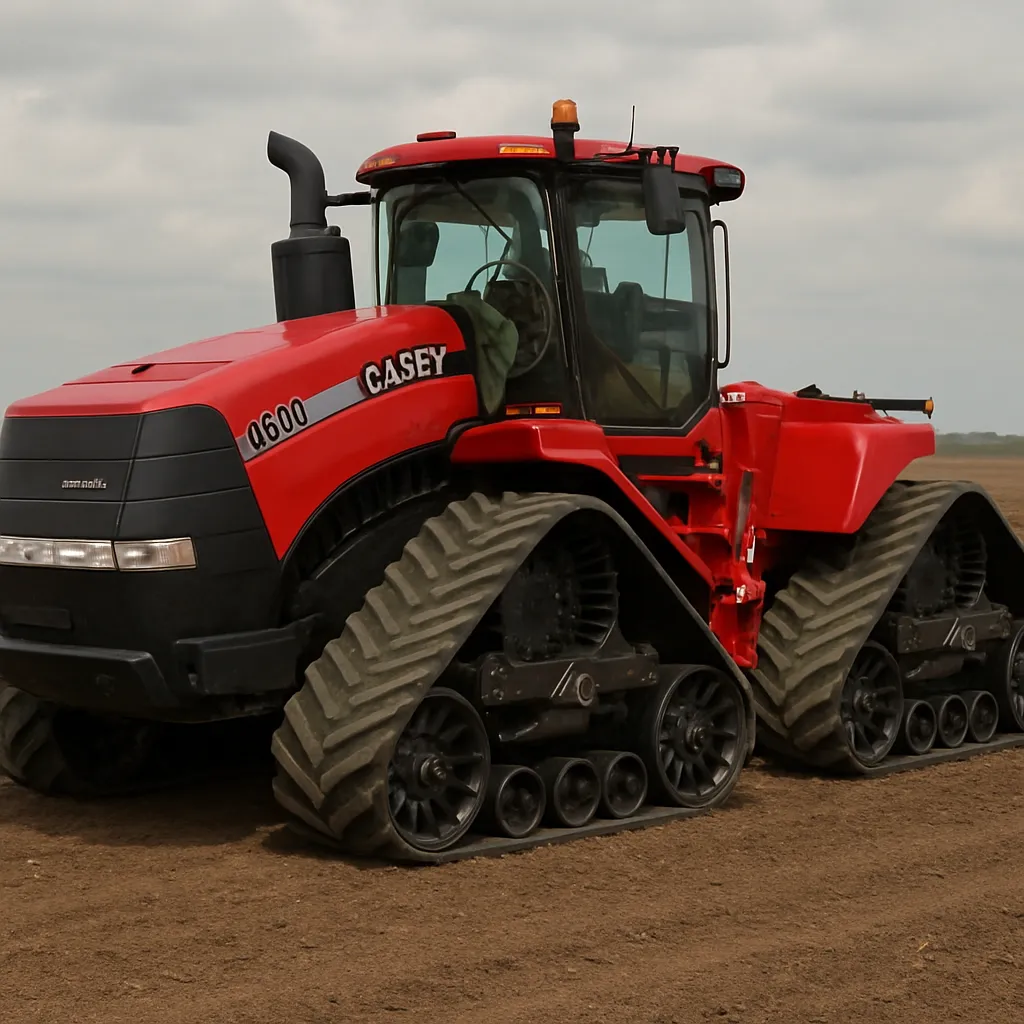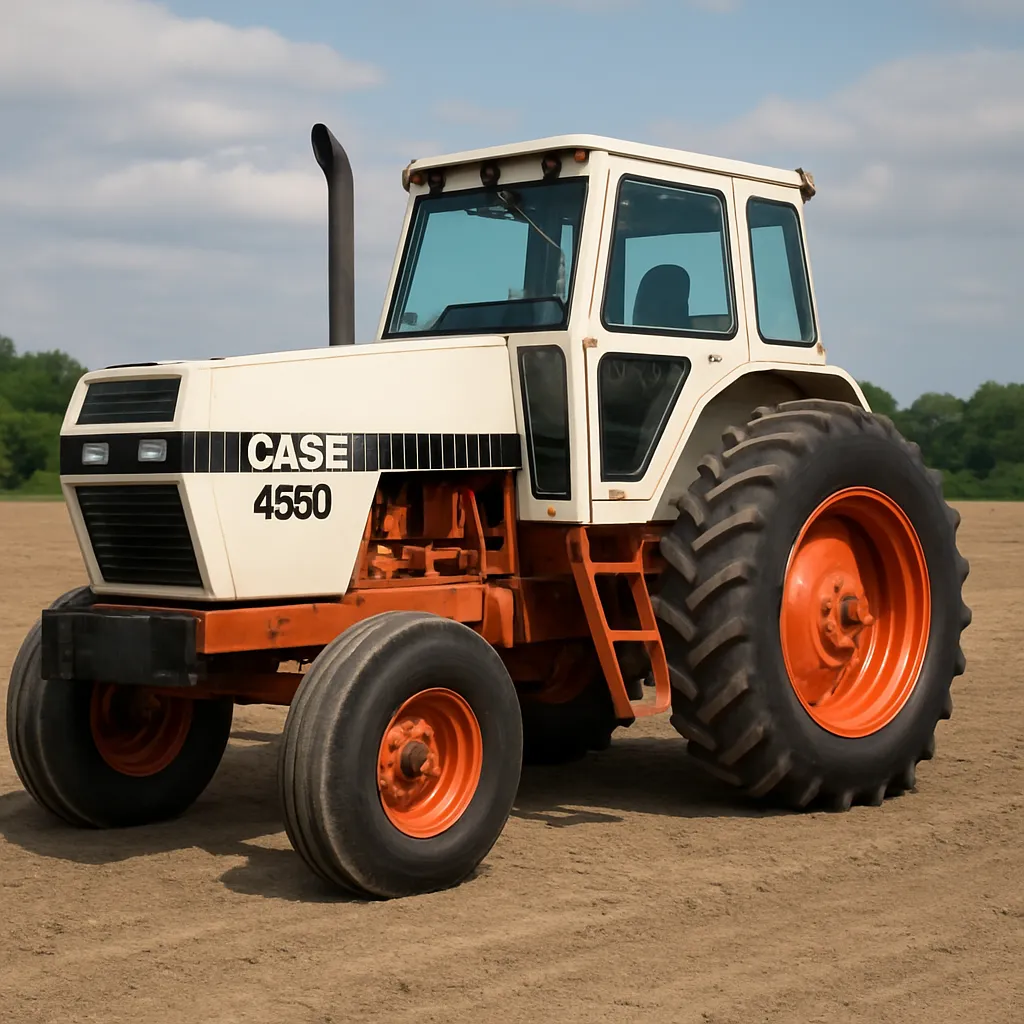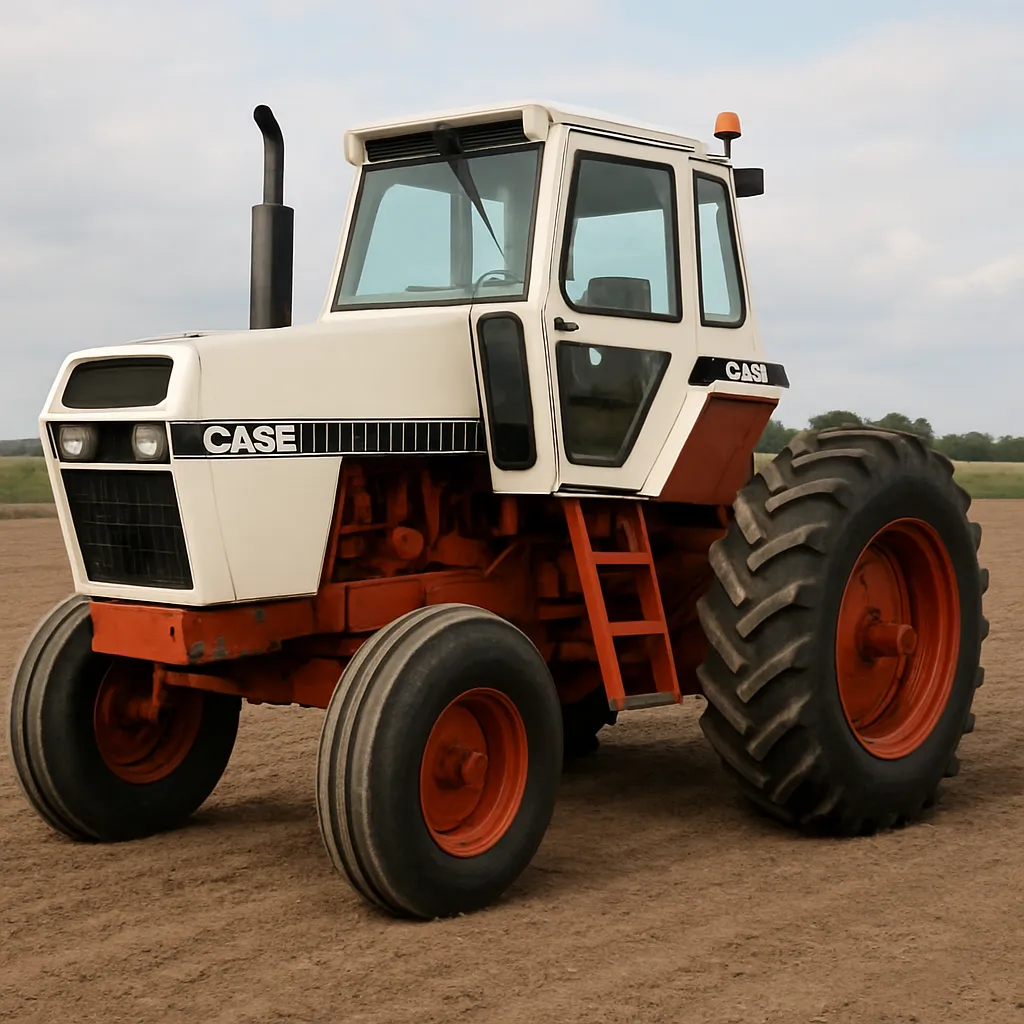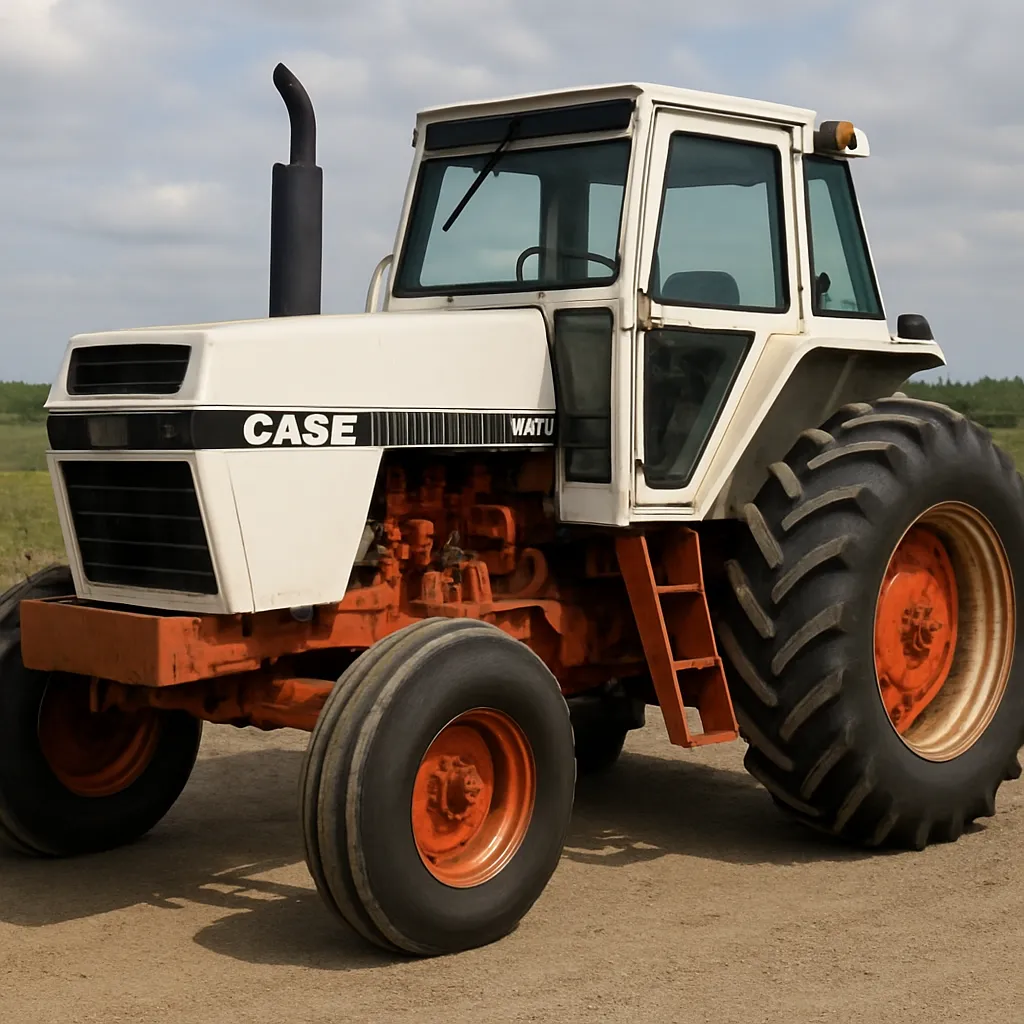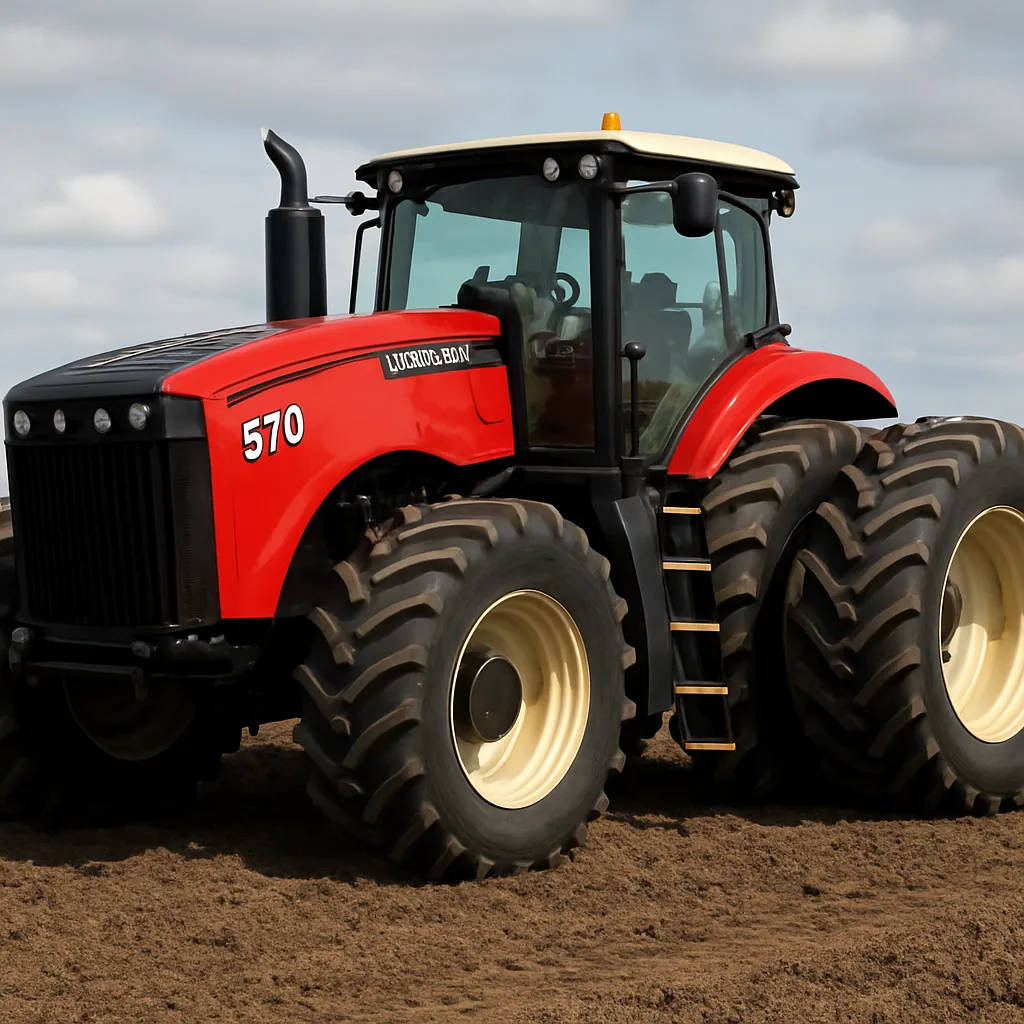
The Versatile 570 is a high-horsepower agricultural tractor designed for demanding large-scale farming tasks. Built to move heavy implements, seed large areas quickly, and operate reliably under continuous load, the machine occupies a place among the workhorses of modern arable and mixed farms. This article reviews the tractor’s design, typical applications, technical characteristics, operational economics, and the practical considerations farmers and contractors weigh when choosing a machine in this class.
Design and Powertrain
The Versatile 570 is engineered around the need for sustained, high-output performance. At the heart of the machine is a powerful diesel engine delivering roughly 570 horsepower (about 425 kW) at peak output in conventional factory ratings; actual produced power depends on the specific engine calibration and emissions configuration. The tractor typically features a robust block and forced induction by turbocharging and intercooling to maintain power and torque across a wide rpm range, making it well suited for heavy tillage and large seeding operations.
Key mechanical features commonly associated with the Versatile 570 include a heavy-duty drivetrain, a multi-speed transmission that may be offered as a powershift or other high-capacity design, and a durable final drive and axle assembly to handle the torque loads generated. Many units are delivered with a full-time four-wheel drive configuration and options for dual rear wheels or track systems to improve traction and reduce soil compaction on wet or loose ground.
Engine, torque and emissions
- Engine type: high-displacement diesel with turbocharging and electronic fuel management for optimized power and fuel economy.
- Rated power: centered around 570 hp in standard factory spec; operational horsepower depends on attachments and PTO draw.
- Torque: designed to deliver high torque at mid to low rpm for pulling heavy loads; torque figures vary by engine model and year.
- Emissions: models built across different production years comply with differing standards; older models meet earlier tiers while later upgrades are configured to meet Tier 4 or equivalent standards in many markets, using aftertreatment such as selective catalytic reduction (SCR) or diesel particulate filters where required.
The drive system, often arranged to deliver power smoothly through a high-capacity transmission, enables efficient field speeds with heavy implements. PTO options usually include a high-capacity 1000 rpm PTO, enabling the tractor to power large rotary implements and machinery used in modern large-scale agriculture.
Applications and Field Performance
The Versatile 570 is targeted at large-acreage operations where power, traction, and durability are essential. Typical applications include:
- Tillage: primary plowing, deep ripping, and heavy cultivator work, including pulling large multi-section plows or rippers that require sustained pull and consistent forward speed.
- Seeding and planting: pulling wide air seeders and planters at planting speed while supplying hydraulic and PTO power to seed-cart systems and air-delivery components.
- Spraying and nutrient application: towing large boom sprayers or liquid application equipment where traction and horsepower reduce transit time between fields.
- Hauling: grain carts, trailers, and other transport tasks that require high drawbar pull and controlled speed under heavy loads.
- Specialized contracting: large contractors use tractors like the Versatile 570 to complete large jobs quickly across variable soil conditions and for a range of implements, from deep tillage to land leveling.
In field tests and operator reports, machines in this power class show strong performance when equipped with the correct ballast and traction packages. The ability to operate at lower engine rpm while maintaining drawbar pull improves fuel economy and reduces component stress during long operating days. Users often pair the tractor with implements 8–12 meters (or larger) in working width for tillage and seeding, reducing the number of passes required to cover large fields and thereby increasing overall seasonal productivity.
Traction, soil health and wheel/track options
Traction management is a major design consideration for a 570 hp class tractor. Options typically include heavy-duty tires with flotation or duals for soft soils, or tracked undercarriages for operators who prioritize reduced soil compaction and increased floatation. Track systems distribute weight over a larger contact area and can reduce slippage in wet conditions, while dual-wheel configurations may be easier to maintain and less costly to implement.
Operator Comfort, Controls and Cab Features
A tractor used for long days must protect operator comfort and reduce fatigue. The Versatile 570 is offered with a spacious, ergonomically designed cab that includes several features to support long hours in the field.
- Cab comfort: a roomy operator environment with good sightlines over implements and to the corners of the tractor, adjustable seating with armrests and lumbar support, and climate control to maintain operator comfort in extreme weather.
- Controls: ergonomically arranged controls including joystick or lever options for hydraulic operations, simple access to transmission controls, and instrument clusters or displays that provide engine, transmission, and implement information at a glance.
- Visibility and lighting: a high-mounted cab and large glass areas, along with powerful LED work lights for nighttime or low-visibility operations.
- Technology: optional integration with GPS guidance, autosteer, and telematics systems for precision farming, field documentation, and remote diagnostics depending on the configuration and production year.
Manufacturers frequently offer optional upgrades such as premium audio, heated and ventilated seats, advanced suspension seats, and enhanced climate packages. For contractors and large-scale operators, advanced electronic controls and telematics are particularly valuable because they improve uptime and enable remote monitoring of engine hours, fuel usage, and maintenance alerts.
Hydraulics, PTO and Implement Compatibility
High-horsepower tractors must supply ample hydraulic flow, steady PTO output, and strong three-point hitch capacity to handle modern implements. Typical features for the class include high-capacity hydraulic pumps, multiple remote couplers, and a reinforced PTO system designed to handle heavy loads over long durations.
- Hydraulic flow: systems designed to supply adequate flow and pressure for large planters, seeding carts, and traction control systems. Flow rates are selected to match the needs of contemporary implements.
- PTO: a heavy-duty PTO (often 1000 rpm in this class) for running large rotary attachments; PTO torque is engineered to minimize slip and ensure consistent power transfer.
- Hitch and lifting capacity: strong rear hitch components and linkage with high lift capacity to manage heavy mounted implements and to assist in hooking and transporting large tools.
Compatibility with a wide ecosystem of implements—plows, cultivators, air drills, planters, sprayers, and large balers—makes the tractor flexible for many operational regimes. Front hitch and PTO options may be available for users requiring additional implement mounting points at the front of the tractor for specialized equipment.
Operational Economics and Maintenance
Owning and operating a high-horsepower tractor like the Versatile 570 involves substantial capital and operating costs, but these are counterbalanced by reduced field passes, increased daily coverage, and the ability to get large jobs done quickly during short planting windows. Key economic considerations include:
- Fuel costs: fuel consumption varies with load and duty cycle; under heavy duty the tractor may consume tens of liters per hour. Efficient engine management and matching implement width to power help control fuel consumption per hectare.
- Depreciation and capital cost: high initial investment with depreciation depending on hours of use, regional demand for such tractors, and resale markets for large machinery.
- Maintenance: regular service intervals for engine oil and filter changes, transmission and hydraulic fluid checks, and cooling system maintenance are critical. The heavy-duty nature of the drivetrain requires careful monitoring of final drive oils, axle seals, and PTO couplings.
- Uptime and support: availability of local dealer support, parts inventory, and technician expertise can significantly influence total cost of ownership. Telemetry systems that enable predictive maintenance and remote diagnosis reduce disruptive breakdowns.
Operators often manage expenses by matching the tractor to the correct implements, utilizing precision farming technologies to reduce overlaps and inputs, and scheduling preventive maintenance during low-use seasons. Warranty coverage and service plans also influence long-term economics and should be evaluated at purchase.
Market Position, Variants and Comparisons
The Versatile 570 competes in the high-horsepower segment against tractors from other global manufacturers. Customers typically compare machines based on power-to-weight ratio, PTO and hydraulic capacity, operator comfort, reliability, and resale value. Variants often include different transmission packages, wheel or track configurations, cab options, and specialized ballast kits to adapt the tractor to specific farm conditions.
Key decision factors when choosing between competitors include:
- Matching power and traction to implement size and field conditions.
- Dealer network and parts/support availability in the region.
- Fuel efficiency and emissions compliance relevant to local regulations.
- Operator comfort and onboard technology for precision farming.
For many large-scale operators, the brand’s reputation for robustness and the availability of aftermarket support are decisive. The flexibility to retrofit GPS/autosteer systems and telematics also adds to the machine’s attractiveness for precision agriculture operations.
Safety, Regulations and Environmental Considerations
Operating a tractor of this size requires strict attention to safety and regulatory compliance. Typical safety features and considerations include roll-over protective structures (ROPS), high-visibility cab designs, effective braking systems, and clear sightlines around the machine. Additional operator training for hitching, transporting large implements on public roads, and emergency procedures is essential.
On the environmental side, operators and manufacturers have focused on reducing emissions and soil impact. Newer engine packages for tractors in this class often include emissions control technologies to comply with stricter regulations, and operators choose tracks or flotation tires to limit compaction and preserve soil structure. Proper maintenance of emission control systems and fuel management helps ensure regulatory compliance and reduces environmental footprint.
Practical Tips for Buyers and Operators
Potential buyers and current operators should consider the following points to maximize the return on investment from a Versatile 570 or a comparable machine:
- Carefully size implements to match the tractor’s power band—oversizing increases fuel use and component wear while undersizing reduces productivity.
- Invest in appropriate ballast and tire/track choices optimized for local soil types to balance traction and compaction concerns.
- Prioritize dealer relationships and service contracts that guarantee parts availability and timely maintenance support.
- Take advantage of telematics and precision farming tools to lower input costs, reduce overlaps, and monitor machine health in real time.
- Track operating hours and service intervals religiously; predictive maintenance prevents expensive downtime during critical seasons.
Summary and Outlook
The Versatile 570 is a representative example of the modern high-horsepower tractor: designed for demanding large-scale agriculture and contracting work, with an emphasis on durable powertrain components, operator comfort, and implement compatibility. Its strengths lie in sustained power delivery, adaptability to wide implements, and the potential for integration with precision agriculture technologies. While ownership requires significant capital and operating expense, the productivity gains in large-acreage operations often justify the investment. As emissions regulations tighten and precision technologies advance, tractors like the Versatile 570 continue to evolve, offering new options for efficiency, connectivity, and reduced environmental impact.
Selected highlighted terms: Versatile 570, horsepower, diesel engine, four-wheel drive, PTO, hydraulics, cab, fuel, torque, reliability.