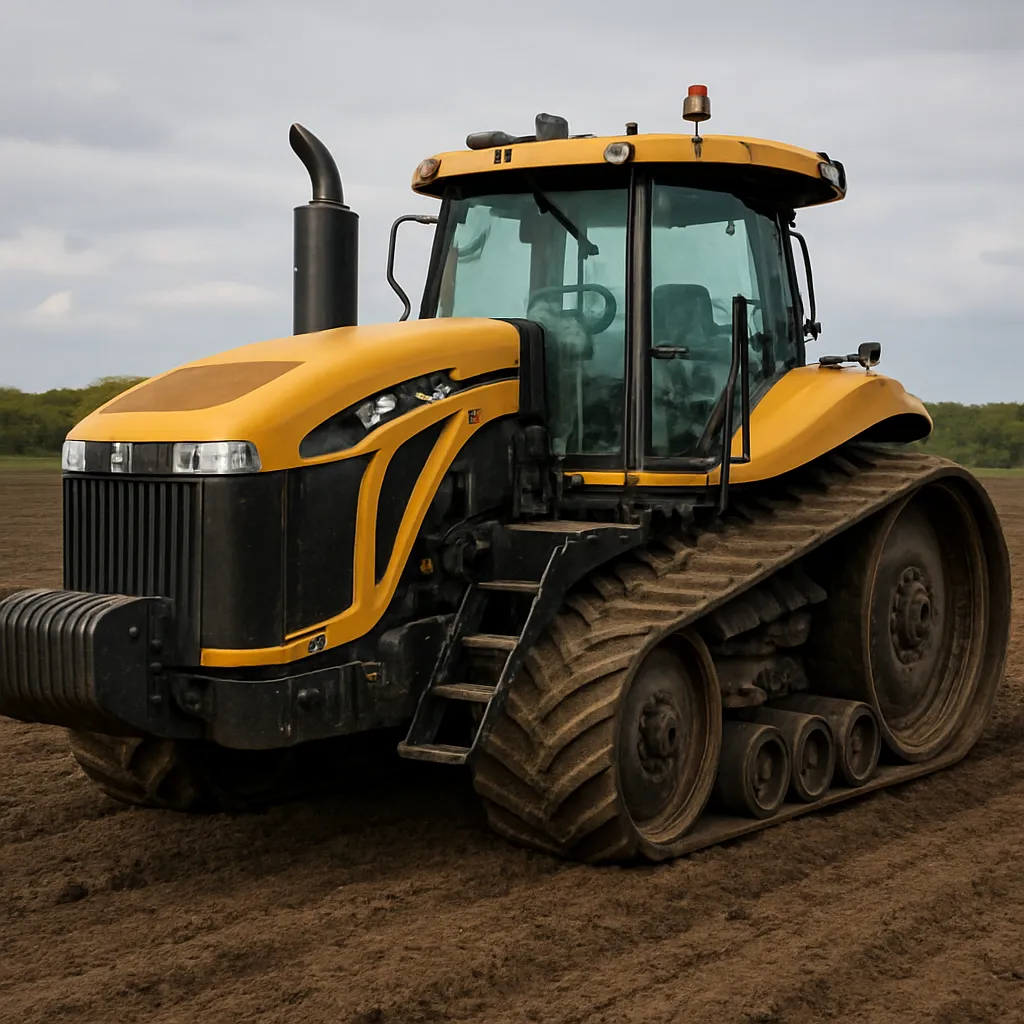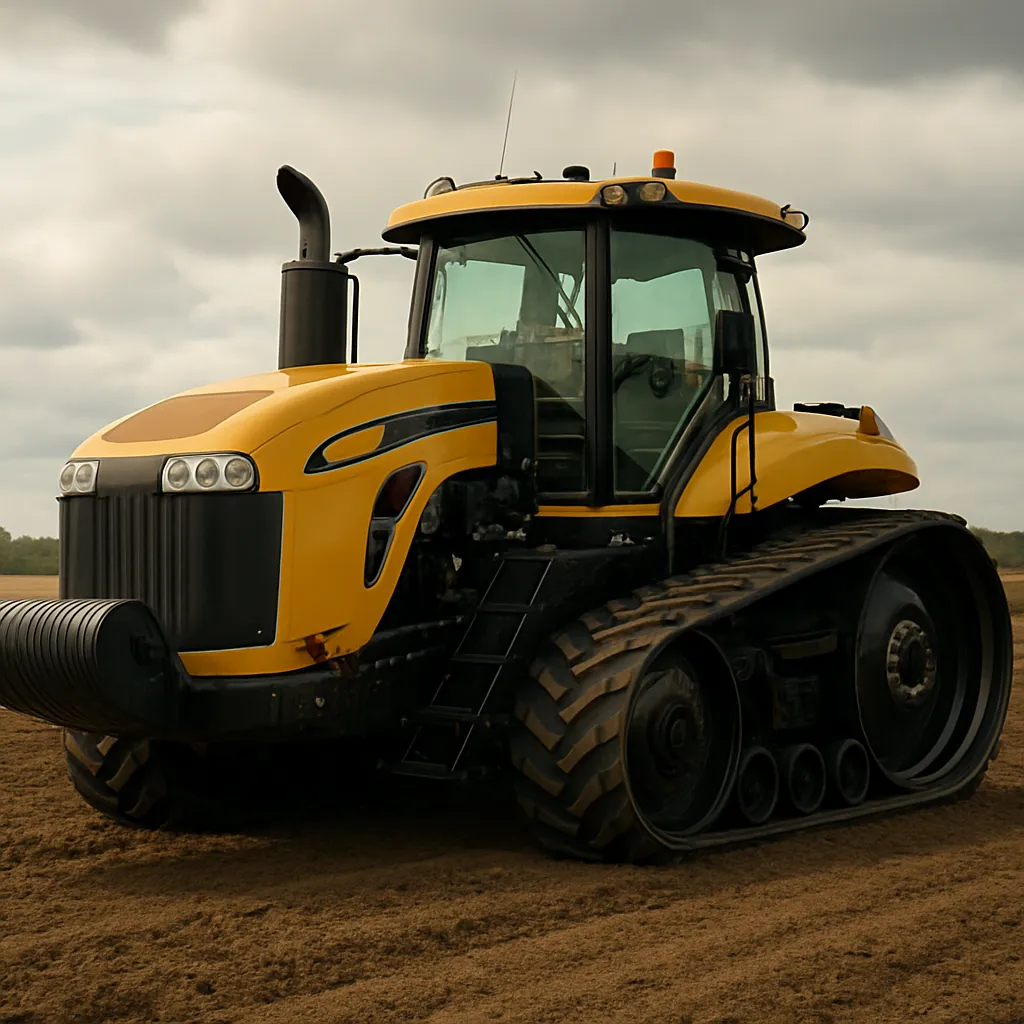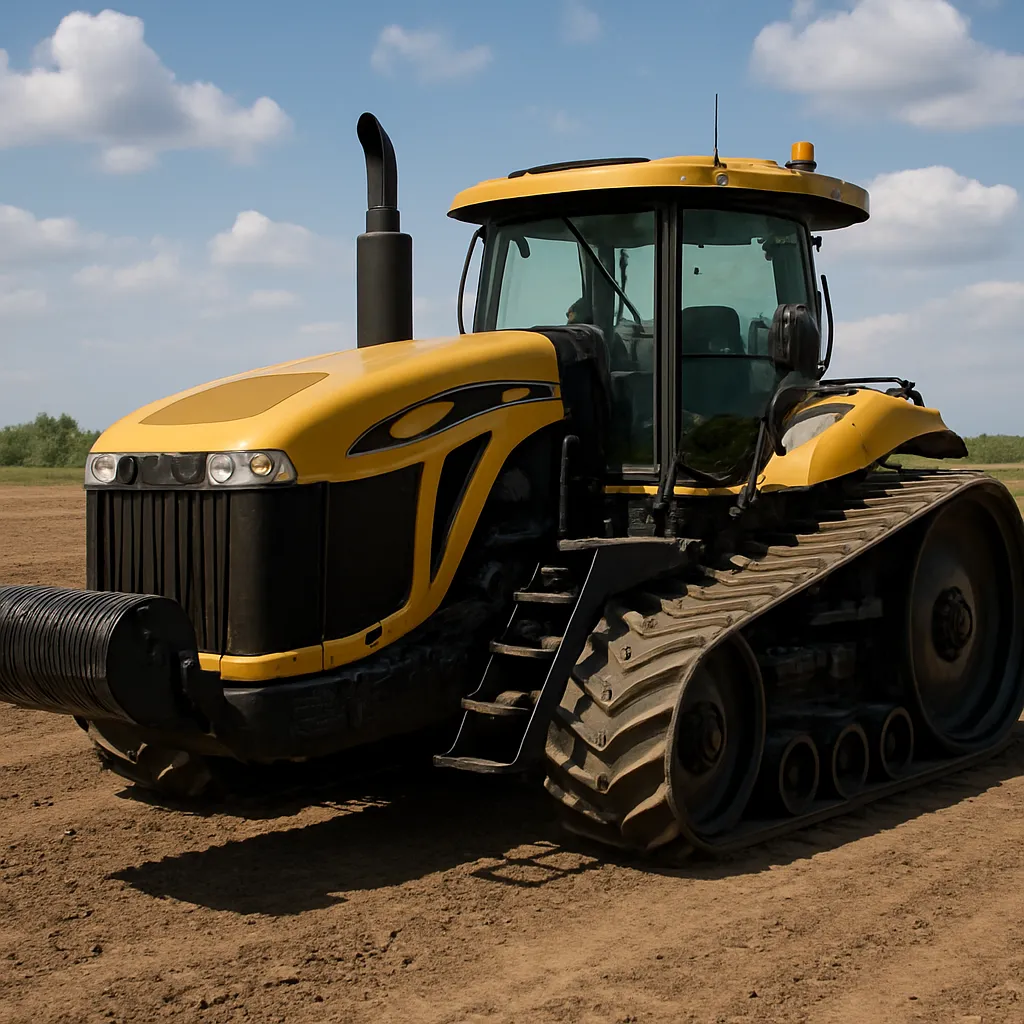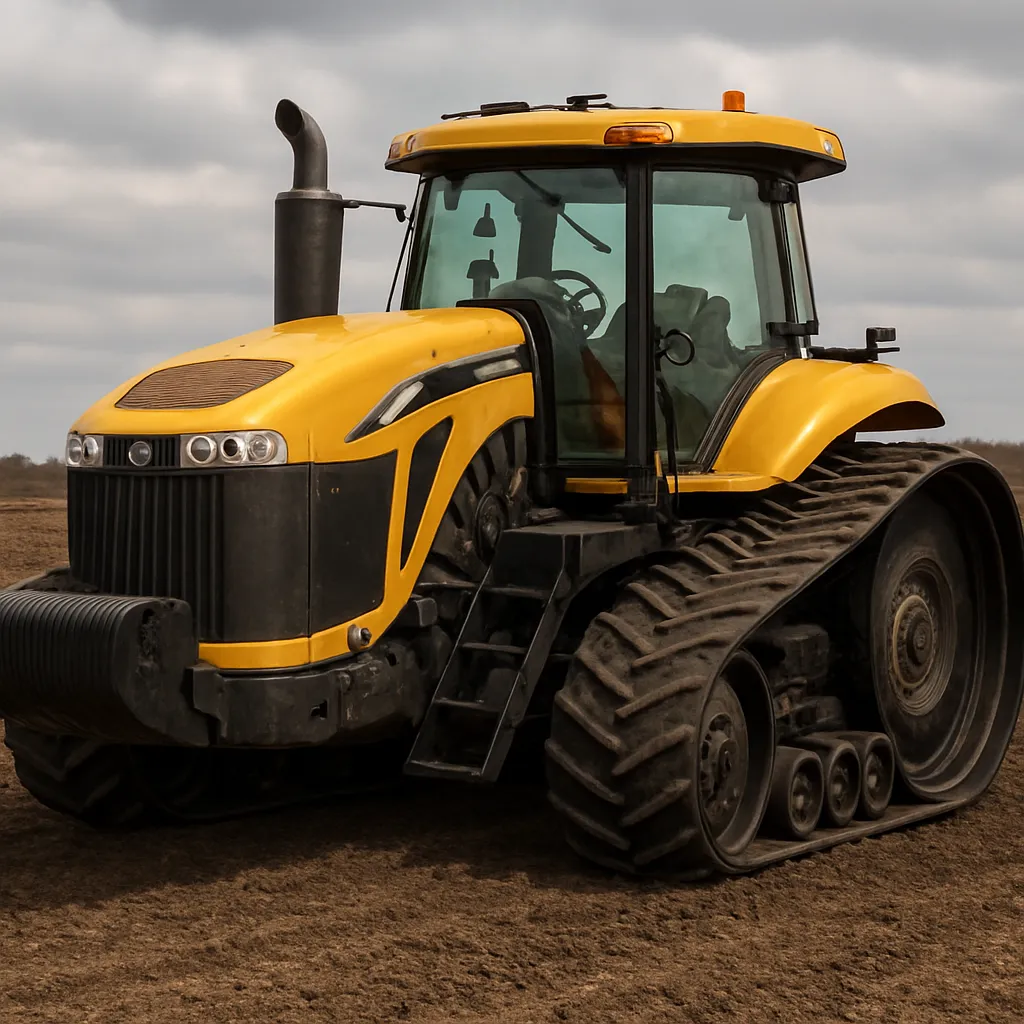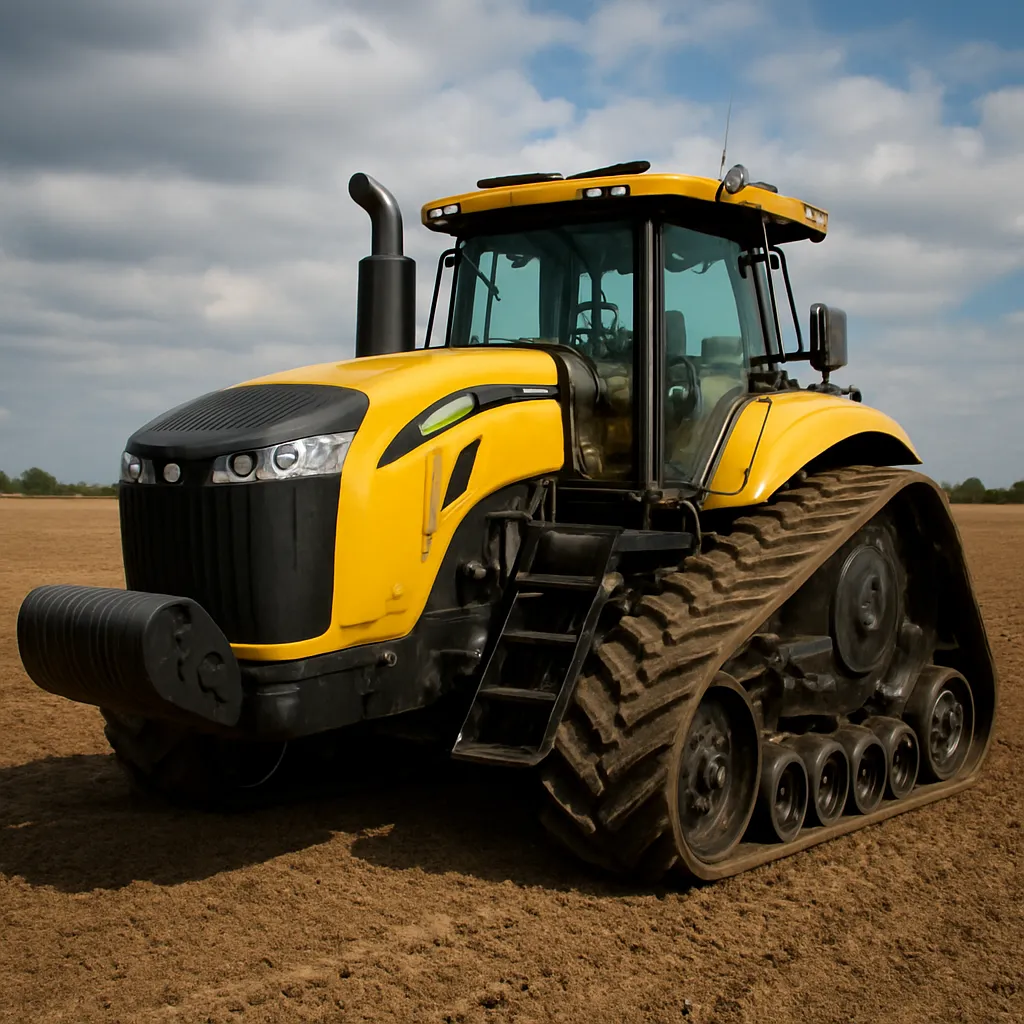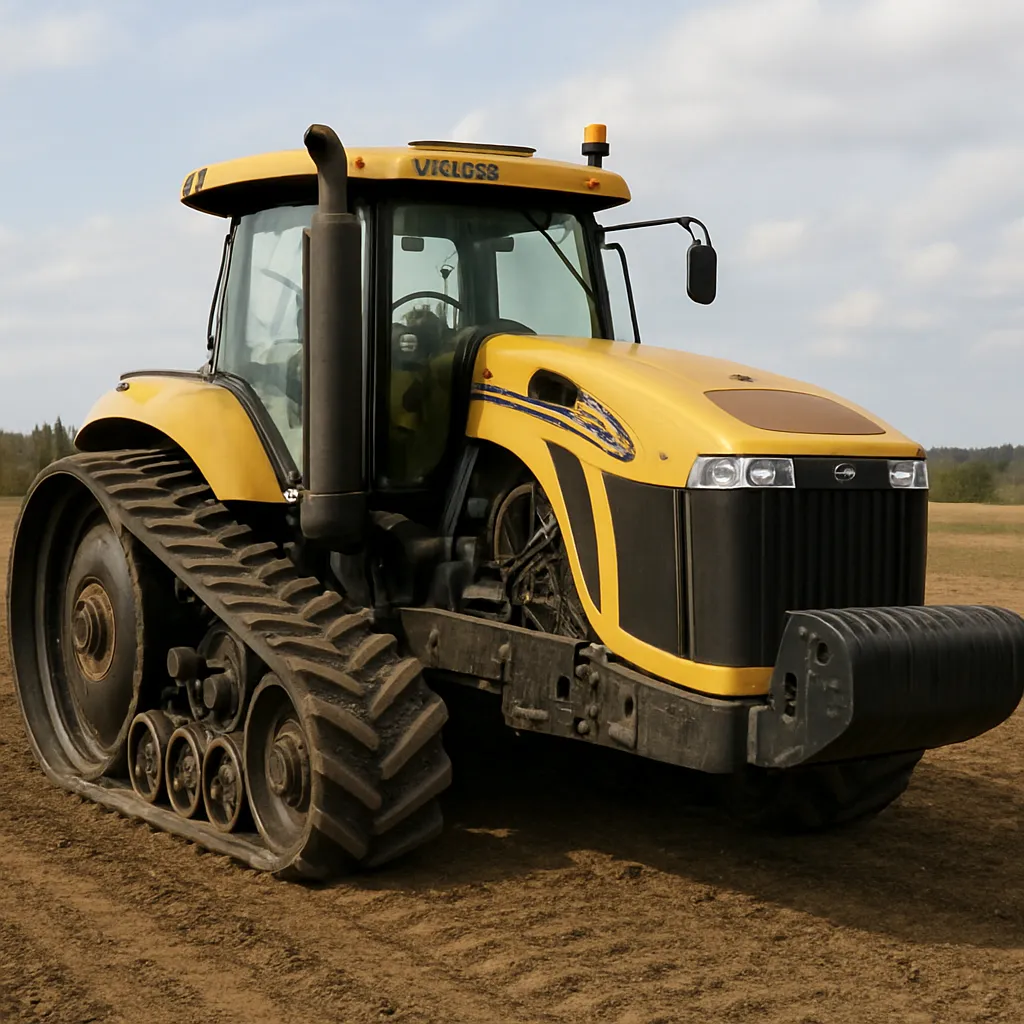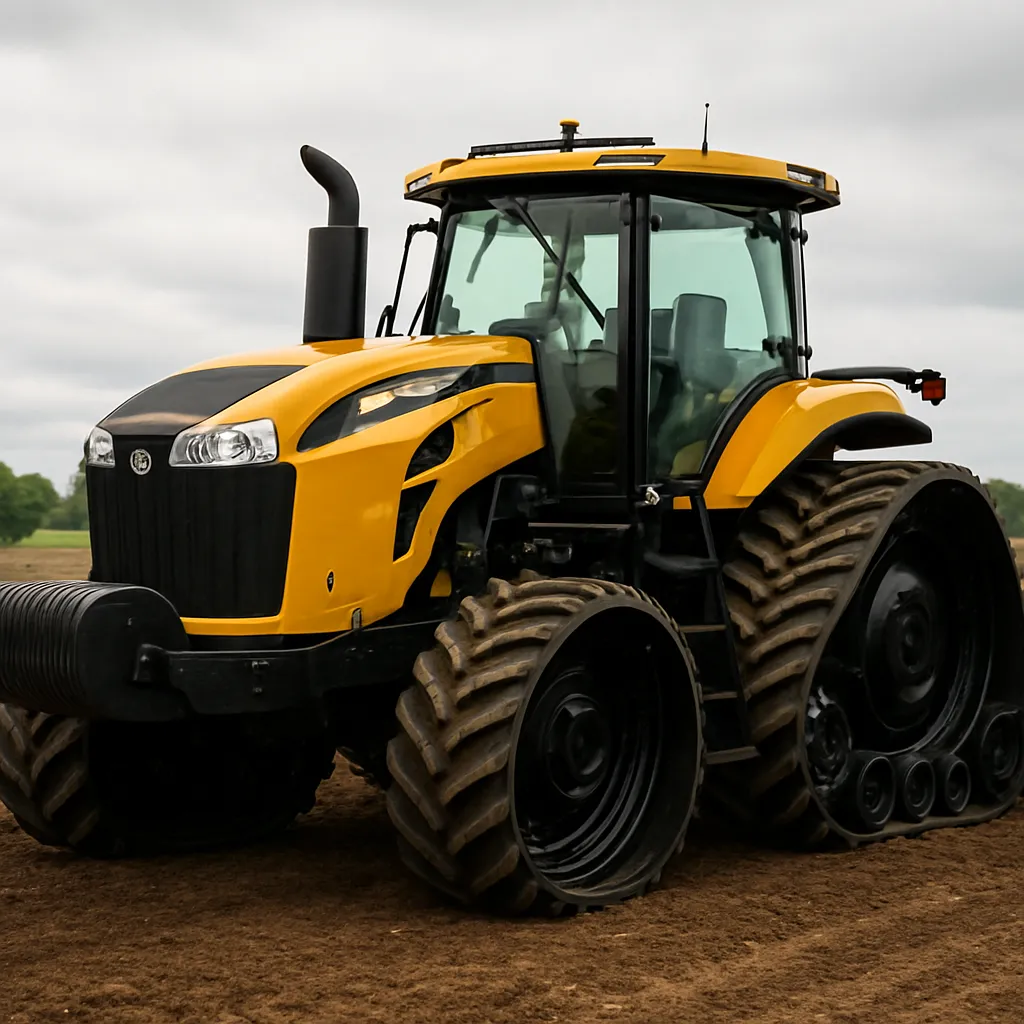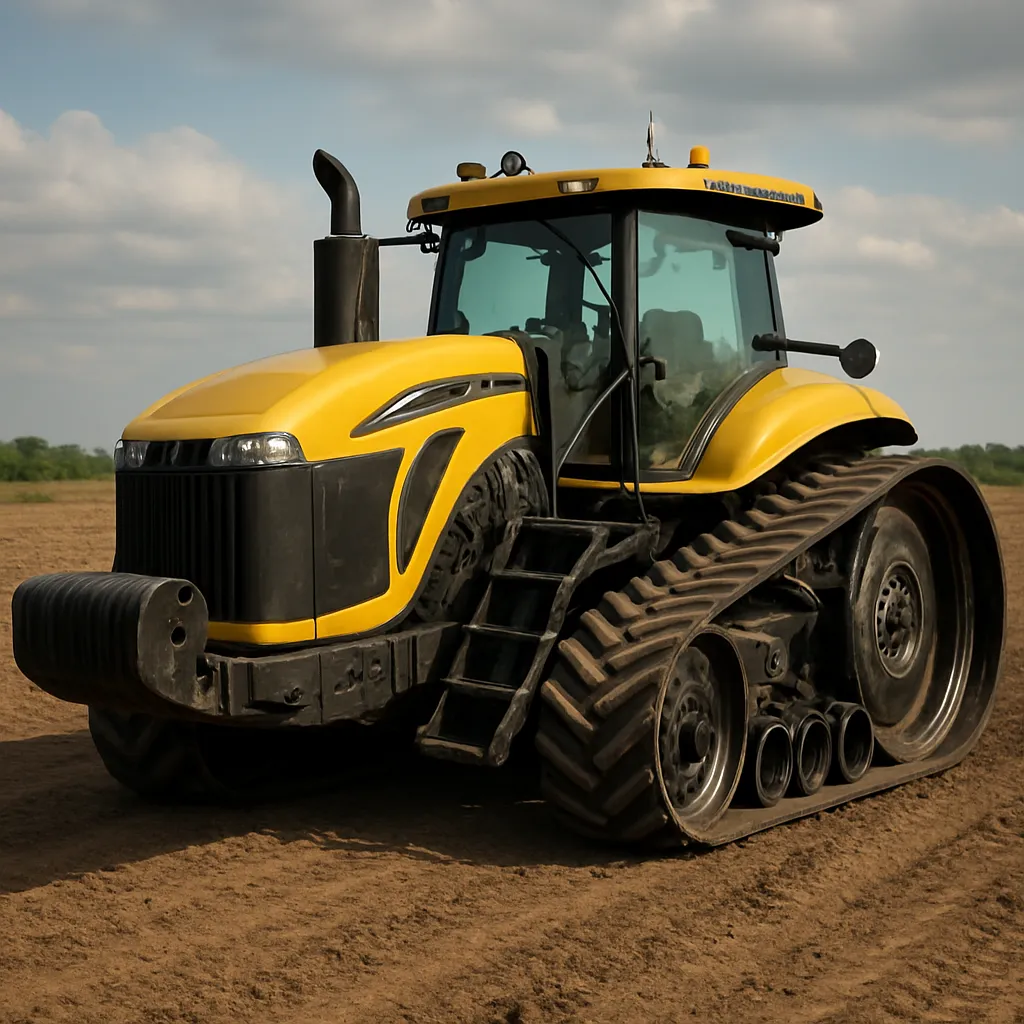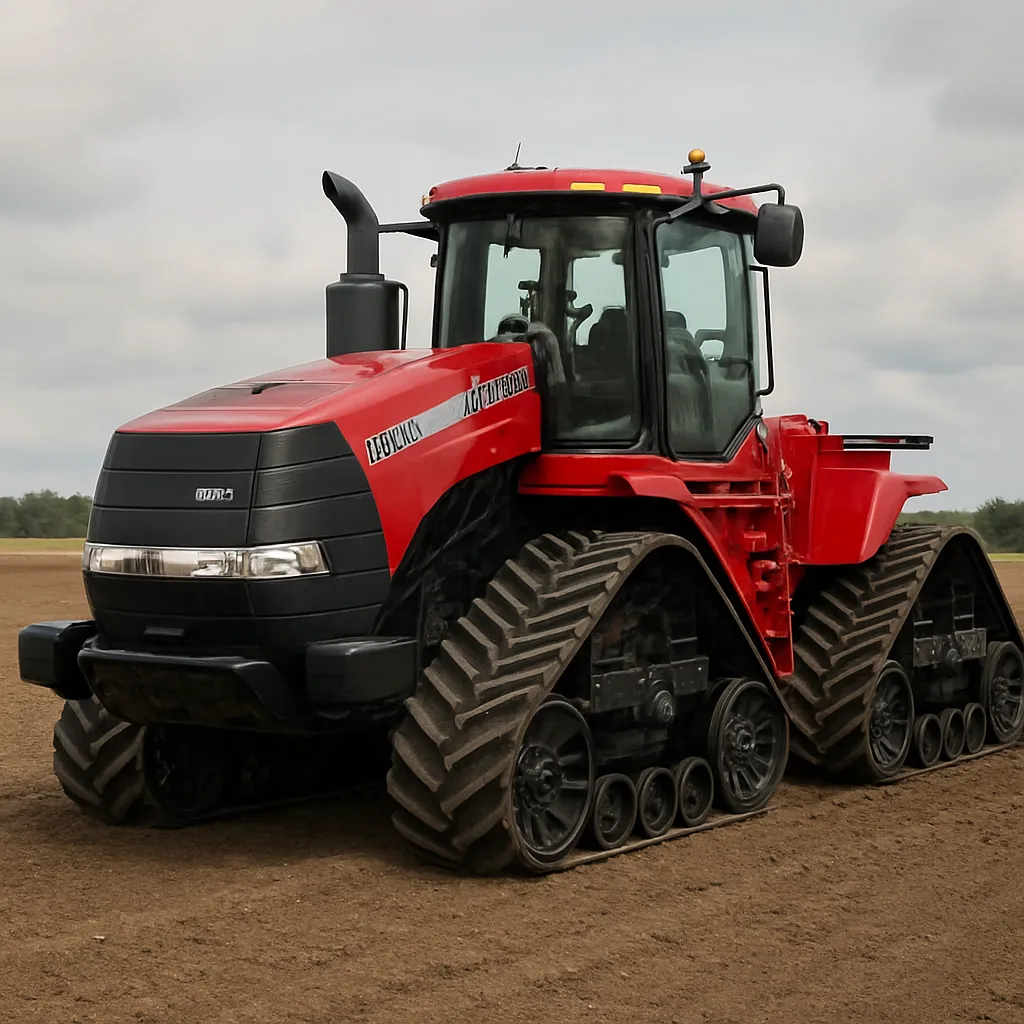
The Case IH Quadtrac 540 is a high-horsepower, four-track agricultural tractor designed for large-scale farming operations that demand exceptional traction, flotation and productivity. Combining Case IH engineering with advanced electronics and operator comforts, the Quadtrac 540 is positioned for heavy tillage, seedbed preparation, deep ripping, large-planter pulling and any other tasks where maximizing field output and minimizing soil damage are priorities. In the sections that follow, you will find an overview of its design and applications, a closer look at key technical features and typical specifications (with approximate values), and practical considerations for farms that operate or consider purchasing a machine of this class.
Design philosophy and primary applications
The Quadtrac concept centers on replacing conventional wheels with four independent rubber track belts, which run on separate track frames at each corner of the tractor. This arrangement improves ground contact and traction while distributing the tractor’s weight over a much larger area than tires. The Case IH Quadtrac 540 is intended for customers who require sustained pulling power in demanding conditions and want to reduce soil compaction and wheel slip compared to large wheeled tractors.
Where the Quadtrac 540 excels
- Large-scale arable farming: primary tillage, secondary tillage and seedbed preparation across thousands of hectares.
- Deep ripping and subsoiling: when entering compacted soils to improve drainage and root penetration, the Quadtrac’s traction and drawbar capabilities are advantageous.
- Heavy seeding and planting with wide planters: pulling large planters or air seeders reliably at field speeds, even in less favorable soil conditions.
- High-draft tillage implements: large discs, field cultivators and combination tools that demand continuous high tractive effort.
- Transport of large implements and heavy trailers: long-distance on-road transport is possible with proper gearing and permits, though many owners use the Quadtrac primarily in the field.
Because of its size and capabilities, the Quadtrac 540 is typically found on farms that operate hundreds to thousands of hectares or on custom operations and contractors that need a single high-capacity tractor to pull the largest implements efficiently.
Key technical characteristics and advantages
The Quadtrac 540 integrates robust mechanical systems with advanced electronics to deliver reliable performance. Below are the most important technical and operational characteristics that define this tractor’s behavior in the field.
Four-track system and traction
The core innovation is the independent four-track layout. Each track assembly articulates and conforms to field contours, increasing the area in contact with the ground. The practical benefits include:
- Improved traction in soft, wet or uneven terrain compared with dual-wheel or single-track setups.
- Lower soil pressure and reduced compaction due to larger contact area—this preserves soil structure and can improve yields over time.
- Reduced wheel slip, which translates to better fuel conversion into work rather than wasted revolutions.
- Smoother ride and steadier implement control when pulling long or flexible tools.
Powertrain and performance
The Quadtrac 540 is built around a high-displacement, turbocharged diesel engine designed for sustained high-load operation. Its power delivery is matched to transmissions and driveline components that prioritize usable power at the drawbar and PTO. Key points:
- Engine produces around 540 rated horsepower, with transient boost available on some settings to handle peak demands.
- Modern common-rail fuel systems and advanced turbocharging help balance performance with emissions compliance.
- Transmission systems (continuously variable or multi-stage powershift options depending on configuration) are optimized for field speeds and heavy draft work.
Hydraulics, hitching and implement control
To handle the largest implements, the Quadtrac 540 offers high-flow hydraulics and robust three-point hitch capacities. This enables:
- Consistent implement control and lift capacity for large seeders or cultivators.
- High hydraulic flow rates for multiple auxiliary functions and large, hydraulic-driven farm tools.
- Advanced hitch control for precise depth and draft management, which increases implement efficiency and reduces fuel use.
Operator environment and electronics
Large tractors such as the Quadtrac 540 are as much about the operator interface as they are about brute force. Case IH equips these machines with comfortable, ergonomic cabs and integrated farm management electronics:
- Spacious cab with climate control, ergonomic seating and excellent visibility for long hours in the field—comfort directly affects productivity.
- AFS (Advanced Farming Systems) displays for machine control, precision guidance and variable-rate applications. Connectivity options include AFS Connect telematics for remote monitoring and data transfer.
- Automated guidance and auto-steer reduce overlap and operator fatigue, increasing effective field output.
Typical specifications and performance figures (approximate)
Exact specifications vary by year, option packages and regional regulatory compliance. The figures below are representative values to give a realistic picture of what operators can expect from a Quadtrac 540-class machine.
- Rated engine power: approximately 540 hp (≈ 400 kW) at rated rpm. Peak/engine-management boost horsepower may be higher for short intervals.
- Engine displacement: typically in the 12–13 liter class for high-power agricultural engines that meet current emissions standards.
- Torque: substantial peak torque available across a broad rpm range to maintain draft performance (typical peak torque figures in this category often exceed 2,000–2,500 Nm depending on tuning).
- Transmission: continuously variable or stepped powershift options tailored for heavy draft use; field speeds managed precisely for implement requirements.
- Operating weight: generally in the 18,000–22,000 kg (18–22 tonnes) range depending on configuration, ballast and front/rear equipment.
- Maximum road speed: typically up to about 40 km/h, depending on gearing and regional rules.
- Hydraulic flow: high-flow options commonly available, often 200–500 L/min depending on pump configuration and whether additional hydraulic pumps are fitted.
- Fuel tank capacity: substantial tanks to support long days in the field; many large tractors hold several hundred liters—typical capacities range from 800 L to over 1,000 L on some heavy-duty tractors (exact tank sizes vary by model and market).
- Drawbar/pulling capacity: designed for heavy draft implements; practical drawbar performance depends on traction, implement resistance and soil conditions.
These numbers are illustrative. For precise values, consult the manufacturer’s specification sheet for the specific model year and options of the Quadtrac 540 in your region.
Operational benefits, economics and environmental considerations
Deciding to operate a Quadtrac 540 should be based on a balance of productivity needs, operating costs, and sustainability goals. The tractor offers certain economic and environmental advantages compared to large wheeled machines under similar work conditions.
Productivity and cost per hectare
- High horsepower and traction enable faster field speeds with large implements, reducing the number of passes required to cover a given area and lowering per-hectare labor costs.
- Reduced slippage leads to lower fuel consumption per hectare in many high-draft operations. While hourly fuel use can be substantial due to the tractor’s power, the output per hour is also high.
- For contractors and large farms, the ability to finish time-critical operations (like planting windows) can translate into improved crop performance that outweighs higher hourly ownership costs.
Soil health and compaction
One of the principal agronomic arguments for tracked tractors is soil protection. By distributing weight over a larger area, tracked machines reduce peak soil pressure and help maintain pore space, which supports water infiltration and root growth. Over multiple seasons this can positively affect yields, especially on soils prone to compaction.
Emissions and fuel efficiency
Modern engines are designed to meet emissions regulations while maximizing thermal efficiency. The Quadtrac 540’s fuel usage will depend heavily on task and soil conditions, but ongoing improvements in engine and transmission technology aim to improve fuel conversion into usable traction and minimize wasteful slip. Use of precision agriculture (auto-guidance, implement control, variable-rate applications) further reduces input waste and optimizes field operations.
Comparison to alternatives and competitive landscape
In the high-power tractor market, Quadtrac machines compete with other track-based tractors such as John Deere’s 9RT series and track-converted models from other manufacturers. Key comparative points include:
- Tracks vs. wheels: Tracks outperform in traction and flotation but can cost more to maintain in some situations (track components vs. tires). Wheels may be preferred where transport distances and road travel are frequent and soil damage is less of a concern.
- Four independent tracks vs. two large tracks (e.g., two-track machines): The Quadtrac’s four independent tracks can offer better conformability to the ground and smoother steering in some conditions.
- Initial purchase cost vs. lifecycle cost: While acquisition costs are high, lifecycle economics must account for productivity gains, potential yield benefits from reduced compaction and resale value.
Maintenance, reliability and practical tips
High-horsepower machines require proactive maintenance to ensure longevity and uptime. Practical tips for Quadtrac 540 owners and operators include:
- Regular inspection of track assemblies and undercarriage components for wear, correct tension and damage; track life depends on field conditions and operator practices.
- Follow the manufacturer’s service intervals for engine, transmission and hydraulic systems—high-power engines benefit from scheduled oil, filter and coolant changes to avoid costly downtime.
- Keep firmware and software for the AFS systems up-to-date to take advantage of performance and diagnostic improvements.
- Train operators in efficient driving, hitching and implement matching—operator technique substantially affects fuel consumption and implement wear.
- Consider telematics and remote diagnostics (AFS Connect or equivalent) to monitor performance, track fuel use and schedule preventative maintenance.
Interesting facts and real-world usage examples
While specific anecdotes vary by operator, there are several recurring themes in how Quadtrac 540 owners use their machines:
- Contractors appreciate the machine for its ability to handle long days and large implements without losing traction, enabling completion of planting and harvesting tasks within tight windows.
- Large arable farms with a focus on soil conservation often cite reduced compaction and improved field structure as major benefits that justify the machine’s cost.
- Customization and options—hydraulic flow packages, different track widths and suspension choices—allow owners to tailor a Quadtrac 540 to their specific crops and soil types.
- Integration with precision agriculture workflows means the Quadtrac is used not only as a power source but as a data-collection and application platform for variable-rate seeding, fertilization and tillage documentation.
Who should consider a Quadtrac 540?
The Quadtrac 540 is best suited for:
- Large-scale growers with extensive acreage who need to cover ground quickly while minimizing soil damage.
- Contractors and custom operators who pull the largest implements and must maintain high utilization rates to justify capital expense.
- Operations that require dependable traction in variable conditions—wet springs, heavy soils, or hilly ground—where wheel slip would be costly.
It may be less attractive for smaller farms, operations with primarily light-duty tasks, or users who require extensive highway travel where wheeled tractors offer advantages in transport efficiency and lower road wear.
Conclusion
The Case IH Quadtrac 540 is a purpose-built machine for high-output, heavy-draft agricultural work. Its four-track system, powerful engine, advanced hydraulics and operator-focused electronics make it a compelling choice where traction, flotation and productivity are priorities. While acquisition and operating costs are significant, the potential for reduced compaction, improved per-hectare productivity and integration with precision farming systems create a strong value proposition for large farms and contractors. For exact specifications, performance numbers and options relevant to a specific market year, consult Case IH product documentation and local dealers to match configuration to operational needs.