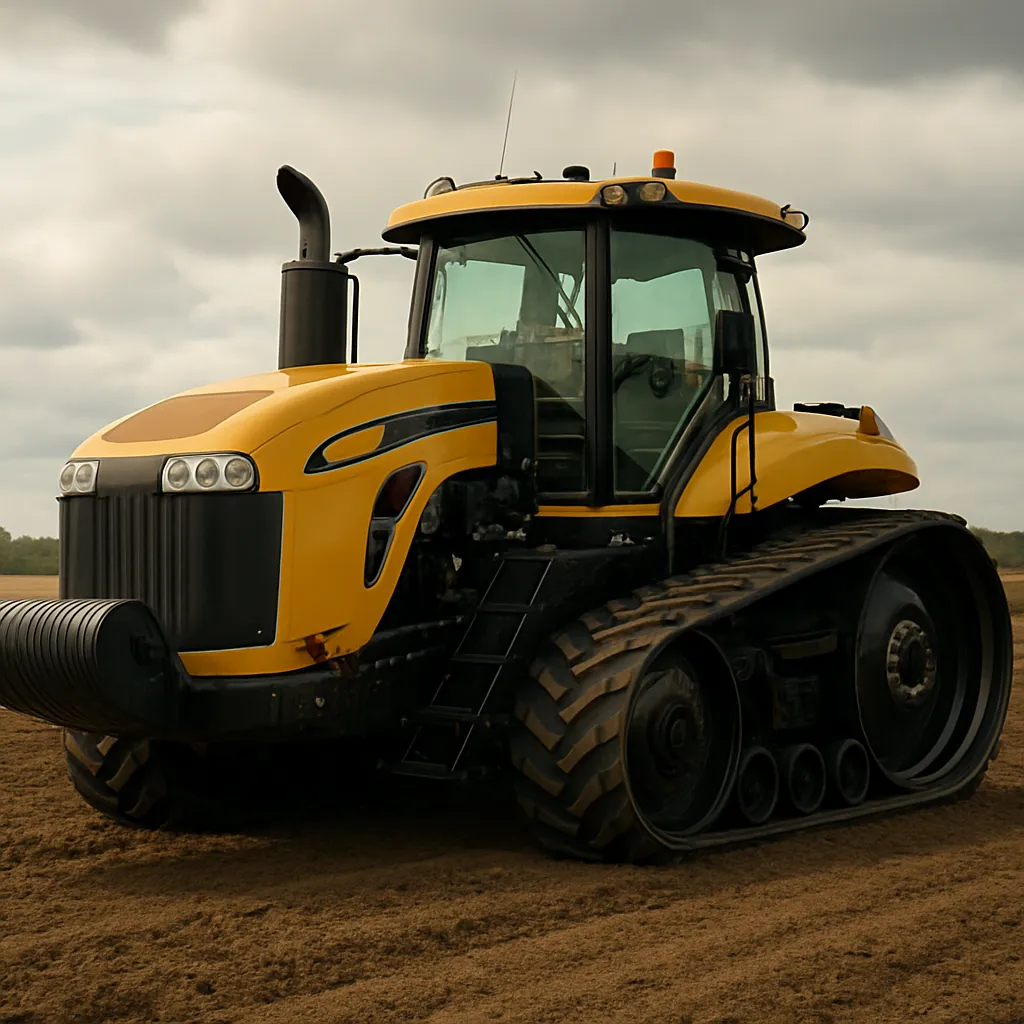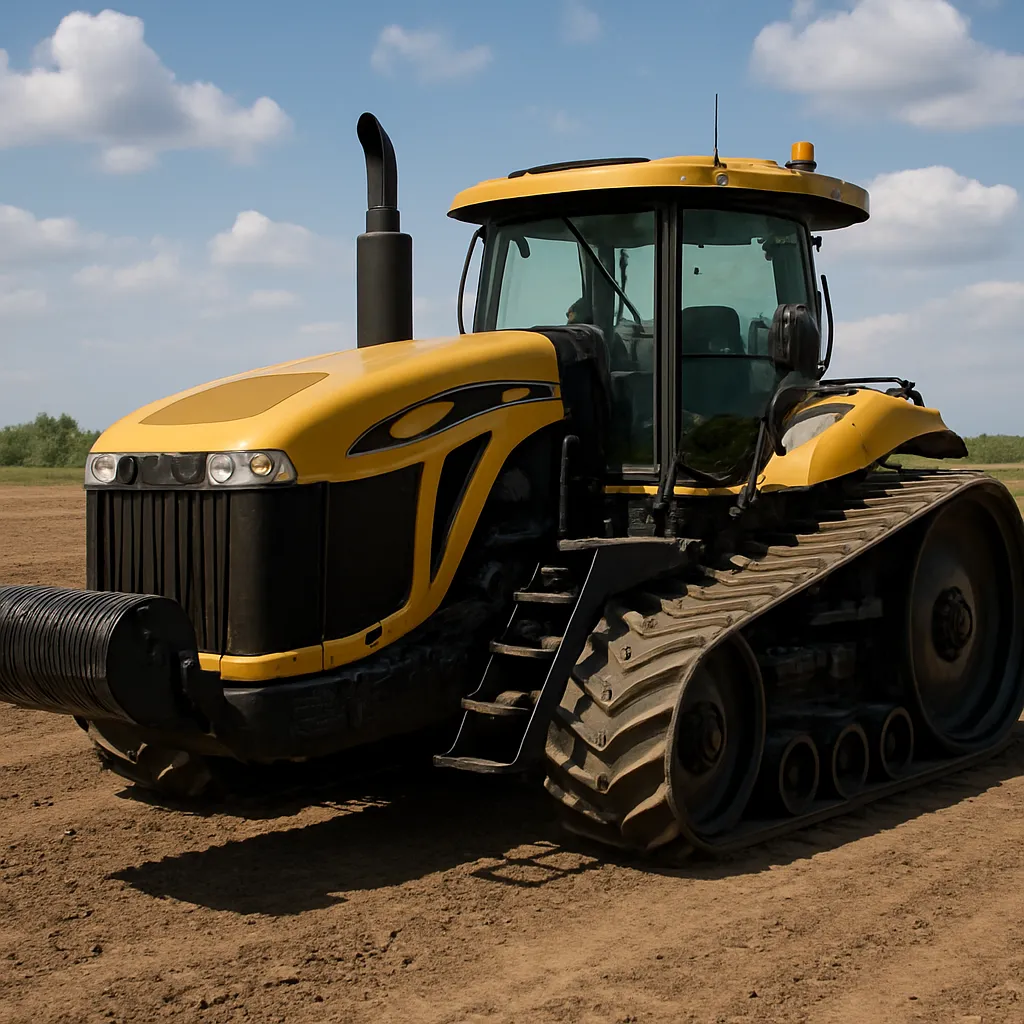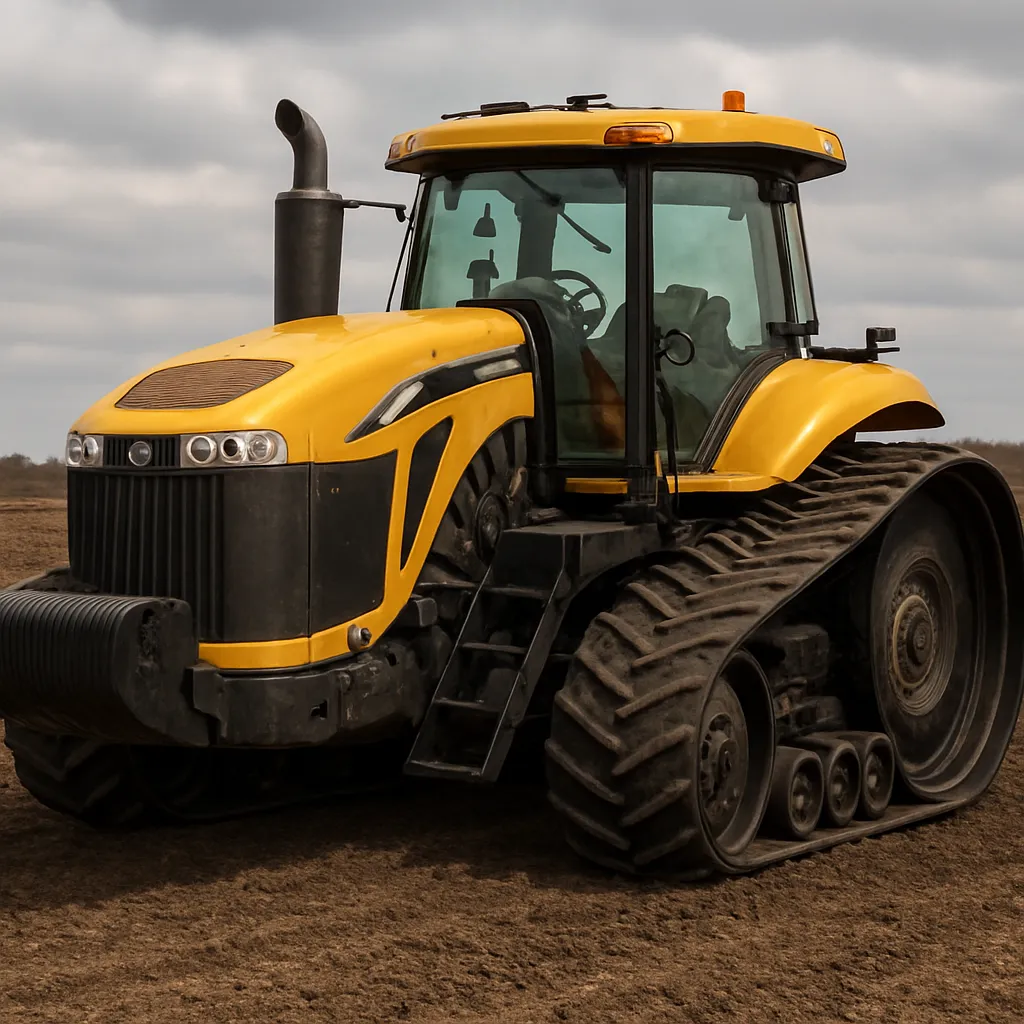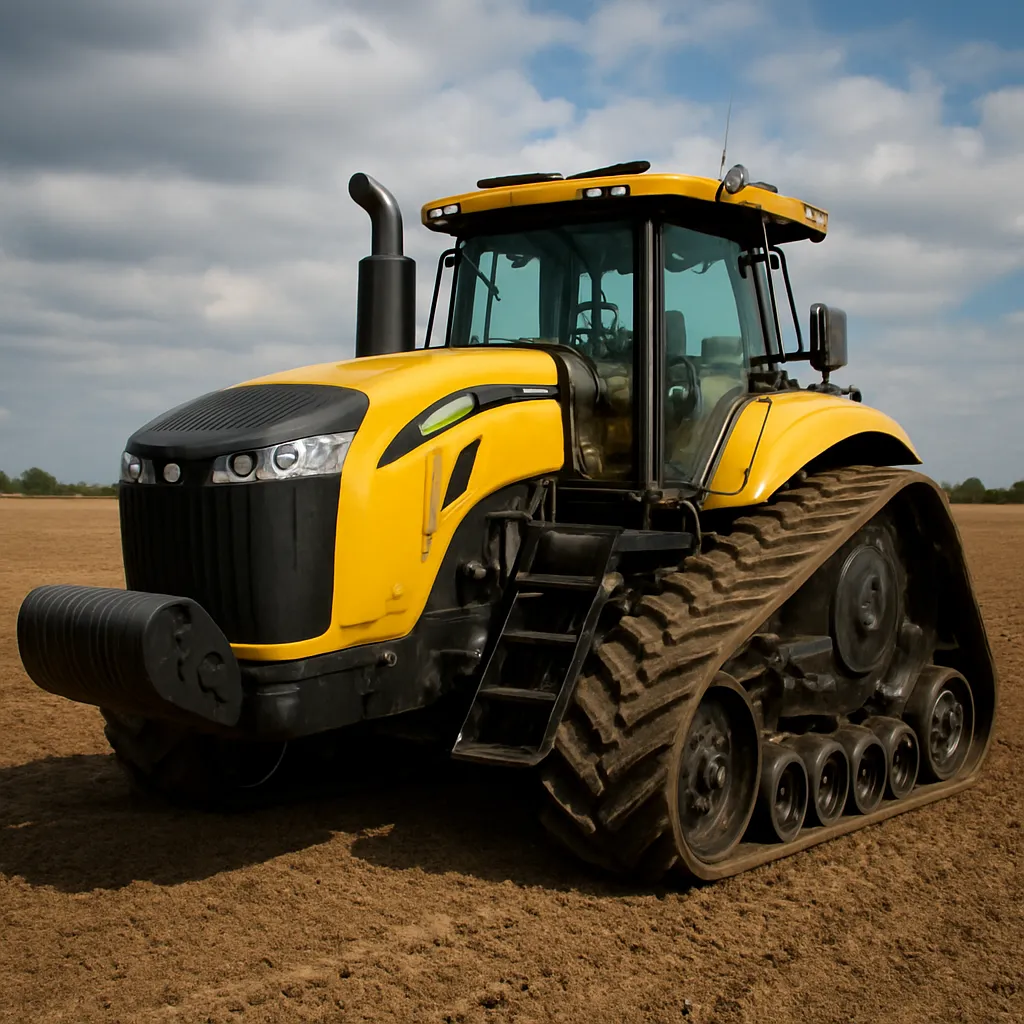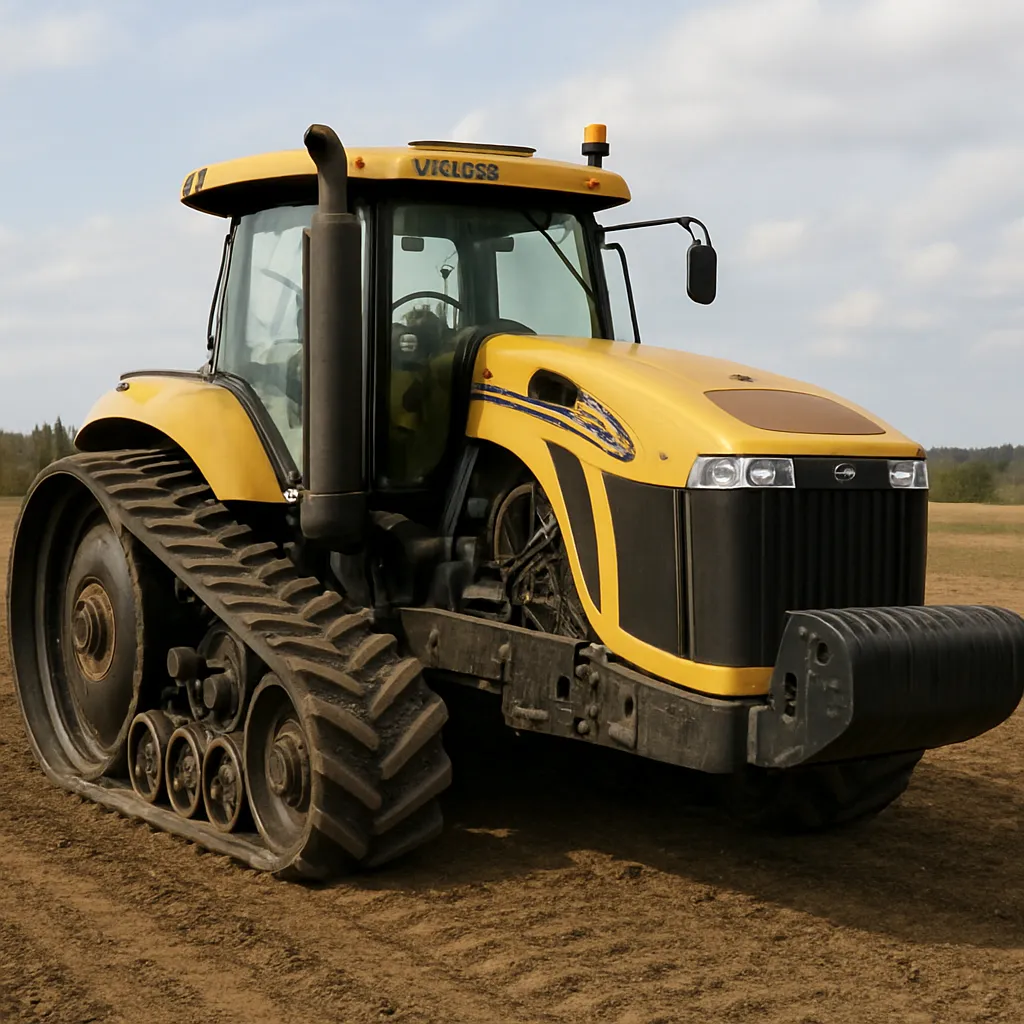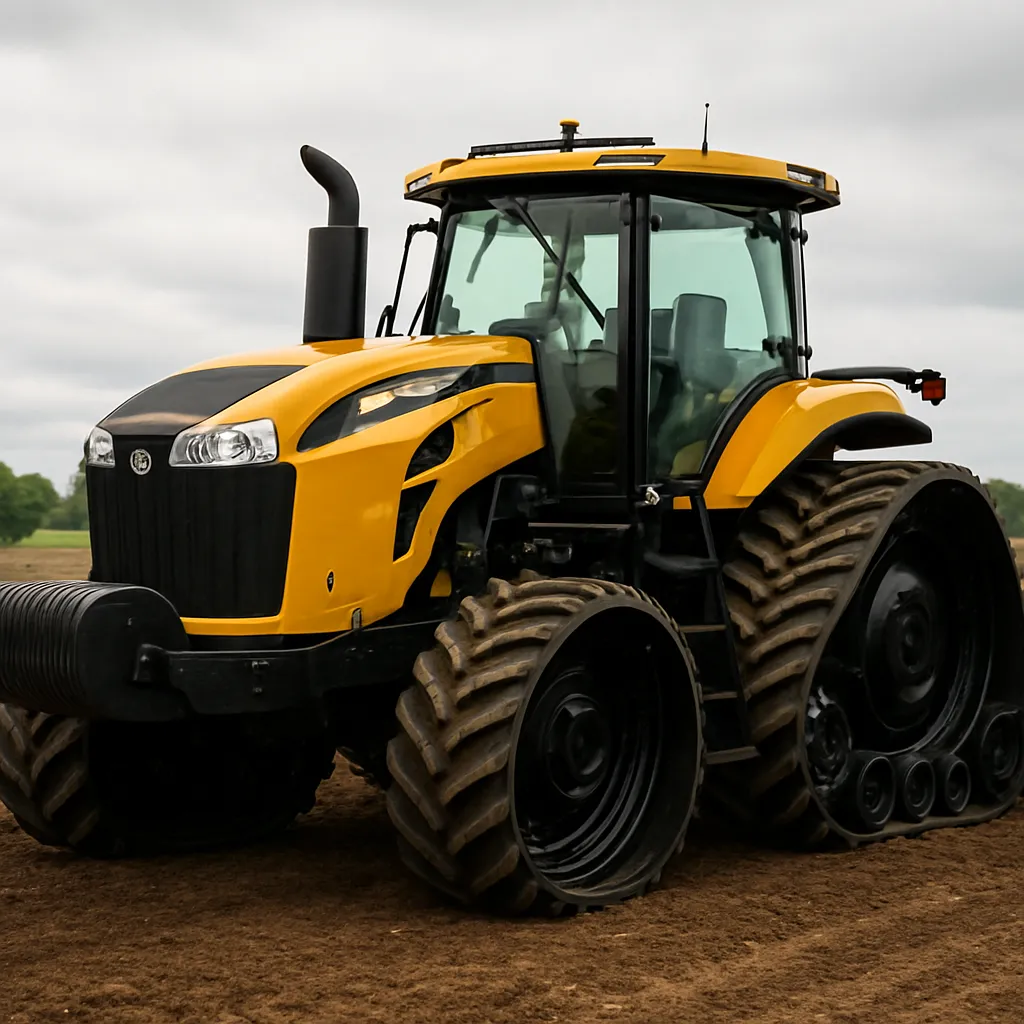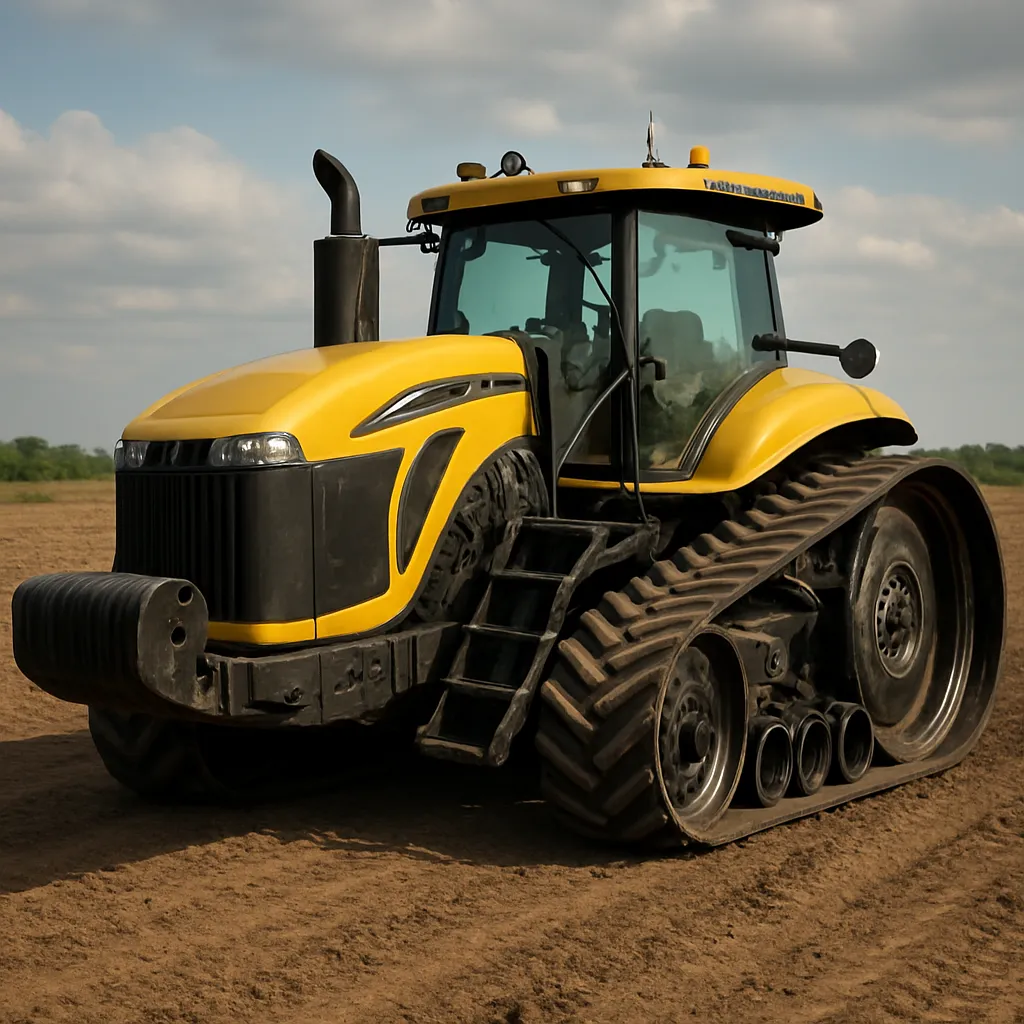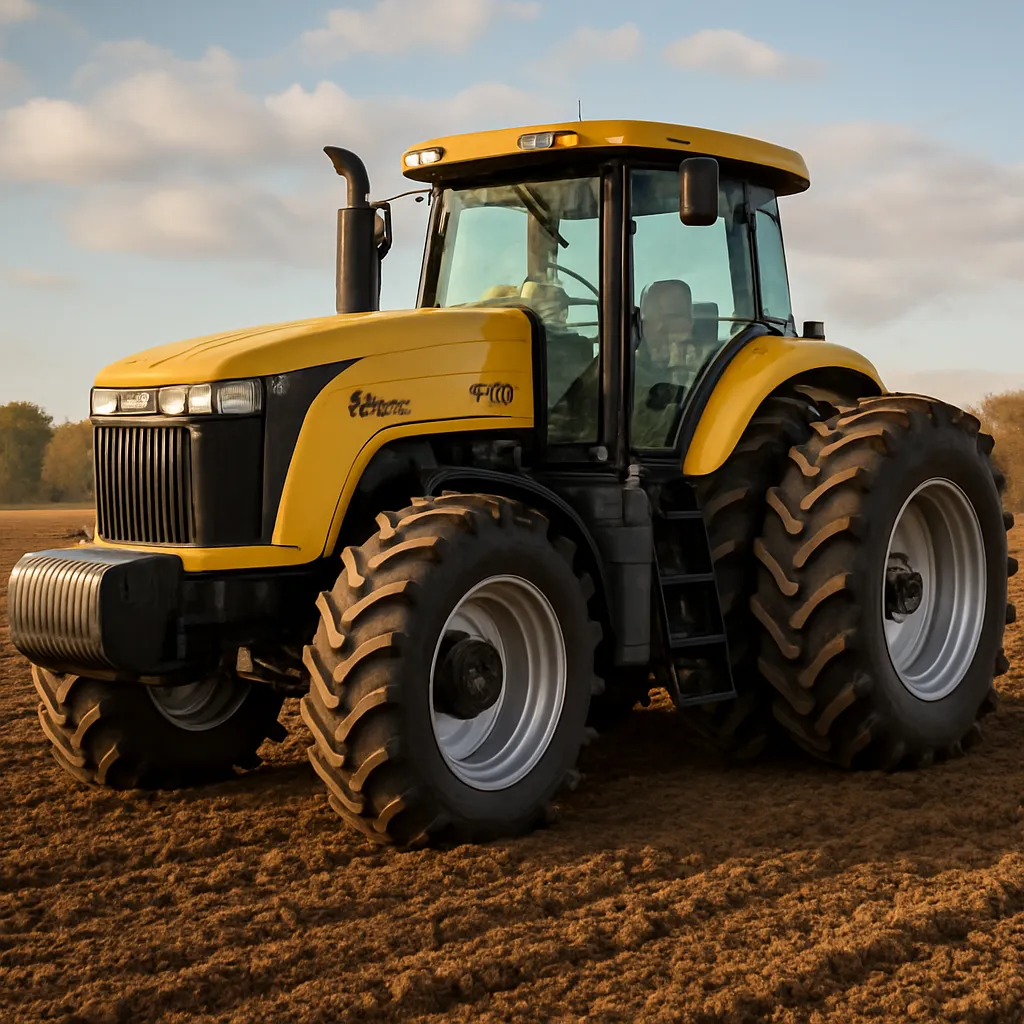
The Case IH Quadtrac 620 is a flagship agricultural machine designed for high-output farming operations that demand exceptional power, stability, and field performance. In this article we explore the machine’s design, typical applications, operational advantages and considerations, maintenance needs, and economic impact on large-scale agricultural enterprises. The Quadtrac 620 combines advanced engineering with practical features to deliver reliable performance across a wide range of soil types and tasks.
Overview and key characteristics
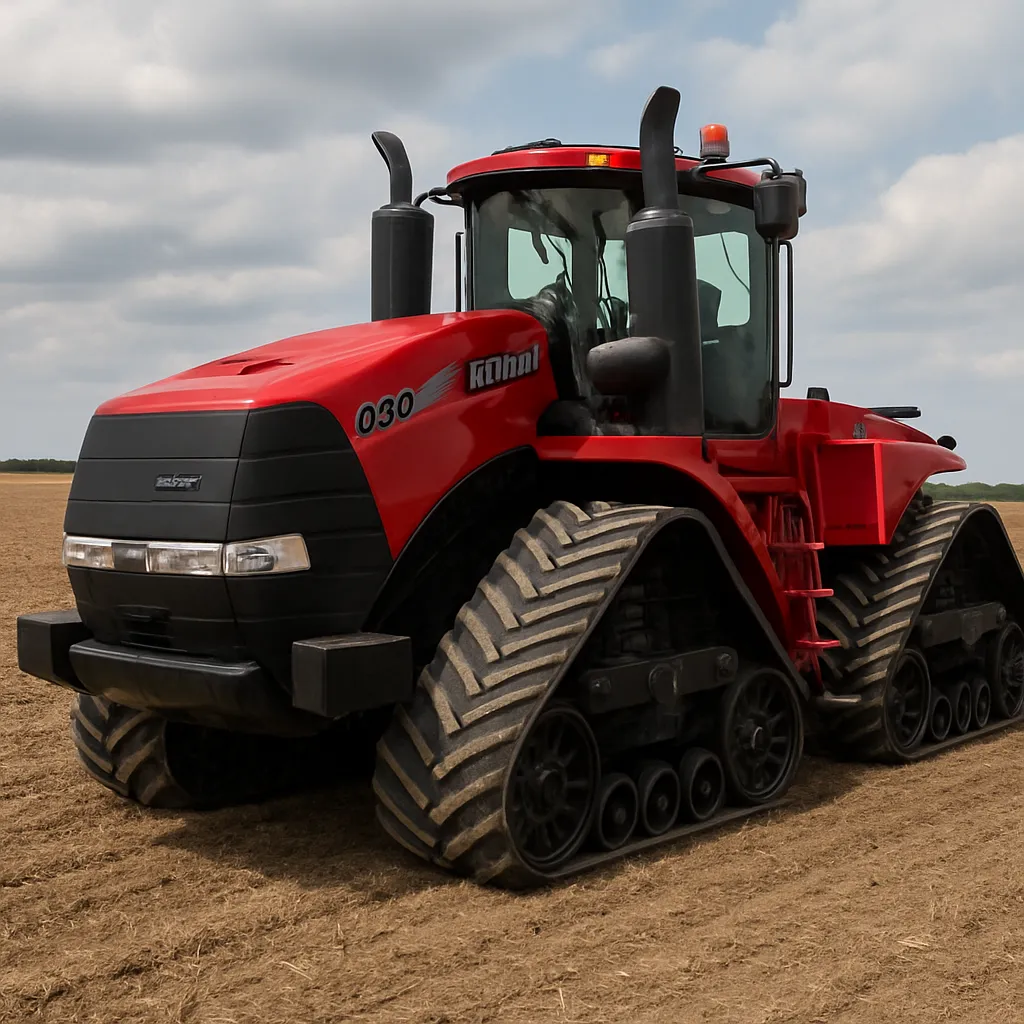
The Case IH Quadtrac 620 is part of the company’s high‑horsepower track tractor line. The model number “620” indicates its nominal engine output class, positioning it among the most powerful tractors intended for heavy tillage, seeding, and other high-drawbar requirements. What distinguishes the Quadtrac series is its unique four‑track undercarriage: instead of wheels or a conventional two‑track layout, the machine uses four independent tracks to distribute weight and improve field performance.
Signature design features
- Quadtrac four independent tracks for continuous ground contact and reduced soil compaction.
- High‑torque diesel engine tuned for low‑end torque and sustained power delivery under load.
- Advanced transmission and implement control systems that help optimize power management and fuel use.
- Comfortable operator environment with integrated controls for precision farming and implement management.
Technical aspects and how they matter
The Quadtrac 620 emphasizes mechanical robustness and traction performance. The four-track arrangement is engineered to keep the tractor moving efficiently where wheeled tractors might slip or cause excessive soil compaction.
Tracks, traction and flotation
The machine’s tracks offer superior traction by maximizing the contact patch with the ground. This results in better pull force at the drawbar for heavy implements and improved ability to work in wet or soft conditions. Flotation is another major benefit: distributed weight over four tracks reduces pressure per square centimeter, preserving soil structure and enabling earlier field access in spring or after rain.
Engine and power delivery
The Quadtrac 620 is built around a high‑displacement, turbocharged diesel engine designed to provide consistent power in heavy draft applications. The model is rated in the 620 horsepower class, optimized for continuous operation with strong mid‑range torque. Power management systems monitor load and automatically adjust engine parameters and transmission settings to maintain effective operation while protecting the drivetrain.
Transmission and driveline
Case IH equips its high‑horsepower tractors with drivetrains capable of handling sustained loads. The Quadtrac’s driveline is designed for durable power transfer from engine to tracks while offering the operator multiple modes of speed and traction control to match implement demands and ground conditions. Electronic controls enable features such as automatic differential locking, variable speed control and integrated implement management.
Typical applications and field tasks
The Quadtrac 620 is purpose‑built for high‑acreage, heavy‑duty farming. Its core applications include:
- Primary tillage with large ploughs, cultivators and discs where high draft forces are required.
- Seeding and planting operations with very wide implements (large air seeders, seed drills) aiming for high daily throughput.
- Heavy transport across fields (e.g., moving large trailers or grain carts) where traction and low ground pressure are advantages.
- Specialty tasks such as strip‑till, controlled traffic farming and other conservation tillage systems that benefit from controlled soil disturbance.
Why large farms choose the Quadtrac 620
Large farms, contractors and landowners with extensive acreage often choose the Quadtrac 620 because it increases daily field capacity while protecting soil health. The two main operational benefits are reduced slippage and improved fuel efficiency per hectare under heavy draft conditions when compared to traditional wheeled tractors of similar power.
Performance, productivity and statistical considerations
When evaluating any high‑horsepower tractor, growers look at real-world metrics such as field capacity, fuel consumption, and cost per hectare. While specific numbers vary with soil, implements, and operator style, typical performance characteristics for a tractor in the 620‑hp class include:
- Rated engine output in the 600–650 horsepower bracket (the model designation reflects the class).
- High drawbar pull that supports very wide working widths to maximize hectares covered per hour.
- Field speeds for primary tillage commonly range from 6 to 10 km/h depending on implement and soil; for seeding operations, speeds of 8–12 km/h are typical.
Example statistical estimate of field capacity (illustrative):
- Implement width: 12 meters
- Effective field speed: 8 km/h (working speed)
- Field efficiency (turns, overlap): 80%
- Hourly theoretical coverage: 12 m × 8 km/h = 96 hectares per hour (0.096 km × 8 = 0.768 km²/h → convert to ha = 76.8 ha/h theoretical). After efficiency factor: ~61 ha/h. (Note: these numbers are illustrative and depend heavily on real conditions.)
Fuel consumption is highly variable, but high‑power tractors under heavy draft often average between 30 and 60 liters per hour depending on load. In heavy primary tillage the Quadtrac 620 will be toward the higher end of that range; however improved traction and reduced slippage can translate to lower liters per hectare compared with less efficient configurations.
Operator environment and precision farming
Modern Case IH cabs are designed for long days in the field. The Quadtrac 620 typically includes ergonomic controls, climate control, advanced displays and integrated guidance and telematics systems. These features not only improve operator comfort but also enable higher operational accuracy and efficiency.
- Integrated GPS and autoguidance systems reduce overlap and operator fatigue, increasing effective field efficiency.
- Telematics provide remote monitoring of machine health, fuel use, and location—useful for fleet management across large operations.
- Implement management interfaces allow the operator to monitor and adjust seeding rates, tillage depth and other parameters on the fly.
Maintenance, reliability and serviceability
High‑power tractors like the Quadtrac 620 are major investments, and maintenance considerations are critical to uptime and long‑term value. Key maintenance areas include the engine, track undercarriage, driveline, and electronics.
Undercarriage care
Track systems require regular inspection for wear, tension and alignment. Because each track operates independently, maintaining correct track tension and checking rollers and idlers can prevent premature wear and avoid downtime. Periodic cleaning to remove stones and debris is also important to prolong track life.
Engine and fluids
Timely engine oil, coolant and filter changes according to the manufacturer’s schedule preserve performance and reliability. Modern diesel engines with exhaust aftertreatment systems (e.g. SCR, DPF) need proper maintenance and occasional regeneration cycles; operators should follow manufacturer recommendations to avoid issues with emissions equipment.
Service support and parts availability
Because the Quadtrac 620 is used in demanding operations, having access to dealer service and parts is essential. Many Case IH dealers offer routine maintenance packages, warranty options and support contracts to help large operators minimize unplanned downtime.
Economic factors and total cost of ownership
Purchasing and operating a high‑horsepower four‑track tractor involves substantial capital outlay, but the economic rationale for many large farms and contractors rests on increased productivity, reduced soil damage, and lower per‑hectare costs over time.
- Higher hourly cost is offset by increased hectares covered per day by using wider implements at higher effective field speeds.
- Improved traction and reduced slippage reduce implement wear and fuel loss during heavy draft tasks.
- Lower soil compaction can lead to better yields and reduced need for corrective tillage, representing an indirect but significant economic benefit.
Investment decisions should weigh purchase price, expected utilization rate (hours per year), fuel costs, maintenance and resale value. For contractors and farms with high annual hours, the payback period can be favorable due to the machine’s ability to complete time‑sensitive tasks quickly (e.g., seeding windows or harvest support).
Environmental and safety considerations
The Quadtrac’s reduced ground pressure contributes to soil conservation by minimizing compaction, which benefits root growth, water infiltration and long‑term productivity. Operators should consider the environmental benefits alongside fuel and emissions profiles; modern engines are designed to meet emissions standards while maintaining efficiency.
- Reduced compaction supports sustainable soil management practices.
- Advanced lighting and visibility packages improve safety during early morning or night work.
- Operator-assist features and stable track layout reduce the risk of rollovers on uneven terrain compared to some wheeled configurations.
Choosing the Quadtrac 620: factors to consider
Potential buyers should evaluate the following before committing:
- Size of operation and annual hours: tractors of this class are cost‑effective only when well utilized.
- Primary tasks: the Quadtrac excels at heavy tillage, wide seeding and high‑capacity fieldwork.
- Soil types and terrain: wet or soft soils and rolling terrain benefit from four‑track designs.
- Service infrastructure: availability of trained technicians and parts reduces risk.
Conclusion
The Quadtrac 620 from Case IH is engineered for large‑scale, high‑demand farming where traction, flotation and sustained power are essential. With its four independent tracks, robust engine platform and integrated precision farming capabilities, the machine offers high productivity while helping protect soil structure. Owners should balance purchase and operating costs against expected utilization and the value of soil conservation and time‑sensitive operations. Proper maintenance and dealer support are critical to achieving the machine’s operational and economic potential.