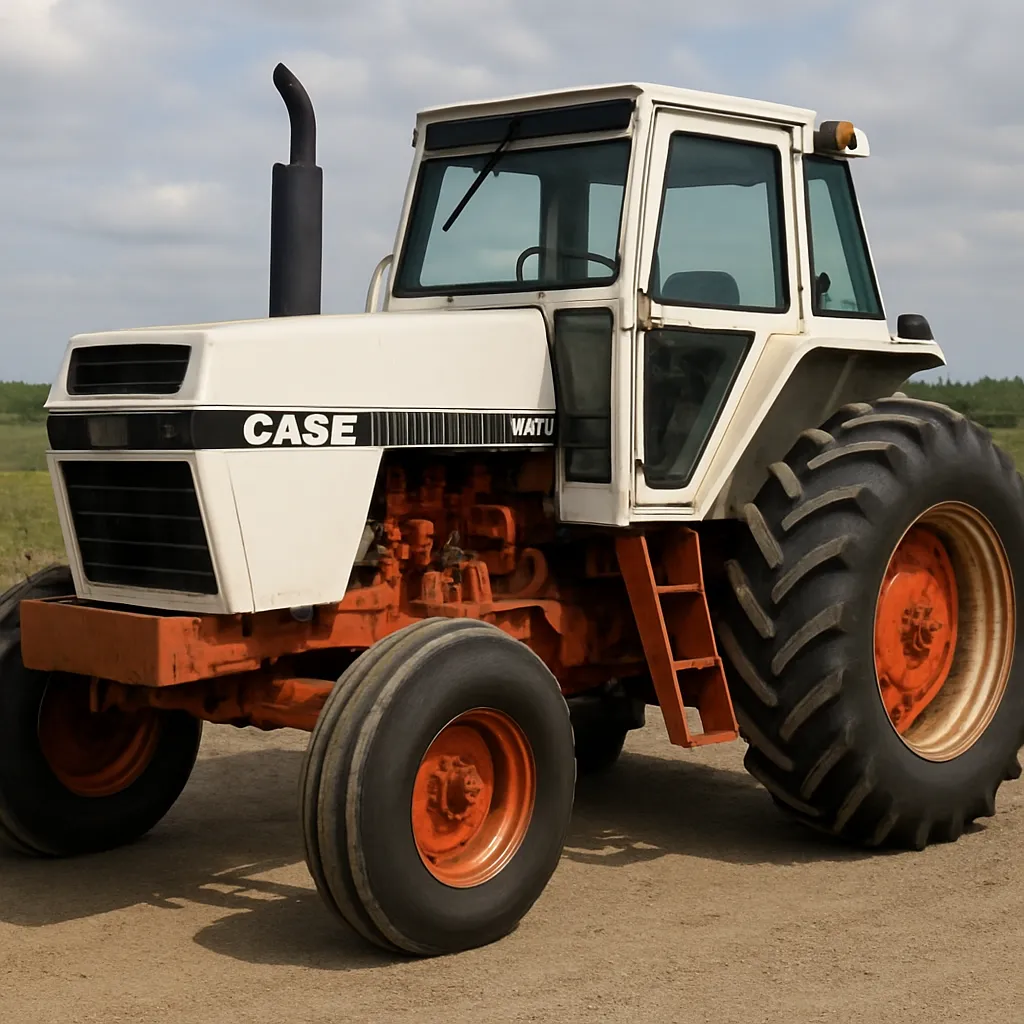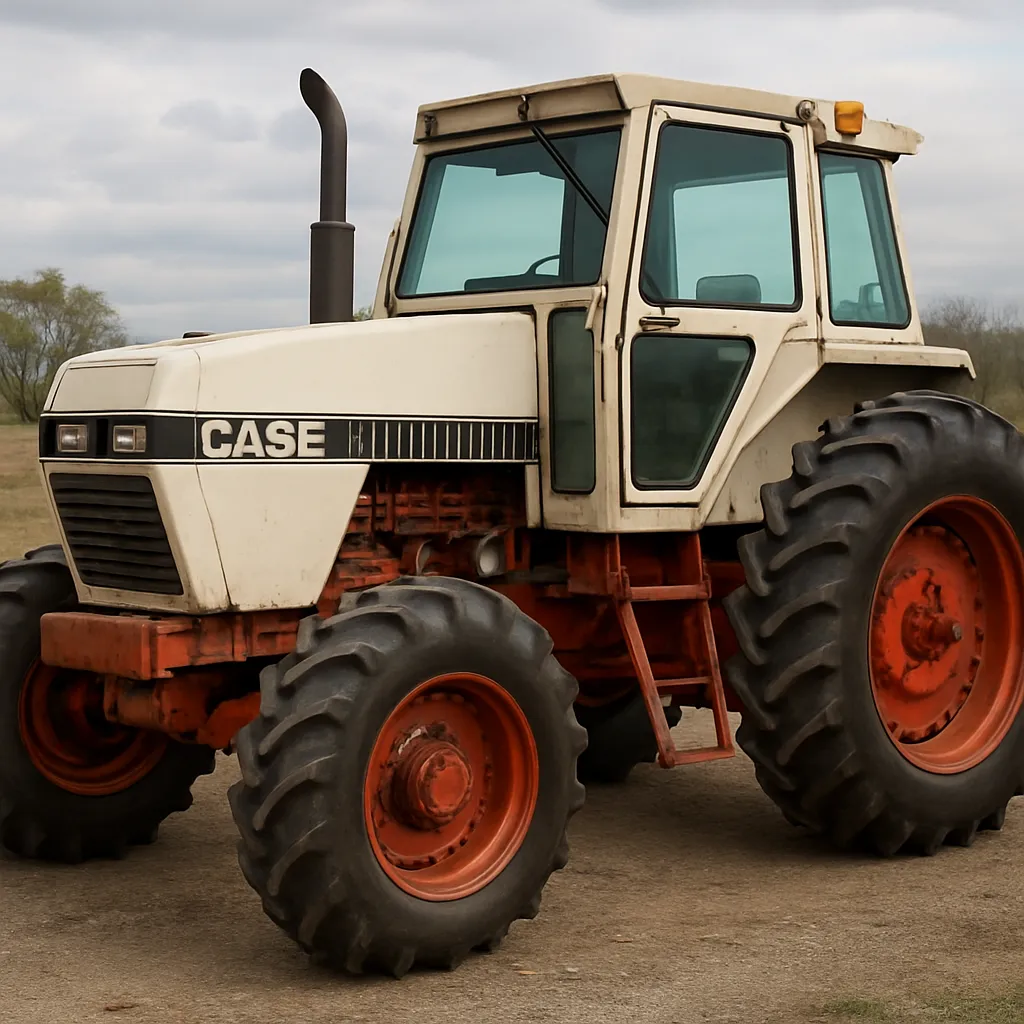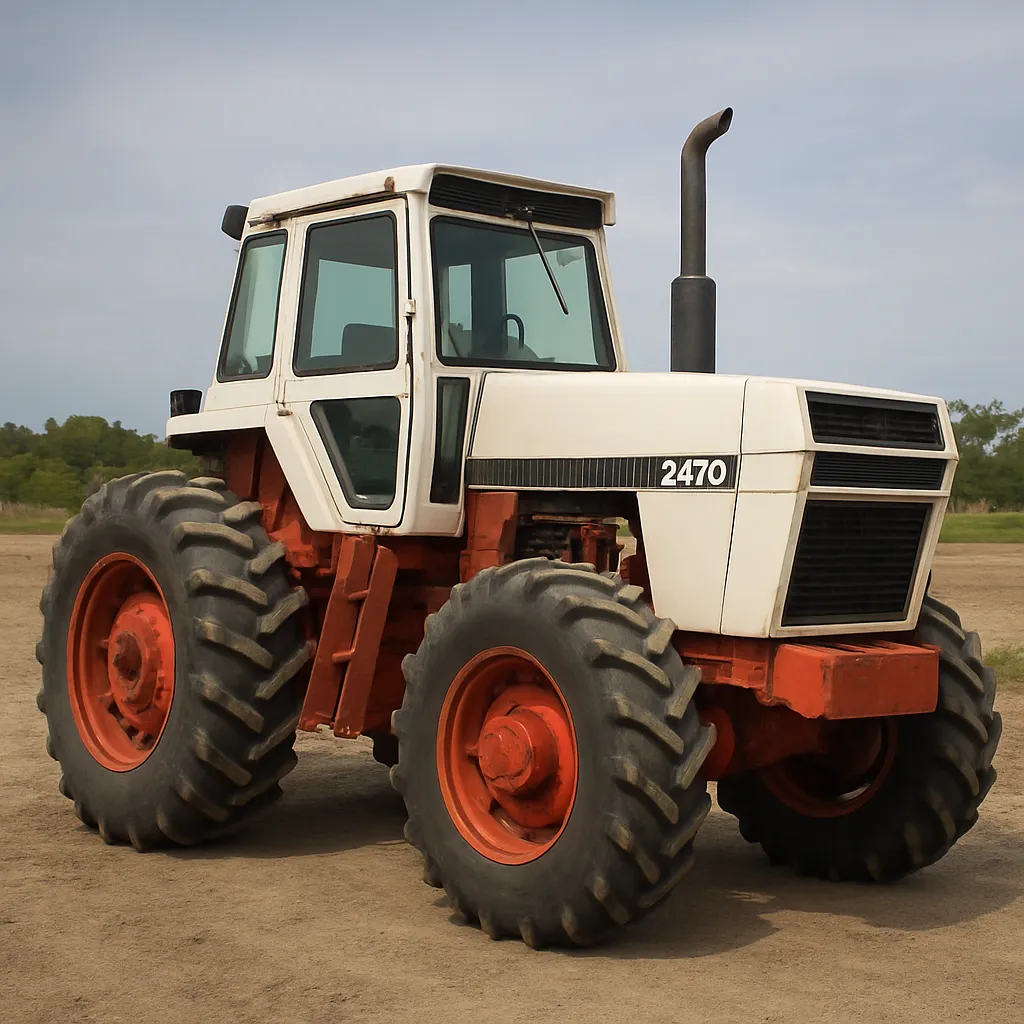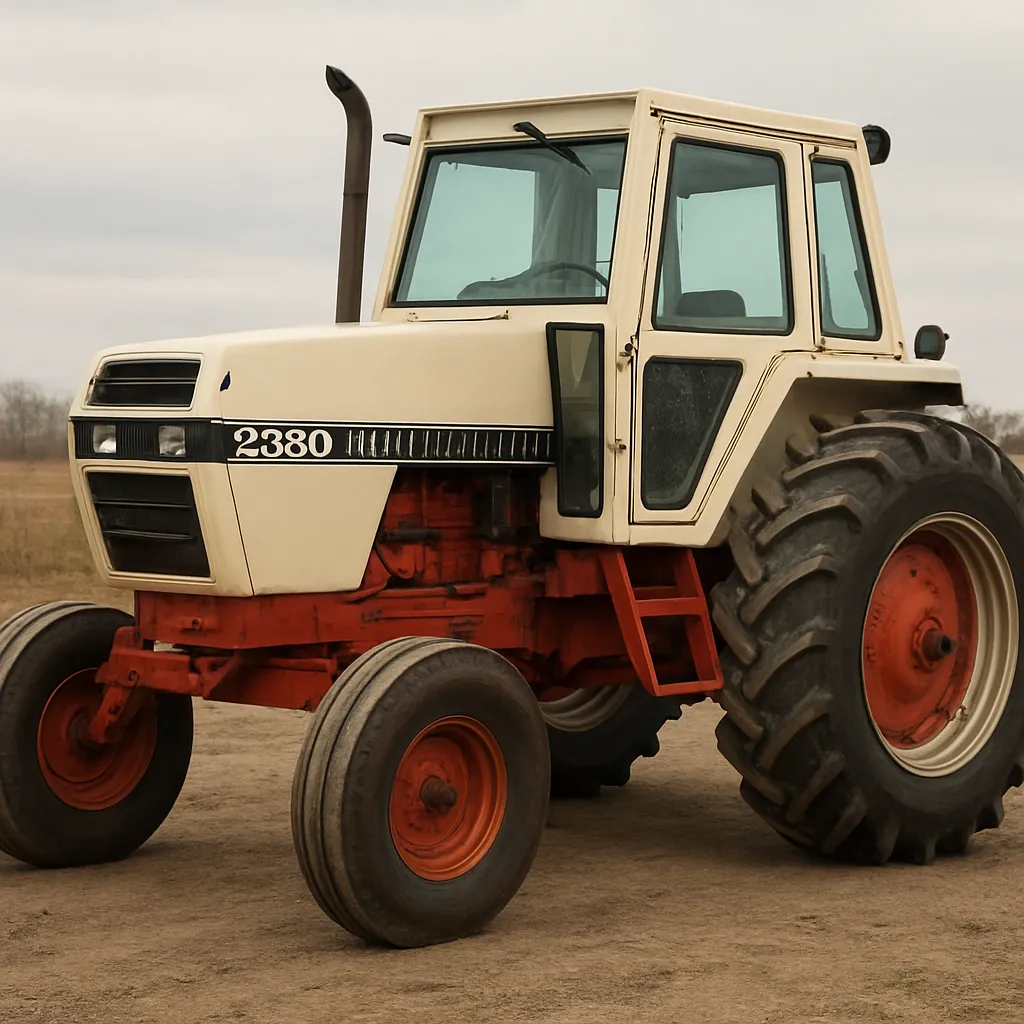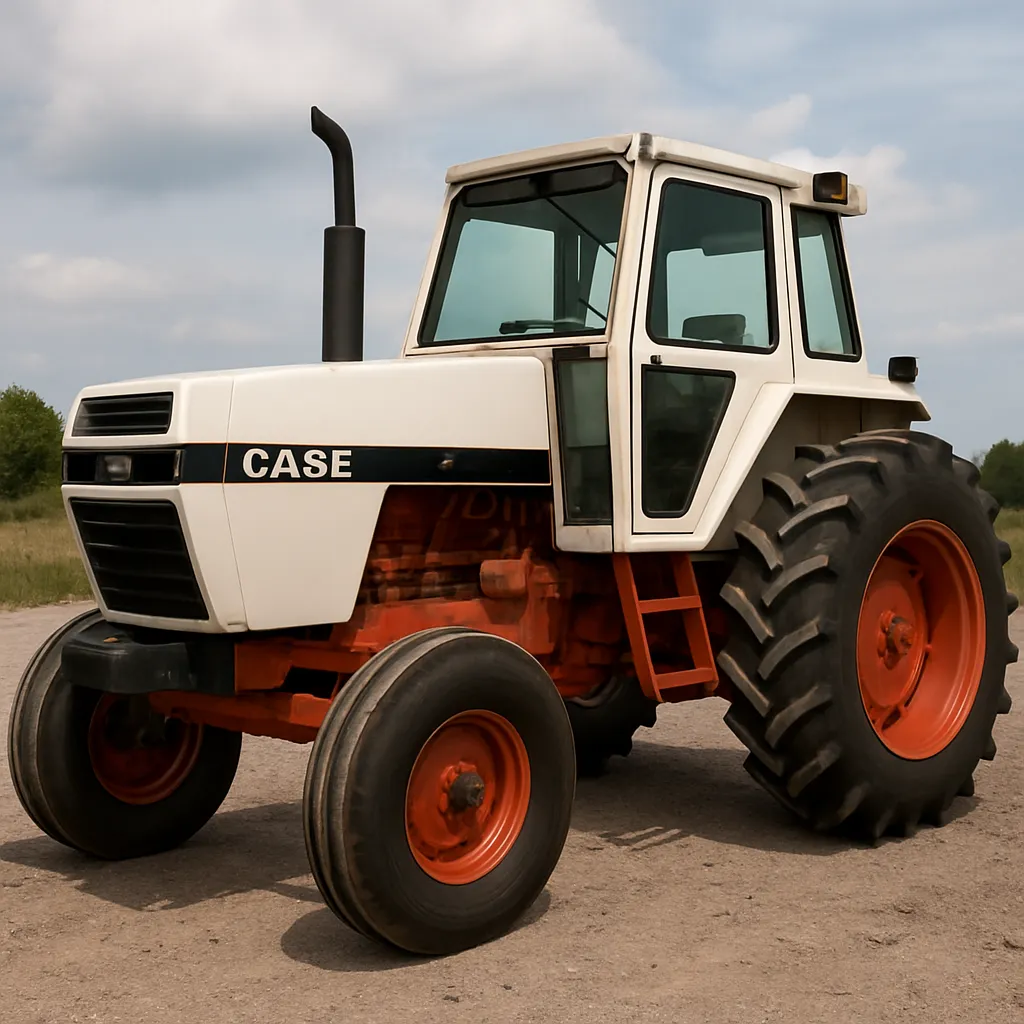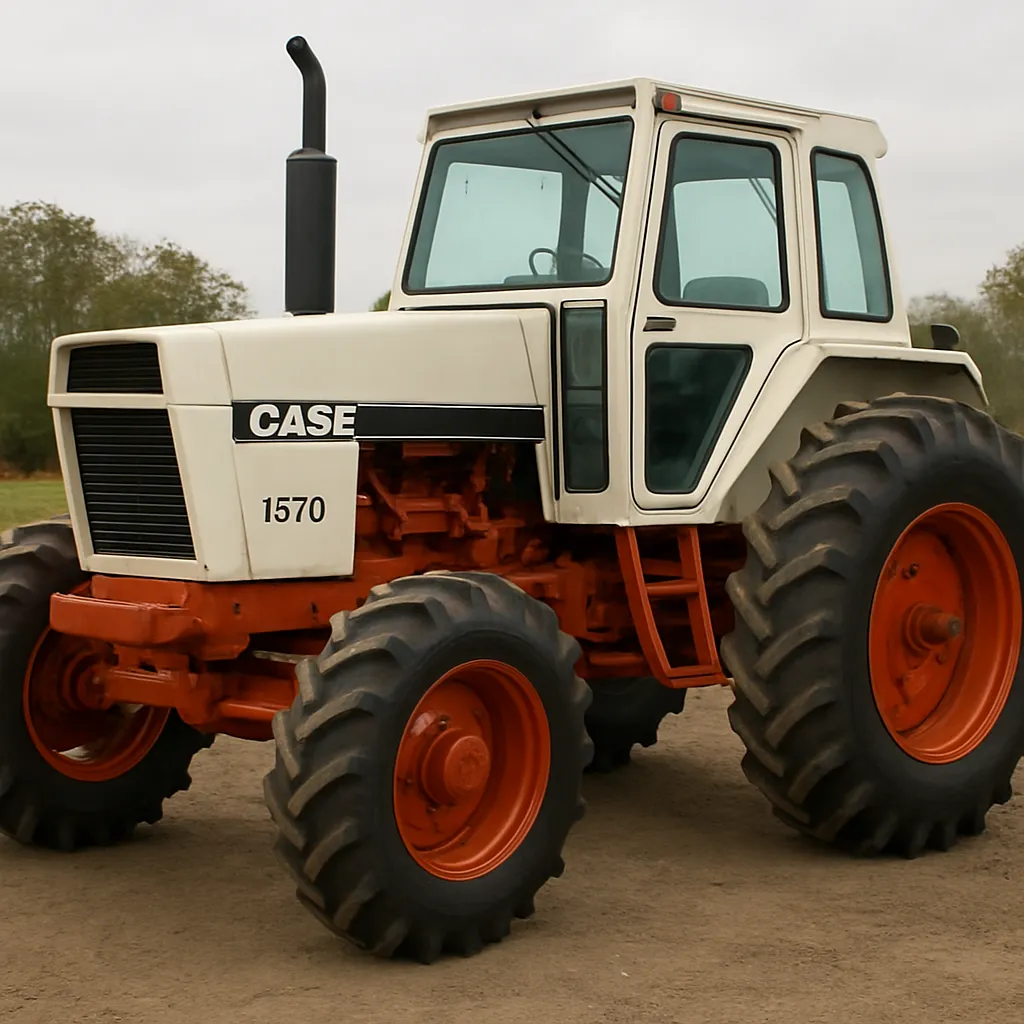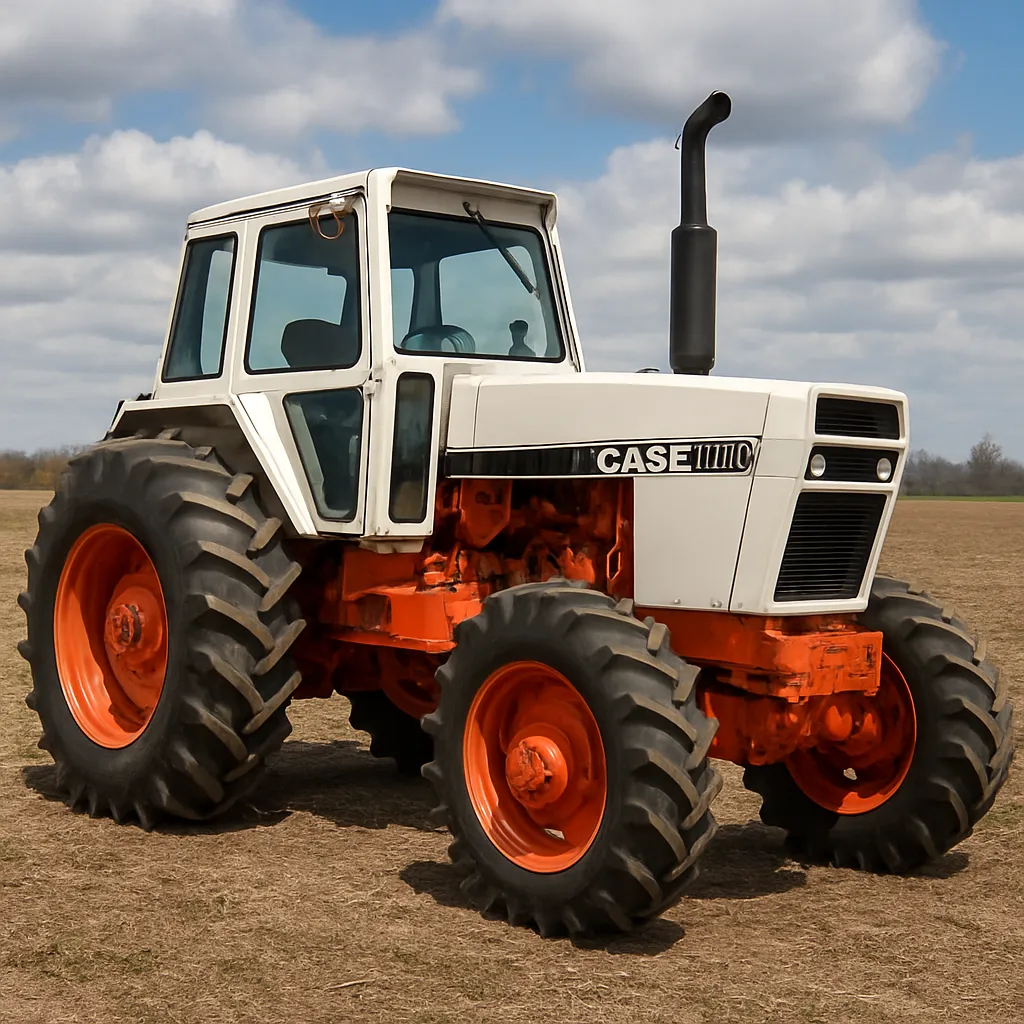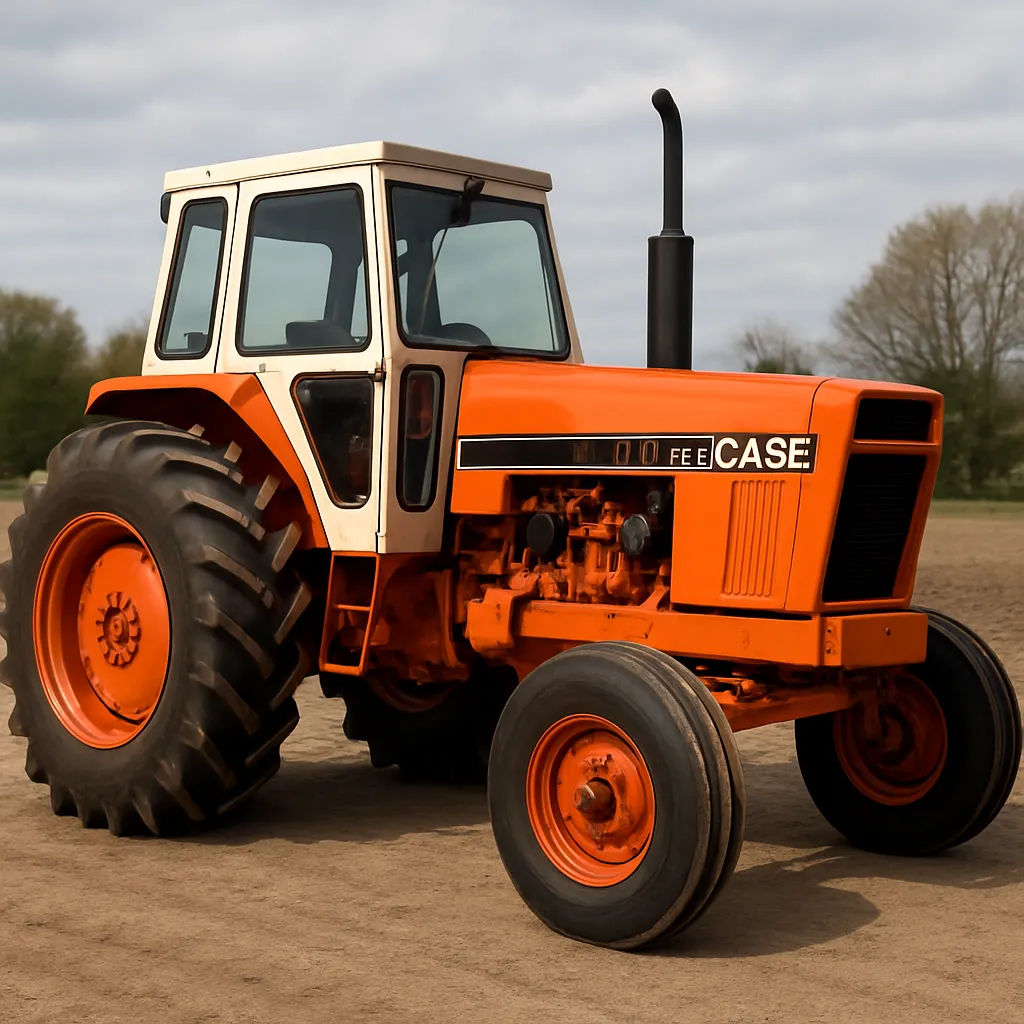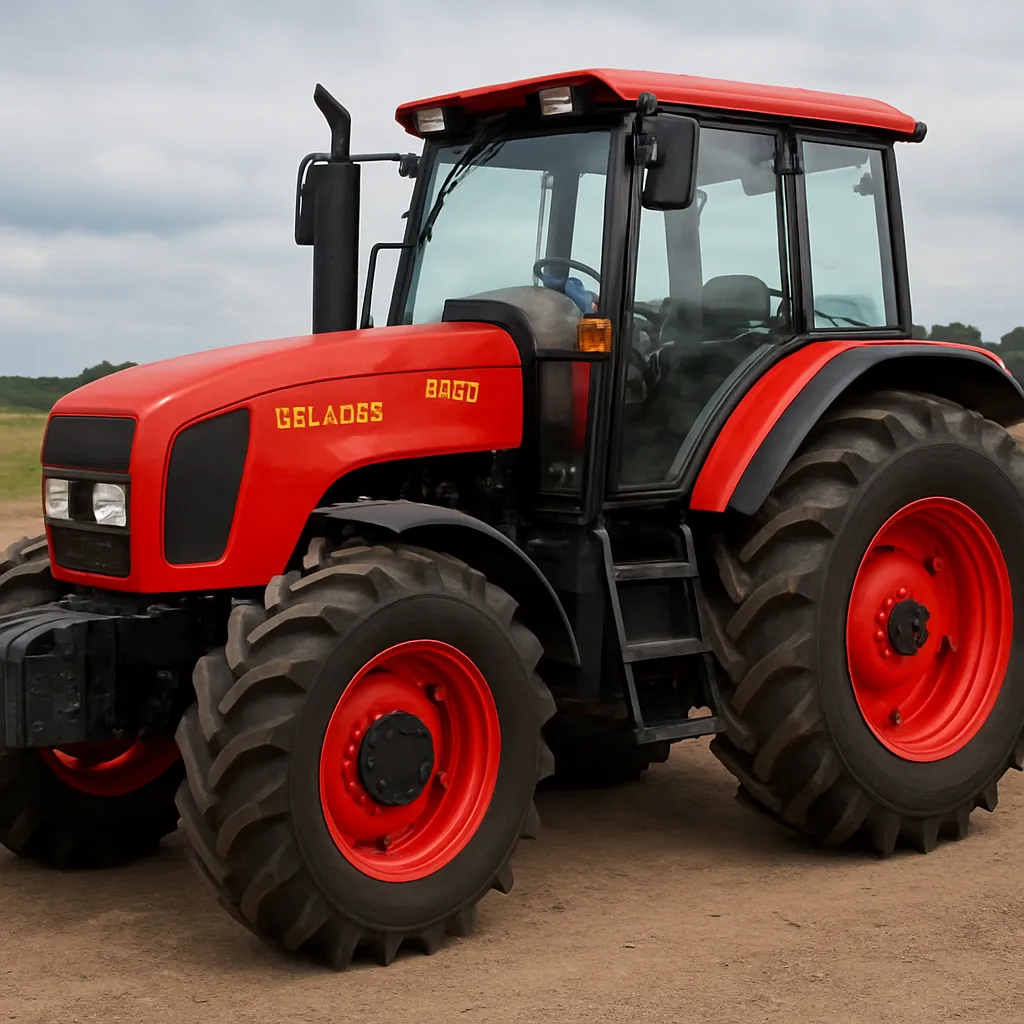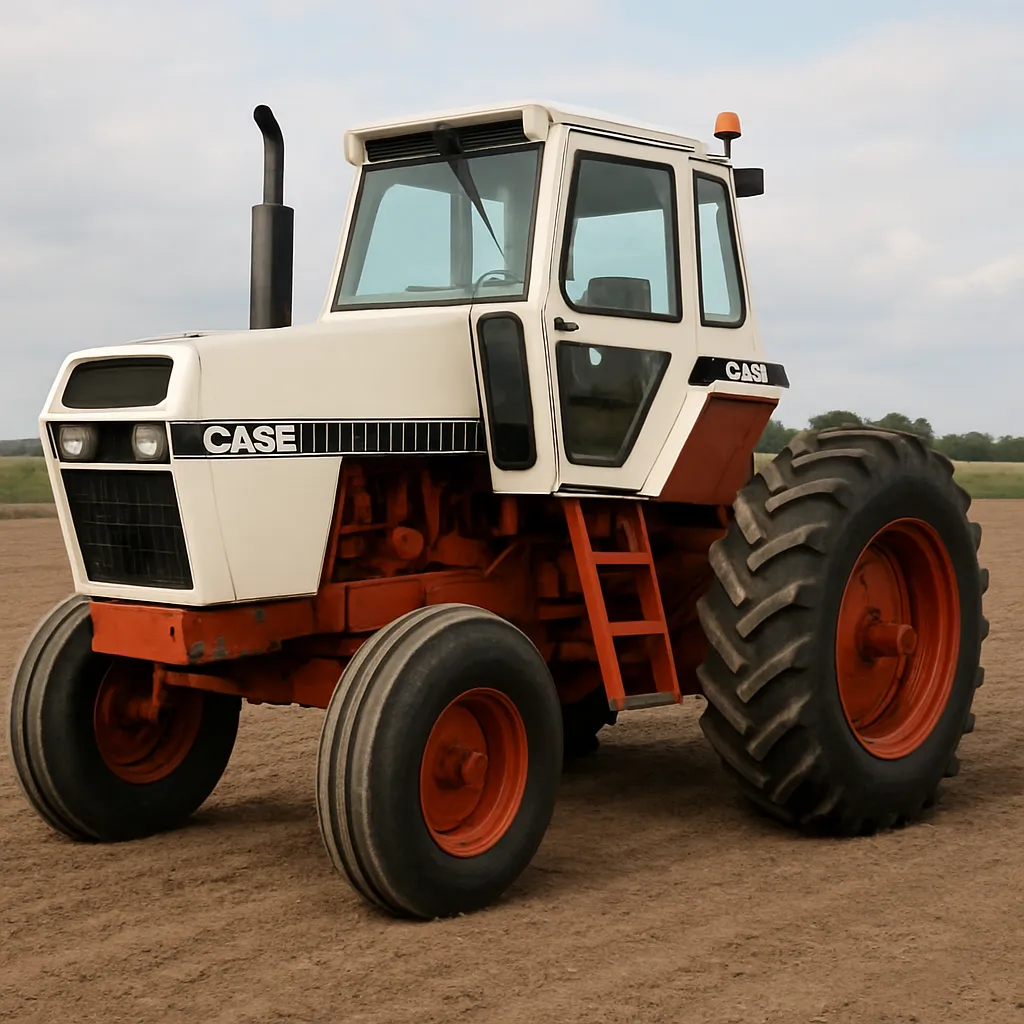
The Case 4490 is a notable entry in the history of agricultural tractors, recognized for its practical design, field-ready capabilities and long service life on farms around the world. This article explores the tractor’s background, technical characteristics, typical applications and the reasons it remains appreciated by operators, collectors and small-business owners. Where precise numerical data are commonly available, they are summarized, and where figures vary by year or region, ranges and context are provided.
Background and development
The Case family of tractors has a long lineage stretching back to the 19th and 20th centuries, and models with the 4xxx designation generally occupy the mid-power segment favored by mixed farms and contractors. The Case 4490 emerged as part of this product line with the intent to offer a balance of reliability, ease of service and compatibility with a wide variety of implements.
Design priorities for the 4490 reflected the agricultural needs of its era: a robust chassis, simple yet effective mechanical systems and the ability to run for extended seasons with minimal downtime. The machine was marketed toward farmers who needed a tractor capable of handling fieldwork, transport, and loader or hay operations without the complexity or cost of the highest-end articulating models.
Market positioning
- Versatility: Positioned as a general-purpose tractor that could bridge the gap between small utility models and larger row-crop workhorses.
- Affordability: Competitive pricing relative to higher-spec models made it attractive for medium-sized farms.
- Serviceability: Simpler mechanical systems facilitated repairs and maintenance on-site or at local dealerships.
Technical characteristics and common specifications
The Case 4490 is characterized by a straightforward mechanical layout typical of tractors designed for longevity rather than technological novelty. Specific configurations could differ from one production run to another and depending on market options.
Engine and powertrain
At the heart of the 4490 is a diesel engine designed for consistent torque delivery and fuel economy under load. While exact engine displacement and tuning varied, the tractor is commonly associated with the following characteristics:
- Engine type: Turbocharged or naturally aspirated diesel, inline 6-cylinder or robust 4-cylinder variants depending on the market.
- Horsepower: Typically in the mid-horsepower range — adequate for primary tillage with medium-sized implements and for PTO-driven equipment.
- Transmission: Multiple gear choices were offered, often including options for synchronized gearboxes or power-shift variants to suit both field and transport work.
Because manufacturers often offered optional upgrades, many owners report a range of output and driveline configurations. The emphasis in design was reliable torque at low engine speeds for pulling implements and maintaining consistent PTO speed.
Hydraulics, PTO and hitch
Hydraulic capacity and implement hookup systems are central to the 4490’s utility. The tractor commonly came equipped with:
- PTO options: Multiple PTO speeds to suit a variety of implements — typically 540 and sometimes 1000 rpm variants through optional packages.
- Three-point hitch: Category II or adaptable linkage allowing compatibility with conventional farming implements.
- Hydraulic flow: Adequate single or multi-circuit hydraulics to operate loaders, balers and other implements; auxiliary remotes could be configured for specialty equipment.
Dimensions, capacity and operating features
Owners appreciated the balance of the 4490’s size and capacity: it was large enough for heavy tasks yet compact enough to navigate smaller farm yards and tight fields. Typical attributes included:
- Frame and weight: Sturdy frame with ballast options for traction; weight carried on rear wheels for better pull in field conditions.
- Fuel capacity: Tanks sized to allow long operating hours between refuels, important during planting and harvest windows.
- Operator ergonomics: Functional cabs or open-station versions with straightforward controls prioritizing durability and ease of use.
Applications and typical uses
The Case 4490 is best understood as a multi-role agricultural machine. Its practical strengths make it suitable for a wide range of tasks on diversified farms and for agricultural contractors.
Field operations
In the field, the 4490 performs tasks such as ploughing, harrowing, seedbed preparation and secondary tillage. Its traction characteristics and torque curve enable it to pull medium-sized implements efficiently. Farmers commonly used it for:
- Primary tillage with 3–4 furrow ploughs or disk harrows.
- Seeding and planting with mid-range planters and drills.
- Spraying and spreading with medium-capacity booms and applicators.
Hay and forage work
Haymaking is another domain where the 4490 is often seen—pulling mowers, tedders, rakes and balers. PTO reliability and hydraulic hookups make it a handy choice for cutting and baling on small to medium acreage.
Loader and yard duties
With a front loader fitted, the 4490 becomes a versatile yard machine for handling feed, moving bales, grading and light material handling. Its compact footprint relative to larger tractors allows it to operate effectively in confined farmsteads.
Specialist tasks
Smaller contractors and specialty operators used the 4490 for jobs such as snow clearing (with appropriate attachments), mowing roadside verges and light excavation when combined with backhoe attachments. The adaptability of the hydraulic and hitch systems is a decisive advantage in these roles.
Performance, reliability and maintenance
A hallmark of tractors like the Case 4490 is their reputation for durability and straightforward upkeep. Operators value machines they can troubleshoot and repair without needing complex electronic diagnostic tools.
Maintenance considerations
- Routine service: Regular oil and filter changes, fuel system maintenance and hydraulic checks keep these tractors running for decades when maintained.
- Wear parts: Clutches, brakes and PTO drives require periodic inspection, especially under heavy use.
- Cooling system: Proper maintenance of radiators and coolant systems is critical to prevent overheating under sustained loads.
Common upgrades and owner modifications
Over time, owners often perform practical upgrades such as improved seats, modern lighting packages for night work, front-end loaders, and enhanced hydraulics to support more demanding implements. These modifications extend the tractor’s usefulness without altering its core reliability.
Comparisons and market context
In its segment, the Case 4490 competes with mid-range models from other major manufacturers. Buyers typically compare tractors based on:
- Fuel efficiency: How many hectares can be worked per tank and the fuel consumption under typical loads.
- Service network: Availability of parts and dealer support for repairs and warranty work.
- Resale value: The tractor’s reputation for reliability strongly influences long-term value.
Many owners choose the 4490 for its balance of performance and simplicity, often preferring it to newer, more complex machines that require specialized service. In second-hand markets, a well-maintained 4490 can represent a cost-effective solution for small and medium-sized farms.
Production numbers and statistics
Official global production figures for many older tractor models are not always publicly detailed by manufacturers. For the Case 4490, specific annual production numbers or total units produced are not widely published in contemporary sources. However, several general observations and statistical indicators are useful:
- Regional prevalence: The model achieved wider distribution in regions with significant mixed-farming operations, including parts of North America, Europe and Latin America.
- Longevity: Most examples show service lives measured in decades rather than years, with many tractors still in active use after 15–30+ years when properly maintained.
- Second-hand prices: Resale values vary by condition, region and fitted options; tractors in excellent condition with documented service histories tend to command premium prices among hobby farmers and collectors.
Where precise numeric data are required for accounting or historical research, the best sources include manufacturer archives, national tractor registries, dedicated enthusiast clubs and agricultural machinery auction records. These can yield more specific production runs, serial number ranges and sales distribution statistics.
Legacy, collectibility and modern relevance
The Case 4490 earns respect today for reasons that go beyond raw specification sheets. Its legacy is tied to an era when mechanical simplicity, accessibility and adaptability were primary design goals. For collectors and small-farm owners, the 4490 provides:
- Collectible appeal: Models in original or well-restored condition are sought after by enthusiasts who appreciate classic agricultural engineering.
- Practical nostalgia: Operators who grew up with these tractors often prefer them for light to medium tasks due to familiarity and ease of maintenance.
- Educational value: Older tractors like the 4490 are used in vocational training to teach mechanical fundamentals that remain relevant even in modern service environments.
Community and spare parts support
An active network of owners, clubs and online forums contributes to the ongoing viability of older models. Spare parts, both original and aftermarket, remain available for many common wear items and service components. This community support helps keep operating costs reasonable and simplifies restoration projects.
Buying considerations and practical advice
For prospective buyers considering a Case 4490, several practical points help evaluate condition and value:
- Service history: A well-documented maintenance record is a strong indicator of remaining useful life.
- Hours and wear: Engine hours are informative but must be combined with inspection of the drivetrain, hydraulics and structural condition.
- Rust and frame integrity: Check for significant corrosion, especially around mounting points and the front loader frame if fitted.
- Hydraulic leaks: Common with age — inspect seals, hoses and pump performance under load.
- Test drive: Verify clutch engagement, shifting, PTO operation and cooling system stability in representative conditions.
For buyers planning to use the tractor as a daily workhorse, investing in a pre-purchase inspection by a knowledgeable mechanic is often cost-effective. For collectors or part-time users, emphasis may instead fall on originality and cosmetic condition.
Conclusion
The Case 4490 exemplifies a pragmatic approach to tractor design: reliable, serviceable and broadly useful across many farm operations. While precise production statistics and certain technical specifications can vary with production year and market options, the model’s enduring presence in fields and farmyards underscores its practical merits. For operators seeking a flexible mid-range tractor with a reputation for durability, simple maintenance and broad implement compatibility, the 4490 remains an attractive choice. Its community of owners and available spare parts further reinforce its continued relevance in modern agricultural and small-business settings.