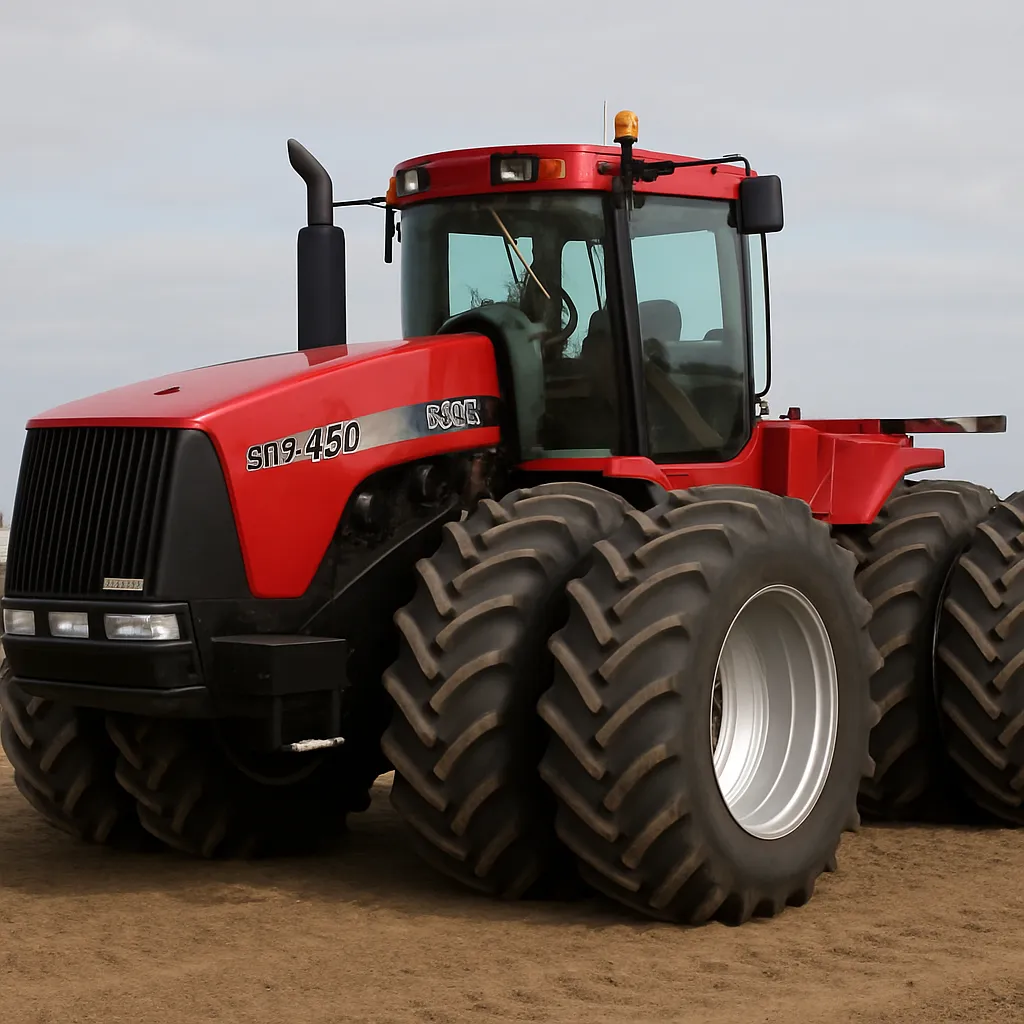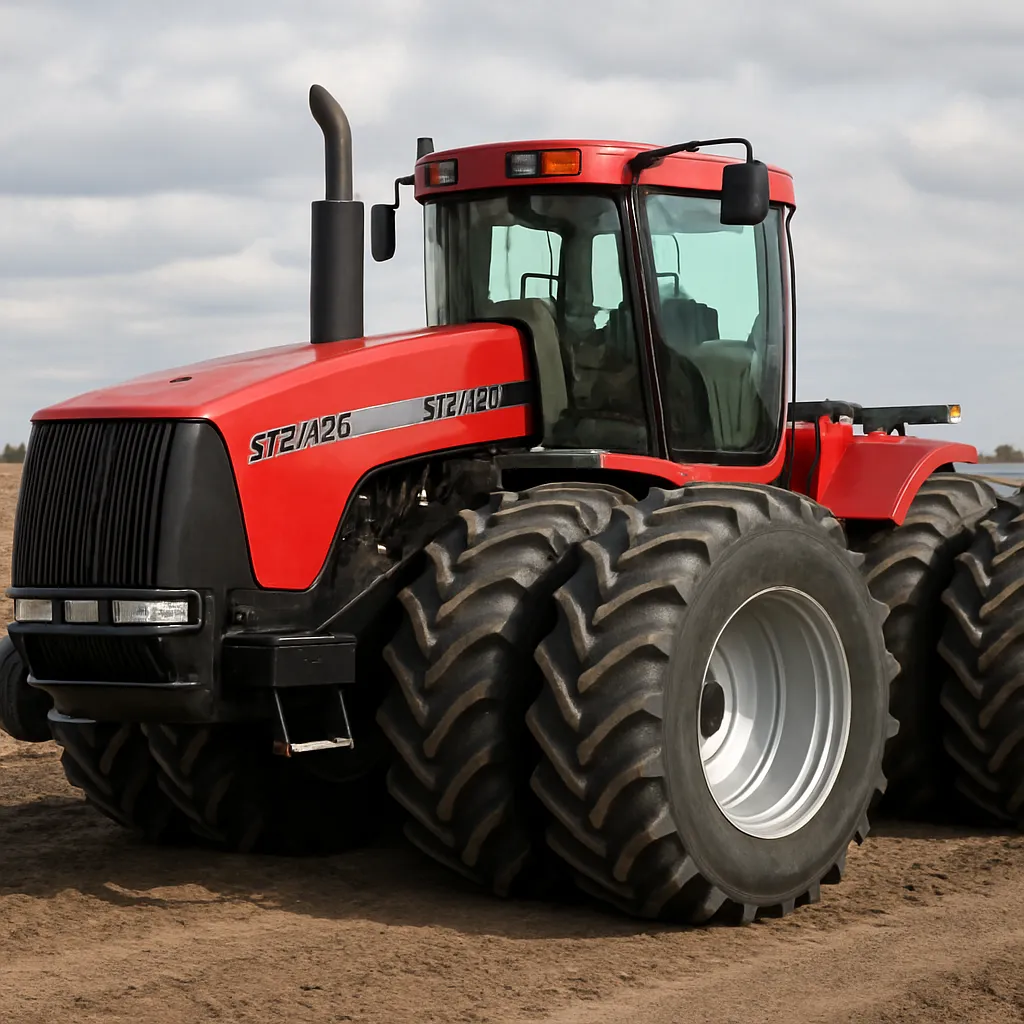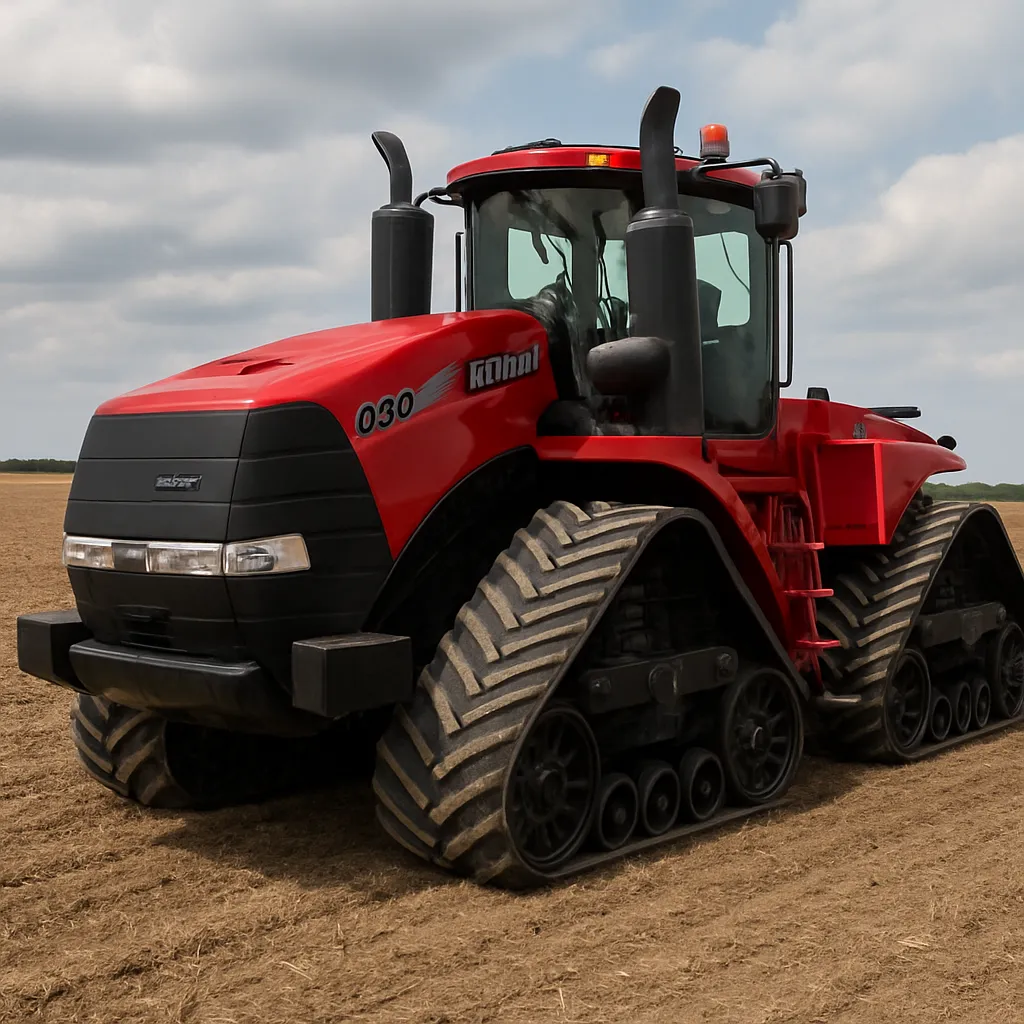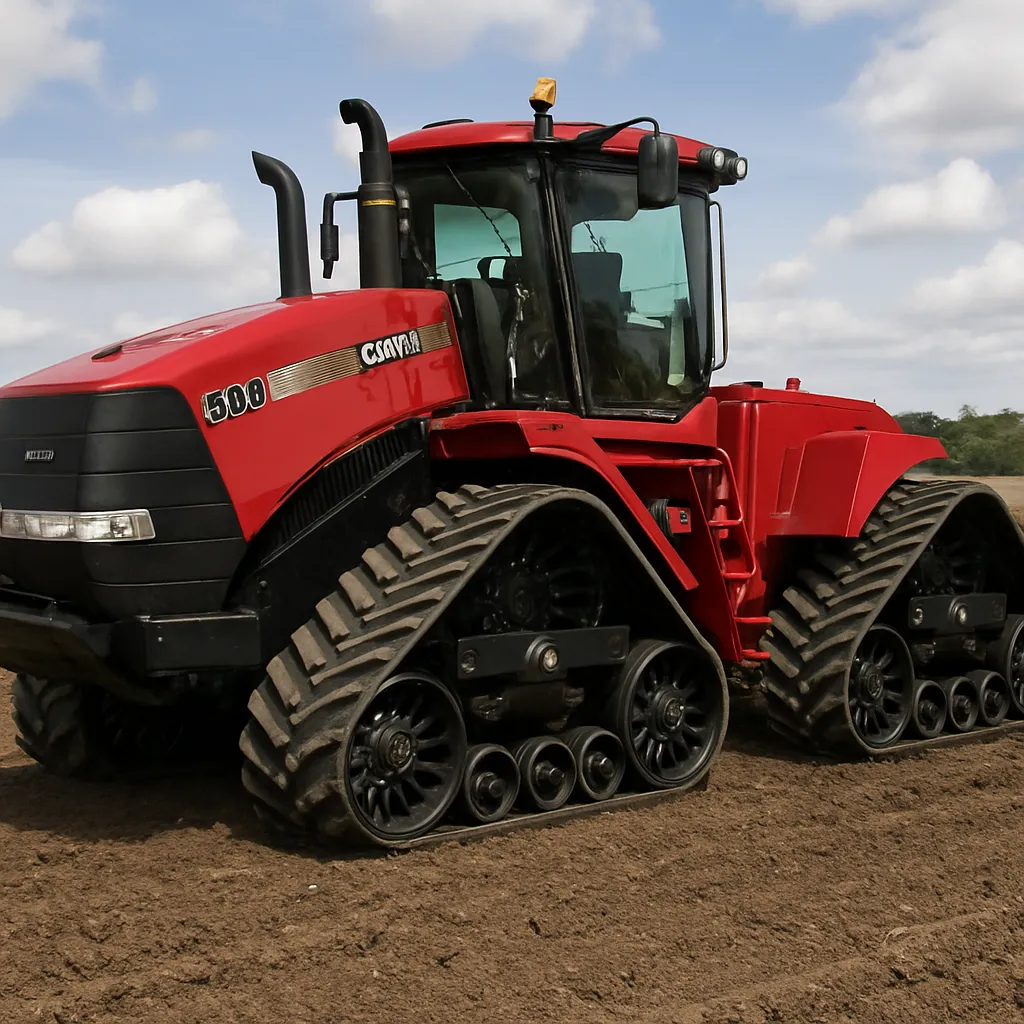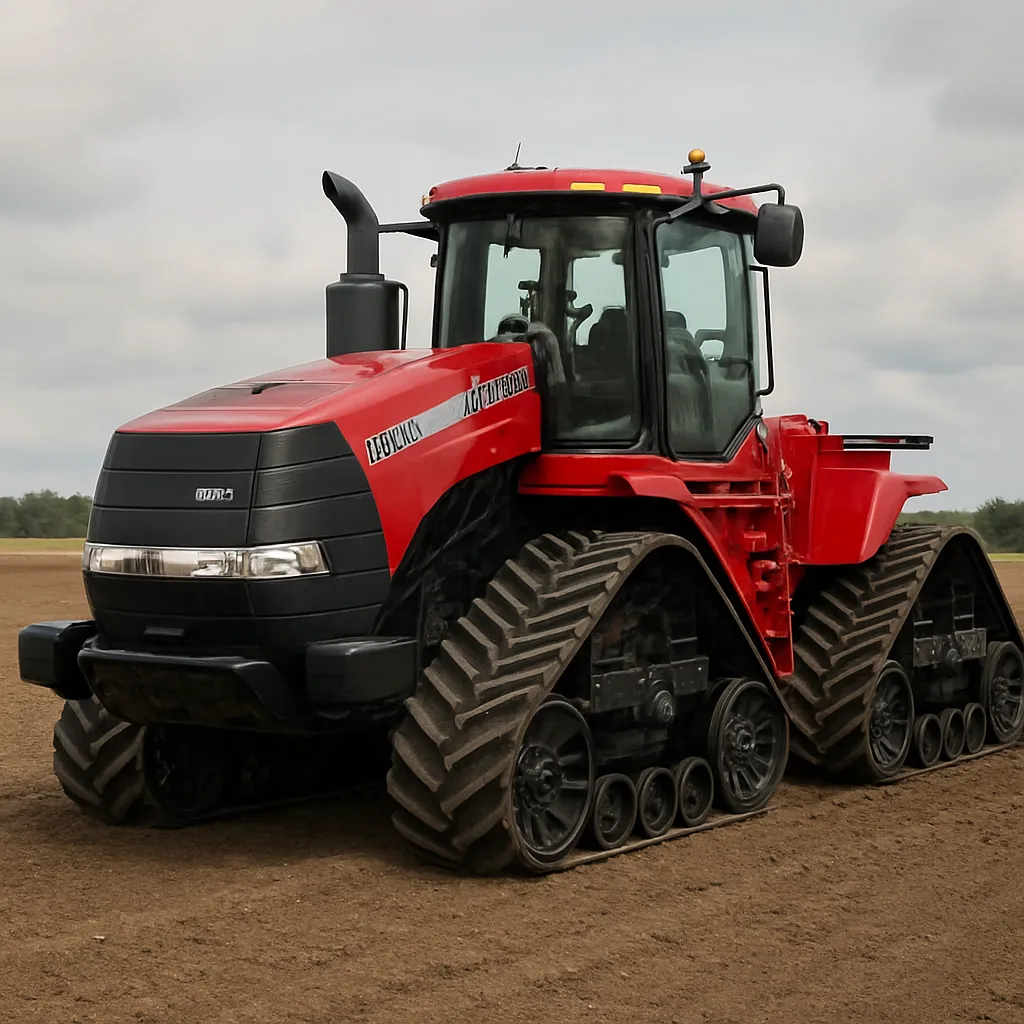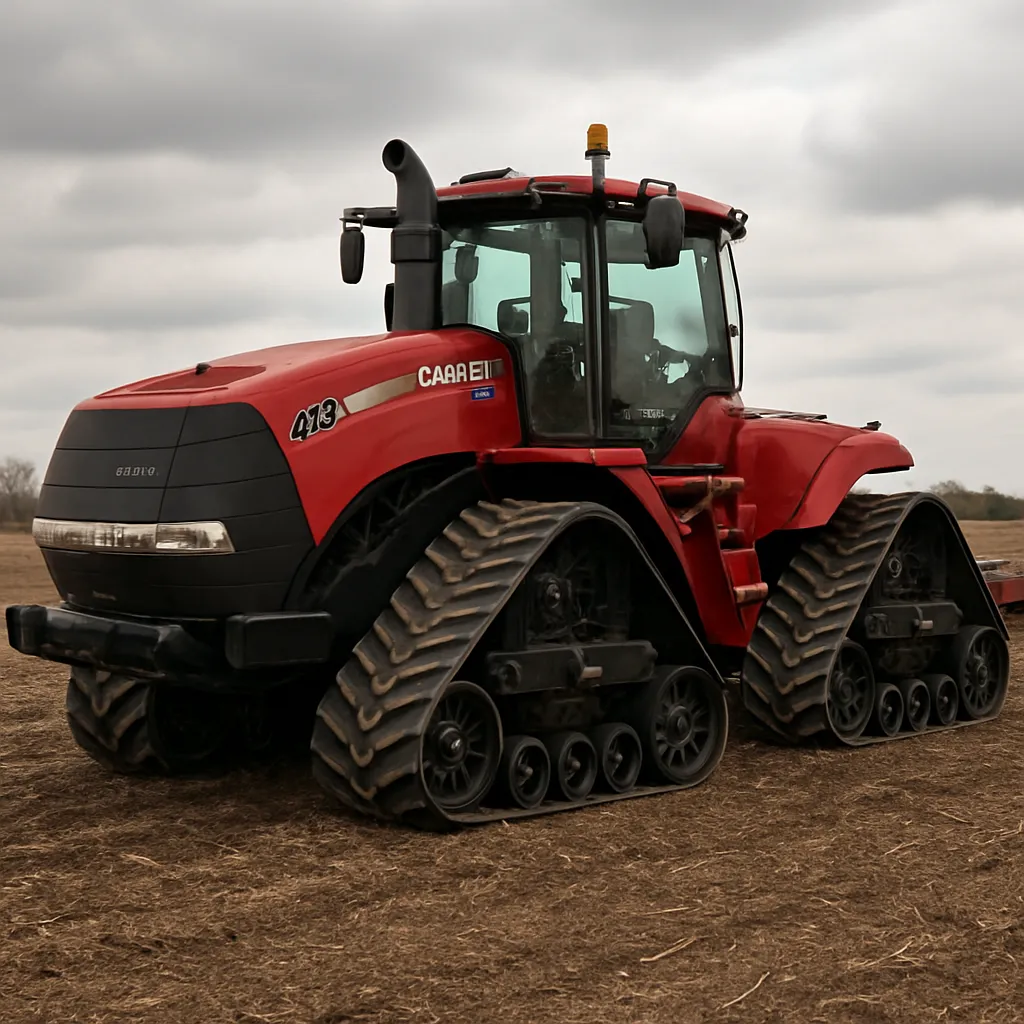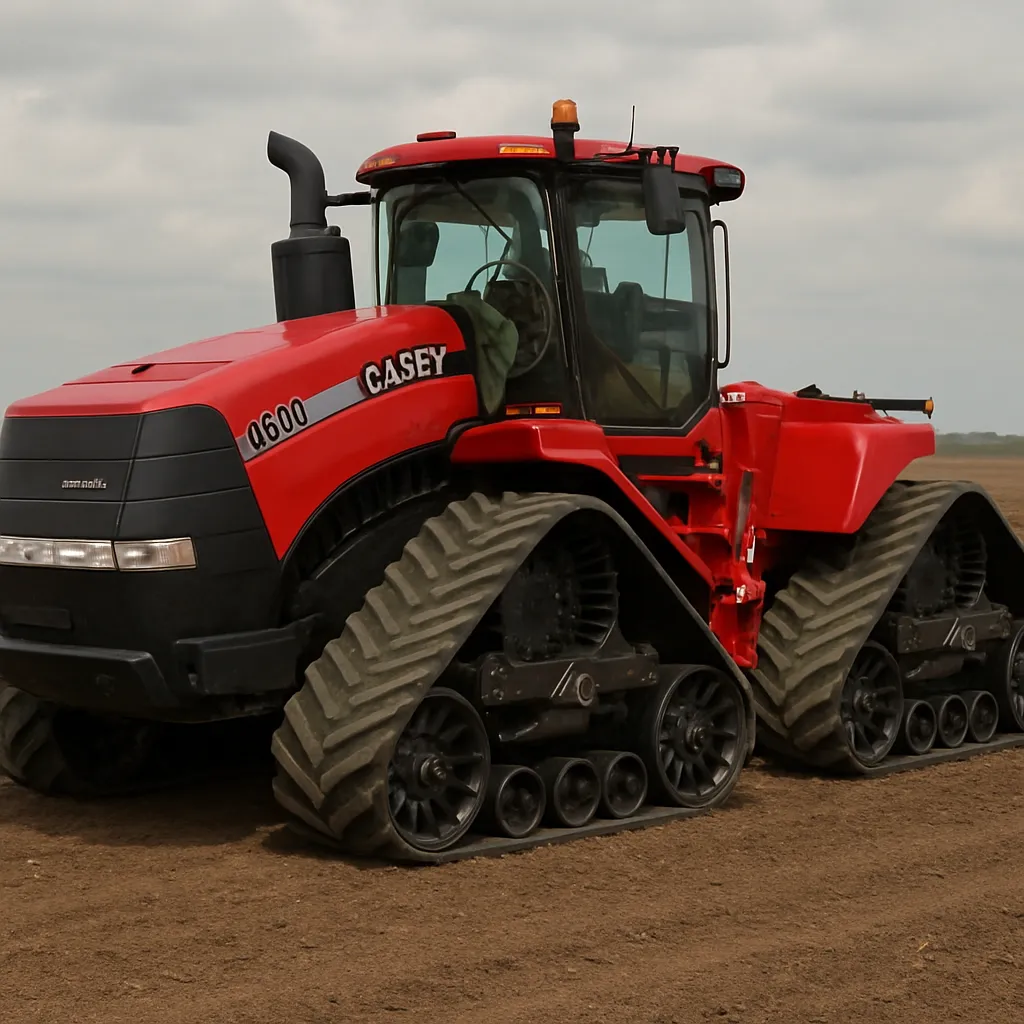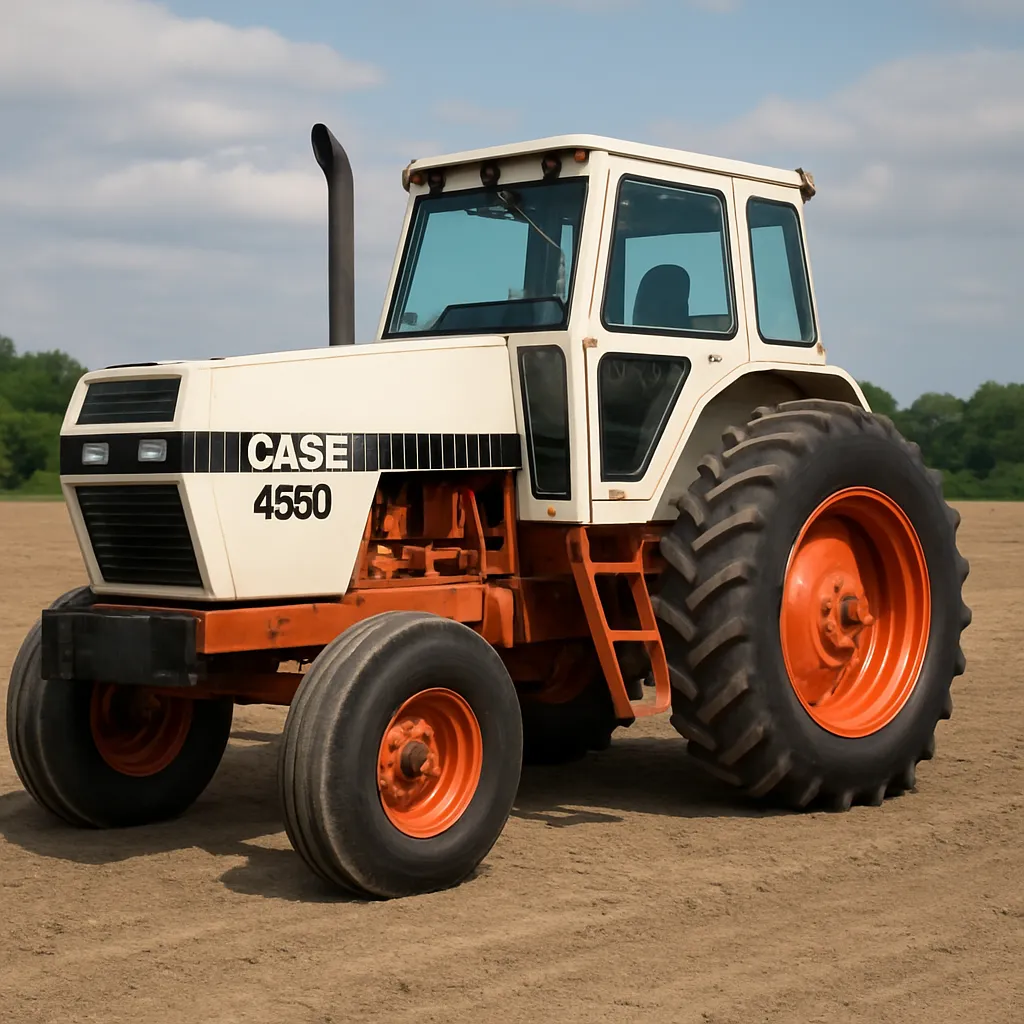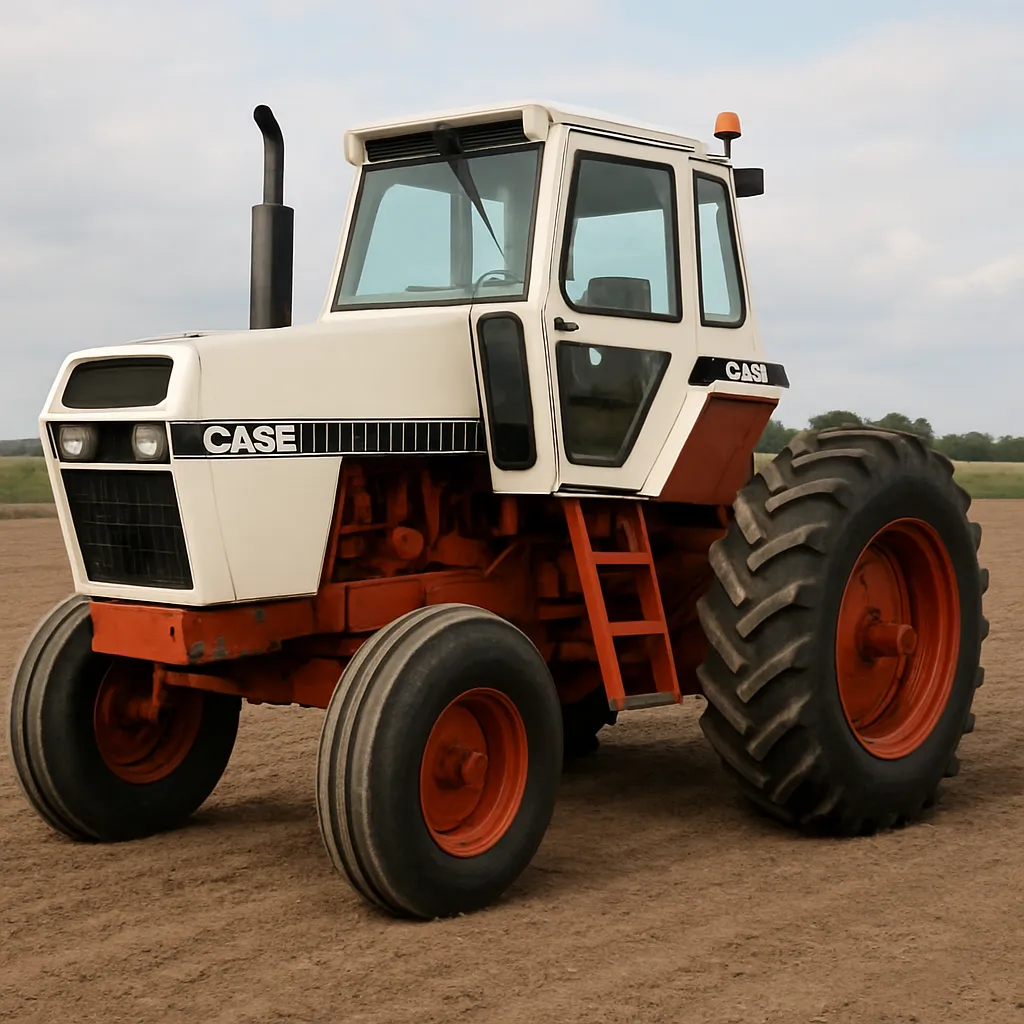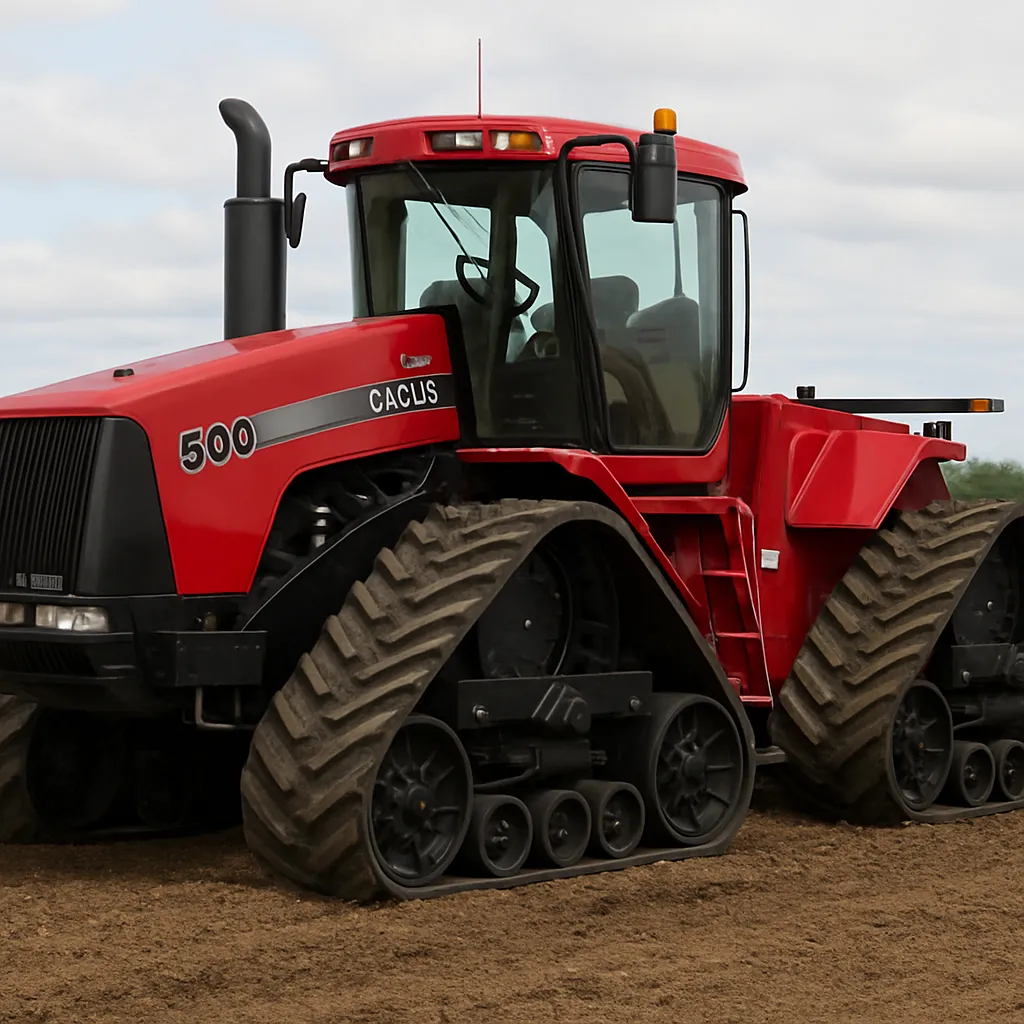
The Case IH STX 500 is a heavy-duty agricultural tractor designed for large-scale farming operations. Combining substantial pulling capability with modern operator comforts and advanced systems for traction and power delivery, the STX 500 is intended for demanding tasks such as deep tillage, large planters, high-capacity seeding, and heavy transport on the farm. Below you will find a comprehensive overview of the tractor’s design, typical specifications, applications, technological highlights, operational economics, and considerations for buyers and operators.
Design and technical specifications
The STX 500 belongs to Case IH’s family of high-horsepower tractors aimed at contractors and large farms. It emphasizes robust construction, high continuous torque output, and adaptable configurations to suit either wheeled or tracked applications. While exact factory specifications can vary by market and model year, a number of common technical characteristics define the STX 500 class.
Powertrain and engine
- Typical rated power: approximately 500 hp (around 370–375 kW) at rated engine speed, depending on configuration and emissions tuning.
- Engine type: heavy-duty, turbocharged diesel with intercooling and modern fuel management, designed for long-life continuous operation under load.
- Torque delivery: designed to provide strong low-end torque for pulling and draft-intensive tasks; torque figures will vary by engine tune but are optimized for field work.
- Emissions: engines meet contemporary regional emissions standards (Tier 3/4i/Stage IIIA/Stage IV/Stage V in later variants), which may affect rated output and aftertreatment components.
Transmission and drivetrain
- Transmission: available in powershift or continuously variable-style options in different markets; built for seamless shifts under load and efficient power transfer to the wheels or tracks.
- Drivetrain: 4WD with heavy-duty front and rear axles, and options for dual wheels or track systems. Some configurations use tracks (Quadtrac-style or similar) for improved flotation and reduced soil compaction.
- Hydraulics and PTO: high-flow hydraulic systems support large implements; PTO options are available for auxiliary equipment though the tractor is primarily conceived for draft and transport.
Dimensions, weight and capacities (typical ranges)
- Operating weight: typically in the range of 12,000–18,000 kg (26,500–40,000 lb) depending on whether the unit is wheeled, dual-wheeled, or tracked, and depending on ballast and optional equipment.
- Fuel capacity: commonly between 600 and 1,000 liters (160–265 US gallons) for long field endurance; tank size varies by factory configuration and auxiliary tanks.
- Hydraulic flow: high-capacity pumps delivering well over 150 L/min (40 US gpm) in many configurations to operate large planters, cultivators, and sprayer systems.
- Ground pressure: significantly reduced when fitted with tracks, improving flotation on soft soils and reducing soil compaction compared with dual-wheel setups.
Cab and operator systems
- Cab: full-height, sound-insulated cab with ergonomic controls and multi-function joystick options for implement and drive control.
- Electronics: factory-fitted wiring and displays to accept precision farming systems, GPS guidance, section control, and telematics for remote monitoring and updates.
Applications and field performance
The STX 500 is engineered for heavy, continuous work on large farms and in contracting operations. Its combination of high horsepower and available low ground pressure makes it suitable for a number of demanding applications.
Primary farming uses
- Deep tillage: large chisel plows, heavy subsoilers, and disk harrows are well within the tractor’s capacity. The STX 500 can pull wide implements at working depths that require sustained torque and weight.
- Large seeding and planting operations: when towing high-capacity planters or air seeders, the tractor provides the continuous, steady drawbar power needed for consistent depth control and uniform seed placement.
- Heavy transport: transporting large trailers, tanks, or implements between fields and yards, especially when operating on soft or uneven ground.
- Soil conservation and low compaction tasks: tracked configurations reduce wheel slip and preserve soil structure when working on wetter soils or when minimal compaction is a priority.
Contracting and specialty tasks
- Land reclamation and heavy earthmoving: suitable for tasks that require power and traction rather than speed, such as land shaping and haulage on farms or sites needing agricultural-grade equipment.
- Precision agriculture support: combined with GPS and auto-steering systems, the STX 500 supports high-efficiency, low-overlap work on large fields, improving fuel economy and reducing input waste.
- Seasonal flexibility: due to its high power reserves, the STX 500 can be used seasonally for tasks beyond planting and tillage, including snow removal and large-scale material handling when appropriately equipped.
Technological features and operator experience
Case IH has equipped high-horsepower tractors like the STX 500 with features intended to increase productivity, reduce operator fatigue, and enable precision farming. These features impact both field performance and long-term operating costs.
Precision farming and connectivity
- GPS and auto-steer compatibility: factory-ready guidance systems mean the tractor can be quickly integrated into precision workflows to reduce overlap and improve field coverage.
- Section and rate control: the hydraulic and electronics package supports variable-rate application and sectional control for implements that meter seed, fertilizer, or pesticide.
- Telematics: many STX-class tractors can be fitted with remote monitoring, diagnostics and fleet management tools to track utilization, fuel use, and maintenance needs.
Comfort and ergonomics
- Cab design: seating, visibility, HVAC, and low-vibration mounting help reduce operator fatigue during long days in the field. The cab often includes adjustable suspension seats and easy-to-reach multi-function controls.
- Noise and vibration control: insulated cab and engine mounts improve comfort and allow the operator to concentrate, which indirectly boosts productivity and safety.
Maintenance, lifecycle costs, and reliability
Maintaining a high-horsepower tractor like the STX 500 requires disciplined service intervals, proper fluid management, and attention to wear items. When maintained well, these tractors provide long service lives and good residual values in markets where demand for large tractors remains strong.
Routine maintenance and service considerations
- Engine oil and filter intervals: heavy-duty engines require scheduled oil and filter changes; following manufacturer intervals and using recommended lubricants extends engine life.
- Cooling and aftertreatment systems: emissions-related aftertreatment (if present) requires attention, and cooling systems must be maintained, especially in dusty or high-load conditions.
- Tracks and tires: tracked units require periodic track tensioning and undercarriage inspections; wheeled units require dual-wheel balancing and tire inspections to avoid uneven wear.
Operating costs and fuel efficiency
Fuel consumption is a major component of operating cost for any 500-hp class tractor. Efficiency depends on matching implement size to tractor capacity, optimizing field speeds, avoiding excessive engine RPM, and employing precision techniques to minimize wasted passes.
- Typical fuel consumption: varies widely with task and load, but operators should expect significant hourly fuel use under heavy draft—efficient implement matching and modern engine management can minimize excess consumption.
- Resale and depreciation: high-horsepower tractors retain value when maintained and when they have desirable options like GPS-ready electronics and low-hour service histories.
Comparisons, market position and purchasing considerations
The STX 500 competes in the high-horsepower sector with models from other major manufacturers. Buyers evaluate these tractors on net cost of ownership, dealer support, availability of parts, and how well the machine integrates with existing fleets and implements.
How it compares to similar tractors
- Power class: similar tractors from competing brands typically offer comparable horsepower, with differences arising from nominal ratings, torque curves, and transmission choices.
- Traction choices: the availability of tracked configurations is a common differentiator. Tracks reduce compaction and improve traction at the cost of higher initial purchase and some maintenance differences.
- Technology and aftersales: brand ecosystems differ in telematics, precision agriculture offerings, and dealer-support networks. These factors can sway buyers more than raw horsepower numbers.
Buying tips
- Match tractor power to implement size: oversizing a tractor can increase fuel use and equipment wear without commensurate gains in productivity; undersizing limits field capacity.
- Consider resale and local support: strong dealer networks and local parts availability reduce downtime.
- Evaluate configuration options: wheeled vs tracked, transmission type, hydraulic flow rates, and electronics packages all affect suitability and total cost.
Safety and environmental considerations
As with any large agricultural machine, safe operation and responsible environmental management are essential. Operators need training in handling high-horsepower equipment, and farms should plan for emissions, noise, and soil impact mitigation.
- Operator training: familiarity with controls, safe hitching and unhitching procedures, and awareness of rollover risks on slopes are essential.
- Soil health: tracked versions can reduce soil compaction, but equipment weight and repeated passes still need management to preserve long-term soil productivity.
- Emissions and regulations: adherence to local emissions requirements and proper maintenance of aftertreatment systems help limit environmental impacts.
Conclusion
The Case IH STX 500 is a purpose-built high-horsepower tractor for large-scale agricultural operations and contractors who need sustained draft power and reliable performance. With typical features such as around 500 hp, configurable drivetrain choices including tracks, high-capacity hydraulics, and modern precision-farming electronics, it addresses the core needs of heavy tillage, large planters, and demanding field transport. Buyers should weigh initial cost, operating economics, dealer support, and how well the machine matches their implements and workflows. Proper maintenance and trained operators maximize uptime and value, while precision tools and correct implement matching improve efficiency and reduce long-term costs.