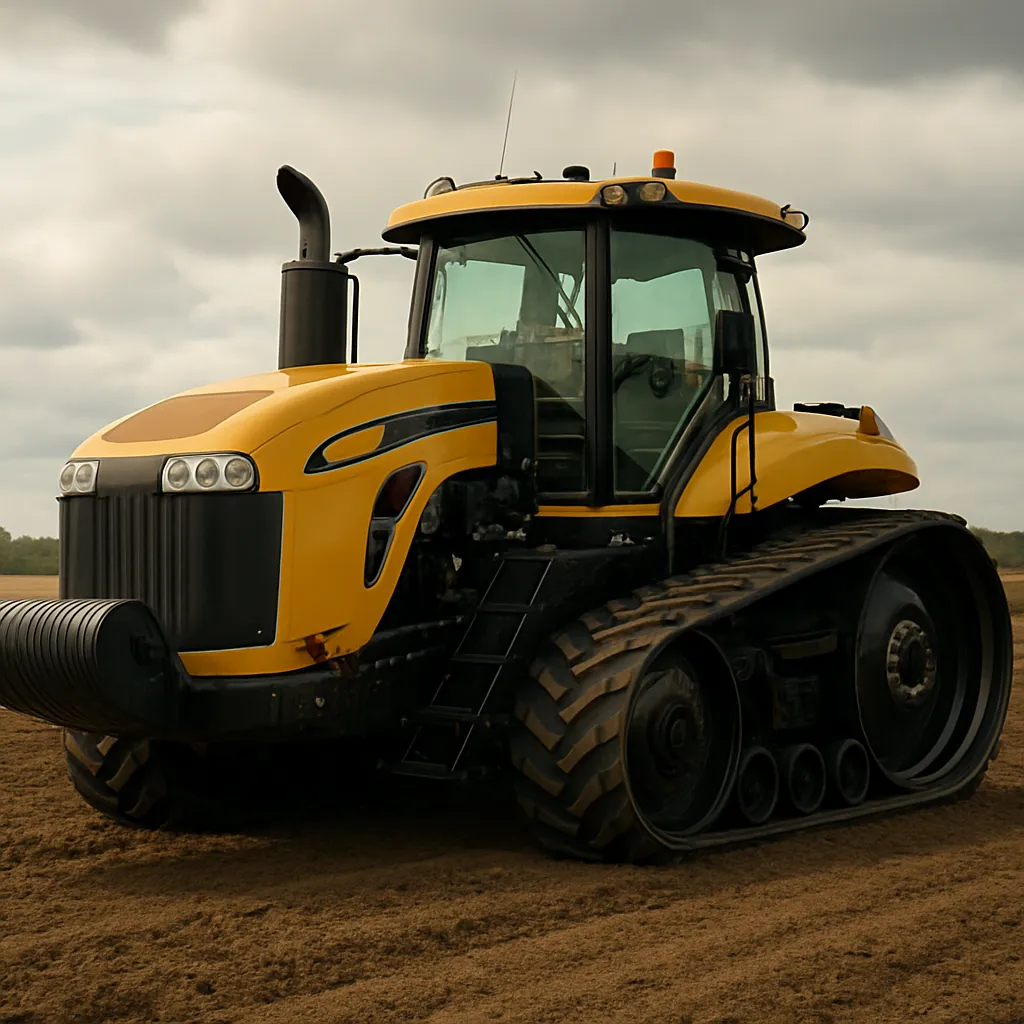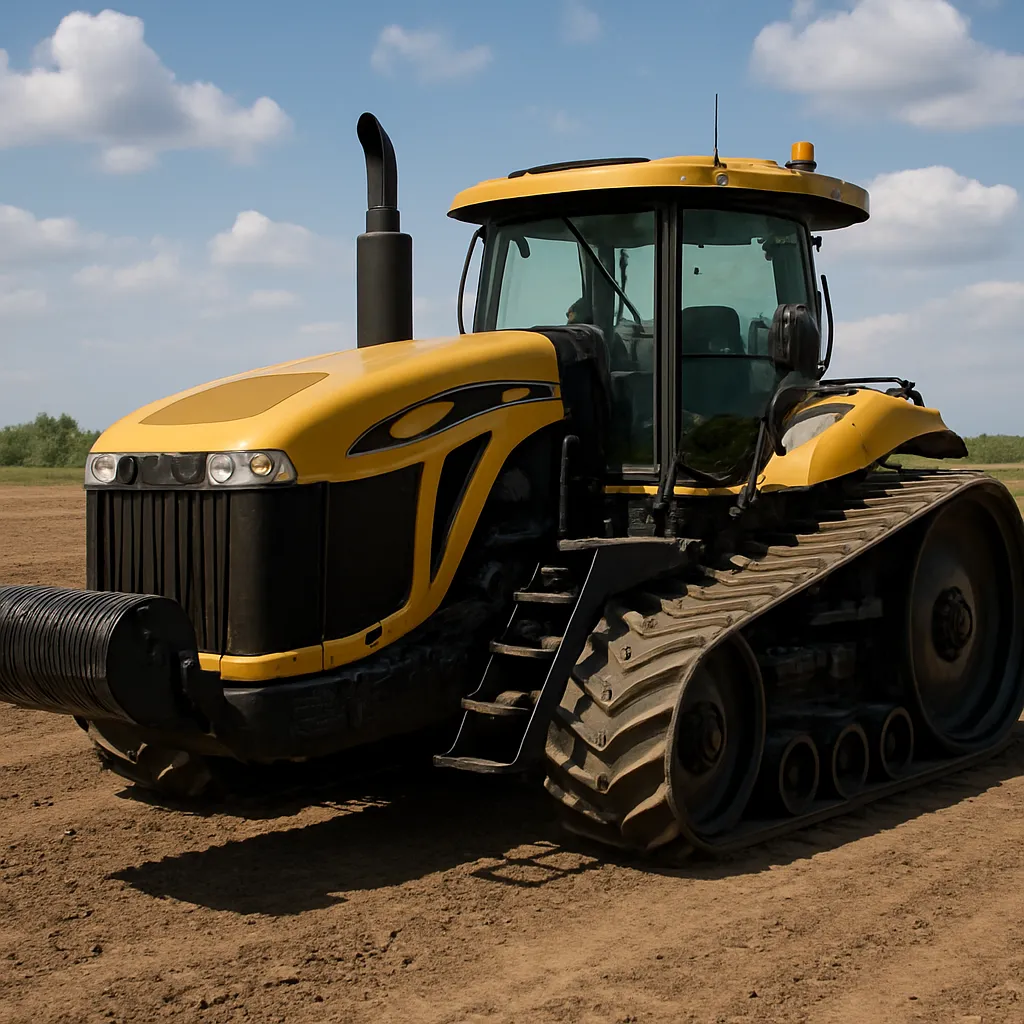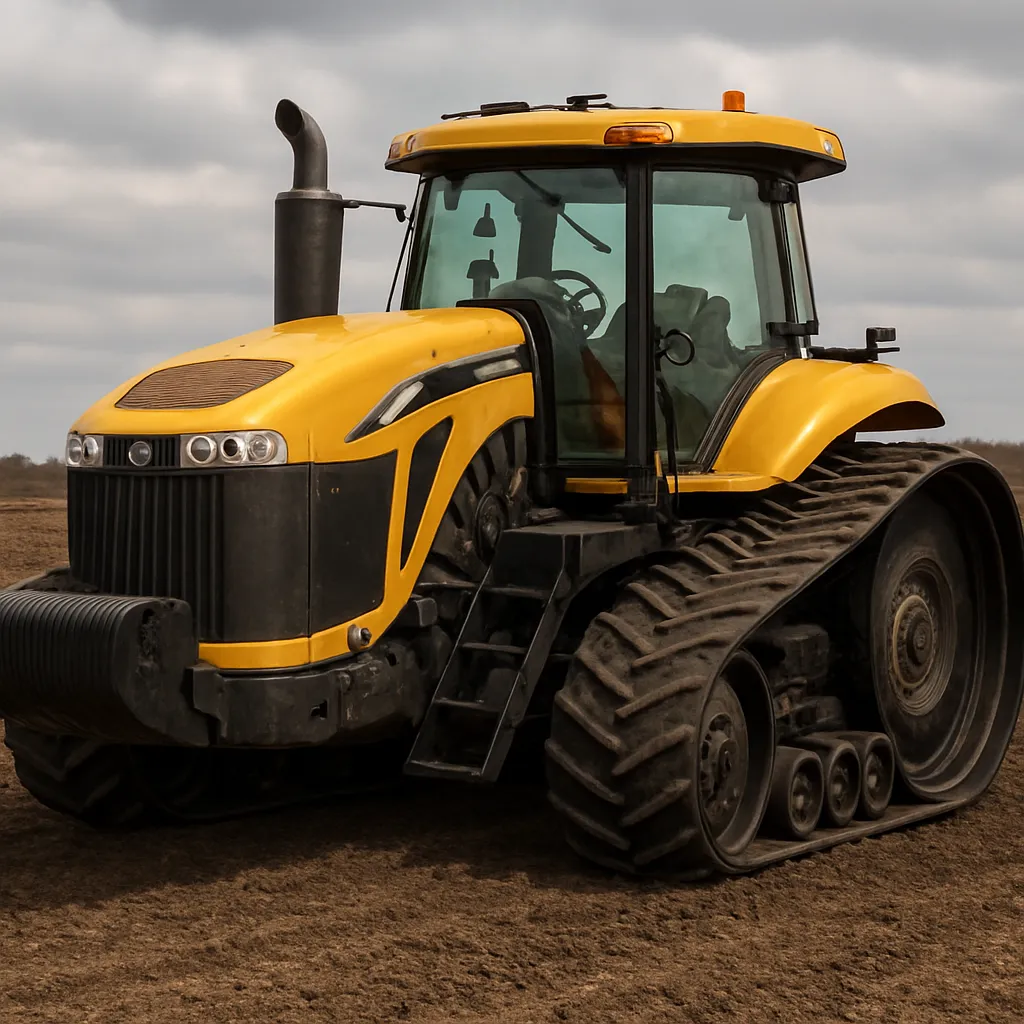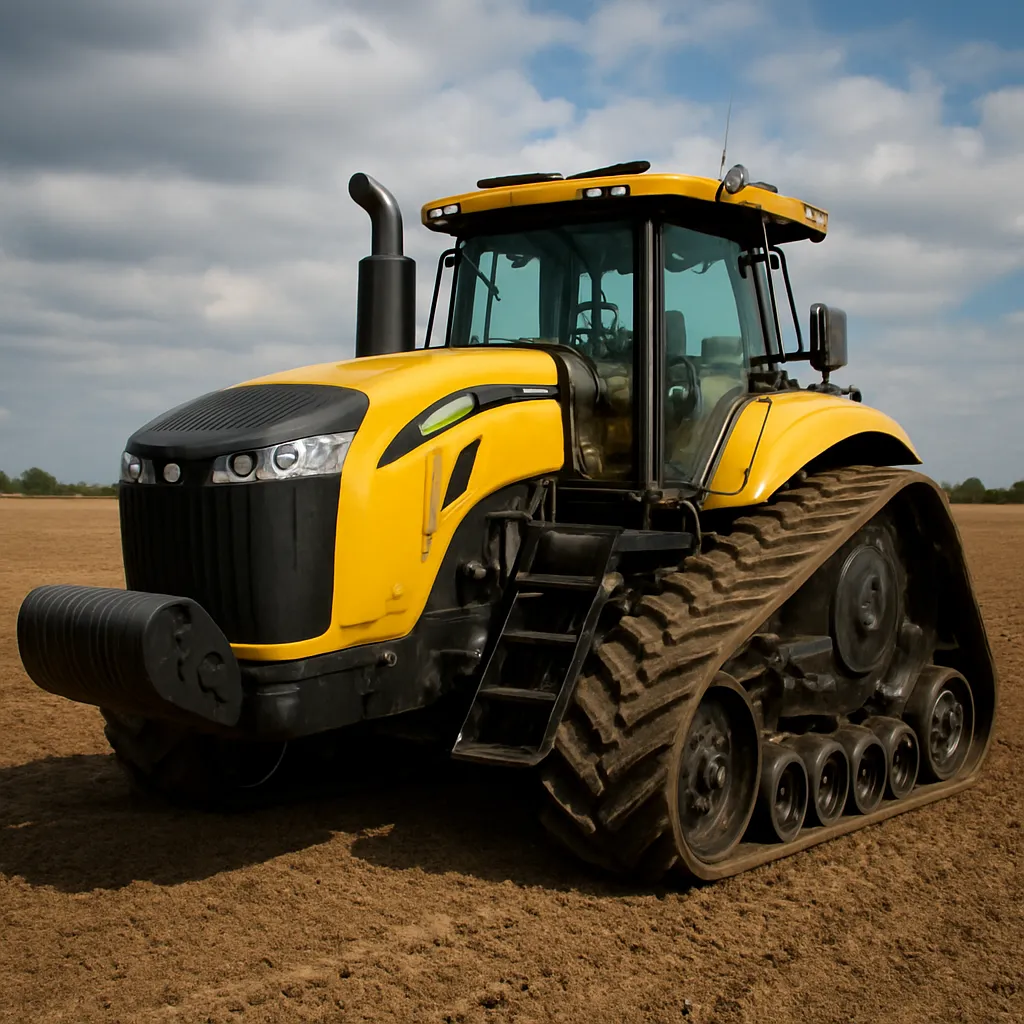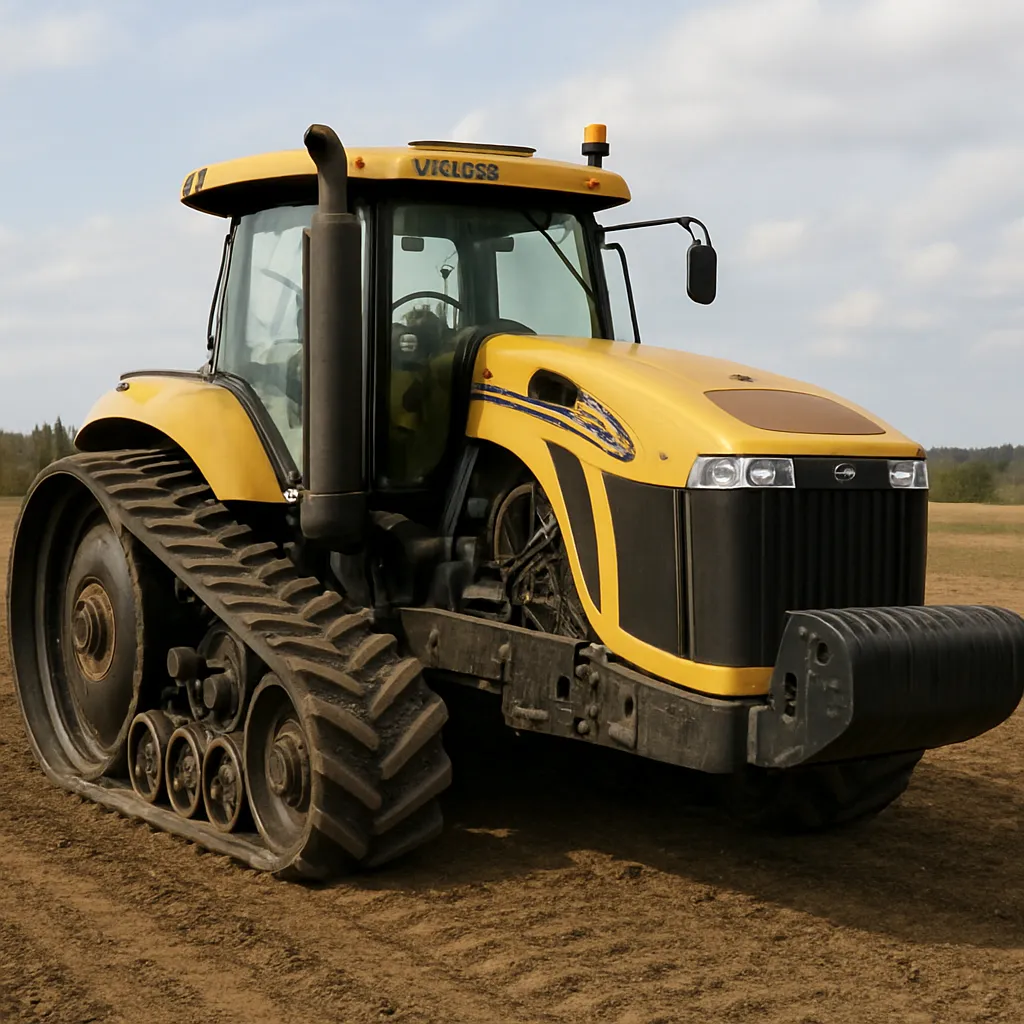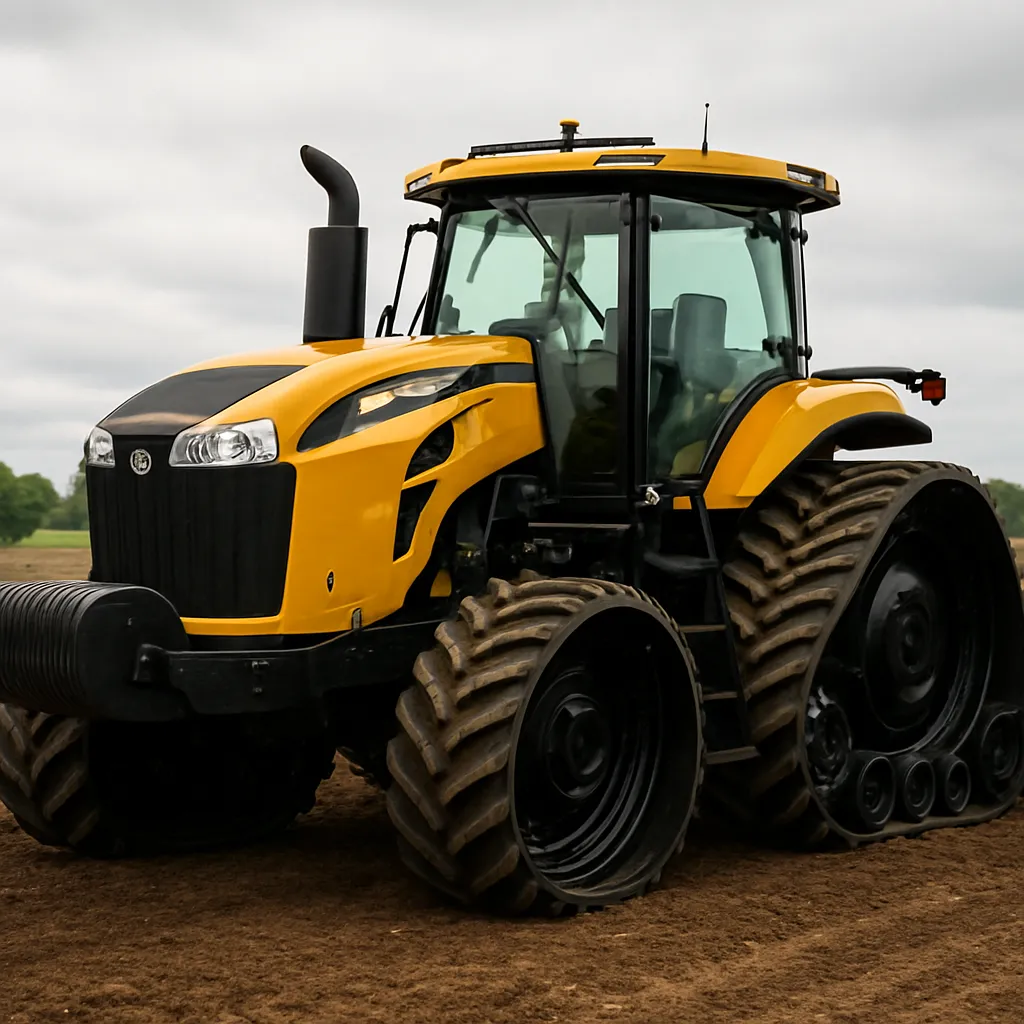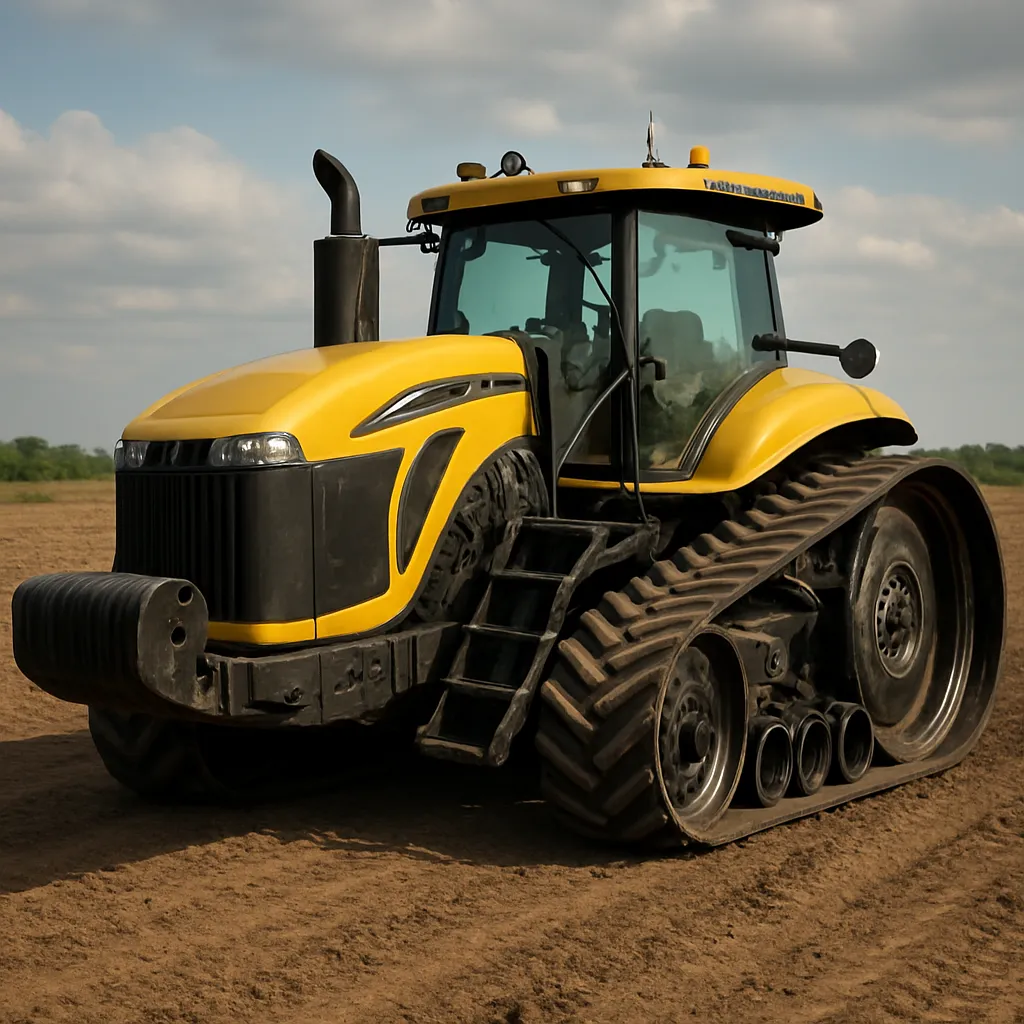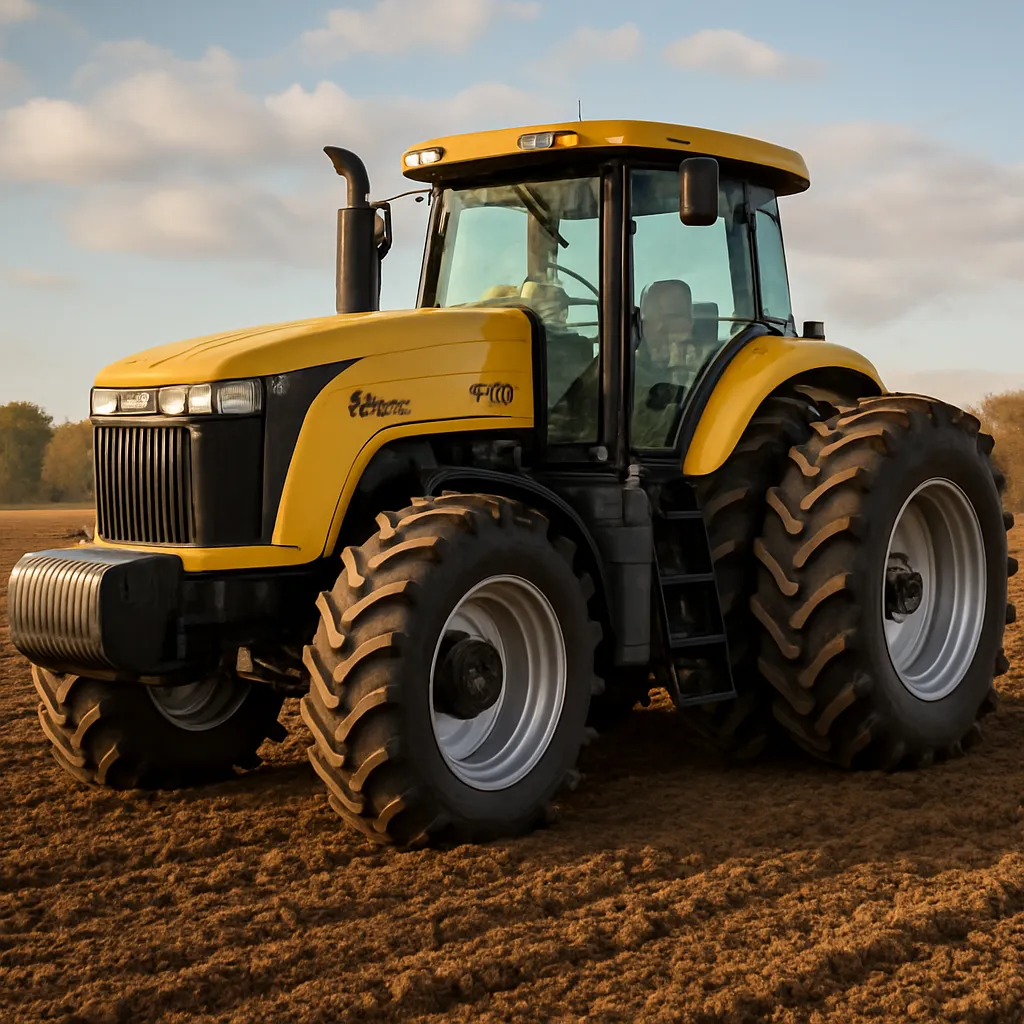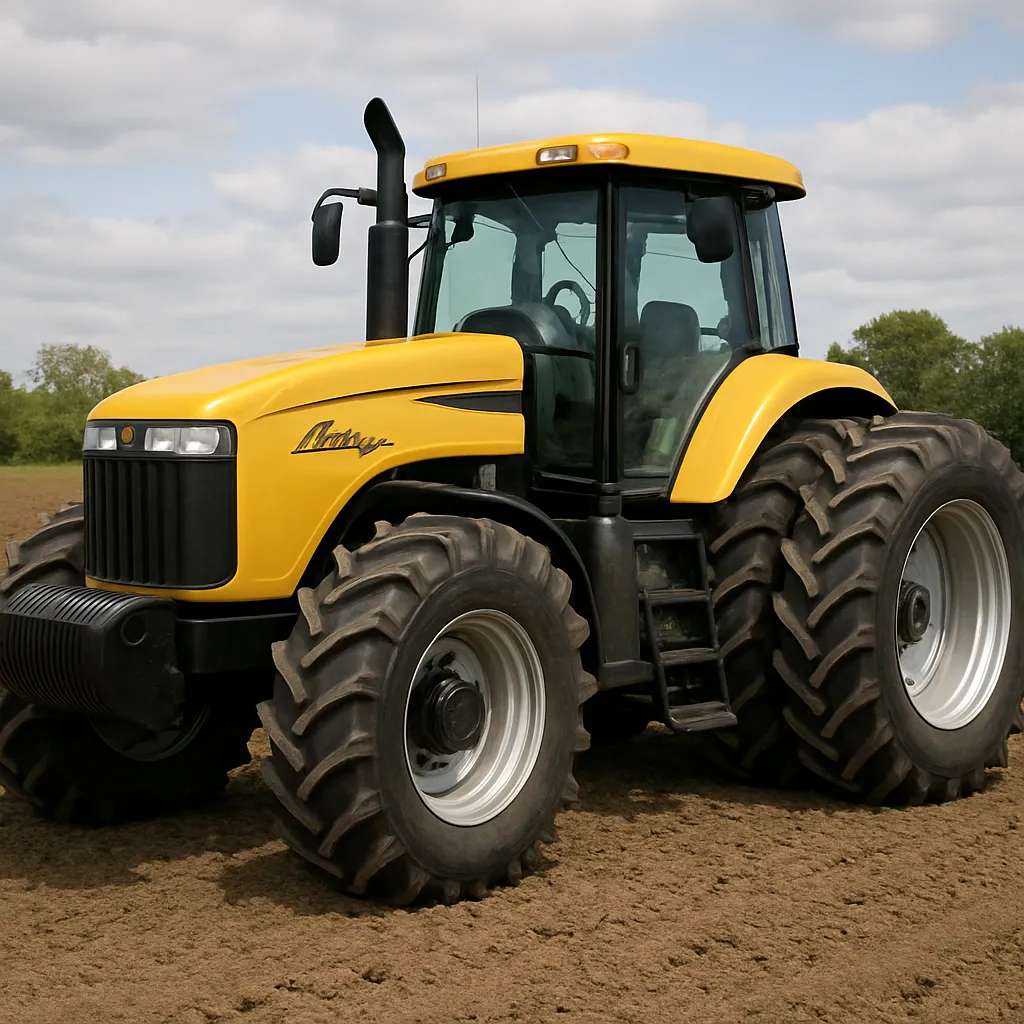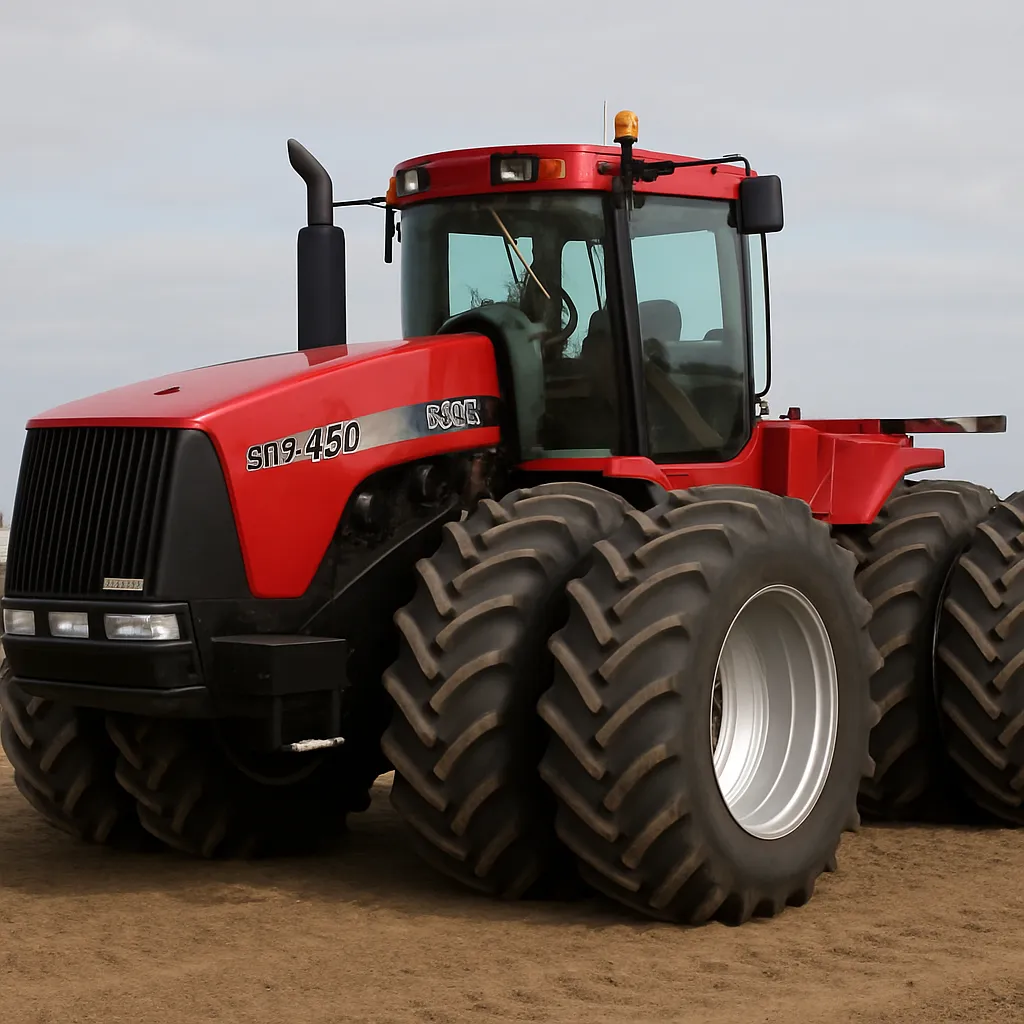
The Case IH STX 450 is a heavyweight agricultural tractor designed for demanding, large-scale farming operations where power, traction and durability are essential. In the commercial cropping environments that require deep primary tillage, heavy cultivation or high-speed seeding with large implements, machines like the STX 450 are positioned to deliver both the brute force and the controllable performance operators need. The following article explores the STX 450’s design philosophy, typical technical characteristics, practical applications, and the operational and economic considerations that influence its use on modern farms.
Design and technical characteristics
The STX 450 belongs to the class of high-horsepower, four-wheel-drive tractors (often identified within Case IH’s Steiger lineage) built to move large implements efficiently and to maintain consistent field speeds under load. Its configuration emphasizes a robust powertrain, heavy-duty chassis, and operator-focused cab amenities to facilitate long shifts in the field.
Engine and drivetrain
- The nominal power rating of the STX 450 is approximately 450 horsepower, a level that places it in the top tier of conventional row-crop and tillage tractors. Actual engine output and torque curves can vary by model year and configuration.
- These tractors typically use large-displacement diesel engines with 6 cylinders, designed for high torque at low engine speeds to support heavy draft work and to preserve fuel economy under load.
- Drivetrain options historically include heavy-duty power shift transmissions or electronically controlled transmissions providing multiple gears for both field work and transport. Robust final drives and axles are standard to handle the load and torque transfer to the ground.
Chassis, suspension and traction
- Chassis design prioritizes structural rigidity to withstand high draft forces when pulling wide plows, discs and cultivators. Frame-mounted three-point hitches or integrated drawbar/power take-off arrangements are configured for heavy implements.
- The STX 450 is available in large dual-wheel or triple-wheel configurations and, in some markets, with track options. The emphasis on ground contact area and weight distribution enhances traction while reducing soil compaction per axle load in when wider tires or tracks are fitted.
- Front axle and cab suspension options are often included to improve ride comfort and maintain implement control at transport speeds. Suspension becomes important when these tractors travel long distances between fields on public roads.
Hydraulics, three-point hitch and PTO
- Hydraulic systems on tractors of this size are designed to support multiple high-flow functions simultaneously: seeders, planters, air drills, hydraulic folding systems and front loaders. Flow rates are typically substantial to ensure responsive implement control.
- Rear three-point hitches are engineered with high lift capacity and durable linkage components to maneuver very heavy implements. Many users equip these tractors with advanced hitch-control electronics for precision depth and draft management.
- The rear PTO is built to transmit torque reliably to powered implements. PTO speed options include the industry-standard 540/1000 rpm and, on some models, higher or economy PTO modes for improved efficiency.
Cab, controls and telematics
- Operator comfort and ergonomics are key features. The cab typically includes air-conditioned, climate-controlled space with adjustable seats, noise insulation, and an intuitive console design to reduce operator fatigue during long shifts.
- Control systems range from traditional mechanical levers to integrated electronic consoles with programmable settings for engine, transmission and implement management. Many models are compatible with GPS guidance and auto-steer systems to increase field efficiency and accuracy.
- Modern STX-class tractors can be equipped with telematics packages for remote diagnostics, fleet monitoring and predictive maintenance alerts — useful for large operations to optimize downtime and service intervals.
Applications and field performance
The STX 450 is designed for large-acreage operations and specialty tasks that require high drawbar power. Its strength is moving large implements at consistent speeds across varied soil conditions while offering the operator precise control and endurance for multi-day operations.
Primary tillage and deep ripping
- Primary tillage tools, such as multi-shank rippers and large moldboard or chisel plows, demand sustained drawbar pull. The STX 450’s torque characteristics and traction options make it suitable for deep ripping and breaking hardpan layers, tasks that smaller tractors struggle to perform efficiently.
- Large tillage implements allow fewer passes across a field, improving overall field efficiency when powered by a tractor in this class.
Seeding and planting with large seeders
- High-capacity planters and air seeders often require both hydraulic support and a steady ground speed to achieve uniform seed placement. With ample horsepower and hydraulic flow, the STX 450 can tow and operate wide planters, enabling fast field coverage during narrow planting windows.
- Combined with GPS guidance and auto-turn capabilities, these tractors maximize seeding accuracy and reduce overlap, saving seeds and inputs.
Field transport and haulage
- Heavy fertilizer and grain carts, large tank sprayers and transport wagons can be efficiently moved with a tractor of this size. When configured for road travel, attention to gearing and transport speeds ensures timely movement between fields and farm sites.
Specialized tasks and versatility
- Beyond tillage and seeding, the STX 450 is used in niche applications: pulling large sprayers (with appropriate track or tire configurations to manage compaction), powering heavy-mounted mixers, and in some cases, as a power source for construction or land-reclamation equipment on rural properties.
- Its combination of high-power PTO, strong hydraulics and durable hitch points makes it a versatile workhorse across seasons.
Operational considerations, maintenance and economics
Owning and operating an STX 450 involves trade-offs between capacity and operating costs. For large-scale enterprises, the benefits in efficiency can outweigh the higher purchase and upkeep costs, but careful fleet planning and skilled maintenance are required to sustain profitability.
Fuel consumption and efficiency
- Fuel use is one of the primary ongoing costs. Consumption depends on field load, implement size and operating strategies. Operators can manage efficiency by matching implements to the tractor’s capabilities, optimizing engine RPM under load, and by leveraging advanced transmission and engine-control features where available.
- Electronic engine controls and modern injection systems on later units improve fuel efficiency compared with older analog systems.
Maintenance and service intervals
- Preventive maintenance is crucial: regular oil and filter changes, fuel-system checks, cooling-system service and inspection of final drives and axles reduce the risk of costly downtime. Large tractors often operate in remote fields, so planned maintenance intervals and carrying critical spares reduces the likelihood of extended outages.
- Hydraulic systems require clean filtration and periodic fluid replacement. Track and tire maintenance is essential to preserve traction and prevent uneven wear.
Depreciation and resale
- High-horsepower tractors typically depreciate on a schedule influenced by hours of operation, condition and technological obsolescence. Machines with telematics and documented maintenance histories generally retain higher resale values.
- Upgrades such as guidance-ready systems, premium tires or track kits, and well-maintained cabins with comfort features also positively affect value on the secondary market.
Operator training and safety
- Because of their size and complexity, tractors like the STX 450 require trained operators familiar with load management, hitching large implements, and safety protocols for road transport and field operations. Proper training reduces accident risk and improves implement performance.
- Safety equipment and protocols—roll-over protection, lighting, reflective markings, and secure hitching procedures—are especially important when transporting large equipment on public roads.
Comparisons, market positioning and useful options
In the marketplace, the STX 450 competes with other manufacturers’ high-horsepower offerings. Its appeal comes from a combination of durability, dealer support networks and an established reputation for heavy-duty work.
Comparative strengths
- Compared to smaller row-crop tractors, the STX 450 provides unmatched single-pass capacity for wide implements, reducing field time and labor inputs.
- When contrasted with tracked-only machines, the wheeled Steiger-style tractors offer simpler maintenance in some configurations and potentially higher road speeds, though track systems can offer reduced soil compaction in wet conditions.
- Customers often evaluate total lifecycle costs: initial purchase, fuel, service, and resale. The STX 450 is positioned for operations where high productivity justifies the investment.
Popular factory and aftermarket options
- Enhanced cab packages: improved seats, soundproofing and integrated displays.
- Precision-ag options: GPS guidance, auto-steer, and section control to minimize overlaps and save inputs.
- Track conversion kits or wide duals for lower soil compaction and improved traction.
- Heavy-duty hitches and reinforced drawbars to support large, high-draft implements.
- Telematics subscriptions for remote monitoring and optimized service scheduling.
Practical tips for prospective buyers and users
When evaluating an STX 450 for purchase or as part of a fleet upgrade, consider operational fit, lifecycle costs and support infrastructure. The right matching of tractor to implements and tasks will determine whether the machine boosts profitability or simply increases fixed costs.
Checklist before purchase
- Assess typical implement sizes and required drawbar power—ensure the tractor’s rated capabilities match the heaviest expected loads.
- Check dealer service coverage and parts availability, especially for older models where specific components may be scarce.
- Evaluate the tractor’s compatibility with precision-ag systems you plan to use—factory-ready machines simplify integration.
- Review fuel consumption assumptions with real-world examples from similar operations to forecast operating budgets.
Best practices for field operation
- Operate at engine speeds that produce peak torque without over-revving; this balance improves fuel economy and reduces wear.
- Use proper ballasting and tire/track setups for the soil conditions; correct weight distribution improves both traction and minimizes compaction.
- Plan implement width and field patterns to exploit the tractor’s capacity while minimizing turns and empty travel.
Maintenance schedule and longevity strategies
Maximizing the service life of a heavy tractor like the STX 450 depends on diligent maintenance and attentive operation. Regular, documented service not only prevents downtime but also preserves resale value.
Recommended routines
- Daily: visual inspections for fluid leaks, tire/track condition, and general cleanliness. Verify lights and safety systems.
- Every 100 hours: basic fluid top-ups, filter inspections and greasing chassis points as advised by the manufacturer.
- Every 500–1000 hours: scheduled engine oil and filter changes, fuel filter replacement, and hydraulic fluid checks. Follow the manufacturer’s interval chart for major services.
- Major overhauls: engine and transmission inspections according to the hour-based maintenance schedule; address wear items before they create secondary damage.
Common wear areas to monitor
- Final drives and axle seals, which can incur significant stress under heavy draft work.
- Hydraulic hoses and fittings subject to abrasion or heat exposure.
- Transmission clutches and power-shift components, especially in machines subjected to frequent high-load shifts or improper gear usage.
Final considerations and real-world context
The Case IH STX 450 is built for large operations that need sustained power, dependable traction and the ability to move and manage very large implements. For farm managers, the decision to include a tractor of this caliber in a fleet depends on acreage, soil types, crop rotation and the economics of achieving tasks in fewer passes. Strategic use of an STX 450 can reduce field time, improve timeliness of operations and increase the effective capacity of the whole enterprise.
Although specific numeric specifications can vary by year and optional equipment, the STX 450 class generally offers:
- High power (nominally around 450 horsepower)
- Substantial hydraulic and PTO capacity
- Heavy-duty chassis and hitch systems
- Operator-focused cab features and modern control systems
Prospective buyers should consult local dealers for exact specifications, available options and maintenance packages for the precise model year they are considering. This ensures that the chosen configuration matches operational demands, regulatory requirements for road transport and the farm’s long-term equipment plan.