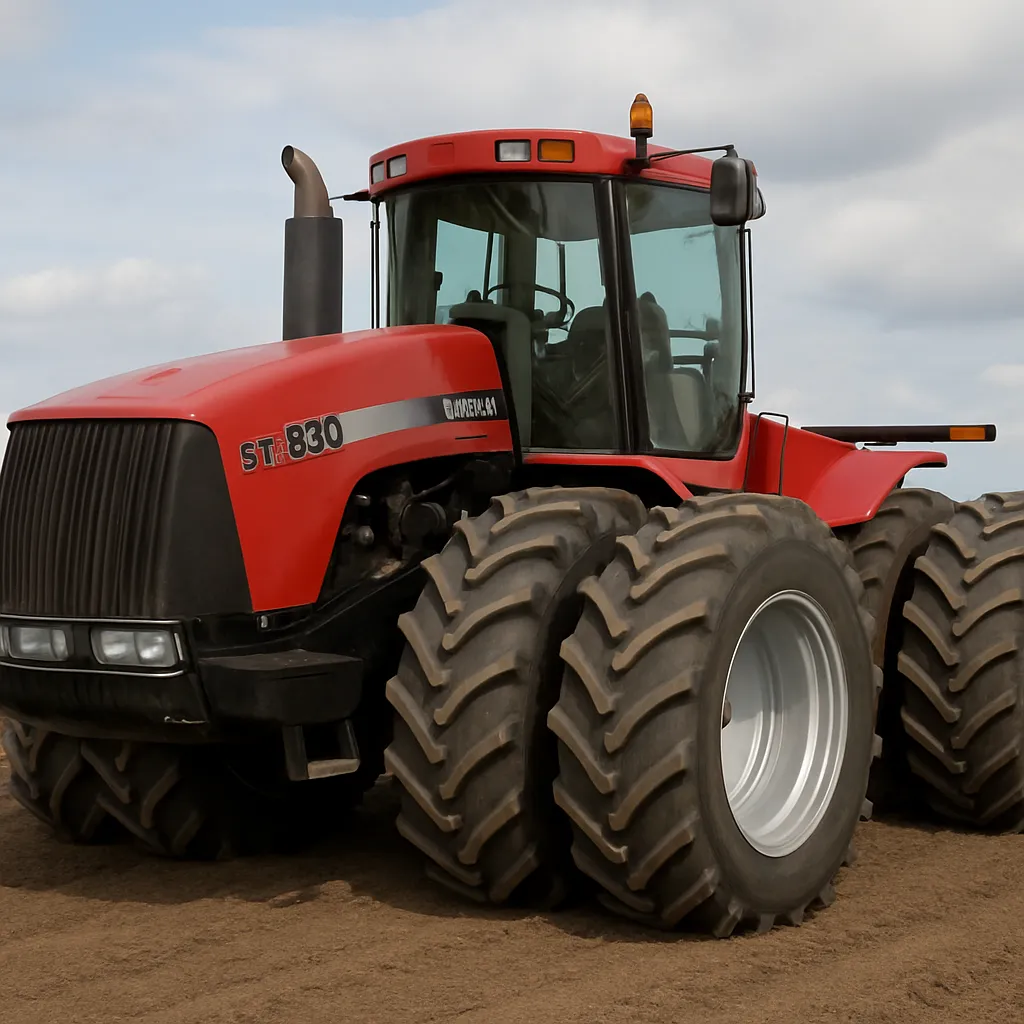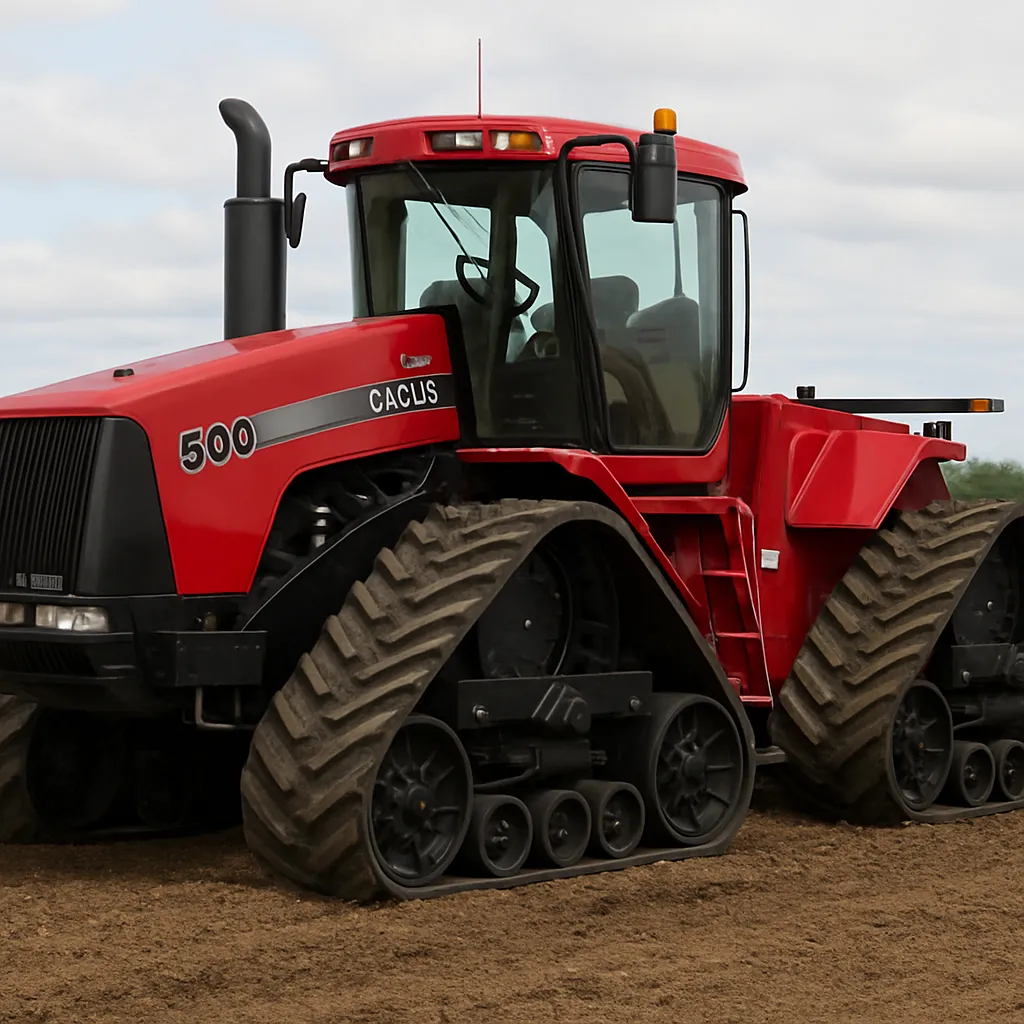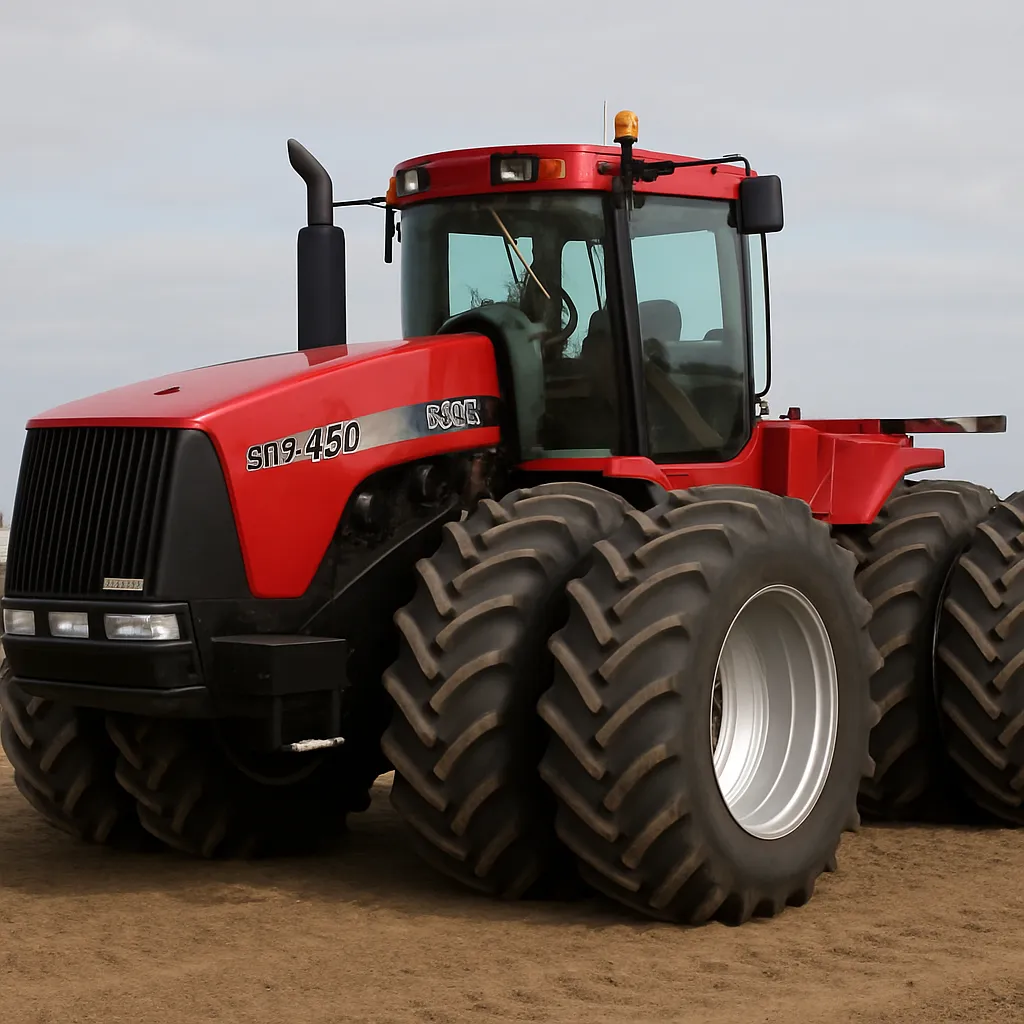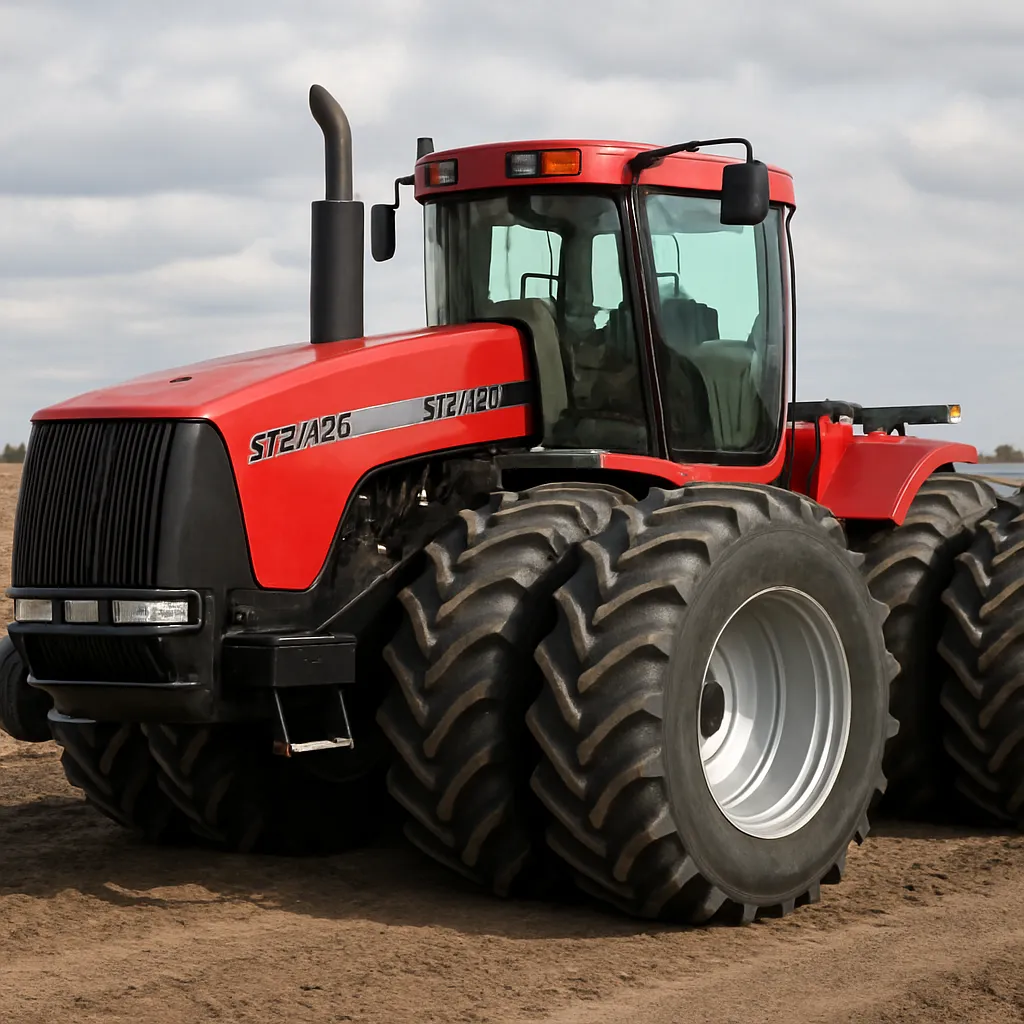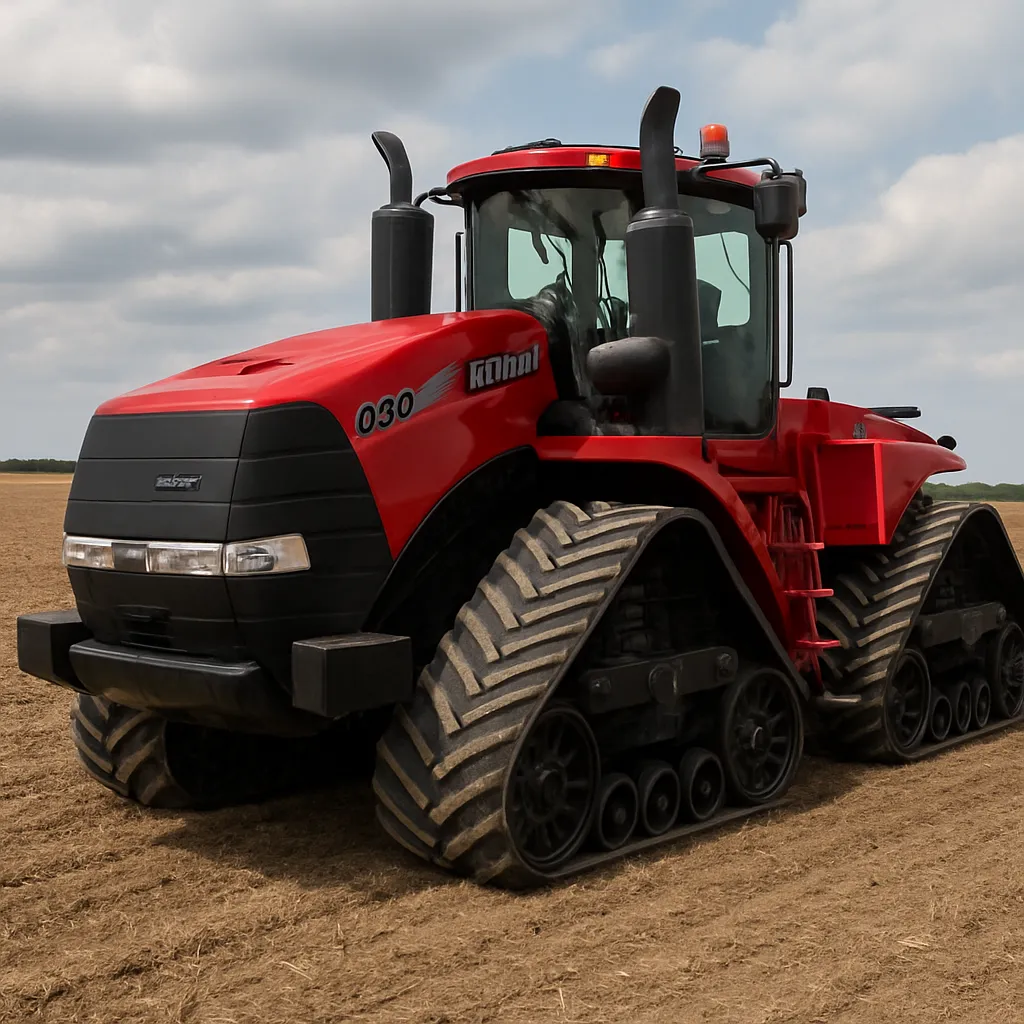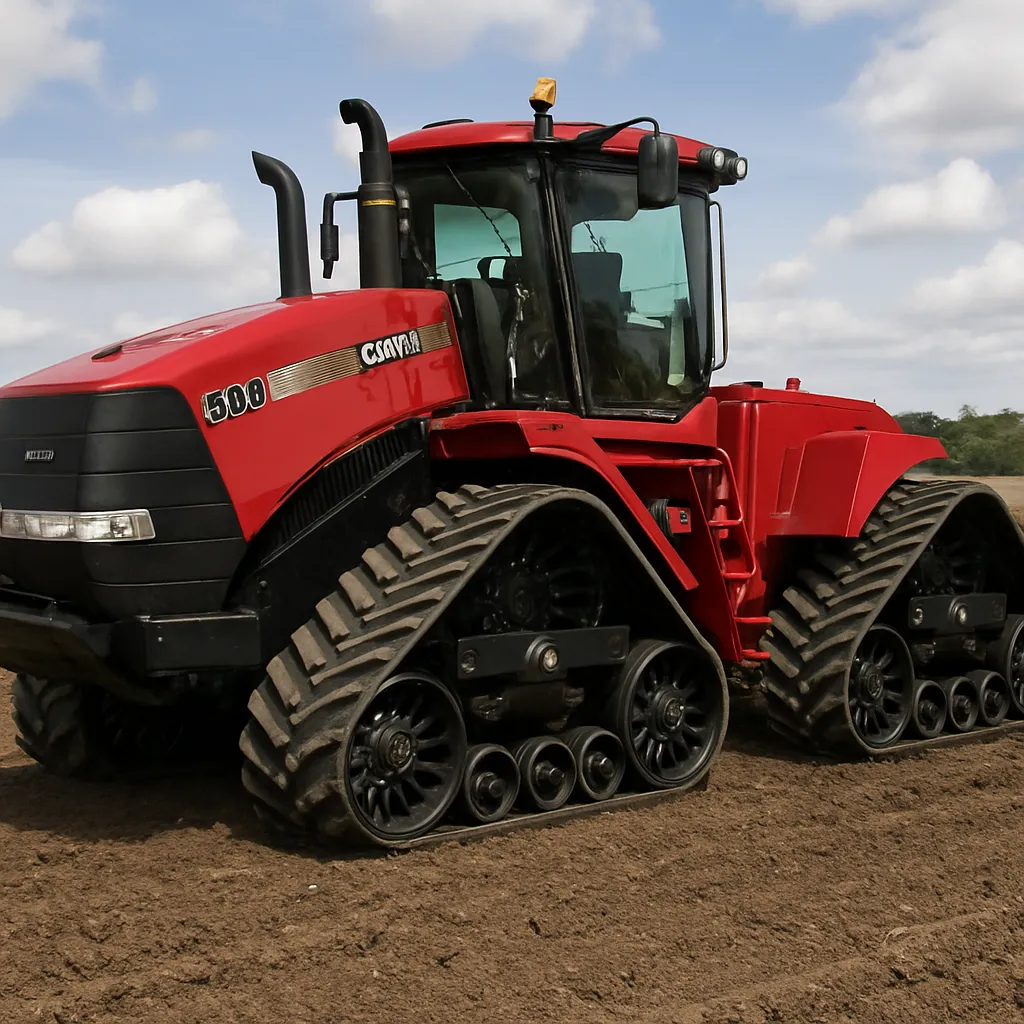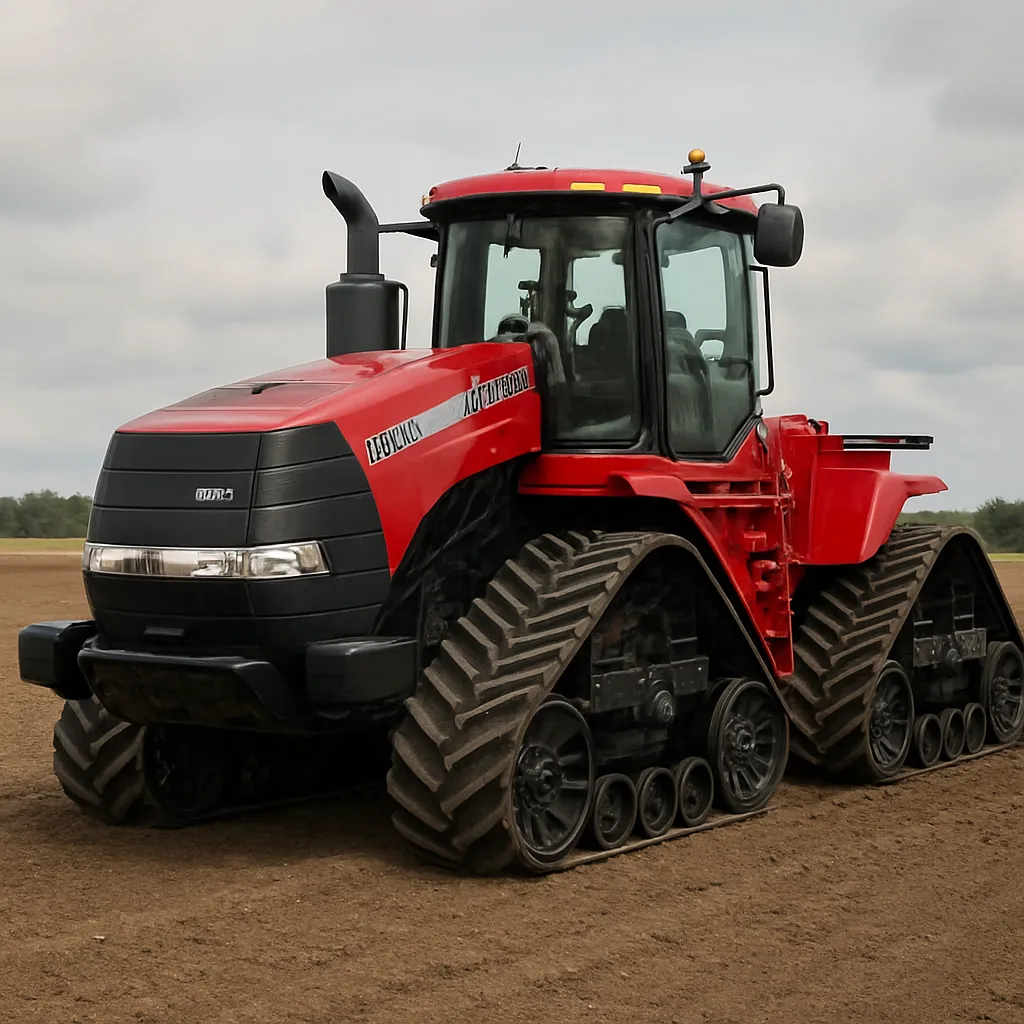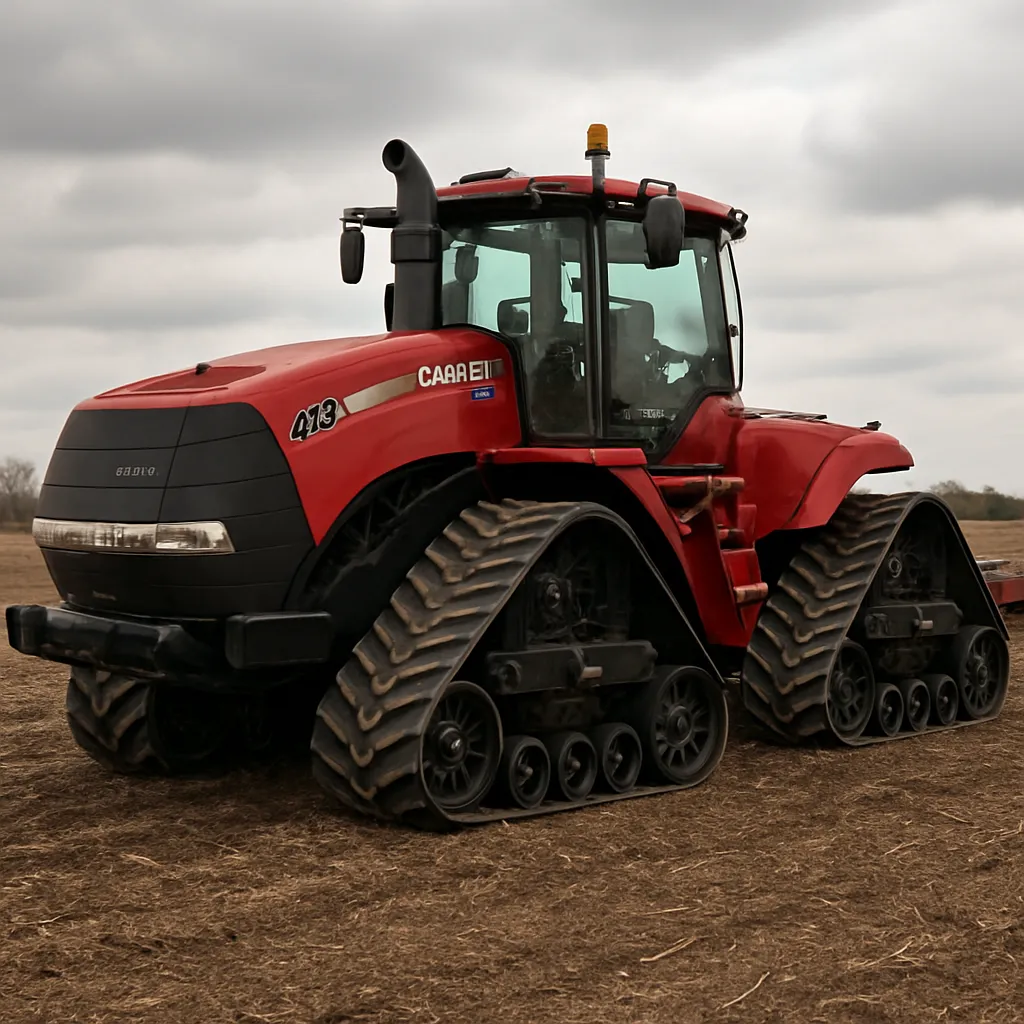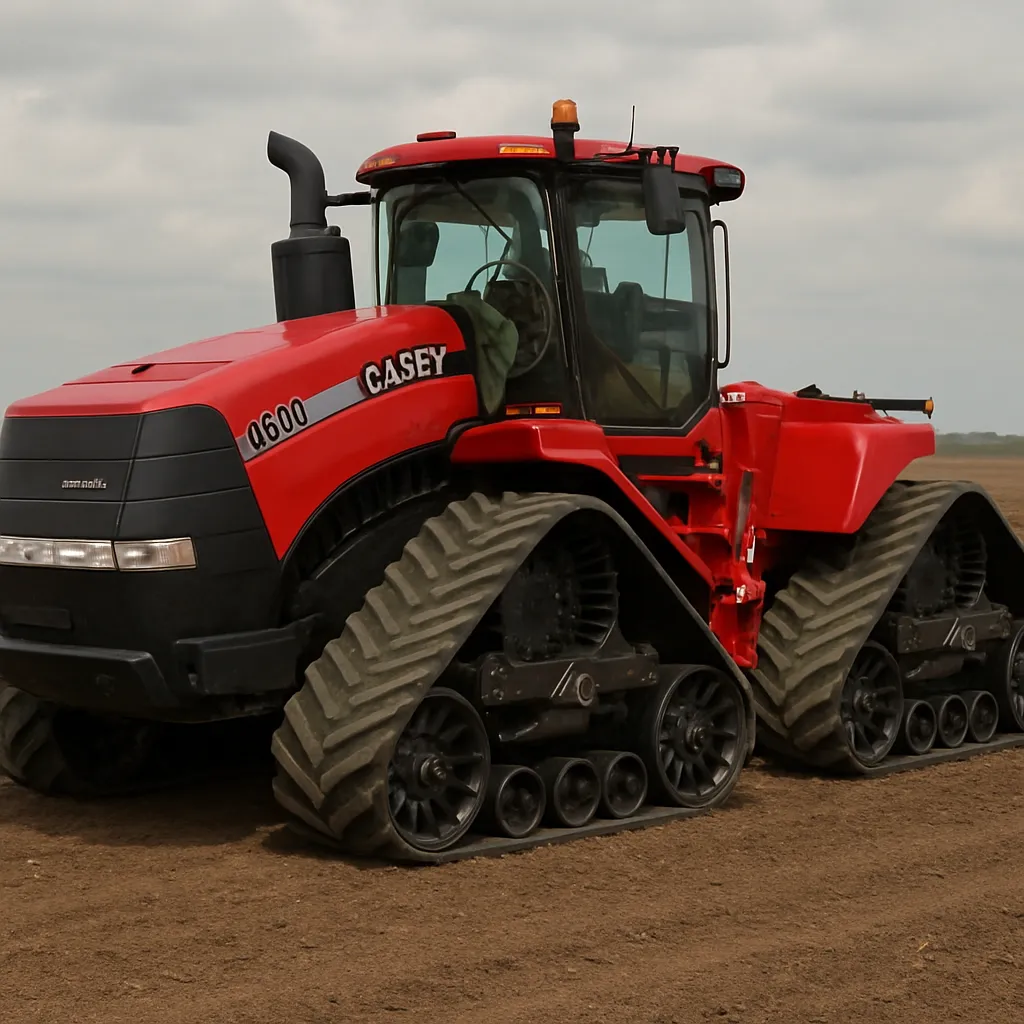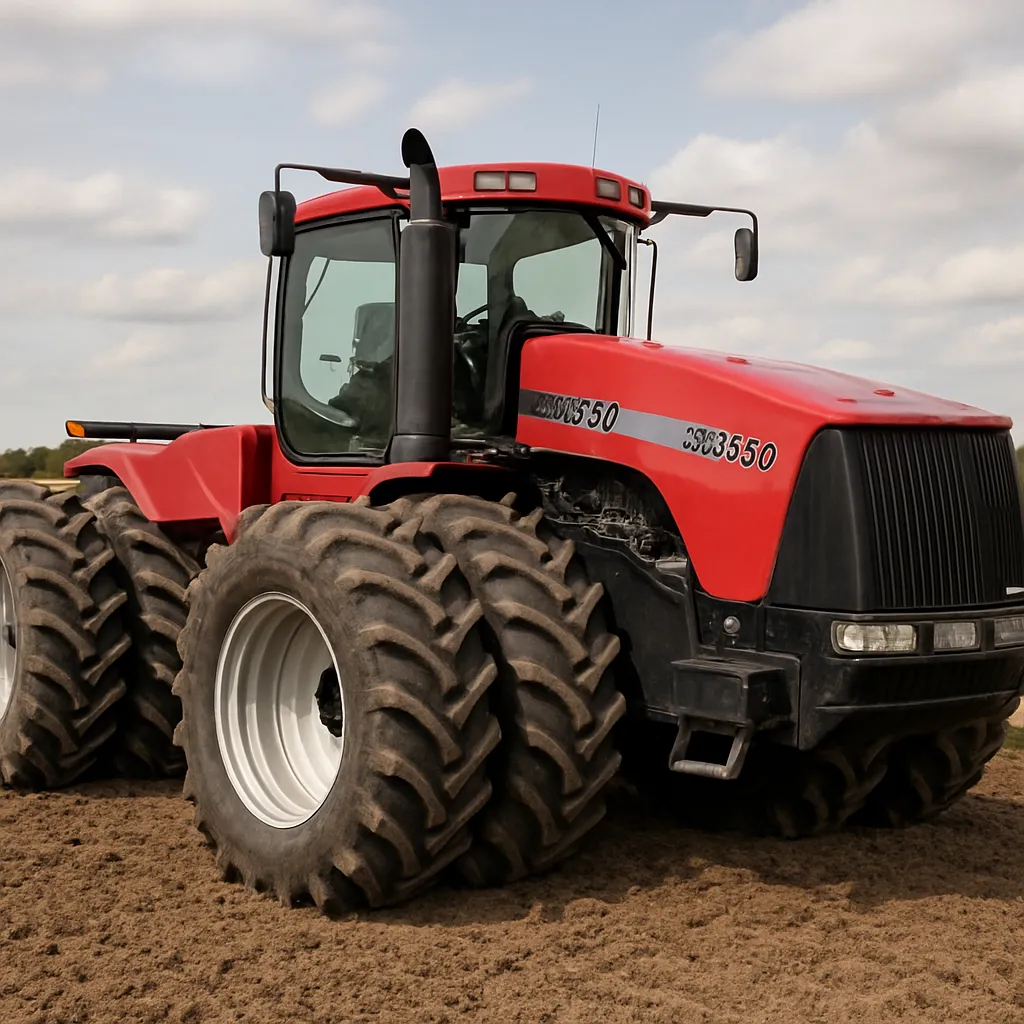
The Case IH STX 550 is a heavyweight contender in the world of high‑power agricultural machinery. Built for demanding tasks on large farms and specialized operations, this model combines robust mechanical design with features intended to deliver consistent performance under heavy loads. The following article explores the STX 550 from multiple perspectives: its design and technical character, typical applications and operational advantages, maintenance and economics, and other practical information that will help operators and fleet managers assess its suitability for their needs.
Overview and design philosophy
The Case IH STX 550 belongs to a class of tractors designed around the principle of delivering sustained, high‑power output for long hours in the field. Emphasis in the design is placed on structural strength, cooling capacity, and systems built to tolerate sustained high loads. These attributes make the STX 550 suitable for large-scale arable farms, contractors, and mixed operations that require the consistent ability to pull heavy tillage equipment, large planters, or wide cultivators.
From a design perspective, the STX 550 prioritizes:
- chassis and frame rigidity to manage heavy drawbar loads;
- powertrain cooling and air intake sizing to support long operating shifts;
- an operator environment that balances control access with durability;
- serviceability, so frequent maintenance tasks can be performed quickly in field conditions.
Manufacturers of large tractors such as Case IH focus on integrating engine, transmission, and hydraulic systems that are matched to deliver optimum torque at the ranges most used during heavy draft work. The STX 550 exemplifies these priorities by combining a high‑displacement diesel engine with a transmission capable of handling high torque spikes and by supplying hydraulic flow rates adequate for large implements.
Technical characteristics and estimated specifications
Accurate, model‑specific figures for tractors can vary with configuration and optional packages, but the STX 550 class typically exhibits the following general technical characteristics. Where precise values can differ, figures are presented as typical ranges commonly associated with machines in this category.
Engine and power
The STX 550 is built around a high‑displacement, turbocharged diesel engine designed to deliver sustained output at mid‑to‑low RPM ranges. Typical features include an inline 6‑cylinder layout, electronic fuel management, and advanced turbocharging/intercooling to improve efficiency and transient response.
- Rated power: approximately 500–550 horsepower (depending on measuring standard and configuration).
- Engine displacement: frequently in the ballpark of 12–16 liters for engines in this power category.
- Peak torque: often in the range of 2000–2600 Nm, designed to support heavy draft operations.
Transmission and drivetrain
To transfer high power reliably to the ground, the STX 550 typically uses a robust transmission system. Options and generations can offer powershift or advanced stepped transmissions optimized for load handling and operator simplicity.
- Transmission types: heavy‑duty powershift or modular multi‑range transmissions built to handle high torque loads;
- Drive configuration: four‑wheel drive (4WD) or tracked layouts for increased traction; many heavy tractors of this class offer track or dual‑wheel options;
- Final drive and axles: oversized components with high‑capacity planetaries to resist wear under heavy loads.
Hydraulics, PTO and hitch
High‑power tractors require high flow hydraulic systems to operate large planters, seeders, and hydraulic fold systems on large cultivators. The STX 550 class typically provides:
- High‑flow hydraulic pumps with variable flow control capable of delivering several hundred liters per minute for implement control;
- PTO options (where applicable) designed for heavy application use — note that front PTOs are less common on heavy row‑crop tractors, while rear PTOs remain standard for compatibility with a wide range of implements;
- Heavy‑duty three‑point hitch systems with high lift capacities to manage large mounted implements and to provide secure coupling with towed equipment.
Dimensions, weight and fuel
Exact numbers vary by build and attachments (wheels vs tracks, duals, ballast packages), but the estimated physical parameters for a machine in the STX 550 range are:
- Operating weight: typically in the range of 12,000–18,000 kg depending on configuration, ballast and whether tracks or duals are fitted;
- Fuel capacity: large tanks that may be between 600–1,000 liters to allow long working cycles without refueling;
- Tire or track choices: wide duals or full track undercarriages to reduce ground pressure and improve traction on soft soils.
Applications and field performance
The STX 550 is suited to operations where high continuous power, drawbar pull, and reliability are primary requirements. Below are the most common application areas and how this tractor delivers value in each.
Primary tillage and deep cultivation
Large ploughs, heavy discs and deep subsoilers demand high draft forces. The STX 550’s combination of high torque and mass makes it effective for pulling wide implements at workable speeds while maintaining consistent depth and soil turnover. Operators value the tractor’s ability to maintain forward speed under heavy load, reducing cycle times during large area primary tillage.
Large seeding and planting operations
When paired with high‑capacity planters and seed carts, the STX 550 provides the horsepower and hydraulic flow needed to operate meters, fans and hydraulic folding systems without capacity bottlenecks. This is especially valuable during narrow planting windows where speed and reliability are crucial.
Heavy transport and hauling
On large farms or contractor jobs, the STX 550 can be used for heavy haul duties — moving large trailers, fertilizer rigs, or seed tenders between fields. Its robust drivetrain and engine cooling help it maintain performance under repetitive heavy pulling tasks.
Ground preparation and specialty applications
Applications such as deep tillage, subsoiling for compaction relief, construction earthmoving with specialized attachments, and field drainage installation can all be undertaken using the STX 550 fitted with appropriate implements. Where traction is critical, track versions or wide dual wheels increase tractive effort while reducing soil compaction.
Operational advantages and practical considerations
Choosing an STX 550 comes with a set of practical tradeoffs. The following points summarize typical advantages and factors to consider before committing to such a machine.
- High continuous power: The engine and cooling systems are designed to sustain heavy loads for long shifts, enabling rapid completion of high‑acreage tasks.
- Traction and stability: Weight and selectable track/tire options provide excellent traction, which improves fuel economy under heavy draft conditions by minimizing wheel slip.
- Serviceability: Robust component design simplifies certain repairs, and many high‑horsepower tractors are engineered with easy access to filters, drains and routine service points.
- Operator environment: While operator cabins on heavy tractors focus on durability, many models also include ergonomic controls and clear instrument layouts to reduce fatigue over long days.
- Fuel consumption: Absolute fuel use will be significant compared with smaller tractors; however, measured in hectares per hour and fuel per unit of work, a properly matched STX 550 can be economical for very large tasks.
Maintenance, reliability and lifecycle costs
Maintenance planning is a critical part of operating any high‑power tractor. The STX 550 benefits from heavy‑duty components, but its lifecycle costs are sensitive to maintenance discipline and operational practice.
Key maintenance areas
- Engine and cooling system: regular oil, fuel and coolant changes, with attention to intercooler and radiator cleanliness to prevent overheating under load;
- Transmission and final drives: scheduled fluid and filter service are essential to prevent premature wear from high torque use;
- Hydraulics: contamination control, filter replacement and occasional pump checks help maintain implement responsiveness;
- Undercarriage (for tracked units) or tires/duals: regular inspections to detect wear patterns and adjust as needed to prevent uneven loading;
- Electrical and electronics: modern high‑power tractors use sensors and controllers that should be checked periodically to ensure reliable control of engine maps and emissions systems, where fitted.
Reliability considerations
Reliability of a high‑power tractor depends heavily on matching machine capability to job profile. Running a machine at or near its limits for prolonged periods without appropriate cooling, filtration, or maintenance can shorten component life. Fleet operators often adopt preventive maintenance schedules and maintain spare parts inventory for critical wear items to reduce downtime.
Economics and fleet management
Investing in an STX 550 class tractor is a strategic decision that depends on farm size, cropping system, and the scale of implements. Here are economic considerations:
- Capital cost: initial purchase or lease cost is substantial compared with mid‑size tractors. However, the cost per hectare can be favorable if the machine is used intensively;
- Utilization rate: the more hours per season a high‑power tractor operates, the lower the fixed cost per hour. Many farmers and contractors calculate break‑even utilization before investing;
- Resale value: heavyweight specialty tractors retain value provided they have been well maintained and market conditions for large acreage farming remain strong;
- Fuel and consumables: plan for elevated fuel, oil and filter use, but also factor in potential reductions in task duration and implement fleet consolidation when using a single high‑power tractor instead of several smaller units;
- Matching implements: to realize the full value of the STX 550 you must pair it with implements sized appropriately; an undersized implement can reduce efficiency, while an oversized implement may increase soil disturbance and costs.
Comparisons and market context
Within the market, the STX 550 competes with other high‑power tractors from major manufacturers. Operators choose between brands and models by evaluating power delivery, traction solutions (wheels vs tracks), service networks, and total cost of ownership. Case IH historically offers strong dealer support in many regions, extensive parts availability, and model ranges that allow fleet standardization across power classes.
When comparing the STX 550 to alternatives, consider:
- Whether a wheeled or tracked configuration suits your soil and transport needs;
- Transmission characteristics and their effect on fuel efficiency and operator comfort;
- Hydraulic flow and control options to ensure compatibility with existing implements;
- Local service capacity and technician familiarity with the model family.
Environment, sustainability and operator safety
Large tractors like the STX 550 are subject to environmental regulations and expectations for reduced emissions and efficiency. Operators can improve sustainability with strategies such as:
- matching speed and gear selection to implements to minimize fuel use;
- using controlled‑traffic farming to reduce compaction when possible;
- regular engine tune and emissions control maintenance to keep combustion efficient;
- adopting precision agriculture tools (GPS guidance, section control, variable rate) that reduce overlap and input waste when paired with large implements.
From a safety perspective, high‑mass tractors must be operated with attention to rollover protection, hitching protocols, and transport restrictions when moving between fields and on public roads. Proper lighting, signage and adherence to transport rules are critical.
Conclusion and practical recommendations
The Case IH STX 550 is best viewed as a specialist tool: extremely capable for high‑acreage, heavy‑draft tasks when deployed in the right context. Its advantages — high continuous power, strong traction options and robust construction — make it a core asset for large farms and contractors. However, these benefits come with tradeoffs in fuel use, purchase cost and the need for consistent maintenance.
Before selecting an STX 550 or any equivalent high‑power tractor, evaluate the following:
- Annual hectare totals and peak seasonal workload to ensure sufficient utilization;
- Implement matching — confirm that your tillage and seeding equipment are sized to use the tractor’s power effectively;
- Service and parts availability in your region; ensure dealer support for major repairs;
- Operational planning to maximize uptime and reduce idle hours, including preventive maintenance scheduling and technician training.
When these factors align, the STX 550 can deliver substantial productivity gains on large operations, turning long days of heavy field work into efficient, predictable outcomes.