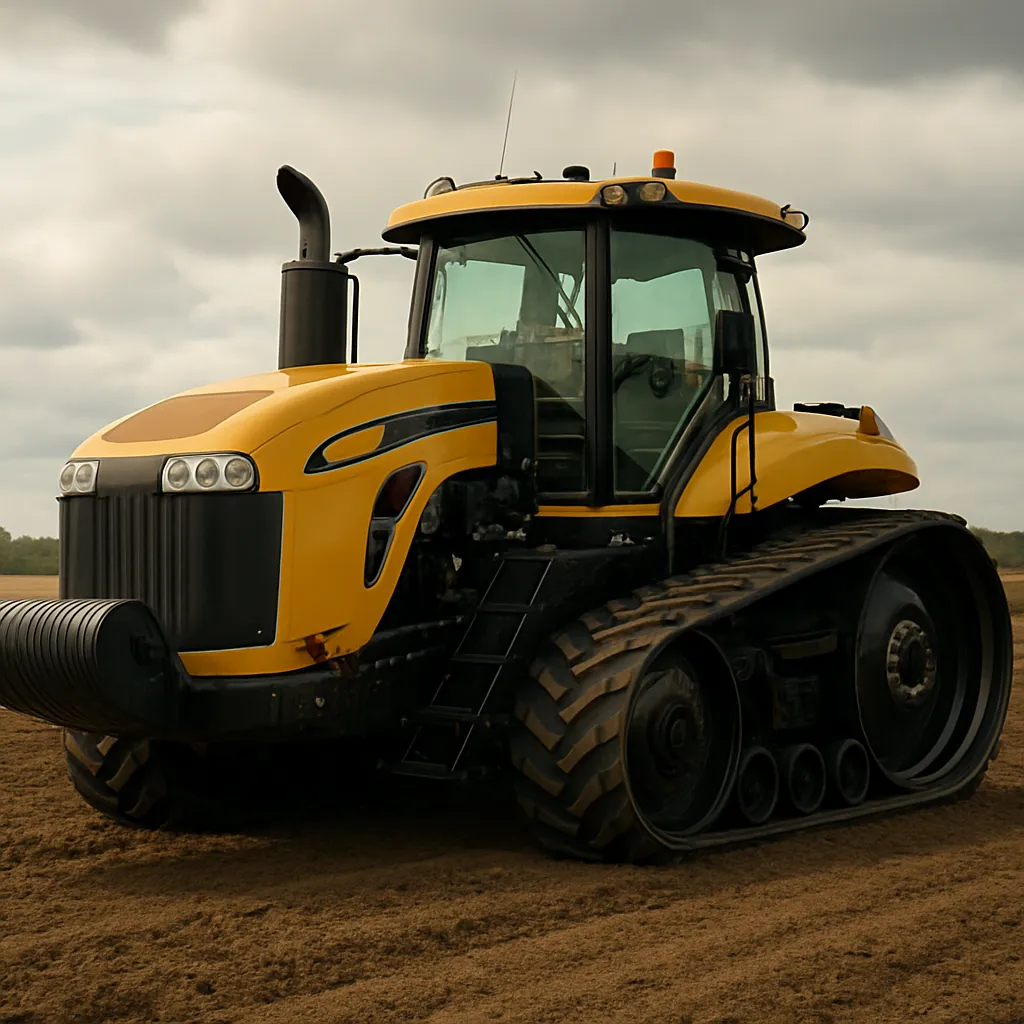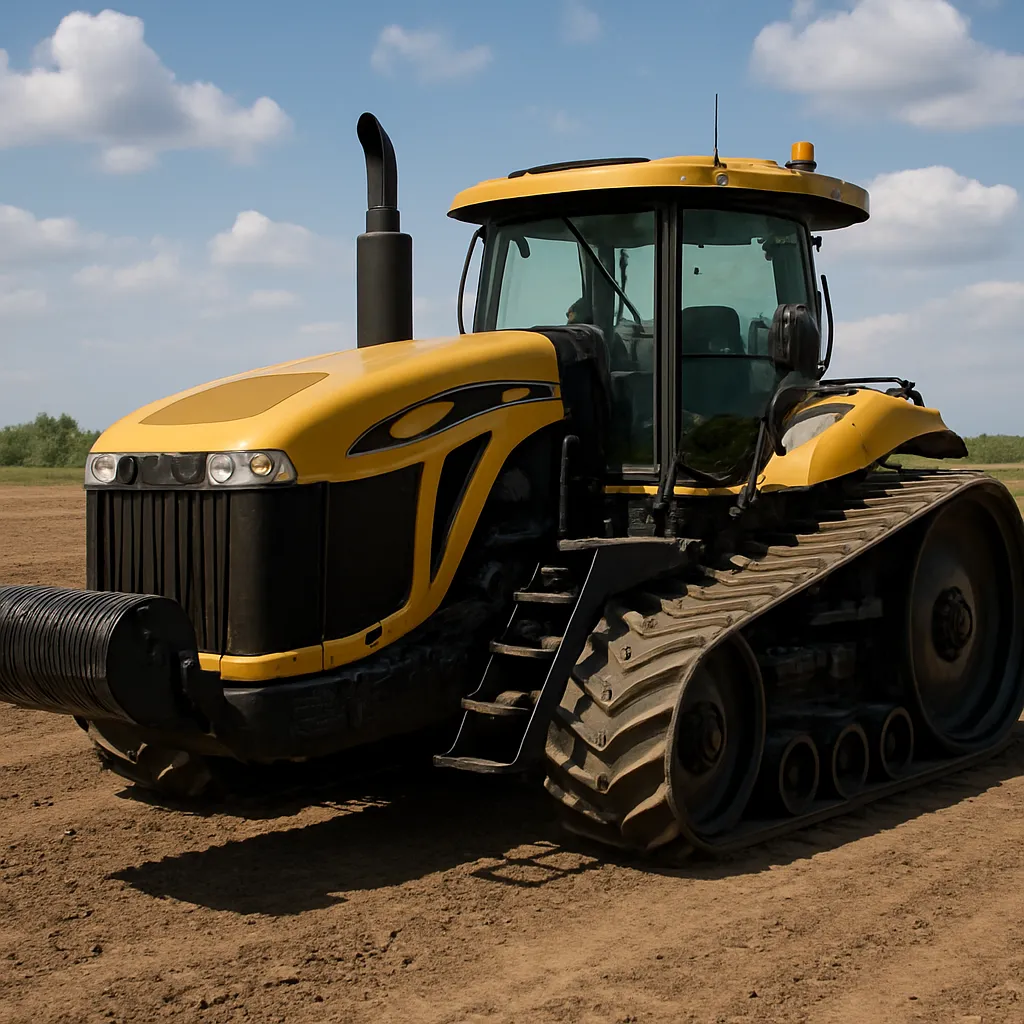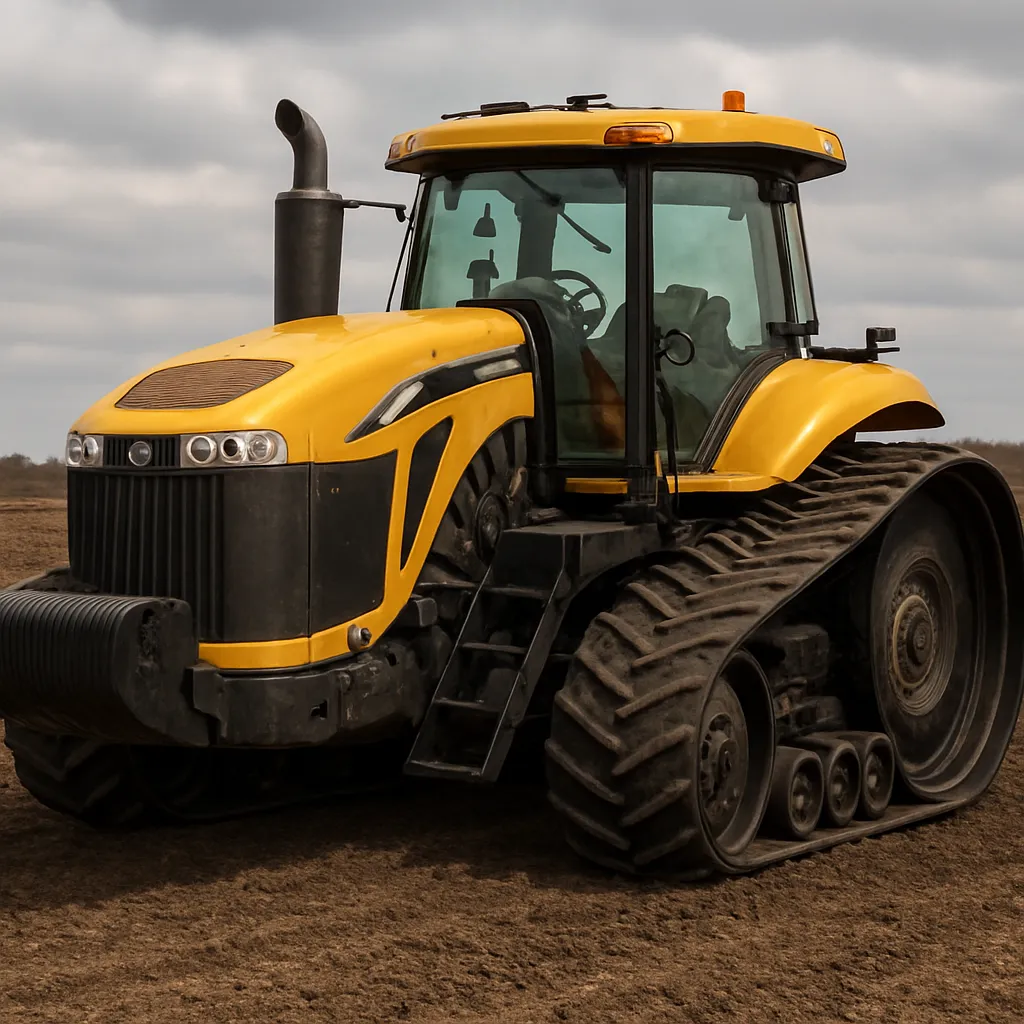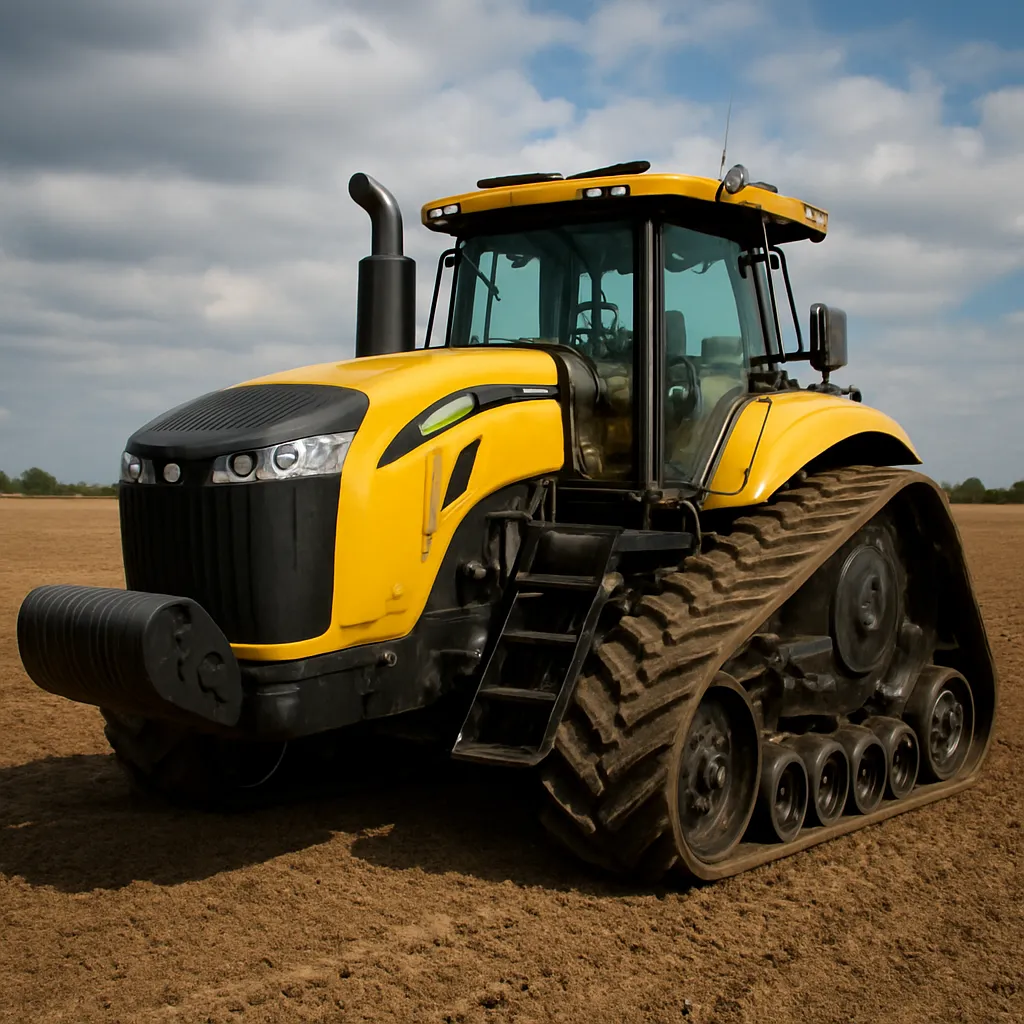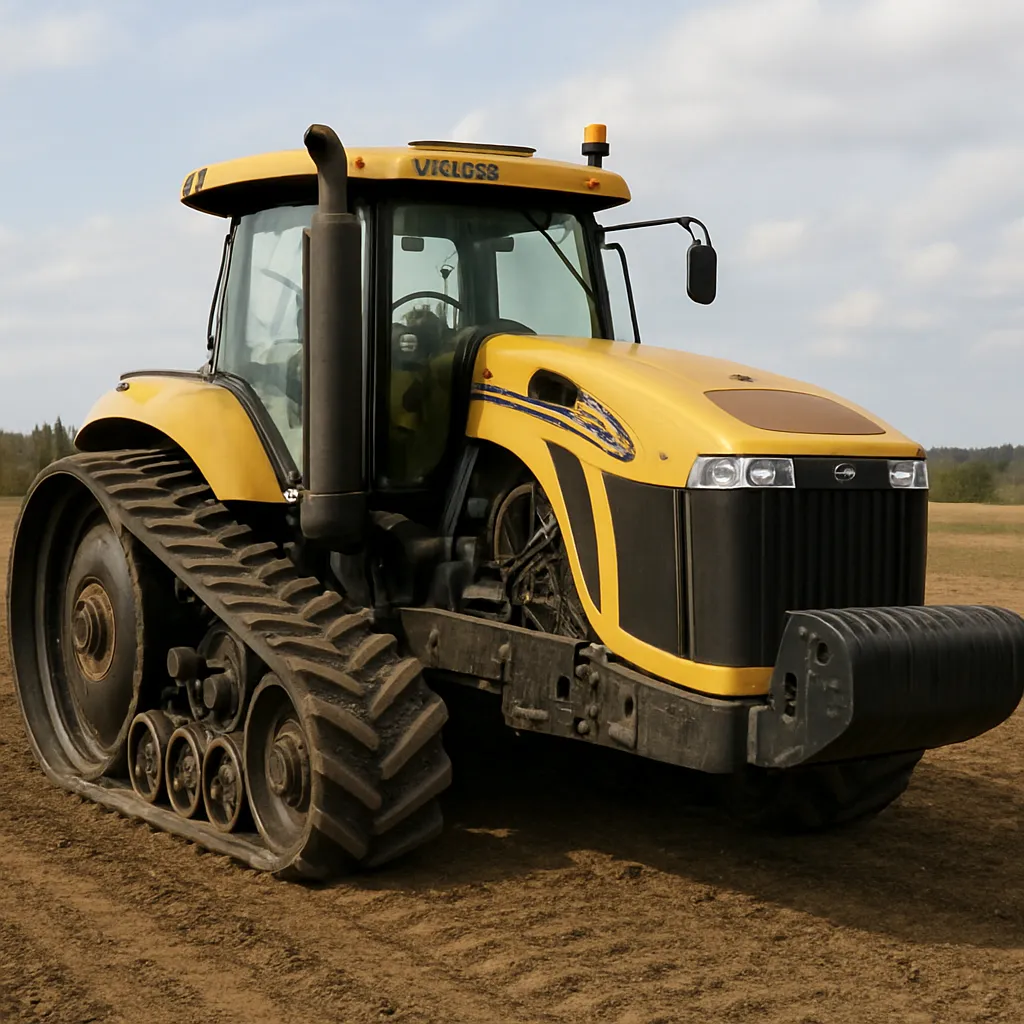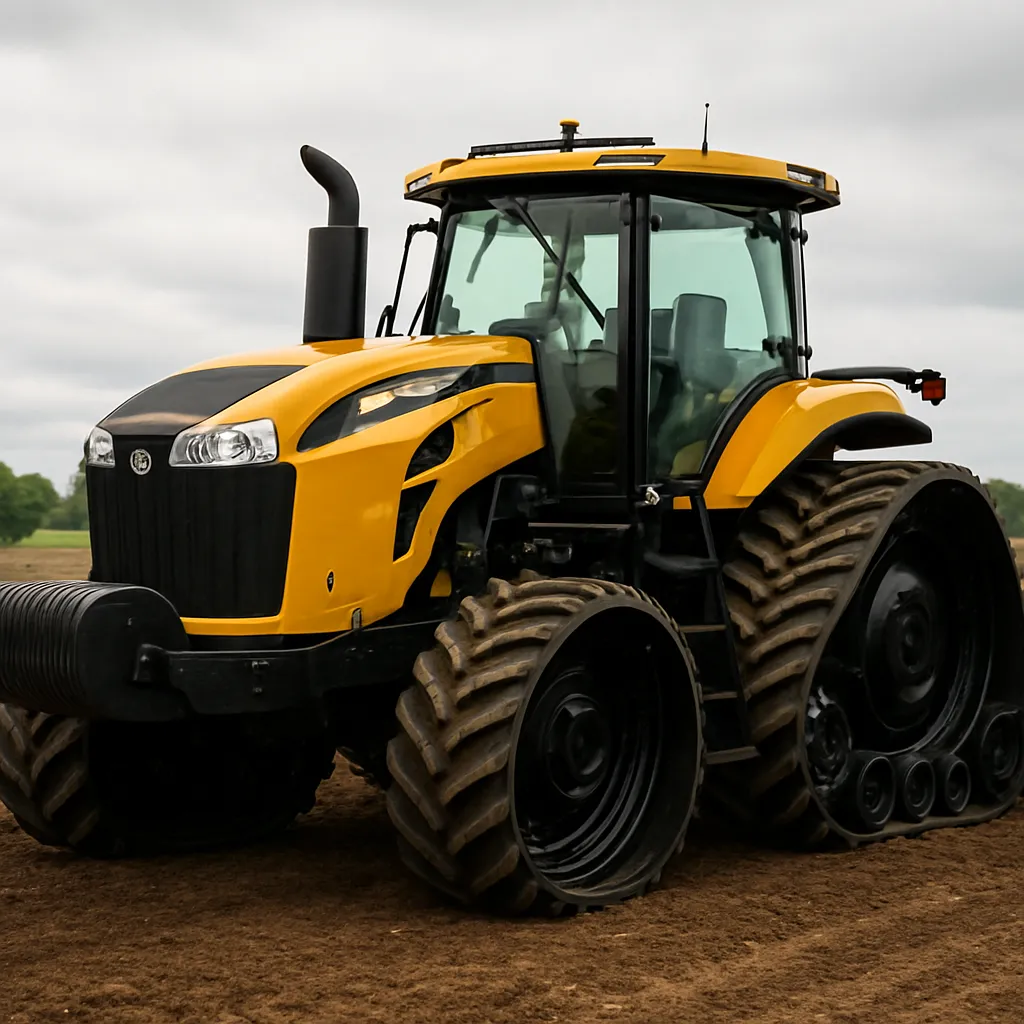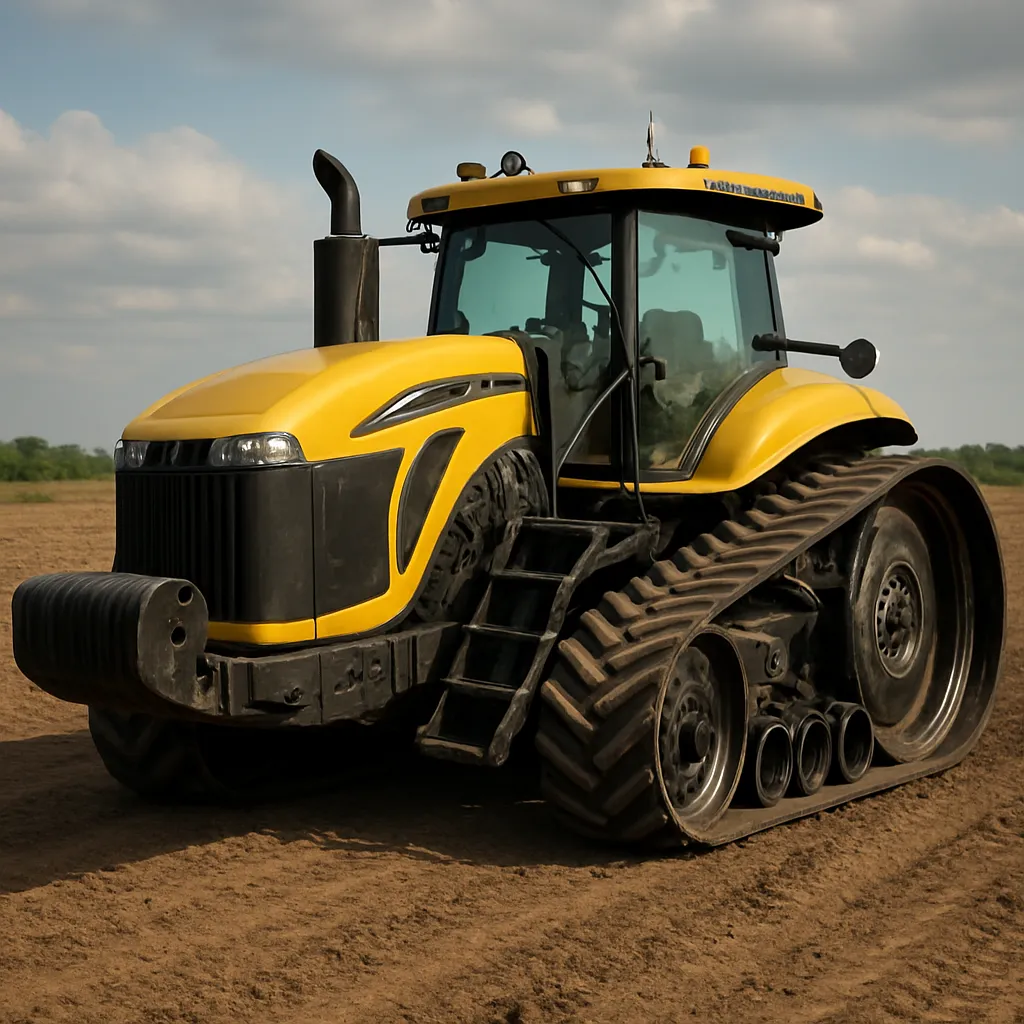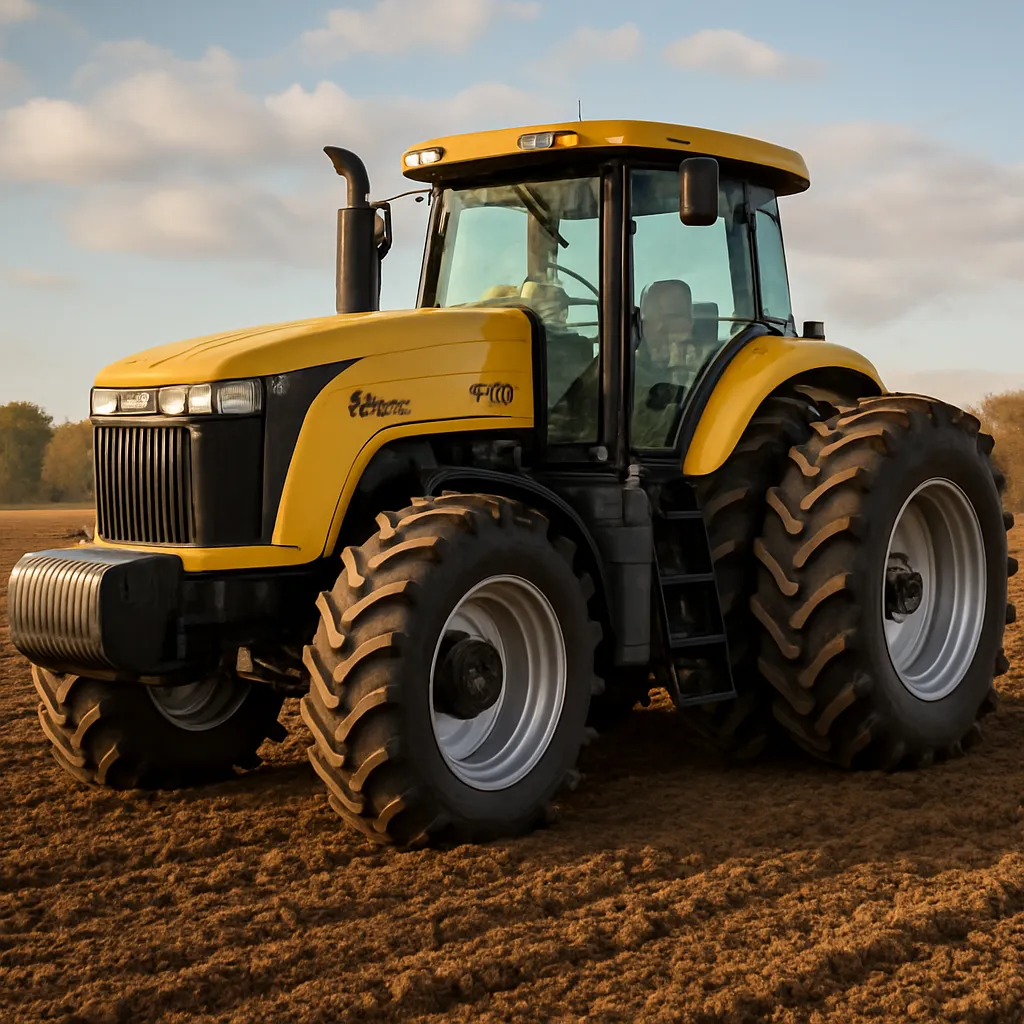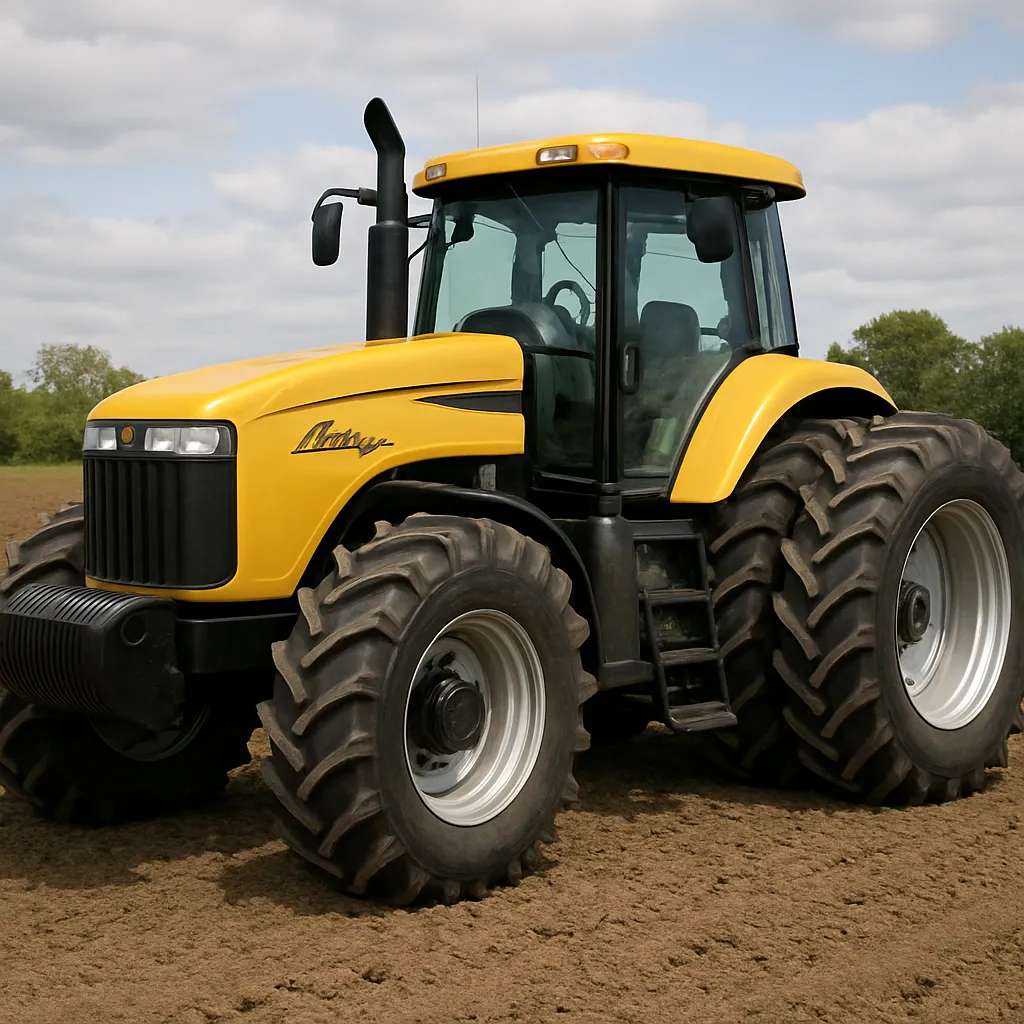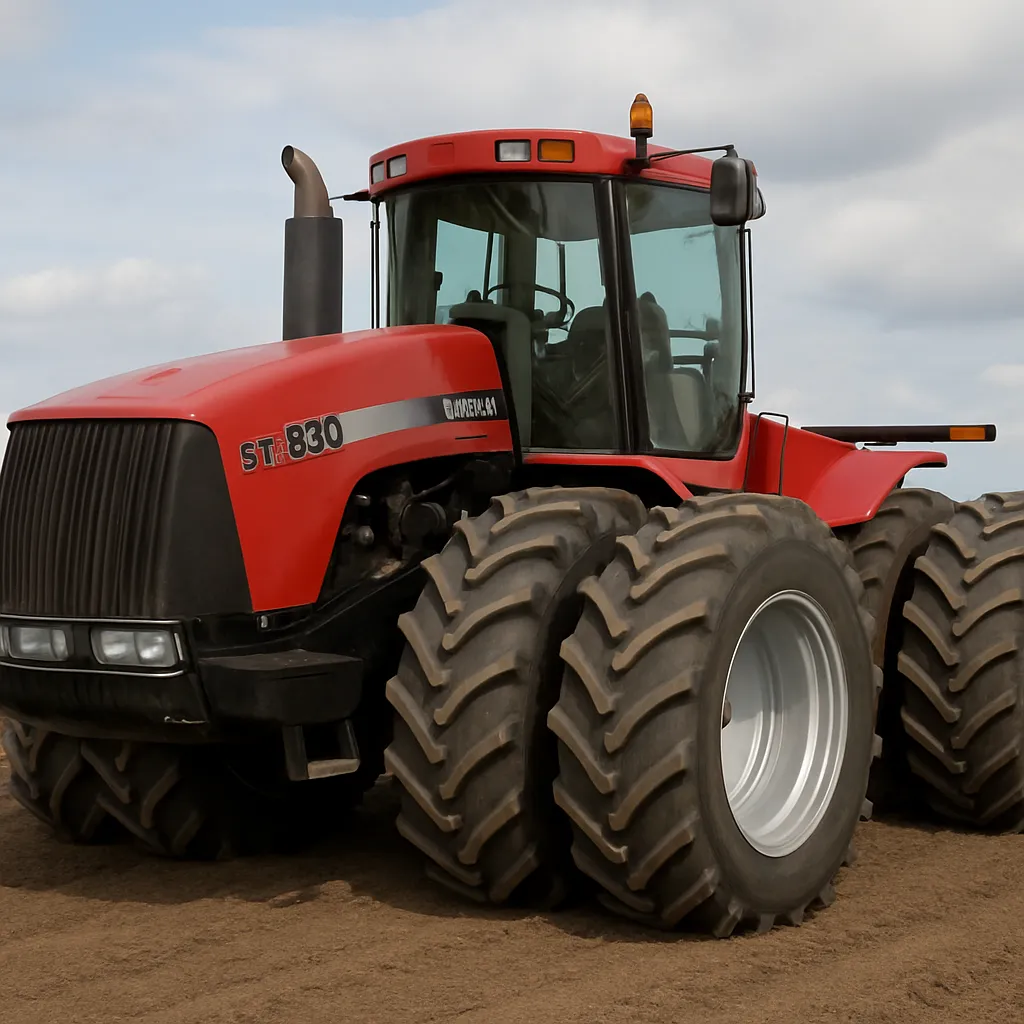
The Case IH STX 530 is a high-horsepower articulated agricultural tractor designed for the most demanding field tasks. Combining robust construction, advanced drivetrain technology and operator-focused cab features, the STX 530 is aimed at large-scale farmers and contractors who require substantial traction and pulling capacity for heavy tillage, seeding, and transport tasks. In the following sections you will find an overview of the machine, detailed technical and operational aspects, typical applications, maintenance recommendations and some approximate performance figures that help place this tractor within the market of large 4WD agricultural machines.
Overview and historical context
The Case IH STX line belongs to a family of articulated tractors marketed by Case IH, a brand of CNH Industrial. The “STX” designation is often associated with powerful, articulated four-wheel-drive units developed to meet the needs of large-area farming, particularly in North America, South America, Eastern Europe and Australia. The STX 530 sits near the top of its class in terms of towing and drawbar power, making it a natural choice for heavy primary tillage, large planters and high-resistance implements.
The design philosophy for the STX series emphasizes durability and traction. These tractors evolved from the legacy Steiger and Magnum lines and reflect decades of experience building machines for high-HP fieldwork. The STX 530 was engineered with a focus on maximizing uptime and minimizing operator fatigue during long shifts, while providing the mechanical raw power required to move large implements through a range of soil conditions.
Design and technical characteristics
Chassis, articulation and drivetrain
The STX 530 is an articulated tractor with a heavy-duty frame and a central articulation joint that allows the front and rear halves to steer relative to each other. This articulation design provides superior maneuverability for a machine of this size and improves traction by helping maintain ground contact of all tires across uneven terrain. The front and rear axles are usually full-floating heavy-duty units designed for high drawbar loads and repeated stress.
- Engine: Large-displacement diesel powerplant designed to deliver sustained torque at low rpm for pulling heavy implements. Engines in this class commonly have inline six-cylinder layouts and are turbocharged for robust mid-range performance.
- Transmission: Options typically include stepped power-shift transmissions or continuously variable (CVT-like) systems in some configurations, offering a wide range of speeds and strong drawbar performance. Multiple gears and creeper ranges allow precise matching of speed to implement requirements.
- Hydraulics: High-flow hydraulic pumps and multiple remotes support large, hydraulically driven implements. Flow rates and pressure ratings are tuned to operate modern seeders, planters, air carts and applicators.
- Rear hitch and PTO: Heavy-duty three-point hitch capacity and PTO capability permit the use of rear-mounted implements and auxiliary driveline attachments, although many applications for STX 530 are pull-type.
Cab and operator environment
Large tractors like the STX 530 are built for long hours. The cab typically includes advanced seating, climate control, ergonomic controls, excellent visibility over implements and integrated electronic displays for monitoring engine and implement parameters. Many machines can be equipped with precision farming aids such as GPS-based auto-steer, section control and telematics systems that allow remote monitoring of machine health and productivity.
Ballast, tires and tracks
To optimize traction and reduce slippage, the STX 530 can be fitted with dual wheels, triple wheels or tracks. Ballasting—both wheel and front-end—plays a critical role in maximizing drawbar efficiency. Tracks reduce ground pressure and are commonly chosen where soil compaction or traction in wet conditions is a concern.
Applications and typical uses
The STX 530 is intended for operations that demand high drawbar power and reliable performance over large areas. Typical applications include:
- Primary tillage: Pulling large plows, rippers and cultivators across wide swaths of land, especially in operations that prepare soil for intensive cropping.
- Seeding and planting: Towing large planters, air seeders and drills that require consistent ground speed and traction for even seed placement.
- Subsoiling and deep ripping: Working at depths and speeds that put heavy loads on the drivetrain and require strong torque at low engine speeds.
- Transport and heavy haul: Moving heavy trailers, tanks or implements between fields and yards.
- Specialty crops and contractors: In sugarcane, cotton or large-scale vegetable production, and for custom operators who need versatile machines that can handle a variety of implements and soil types.
Because the STX 530 is a high-power tractor, many large farms use it as part of a fleet strategy: one or two high-horsepower tractors handle the most demanding tasks while smaller tractors manage lighter fieldwork and finishing tasks. The STX 530 also suits contractors who undertake seasonal heavy work and need a reliable machine that retains resale value.
Performance and statistical figures (illustrative)
Exact technical specifications vary by production year and factory configuration. The numeric designation “530” generally suggests a power class near 530 engine horsepower in standard marketing nomenclature for large tractors. The figures below are illustrative ranges typical for tractors in this class and reflect common configurations:
- Approximate engine power: 500–550 hp (rated engine horsepower may be listed near 530 hp in some specifications)
- Engine displacement: typically around 12–15 liters for inline-six high-displacement diesel engines used in this class
- Maximum drawbar pull: varies greatly with ballast and traction setup; can exceed several tens of metric tons of tractive capacity under optimal conditions
- Fuel capacity: large tanks in the range of 800–1,200 liters are not uncommon for extended operation between refuels (depends on tank option)
- Operating weight: depending on ballast and duals/tracks, typical operating weights can range from 18,000 to 30,000+ kg
- Hydraulic flow: high-flow systems delivering 150–300+ liters per minute depending on pump options and auxiliary systems
- Typical field fuel consumption: highly load-dependent; under heavy tillage loads consumption may average 40–60 liters per hour or more, while lighter transport or road work uses significantly less
These figures should be treated as indicative rather than definitive. Exact specifications for a particular unit depend on year of manufacture, emissions package, transmission choice and customer options (such as tracks versus tires, dual wheel kits, and ballast packages).
Maintenance, reliability and operational considerations
Owning and operating an STX 530-class tractor requires a disciplined maintenance program. Due to the size and complexity of the machine, preventive maintenance pays dividends in reduced downtime and longer service life.
- Service intervals: Regular oil and filter changes, scheduled hydraulic and coolant checks, and routine inspections of driveline components are essential. Follow the manufacturer’s recommended intervals closely.
- Track and tire care: For wheeled machines, check tire pressures and inspect for abnormal wear. For tracked versions, monitor track tension and undercarriage wear components.
- Hydraulics and electronics: Keep hydraulic fluid and filters clean; inspect hoses and connections for leaks. Electronic components such as sensors and display modules should be checked for firmware updates and error codes.
- Cooling system: Large diesel engines generate significant heat. Maintain radiator and intercooler cleanliness, check coolant quality and ensure fan drive systems are functioning.
- Operator training: Proper use of transmission modes, throttle settings and implement control can reduce stress on the machine and improve fuel efficiency. Training on hydraulics and ballasting will optimize traction and reduce slippage.
Given their purchase price and operating costs, these tractors are often supported by manufacturer warranty packages and dealer maintenance agreements. Telematics systems available for modern units can alert owners to looming maintenance needs and help schedule service proactively, reducing costly breakdowns during peak seasons.
Economic and environmental aspects
High-horsepower tractors such as the STX 530 are significant capital investments. When evaluating their purchase, farm managers and contractors consider total cost of ownership, which includes depreciation, fuel, maintenance, insurance and financing costs. For many large operations, the productivity gains—faster completion of primary tillage, the ability to pull wider implements and fewer passes over a field—justify the investment.
Environmental considerations have become more prominent in recent years. Newer engine packages incorporate advanced emissions controls to meet Tier 4 / Stage V regulations, which may include exhaust gas aftertreatment systems. These systems reduce NOx and particulate emissions but add complexity to maintenance tasks.
Precision farming technology coupled with a machine like the STX 530 can improve environmental outcomes by enabling:
- More efficient field passes—reduced overlap
- Variable-rate application—less waste of inputs
- Improved traction management—lower fuel consumption per hectare
Optimizing implement selection and field strategies (e.g., controlled traffic farming, appropriate ballast and tire selection) can reduce soil compaction and improve long-term soil health, partially offsetting the heavier weight of such tractors.
Interesting features and optional technologies
A number of optional features are commonly selected for STX-class tractors to match machine capability to farm needs:
- Precision guidance and auto-steer systems for repeatable accuracy and reduced operator fatigue.
- Variable transmission modes that allow the tractor to deliver maximum drawbar power while keeping engine rpm low for fuel efficiency.
- Telematics and remote diagnostics so fleet managers can monitor utilization, fuel use and maintenance requirements in real time.
- Dual- or triple-wheel setups and track conversions to tailor ground pressure and traction characteristics to soil and climate conditions.
- Power management features that ensure implement demands are met without unnecessary fuel burn.
Another practical advantage for contractors is the modularity of options. Machines can be equipped for specific seasonal tasks and then reconfigured for different work later in the year, increasing their utilitarian value across a farming calendar.
Buying considerations and resale value
When acquiring a large tractor like the STX 530, potential buyers should evaluate:
- Year and hours: Lower hours typically command a premium but inspect engine and transmission condition.
- Service history: A documented maintenance record increases confidence in the machine’s condition and helps preserve resale value.
- Configuration: Tires vs. tracks, transmission type and options such as GPS and hydraulic flow affect both purchase price and suitability for tasks.
- Local dealer support: Access to parts, experienced technicians and warranty service is crucial for minimizing downtime.
Resale value for well-maintained, properly optioned high-horsepower tractors tends to remain strong due to continued demand in large-scale farming and contracting. Investing in factory or dealer-serviced maintenance programs typically helps sustain higher resale prices.
Conclusion
The Case IH STX 530 is a capable and substantial tractor intended for heavy-duty agricultural operations. Its strengths lie in powerful engine characteristics, robust drivetrain design, and the ability to handle demanding implements with consistent performance. Proper configuration—ballast, wheels or tracks, hydraulic flow and precision technology—allows the STX 530 to serve a wide range of tasks from deep ripping to large-scale planting. While operational costs and environmental considerations must be weighed, for many large farms and contractors the productivity advantages and versatility of a machine in this class justify the investment.