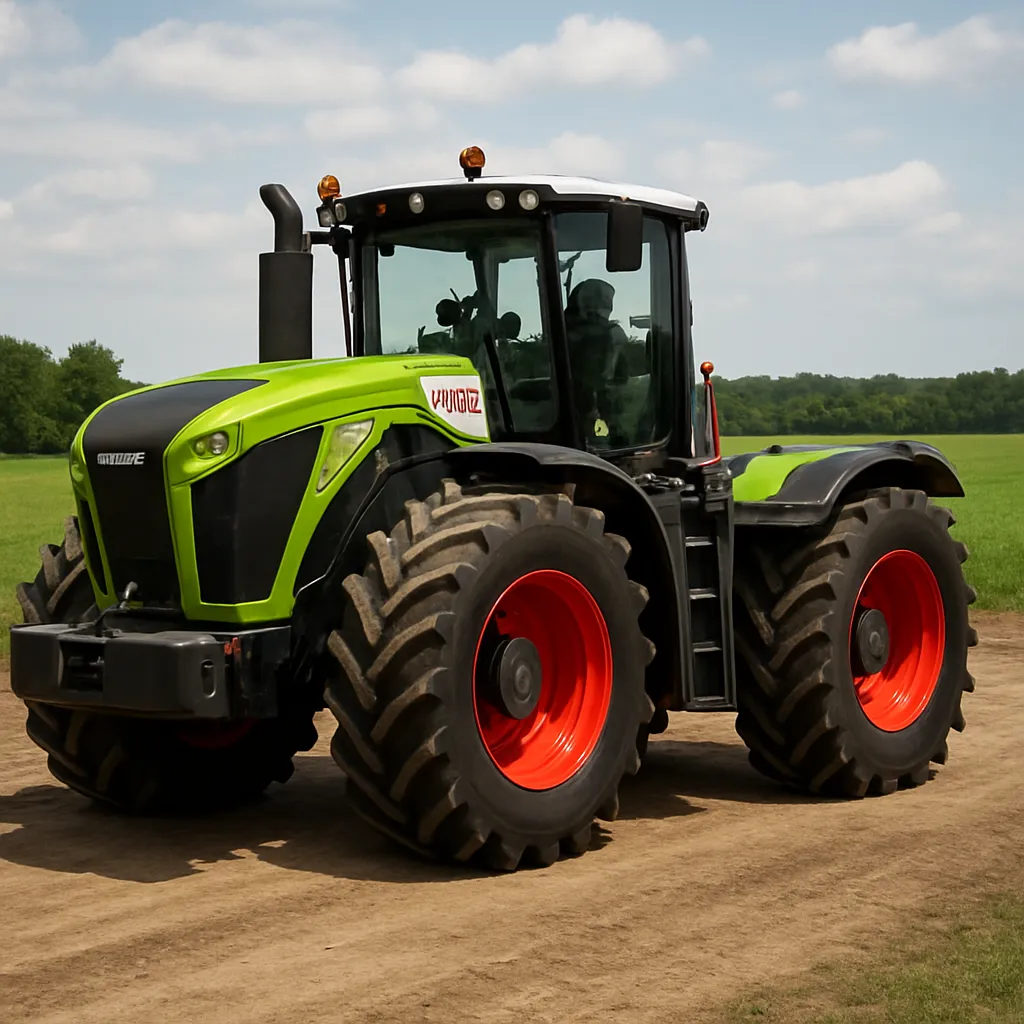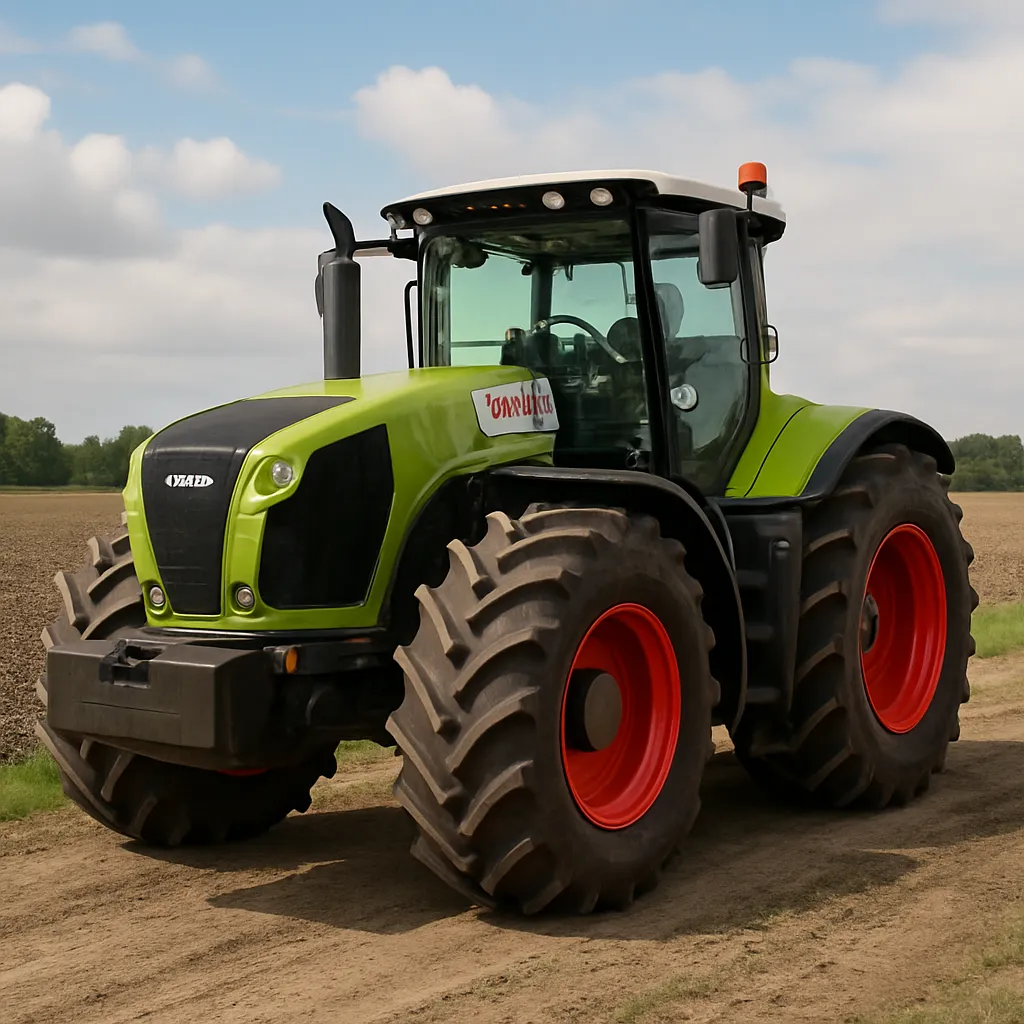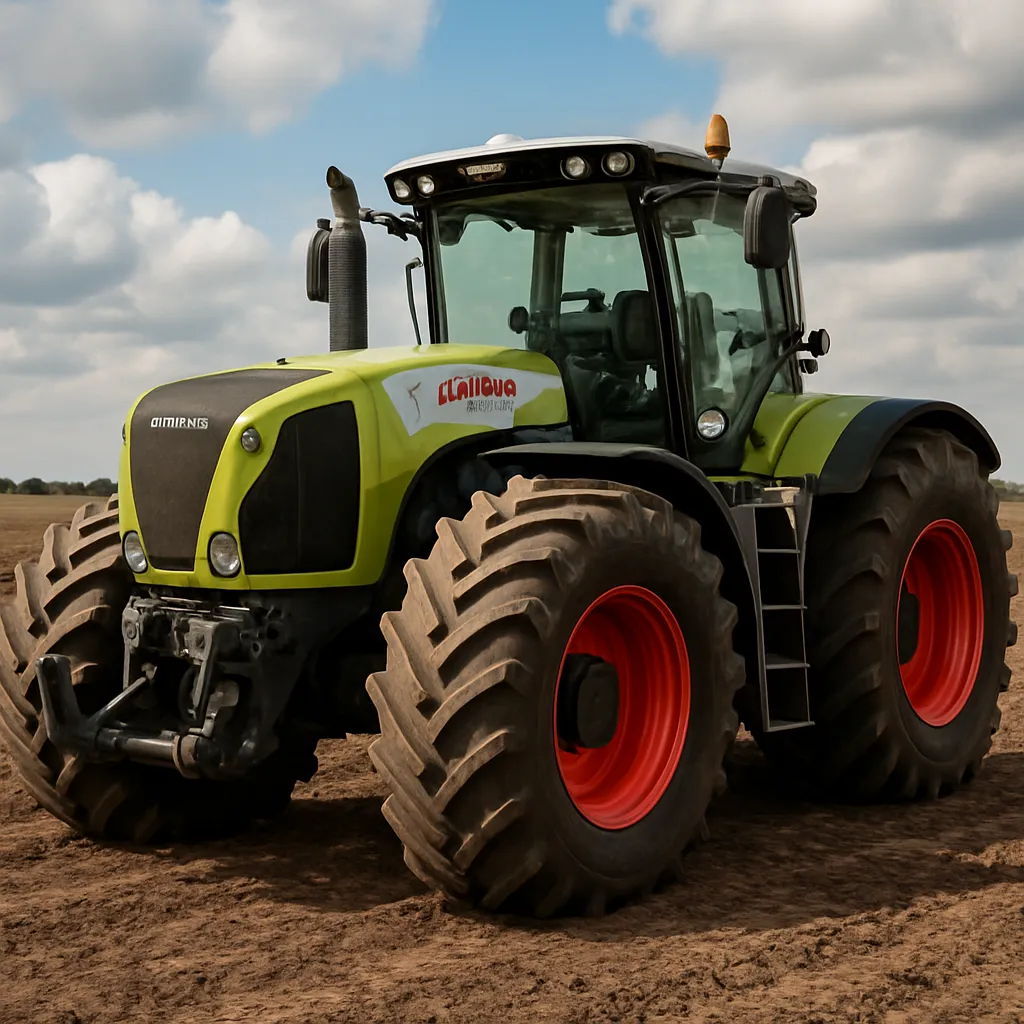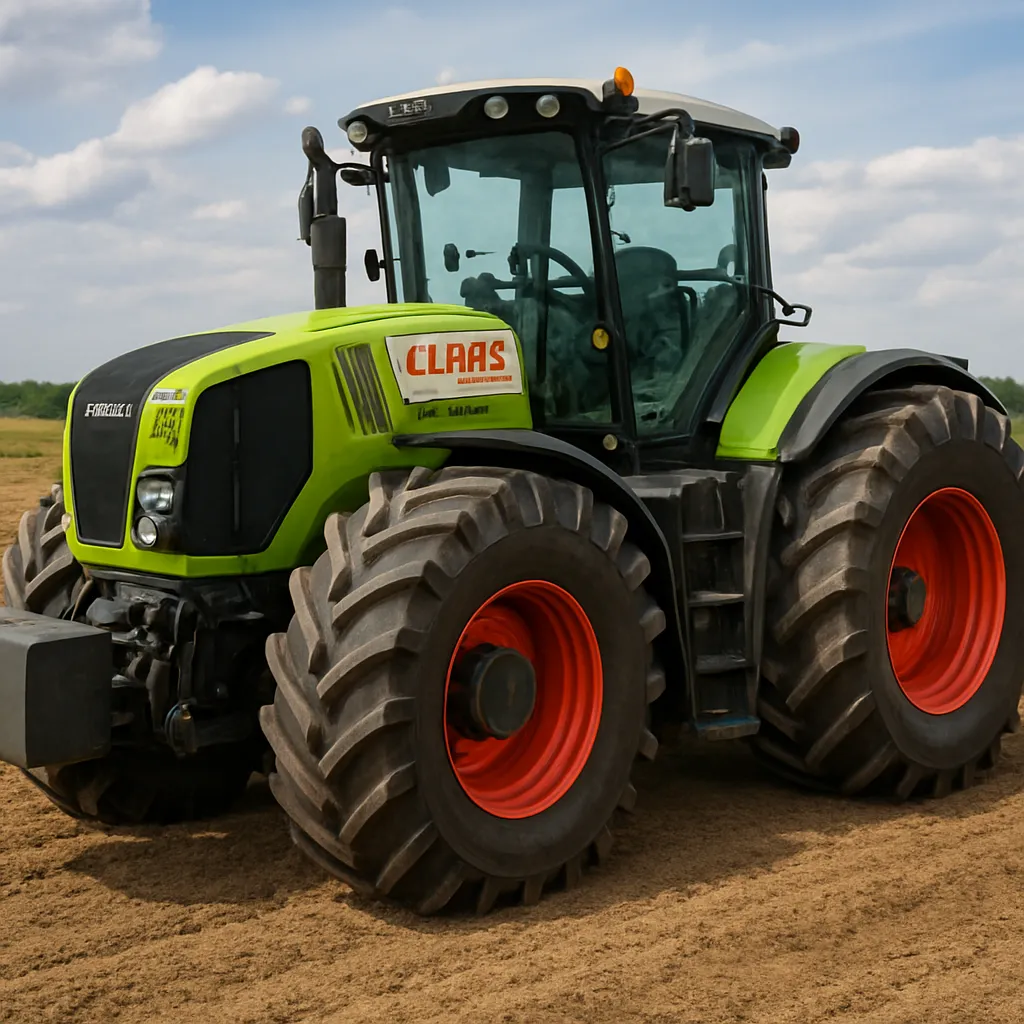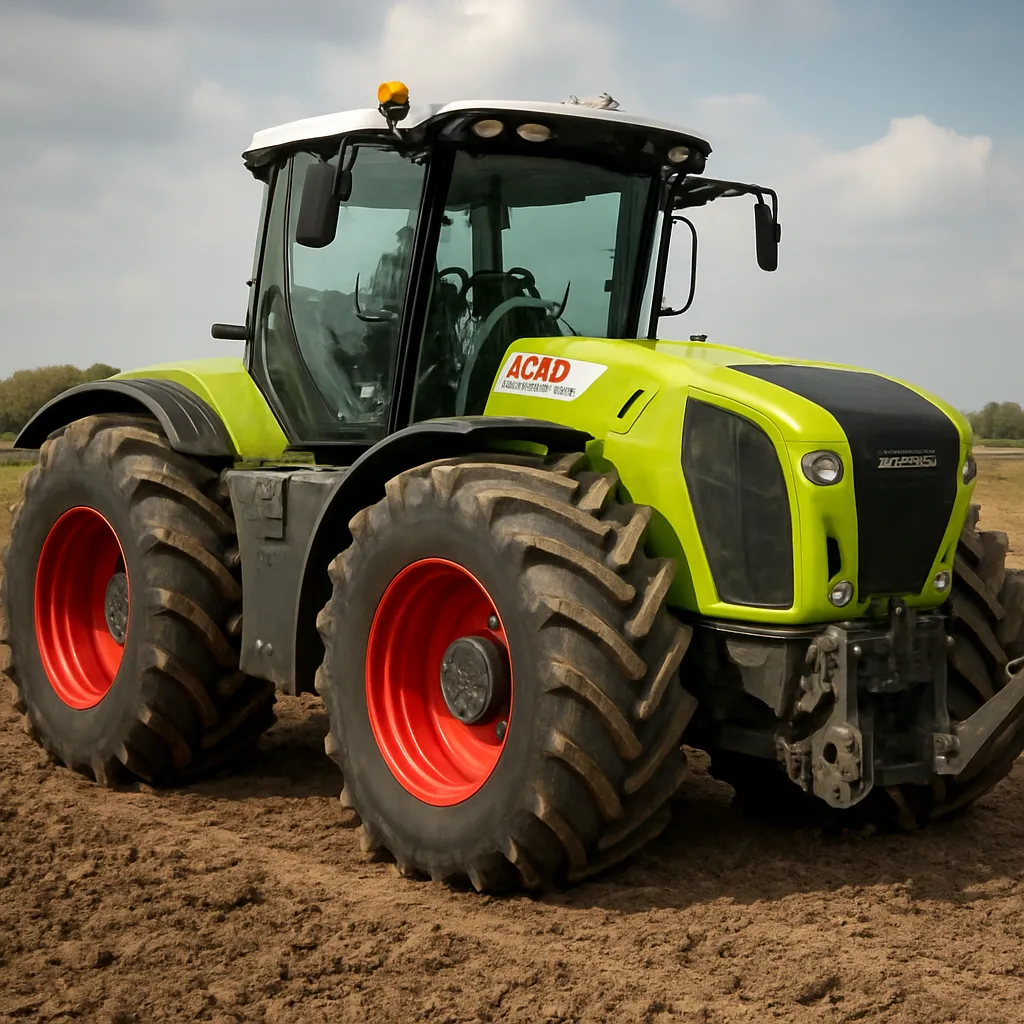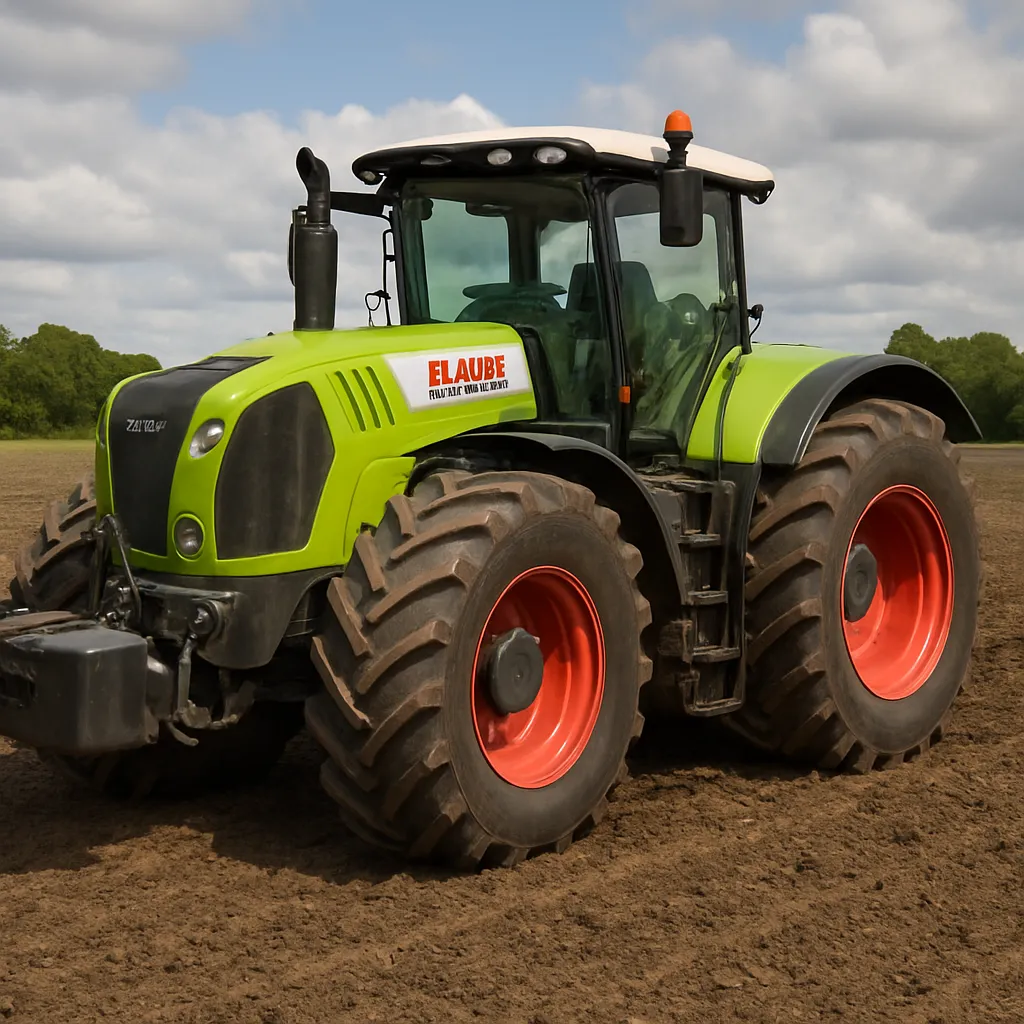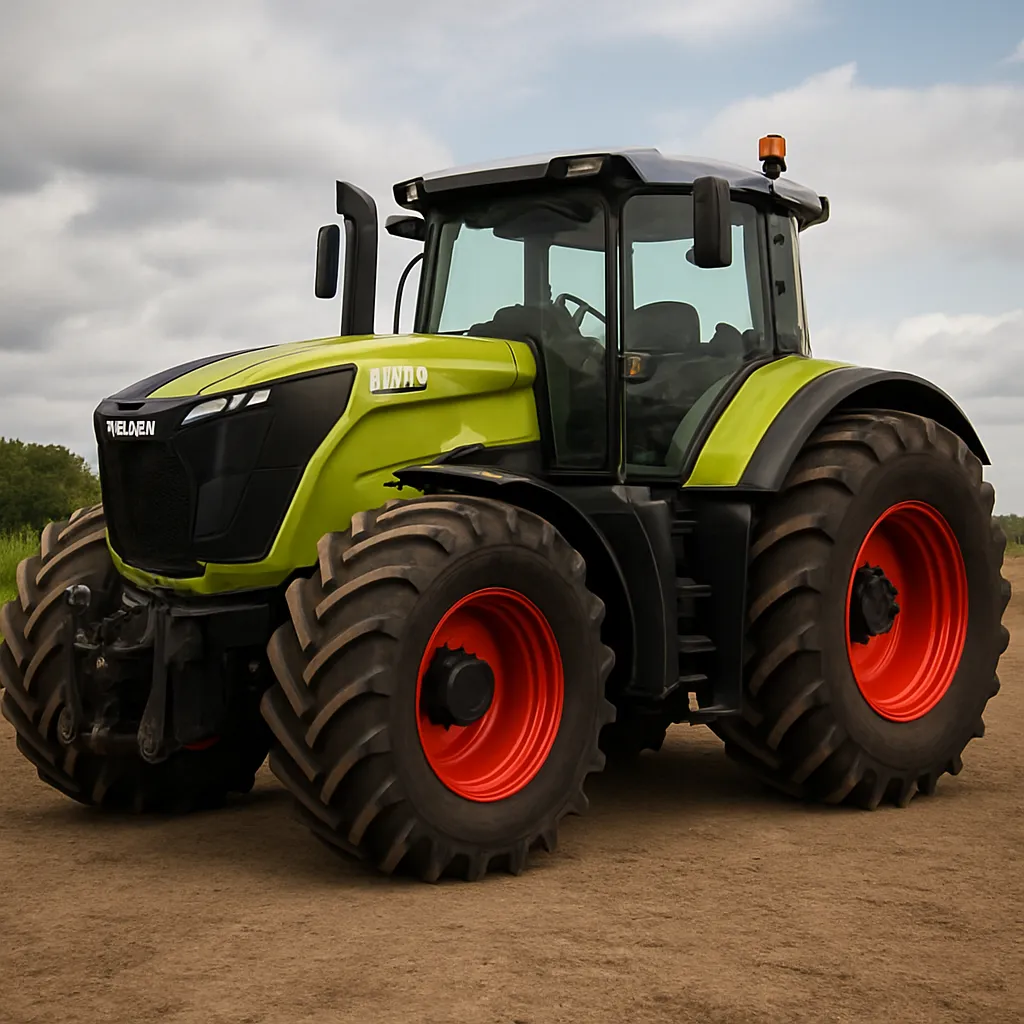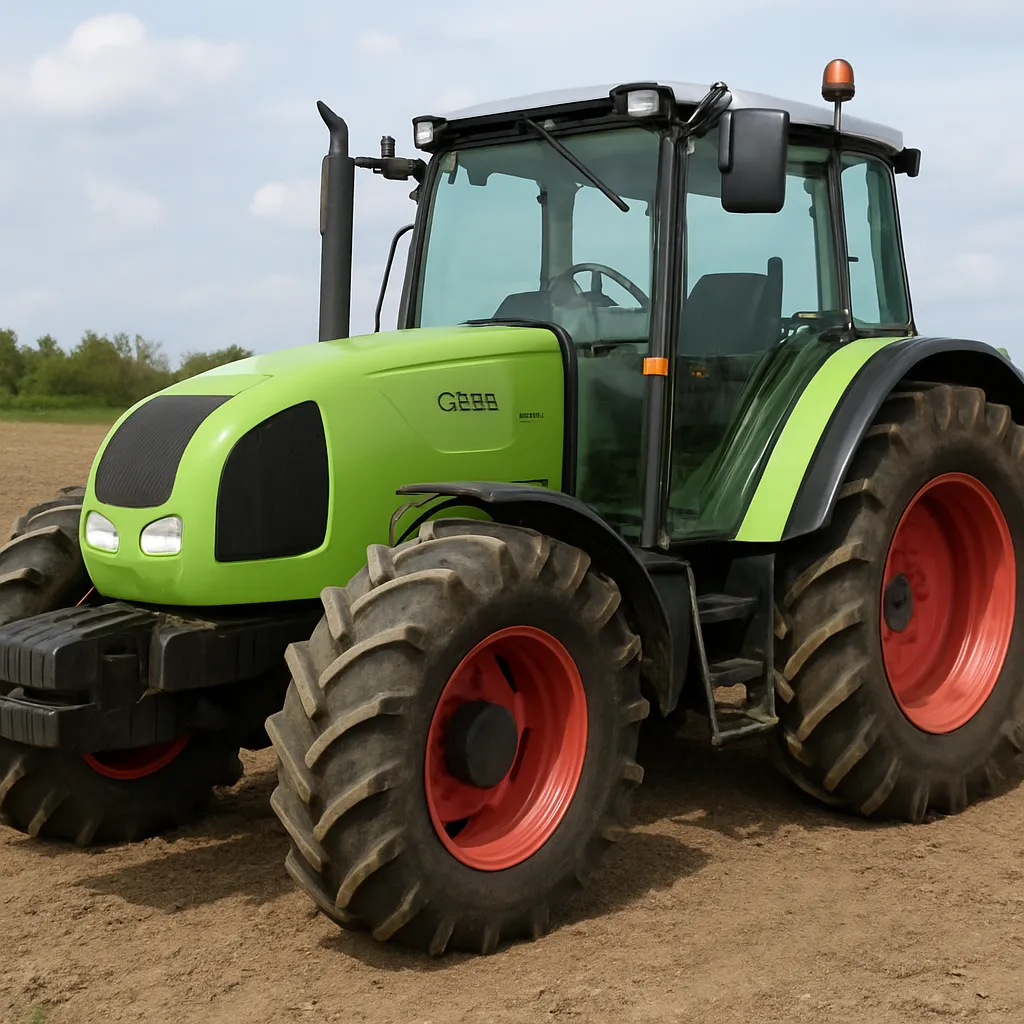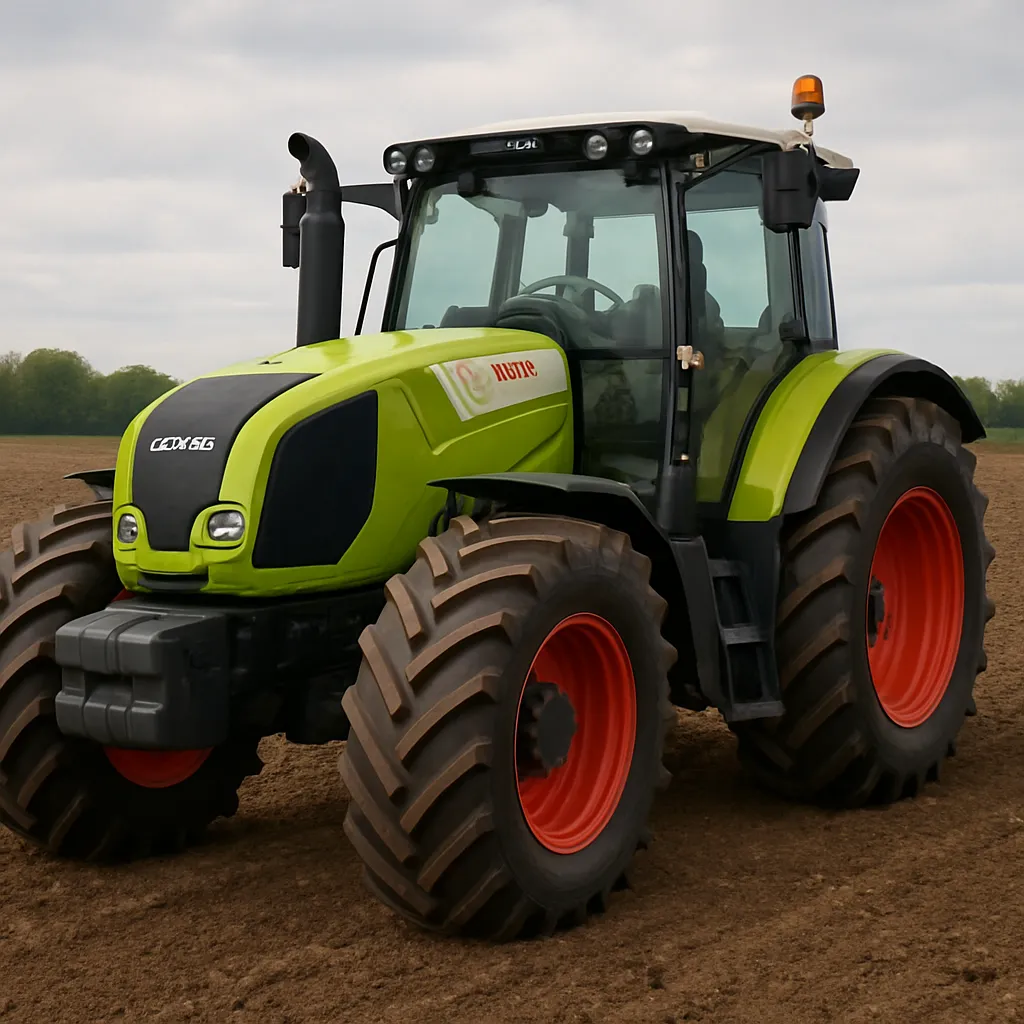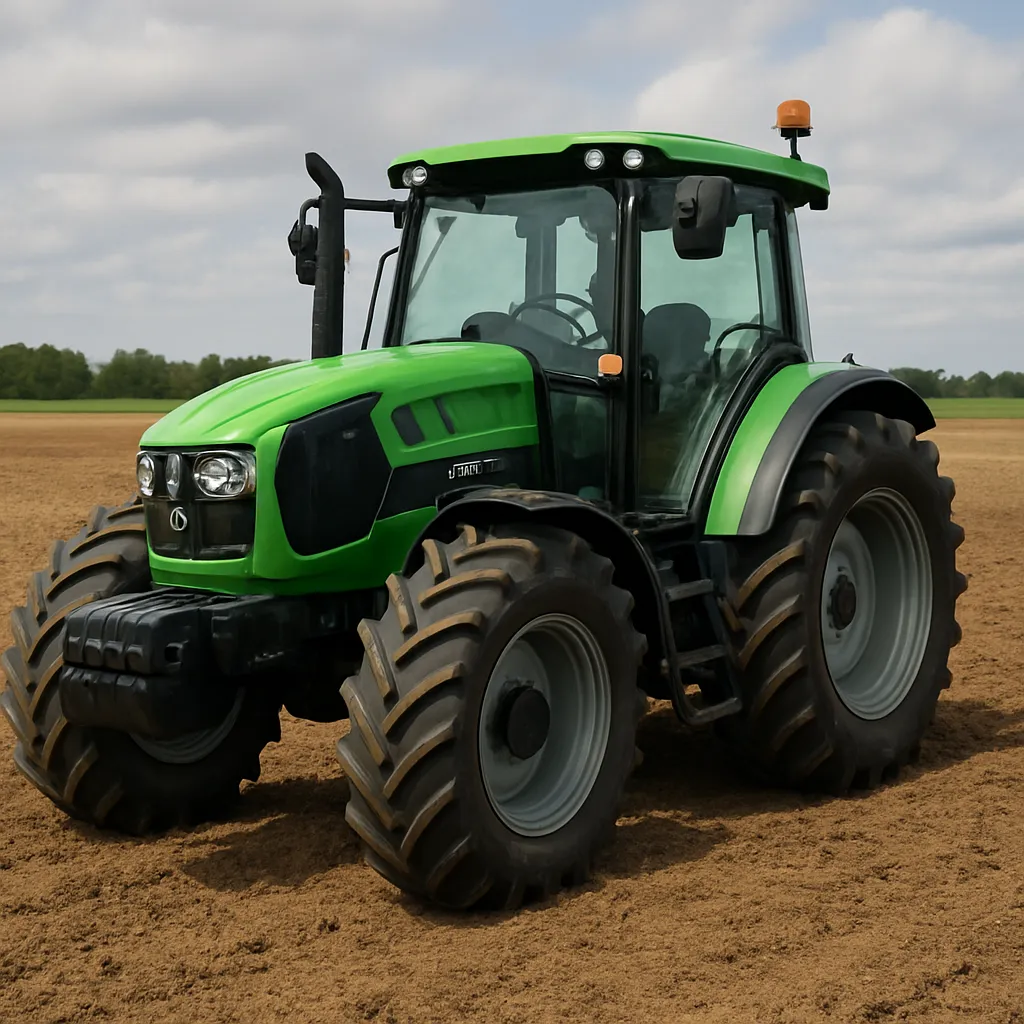
The Deutz-Fahr 5080 Heavy is a compact-to-medium sized agricultural tractor designed to offer a balance of power, reliability and versatility for mixed farms, contractors and commercial users. Combining practical mechanics with comfortable operator features, the 5080 Heavy has become a common choice in regions where durable, easy-to-service machines are required for daily tasks ranging from tillage and planting to loader work and haymaking. In this article we explore its design, technical characteristics, applications, maintenance considerations and market positioning, providing practical information for prospective buyers, operators and fleet managers.
Overview and design philosophy
The Deutz-Fahr brand has a long tradition in agricultural machinery, and the 5080 Heavy follows the company’s approach of delivering robust, serviceable tractors tailored to real-farm conditions. The “5080” designation indicates a model in the lower-to-mid power range, while the suffix Heavy signals chassis and component upgrades intended to improve load-bearing capacity, stability and suitability for front-loader work.
The 5080 Heavy is typically offered with four-wheel drive and a reinforced front axle, a close-ratio transmission option, and a stronger hydraulic system compared to lighter variants. It is aimed at users who need a reliable workhorse that can handle a variety of implements without the complexity and cost of larger, high-tech tractors. Key priorities in the design are serviceability, good visibility, and straightforward controls — attributes that matter in everyday agricultural and contracting operations.
Technical specifications and performance profile
Specifications can vary by year, country and optional equipment, but the 5080 Heavy generally falls into the following technical envelope. Where precise numbers differ across production years, ranges are given:
- Engine: 3- or 4-cylinder diesel engine built to Deutz standards or supplied by established diesel engine manufacturers. Displacement commonly between approximately 2.9 and 3.6 liters.
- Rated power: around 75–85 horsepower (nominally near 80 hp), with maximum power available at typical engine speeds for PTO work.
- Torque: peak torque figures typically in the 300–380 Nm range depending on engine tuning and model year.
- Transmission: mechanical synchromesh or semi-powershift options; common configurations include 12×12, 24×12 (creeper or shuttle options), and some markets offer 30×30 variants for finer speed control.
- PTO: rear PTO standard at 540/540E and sometimes 1000 rpm as an option; models may offer an optional front PTO for mounted mowers or snow blowers.
- Hydraulics: gear or load-sensing pump options. Typical hydraulic flow rates range from approximately 40 to 65 L/min depending on specification; lift capacity at the rear linkage commonly between 2,200 and 3,200 kg.
- Weight: operating weight usually between 3,200 and 4,200 kg depending on options (cab, ballast, front linkage).
- Top speed: road speed often limited to 30–40 km/h depending on gearing and local regulations.
- Fuel tank: tank capacity typically between 70 and 120 liters, providing good operational range for day-long tasks.
These attributes make the 5080 Heavy a practical choice for tasks that demand steady power rather than extreme engine outputs. The combination of moderate horsepower and robust hydraulics allows it to operate loaders, mid-sized plows, rotary mowers, balers and seeders effectively.
Applications and versatility
The Deutz-Fahr 5080 Heavy is primarily targeted at mixed farms, livestock operations, municipal use and contracting where compact but strong tractors are needed. Typical applications include:
- Loader work — handling bales, feed, silage and general material movement. The reinforced front end and optional joystick controls make it well-suited for frequent loader cycles.
- Tillage and soil cultivation — suitable for small-to-medium plows, cultivators and disk harrows on farms up to moderate sizes.
- Hay and forage operations — powering mowers, rakes, tedders and medium-sized balers. PTO reliability and torque at mid-range revs are important here.
- Transport and trailer work — road speeds and gearing allow safe transport of goods across farmyards and short distances on public roads.
- Horticulture and orchard use — with narrower tyre options and precise hydraulics, it can operate in confined spaces for pruning, spraying or mowing.
- Municipal tasks — snow clearing, sweeping and small-scale road maintenance are feasible when fitted with appropriate front implements.
Its adaptability stems from a combination of reliable mechanical systems, a range of hitch and PTO configurations, and an available front linkage/PTO package that allows use with mounted attachments. The 5080 Heavy is often chosen as a primary machine on farms of 50–250 hectares or as a versatile second machine on larger farms.
Cab, visibility and operator comfort
Comfort and ergonomics are important for farm productivity, and the 5080 Heavy addresses this with a practical cab layout. Typical features include:
- Spacious cab with good outward visibility to the loader and attachment interfaces.
- Ergonomic control layout with easy-to-reach levers for hydraulics, PTO and linkage controls.
- Heating and air conditioning systems for year-round operation, with optional air-suspended seats for reduced operator fatigue.
- Simple electronic displays providing engine RPM, fuel level, hours and basic diagnostics.
- ROPS and safety equipment as standard for protected operation.
While not as technologically loaded as premium models in higher classes, the 5080 Heavy focuses on user-friendly controls and durable finishes that withstand the rigors of daily agricultural work.
Maintenance, fuel economy and operating costs
One of the selling points of tractors like the 5080 Heavy is low-to-moderate lifecycle costs when properly maintained. Key maintenance and cost considerations:
- Routine service intervals follow typical diesel agricultural practice — oil and filter changes every 200–500 hours for engine oil (depending on oil type and operating conditions), hydraulic checks and air filter changes more frequently in dusty conditions.
- Fuel consumption under typical mixed load conditions usually falls in the range of approximately 6–10 liters per hour. Fuel use depends on PTO load, travel speed and auxiliary hydraulic demand.
- Replacement parts are generally widely available through Deutz-Fahr dealer networks and third-party suppliers in many regions, contributing to predictable maintenance planning.
- Depreciation: tractors in the 70–90 hp class often retain reasonable resale value if maintained and used within reasonable hourly limits; total operating cost depends heavily on annual hours, attachments and local fuel prices.
Regular preventive maintenance — attention to cooling system condition, hydraulic seals, and clutch/transmission behavior — will preserve performance and reduce downtime. Many users find that adherence to a scheduled service plan yields the best total cost of ownership.
Safety and operator training
Safety is essential with any agricultural machinery. The Deutz-Fahr 5080 Heavy incorporates standard safety measures: ROPS/cab structure, emergency stop functionality for PTO, clear operator instructions and lighting packages for road travel. Additional recommendations:
- Operators should receive equipment-specific training on loader operation, safe hitching of implements and PTO shaft management.
- Use of personal protective equipment when servicing or hitching equipment, and regular inspection of PTO guards and hydraulic hoses.
- Implementing on-farm safety protocols for young or inexperienced operators reduces accident risk and equipment damage.
Market positioning and comparison to competitors
The 5080 Heavy occupies a competitive niche among compact utility and lower-medium tractors. Competing models in the same horsepower band include machines from New Holland, John Deere (smaller 5E series), Massey Ferguson (4/4700 series), and Case IH. Distinguishing elements of the 5080 Heavy are its reinforced chassis for loader duties and straightforward mechanical layout that simplifies repairs.
Comparative considerations when choosing between models include:
- After-sales support and local dealer networks — prompt access to parts and service often outweighs minor specification differences.
- Attachment availability and compatible implements for specific farm tasks.
- Fuel efficiency and service intervals — these affect long-term operating costs.
- Operator comfort and ergonomics — important for long-day operations and staff retention.
Practical buying tips and used-market advice
If you are considering purchasing a new or used 5080 Heavy, keep the following points in mind:
- Inspect service records and confirm regular oil and filter changes. A well-documented history is often an indicator of sensible ownership.
- Check for wear on loader attachment points, hydraulic hoses and the three-point linkage. Excessive play or leaks can be costly to fix.
- Test PTO operation under load and evaluate the transmission for smooth shifting across gears and RPM ranges.
- Consider the list of fitted options — a front linkage and front PTO add versatility but also increase complexity and weight.
- When buying used, compare hours-on-hour of operation to the age of the tractor. Moderate hours for age usually indicate balanced usage.
Environmental and future considerations
Diesel engines remain the norm for this tractor class, but emissions standards and expectations are evolving. Modern iterations of tractors like the 5080 Heavy increasingly meet stricter emissions regulations through improved injection systems and exhaust after-treatment where required by law. For users concerned about sustainability:
- Optimize fuel use through correct gearing and operating RPMs — avoid excessive engine revs when not required.
- Consider precision farming aids (even basic telematics) to reduce overlap in field passes and save fuel.
- Long-term, monitor the market for hybrid or electrified options in the compact tractor segment, though widespread adoption in this class is still emerging.
Conclusion and final assessment
The Deutz-Fahr 5080 Heavy represents a balanced choice for those who need a dependable tractor in the near-80 horsepower class with an emphasis on durability and loader capability. Its strengths include a robust chassis, practical hydraulics, and an operator-friendly cab that together support a wide range of agricultural tasks. While not designed to compete with high-horsepower or high-tech flagship tractors, it offers strong value for small to medium-sized farms, contractors and municipal users.
Durability, versatility and straightforward serviceability are the key selling points. Prospective buyers should focus on maintenance history, the presence of loader-related reinforcements, and the availability of dealer support in their region. For everyday agricultural work where reliability and predictable running costs matter most, the 5080 Heavy is a practical, well-rounded option.
Selected typical figures (for orientation)
- Nominal power: approximately 80 HP
- Engine displacement: ~2.9–3.6 L
- Hydraulic flow: ~40–65 L/min
- Rear lift capacity: ~2,200–3,200 kg
- Fuel consumption (mixed work): ~6–10 L/h
- Operating weight: ~3,200–4,200 kg
These figures should be used as general guidance; exact specifications depend on the year, market and optional equipment package. When evaluating a particular tractor, request detailed factory specifications and validate the machine’s configuration against your intended uses to ensure an optimal match.