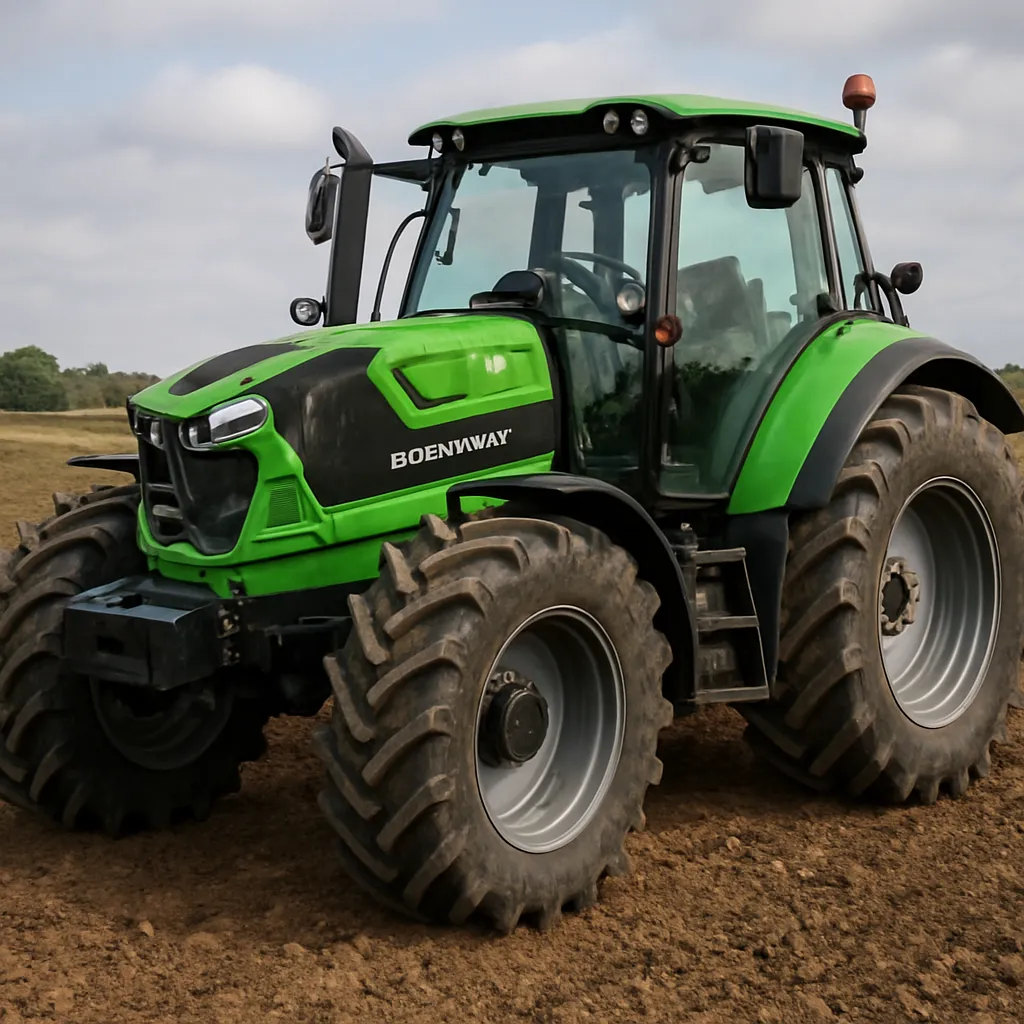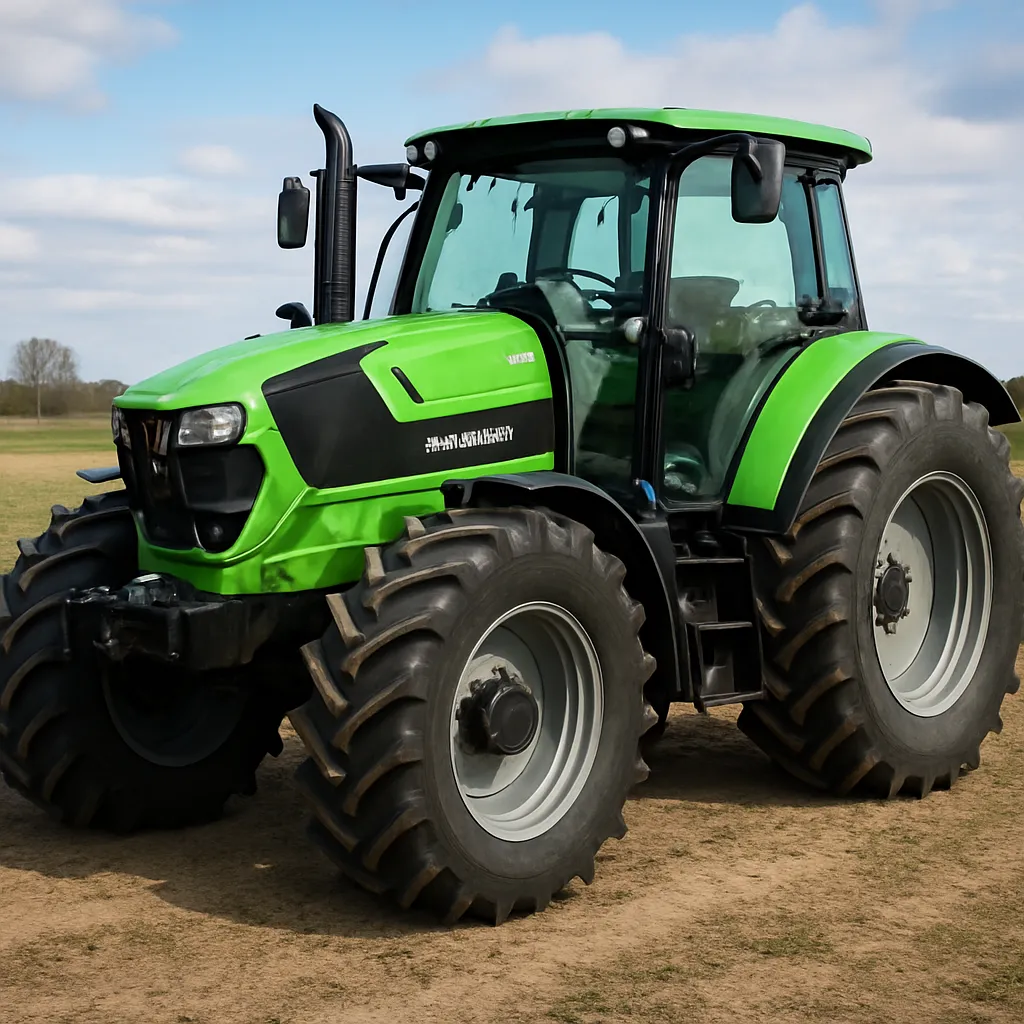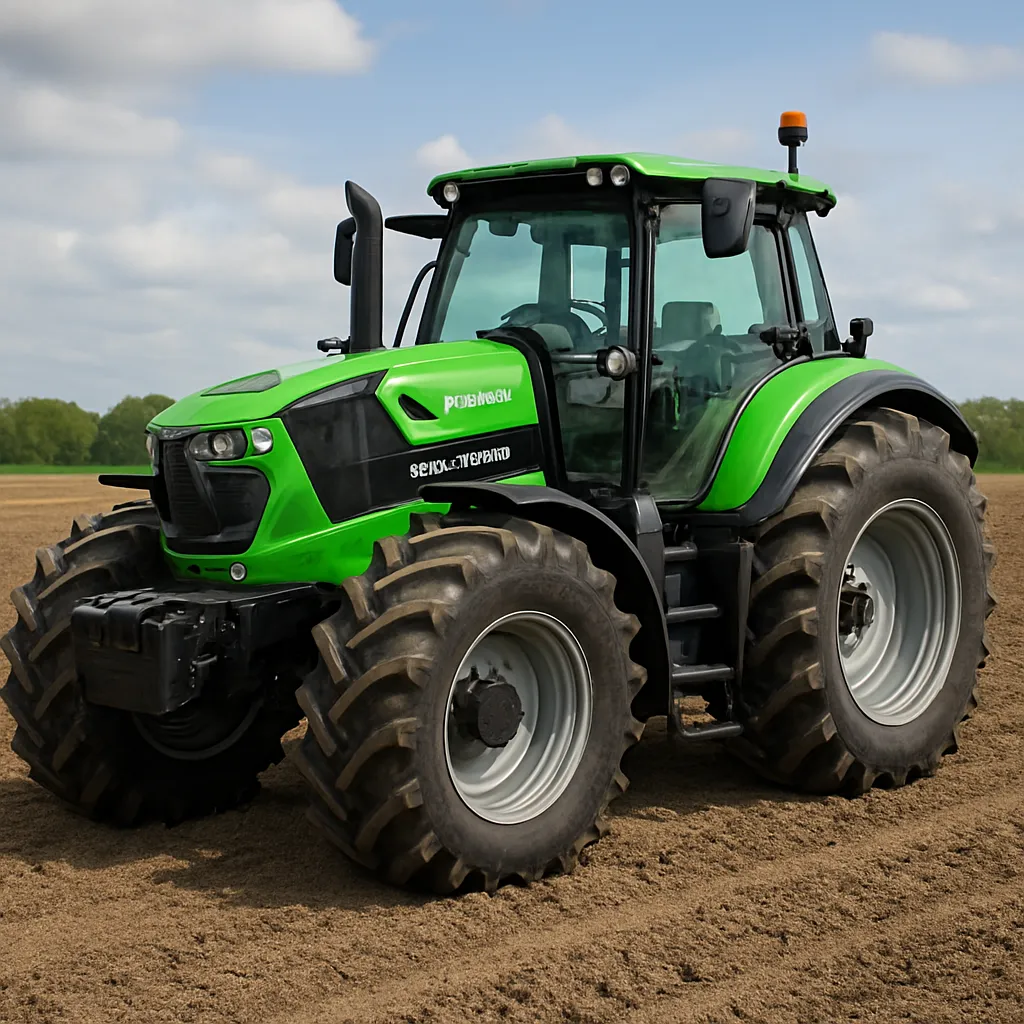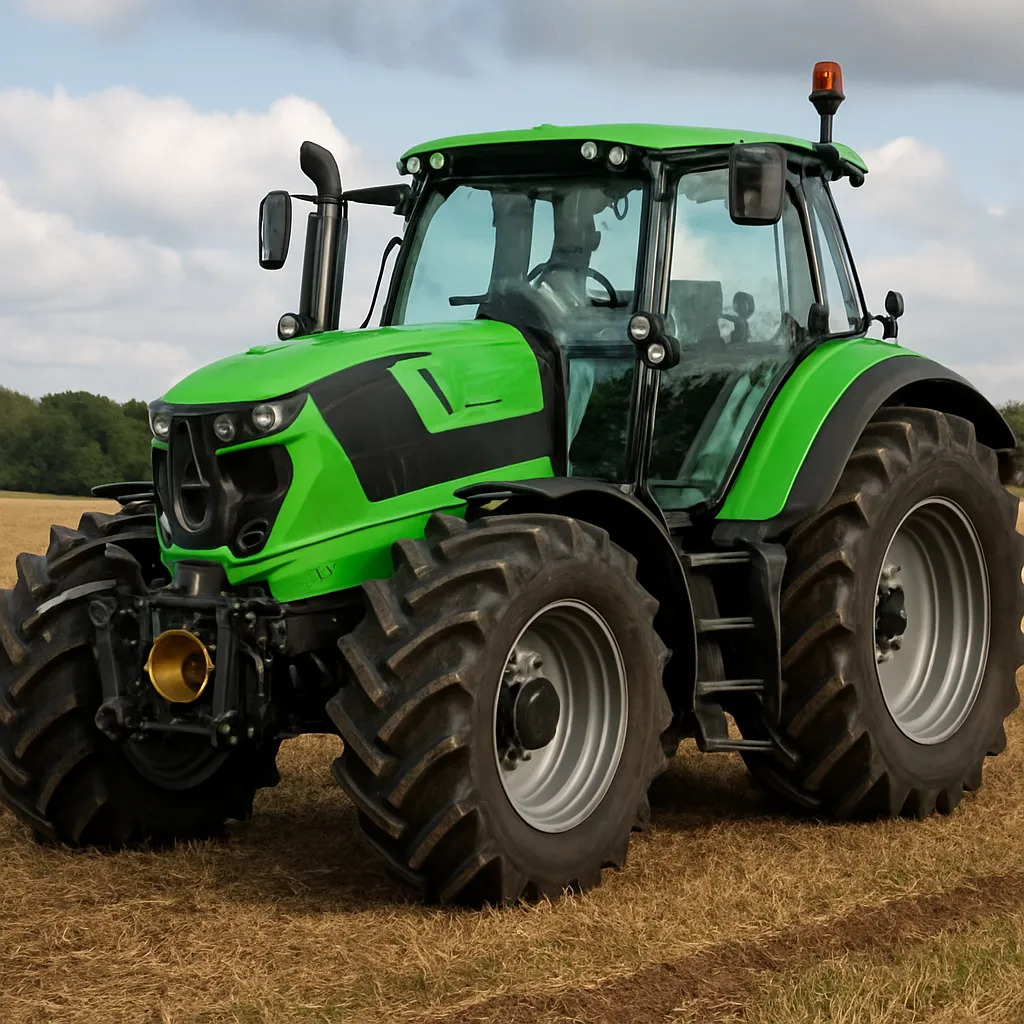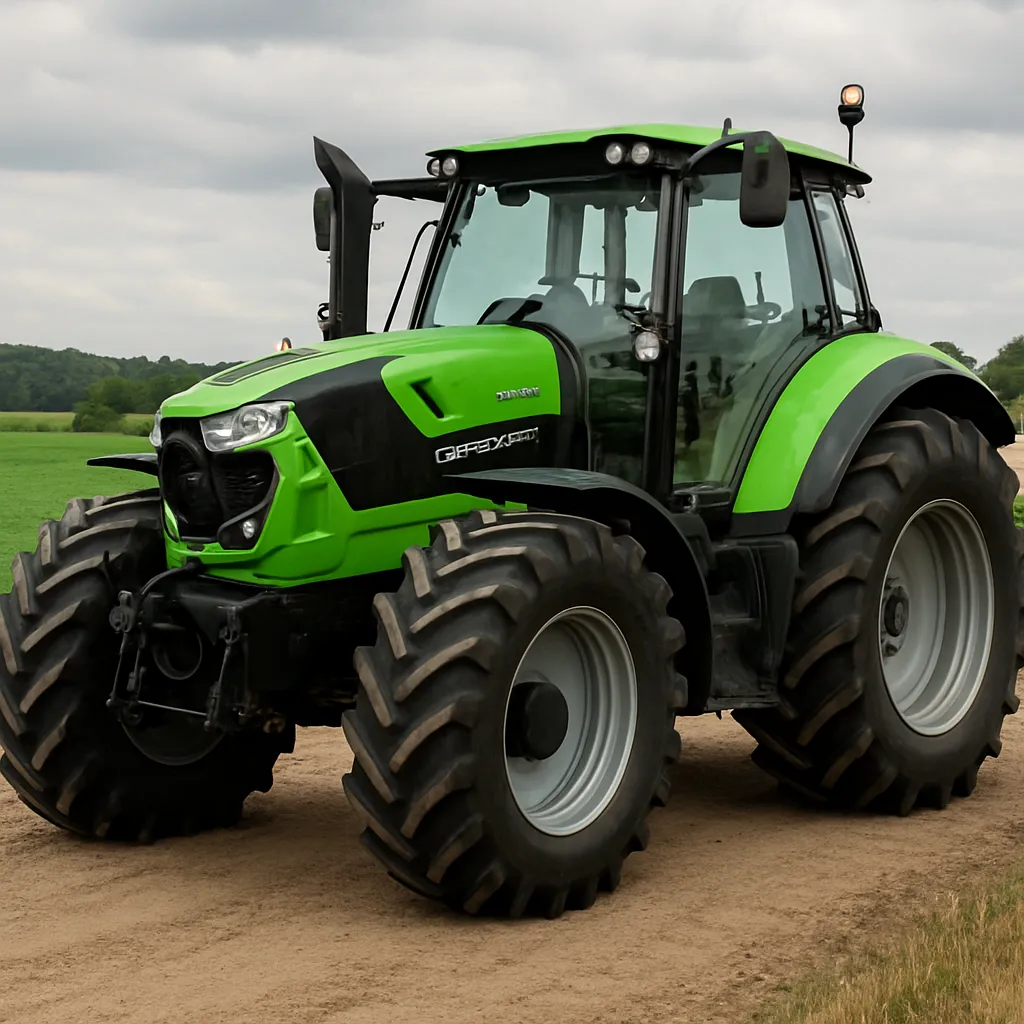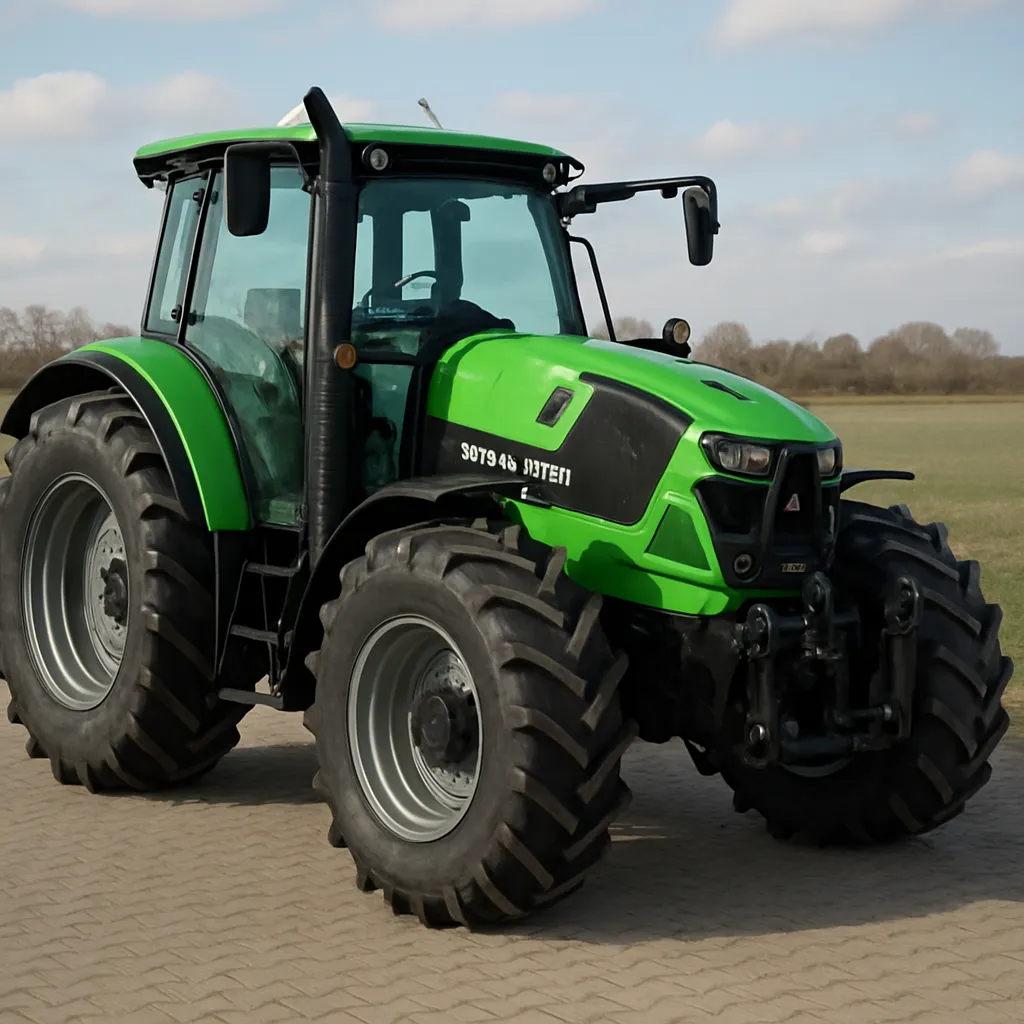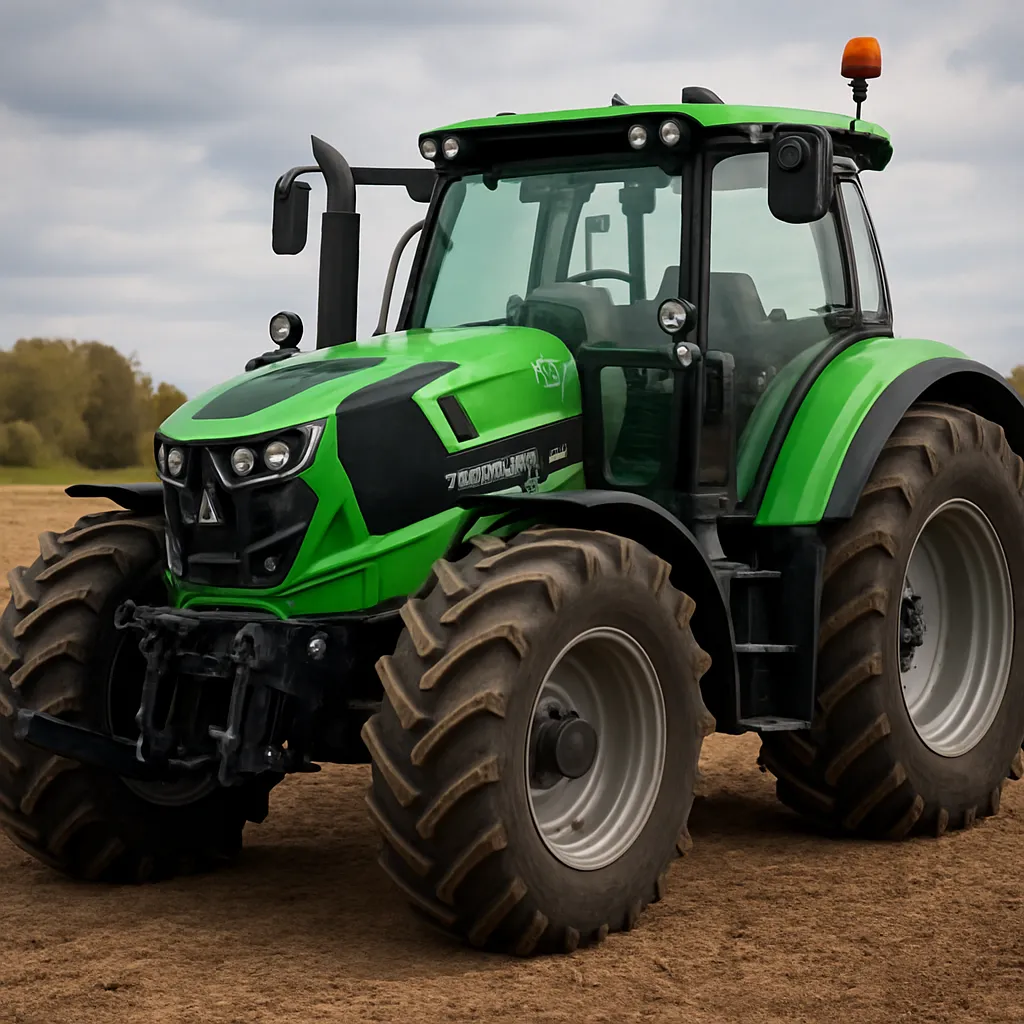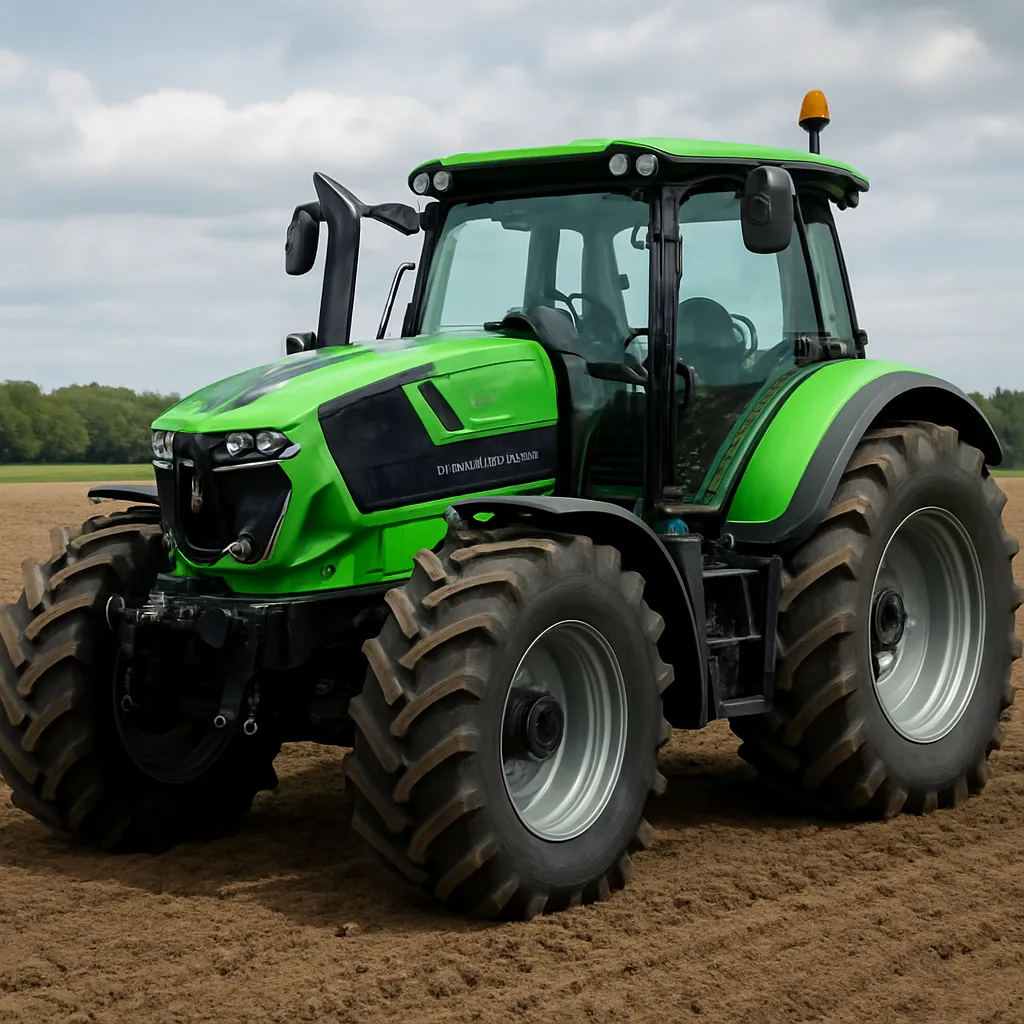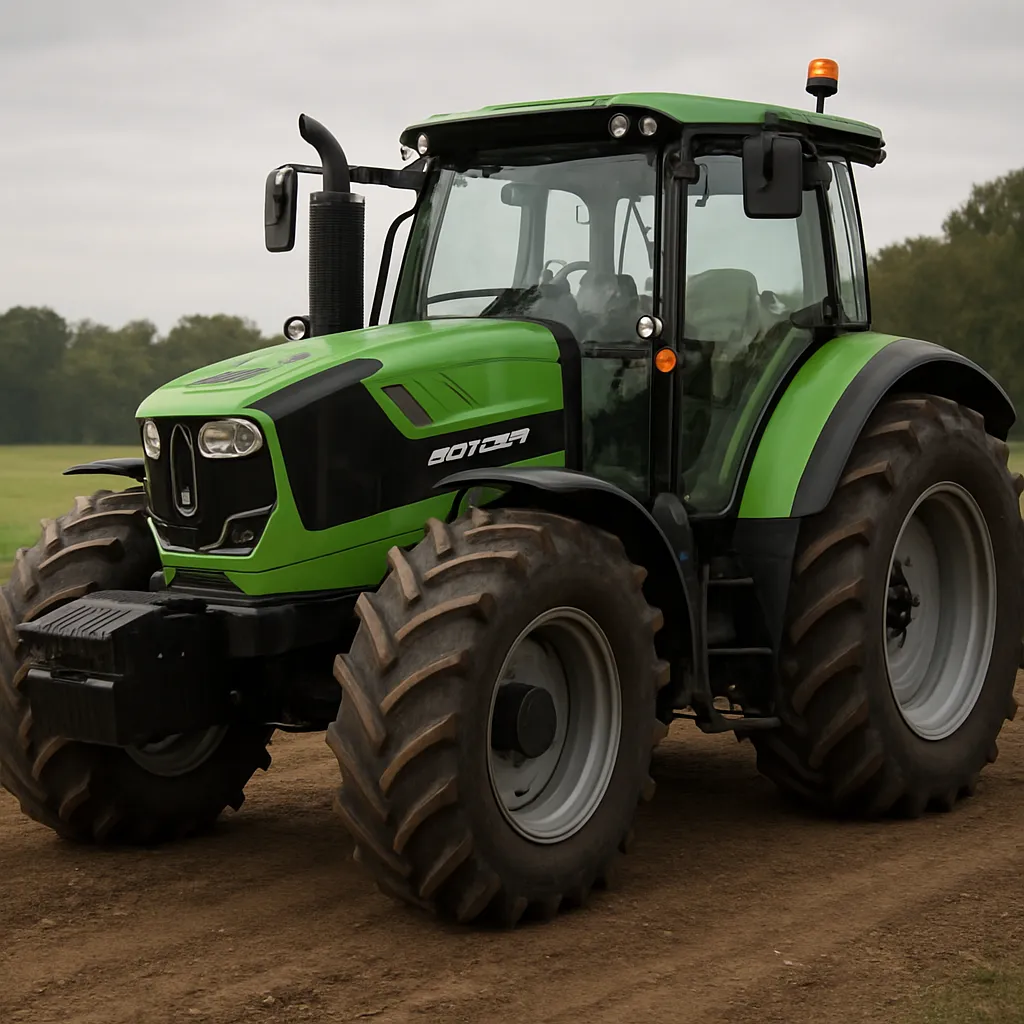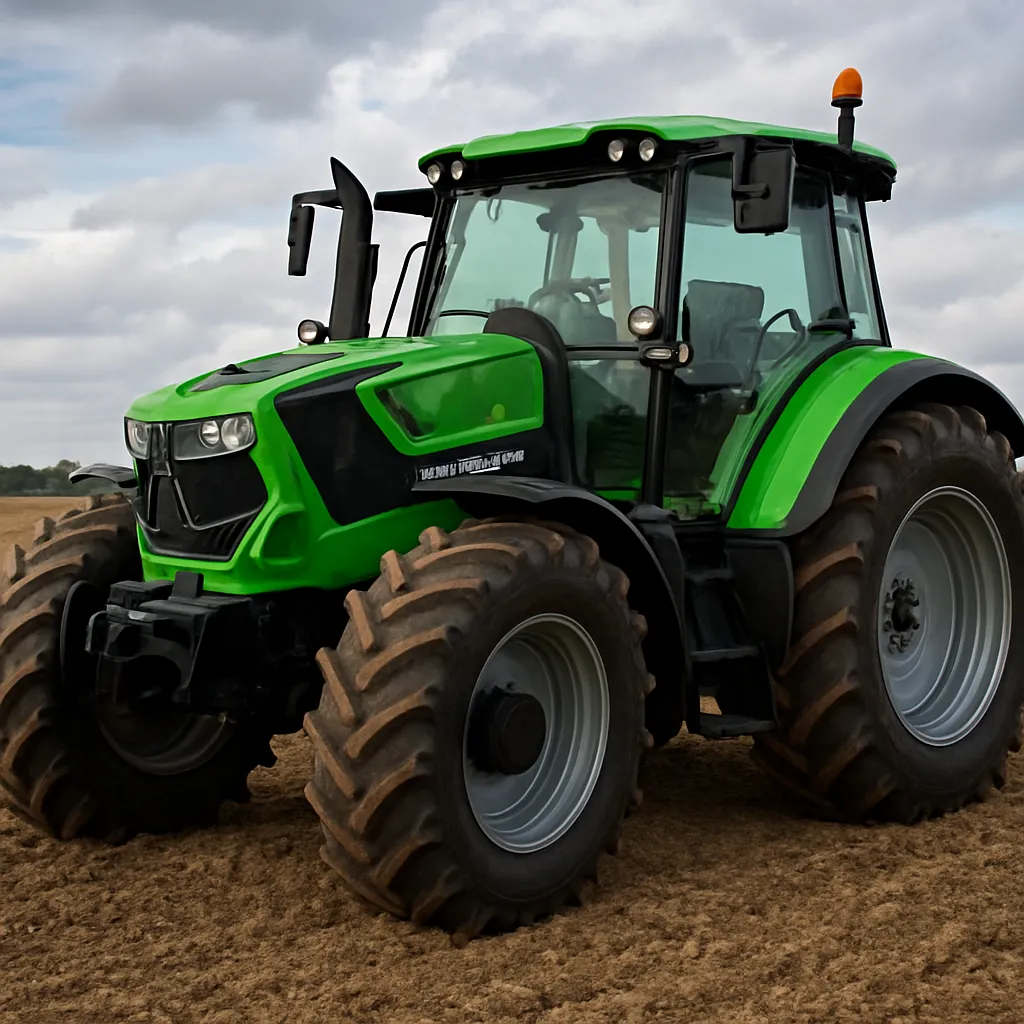
The Deutz-Fahr 6210 Agrotron is a versatile medium-duty agricultural tractor that has earned a reputation among farmers, contractors, and land managers for its blend of functionality, comfort, and durable engineering. Introduced as part of Deutz-Fahr’s Agrotron range, the 6210 is designed to handle a wide variety of tasks — from fieldwork and tillage to transport and loader operations — while offering ergonomics and control systems suited to long working days. This article examines its design, typical specifications, practical applications, maintenance and ownership considerations, and other interesting facts that help explain why the 6210 remains relevant on farms and smallholding operations.
Overview and historical context
Deutz-Fahr, a German brand under the SAME Deutz-Fahr (SDF) group, has long been known for producing tractors that emphasize engineering quality, efficient drivetrains, and operator comfort. The Agrotron family represents the company’s push toward combining modern cab ergonomics with robust mechanical systems. The 6210 sits within the mid-range segment of the Agrotron lineup and was aimed at operators needing a reliable machine for mixed tasks without stepping into the higher-horsepower, heavier-class tractors.
The Agrotron series introduced a shift in cabin design and control layout toward more operator-centered solutions. While the exact production years and equipment levels for the 6210 vary by market and model year, it commonly appeared in catalogs and dealer offerings in the 2000s and early 2010s. Because of factory options and regional variations, individual 6210 tractors may differ significantly in features such as transmission, hydraulic system, and emissions package. That versatility contributed to its popularity in Europe and other markets where medium-power tractors are in demand.
Design features and operator comfort
One of the standout elements of the Agrotron models, including the 6210, is the emphasis on the operator environment. Deutz-Fahr designed cabs to reduce fatigue over long hours through improved visibility, suspension seats, climate control, and logically arranged controls. The 6210 typically features a roomy cab with large glazed surfaces for good sightlines to the front loader and linkage area — an important consideration for tasks like loading, bale handling, and precision work near crops.
- Cab comfort: ergonomically placed controls, adjustable seating, and often effective air conditioning or ventilation packages to maintain operator comfort in varying climates.
- Visibility: large glass areas and sloping bonnet designs commonly found in Agrotron models to enhance forward and side visibility.
- Control ergonomics: joystick or lever options for loader and hydraulic control, and simplified dashboard layouts that prioritize frequently used functions.
- Sound insulation: manufacturing emphasis on reducing noise in the cab to increase operator concentration and comfort.
These human-factor improvements, combined with durable driveline components, made the 6210 suitable for both short-duration chores and long, uninterrupted field shifts.
Technical characteristics and typical specifications
Specifications for the Deutz-Fahr 6210 Agrotron vary by year and market; manufacturers often offered multiple equipment levels, emissions packages, and transmission choices. Below is a summary of commonly reported and typical values. These numbers are presented as approximate ranges to reflect production variability — for precise specifications consult the original owner’s manual or dealer documentation for a specific machine.
Typical technical ranges
- Engine: turbocharged diesel engines; models in this class often use engines tuned for durability and torque delivery rather than peak rpm power.
- Horsepower: typical engine power for the 6210 is in the medium range — often found around the low-to-mid 100s (hp) depending on rating method and year.
- Transmission: multiple options were commonly offered, including synchromesh gearboxes, semi-powershift, or power shift variants. The number of forward/reverse speeds depends on the transmission choice and can commonly range from a dozen to several dozen gears including creepers.
- PTO: standard PTO configurations (e.g., 540/1000 rpm) for implementing a wide range of implements including mowers, balers, and spreaders.
- Hydraulics: open-centre or load-sensing systems in higher trims; hydraulic flow and pump capacity vary with options but are suitable for loader and rear implement work.
- Three-point hitch and lift capacity: rear linkage lifting capacities typically in the ballpark for medium tractors — often several thousand kilograms — enabling operation of heavy rear-mounted implements.
- Fuel tank: sizes vary by specification and market but are sized to support full working days without frequent refueling.
Because the Deutz-Fahr 6210 was offered in different specification levels, buyers and current owners commonly find variations in engine tuning (economy vs. power focus), emissions control equipment (linked to regional regulations), and accessory packages such as front loaders, front axles with suspension or mechanical suspension for comfort, and advanced hydraulic options.
Common applications and use cases
The Deutz-Fahr 6210 Agrotron was designed as a general-purpose, mid-range agricultural machine and finds use across a wide spectrum of tasks. Its balance of power, maneuverability, and operator comfort make it suitable for diversified farms and contractors.
- Fieldwork: ploughing, harrowing, seeding, and cultivation. The 6210’s power band and torque delivery are suited to pulling medium-sized implements and achieving consistent field speeds.
- Hay and forage operations: mowing, raking, tedding, and baling — especially when equipped with appropriate PTO and hydraulic packages.
- Loader duties: bucket work, pallet handling, feedstuff loading, and moving material. The cab visibility and loader control options make it a practical loader tractor.
- Transport and haulage: light-to-medium trailer transport on the farm or between fields. With suitable gearing and braking systems, the 6210 can handle road transfers efficiently.
- Municipal and contractual work: snow clearing, mowing roadside verges, and other public works when fitted with front blades or specialized equipment.
- Orchard and specialty farming: in versions with narrower track settings or fitted with specific tyres, the 6210 can be adapted for fruit or vineyard applications, although dedicated narrow-row models remain preferable for intensive orchard work.
Its multipurpose nature makes the 6210 attractive to farms with mixed cropping systems, livestock operations requiring loader and bale handling, and small contractors who need one adaptable machine rather than one specialist tractor for each job.
Maintenance, reliability and operating costs
As with any agricultural machine, longevity and ownership cost are shaped by usage patterns, maintenance discipline, and environmental conditions. The Deutz-Fahr 6210 Agrotron benefits from a design philosophy aimed at robust components, but regular service is essential to maintain performance and value.
- Routine maintenance: oil and filter changes, fuel filters, cooling system checks, and hydraulic fluid servicing at manufacturer-recommended intervals prolong engine and hydraulic life.
- Common wear items: clutch packs (on non-CVT transmissions), brake components, hydraulic seals, and linkage bushings are typical service items, especially on machines used extensively in loader and back-and-forth field work.
- Parts availability: Deutz-Fahr’s presence in many agricultural markets ensures reasonable parts support in Europe and regions with SDF dealer networks. For older or region-specific models, some parts may require ordering through dealer networks or sourcing used components.
- Resale value: mid-range tractors with maintained service records and common options (like a loader) generally retain solid resale value; machines with documented regular maintenance and low hours command higher prices.
Operators who emphasize preventive maintenance, use quality consumables, and avoid overloading the tractor beyond its rated capacities will typically see good service life from the 6210. Fuel efficiency also depends on matching the tractor’s power band to the implement and operational conditions — running a tractor too light or too heavy relative to the task increases fuel consumption and wear.
Upgrades, customisation and attachments
Many owners personalise the 6210 to better match their operational needs. Popular upgrades and attachments include:
- Front loaders with dedicated hydraulic hookups and joystick controls, transforming the tractor into an effective material handling machine.
- Weights and ballast packages to optimise traction when pulling heavy implements.
- Auxiliary hydraulics and remote valves to operate complex implements such as bale wrappers, seed drills, or hydraulic top links.
- GPS guidance and precision agriculture kits for improved field efficiency and reduced overlap in spraying or seeding operations.
- Improved lighting kits for extended hours of operation during short-day seasons.
Because the 6210 is commonly used for many tasks, the aftermarket ecosystem and dealer-installed options make it straightforward to tailor the tractor to specific farm workflows.
Market positioning and comparative considerations
The Deutz-Fahr 6210 Agrotron sits in a competitive segment populated by tractors from other established manufacturers. In its class, buyers weigh several factors:
- Price vs. feature set: the 6210 often appeals to buyers seeking a balance between cost and modern cab conveniences.
- Dealer support: SDF’s network strength in a region influences ease of service and parts — an important factor for buyers in remote areas.
- Versatility: for farms that require one tractor to perform multiple roles, the 6210’s adaptable nature is advantageous.
- Technology: later models and higher trims may include features like electronic hitch control or more advanced transmissions; buyers should compare the specific trim level to competing models for features that matter most to them.
When comparing to rivals, consider total cost of ownership — fuel consumption, maintenance intervals, and expected lifespan — as well as resale forecasts and the dealer support network available locally.
Environmental considerations and emissions
Tractor emissions regulations evolved substantially through the 2000s and 2010s. Depending on the model year and region, a Deutz-Fahr 6210 may meet different standards. Typical approaches to emissions control in tractors include improved engine management, exhaust gas recirculation (EGR), turbocharging with intercooling, and after-treatment systems on later models.
Owners concerned with emissions and fuel efficiency should verify the regulatory compliance of a specific tractor, particularly if it will be used in jurisdictions with strict emissions standards or if they are considering retrofits or engine replacements. Efficient match between task and engine load also reduces unnecessary emissions in daily operations.
Statistical snapshots and practical figures (approximate)
While precise manufacturer specifications depend on year and optional equipment, here are a few practical figures and ranges that reflect the 6210’s class and typical configuration. These are indicative only:
- Typical rated power: mid 90s to low 120s horsepower (depending on rating standard and year).
- Rear linkage lift capacity: often in the range of roughly 2,500–4,000 kg, depending on hitch and hydraulic options.
- Transmission options: common configurations offering anywhere from 12 to over 24 forward speeds when accounting for creeper and splitter options.
- PTO options: standard 540 rpm, often with 540/1000 rpm availability for flexible implement compatibility.
- Hydraulic flow capacity: variable by pump and option, with common working flows sufficient for loader operations and multiple remote valves.
For buyers or users seeking exact numbers (engine displacement, exact horsepower rating, precise lift capacity for a particular serial number), the model plate and manufacturer documentation for the specific tractor are the definitive sources. Because the Agrotron 6210 was configured in different ways over its production life, two tractors with the same model name may have different numerical specifications.
Buying tips and inspection checklist
For prospective buyers of a used Deutz-Fahr 6210 Agrotron, a thorough inspection and consideration of history can help avoid costly surprises. Suggested checklist items include:
- Review service records for oil changes, major repairs, and hydraulic maintenance.
- Inspect the engine for leaks, smoke pattern on startup, and compression/starting performance.
- Check transmission shifting under load and test all observed gears and shuttle functions.
- Confirm the operation of the PTO at both 540 and 1000 rpm (if equipped), and inspect PTO shaft condition.
- Test hydraulics for leaks, lifting performance, and steady pressure under load.
- Inspect tyres and rims for wear, damage, and remaining tread; check wheel bearings and brakes.
- Examine the cab for structural integrity, seat condition, functionality of controls, heating, and air conditioning.
- Ask about any recent upgrades or replacements (e.g., turbo, injectors, clutch, hydraulic pump).
Having a trusted mechanic perform a pre-purchase inspection can be a worthwhile investment to gauge the tractor’s true condition and estimate short-term maintenance needs.
Conclusion and practical perspective
The Deutz-Fahr 6210 Agrotron is a solid choice for mixed farms, contractors, and operators who value a middle ground between compact tractors and larger high-horsepower machines. Its blend of operator comfort, adaptable mechanical systems, and proven brand support make it suitable for a wide array of tasks — from fieldwork and harvesting support to loader chores and transport. Because specific features and numerical specifications can vary by production run and optional equipment, potential buyers should verify the exact configuration for any unit they consider. With proper maintenance, the 6210 can provide many years of reliable service and remains a pragmatic option for those needing dependable, versatile power on the farm.