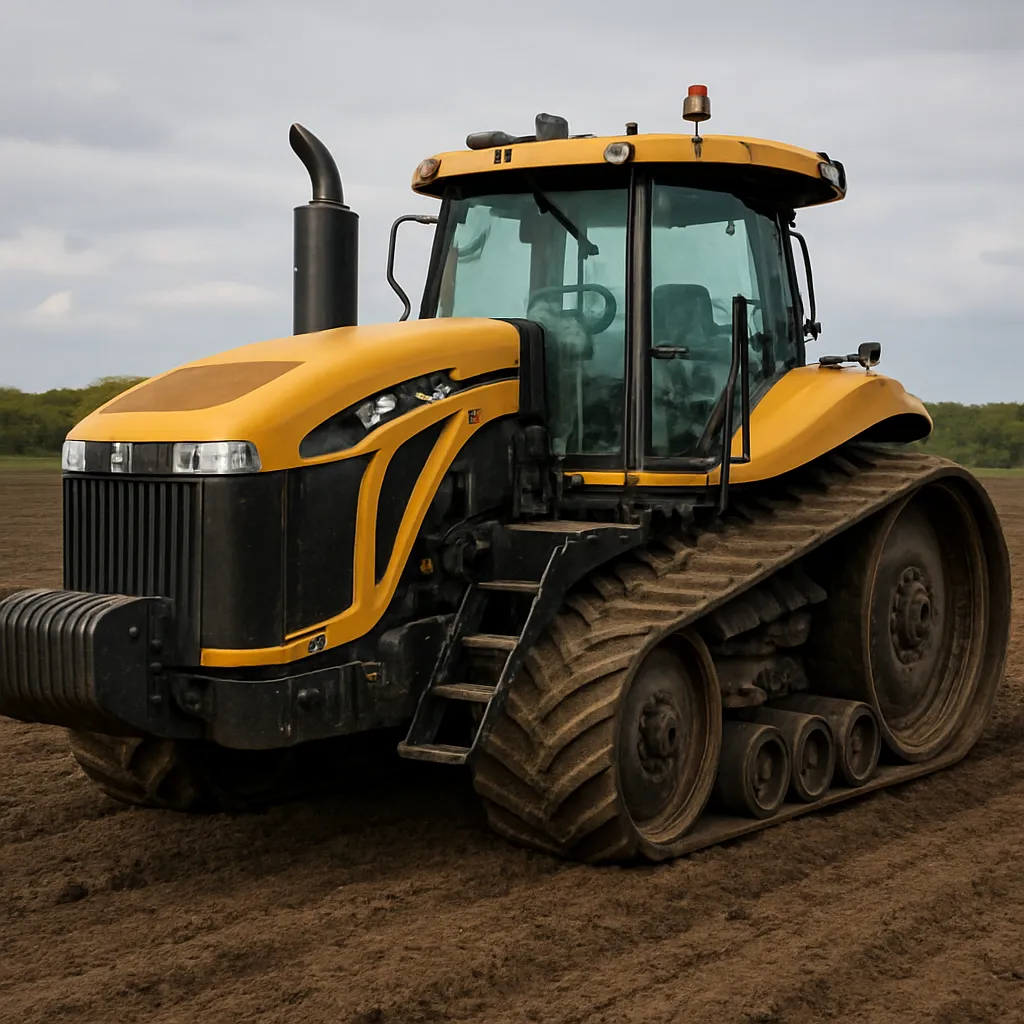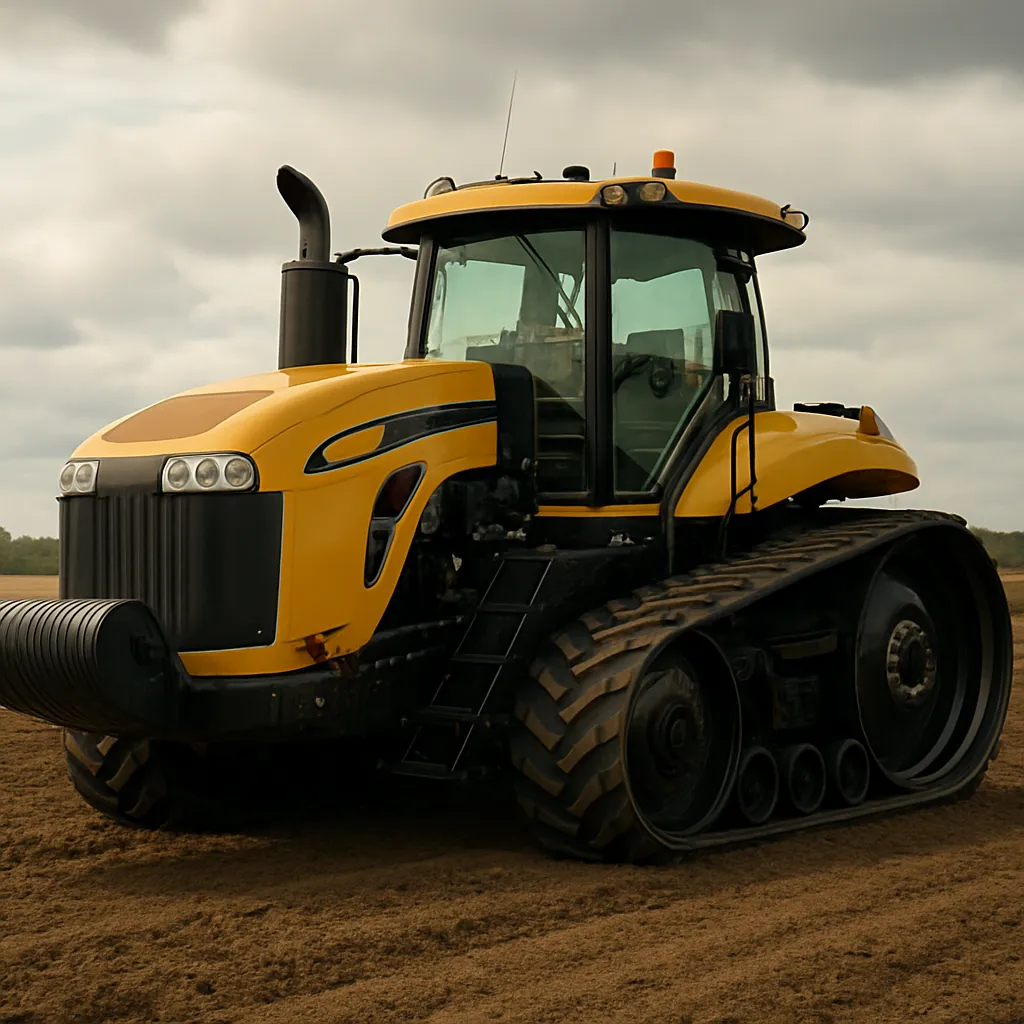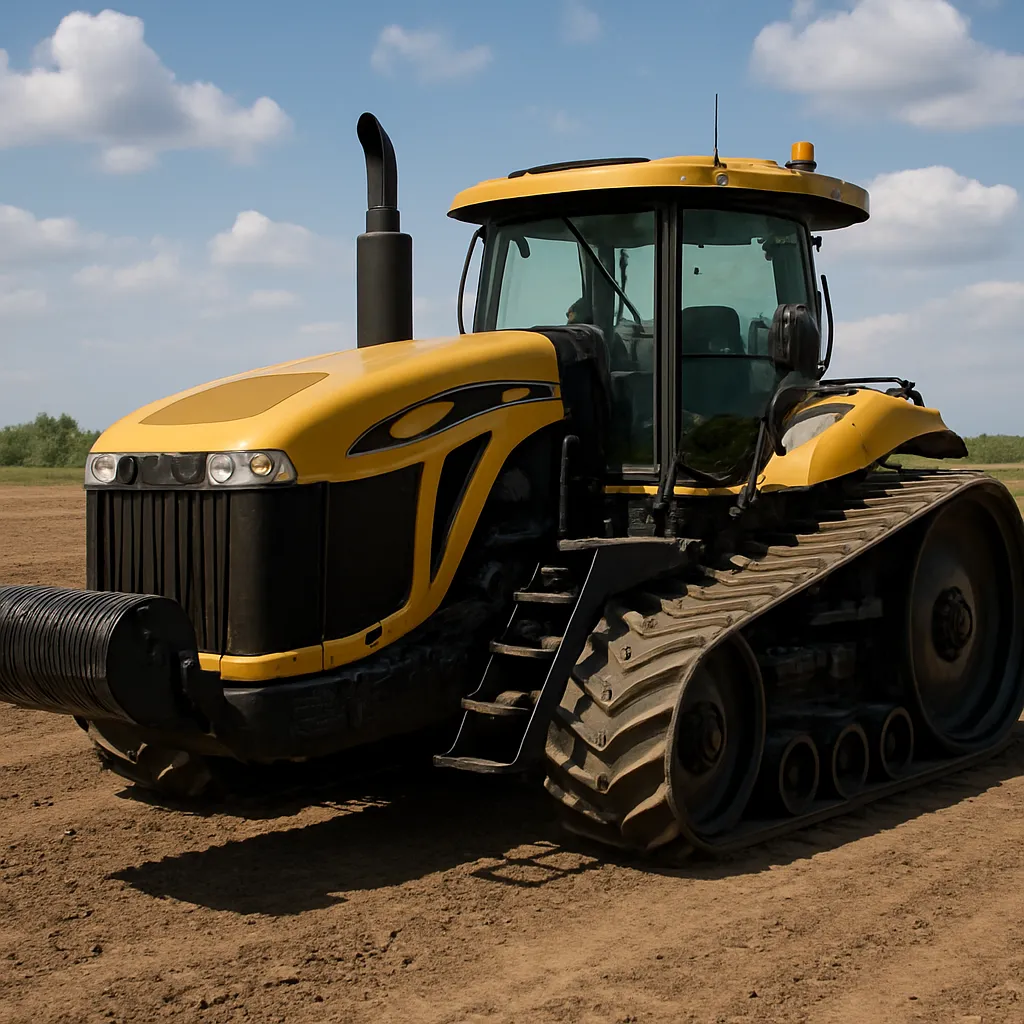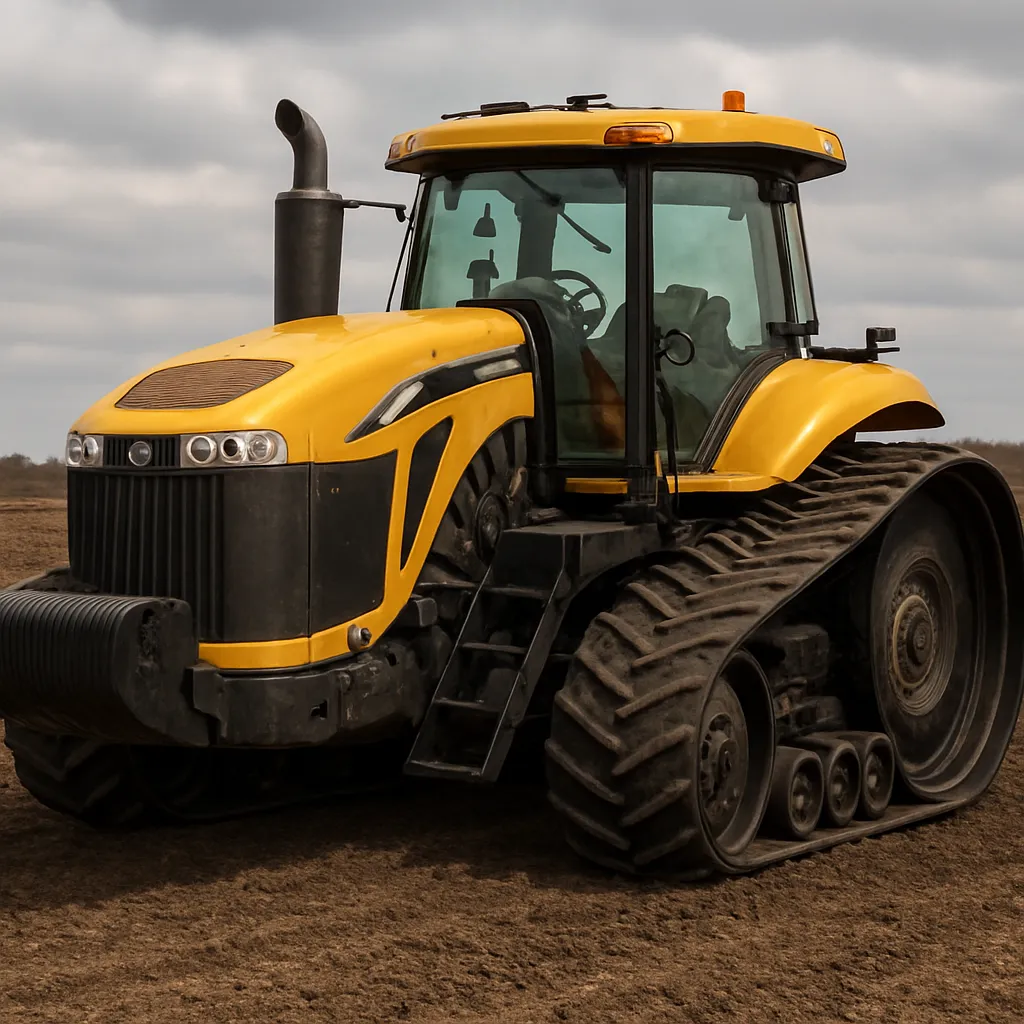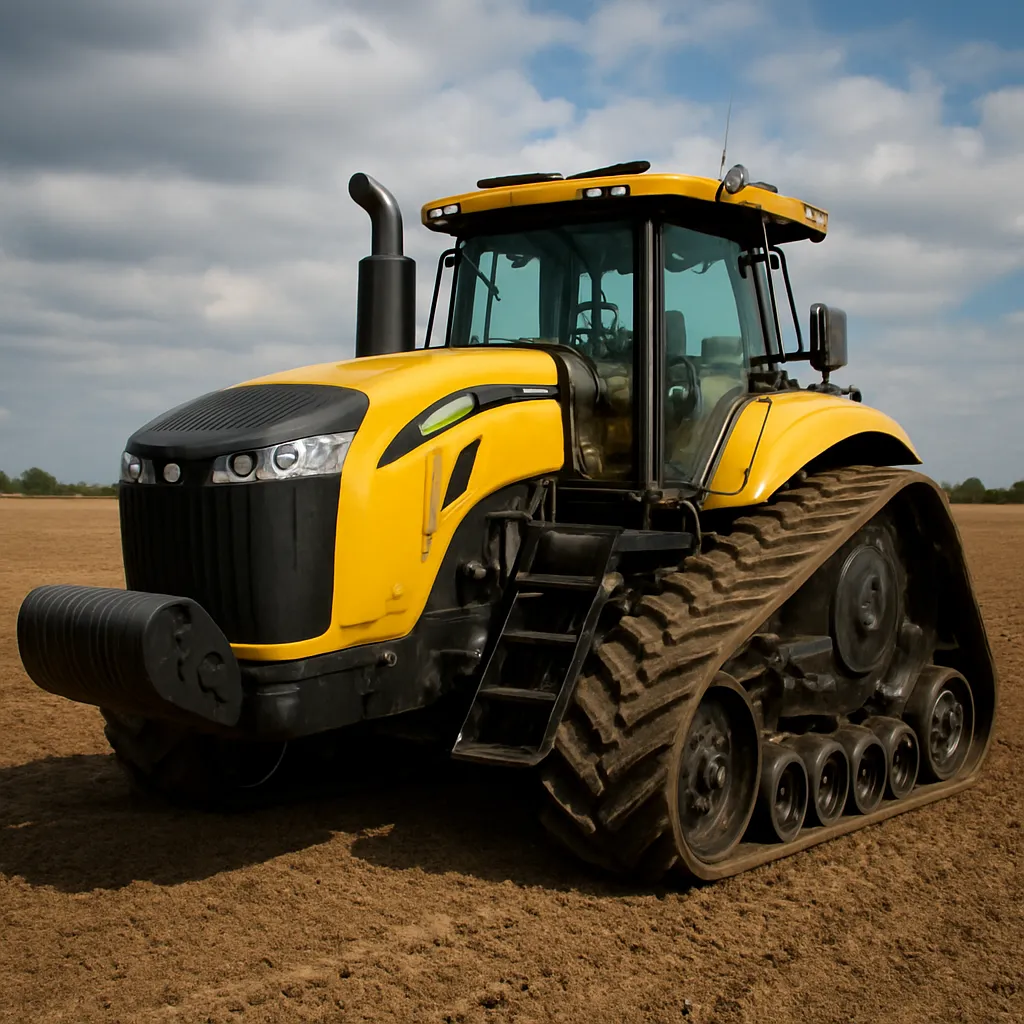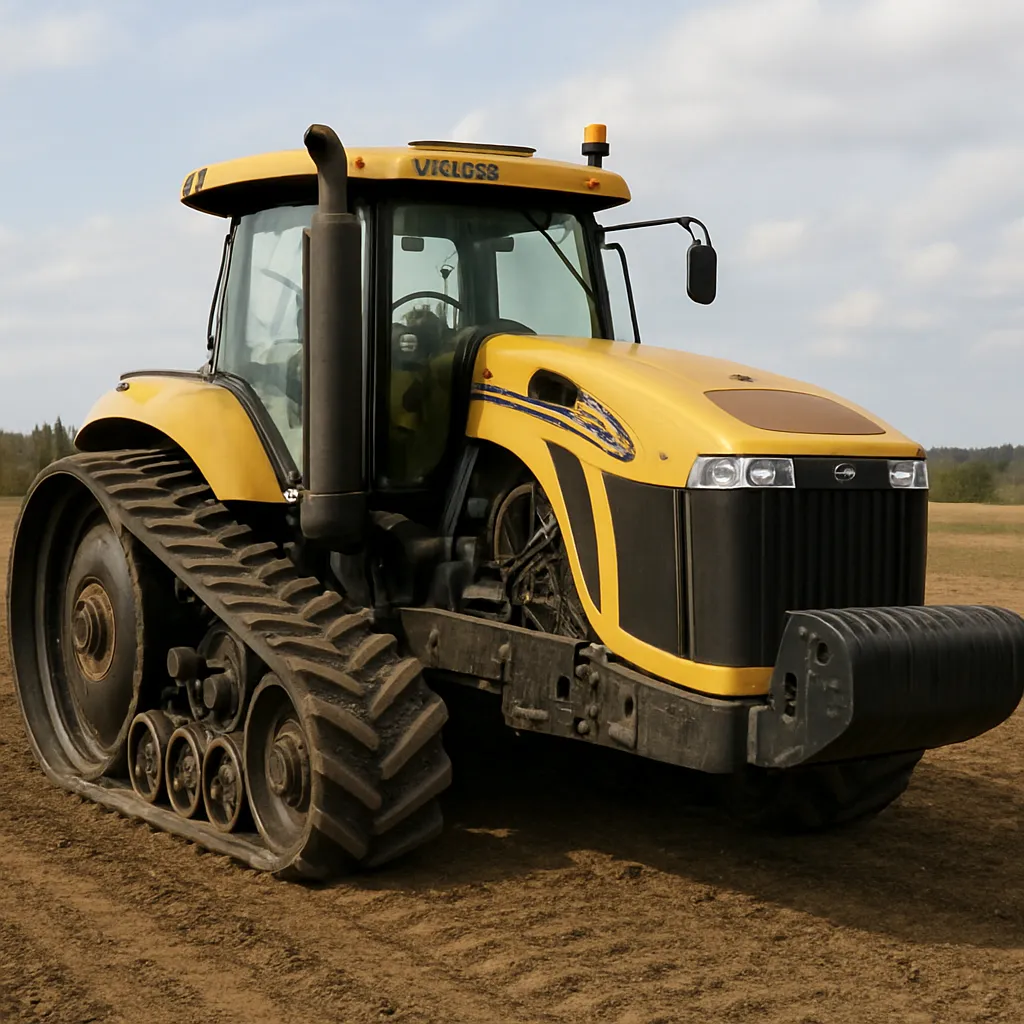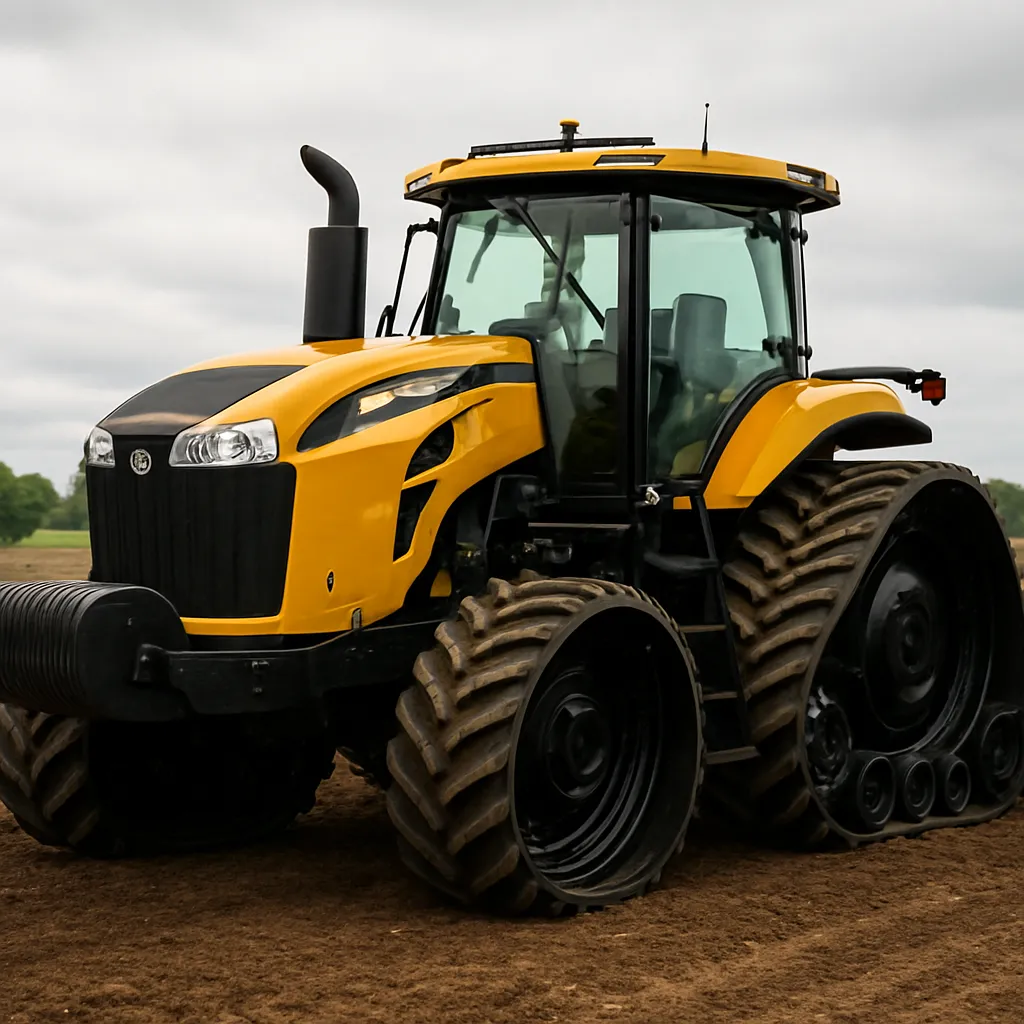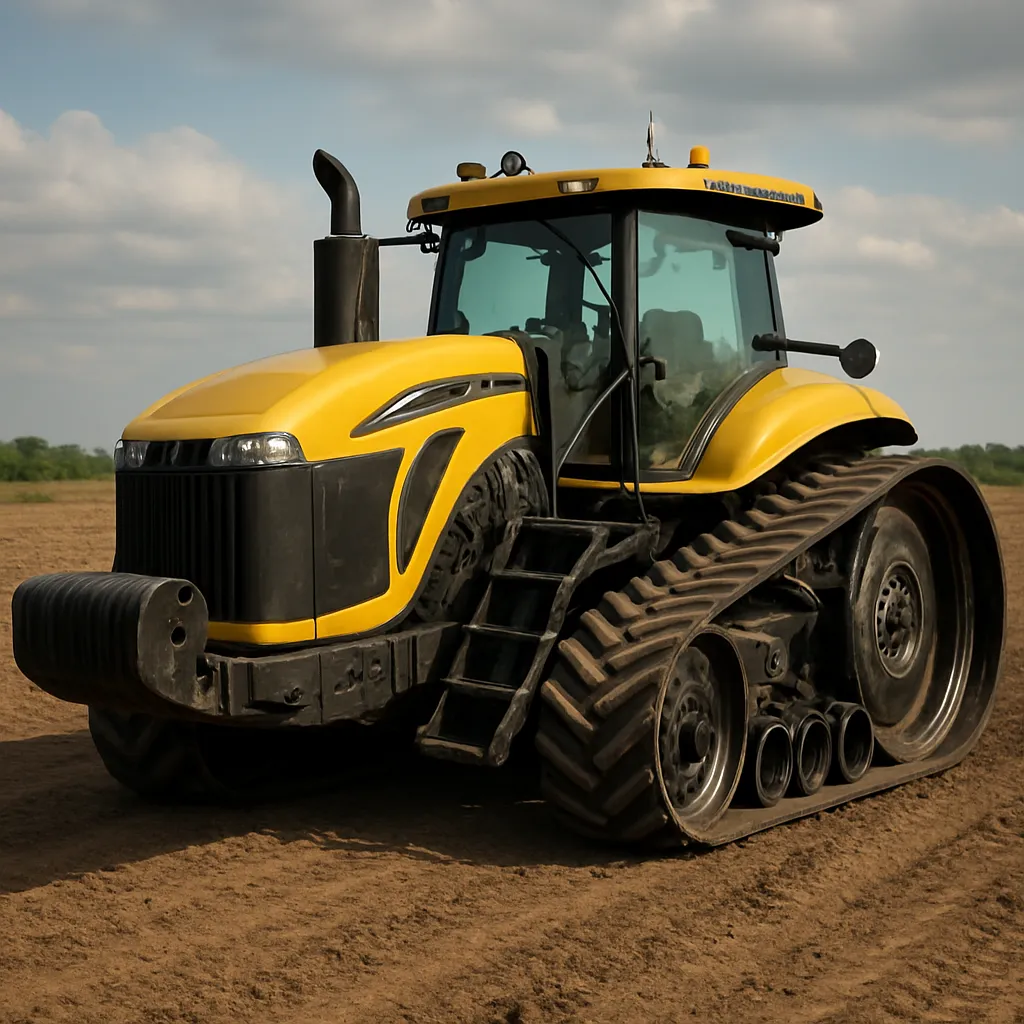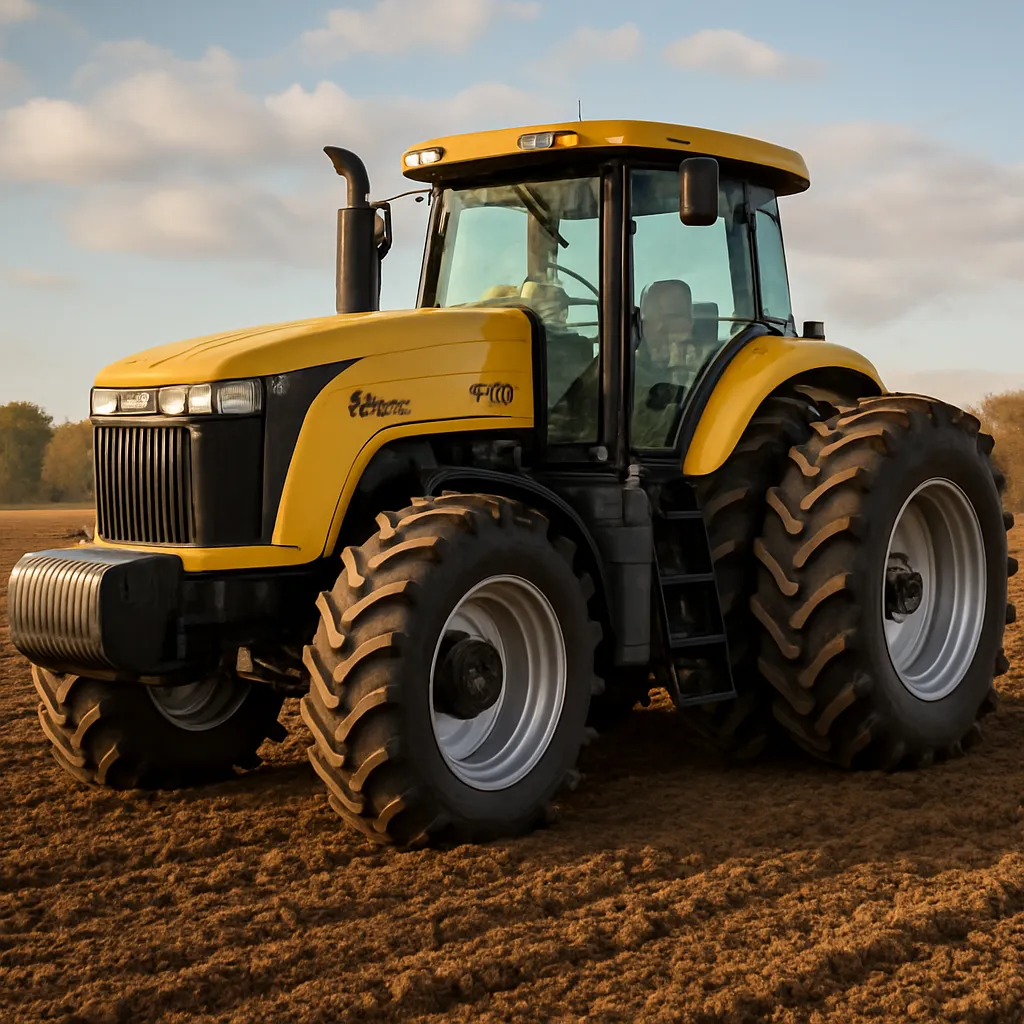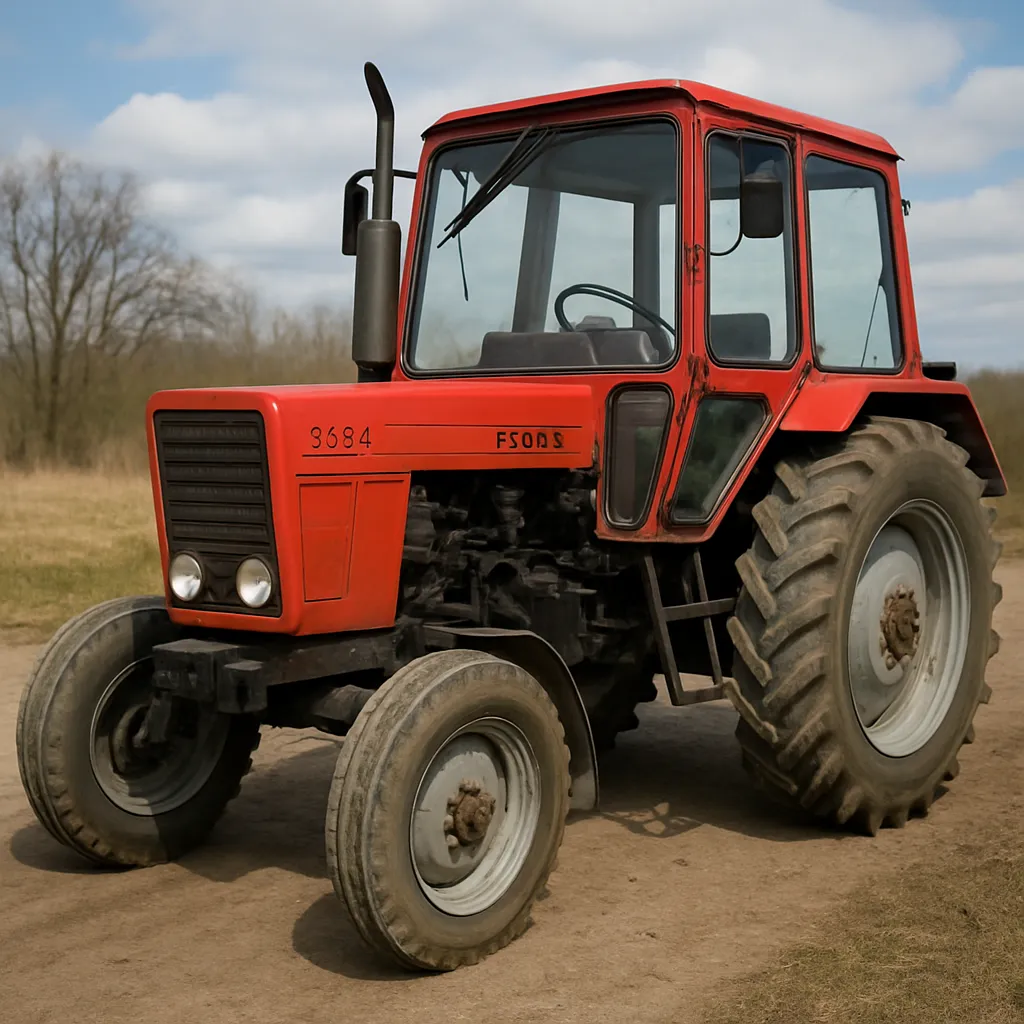
The Belarus 2105 is a representative of the long-standing lineage of utility tractors produced under the Belarus brand by Minsk Tractor Works (MTZ). Designed to meet the needs of small to medium-sized farms, municipal services and light industrial tasks, the model combines simple mechanical solutions with robust construction. In the following sections we will explore the design, typical technical characteristics, practical applications, maintenance considerations, market presence and a set of interesting facts that illustrate why the Belarus 2105 remains a popular choice in many regions.
Design and technical characteristics
The Belarus 2105 follows the conservative engineering approach typical of MTZ: straightforward mechanical systems, easy access for maintenance, and components designed for heavy use in diverse environmental conditions. Although exact specifications can vary by production year and market variant, the class characteristics of the 2105 place it among mid-size utility tractors.
Engine and performance
- The tractor is commonly fitted with a diesel engine built for longevity and repairability. Many users report engines that are turbocharged in some variants and naturally aspirated in others.
- Typical power output for the model series is in the range of approximately 80 to 110 mechanical horsepower (hp), depending on configuration and tuning. This range allows a balance between fuel efficiency and usable tractive effort for implements.
- Engines emphasize simple systems (mechanical fuel injection in earlier models, electronic assistance in later variants) to aid field repairs and diagnostics.
Transmission and drive
- The Belarus 2105 normally features a synchronized multi-speed gearbox with both forward and reverse speeds suitable for field work, road transit and loader operations.
- Transmission options often include a choice between basic synchronized gearboxes and more advanced powershift or partial powershift layouts in later or upgraded versions. This provides the operator with flexibility in matching ground speed to implements.
- Four-wheel drive configurations are common, increasing traction in demanding tasks such as ploughing, hauling and sledging.
Hydraulics, PTO and three-point hitch
- Hydraulic systems on the 2105 are built to work with a range of implements—ploughs, seed drills, mowers, and loaders. Typical hydraulic flow rates are engineered for reliability rather than high-flow specialty applications.
- The tractor usually includes a rear PTO (power take-off) with standard rotational speeds (540 rpm as the baseline, with optional 540/1000 rpm combinations in some variants), enabling operation of rotary implements.
- Three-point hitch categories and lifting capacity allow mid-range implements to be used effectively; lift capacities might typically fall in the medium class appropriate for implements weighing up to a few tonnes.
Chassis, weight and dimensions
- Construction emphasizes a durable frame and reinforced axles to withstand field stresses and towing loads.
- Wheelbase and overall dimensions are optimized for maneuverability in medium-sized fields while maintaining stability with mounted or trailed implements.
- Operating weight varies by equipment and options; ballast and tire choices affect traction and soil compaction characteristics.
Applications and operational roles
One of the defining strengths of the Belarus 2105 is its adaptability. The tractor is used widely across different sectors where dependable, uncomplicated machinery is preferred. Below are the main practical uses:
Agricultural tasks
- Tillage and primary cultivation: the 2105 is suitable for light to medium ploughing, harrowing and cultivation when paired with appropriate implements.
- Seeding and planting: with a compatible seed drill and proper PTO/three-point hitch setup, it supports planting operations on small to mid-sized farms.
- Crop care: spraying, fertiliser application and mechanical weeding are usual assignments, where consistent hydraulic response and PTO reliability matter.
- Harvest support: towing trailers, powering small harvest machinery, and operating mowers and balers within the tractor’s power class.
Municipal and commercial tasks
- Road maintenance and winter services: mounted ploughs, sweepers and salt spreaders can be attached for road clearing and municipal upkeep.
- Landscaping and grounds maintenance: the tractor works well with mowers, flail mulchers and front loaders for parks and estates.
- Light construction and material handling: paired with a front loader or trailer it serves in transporting materials, grading, and site clearance.
Forestry and rural enterprises
- Small-scale forestry: hauling logs, operating winches, and pulling specialized forestry implements.
- Energy crops and biomass handling: transporting bales and biomass to storage or processing points.
Attachments, accessories and versatility
The Belarus 2105 is popular in part because it supports a wide array of implements and accessories, increasing its utility beyond a single seasonal use. The following attachment types are commonly used with the model:
- Front loaders and buckets for lifting, loading and material handling tasks.
- Rear-mounted ploughs, cultivators and seeders for full-season arable work.
- Mowers, mulchers, and flail heads for grassland and roadside management.
- Trailers, manure spreaders and slurry tanks for livestock farm support.
- Snowploughs, sweepers and gritters for municipal winter services.
- Specialty implements such as bale handlers, pallet forks and post drivers for niche tasks.
Compatibility with standard hitch categories and PTO speeds means that many off-the-shelf implements can be used with minimal adaptation, which increases the machine’s practical value on farms and in service fleets.
Maintenance, durability and operational costs
Owners and operators of the Belarus 2105 often emphasize the machine’s straightforward serviceability. Simplicity of design plus widespread parts availability in regions where Belarus tractors are common make maintenance predictable and, generally, economical.
Routine maintenance
- Regular checks include engine oil and filter changes, fuel filter replacement, air filter cleaning, and monitoring cooling systems. These are essential for long-term engine health.
- Hydraulic oil and filter maintenance sustain hitch and implement responsiveness; seals and hoses should be inspected periodically to prevent leaks.
- Tire condition, differential and gearbox oil levels, and brake adjustments are standard procedures to ensure safe operation.
Common issues and troubleshooting
- Older machines may show wear in the transmission or clutch components; adjustment and replacement are more economical than full-system overhauls.
- Electrical systems in earlier models are basic; modern retrofits or upgrades can improve reliability and diagnostics for those needing more advanced features.
- Hydraulic leaks and worn seals are ordinary wear points; keeping spare seals and hoses on hand reduces downtime during peak seasons.
Longevity and resale
With proper care, tractors like the Belarus 2105 often remain productive for well over a decade. In markets with high demand for affordable, repairable machinery, resale values remain reasonable if maintenance records are intact and major systems are sound. The model’s reputation for durability and straightforward mechanics contributes to its extended service life.
Market presence, production and distribution
The Belarus brand, produced by Minsk Tractor Works, has long been exported to many countries across Eastern Europe, Central Asia, Africa, Latin America and parts of Asia. The Belarus 2105, being part of this wider product family, benefits from established distribution channels and spare parts networks in many of these markets.
Export markets and typical users
- Small and medium-sized farms seeking cost-effective solutions.
- Contractors and municipal services valuing a balance of power and simplicity.
- Regions where serviceability and local parts supply are more important than premium comfort features.
Production notes
Exact production numbers for specific Belarus models fluctuate by year and depend on market demand, local assembly agreements and export contracts. While the MTZ factory and licensed assembly partners have manufactured thousands of units across the Belarus line, specific serial figures for the 2105 may vary and are best sourced from official factory production records or national distributors for precise accounting.
Safety, ergonomics and operator environment
Operator safety and comfort on the Belarus 2105 are utilitarian rather than luxury-focused. The cab (where fitted) typically provides basic protection from the elements and a straightforward control layout that is easy to learn.
- Basic cab options may include heating, a simple seat suspension and visibility-optimized windows; more advanced ROPS-equipped cabs are available depending on configuration.
- Controls are mechanical and tactile, allowing experienced operators to perform repetitive tasks with minimal training.
- Safety systems emphasize proven mechanical braking and steering designs; additional modern safety features (electronic stability aids, advanced monitoring) are generally not part of the base specification for this class.
Environmental and fuel considerations
Diesel engines in this tractor class are engineered for reliability and fuel efficiency in typical agricultural cycles. Emission standards applicable to the model depend on the market and production year. In many regions, later variants or retrofitted engines are available to meet stricter emission regulations.
- Fuel economy will vary by task, load and operating conditions; mid-size utility tractors are generally optimized for a compromise between power and fuel use.
- Upgrades such as improved injection systems, turbochargers and basic electronic controls on later variants can yield better fuel efficiency and lower emissions compared to earlier purely mechanical units.
Interesting facts and practical tips
- The Belarus line, including the 2105, is often chosen where robustness and ease of repair outweigh high-end electronics and luxury features—this makes it a go-to choice in remote or resource-limited environments.
- Many operators keep a modest inventory of commonly used consumables (filters, belts, hoses) to reduce downtime during peak seasons.
- Customization and aftermarket accessories are common; local workshops frequently adapt the tractor to specific crops or tasks with bespoke brackets, hydraulic circuits or quick-attach solutions.
- Because of its predictable mechanical layout, the 2105 is often used in vocational training programs in agricultural colleges where students learn basic diesel mechanics and tractor operation.
Purchasing considerations and total cost of ownership
Buying a Belarus 2105—new or used—should be evaluated in terms of acquisition price, availability of spare parts, local service expertise and the size and type of tasks you intend to perform. Consider the following:
- Evaluate which variant best fits your horsepower needs and hydraulic capabilities; overspecifying increases costs, underspecifying can limit productivity.
- Check the availability of local support and genuine spare parts; widespread presence of Belarus tractors often means parts are easier to source in many regions.
- Assess fuel economy in field conditions similar to your own, not only in manufacturer or dealer demonstrations.
- Think about resale markets and how well-maintained units of this class retain value in your region.
Conclusion
The Belarus 2105 is a practical, no-nonsense tractor that suits a wide range of duties in agriculture, municipal work and light industry. Its strengths lie in reliability, ease of maintenance and the ability to operate a broad set of attachments. While it may lack the advanced electronics and comfort features of premium brands, the 2105’s focus on robust mechanics and proven systems makes it a valuable tool for users who prioritize uptime and straightforward serviceability. For operators seeking a mid-range tractor with dependable field performance, the Belarus 2105 remains a compelling choice.