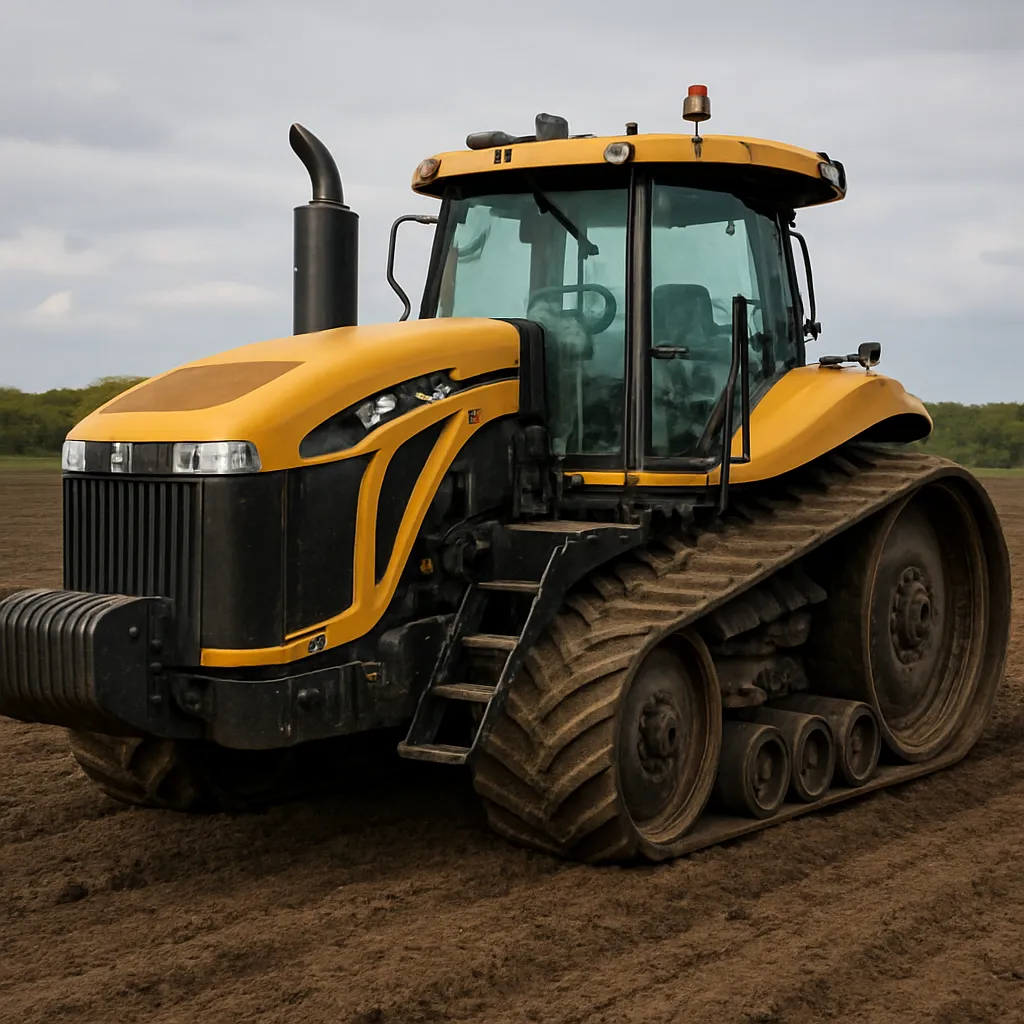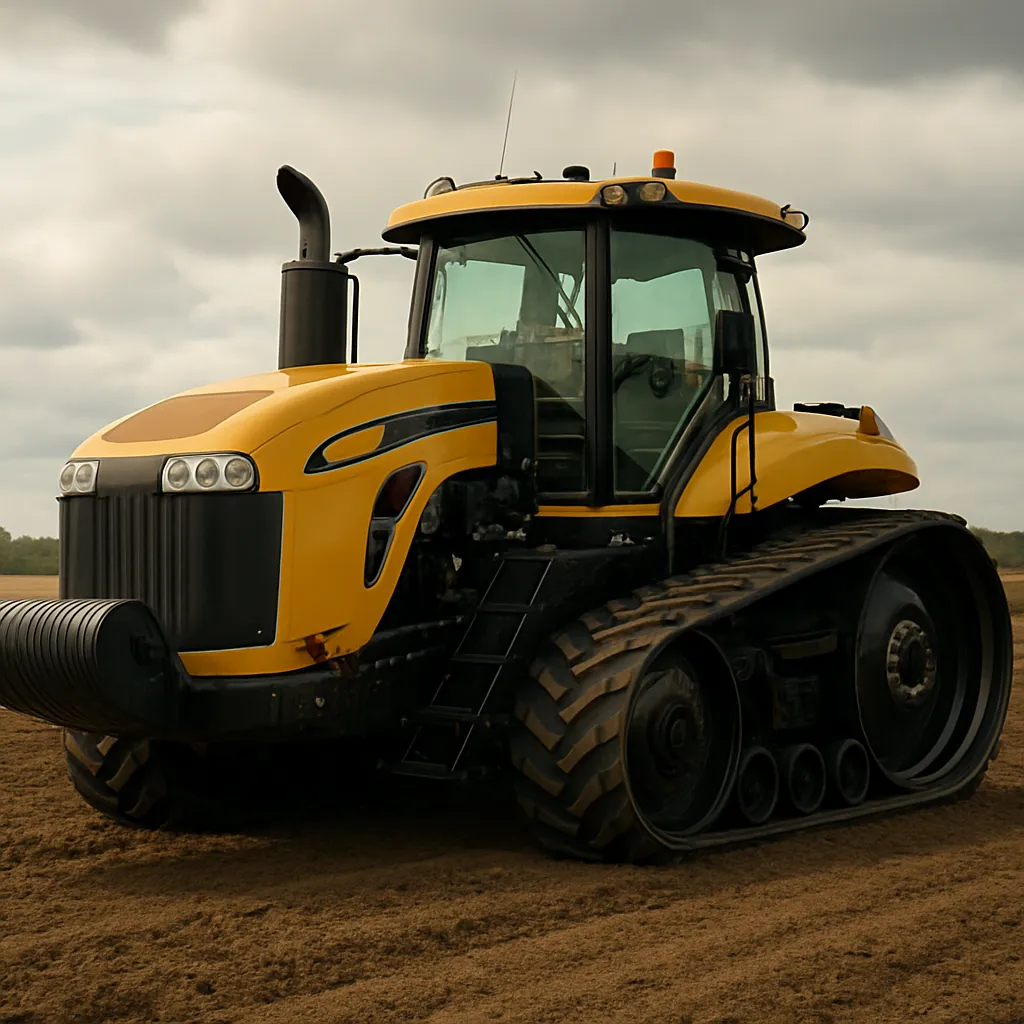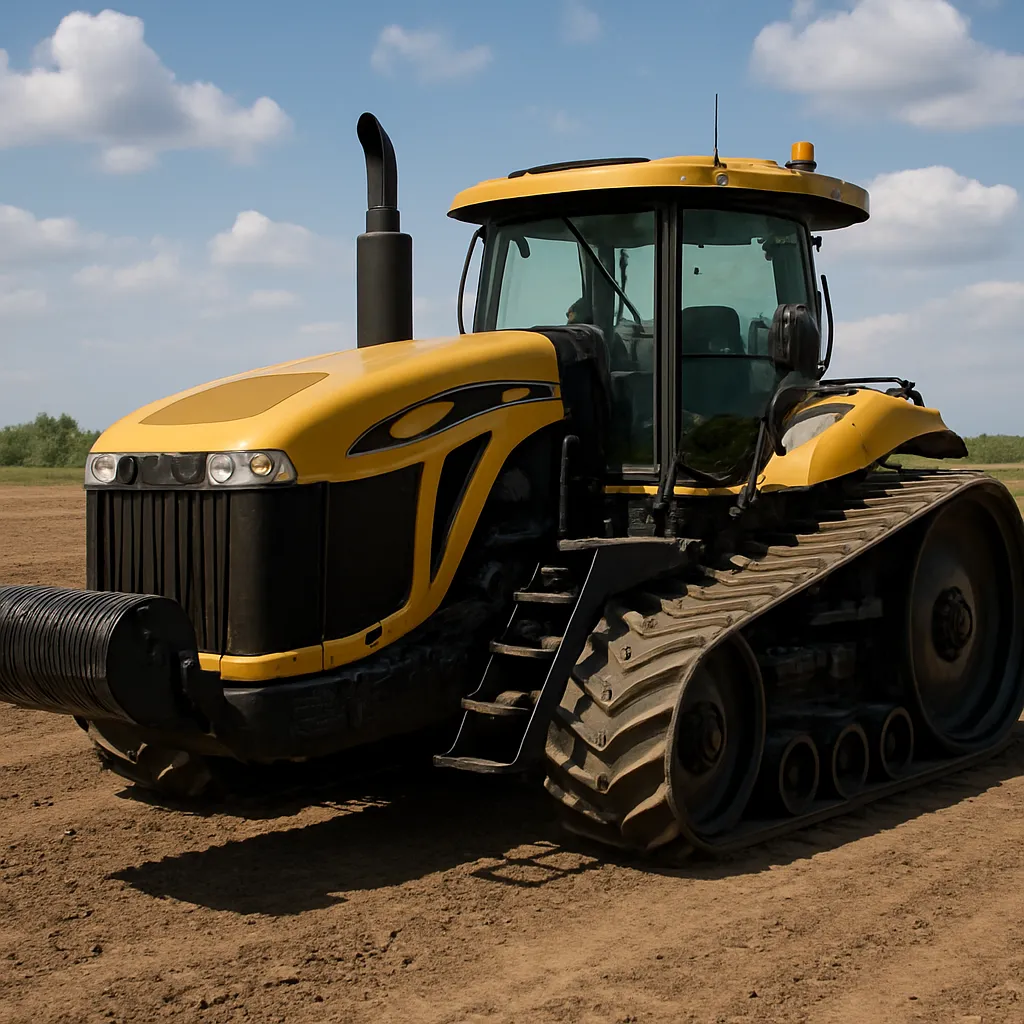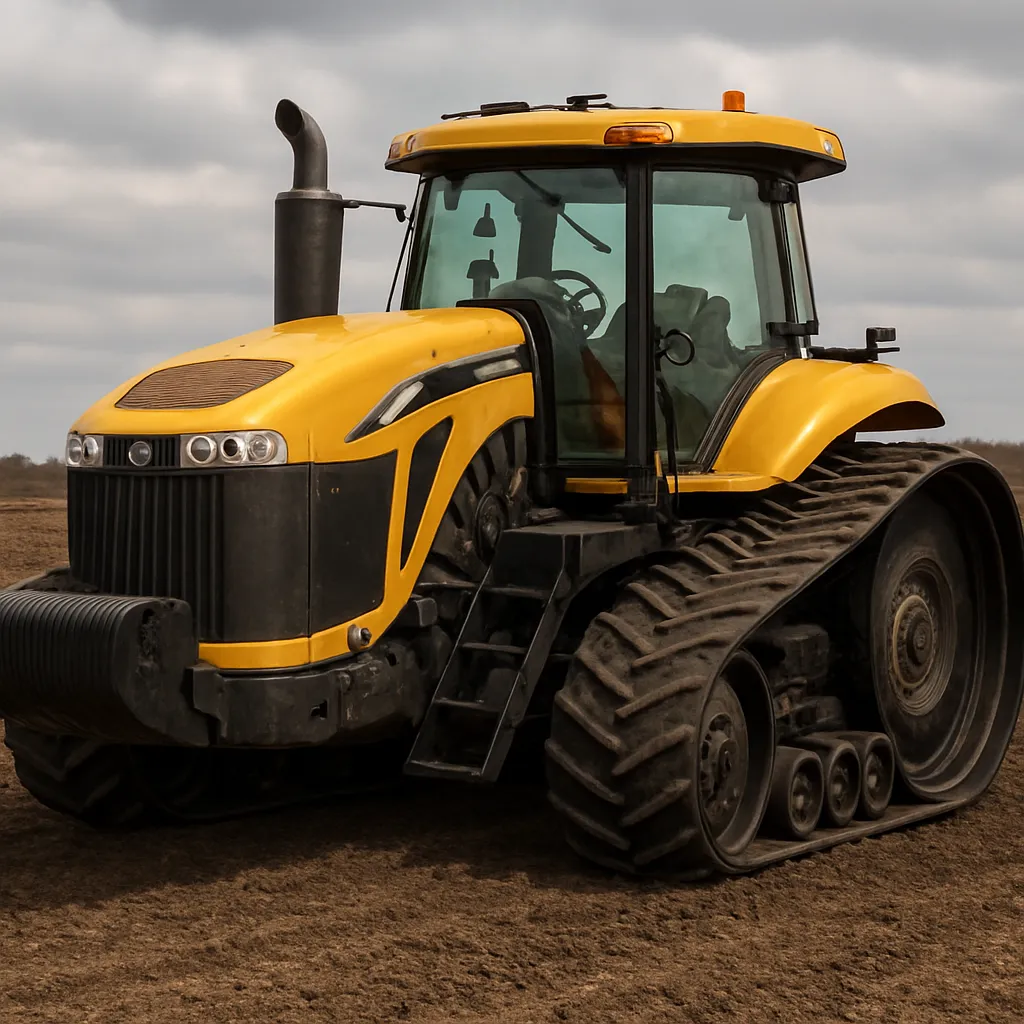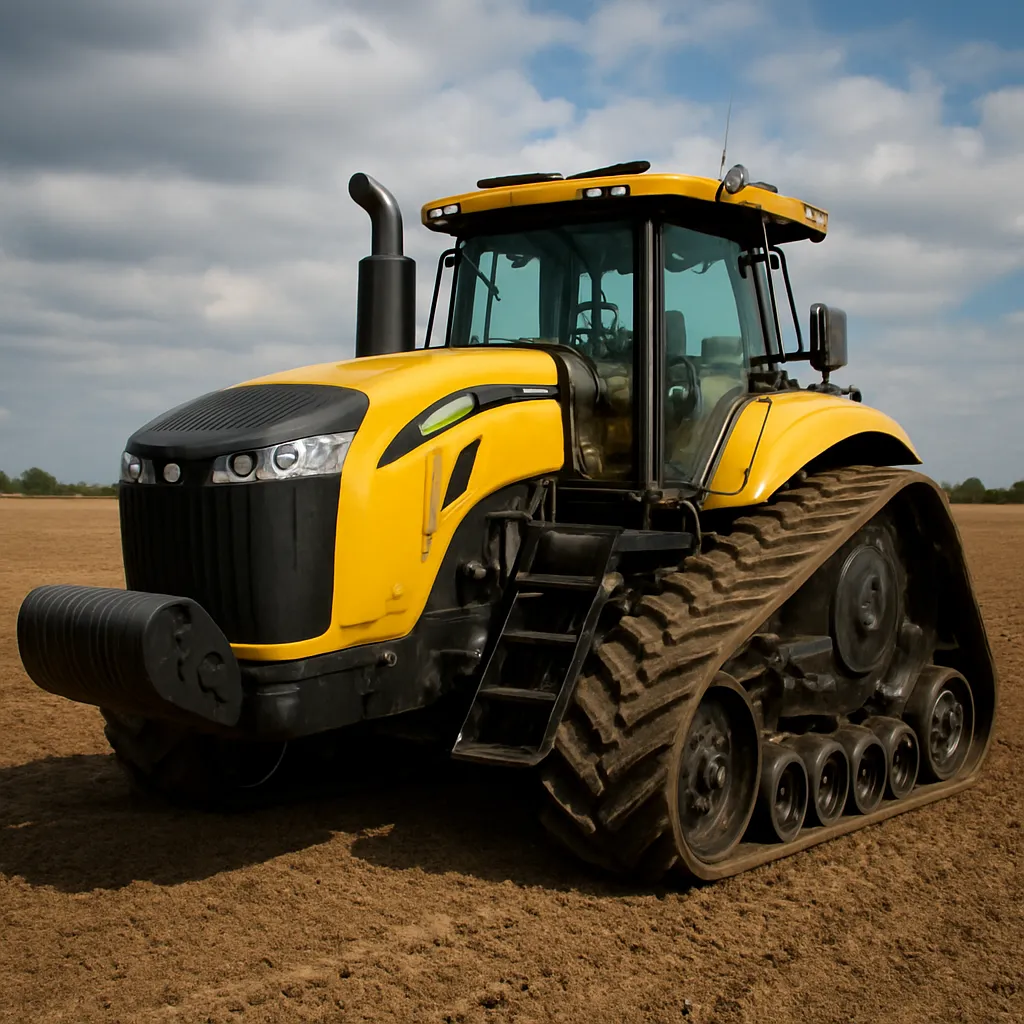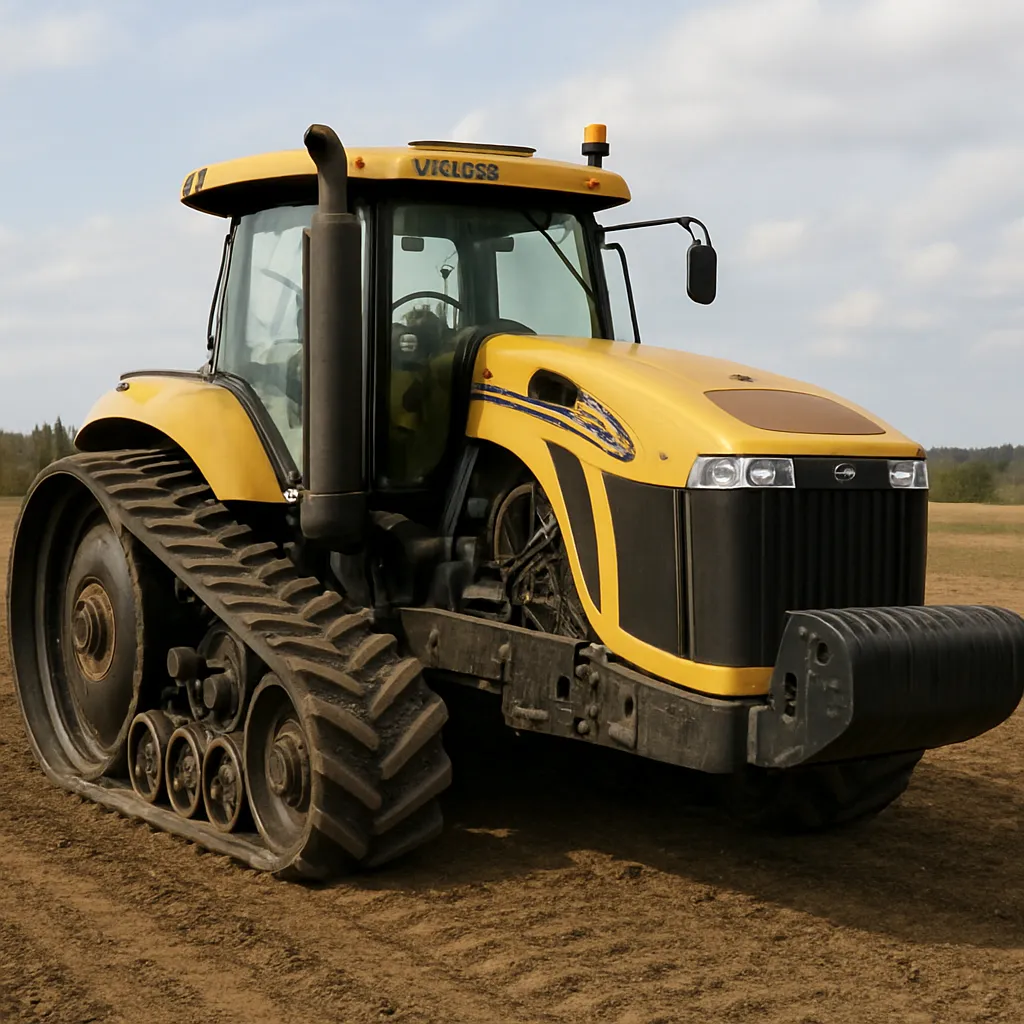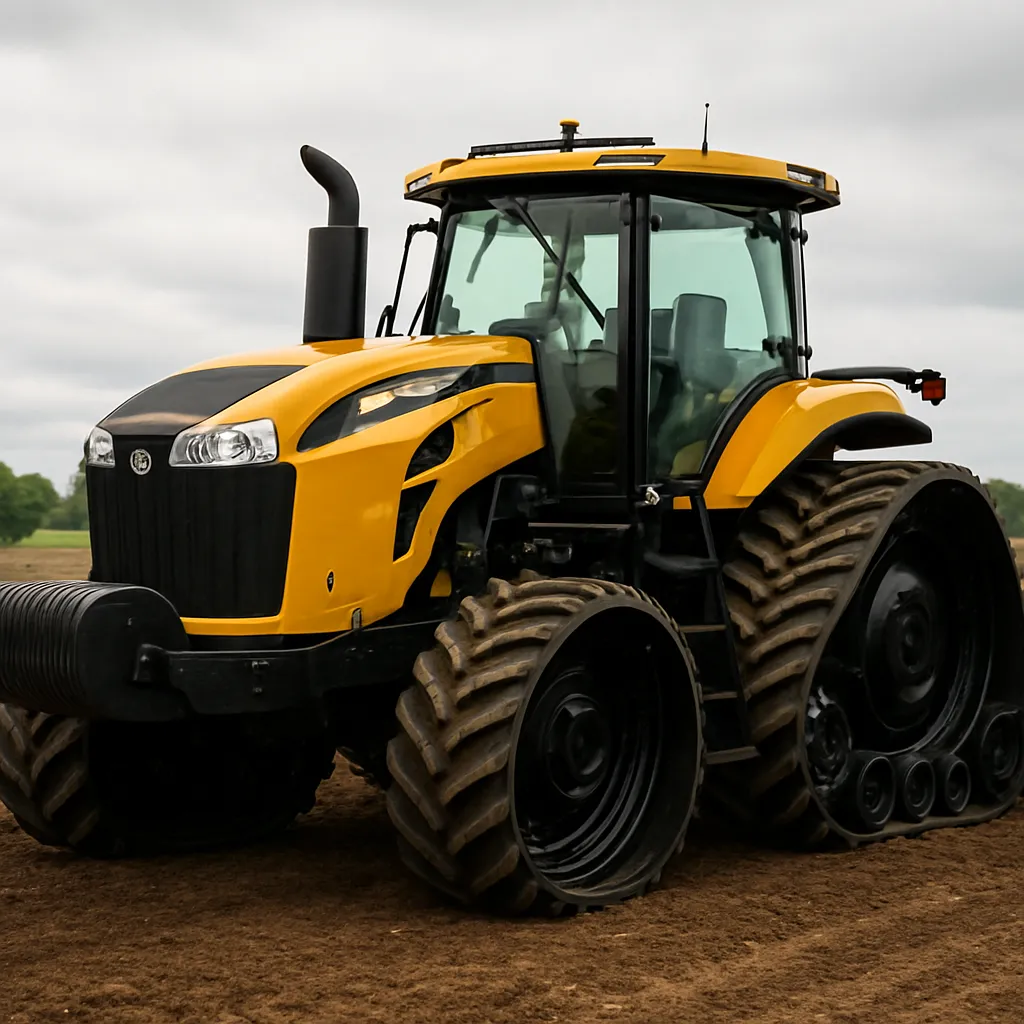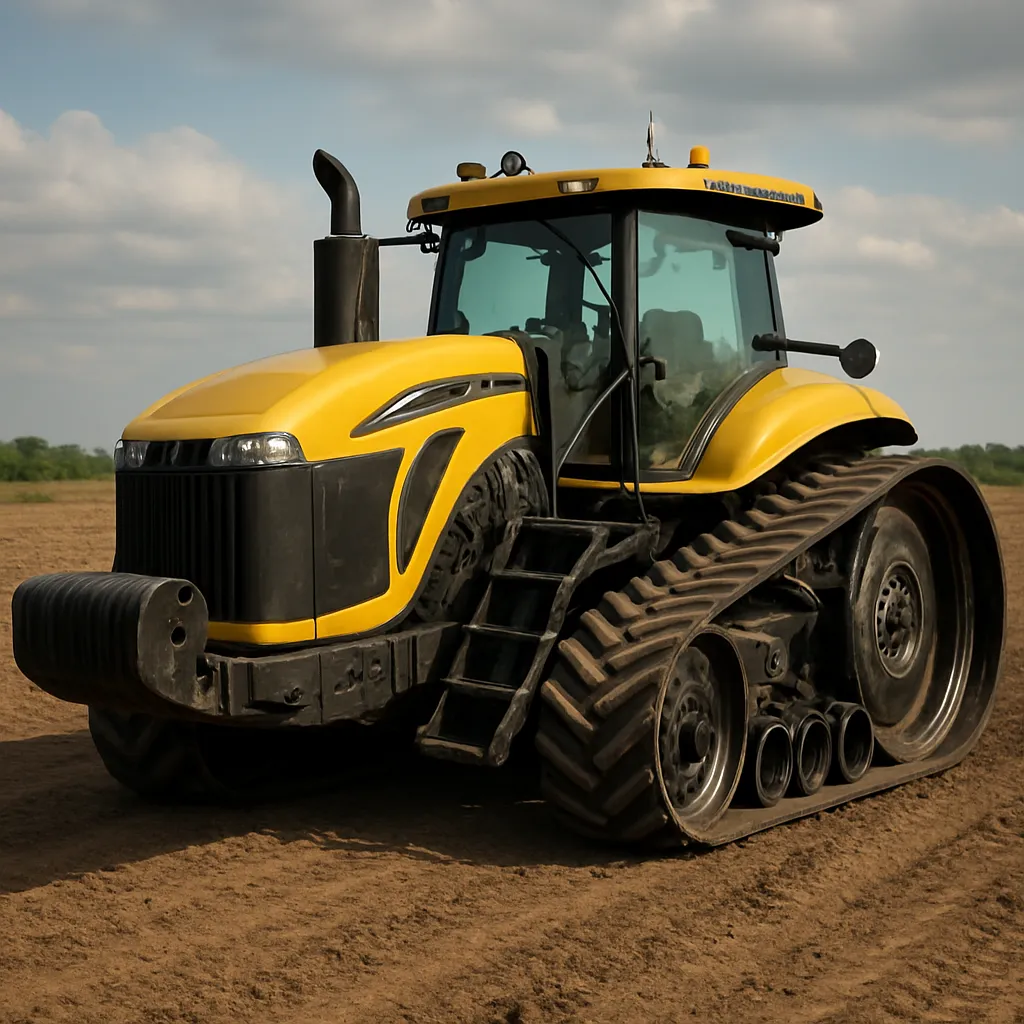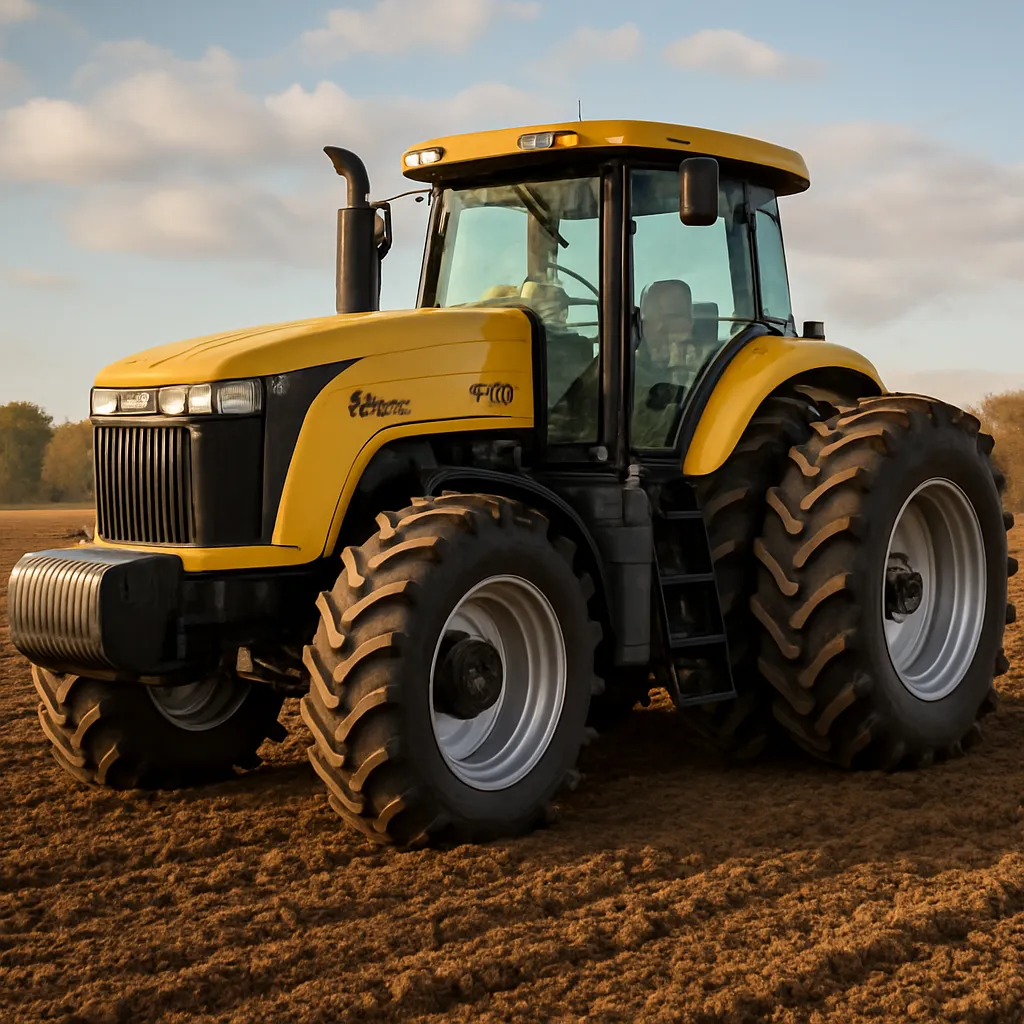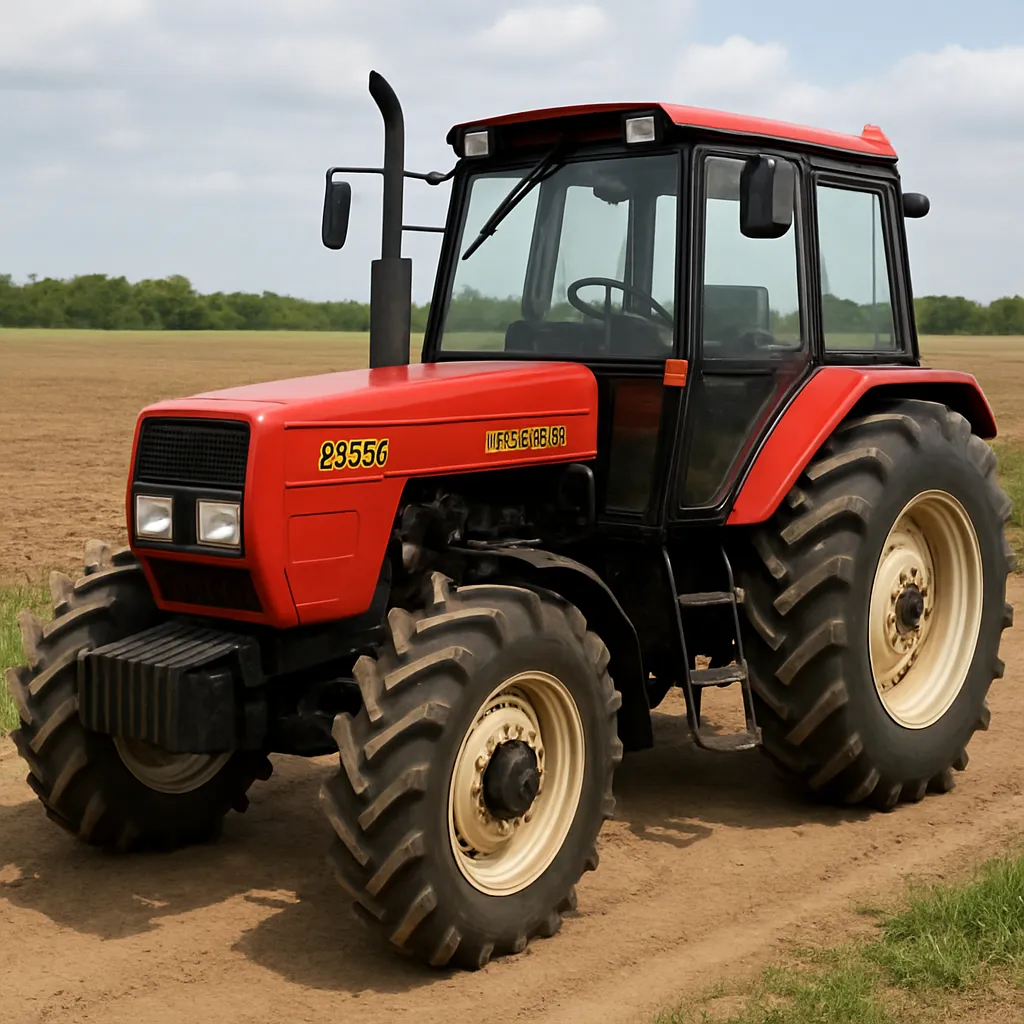
The Belarus 2525 tractor occupies a distinctive place among medium-duty agricultural machines produced under the Belarus (MTZ) brand. Combining straightforward mechanical design, modular compatibility with a wide range of implements, and a reputation for robust simplicity, the Belarus 2525 is aimed at farmers, contractors, and municipal fleets that need dependable performance without excessive complexity. In this article we explore the tractor’s design philosophy, typical technical characteristics, areas of application, maintenance and operational considerations, as well as market and historical context. Throughout the text you will find practical observations and useful comparisons that help place the Belarus 2525 in the broader landscape of modern farm machinery.
Design and technical characteristics
The Belarus series produced by Minsk Tractor Works (MTZ) emphasizes durability and ease of service. The Belarus 2525 follows that tradition with a straightforward layout intended to simplify repairs and reduce downtime. While specific configurations can vary by market and production batch, several core design elements are consistent across the model line.
Engine and powertrain
- The tractor is typically powered by a turbocharged diesel engine designed to balance fuel consumption and torque delivery for fieldwork.
- Nominal horsepower for machines in this class often falls in the medium range, making them suitable for a wide variety of implements. Depending on configuration and regional variants, comparable models normally deliver sufficient power for primary tillage, transport, and loader tasks.
- Power is transmitted through a manual or semi-powershift transmission, offering multiple forward and reverse gears to maintain efficient operation across different speeds and load conditions.
Hydraulics, PTO and three-point linkage
- Hydraulic capacity is a critical aspect of the Belarus 2525, allowing it to run rear-mounted implements, front loaders, and auxiliary hydraulic tools. Typical setups provide a reliable hydraulic pump with adequate flow for most medium-sized implements.
- The rear PTO (power take-off) is standardized to drive mowers, balers, and other driven implements. PTO speeds and clutch options are configured to match common agricultural needs.
- A robust three-point linkage system supports category-compatible implements and emphasizes mechanical simplicity for easy hitching and adjustments in the field.
Chassis and axles
Frames and axles on this class of tractor are built to tolerate heavy-duty cyclic loads. The Belarus 2525 typically offers options for both two-wheel and four-wheel drive variants, allowing purchasers to balance cost, traction and field-handling characteristics to the prevailing soil conditions in their region. The chassis design also supports front loaders and backhoe attachments when fitted.
Operator station and ergonomics
MTZ tractors traditionally prioritize functional operator stations. The Belarus 2525 presents a simple but practical cab or ROPS platform with emphasis on visibility, essential controls within reach, and durable seats and controls. Higher-spec versions may include a fully enclosed cab with heating and basic air filtration to extend usability across seasons and climates.
Applications and real-world uses
The Belarus 2525 is intended as a multi-purpose tractor, suitable for a wide variety of tasks across agriculture, municipal operations and light industrial roles. Its balanced combination of power, hydraulics and implement compatibility makes it a flexible tool for many owners.
Agricultural uses
- Primary tillage and secondary cultivation: paired with ploughs, disc harrows, cultivators and power harrows, the 2525 can handle seedbed preparation on medium-sized parcels of land.
- Seeding and planting: when fitted with seed drills or precision planters suitable to its power class, the tractor performs sowing tasks for cereals, oilseeds and legumes.
- Harvest support: used to tow trailers, run crop-processing implements mounted on the PTO, and transport harvest between field and storage.
- Haymaking and forage: driving mowers, rakes, tedders and small balers or forage wagons.
Construction, municipal and utility roles
- Loader duties: front-end loader attachments make the 2525 useful for materials handling around farms, construction sites, and yards.
- Roadside and municipal service: fitted with flail mowers, sweepers or snowblowers, it can perform roadside maintenance and winter service tasks for small towns or estates.
- Transport and logistics: hauling trailers with feed, seed, or equipment between locations.
Specialized and seasonal tasks
Because of its modularity, the Belarus 2525 is used for specialized tasks such as orchard and vineyard work (with appropriate tires and low-clearance modifications), irrigation equipment towing, and in some cases for light forestry work where a compact but capable tractor is required.
Maintenance, reliability and operating costs
One of the strengths commonly attributed to Belarus tractors is mechanical simplicity, which translates to easier maintenance and lower operating costs when compared with many modern, heavily-electronic tractors. The Belarus 2525 is no exception: its design limits overly complex electronics and uses widely available mechanical components.
Routine maintenance
- Regular oil and filter changes for both engine and hydraulics are crucial to long life. A predictable service interval makes planning easier for small operators.
- Cooling system checks and radiator cleaning are important, especially for operations in dusty or hot climates.
- Transmission and axle oil levels must be maintained and seals inspected to prevent ingress of dirt and water.
- Grease points on linkages, steering joints and loader pins benefit from scheduled lubrication to prevent premature wear.
Reliability and spare parts
The tractor’s mechanical architecture is designed for field repair, and parts availability is generally good in regions where Belarus/MTZ has historically exported machines. Common spare parts such as filters, belts, clutches and hydraulic seals are typically simple to source through dealer networks or aftermarket suppliers.
Fuel economy
Fuel consumption depends heavily on load, terrain and implement choice. In comparable medium-power tractors, effective fuel management is achieved through appropriate gearing, good engine tuning, and matching implement size to the tractor’s capacity. Operators of the Belarus 2525 report satisfactory fuel efficiency when the tractor is used within its design envelope—i.e., avoiding prolonged operation at maximum load without rest periods.
Safety, comfort and operator considerations
While simplicity is an advantage for maintenance, it does mean that safety features can be more basic than those found on premium tractors. Nevertheless, the Belarus 2525 typically includes fundamental safety elements and can be equipped to meet specific regional requirements.
Basic safety features
- Roll-over protective structure (ROPS) on open-station models.
- Operator presence controls on PTO in many configurations.
- Standard lighting for road transport and work at dawn/dusk.
Comfort options
Enclosed cabs with heating and optional ventilation provide a more comfortable working environment in harsh climates. Seat suspension and adjustable controls are sometimes available as dealer options to improve operator comfort during long shifts.
Market position, history and comparisons
The Belarus brand has a long history rooted in the Soviet-era development of agricultural machinery at Minsk Tractor Works. Over decades the factory adapted designs to evolving needs and export markets. The Belarus 2525 can be seen as part of that lineage—designed to be robust, repairable and accessible to a wide range of operators.
Competitive advantages
- Reliability and simplicity: fewer electronic systems reduce the likelihood of certain failure modes and make field repairs easier.
- Lower purchase cost relative to many Western-branded tractors in equivalent power classes.
- Modular compatibility with a wide range of implements and attachments.
Comparing to modern Western tractors
Compared with contemporary tractors from Western manufacturers, the Belarus 2525 trades advanced automation and precision-ag technologies for mechanical robustness and affordability. Farms that require integrated telematics, advanced precision seeding or automated guidance may prefer Western manufacturers; however, for operators prioritizing ease of repair, low capital outlay, and functional versatility, the Belarus 2525 remains attractive.
Purchase considerations and total cost of ownership
Buying a Belarus 2525 requires evaluating upfront costs, availability of local service and parts, and the match between tractor capability and the tasks it will be asked to perform. For many medium-sized farms, contractors and municipal buyers, the total cost of ownership favors tractors that are inexpensive to maintain and have proven longevity.
Factors to evaluate before purchasing
- Local dealer support and parts inventory—critical for minimizing downtime.
- Whether the tractor’s power and hydraulic capacity match the intended implements.
- Options for cab comfort and safety to ensure operator well-being and regulatory compliance.
- Resale value in your region—Belarus tractors often retain value where the brand is well established.
Used versus new
Many buyers opt for used Belarus tractors because of their durable construction and the relative simplicity of older models. When purchasing used, inspect the transmission, hydraulics, and engine condition carefully; ask for service records if available and ensure that any necessary repairs are affordable.
Environmental and regulatory considerations
Emissions standards and environmental regulations vary substantially by country. Modern engines must meet local emission requirements; therefore, specific variants of the Belarus 2525 offered in different markets might include emission control packages or engine calibrations to comply with regional standards. When planning a purchase, verify the tractor’s emissions certification and whether any retrofitting is required to operate legally in your jurisdiction.
Practical tips for maximizing productivity
- Match implement size to the tractor’s rated hydraulic and PTO capacity to avoid overloading.
- Keep a preventive maintenance log to spot trends in wear and reduce the risk of unexpected failures.
- Train operators on proper gear use and load management; correct shifting and load anticipation can extend component life and improve fuel economy.
- Consider tire selection and ballast options to optimize traction and minimize soil compaction for fieldwork.
Concluding remarks
The Belarus 2525 is a pragmatic choice for users who prioritize resilience, repairability and versatility over advanced automation. It performs well across a diverse set of tasks—from tillage and seeding to loader work and municipal services—provided it is matched appropriately to the job. Its strengths lie in a durable mechanical design, ease of maintenance, and an established dealer and spare parts network in many regions. For families of small and mid-sized farms, contractors and municipal operators seeking a reliable workhorse, the Belarus 2525 merits serious consideration.
Key terms: Belarus, MTZ, diesel, horsepower, hydraulics, PTO, reliability, maintenance, versatility, operator comfort.