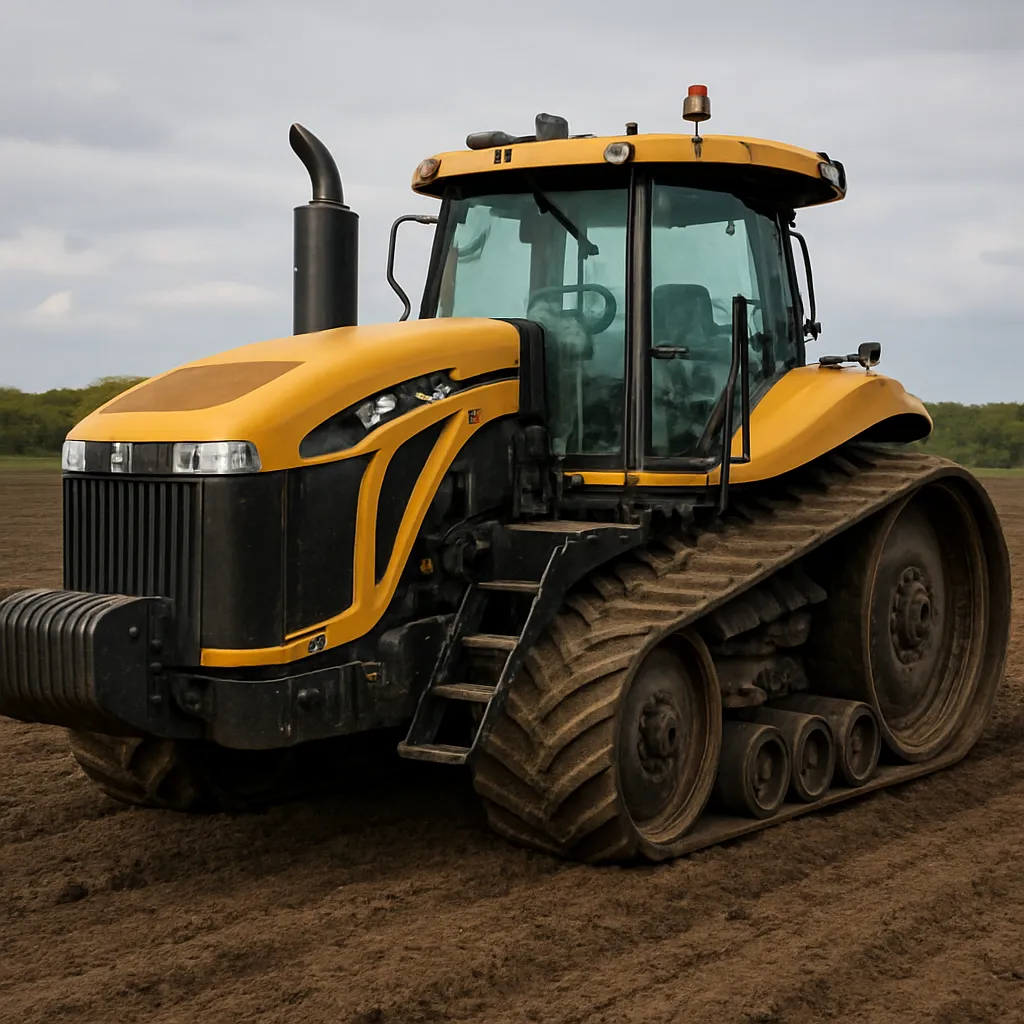
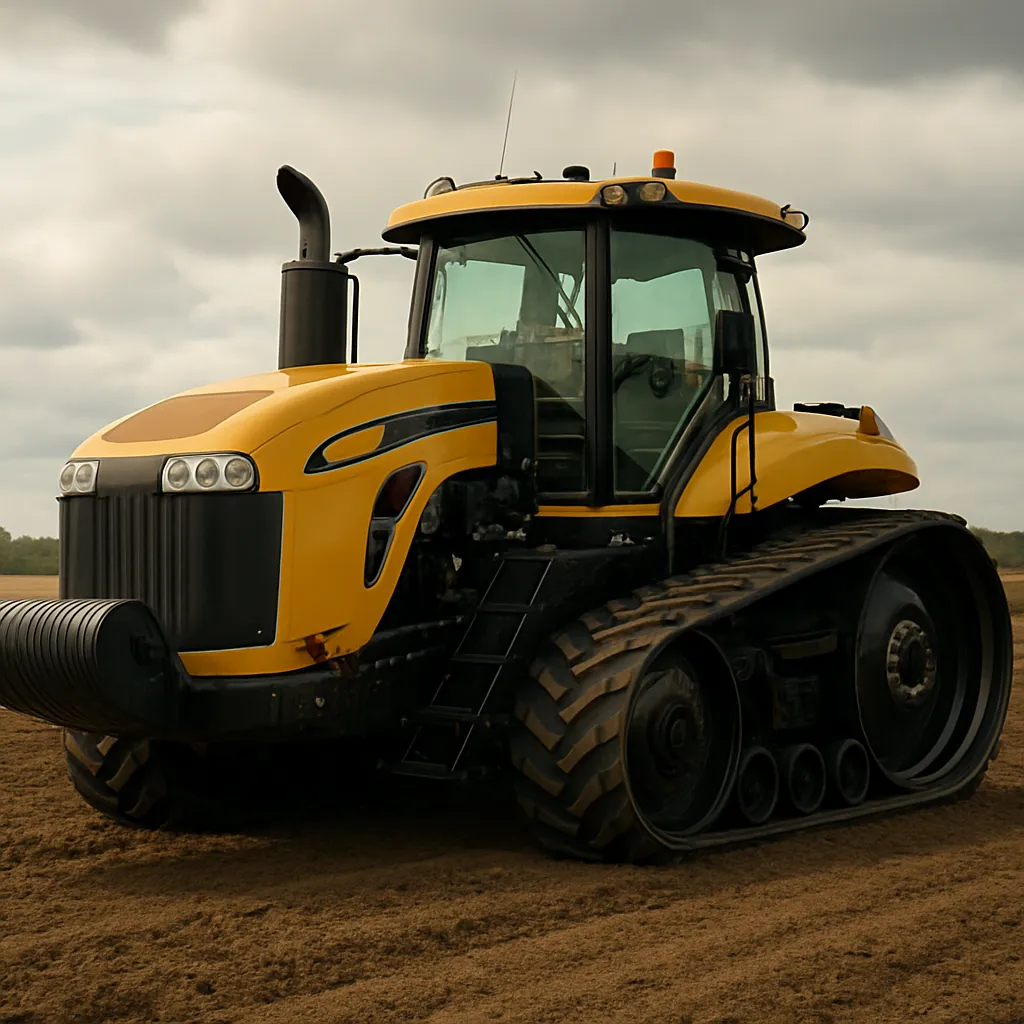
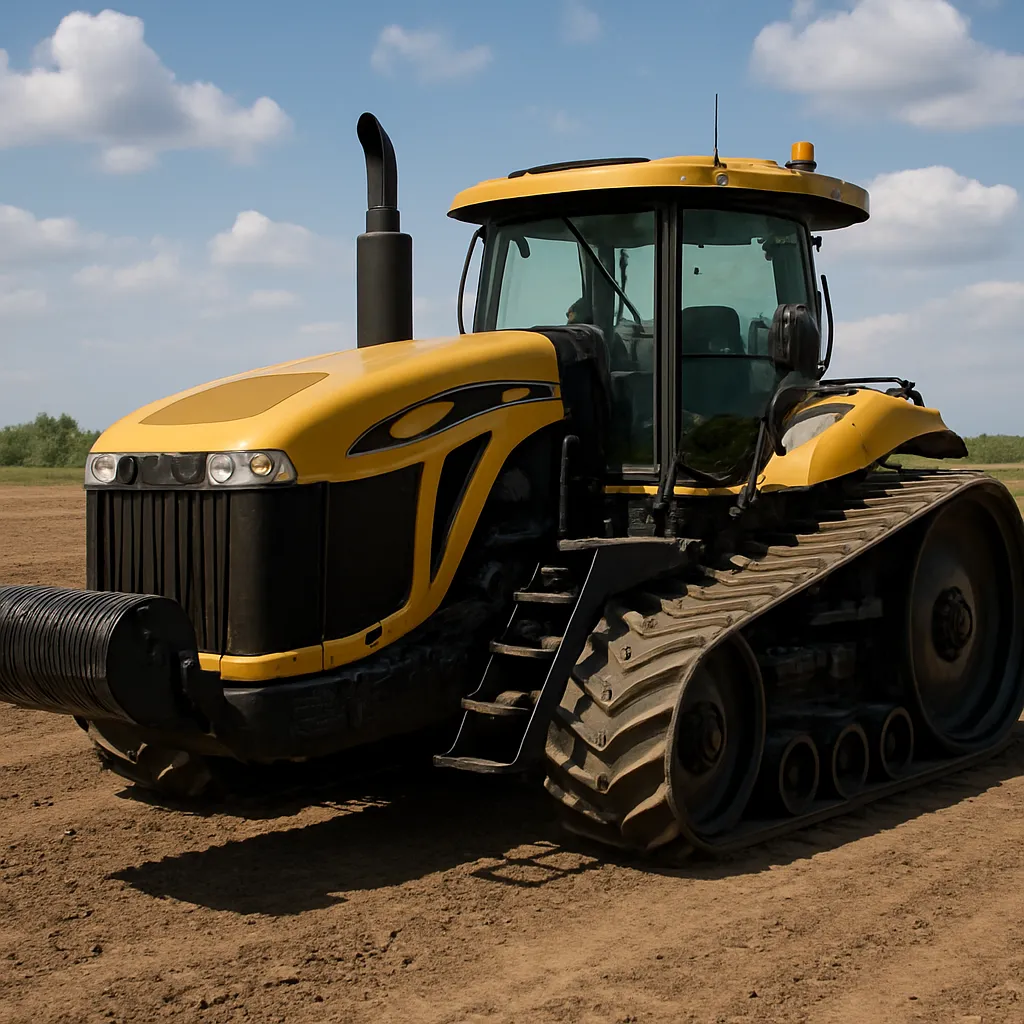
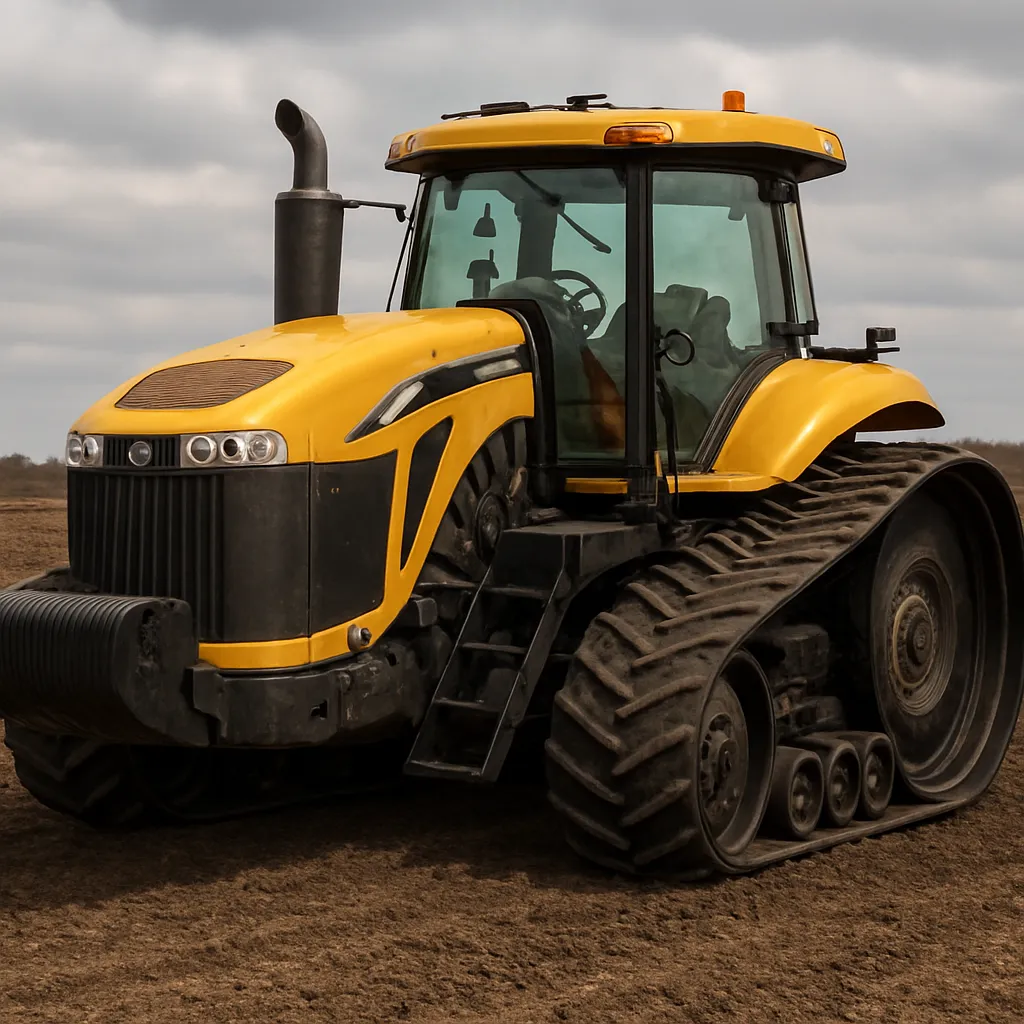
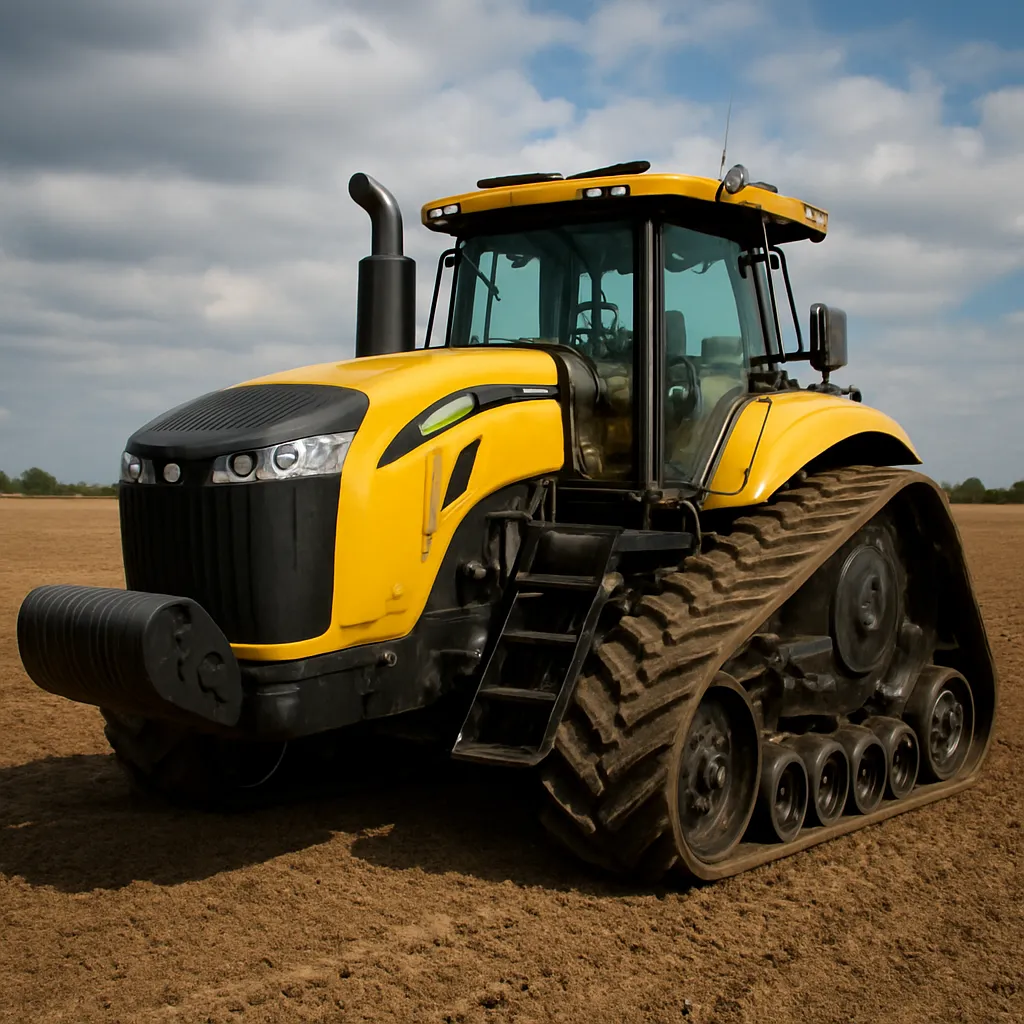
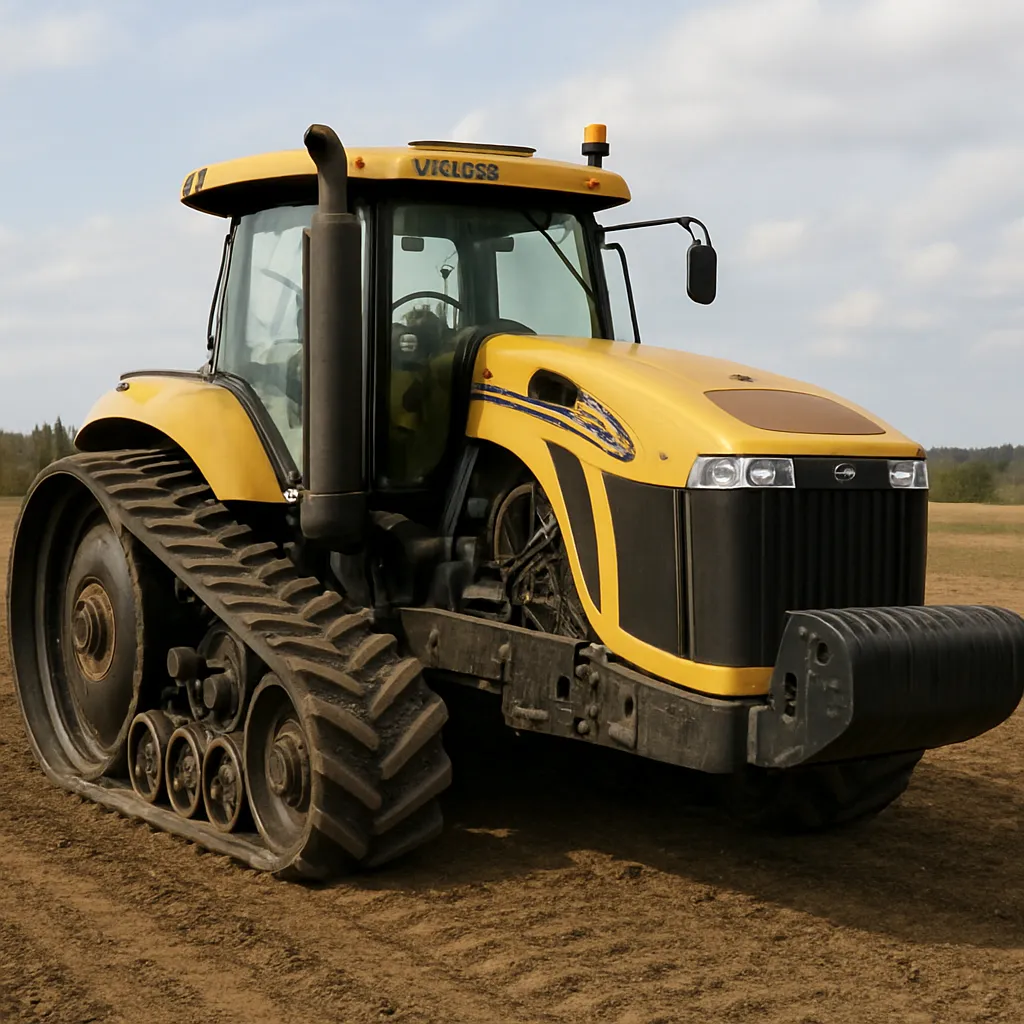
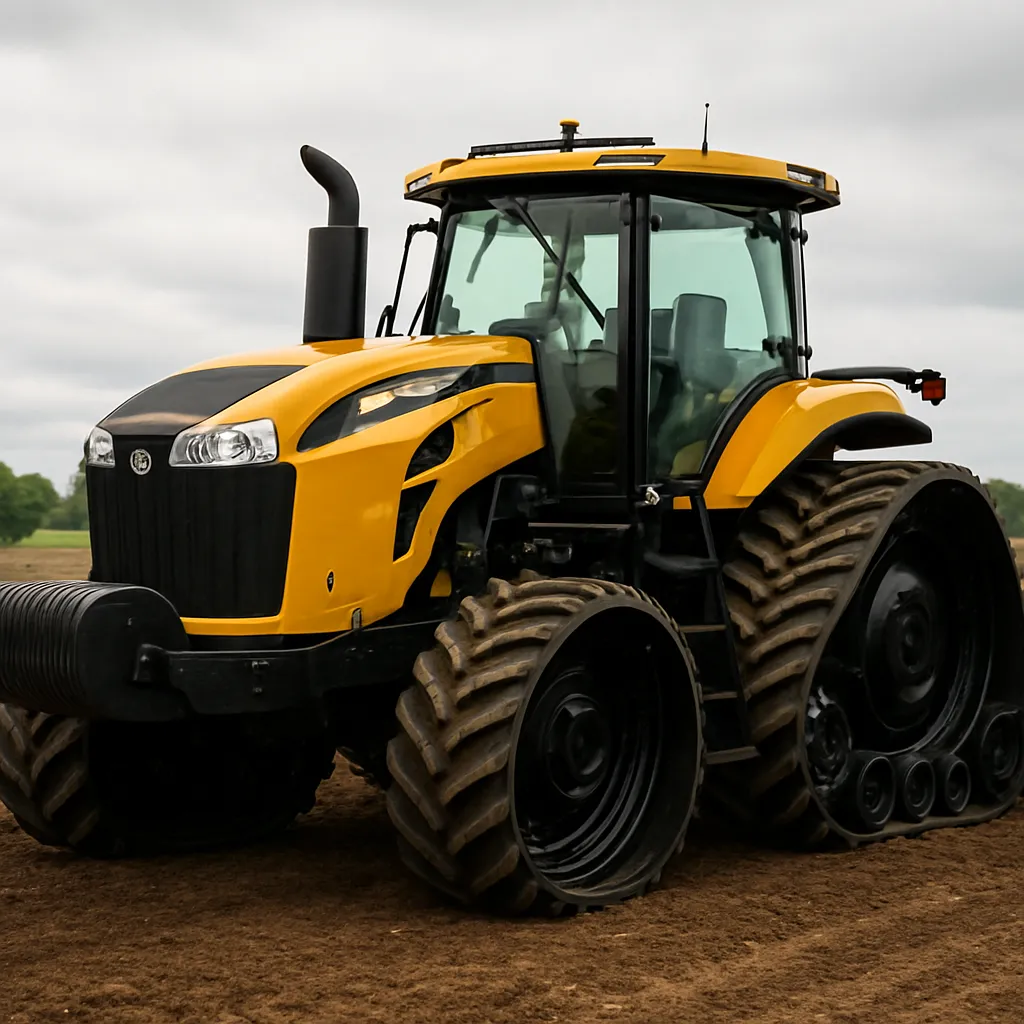
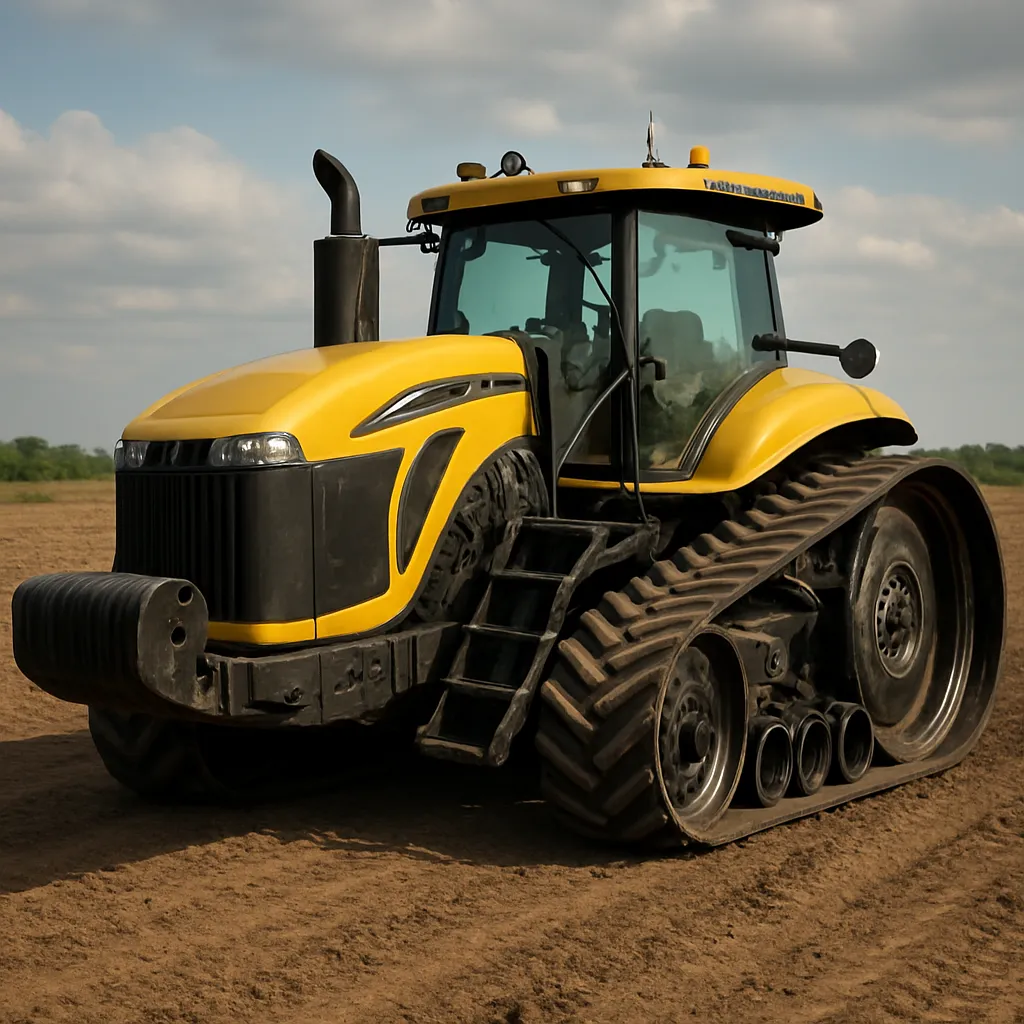
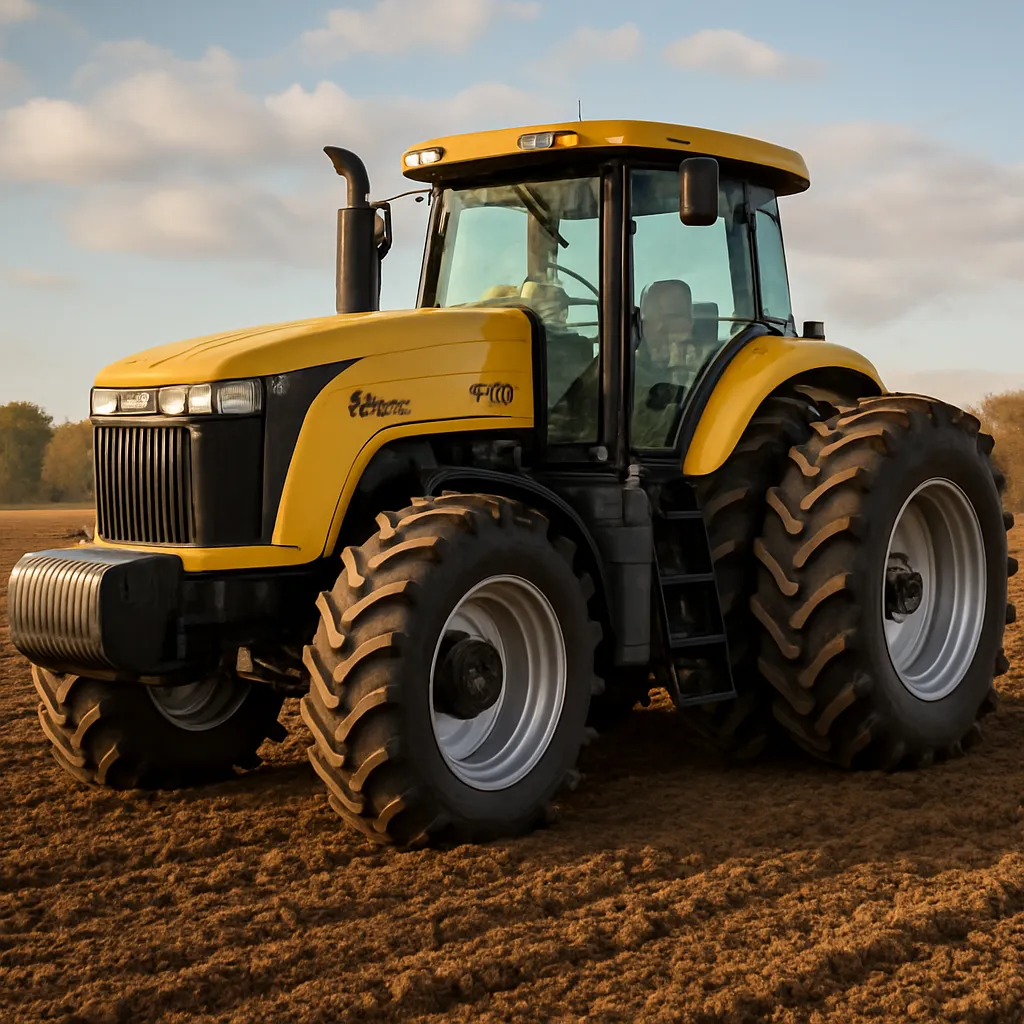
The Belarus 4000 Proto represents a modern step in the long lineage of tractors produced by Minsk Tractor Works (MTZ). As a prototype or early-production model intended to bridge traditional mechanical reliability with contemporary technology, this tractor aims to satisfy farmers, contractors and municipal operators who seek a balance of simplicity, performance and adaptability. In the following sections, we explore its development background, likely technical characteristics, typical applications, advantages and limitations, and what the model could mean for future agricultural machinery.
Overview and development history
The Belarus name has been associated with rugged, no-nonsense agricultural machinery for decades. MTZ built its reputation on designing tractors that are easy to repair, robust in challenging conditions and economical to operate. The 4000 Proto can be viewed as a continuation of this ethos but updated for present-day demands. As a “Proto” model, it is often presented at fairs, dealer demonstrations and pilot farms before full-scale production — a stage where manufacturers collect feedback and refine ergonomics, electronics and compatibility with modern implements.
Key motivations behind a prototype such as the Belarus 4000 Proto typically include meeting stricter emissions standards, improving operator comfort and integrating modular systems that allow for multiple drivetrain and cab configurations. The emphasis on modularity reflects market trends favoring machines that can be easily adapted to a wide range of tasks without major capital expenditure.
Design philosophy and notable features
The design philosophy of the Belarus 4000 Proto centers on combining traditional strengths — such as mechanical simplicity and ease of service — with targeted technological upgrades. These upgrades are selected to maximize return on investment for small and medium-sized agricultural enterprises.
- Durability: Heavy-duty chassis components and accessible service points preserve the brand’s reputation for longevity.
- Engine flexibility: The platform usually supports a range of diesel engines tuned for reliability rather than peak racing performance.
- Operator ergonomics: Improved cab layouts, visibility and controls reduce fatigue during long workdays.
- Hydraulics and PTO compatibility: Designed to support common implements with stable hydraulic flow and standardized PTO speeds.
- Telematics-ready options: Many prototypes include optional telemetry modules for fleet management and basic remote diagnostics.
Technical characteristics and variants
As a prototype, precise specifications of the Belarus 4000 Proto may vary between show models and production units. Below are representative technical areas where one would expect particular features and approximate target ranges, based on class norms and MTZ historical practices.
Engine and powertrain
The 4000 Proto typically incorporates a mid-range diesel engine optimized for torque at low RPM, which is useful for field work and traction. Expected characteristics include:
- Horsepower range: Often in the medium-power bracket suitable for 4WD utility tractors — adaptable to a range of 60–120 HP depending on the specific tune and final configuration.
- Turbocharged diesel options that balance torque and fuel economy.
- Mechanical or electronically controlled fuel injection systems; prototypes may test upgraded ECUs for better fuel mapping.
- Transmission options including fully synchronized gearboxes, semi-powershift units or simple mechanical transmissions for easier maintenance.
Hydraulics, PTO and lifting capacity
Hydraulic systems in a tractor of this class prioritize versatility:
- PTO: Standard rear PTO with selectable speeds (540/540E and/or 1000 rpm depending on choice) for compatibility with common implements.
- Hydraulic flow: Medium-flow pumps supporting multiple remote valves for implement functionality; expected lifting capacity in the mid-hundreds to low-thousands of kilograms at the lift arms depending on configuration.
- Options for front loaders and front PTOs to extend utility in material handling and mowing applications.
Cab and operator environment
Modern prototypes focus on operator comfort while keeping serviceability in mind:
- Improved visibility, adjustable seats and simplified instrument clusters.
- Heating and optional air conditioning, especially for markets demanding year-round use.
- Optional sound insulation and vibration damping on higher-spec variants.
Applications and real-world use cases
The Belarus 4000 Proto is positioned as a versatile utility tractor with a wide range of applications across farming, contracting and municipal sectors. Its robust mechanical layout and modular features make it especially attractive where simplicity matters as much as capability.
Primary agricultural uses
- Tillage: Suitable for light-to-moderate ploughing, cultivator work and seedbed preparation when paired with appropriately sized implements.
- Seeding and planting: Compatible with medium-scale planters and seed drills, particularly with hydraulic control of implements.
- Crop care: Spraying and fertilizing when fitted with boom sprayers or tow-behind applicators.
- Harvest support: Transporting, power supply for harvest attachments and handling bales with loader attachments.
Contracting and municipal roles
- Roadside mowing, small-scale road maintenance and snow clearing when equipped with front attachments or specialized implements.
- Transport and material handling using front loaders, pallet forks and trailers.
- Specialized tasks: Vineyard and orchard variants (if offered) with narrow-track configurations or modified cabs for low-clearance work.
Operation, maintenance and reliability
One of the strongest selling points of the Belarus family is straightforward maintenance routines and long-term reliability. The 4000 Proto is designed to be serviceable by local technicians without the need for highly specialized tools or software, maintaining the brand’s strength in regions with limited dealer networks.
- Maintenance: Regular service points are designed for easy access; the prototype phase often refines filter placement, fluid drain points and belt access to minimize downtime.
- Spare parts availability: MTZ historically maintains extensive parts catalogs and distribution in established markets, reducing downtime for repairs.
- Reliability: Emphasis on robust components and conservative engine tuning ensures predictable performance across seasons.
Economic considerations and ownership costs
Cost-effectiveness is a major factor in the design of tractors like the Belarus 4000 Proto. Buyers in many regions prioritize low operating costs and straightforward repairs over the latest high-tech features.
- Fuel efficiency: While specific consumption figures depend on engine selection and duty cycle, the engine tuning typically targets economical consumption in field conditions rather than peak power.
- Cost-effectiveness: Initial purchase price for tractors in this class is often competitive compared to Western European equivalents, and lower service complexity results in reduced lifetime costs.
- Resale and longevity: The simplicity and reputation of Belarus tractors often support respectable resale values in markets familiar with the brand.
Market positioning, service network and statistics
MTZ and the Belarus range have historically established strong market shares in Eastern Europe, parts of Asia, Africa and Latin America thanks to wide export networks and local assembly arrangements. Specific figures for a prototype like the 4000 Proto may not be publicly released until full production commence, but some general points apply:
- Export footprint: Belarus tractors are distributed across dozens of countries; MTZ has been an exporter to more than 50–90 countries at various times, depending on geopolitical and trade conditions.
- After-sales support: Local dealers and certified service centers typically offer parts and maintenance; for the Proto model, MTZ usually expands the service network in tandem with production roll-out.
- Adoption curve: Prototypes are often tested on pilot farms; feedback on fuel consumption, comfort and implement compatibility informs final production specs and expected sales volumes.
Environmental impact and future prospects
Environmental regulations and customers’ expectations are shaping tractor development worldwide. The Belarus 4000 Proto is likely to address these trends in the following ways:
- Emissions: Engine configurations are generally tuned to meet prevailing emissions requirements in target markets — including improved combustion and after-treatment options in regions where Stage/Tier standards are enforced.
- Reduced footprint: Options for improved fuel mapping, telematics-enabled monitoring and efficient hydraulic circuits contribute to lower overall environmental impact by reducing wasted fuel and optimizing implement usage.
- Electrification and hybridization: While full electrification is still emerging for tractors in this power class, prototypes may include hybrid-ready architectures or auxiliary electric systems for specific functions.
Strengths, limitations and buyer considerations
Prospective buyers should weigh the advantages of a Belarus 4000 Proto-style tractor against potential limitations.
- Strengths: Versatility, proven mechanical design, accessible maintenance, and competitive pricing are core advantages.
- Limitations: As a prototype-derived platform, certain high-end comforts, advanced driver-assistance features or the most advanced engine emission controls might be optional or absent on lower-cost variants.
- Buyer considerations: Evaluate the availability of local service, the compatibility with existing implements, and the expected duty cycle (hours per year). For fleet operators, telematics and modular attachments can significantly increase utility and reduce lifecycle costs.
Conclusion
The Belarus 4000 Proto is positioned as a pragmatic solution for operators who want a durable, adaptable tractor with modern conveniences where they matter most. By balancing traditional mechanical robustness with targeted technological upgrades — such as improved ergonomics, better fuel management and optional telematics — the model aims to serve a broad range of agricultural and municipal tasks. Final buyers should consider local support networks, available configurations and the intended scope of work to determine whether the 4000 Proto aligns with their operational needs and long-term cost objectives.