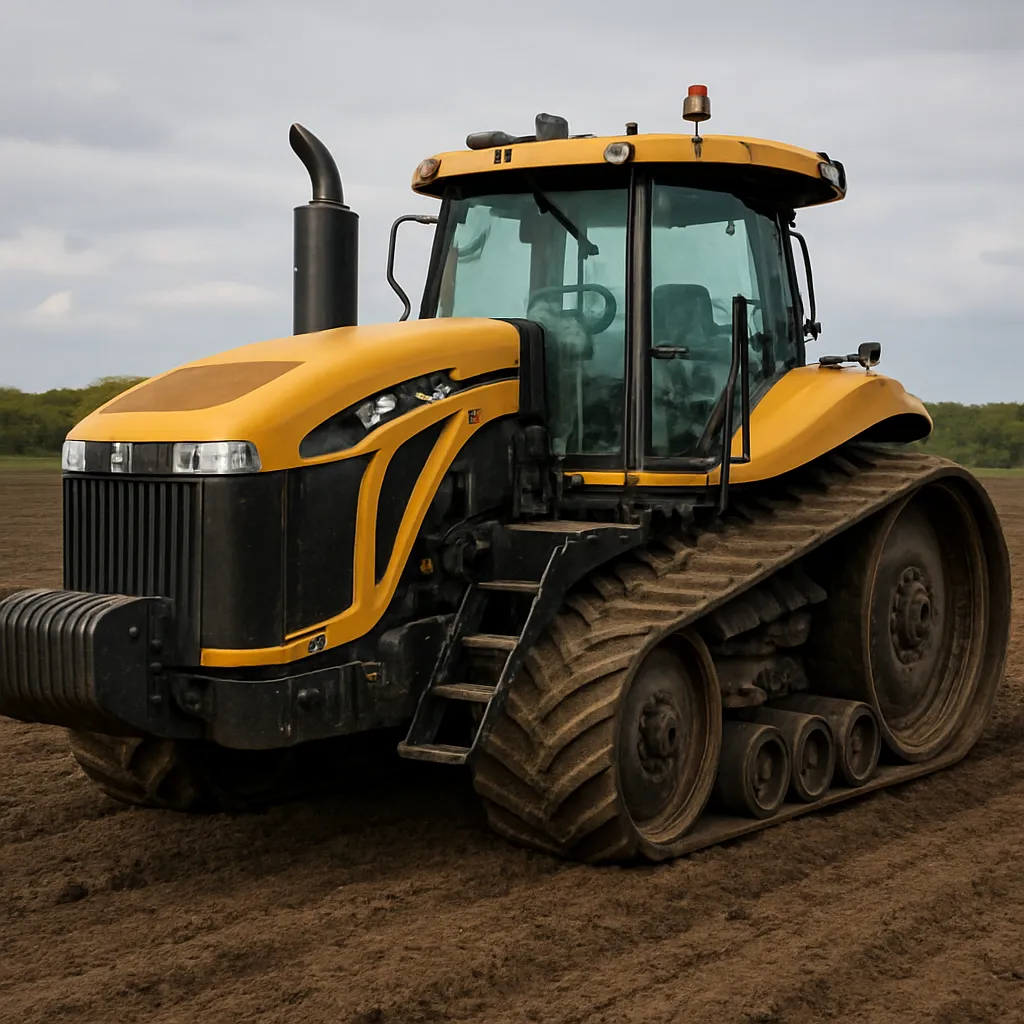
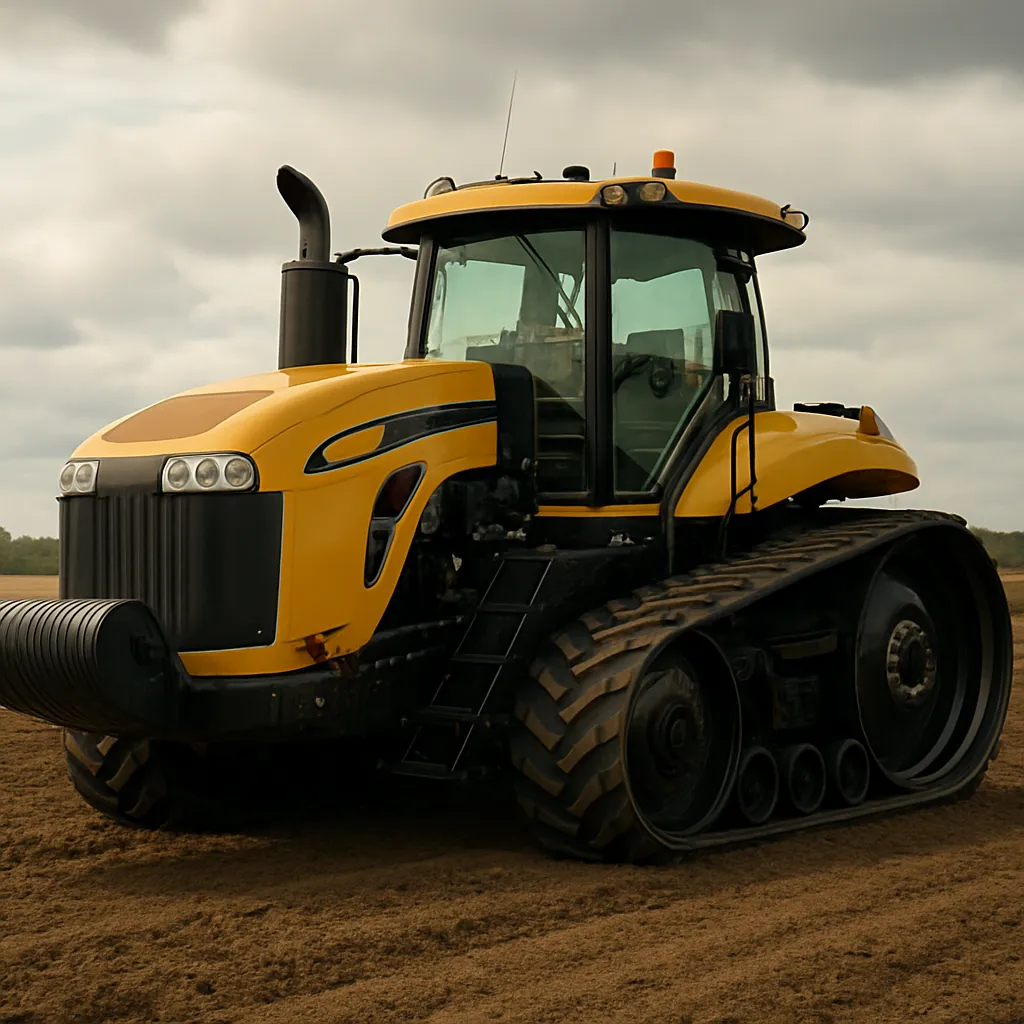
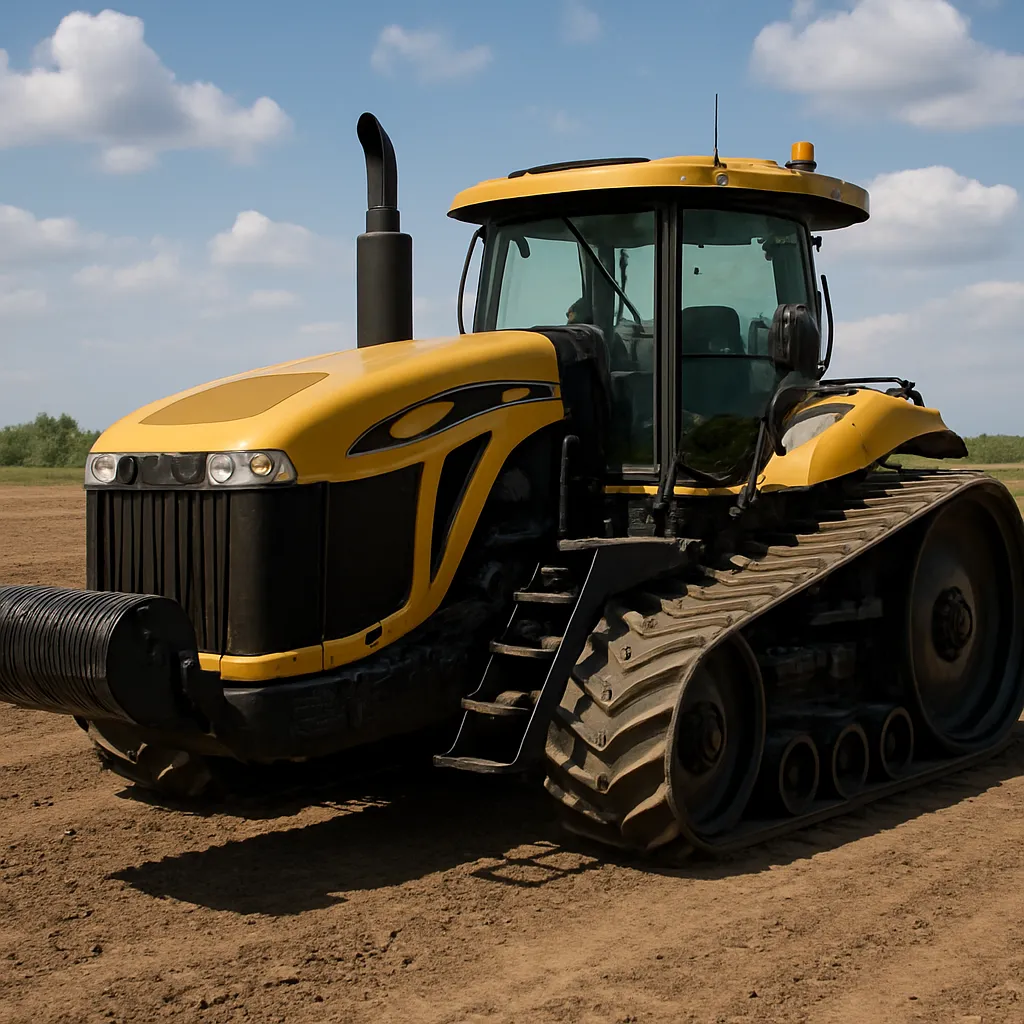
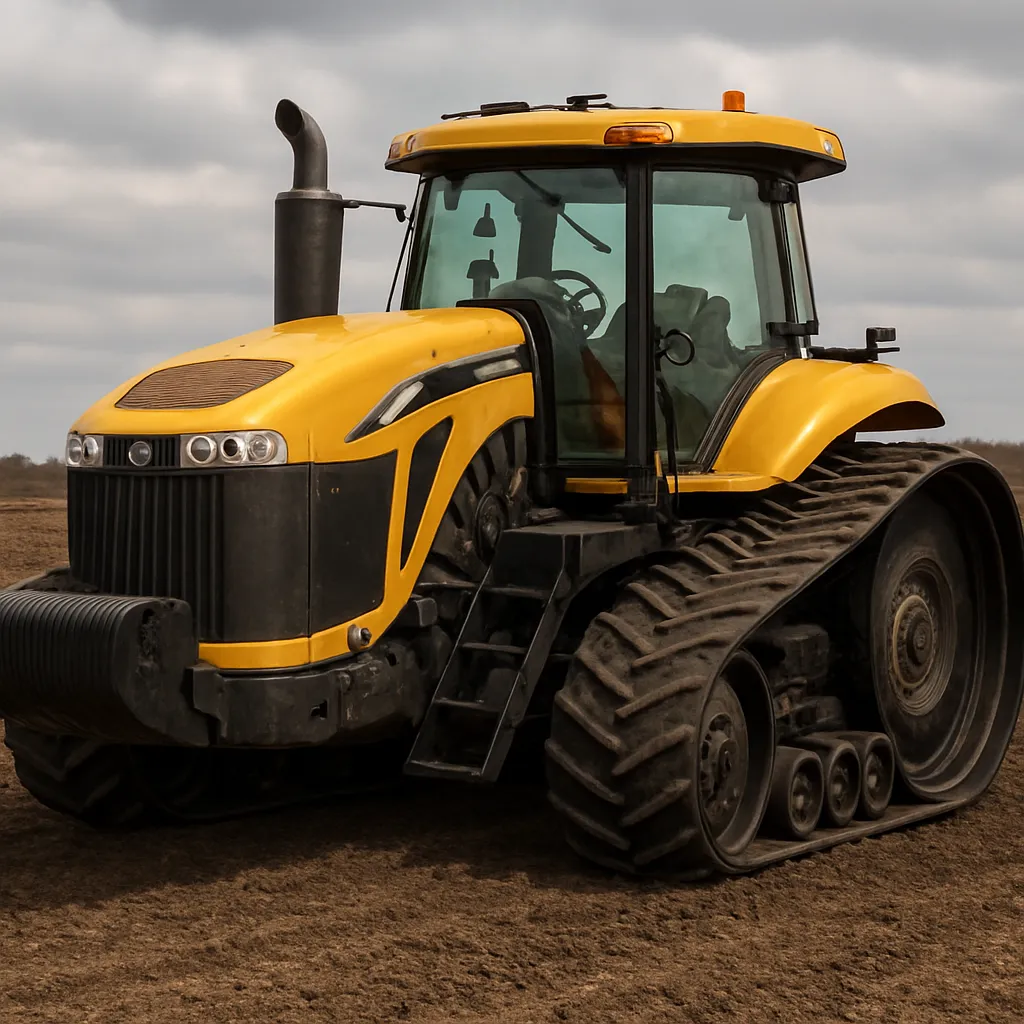
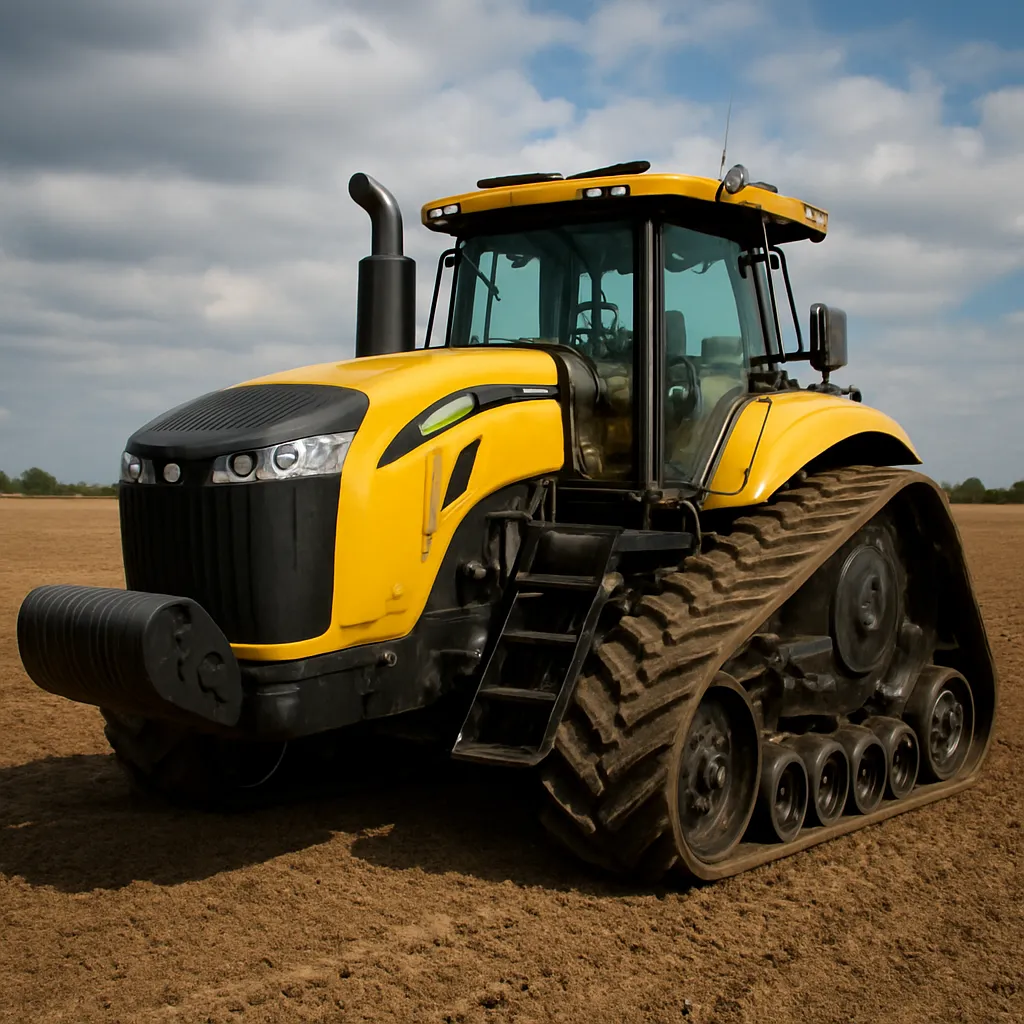
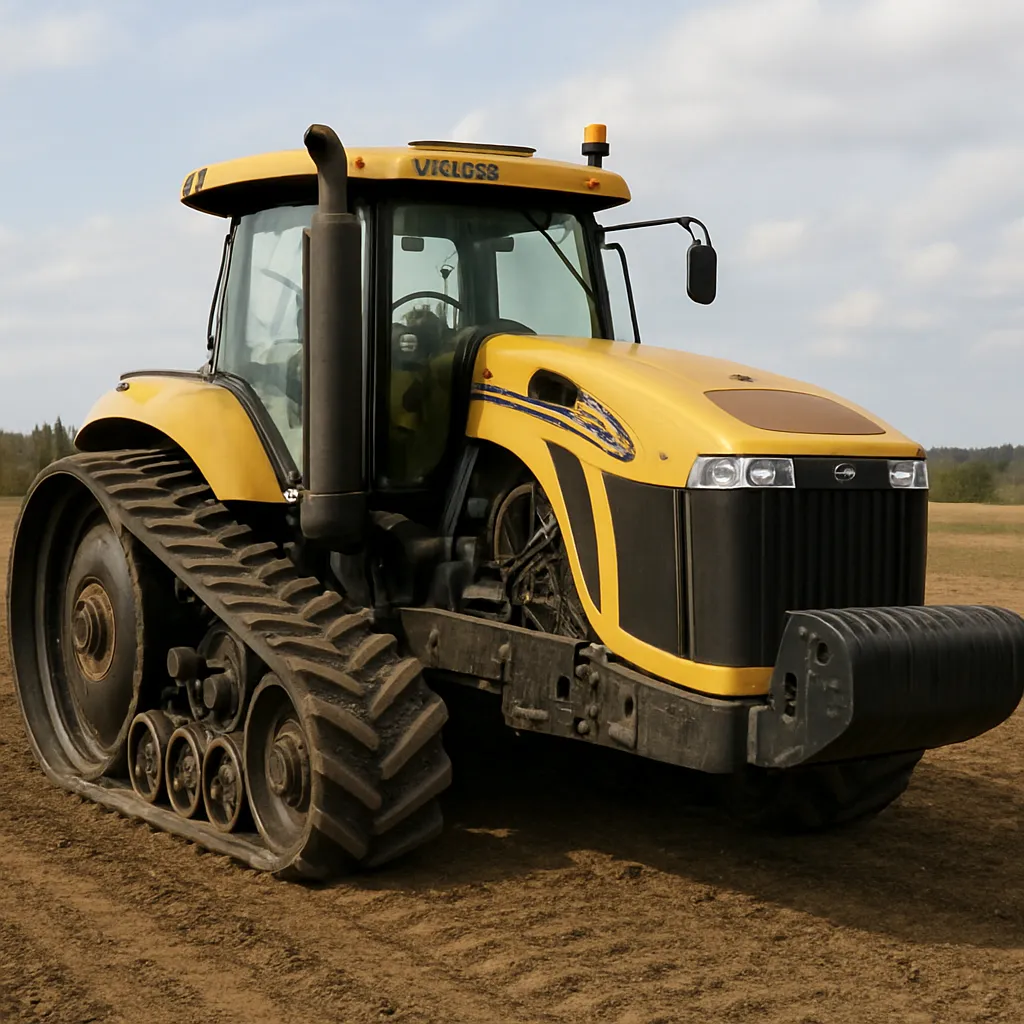
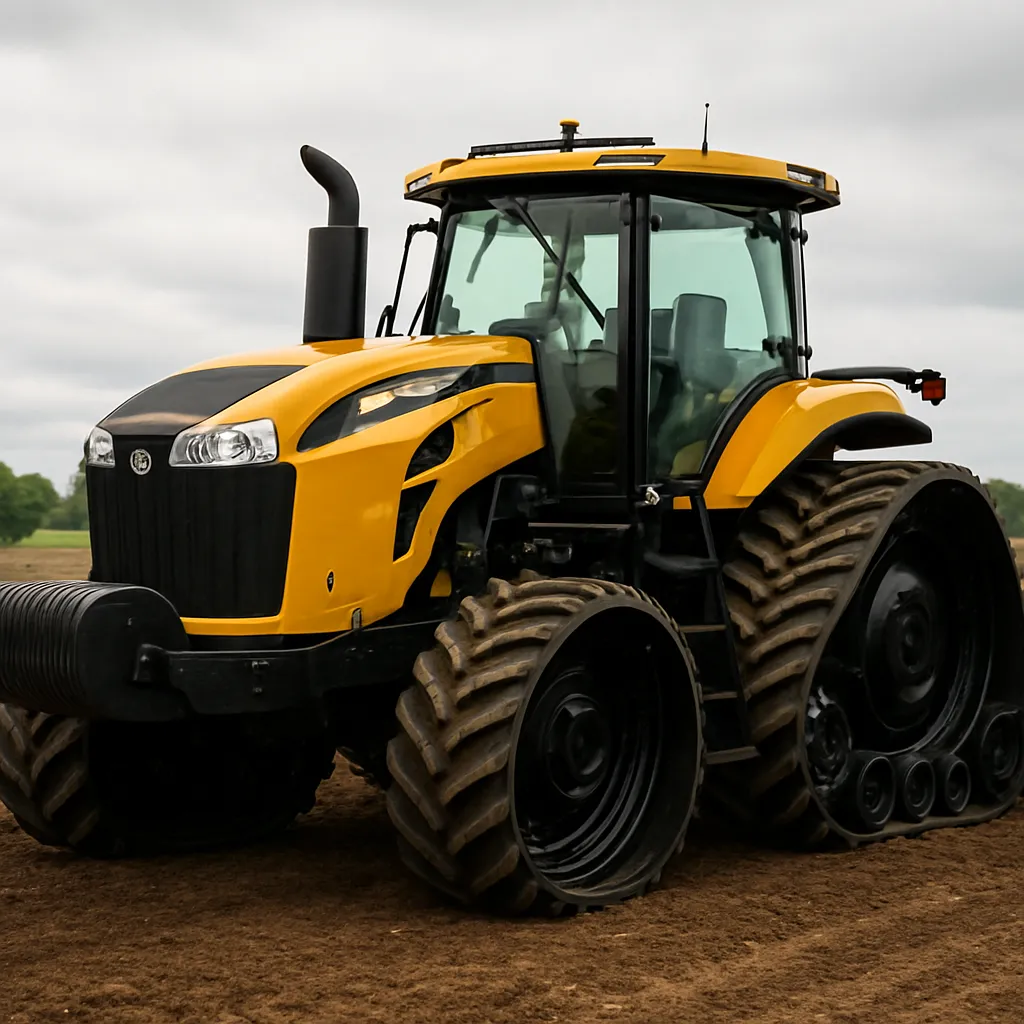
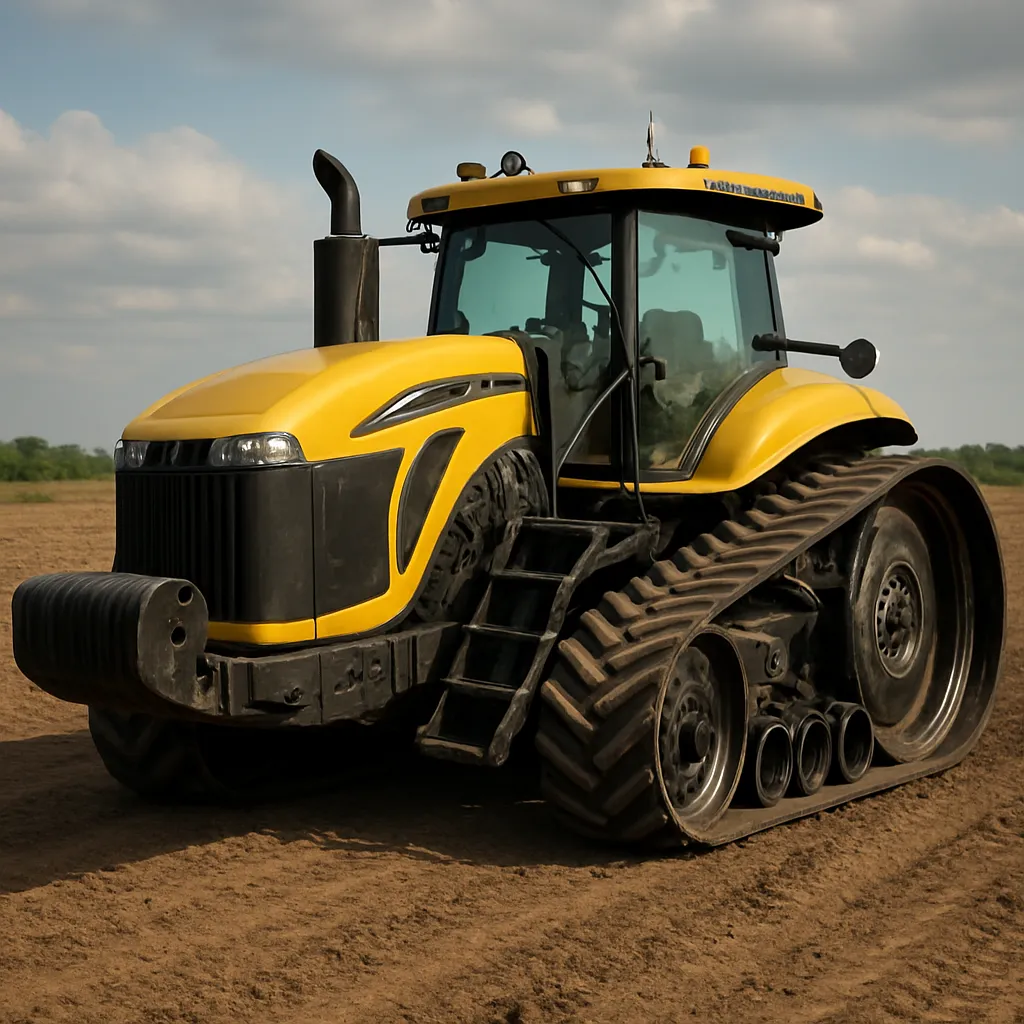
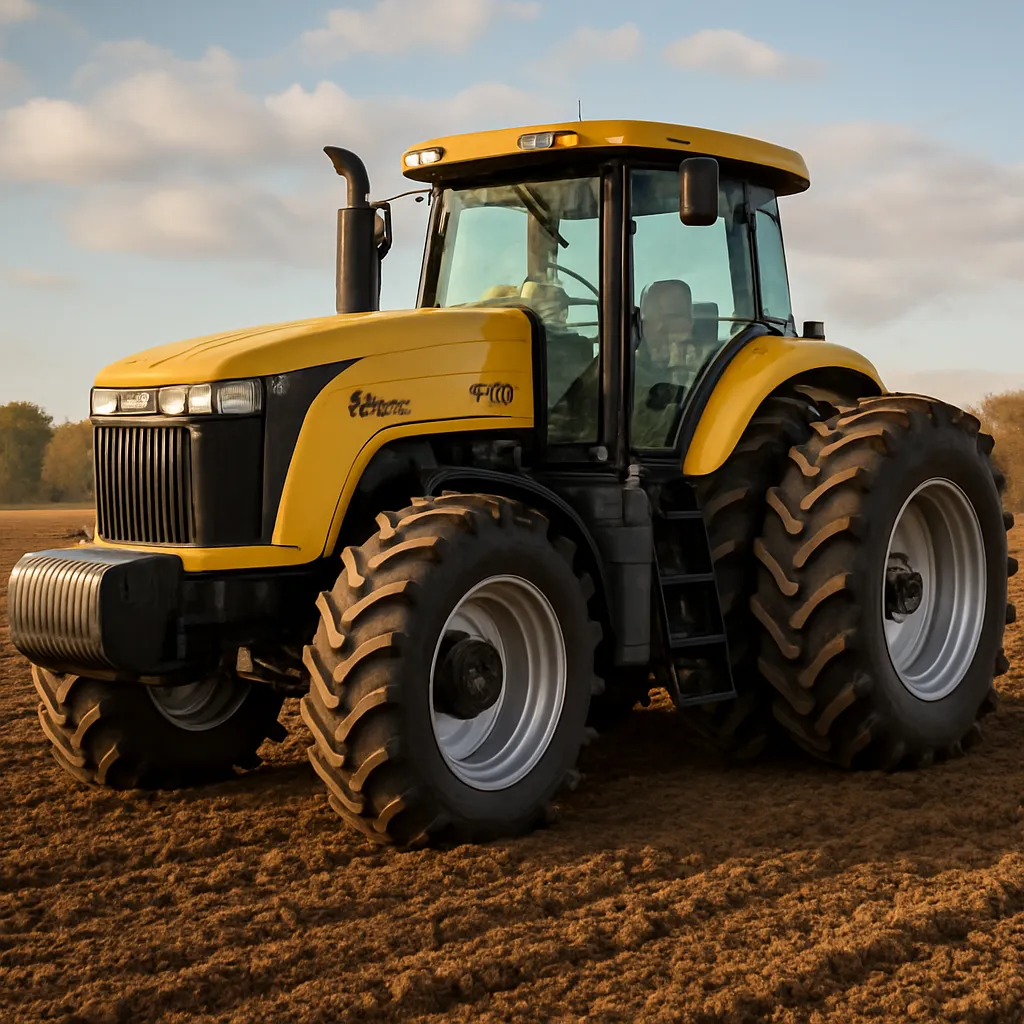
The Belarus 4220 is a versatile agricultural tractor produced under the Belarus/MTZ (Minsk Tractor Works) family of machines. Designed to combine straightforward mechanical design with practical adaptability, the 4220 aims to serve farms, contractors and municipal services that require dependable power in the mid-output class. This article examines its design, common applications, operational performance, and practical considerations for owners and operators.
Design and technical characteristics
The Belarus 4220 follows a lineage of robust, easy-to-service tractors developed by MTZ. Its architecture emphasizes mechanical simplicity, accessibility of components and adaptability to a wide range of implements. The model is a four-wheel-drive machine intended for medium-duty to heavy-duty tasks on small and medium farms as well as in utility roles.
Engine and powertrain
The 4220 is typically fitted with a turbocharged diesel engine that provides a balance between torque and fuel economy. While specific figures can vary by year, market and optional configurations, the 4220 class is usually rated in the range of approximately 100–120 horsepower (≈75–90 kW). This power range places the tractor in a practical position for multi-purpose use: large enough to pull substantial tillage implements, yet compact enough for transport and loader work.
The drivetrain is built around a durable mechanical transmission (often with synchronized gears) offering numerous forward and reverse speeds to suit fieldwork and road travel. A synchronized shuttle or reverser is commonly available as an option to make front-end loader cycles and transport operations more efficient.
Hydraulics, PTO and three-point hitch
Hydraulic capacity and three-point hitch strength are central to the 4220’s utility. The tractor typically features a mid-to-high-capacity hydraulic system with one or more hydraulic pumps supporting both rear and optional mid-mount circuits. The rear three-point hitch lifting capacity is often in the ballpark of 3,000–4,000 kg (approximate), enabling the use of heavy implements like ploughs, seeders and large mowers.
Power take-off (PTO) systems are standard and usually provide a 540 rpm PTO output; an optional 540/1000 rpm or multi-speed PTO may be offered depending on configuration. The PTO makes the 4220 suitable for driving a variety of PTO-driven equipment such as balers, rotary mowers and pumps.
Cab and ergonomics
Operator comfort and visibility are important on machines expected to work long hours. The 4220 generally includes an enclosed cab with heating and ventilation, and in many variants air conditioning is available as an option. Cabs are designed with practical layout—clear instrumentation, adjustable seating and good sightlines to the front and implements. While not necessarily as refined as premium western tractors, the cab provides the essentials for comfortable, safe operation in a wide range of weather conditions.
Dimensions and weight
Dimensions and curb weight vary with options like ballast, duals and loader attachments. Typical unladen operating weight is in the range of roughly 3.5 to 4.5 tonnes, a compromise that helps balance ground pressure, traction and transportability. Compact dimensions allow reasonable maneuverability in tighter farm yards while maintaining the physical stability required for heavy implements.
Applications and versatility
The Belarus 4220 is a true multi-role tractor. Its design makes it suitable for a range of tasks that include conventional agriculture, contract work, municipal services and light construction. Below are typical application categories and examples of implements commonly used with this class of machine.
Agricultural use
- Tillage: primary and secondary tillage with mounted and trailed ploughs, cultivators and disc harrows;
- Seeding and planting: pulling seed drills, planters and precision seeders across a variety of soil types;
- Crop care: boom sprayers, fertilizer spreaders and rotary hoes for maintenance of arable crops;
- Hay and forage: mowing, raking, tedding and baling with PTO-driven equipment;
- Transport: hauling trailers with grain, produce, silage or equipment between fields and storage.
Loader and material handling
Fitted with a front loader, the 4220 becomes an efficient material handler on the farm and around the yard. Loader-compatible features often include a robust front linkage, hydraulic quick couplers and integrated joystick controls. Typical loader tasks include:
- Moving feed, bedding and fertilizer;
- Loading/unloading trailers and trucks;
- Groundworks and light earthmoving;
- Snow clearing and street sweeping in municipal roles.
Municipal and utility roles
The simplicity and serviceability of the 4220 make it attractive for municipal fleets where tractors perform tasks like street cleaning, snow ploughing, verge mowing, and operating mounted generators or compressors. Fitting optional front and rear implements, salt spreaders and hydraulic attachments expands its usefulness in non-agricultural settings.
Forestry and construction support
In light forestry operations the 4220 can be used for hauling small logs, powering winches and operating hydraulic implements like flail mowers or mulchers. In construction-oriented tasks it can handle site clean-up, material transport and small grading jobs when fitted with appropriate buckets and blades.
Operational performance and economy
Operational performance of the Belarus 4220 is governed by a mix of mechanical efficiency, ease of maintenance and fuel economy. The tractor’s straightforward design tends to favor predictable running costs and dependable uptime, especially where operators are experienced with mechanical systems and local parts supply is good.
Fuel efficiency and consumption
Fuel consumption depends heavily on the task, load factor and operator habits. Mid-sized diesel tractors in this class usually show average specific fuel consumption figures that are acceptable for daily farm use. The 4220’s turbocharged engine is tuned to deliver strong low-end torque, which helps reduce gear hunting and inefficient operation when pulling heavy implements.
Productivity metrics
- Working width and field speed for implements such as cultivators, planters or mowers substantially determine hectare-per-hour outputs.
- Attaching a larger, multi-function implement can increase throughput, but also increases fuel usage and wear—so matching implement size to tractor power is crucial for efficient operation.
- Use of a synchronized shuttle transmission or reverser and ergonomic controls can boost loader cycle productivity and reduce operator fatigue, indirectly improving field efficiency.
Lifetime costs and resale
One of the attractive features of the Belarus line is relative affordability and low-cost maintenance compared with some premium brands. Spare parts are generally less expensive and widely available in regions with historical MTZ presence. Resale values tend to be stable in markets where the brand is established. Total cost of ownership must consider fuel, tires, regular maintenance (filters, oils, hydraulic servicing), and potential upgrades like cabs, loaders or advanced hydraulics.
Maintenance, support and market presence
Proper maintenance extends the working life and preserves resale value of a 4220. The model’s mechanical simplicity aids field-level servicing; many routine tasks can be performed with basic tools, reducing service downtime.
Recommended maintenance practices
- Adhere to scheduled oil and filter changes for engine, transmission and hydraulics;
- Regularly inspect drive components, universal joints and linkages for wear and lubrication needs;
- Monitor cooling system, clean radiators and check coolant concentration to avoid overheating in heavy work;
- Keep electrical contacts, lights and battery terminals clean and secure;
- Check tire condition and inflation—appropriate ballast and correct pressures help traction and reduce soil compaction.
Dealer networks and parts
Availability of authorized dealers and spare parts varies by region. In countries with a long history of MTZ sales, a robust network often exists, including third-party workshops familiar with Belarus models. In markets where MTZ is less common, owners should plan logistics for parts or consider stocking commonly replaced items like filters, belts and seals.
Safety and operator training
Operators should be trained in safe hitching procedures, PTO shielding, and loader operations. Given the mechanical nature of the 4220, safe practice around hydraulics, lockout procedures and working under raised frames is essential. Cab versions provide rollover protective structures (ROPS) and adequate visibility, but safe attachment and transport practices remain critical.
Advantages, limitations and buying considerations
Understanding where the Belarus 4220 excels and where it may be less suitable helps potential buyers make informed choices.
Key advantages
- Reliability: Proven mechanical systems designed for straightforward repair and long service life.
- Affordability: Lower purchase and parts costs relative to many western brands.
- Versatility: Suitable for a broad mix of farm and municipal tasks when configured with correct implements.
- Serviceability: Easy access to components and uncomplicated electronics make field repairs feasible.
Potential limitations
- Cab comfort and refinement may lag behind premium models offering advanced suspension seats, integrated telematics and noise insulation.
- Fuel efficiency and emissions compliance depend on the specific engine version; newer emissions standards (Tier 4/Stage V) may not apply to older configurations.
- Dealer coverage and after-sales support vary—buyers in regions without established MTZ presence should check parts availability.
What to check before purchase
- Service history—look for regular maintenance and documented repairs;
- Hydraulic performance—test lifting capacity and check for leaks or slow response;
- Transmission and PTO function—verify engagement, shifting smoothness and absence of unusual noises;
- Cab and controls—ensure instruments, heating/AC and safety features function reliably;
- Tire condition and any evidence of frame or axle damage from heavy use or accidents.
Market role and future outlook
The Belarus 4220 occupies a practical niche: a robust, mid-power tractor that appeals to users who value simplicity, cost-effectiveness and ease of maintenance. As agricultural mechanization continues to spread, particularly in areas where affordability and durability matter more than cutting-edge electronics, tractors like the 4220 remain relevant.
However, market trends emphasize improved emissions control, telematics integration and operator comfort. To remain competitive across broader markets, future iterations or competing models will likely need to offer updated engines meeting stricter emissions standards, more advanced ergonomics and optional digital systems for precision farming. For many owners, though, the tried-and-tested qualities of the Belarus 4220—durability, mechanical clarity and multi-role capability—are decisive advantages.
Summary
The Belarus 4220 is a solid mid-range tractor that combines practical power, adaptable hydraulics and straightforward maintenance. Its utility spans conventional fieldwork, loader tasks, municipal maintenance and light forestry, making it a dependable choice for farms and contractors who prioritize durable, cost-effective machines. When evaluating a 4220, prospective buyers should consider overall condition, service history and parts support while matching implement size and task demands to the tractor’s capabilities. With proper care and appropriate use, the 4220 can deliver years of productive service.