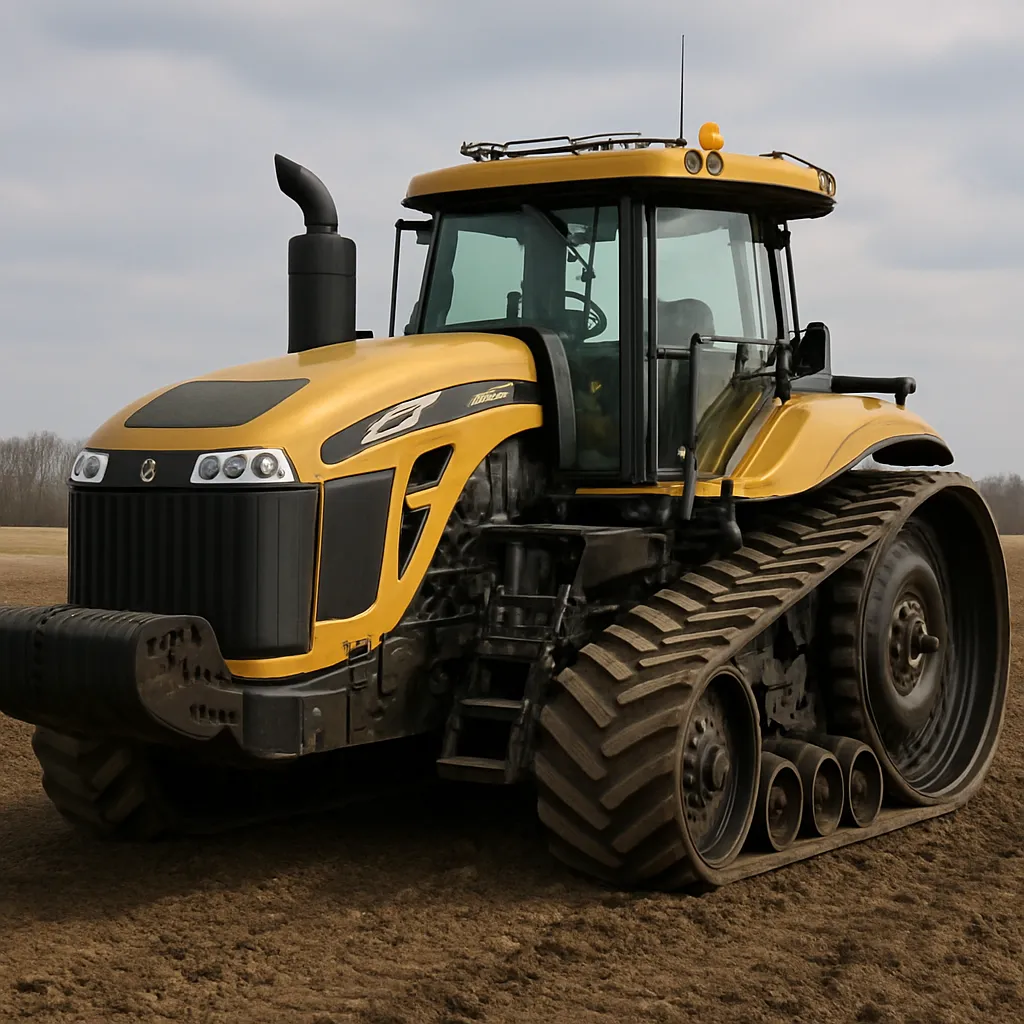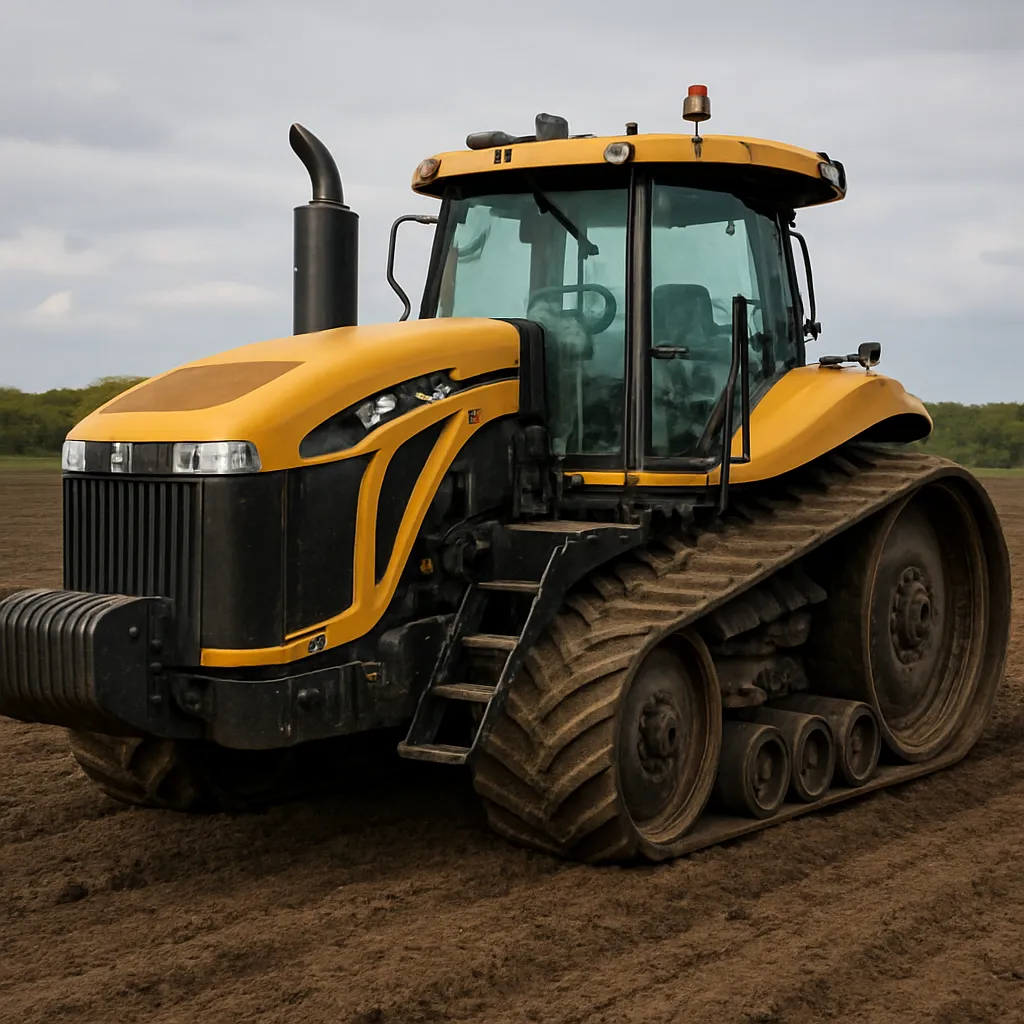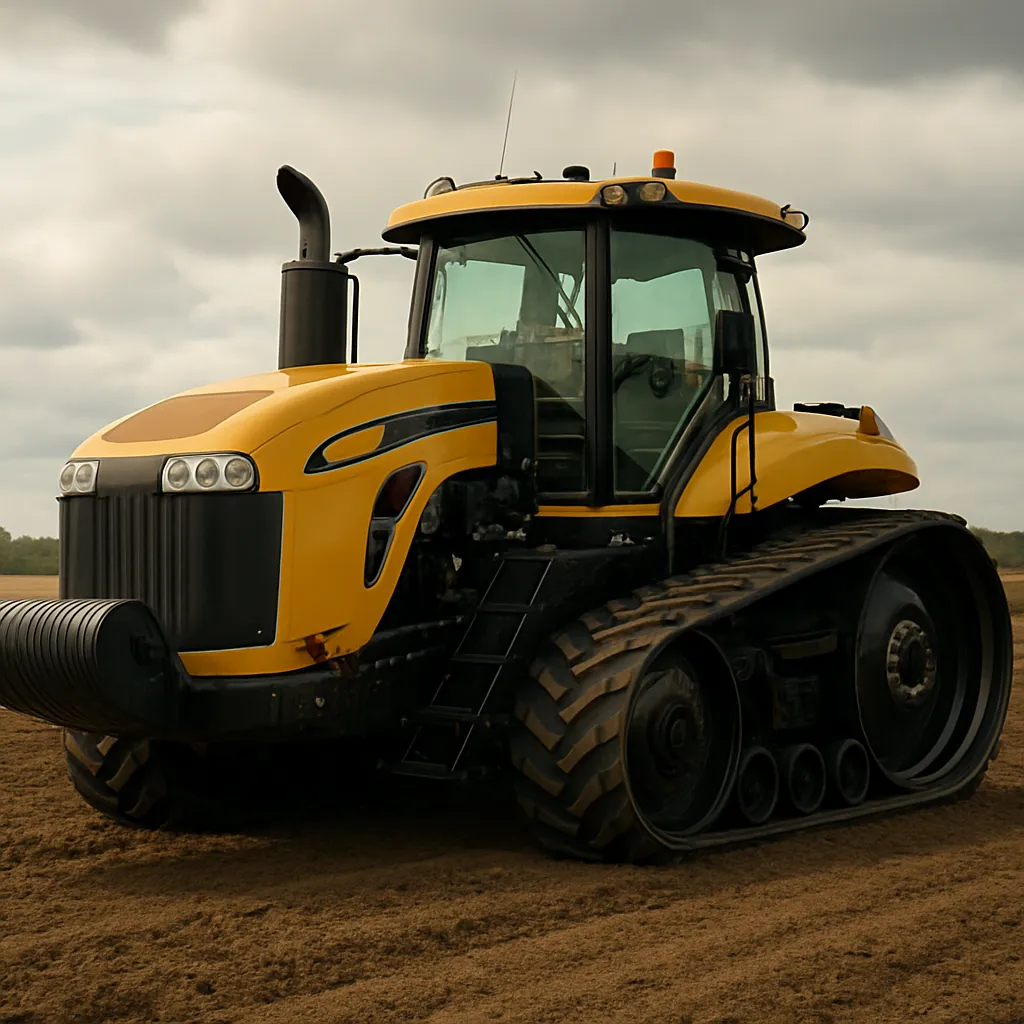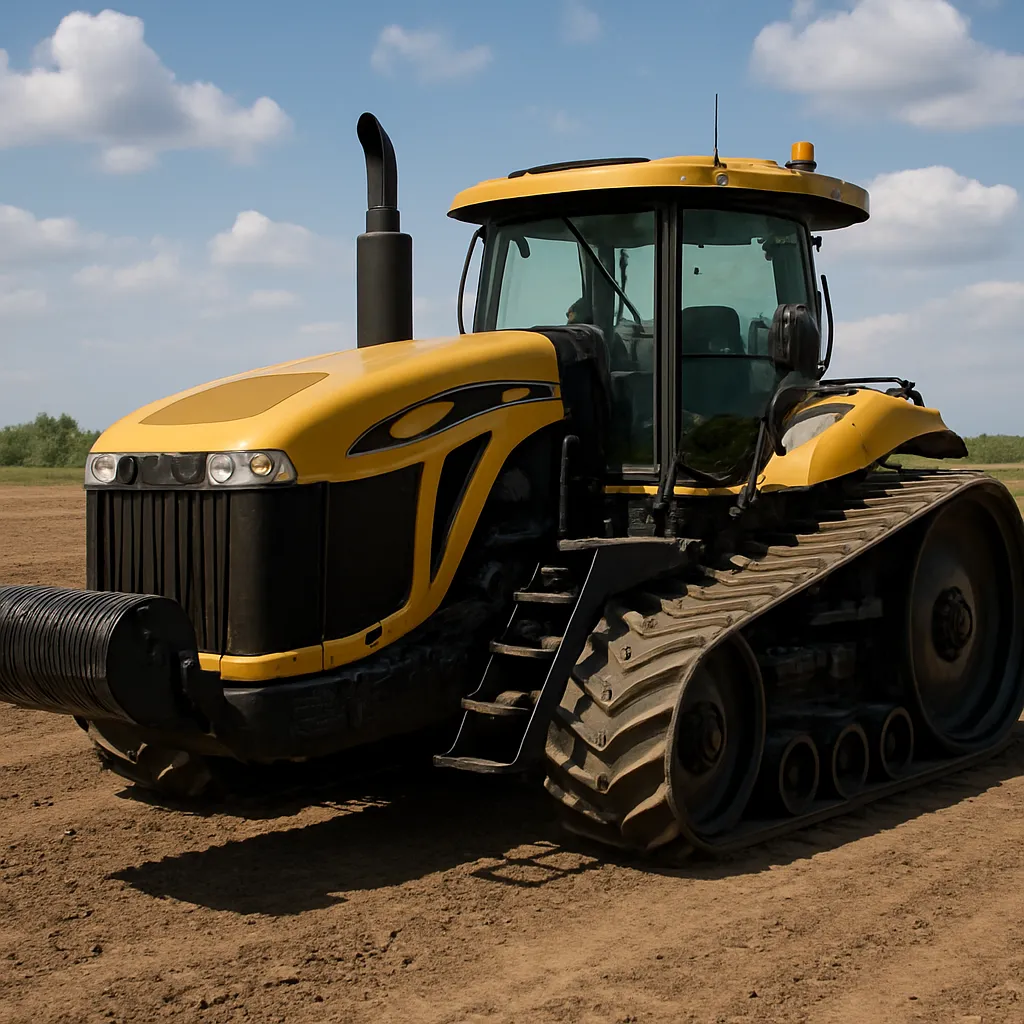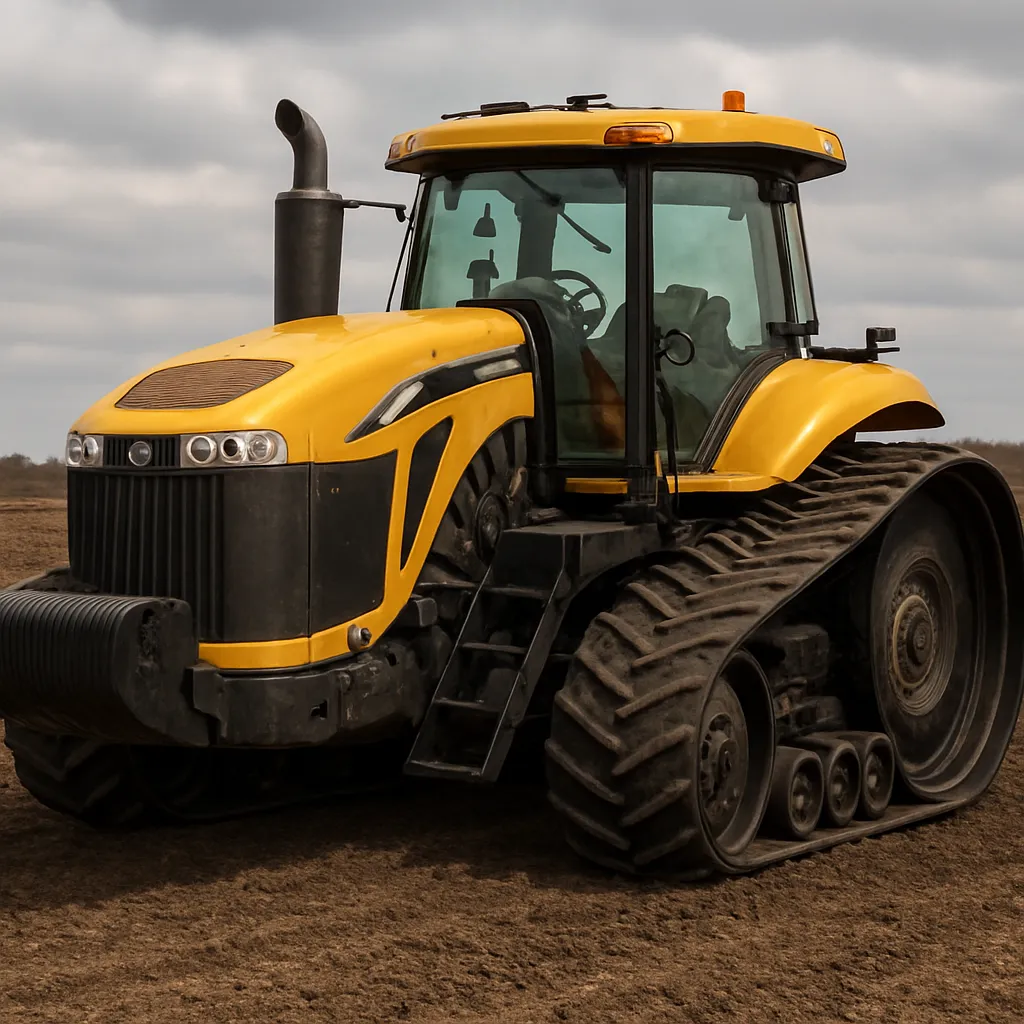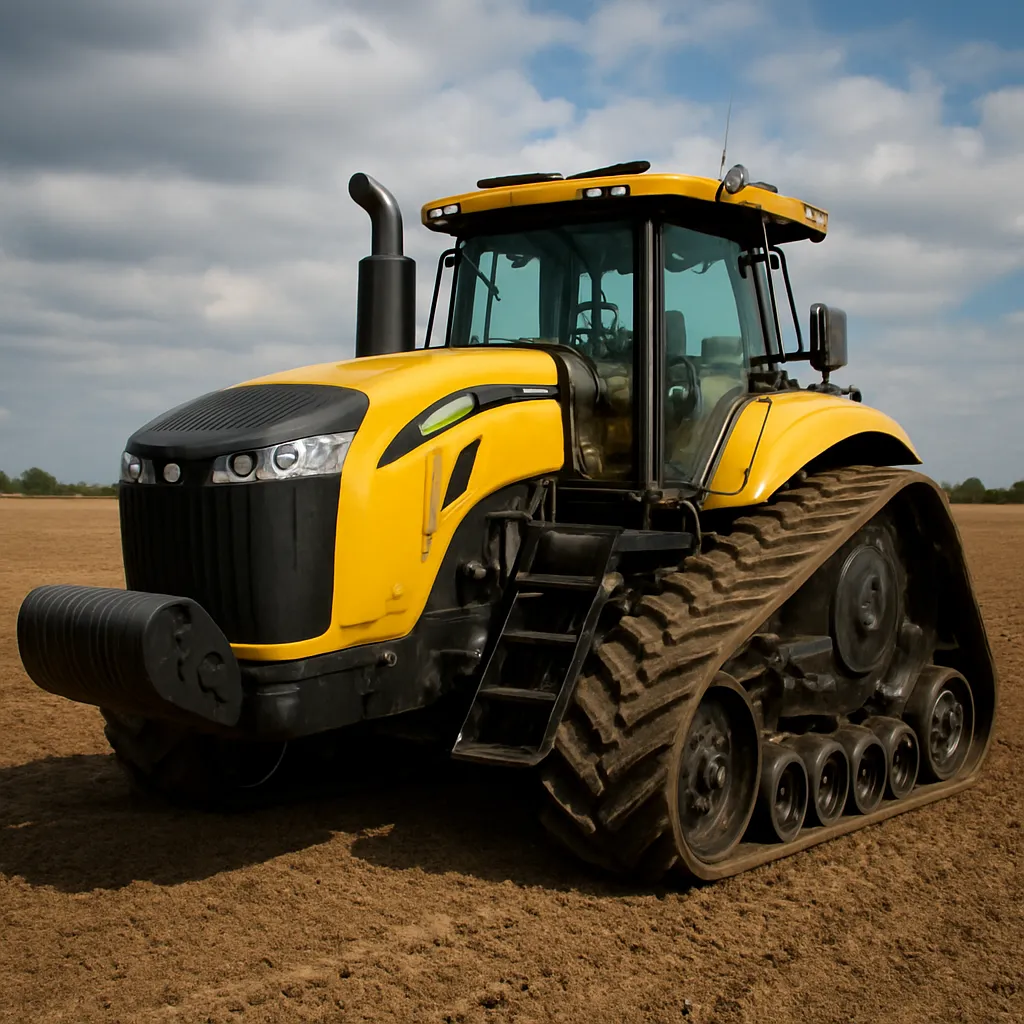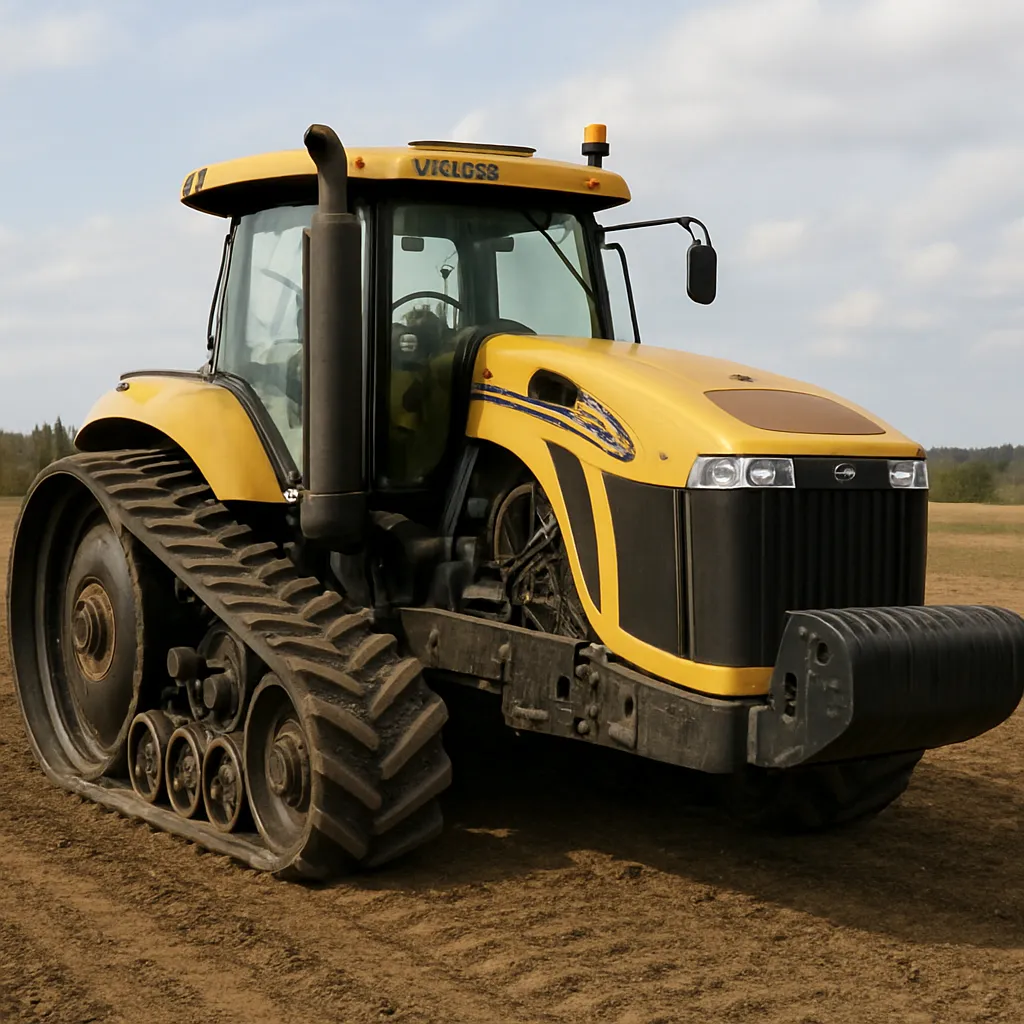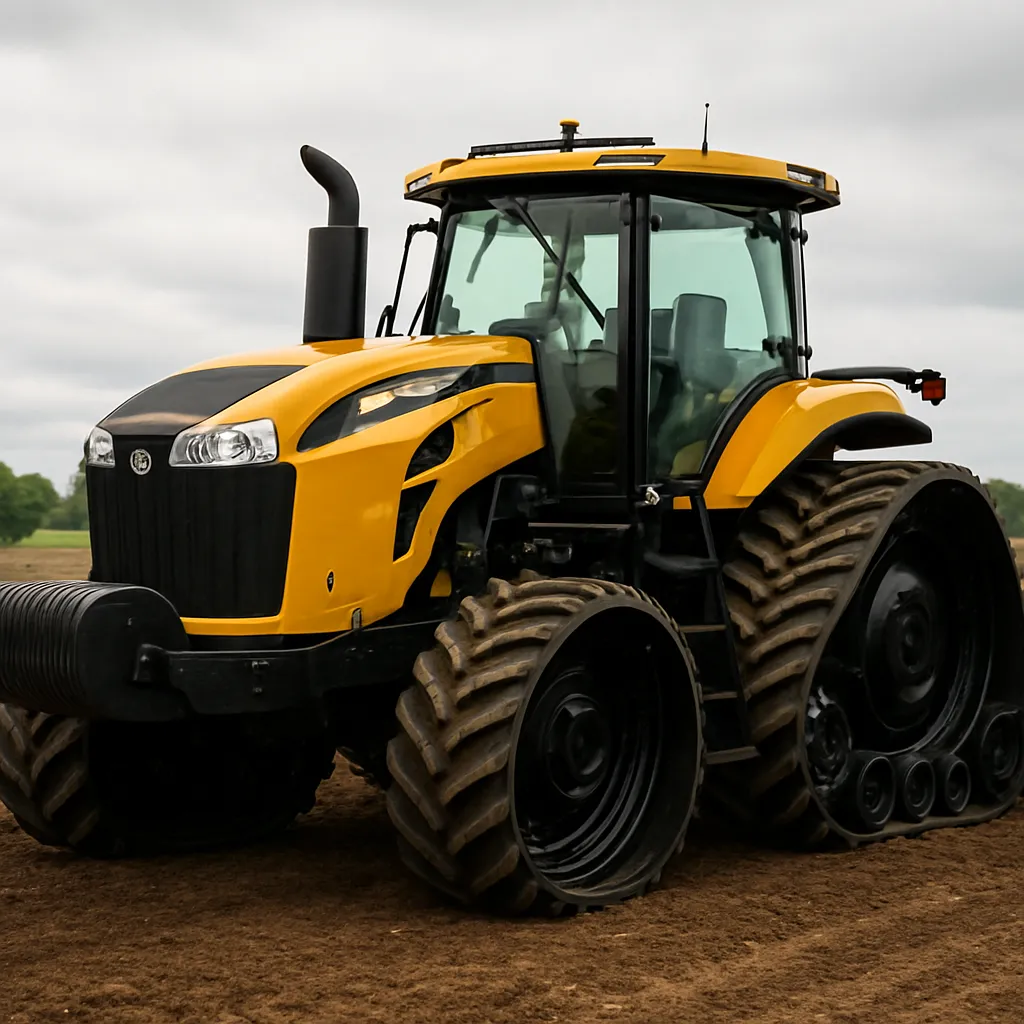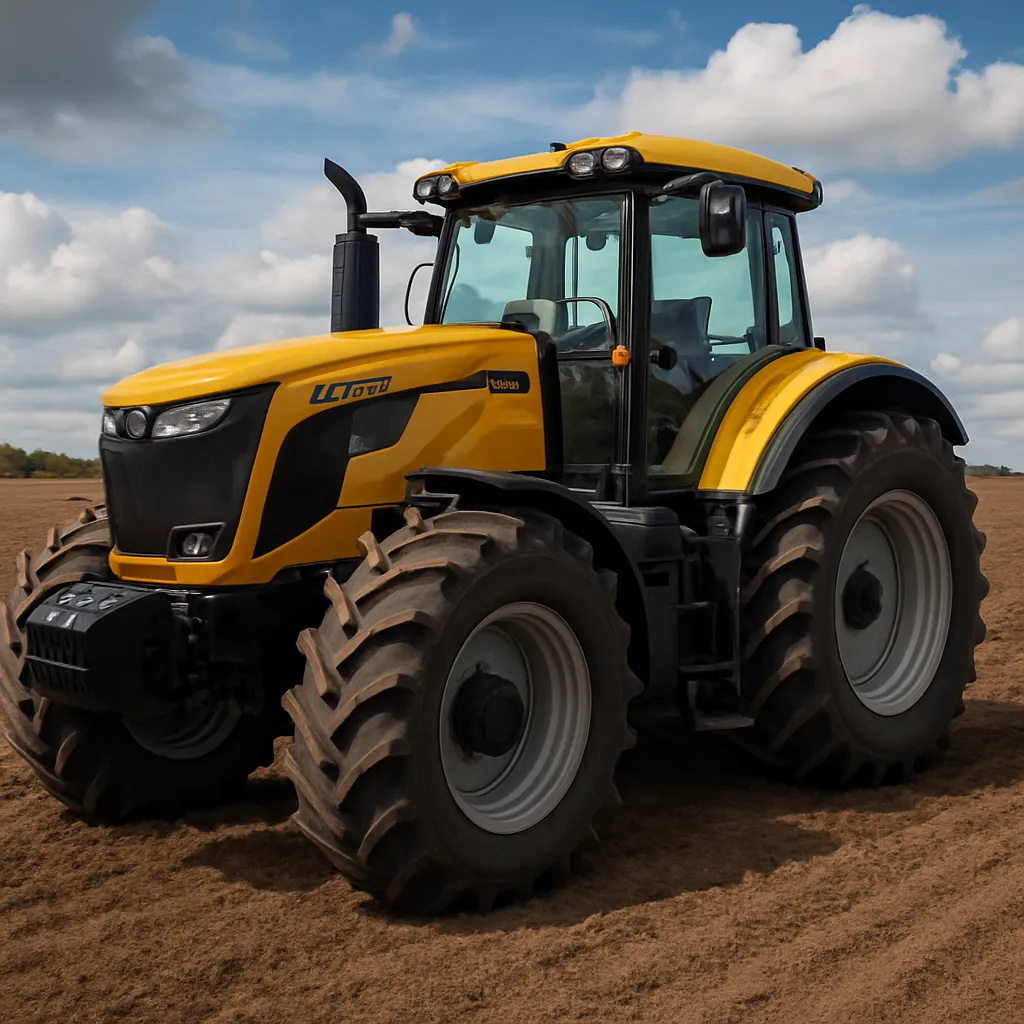
The Challenger 1150 is a prominent member of the large tracked agricultural tractor family that has become synonymous with high-traction field work, heavy tillage, and large-scale farming operations. Designed to deliver sustained power, excellent soil protection through reduced compaction, and dependable performance in challenging conditions, the Challenger 1150 represents a blend of robust engineering, modern electronics, and practical field-focused features. This article explores its origins, technical characteristics, typical applications, operational considerations, and market context to give a comprehensive picture of where and how the Challenger 1150 is used.
History and development
The Challenger brand has roots reaching back to the late 20th century. Initially launched under different ownerships and through partnership agreements, Challenger tracked tractors gained popularity for their ability to apply high power while preserving soil structure better than comparable wheeled tractors. Ownership of the brand moved through various hands and is presently associated with AGCO Corporation, which integrated Challenger models into its range of agricultural machines. Over the years the Challenger product line evolved to incorporate advances in diesel engine technology, electronic engine controls, emissions compliance, and precision agriculture systems.
The numeric designation “1150” places this machine among the higher-power class of track tractors, targeted at large farms, custom operators, and contractors who require sustained drawbar performance for heavy implements. During its production runs, the 1150 series received iterative updates in engine tuning, transmission electronics, cab comfort, and telematics. These incremental improvements mirrored industry-wide advances such as Tier emissions standards, more efficient fuel systems, and the addition of factory-ready GPS/autosteer systems.
Technical characteristics and performance
The Challenger 1150 is built around several core design priorities: high continuous power delivery, outstanding traction, and minimal soil disturbance under heavy loads. While exact specifications can vary by model year and optional configuration, some typical technical characteristics and performance metrics are commonly associated with this tractor class.
Engine and powertrain
- Engine type: heavy-duty turbocharged diesel, designed for continuous high-load operation and longevity.
- Rated power: approximately in the 500–550 horsepower class (roughly 370–410 kW), depending on year and tuning.
- Torque: built for strong low-end torque to maintain drawbar pull during deep tillage and heavy transport.
- Transmission: electronic powershift or continuously variable systems in later models, optimized for smooth power delivery and fuel economy.
These tractors are engineered to deliver reliable performance under sustained load rather than brief bursts of peak power. That makes them well-suited for long passes with large cultivators, seeders, or pull-type planters.
Undercarriage and traction
- Tracks: wide rubber tracks or multiple-track configurations (two-track or four-track/Quadtrac options on some variants) to maximize traction and minimize soil compaction.
- Weight distribution: design emphasizes even weight transfer across the track footprint to reduce local ground pressure.
- Drawbar performance: high drawbar pull enabling large implements to be dragged through dense soil at productive speeds.
Tracked designs give the Challenger 1150 an advantage in soft, wet, or loose soils compared with wheeled tractors of similar horsepower, especially when long implement runs are required.
Hydraulics and electrical systems
- Hydraulic capacity: multiple spool valves and a high-capacity hydraulic pump to run large planters, seeders, and mounted implements.
- Electrical and electronics: factory-ready wiring and controllers for GPS autosteer, implement control, and telematics integration.
- On-board systems: sophisticated engine and transmission management for optimum fuel efficiency and engine protection under load.
Cab and operator comfort
Large tractors like the Challenger 1150 were among the first to prioritize long-hour operator comfort. Standard features often include air-suspension seats, climate control, ergonomic control layouts, and excellent visibility. Modern units come equipped with integrated displays for machine management and guidance systems that reduce operator fatigue and increase pass-to-pass accuracy.
Typical applications and use cases
The Challenger 1150 is intended for operations where substantial continuous power and traction are required. Typical applications include:
- Deep primary tillage: moldboard plowing, subsoiling, and chisel plowing on large acreages.
- Large seedbed preparation: pulling heavy disk harrows or large cultivator sections over wide swaths.
- Planting and seeding with very large pull-type planters and air seeders, where consistent speed and hitch control matter.
- Heavy transport: moving laden wagons, trailers, or specialized equipment on farms and worksites where torque is critical.
- Specialty crops and contractors: operations in sugarcane, rice paddies (when fitted appropriately), and contractors performing land clearing or large-scale soil remediation.
For custom operators, the Challenger 1150’s combination of power and track-based flotation makes it a versatile choice on mixed soils and under heavy implement loads.
Operational considerations
Operating a large tracked tractor like the Challenger 1150 requires attention to several practical factors that influence productivity, longevity, and cost-effectiveness.
Fuel consumption and efficiency
Fuel use is one of the highest ongoing costs for high-horsepower tractors. Under heavy load, fuel consumption can vary widely depending on terrain, implement type, and operating speed. Typical consumption figures for machines in this power class often range from 30 to 60 liters per hour under heavy draft, with lower consumption at cruising or light work. Effective strategies to improve fuel efficiency include proper engine-tuning, using the right gear/engine rpm combination, matching implement size to tractor capability, and using precision farming techniques to minimize overlap and repeat passes.
Maintenance and service
- Undercarriage care: tracks and rollers require regular inspection for wear, proper tensioning, and alignment to assure even wear and avoid premature failure.
- Engine and driveline: scheduled oil, filter, and coolant changes preserve engine life—particularly important given long hours under heavy load.
- Hydraulics: keeping hydraulic fluid clean and replacing filters on schedule avoids costly downtime and maintains responsiveness for large implements.
- Telematics monitoring: many Challenger units include remote monitoring (e.g., AGCO’s AgCommand system) that allows fleet managers to track hours, fuel use, fault codes, and location for proactive maintenance planning.
Soil management and compaction
While tracks reduce peak ground pressure relative to narrow tires, the overall mass of the machine still affects compaction. Intelligent management—such as using tracks with the appropriate width, adjusting ballast, and avoiding repeated passes at critical moisture levels—helps maintain soil health. For many operations, tracked tractors allow earlier field entry after rain and reduce rutting compared to comparable wheeled tractors.
Attachments, implements and compatibility
One of the strengths of the Challenger 1150 is compatibility with a wide array of heavy-duty implements. Common pairings include:
- Large air seeders and grain carts for high-acreage planting and harvest operations.
- Deep subsoil rippers and folding disc harrows for primary tillage.
- Mounted or semi-mounted planters and fertilizer applicators designed for high-speed operation.
- Custom heavy attachments for contractors, such as land-leveling equipment, mulchers, and excavator-style implements when adapted for agricultural work.
Hydraulic and electronic interface options enable precise control of many modern implements, making the 1150 a flexible workhorse.
Safety, emissions and regulatory considerations
Manufacturers have progressively updated engines and exhaust systems to meet global emissions regulations. Challenger tractors produced in different eras comply with varying emissions tiers—ranging from Tier 2 and Tier 3 in earlier models to Tier 4 Final in more recent machines—using aftertreatment systems such as diesel particulate filters (DPF) and selective catalytic reduction (SCR) where required. Operators must maintain these systems to ensure continued compliance and performance.
In terms of safety, the tractor features a reinforced cab structure, visibility aids, lighting packages for night operation, and modern alarm/monitoring systems that warn operators of critical faults. Proper training in safe coupling, transport, and field operation remains essential given the machine’s size and mass.
Economic and market context
Price and operating economics for a Challenger 1150 depend heavily on year, configuration, hours, and market region. New machines of equivalent power class across leading brands often carry a significant capital cost—commonly in the mid-six-figure range in USD—though exact figures fluctuate with options and market conditions. For many large farms and contractors, the decision to purchase is balanced against cost-per-acre advantages through higher daily field capacity, reduced soil repair costs, and longer productive seasons.
- Depreciation: high-power tractors depreciate quickly in the first few years but retain value if maintained well.
- Resale market: used Challenger 1150 units attract interest from operations scaling up or from regions where high horsepower is economical.
- Operating cost drivers: fuel is typically the largest variable expense, followed by maintenance, tires/tracks, and labor.
Comparisons and alternatives
When evaluating the Challenger 1150, prospective buyers often compare it to other high-horsepower tracked tractors and wheeled tractors in the 400–600 HP class. Key comparison points include:
- Traction vs. speed: tracks offer superior traction and flotation, while wheeled tractors may have higher transport speeds.
- Soil protection: tracked machines generally reduce point loadings, an advantage on softer soils.
- Serviceability: different manufacturers have varying dealer networks and parts availability that influence downtime risk.
Other brands offer comparable models with similar power and feature sets. Decision factors often hinge on local dealer support, familiarity with brand electronics, and existing fleet commonality.
Practical tips for prospective users
- Match implement size and intended duty cycle carefully—oversizing wastes fuel and increases wear, while undersizing leaves productivity on the table.
- Invest in precision-ag technologies (auto guidance, section control) to make large tractors economical by reducing overlaps and optimizing pass timing.
- Maintain an aggressive preventative maintenance schedule focused on undercarriage, hydraulic cleanliness, and aftertreatment systems for long life.
- Consider resale planning: machines with comprehensive service records and factory telematics tend to command higher trade-in values.
Conclusion
The Challenger 1150 sits as a powerful, track-based solution for large-scale agricultural tasks that require sustained traction and reduced soil compaction. Its combination of high continuous power, robust undercarriage, and modern electronics makes it a strong choice for large farms and contractors. Success with such a machine depends on selecting the right configuration for the operation, maintaining it diligently, and integrating precision farming practices to maximize productivity and control operating costs. With appropriate care and deployment, a Challenger 1150 can be a cornerstone asset for demanding field operations.