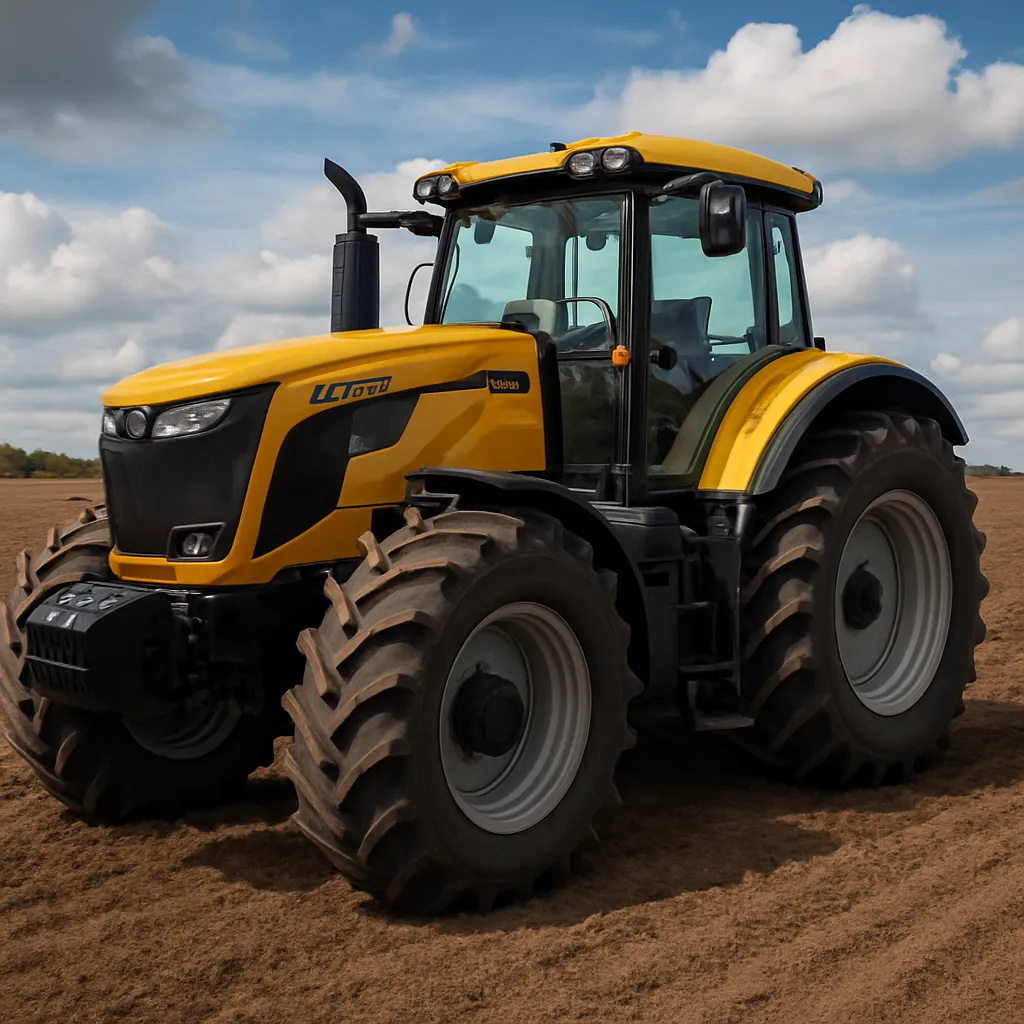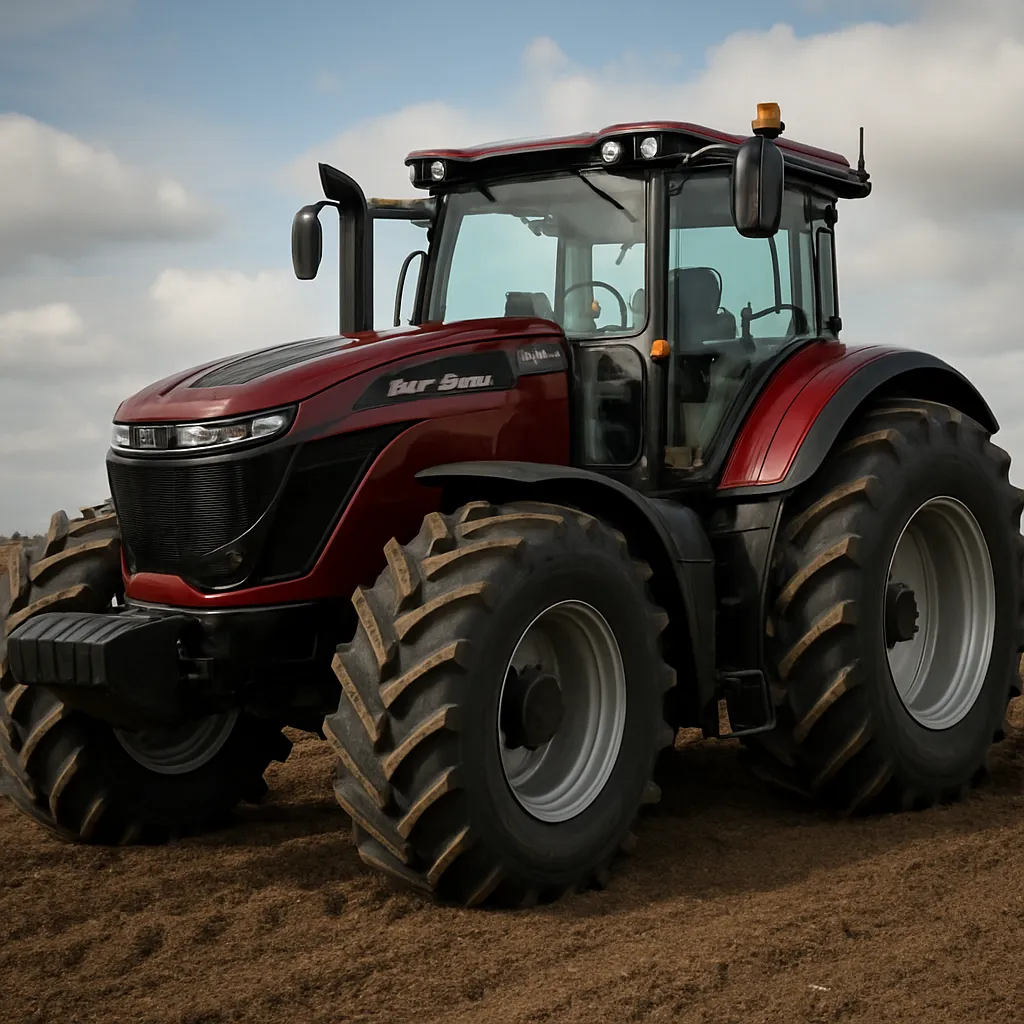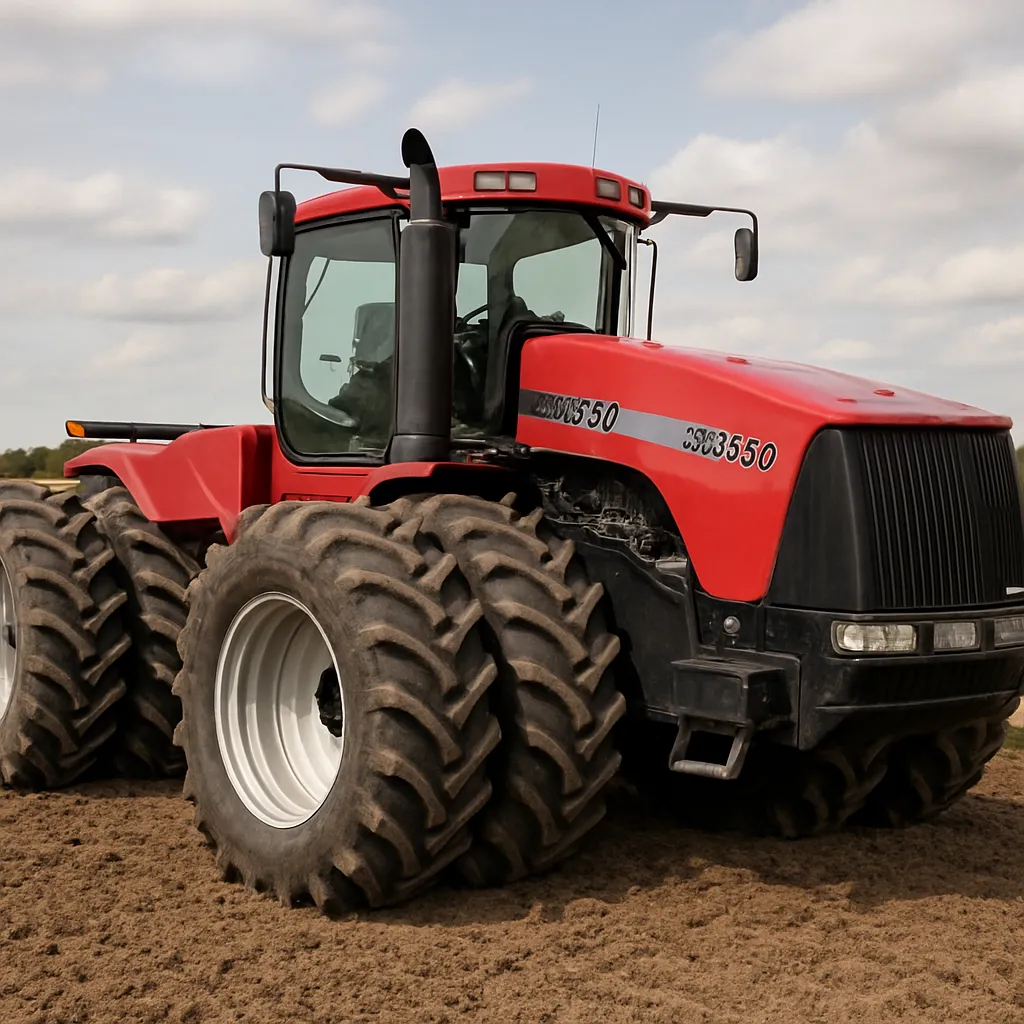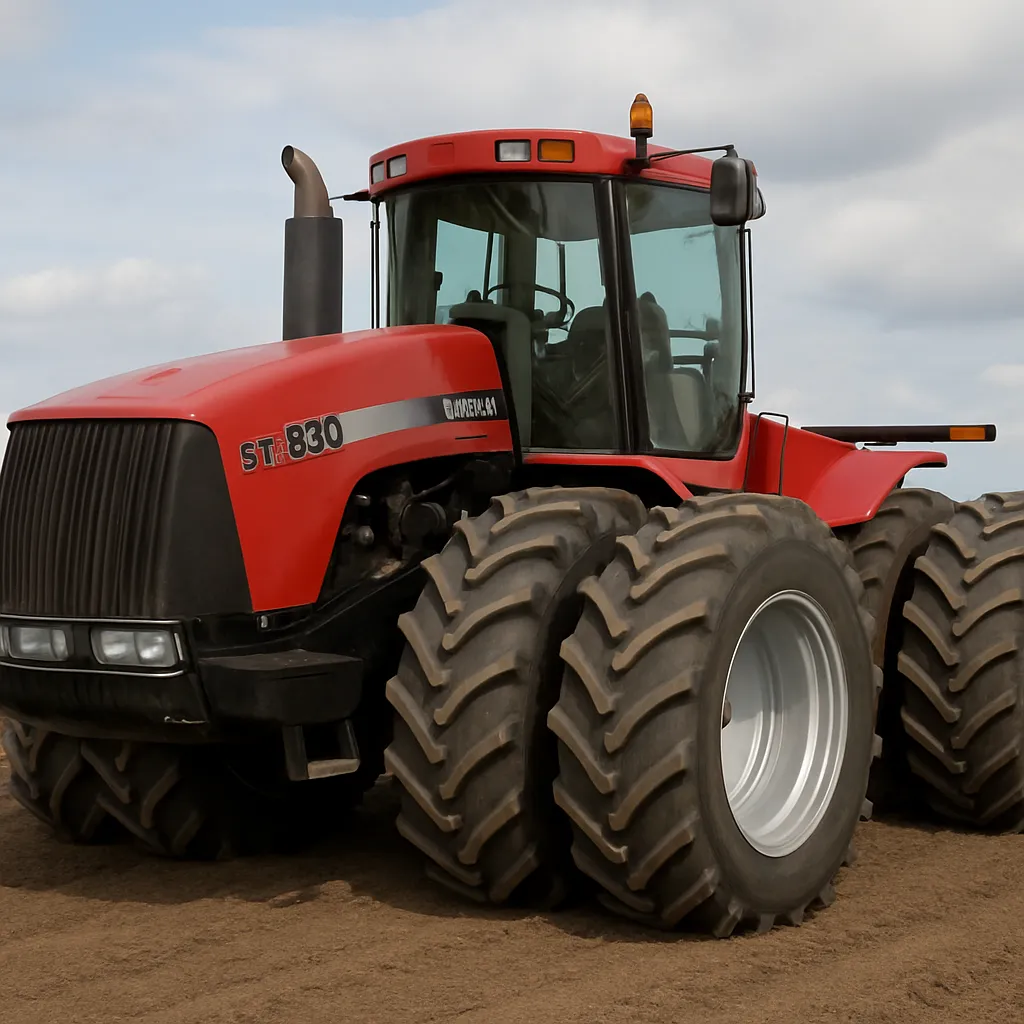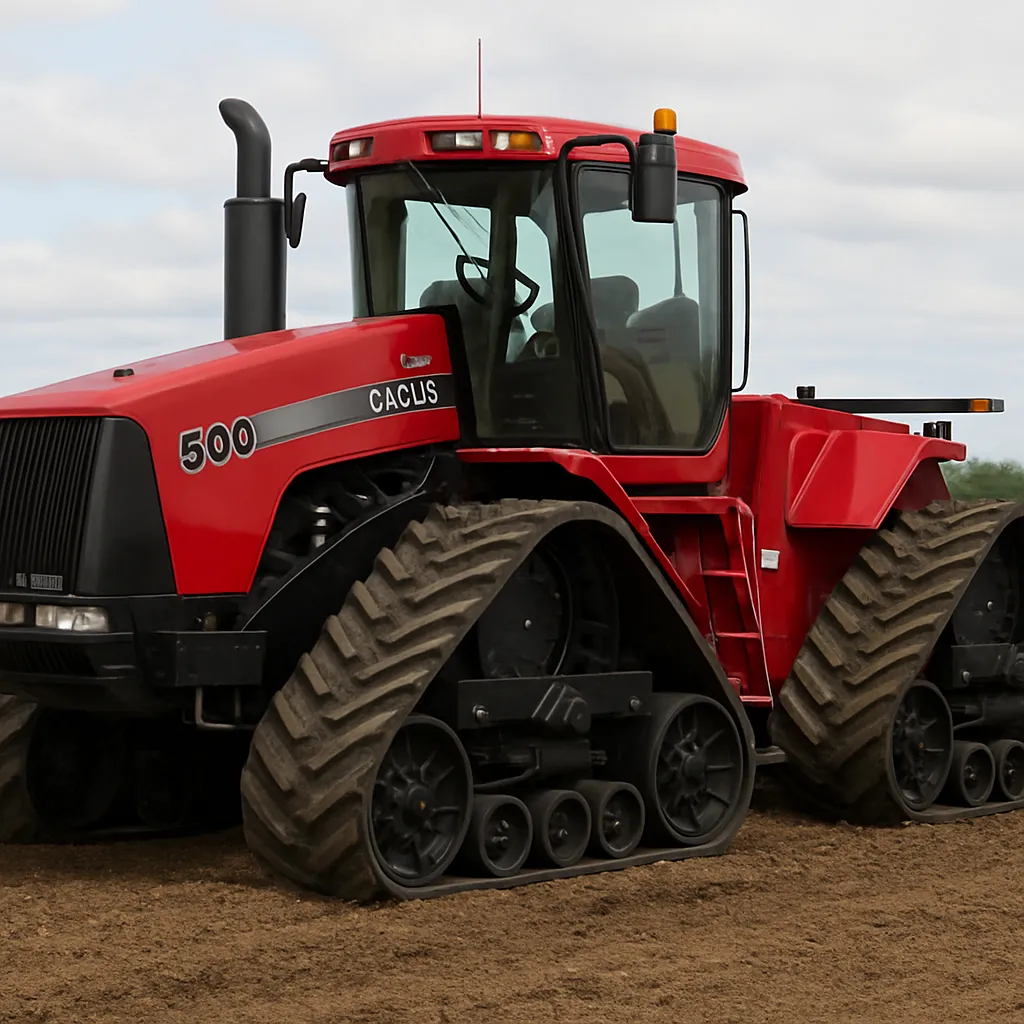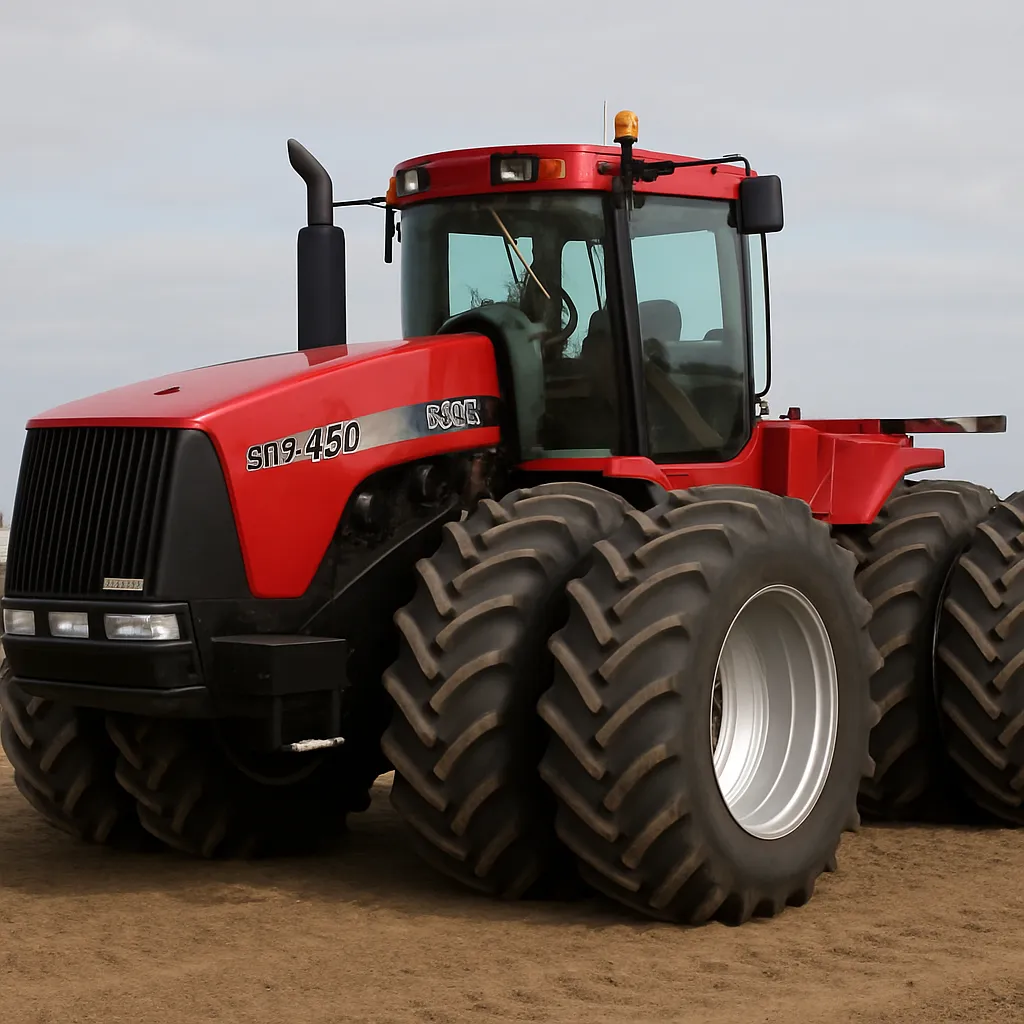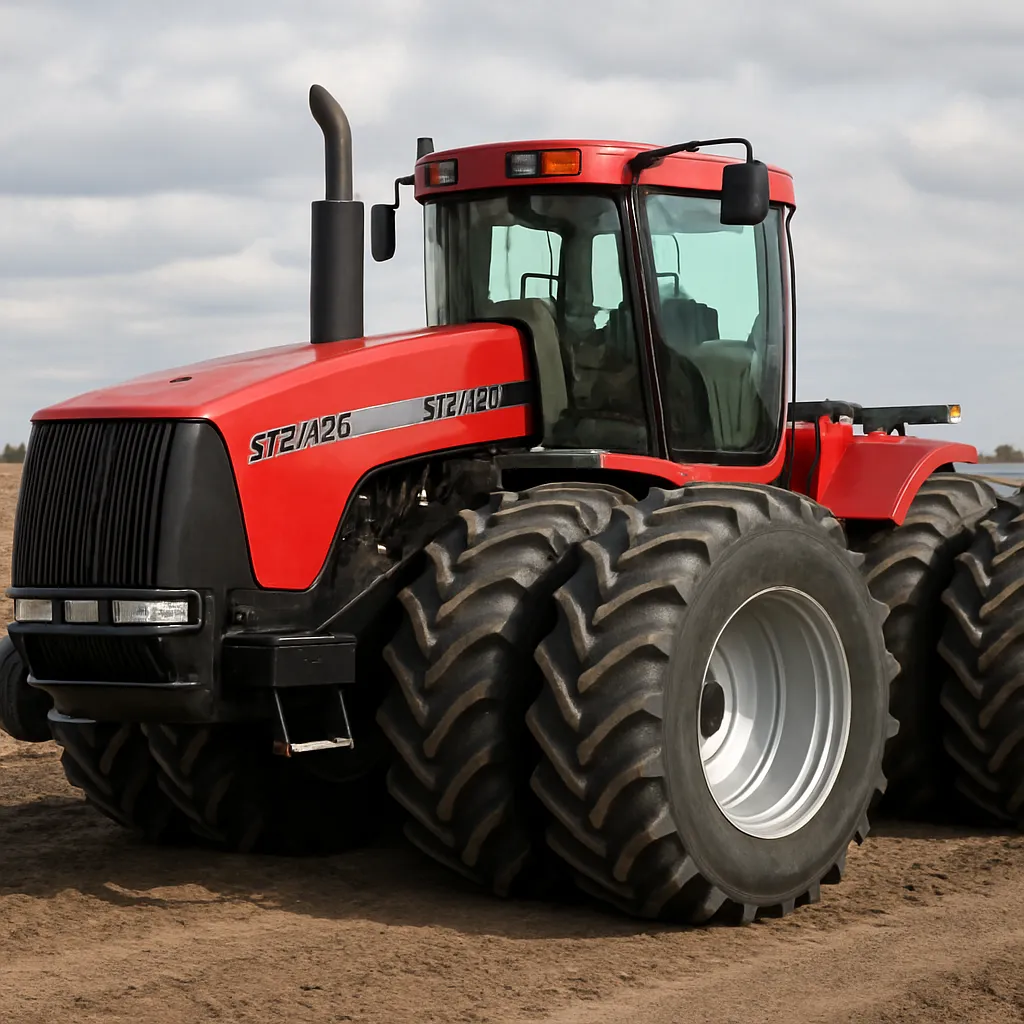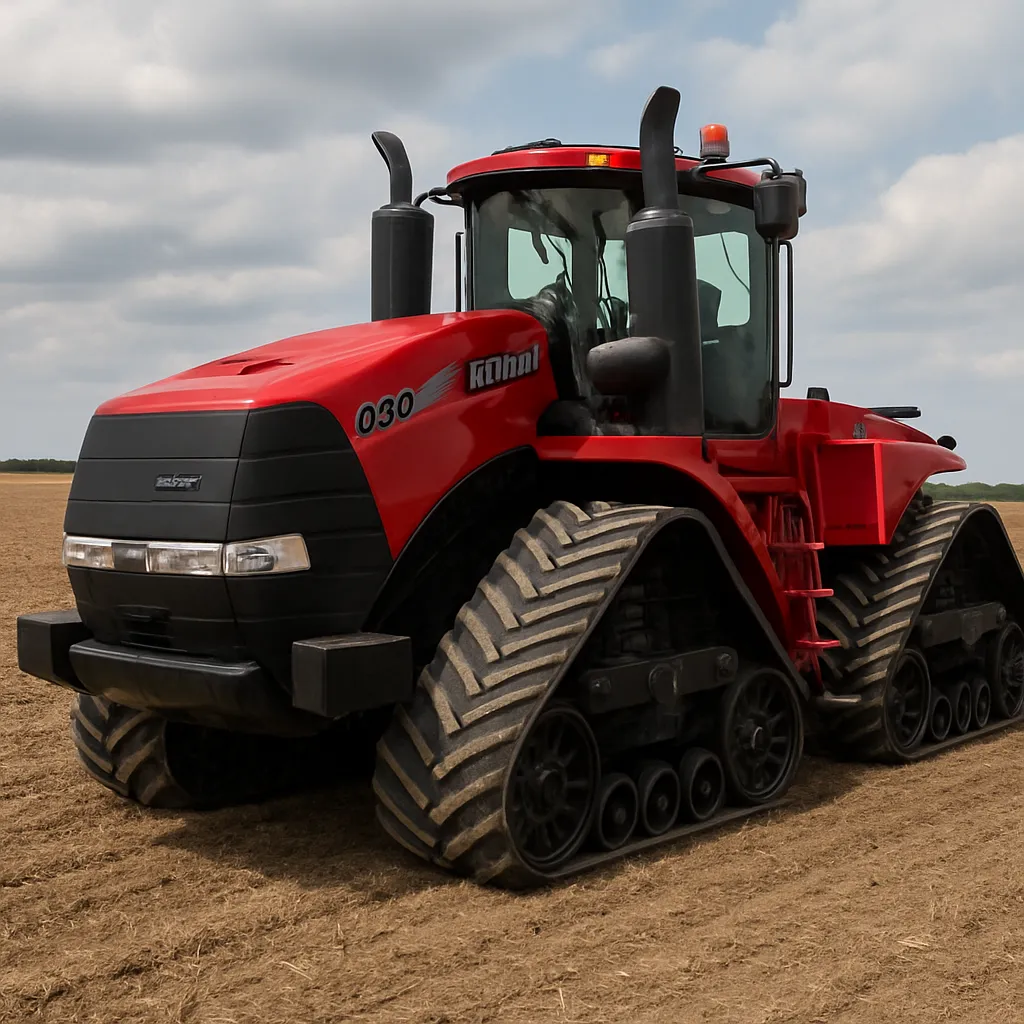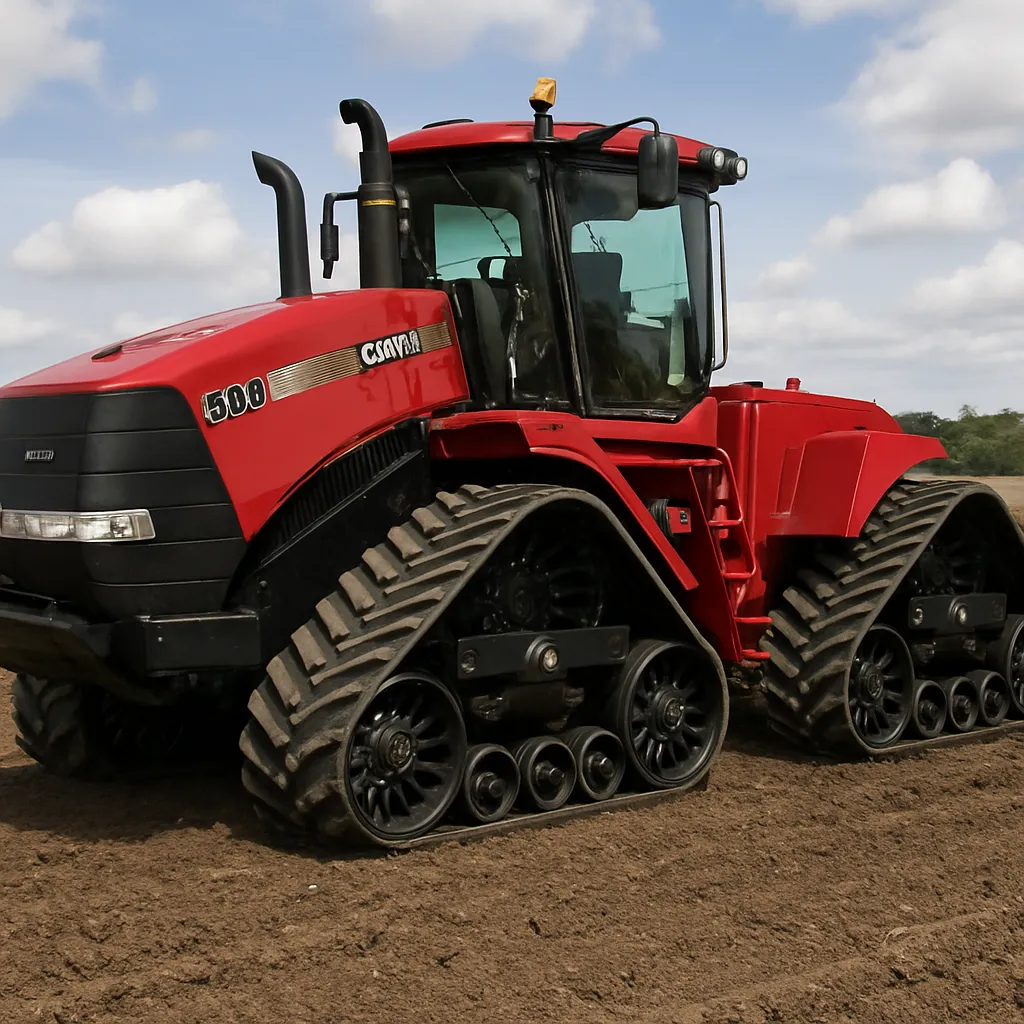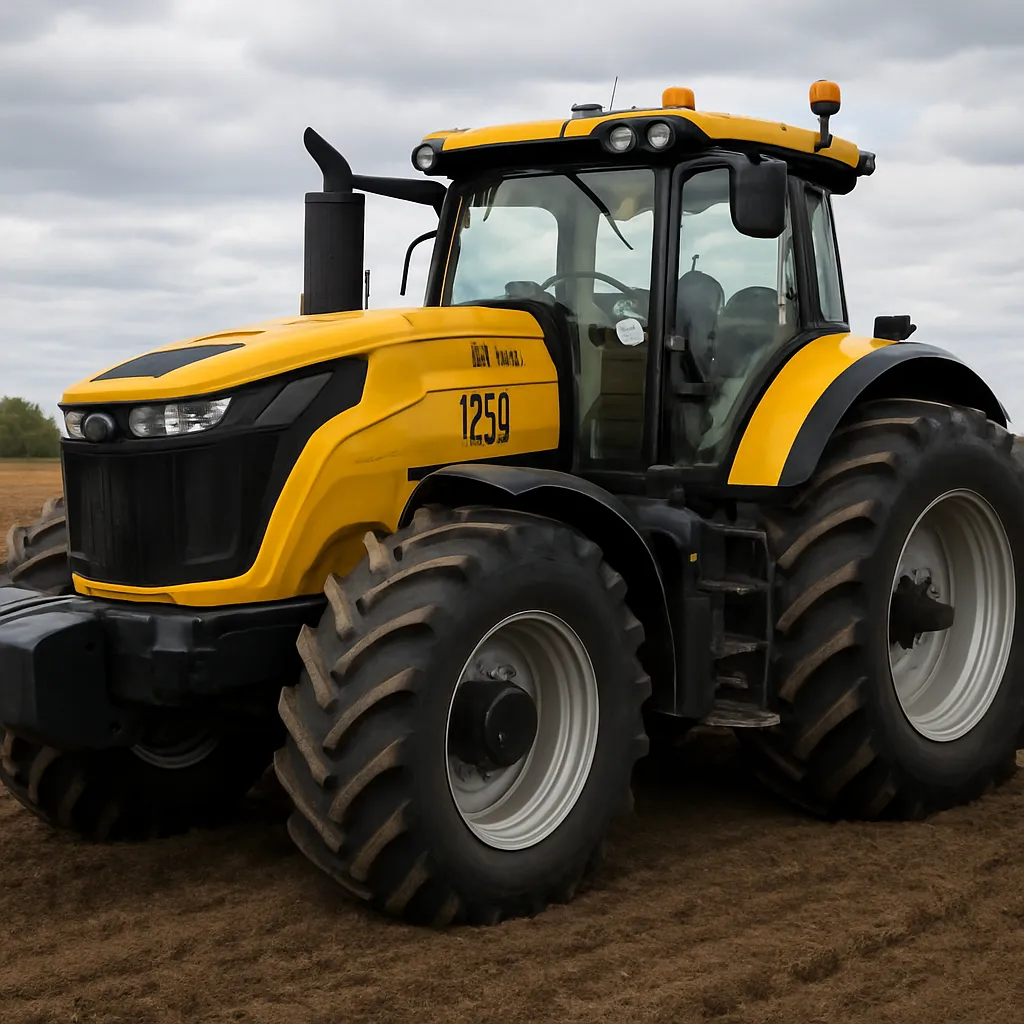
The Challenger 1250 Proto is a powerful tracked tractor developed for heavy-duty agricultural tasks, offering a combination of traction, stability and versatility for large-scale farming. Designed to work effectively in challenging soil conditions, this machine represents a class of tractors that prioritize low ground pressure, high pulling power and the ability to handle wide implements. In the following sections, we explore its technical characteristics, typical applications, operator experience, maintenance considerations and economic aspects, providing an in-depth look at where and how the tractor is used.
Overview and market positioning
The Challenger 1250 Proto belongs to the family of tracked tractors that transformed large-scale row-crop and tillage operations. While the exact specification varies by year and region, these machines have historically been favored by contractors, commercial farmers and operations requiring consistent performance across varied terrain. The term “Proto” in the name suggests a prototype or early configuration in certain contexts, indicating either a pre-production model or an early variant in the Challenger product line. Regardless, its core identity is as a high-traction, high-capacity tractor suited for demanding fieldwork.
Design and technical features
At the heart of the Challenger concept is a focus on delivering traction while minimizing soil compaction. The Challenger 1250 Proto achieves this through a tracked undercarriage, heavy-duty drivetrain components and a chassis engineered for stability under load. Key design elements commonly associated with this series include a robust engine, reinforced transmission system, wide rubber tracks and an emphasis on operator ergonomics.
Engine and power delivery
The engine in a machine like the Challenger 1250 Proto is built for sustained high-load operation. While available specifications vary, tractors in this class typically provide engine outputs that place them in the high-horsepower category suitable for large implements. The powertrain is configured to deliver smooth torque to the tracks, ensuring consistent pull in plowing, deep tillage and seeding operations. Advanced models may include electronic engine management for optimized fuel delivery and emissions control.
Tracks and undercarriage
The tracked system is a defining feature. Tracks increase the contact area with the soil compared to conventional tires, which reduces point load and spreads weight more evenly. This reduces rutting and preserves soil structure. Tracks also enhance lateral stability on slopes and when carrying large rear-mounted implements. Undercarriage components are engineered for longevity, but their complexity demands careful maintenance to preserve performance and service life.
Hydraulics and hitching
High-capacity hydraulic systems are standard on tractors of this class; they supply power to three-point hitches, remotes and implement control systems. The hitching architecture supports large plows, heavy discs and multi-section seeders. Responsive hydraulics are crucial for precision depth control in cultivation and for smooth operation of mounted implements during transport and field work.
Typical applications
The Challenger 1250 Proto excels where high traction and low ground pressure are required. Typical uses include:
- Primary tillage (plowing and subsoiling) with wide, heavy implements.
- Large-area seedbed preparation and secondary tillage operations.
- Pulling large air seeders and planters across extensive fields.
- Heavy transport tasks on farms and contracting jobs where wheeled tractors would struggle with slippage.
- Specialized tasks such as ripper work and deep loosening where sustained traction is necessary.
Field performance and advantages
Operators often choose tracked tractors like the Challenger 1250 Proto for several performance advantages. The most notable are improved traction, reduced soil compaction and enhanced stability for heavy implements. These benefits translate to better field pass-to-pass consistency, the ability to operate in wetter conditions with less rutting, and improved fuel efficiency under heavy load in some scenarios.
Traction and passability
Thanks to the track footprint, the tractor maintains traction on soft soils where wheeled tractors might spin. This capability allows operators to complete fieldwork in narrower windows of favorable weather. For large farms and contractors, this reliability can translate to fewer days lost to adverse conditions.
Soil preservation
Lower ground pressure helps preserve soil structure and reduces compaction risks that can hurt future yields. For growers focused on long-term soil health, the ability to minimize compaction while using wide implements is a major selling point.
Operator environment and controls
Modern tractors in this category put emphasis on operator comfort and control precision. The cab is often insulated for noise and vibration, with ergonomic seating, climate control and intuitive controls for the powertrain, hydraulics and implement management. Advanced consoles may feature GPS and telemetry systems for guidance and data recording, enabling integration with precision agriculture tools.
Guidance and automation
Many units support autosteering and implement guidance, which improves pass accuracy and reduces operator fatigue on long shifts. Integrated displays provide real-time performance data and can link to farm management systems to record hectares worked, fuel consumption and operational parameters.
Maintenance, repair and reliability
Heavy tracked tractors are built for durability but require disciplined maintenance. Key maintenance items include track tension and condition checks, undercarriage inspections, hydraulic fluid and filter changes, engine servicing and routine lubrication of moving parts. While tracks provide long-term benefits in the field, replacement or major overhaul of the undercarriage can be a significant expense.
- Regular track and roller inspections extend service life and prevent costly failures.
- Timely hydraulic fluid changes protect expensive pumps and valves.
- Monitoring electronic systems and sensors ensures consistent performance and helps diagnose issues before they lead to downtime.
Economic considerations and operating costs
The economic equation for a Challenger 1250 Proto includes purchase price, fuel consumption, maintenance, resale value and productivity gains. High-capacity tracked tractors often cost more upfront than comparable wheeled models, but they may generate savings through reduced compaction-related yield loss, greater uptime in borderline conditions and improved field efficiency when pulling large implements.
Cost-benefit factors
When evaluating return on investment, farm managers and contractors should consider:
- Average hectares covered per year and how that workload capitalizes on the tractor’s strengths.
- Fuel consumption patterns and how working at optimal load can influence liters per hectare.
- Maintenance schedule adherence and replacement cost budgeting for tracks and undercarriage components.
- Potential yield improvements due to reduced soil compaction and more timely field operations.
Environmental and efficiency aspects
Modern agricultural equipment is increasingly judged by its environmental footprint. Tracked tractors contribute to soil conservation by limiting deep compaction, which can positively influence water infiltration and root development. In addition, engine and drivetrain improvements in recent decades have focused on better fuel efficiency and lower emissions. Operators can further improve environmental performance by optimizing working widths, maintaining correct implement settings and using precision guidance to minimize overlap.
Safety and operational best practices
Operating a large tracked tractor safely requires training and adherence to best practices. Track systems change the machine’s handling characteristics; operators should be familiar with turning radii, transport speeds and hitch operation. Additional safety points include securing heavy implements properly for transport, monitoring hydraulic lines for wear and ensuring adequate visibility during maneuvering.
Comparisons and alternatives
Compared with wheeled tractors of similar rated power, the Challenger 1250 Proto generally offers better traction and lower ground pressure, at the cost of higher initial purchase price and specific undercarriage maintenance. In some farms, a mixed fleet of wheeled and tracked tractors is optimal: tracks for heavy tillage and wet conditions, wheels for transport and lighter tasks. Choosing between brands and models depends on local dealer support, part availability, and operator preference.
Historical context and development
The Challenger brand pioneered large tracked tractors that shaped the way many large-scale farms operate. Over time, design refinements improved track materials, undercarriage geometry and powertrain reliability. The Challenger 1250 Proto fits within this evolution as an example of a machine intended to push the boundaries of implement width and field efficiency. Historically, each generation of tracked tractors has introduced more refined electronics, improved cab comfort and better integration with farm management systems.
Case studies and operator experiences
Field reports from contractors and commercial growers typically highlight several recurring themes:
- Consistent performance in wet spring or late-autumn conditions where wheeled tractors struggle.
- High productivity when pulling wide cultivators and seeders, reducing the number of passes needed to complete a field.
- Long-term soil benefits when tracks are used appropriately, contributing to more uniform crop emergence.
Operators also note that while undercarriage maintenance is demanding, predictable servicing intervals and proactive parts management reduce unscheduled downtime.
Statistical and specification notes
Specific numerical specifications for the Challenger 1250 Proto vary by production year and market. Engines in this class of tracked tractors typically deliver power in the higher bands suitable for large implements, with operating weights that classify them as heavy tractors. Typical statistical ranges for tractors in a similar category include:
- Engine power: often in a high-power range appropriate for heavy tillage (exact figures depend on model year and tuning).
- Operating weight: generally substantial, reflecting reinforced frames and undercarriage components.
- Track width and contact area: designed to provide lower ground pressure than comparable wheeled machines.
Because manufacturers may offer multiple configurations and updates across production runs, it is advisable to consult official manufacturer documentation or regional dealers for precise numbers applicable to a specific unit.
Buying, selling and after-sales support
When purchasing a Challenger 1250 Proto—new or used—buyers should evaluate service history, track condition, hours of operation and the state of the hydraulic and electronic systems. Availability of spare parts and access to trained service technicians are critical considerations that influence long-term ownership cost. For used machines, additional checks should include engine compression, transmission behavior under load and any signs of frame or undercarriage repairs.
Future developments and trends
The future of heavy tractors like the Challenger 1250 Proto is likely to emphasize further integration with digital farm management, improved fuel efficiency, and potentially alternative propulsion or hybrid assistance systems as manufacturers and users seek to reduce operational costs and emissions. Continued advances in materials science may also extend the life and reliability of track components and undercarriage assemblies.
Summary
The Challenger 1250 Proto is representative of a class of tracked tractors built to handle demanding agricultural tasks with high traction, stable pulling power and a design that limits soil compaction. Its advantages include reliable field performance, improved operational windows in adverse conditions and benefits for soil health when used correctly. Potential owners must balance the higher upfront cost and specific maintenance demands against productivity gains and long-term benefits. By combining strong mechanical design with operator comfort and modern control systems, tractors in this class remain a valuable tool for large-scale farming and contracting operations seeking to maximize efficiency and preserve soil integrity.