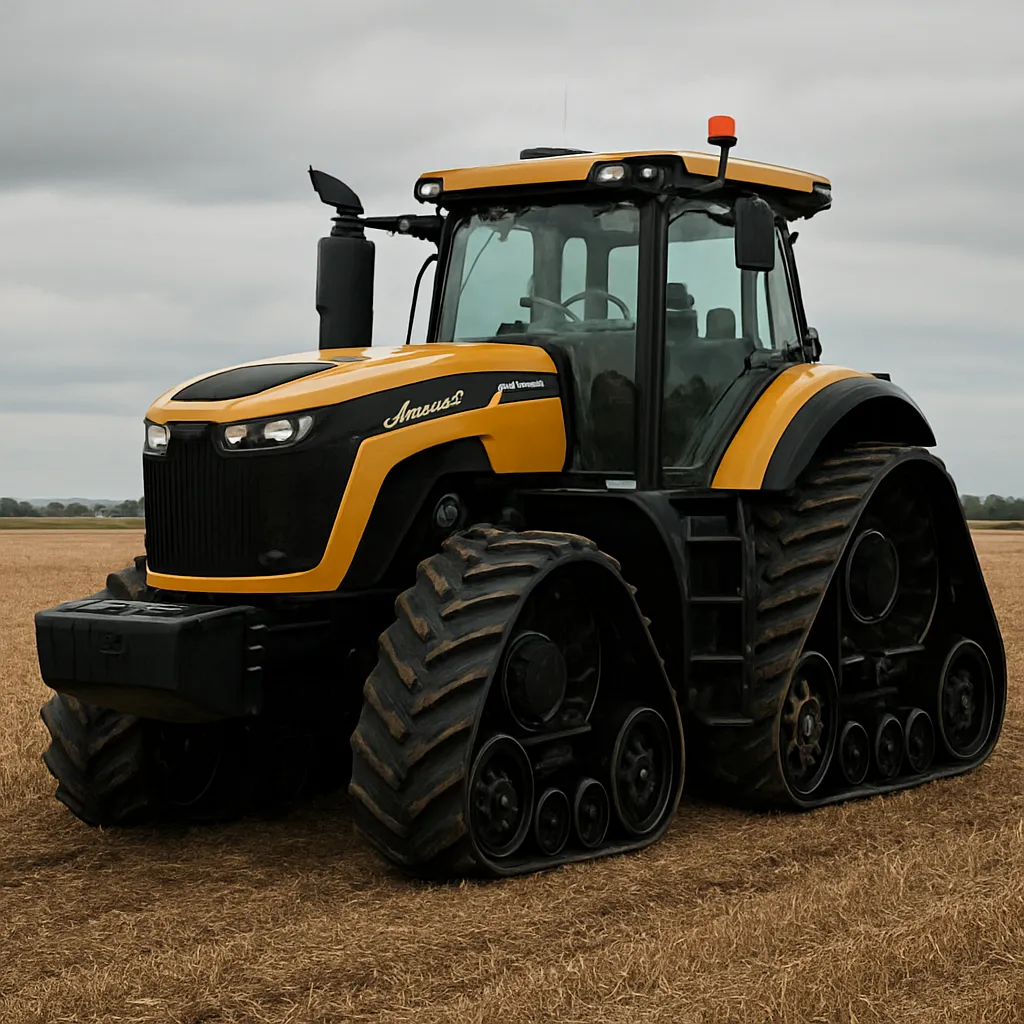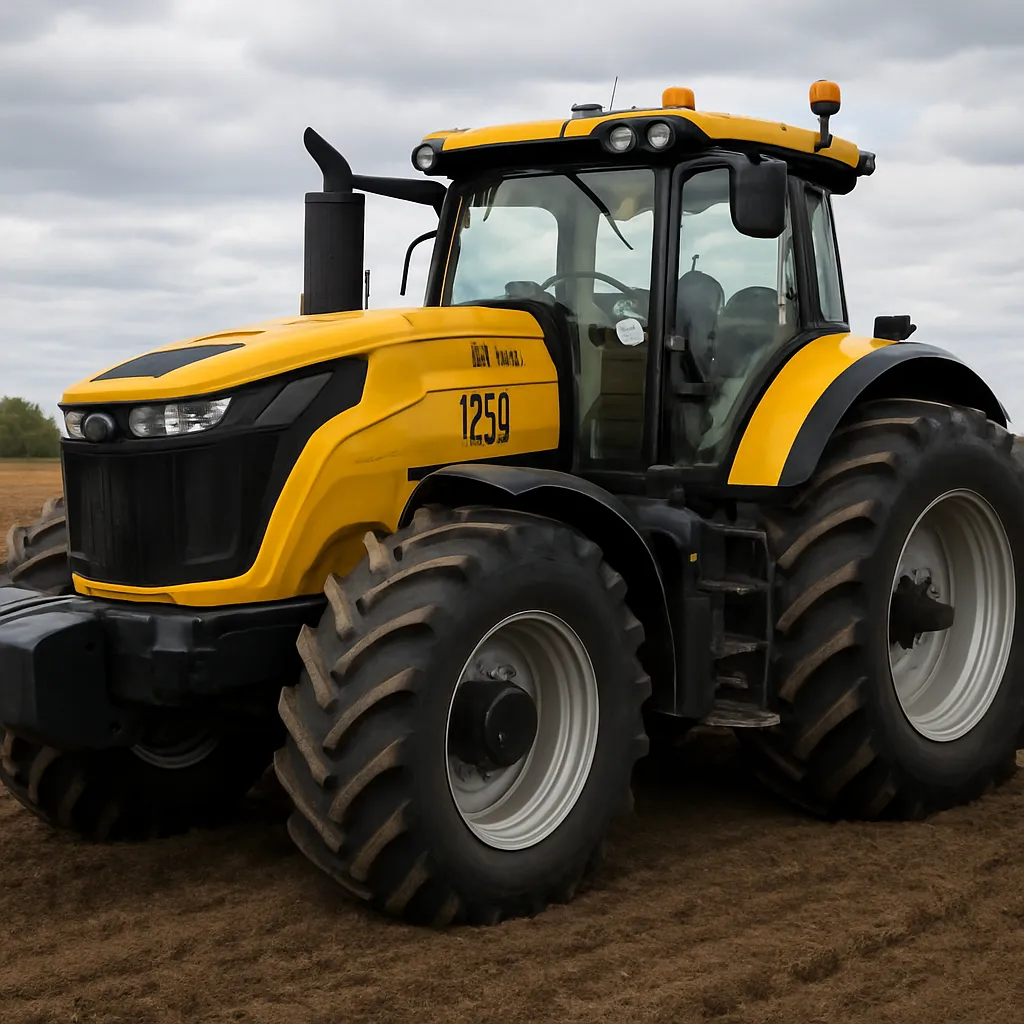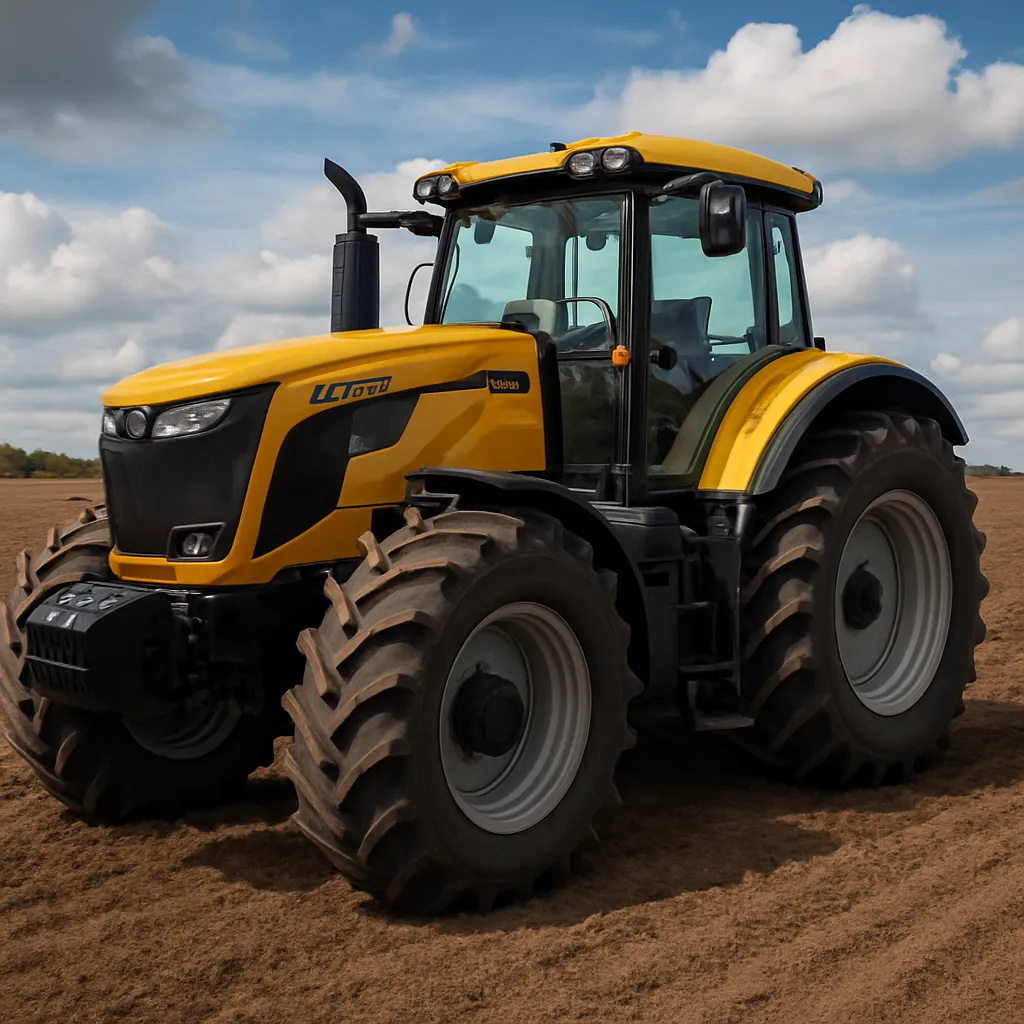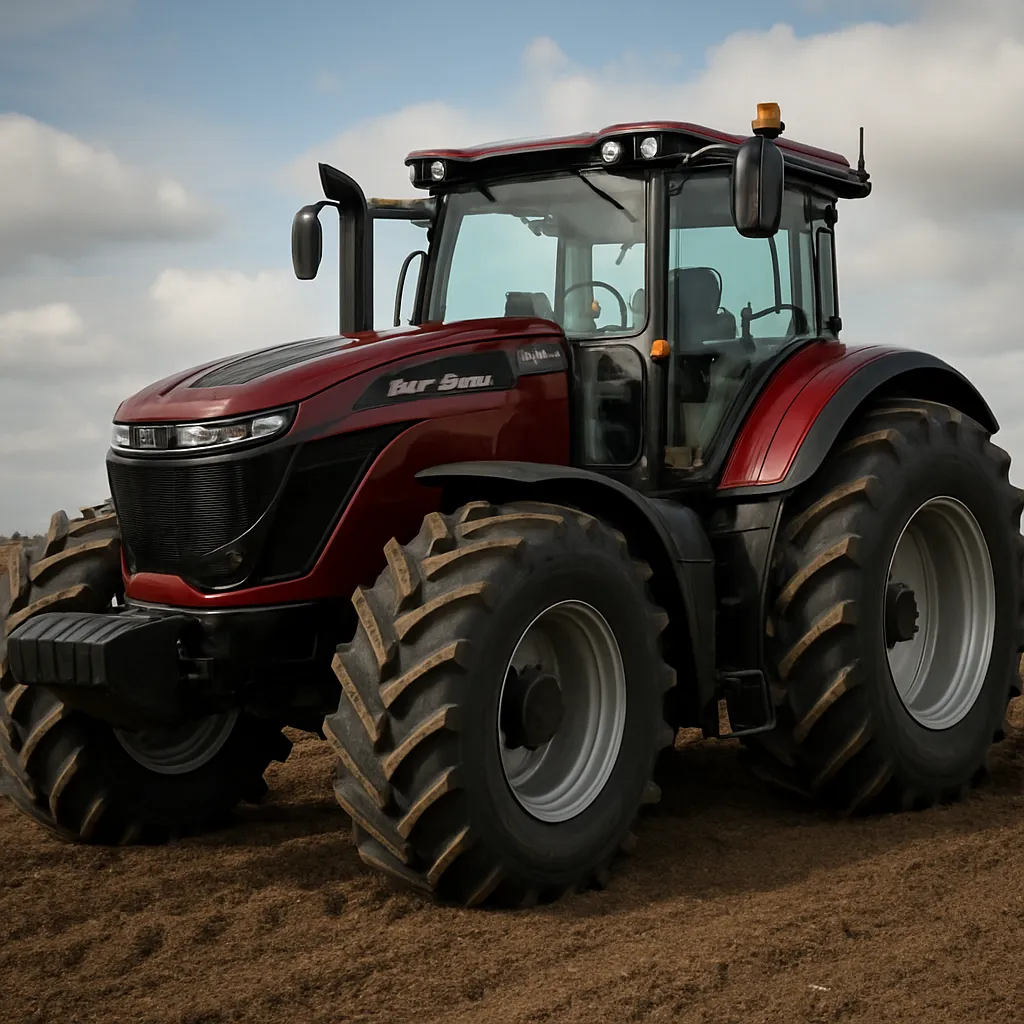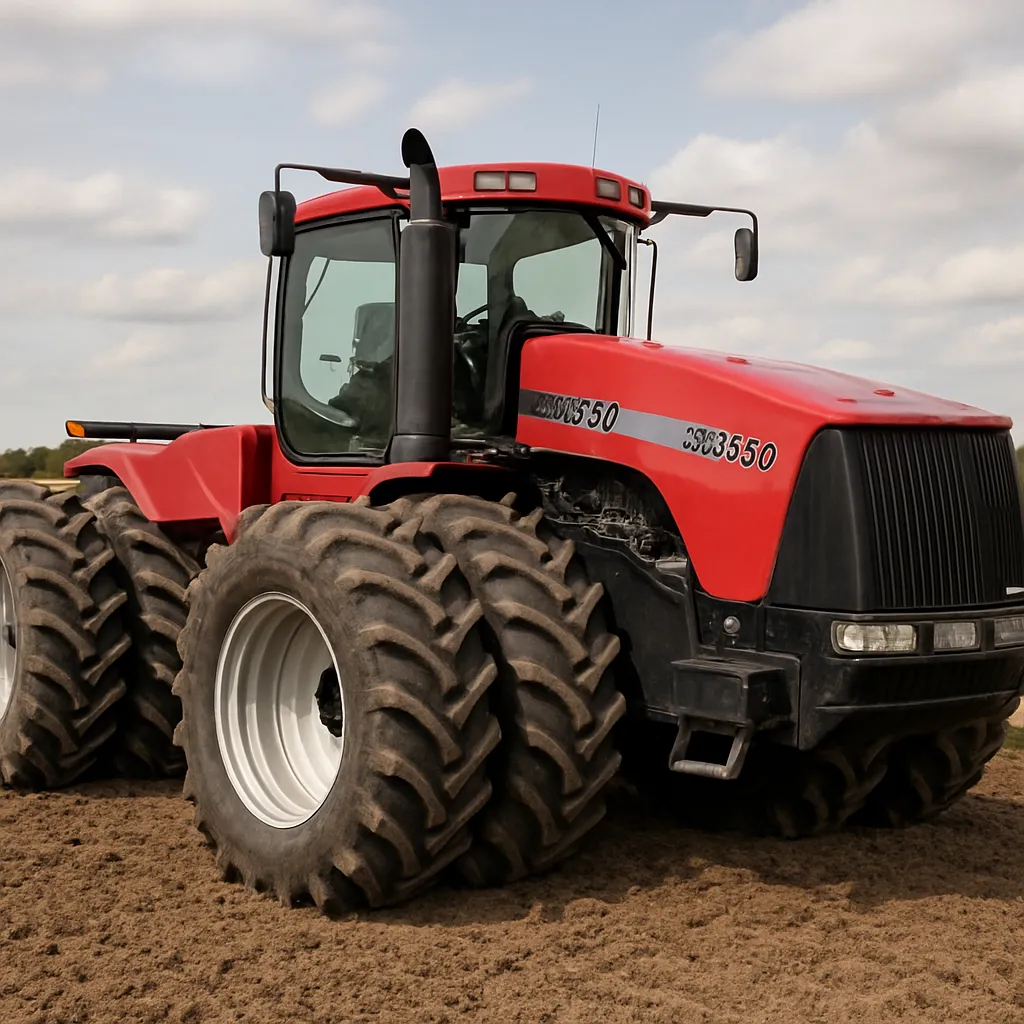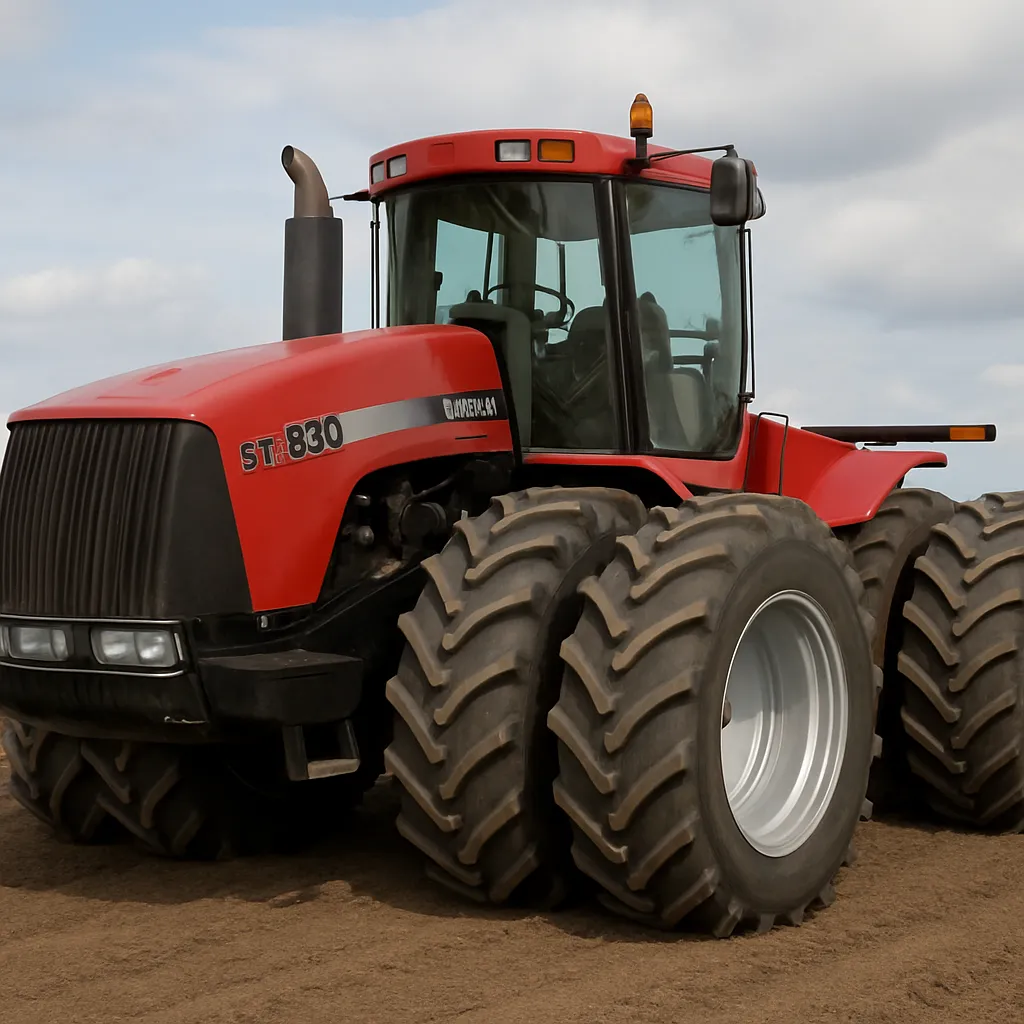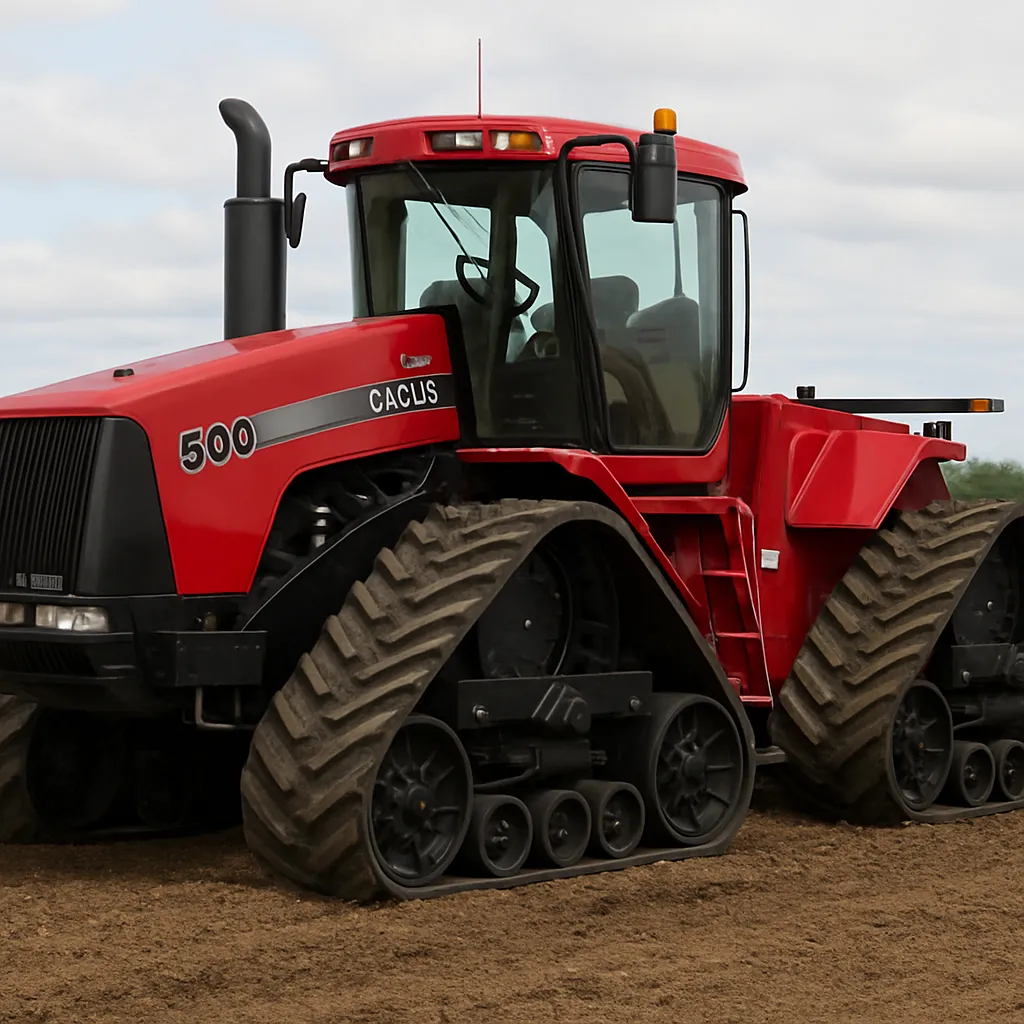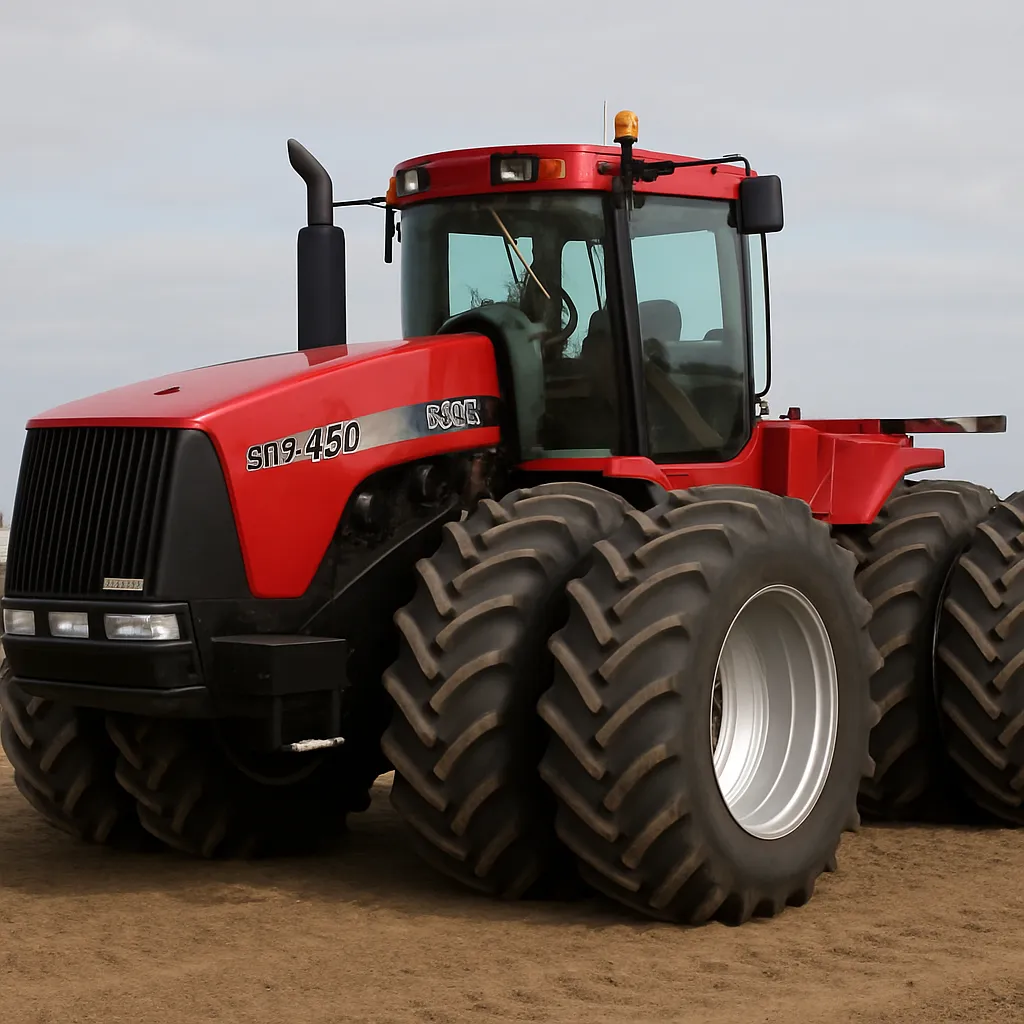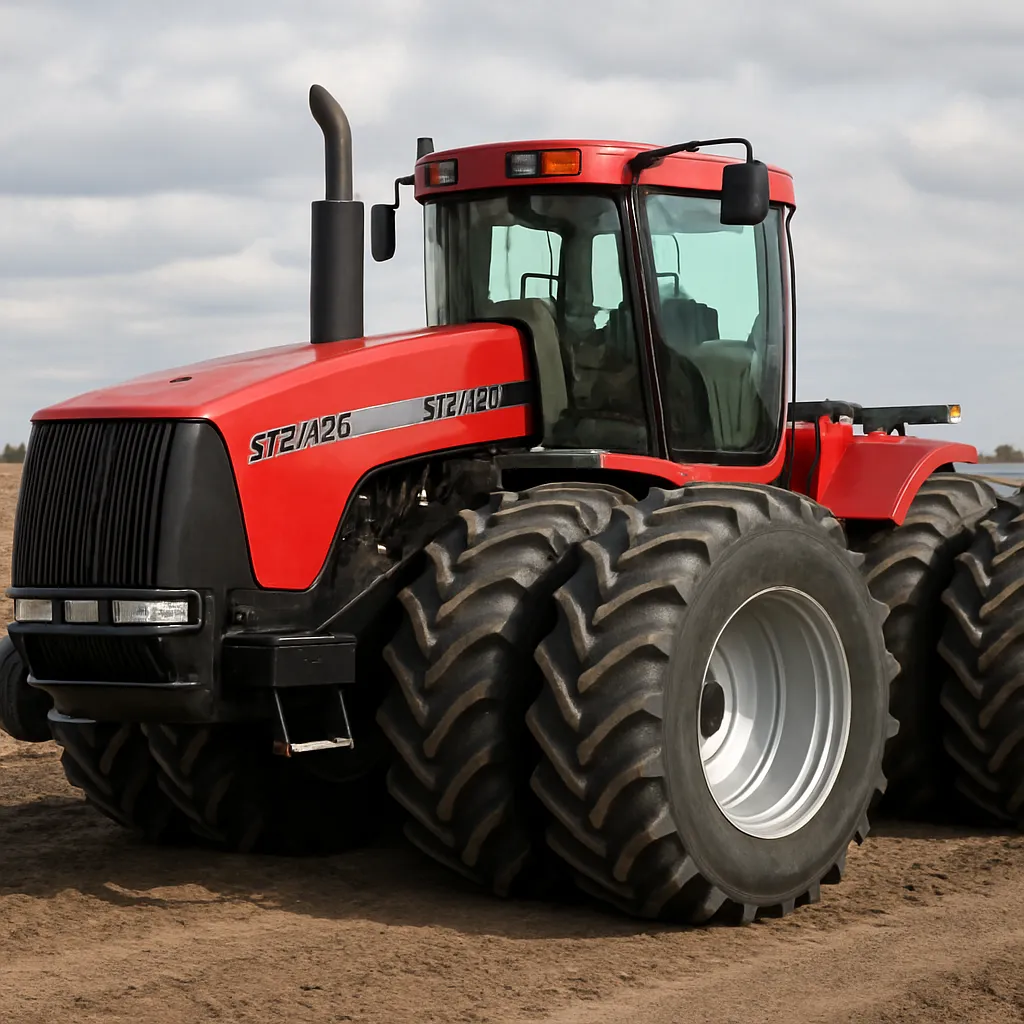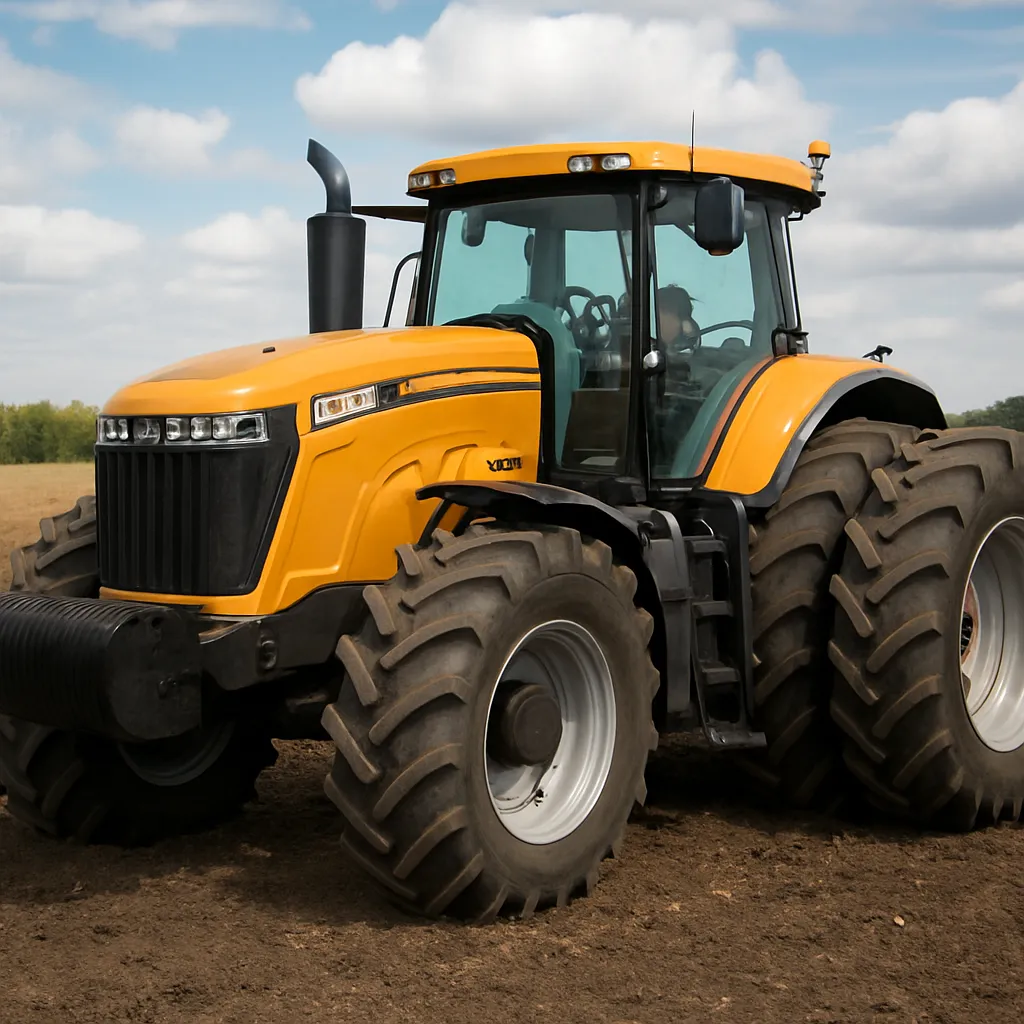
The Challenger 930C is a heavy-duty, tracked agricultural tractor designed for demanding fieldwork where traction, flotation, and consistent power delivery are critical. Built for large-scale farming operations and contractors who require reliability across a wide range of implements and soil conditions, the 930C combines robust mechanical systems with operator-focused features to maximize productivity. In the sections below I discuss its typical uses, technical characteristics, operational advantages, maintenance considerations, and the contexts where this machine is most valuable.
Design and key features
The Challenger 930C is recognized for its distinctive continuous track undercarriage rather than conventional wheels. This configuration provides several engineering and operational benefits that make the machine particularly suitable for heavy draft and low-ground-pressure applications.
Undercarriage and traction
- Tracks: The tracked design spreads the machine’s weight over a larger surface area, producing lower ground pressure than equivalent wheeled tractors. This reduces soil compaction and improves flotation on soft ground.
- Traction: Continuous tracks deliver superior traction for deep tillage, ripping, and pulling large implements, especially under wet or loose soil conditions where wheeled machines may slip.
- Undercarriage durability: The track assembly is engineered to withstand abrasive soil and heavy loads. Proper tensioning and timely replacement of track components are essential to preserve lifespan and performance.
Powertrain and drivetrain
Challenger models in this class are equipped with high-displacement diesel engines coupled to transmissions designed for both tractive pull and transport speeds. The combination of a torque-rich engine and a responsive drivetrain allows the tractor to manage heavy implements while retaining maneuverability for road towing and headland turns.
- Engine characteristics: Engines provide a broad torque curve at low RPM to sustain consistent draft performance under load.
- Transmission: Transmissions typically offer multiple gears and ranges to match field speeds for implements such as large ploughs or harrows while also allowing reasonable transport speeds on roads.
- Hydraulics: High-flow hydraulic systems power advanced three-point hitches, implements with hydraulic motors, and auxiliary circuits for mounted equipment.
Operator environment
Modern tractors like the Challenger 930C prioritize operator comfort and control. The cab is designed for extended shifts with ergonomic controls, clear instrument panels, climate control, and sound insulation to reduce fatigue. Visibility over wide implements and to rear-mounted equipment is also a design priority.
Primary applications and work scenarios
Where the Challenger 930C really excels is in large-scale, high-intensity agricultural operations that demand continuous productivity across varied field conditions.
Tillage and primary cultivation
- Deep ripping and ploughing: The 930C’s pulling power and low slip make it effective for deep primary tillage with multi-share ploughs and heavy rippers.
- Subsoiling: Because of reduced compaction from the tracks plus strong draft capacity, the tractor is particularly suited to subsoiling operations that require constant power to penetrate and shatter compacted layers.
Seeding and planting with large implements
Large air seeders, planters, and multi-section drills benefit from the steady traction and draft control the 930C offers. On larger farms planting windows are tight; a tractor that can tow wide implements with minimal downtime can increase daily hectares covered.
Specialty uses and non-arable work
- Vineyards/orchards (when configured appropriately): In wide-row systems where ground protection is important, track machines reduce compaction and maintain soil structure.
- Wetland and peatland operations: Tracked tractors operate better on soft soils or saturated ground than wheeled machines, making them suitable for some specialty cropping areas.
- Contracting and earthmoving: With appropriate attachments, the 930C can be used for hauling heavy loads, grading, or other tasks where traction and flotation matter.
Performance and technical specifications (typical and approximate)
Technical specifications vary by year, market, and optional equipment. The following figures represent typical ranges for tracked tractors in the same class as the Challenger 930C. When exact numbers are required for purchase, resale, or compatibility with specific implements, consult the manufacturer’s datasheet or an authorized dealer.
- Engine power: Often in the range of approximately 250–350 engine horsepower (hp) at rated RPM. This provides the torque needed for sustained draft operations.
- Operating weight: Operating weights commonly fall between 12,000 and 20,000 kg depending on track configuration, ballast, and attachments.
- Track contact area: Wide track shoes and longer undercarriage improve flotation; typical ground pressure values for tracked tractors in this class may be under 10–15 psi depending on ballast and tyre/track setup.
- Hydraulic flow: Implement hydraulic flow rates are typically strong—often in the range of 100–200 liters per minute for primary systems, with auxiliary circuits available.
- Drawbar pull: High continuous drawbar pull suitable for multi-section tillage tools; drawbar capacity depends on traction and ballast but is among the highest for agricultural tractors of comparable size.
- Fuel capacity and consumption: Fuel tanks are designed for long workdays—often several hundred liters. Fuel consumption will vary with load and operating conditions; efficient management and appropriate gearing reduce fuel use per hectare.
Notes on emissions and regulations
Later versions of tractors in this category comply with regional emissions standards using aftertreatment systems such as diesel particulate filters (DPF) and selective catalytic reduction (SCR). These systems influence maintenance schedules and may require regeneration cycles or consumption of diesel exhaust fluid (DEF/UREA).
Advantages of tracks versus wheels
Choosing a tracked tractor like the Challenger 930C involves trade-offs. The following summarizes the principal advantages and considerations.
- Reduced soil compaction: Tracks lower ground pressure and distribute weight, protecting soil structure and promoting better root growth in the following season.
- Improved traction and efficiency: Less slippage means more of the engine’s power is used productively for pulling implements which can improve fuel efficiency per hectare.
- Smoother ride on uneven ground: Tracks can bridge shallow ruts and uneven fields, maintaining implement stability and consistent depth control.
- Lower downtime in marginal conditions: Tracked machines are less likely to get stuck in wet fields, extending working windows during the season.
Considerations include higher initial purchase cost compared to wheeled tractors, specific undercarriage maintenance requirements, and potentially slower transport speeds on roads. For many operations, the operational advantages outweigh these tradeoffs.
Maintenance, reliability, and lifecycle costs
Proper maintenance is critical to keep a Challenger 930C operating efficiently across a long service life. Key areas of focus include the undercarriage, engine systems, hydraulics, and operator station components.
Undercarriage care
- Regular inspection and correct track tensioning minimize premature wear.
- Replacing worn track pads, sprockets, and idlers on schedule prevents secondary damage to the chassis.
- Cleaning tracks and undercarriage after muddy or abrasive work helps reduce component wear.
Engine and emissions systems
- Scheduled oil and filter changes are essential to prolong engine life.
- Aftertreatment systems (if fitted) require monitoring: DPF regeneration cycles and DEF levels must be managed to avoid downtime.
Hydraulics and electronics
- Hydraulic fluid cleanliness protects pumps and valves and reduces the risk of costly failures.
- Modern control electronics and sensors improve performance but create a need for skilled diagnostics if faults occur; access to dealer-level software can shorten repair times.
Economic and operational considerations
From an economic perspective, the decision to invest in a Challenger 930C should consider hectares covered per season, cost per hour, resale value, and the availability of service and parts in the region.
- Productivity per day: On large farms, a tracked tractor pulling wide implements can dramatically increase hectares planted or worked per day during critical windows, justifying higher capital expense.
- Resale and lifecycle: Well-maintained tracked tractors retain value; the undercarriage condition is a major resale determinant.
- Availability of parts and dealer support: Local dealer networks and parts availability influence downtime; consider service agreements and preventative maintenance plans.
Real-world use cases and operational tips
Operators and contractors who have integrated a Challenger-class tracked tractor into their fleets report several practical advantages and operational best practices.
Best practices
- Match implement width and weight to the tractor’s drawbar and hydraulic capacity; oversizing can reduce efficiency and increase wear.
- Balance ballast and track pressure to achieve optimal traction without unnecessarily increasing ground pressure.
- Plan maintenance during off-peak seasons; check track tension and wear after intensive tillage periods.
- Use precision farming tools (GPS guidance, auto-steer) to maximize effective use of pass-to-pass accuracy and reduce overlap.
Case examples
- Large grain farms planting on tight seasonal windows use tracked tractors to maintain forward momentum when wet springs reduce the number of workable hours.
- Contractors performing deep ripper and subsoiler work in compacted soils use the high tractive effort of tracked tractors to accomplish passes that wheeled tractors would struggle with without repeated attempts.
Environmental and agronomic impacts
Tractors like the Challenger 930C can positively influence soil health and farm sustainability when used with appropriate practices.
- Soil structure: Lower ground pressure helps preserve pore structure in the topsoil, improving infiltration and root development.
- Fuel use per hectare: Increased traction efficiency and the ability to pull larger implements can reduce fuel consumption per unit of work, though absolute fuel use per hour may be high.
- Precision farming synergy: When combined with guidance systems, the tractor reduces overlap and optimizes input use (seed, fertilizer), leading to environmental and economic benefits.
Buying guide and final considerations
Purchasing a Challenger 930C or comparable tracked tractor requires careful evaluation of immediate needs, long-term strategy, and operational context.
- Assess field conditions: If fields are frequently wet, low-lying, or prone to compaction, tracks deliver clear benefits.
- Compare cost per hectare: Calculate expected productivity gains during peak windows to determine payback versus a wheeled tractor.
- Inspect undercarriage on used units and request service history; undercarriage replacements are expensive and significantly affect total cost of ownership.
- Confirm dealer support: Verify availability of parts, technical support, and aftermarket accessories in your region.
Summary: The Challenger 930C is a purpose-built tracked tractor for operations where traction, flotation, and reliable draft power are priorities. It fits large-scale cropping, heavy tillage, and contractor work where ground protection and constant productivity are valued. While the exact specifications vary by model year and options, this class of tractor is characterized by high horsepower, robust undercarriage engineering, strong hydraulics, and operator-focused cab features. With correct matching to implements, disciplined maintenance, and good operator practices, the Challenger 930C can be a transformative asset for modern farming operations.