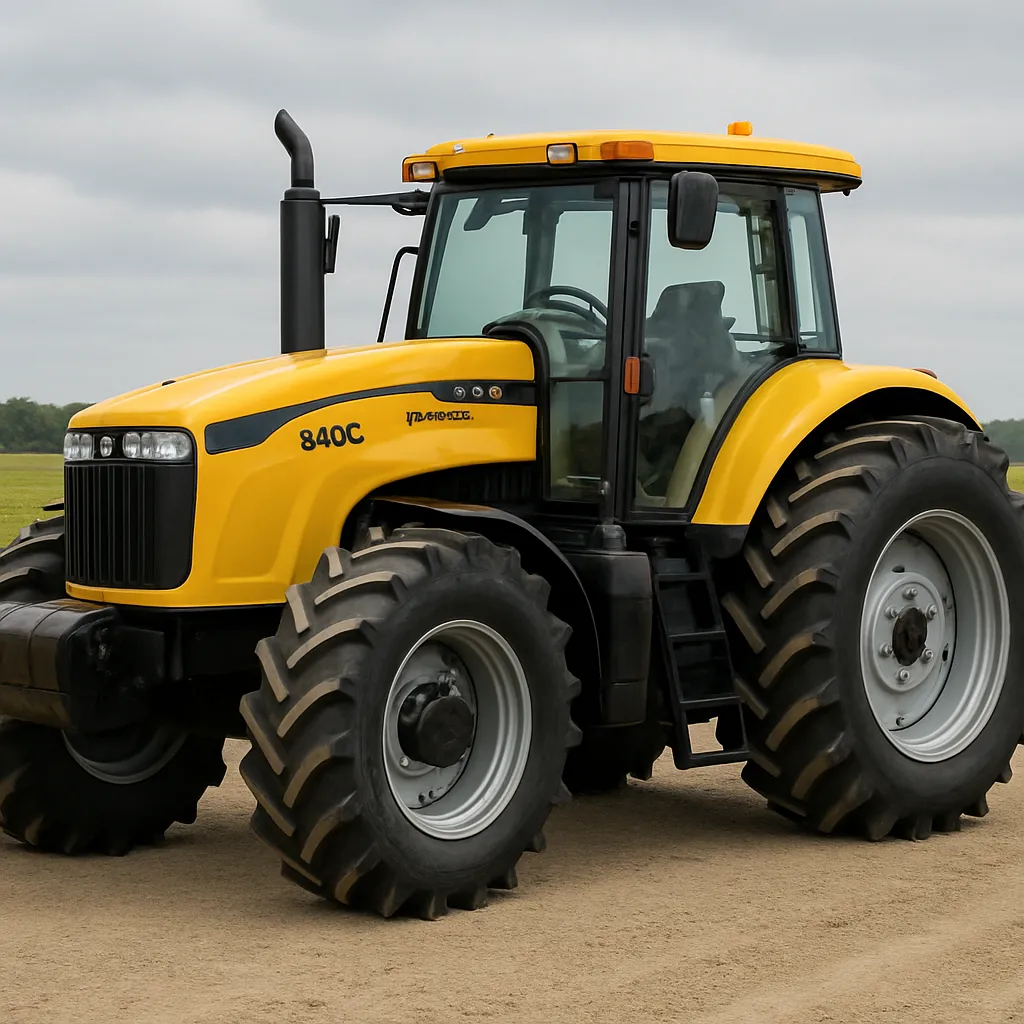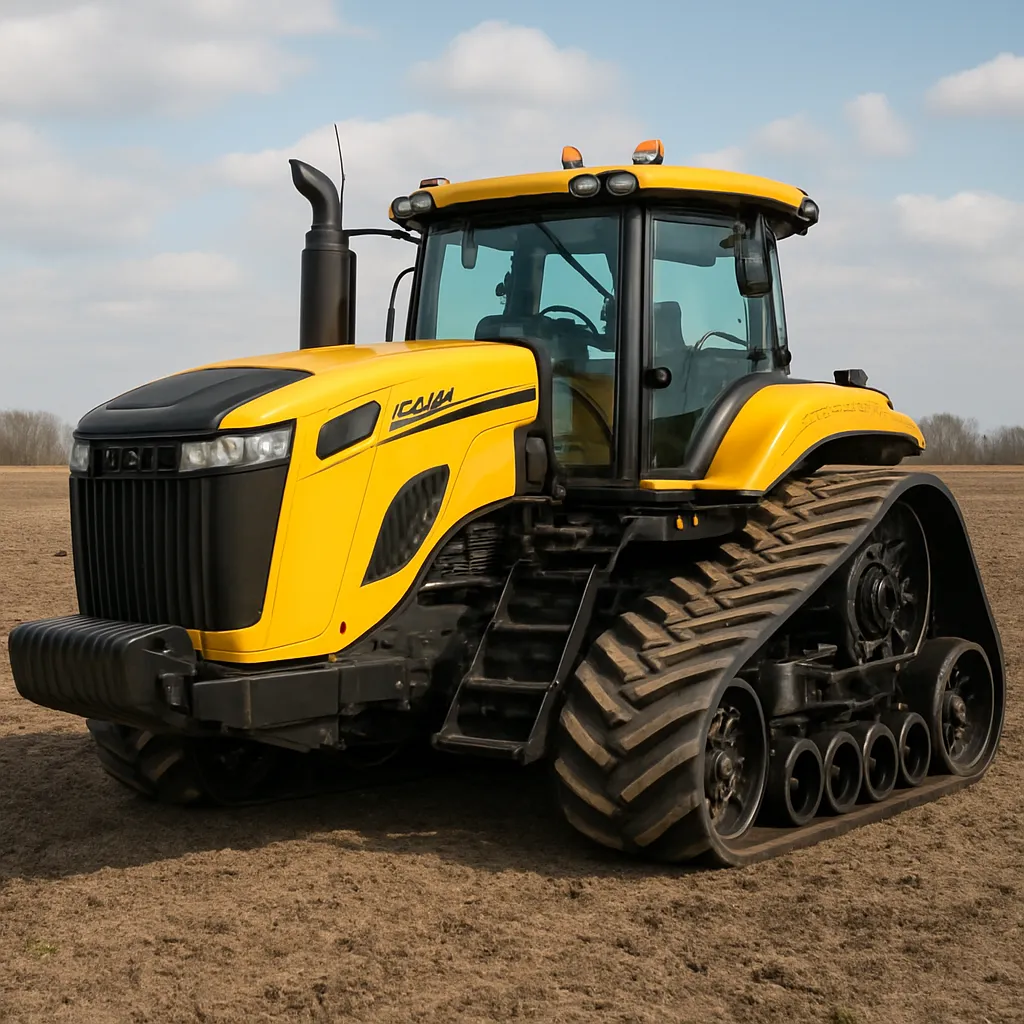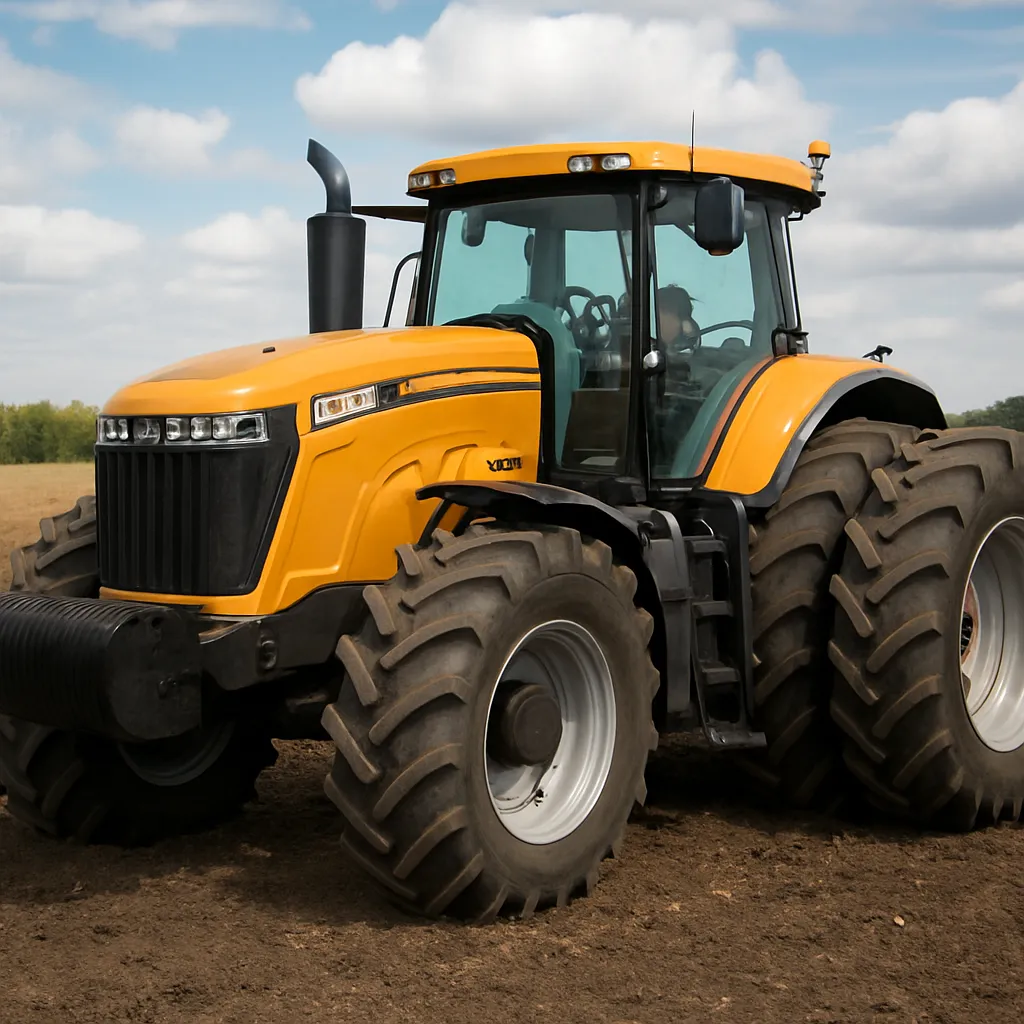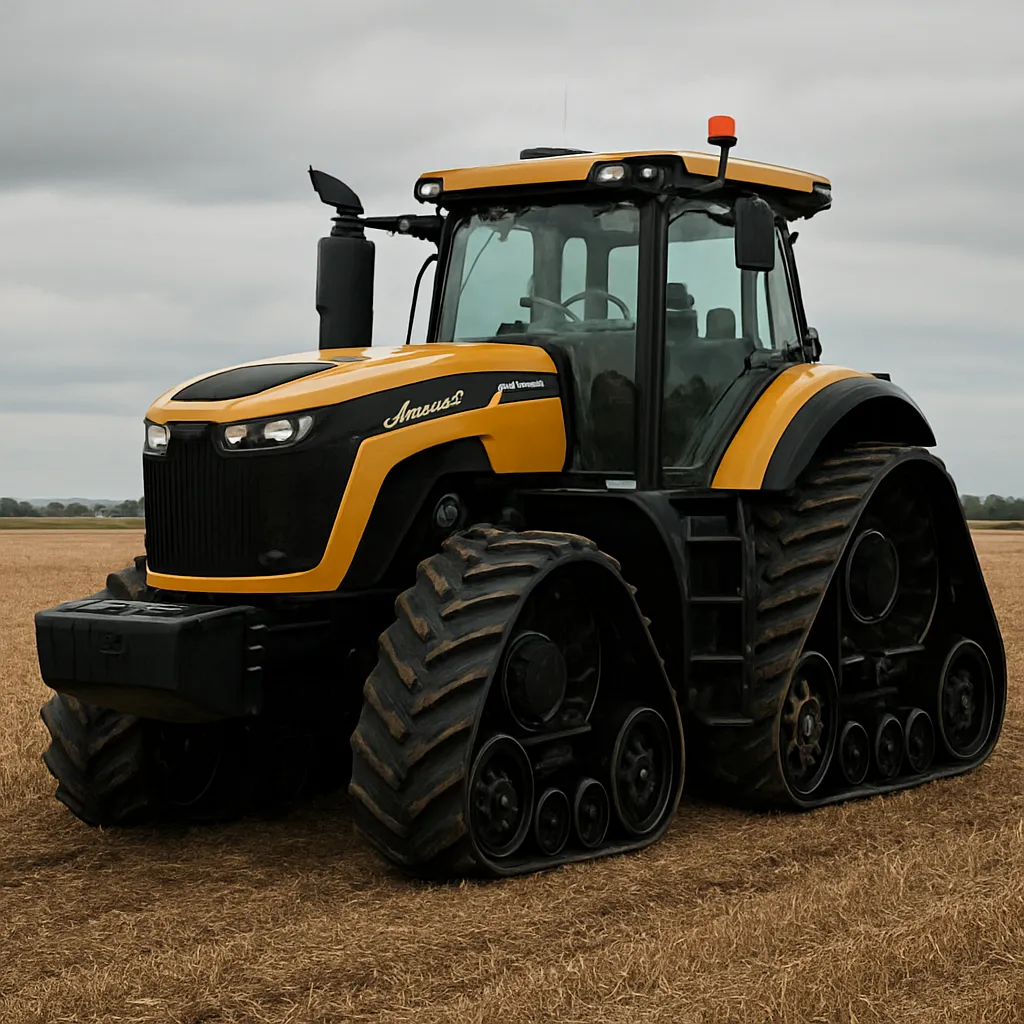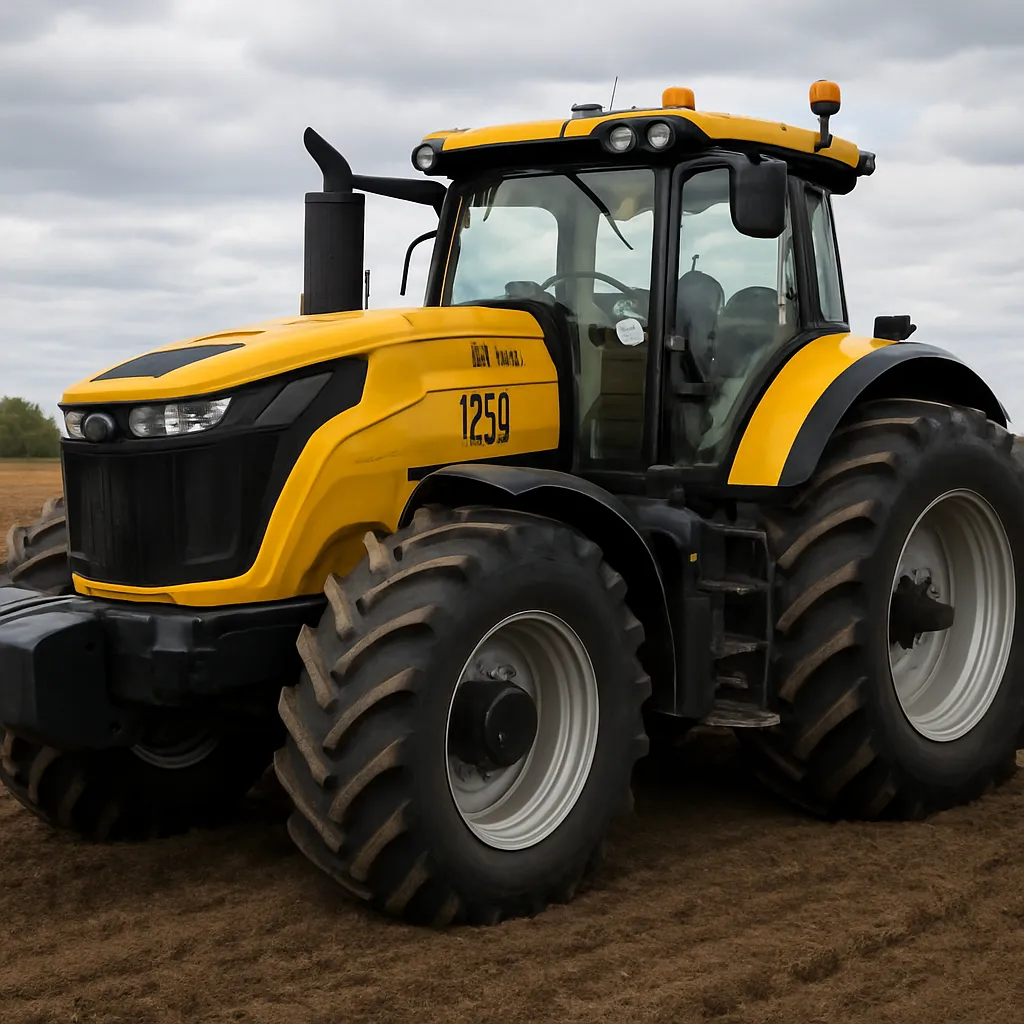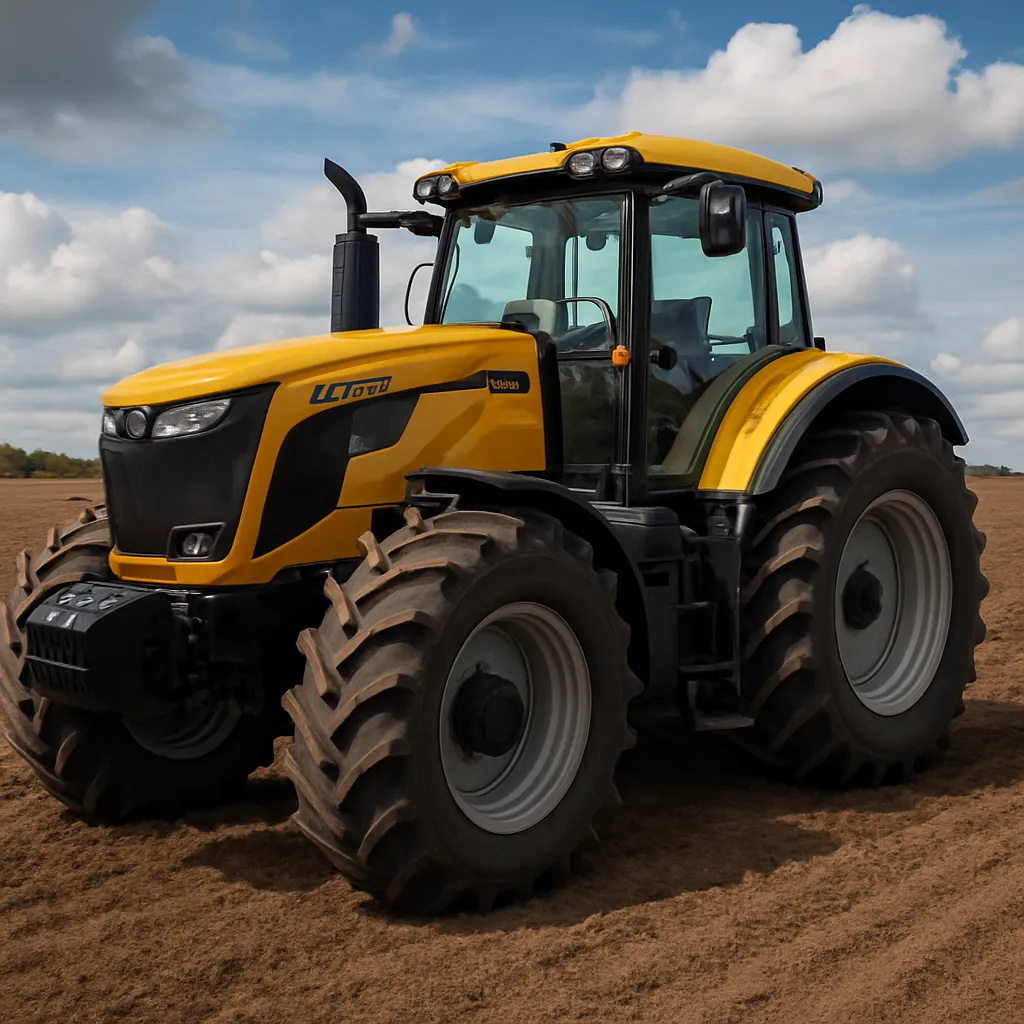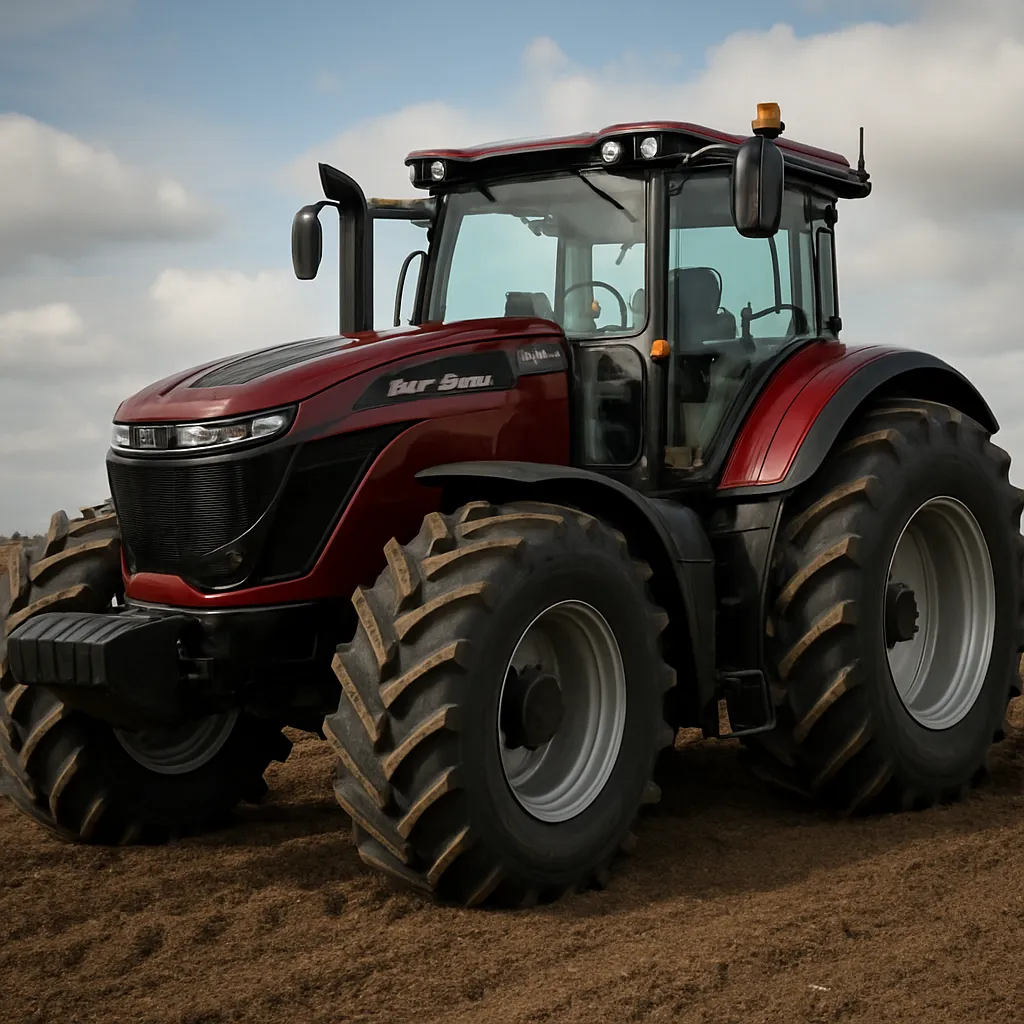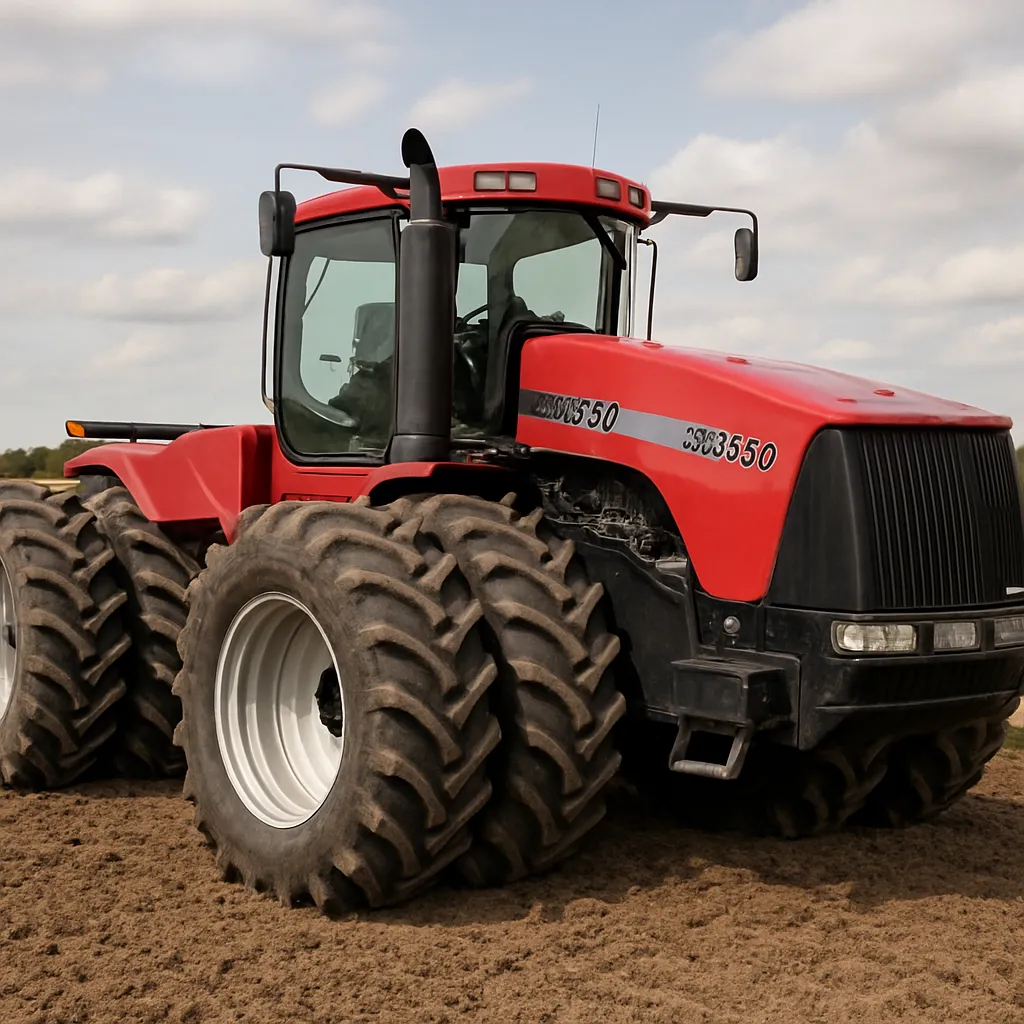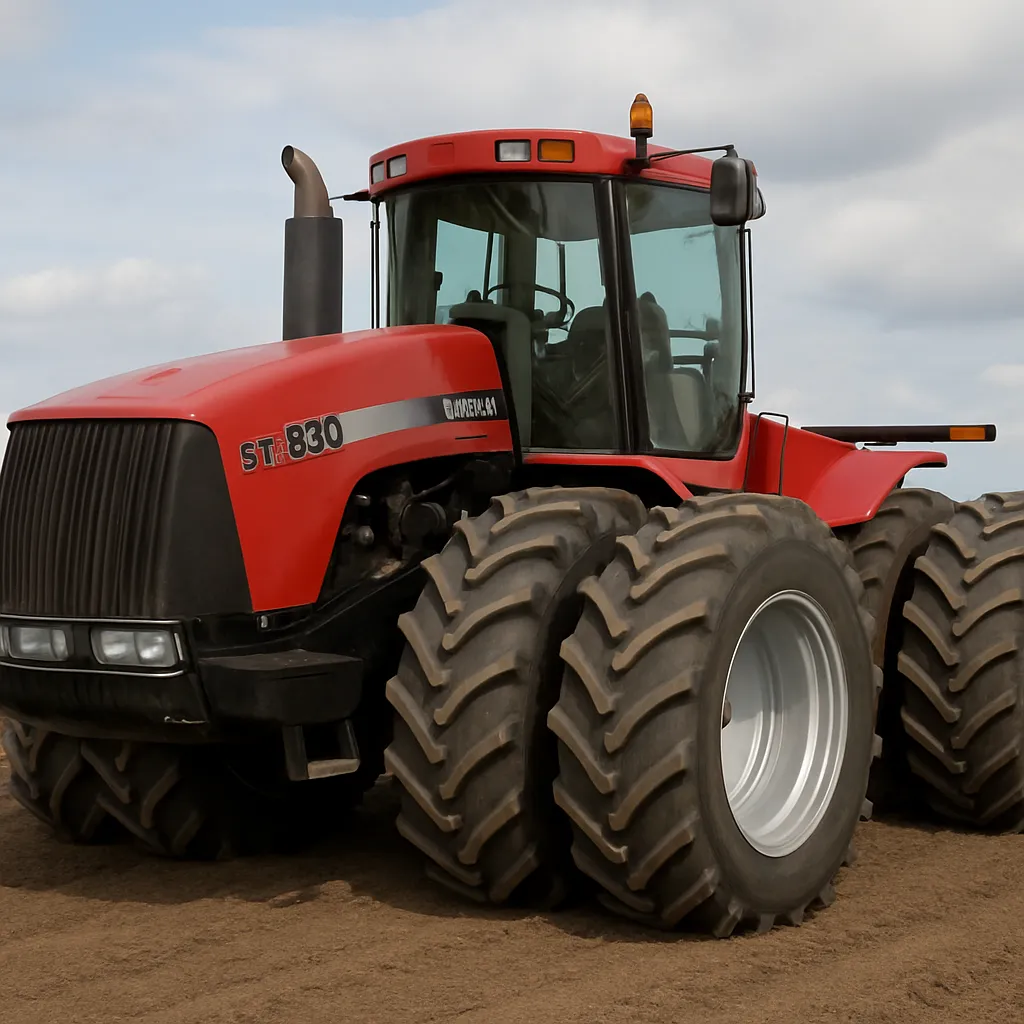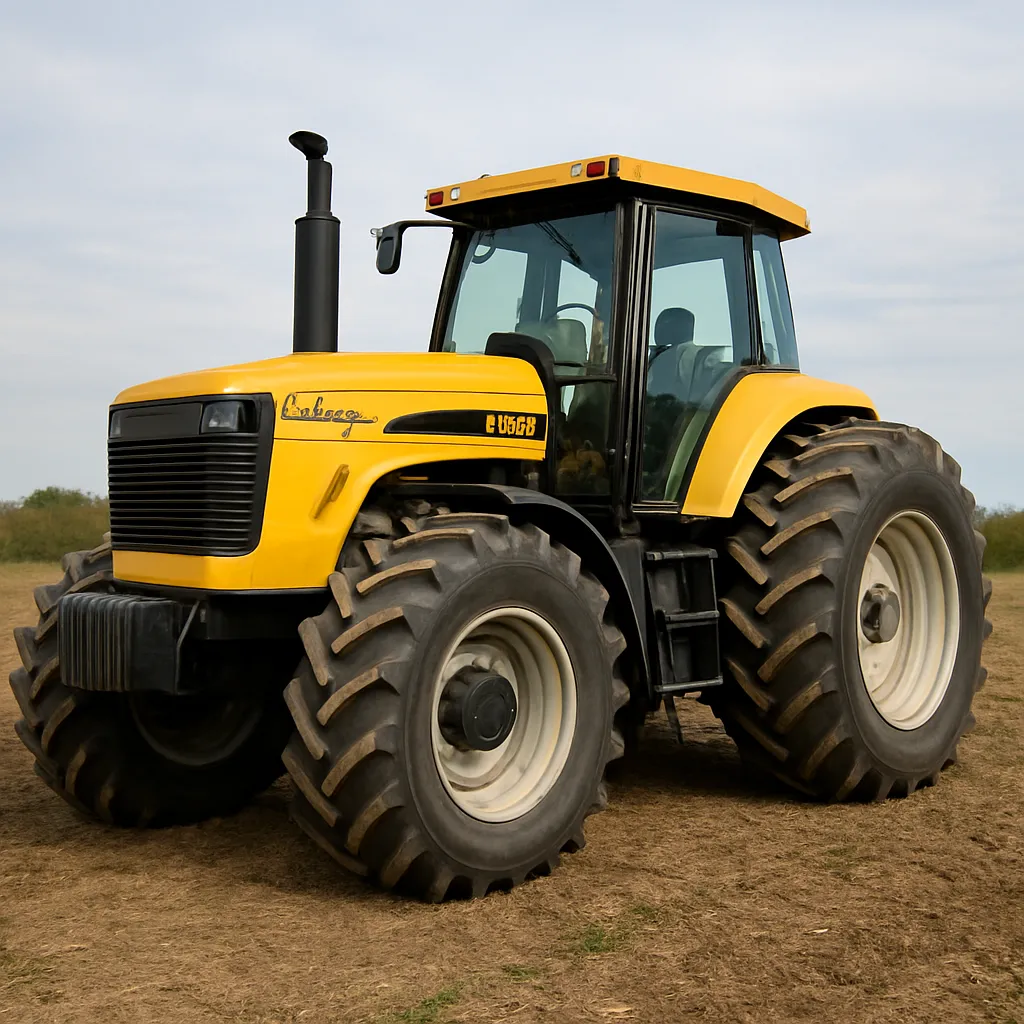
The Challenger 945B is a heavyweight, high-traction agricultural machine designed to meet the demands of large-scale farming, heavy tillage and contracting operations. Built as part of Challenger’s MT900B family under AGCO’s umbrella, the 945B combines tracked undercarriage technology with robust engine and hydraulic systems to deliver sustained power in the field. This article examines the tractor’s background, typical technical characteristics, field applications, operational economics and practical considerations for owners and operators. Throughout the text key concepts such as Challenger, tracked design and horsepower are highlighted to make the core strengths of the model easy to identify.
Overview and heritage
The Challenger 945B emerged in the mid-2000s as part of the MT900 series refresh that brought mechanical and electronics improvements over earlier models. Challenger, originally a brand focused on tracked tractors, became part of AGCO Corporation and benefited from the group’s engineering resources, dealer network and global distribution. The 900B line represented a generation of machines aimed at enterprise-scale agriculture where large implements, long operating hours and demanding ground conditions require both endurance and traction.
Key design philosophy behind the 945B includes increasing effective field productivity by improving traction and reducing wheel slip, thereby converting more engine output into draft force at the implement. The use of rubber tracks (as opposed to traditional steel tracks or tires) prioritizes flotation and reduced ground pressure, allowing the machine to work through softer soils with fewer passes. While the model shares architecture and component families with other MT900B variants, the 945B is positioned for operators who need a balance of high pulling power and operational flexibility.
Technical characteristics and typical specifications
Exact factory specifications can vary by market, production year and optional equipment. Below are the typical characteristics and a realistic ranges summary for machines in the MT900B class, which includes the 945B variant.
Engine and powertrain
- Engine: The 945B uses a high-displacement diesel engine engineered to provide sustained torque at low rpm for draft work. Engines in this class meet the emissions regulations of their production era (Tier 2/Tier 3 in many markets; later retrofits or updates applied in other regions).
- Power: Rated power for tractors of the 900B family commonly falls in the 300–450 hp range, depending on configuration and boost modes. This gives the tractor the capacity to pull large coulter or disc assemblies and multi-section seeders effectively.
- Transmission: The powertrain typically integrates a heavy-duty powershift or continuously variable transmission option in some markets, optimized for heavy draft and steady-speed operation during tillage and seeding.
Undercarriage and traction
The tracked undercarriage is central to the 945B’s capability. Rubber tracks distribute the tractor’s mass over a larger contact area than tires, reducing soil compaction and increasing traction. Typical features include:
- Wide tracks for improved flotation on soft soils.
- Tensioning systems and suspension modules designed to lengthen track life and smooth ride quality.
- Optional dual-track configurations or track choices that allow owners to trade off between flotation and transport width.
Hydraulics and PTO
Large implements require robust hydraulic and power take-off capacity. The 945B provides high-flow hydraulics to operate modern seed drills, cultivators and air carts. Owners can expect multiple remote circuits, standard couplers and an arrangement that supports both rear- and mid-mount implements. A conventional PTO is usually present for powered attachments, but the focus for this class remains on draft capacity and hydraulic power.
Dimensions, weight and fuel
Working machines in the MT900B category are substantial: operating weights commonly fall in the range of about 12–16 tonnes depending on undercarriage and ballast choices. Transport width depends on track selection and can be wide enough to require special transport permits in some jurisdictions when fitted with the widest track options. Fuel capacity for long-days in the field typically runs into several hundred liters — configured to allow extended continuous operation between refueling stops.
Cab and operator environment
Comfort and ergonomics are significant for large-tractor operators who spend long hours in the cab. The 945B’s cab offers climate control, ergonomic seating, clear sightlines to implements, and an instrument panel that integrates work monitors and controls. Many units are compatible with satellite guidance and precision farming systems, enabling higher productivity through auto-steer and section-control systems.
Primary applications and field use
The Challenger 945B is designed for operators and contractors engaged in large-scale cropping systems and heavy ground-engaging tasks. Typical applications include:
- Tillage: deep ripping, primary and secondary tillage where high draft force is required to pull wide implements through compacted soils.
- Seeding and planting: pulling large seed drills and air seeders across broad acreages with consistent depth and seed placement.
- Nutrient application: dragging heavy spreaders and tank systems for fertilizer and manure application, especially where soft or wet conditions make wheeled tractors less effective.
- Land reclamation and earthmoving: tasks that call for sustained traction and pushing/pulling force in off-road conditions.
- Contracting: custom operators who rent equipment or provide large-job services often choose tracked tractors like the 945B for efficiency per hour on big fields.
On heavy soils or in wet springs, the tracked design is particularly advantageous. While wheeled tractors may suffer wheel slip and rutting, a 945B will continue to deliver useful fieldwork with fewer passes, which can translate into lower total field compaction and faster progress over large areas.
Performance considerations and productivity metrics
Productivity of a tractor like the Challenger 945B is measured not only by peak horsepower but by how effectively power is translated into useful work. Important performance dimensions include:
- Draft efficiency: tracked tractors maintain traction at lower slip rates. Lower slip means more of the engine’s power is used to pull the implement rather than being wasted, raising effective field capacity.
- Field capacity: when pulling wide implements at working speeds, a 945B can cover significant hectares per hour compared to smaller tractors. Field capacity is a function of implement width, forward speed and duty cycle (including turns and refills).
- Fuel efficiency: while big tractors consume more fuel per hour in absolute terms, the fuel consumed per hectare can be competitive or superior to smaller machines when the wider implements and higher duty factor of the 945B are considered.
- Uptime and availability: large operators prioritize machines that remain productive over long shifts. Robust cooling, heavy-duty drivetrains and accessible service points contribute to reduced downtime.
From an operational standpoint, matching implement size to the tractor’s drawbar and hydraulic capabilities is crucial. Oversizing implements can lead to power bottlenecks, excessive wheel or track slippage and inefficient fuel use. Conversely, undersizing wastes the machine’s potential and increases per-hectare costs.
Maintenance, operating costs and lifecycle economics
Operating a high-horsepower tracked tractor like the Challenger 945B involves trade-offs between productivity and costs. Key aspects for prospective owners:
Routine maintenance
- Track and undercarriage inspections: rubber tracks, rollers, idlers and tensioners require regular checks to prevent uneven wear and avoid in-field failures.
- Engine service: regular oil and filter changes, cooling system checks and fuel system maintenance are all part of long-life engine stewardship.
- Hydraulics and electrical: seals, hoses and electrical connectors must be monitored; modern control systems also benefit from periodic software checks and updates.
Operating costs
Operating costs include fuel, tires/tracks, servicing, insurance and capital depreciation. Tracked undercarriages can have higher initial cost and replacement expense compared with tires, but they can save money in the long run by enabling fewer passes and less soil damage on large acreages. Contractors frequently find that the increased hourly productivity offsets higher per-hour operating costs.
Resale and lifecycle
High-horsepower tractors retain value when they have been well maintained and when documentation of service history is available. The secondary market for tracked machinery is influenced by condition of tracks and driveline components, as well as the machine’s electronic and GPS systems. Lifecycle planning — anticipating undercarriage replacement cycles and major service events — helps owners budget for ownership costs.
Technology, precision farming and operator aids
The 945B can be equipped with precision farming technology that increases efficiency and reduces input waste. Typical integrations include:
- GPS guidance and auto-steer: reducing overlap and improving consistency in seeding and spraying operations.
- Section control and variable rate: allowing implements to be controlled to match soil variability and crop needs.
- Telematics: remote diagnostics and fleet management systems allow owners to track machine hours, fuel consumption and location for logistics and maintenance planning.
These technologies improve effective utilization of the tractor across seasons and can reduce labor demands while enhancing agronomic outcomes.
Advantages and disadvantages compared with wheeled tractors
When considering a Challenger 945B relative to large wheeled tractors, weigh the following:
- Advantages:
- Superior traction and pull in soft or wet soils.
- Lower ground pressure and reduced soil compaction risk per unit area.
- Smoother power delivery and steadier drawbar pull for wide implements.
- Disadvantages:
- Higher initial cost and potential undercarriage replacement expenses.
- Potentially wider transport footprint depending on track choice.
- Greater mass may increase fuel use in transport or non-productive movements.
Choice between tracked and wheeled solutions depends on soil type, field size, transport needs, local road regulations and the operator’s typical tasks.
Variants, market and statistical context
The specific designation 945B identifies a configuration within Challenger’s product lineup. Models in the MT900B family were produced through the 2000s and saw global distribution to North America, Europe, Australia and other large-farming regions. While precise production figures for the 945B alone are not generally published by manufacturers at a model-submodel granularity, the MT900 series was a core part of Challenger’s market presence during that decade.
Some broader statistics and market trends relevant to the 945B’s era:
- High-horsepower tractors (300+ hp) became more common on large farms and custom operator fleets as farm sizes increased and tillage implements grew wider to improve per-acre productivity.
- The shift to precision agriculture and auto-steer began to accelerate in the 2000s, and most tractors in this size class were offered with guidance-ready electronics to support those systems.
- Tracked tractors captured a stable niche where farmers prioritized low compaction and year-round traction; in many regions their market share grew especially among large-scale grain and row-crop operations.
Practical tips for prospective buyers and operators
Before purchasing a Challenger 945B (new or used), consider the following checklist:
- Confirm the machine’s maintenance and service history—track condition, scheduled engine services, and any major repairs.
- Evaluate whether field gateways (bridges, gates, road widths) permit the selected track width for safe transport.
- Match implement size to tractor capacity: ensure the intended implements can be powered and pulled efficiently without excessive slip.
- Ask about the presence and condition of precision farming electronics and telematics; integration can affect resale and immediate productivity gains.
- Calculate total cost of ownership including likely undercarriage renewals and expected fuel usage relative to expected hectares covered per season.
Conclusion
The Challenger 945B stands as a purpose-built machine for operators who require sustained pulling power, consistent traction and the benefits of reduced soil compaction that tracked tractors provide. While not the least expensive choice on a per-unit basis, its strengths lie in converting engine power into useful fieldwork across large acreages and difficult field conditions. For large farms, contractors and businesses that prioritize durability and steady productivity, a 945B-style tracked tractor can be a highly effective investment when matched to the right implements and operational plan.