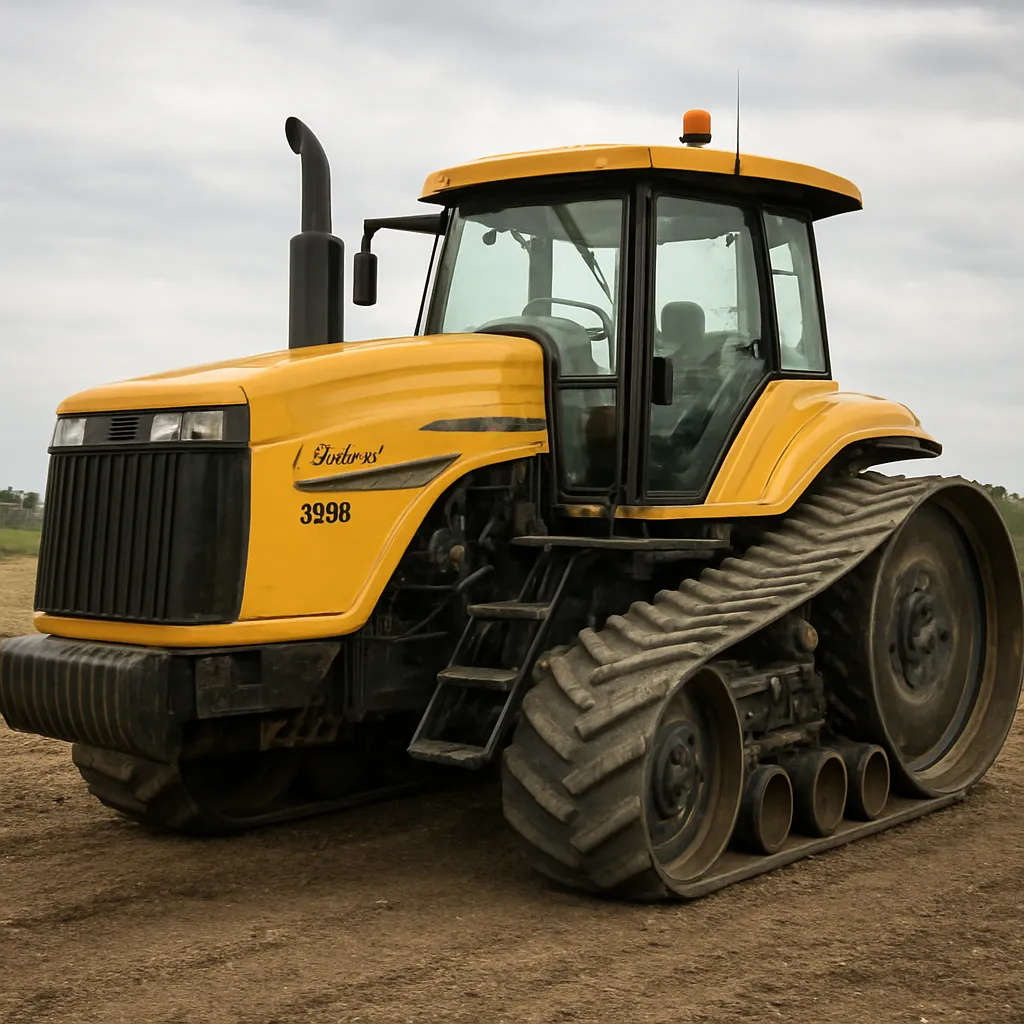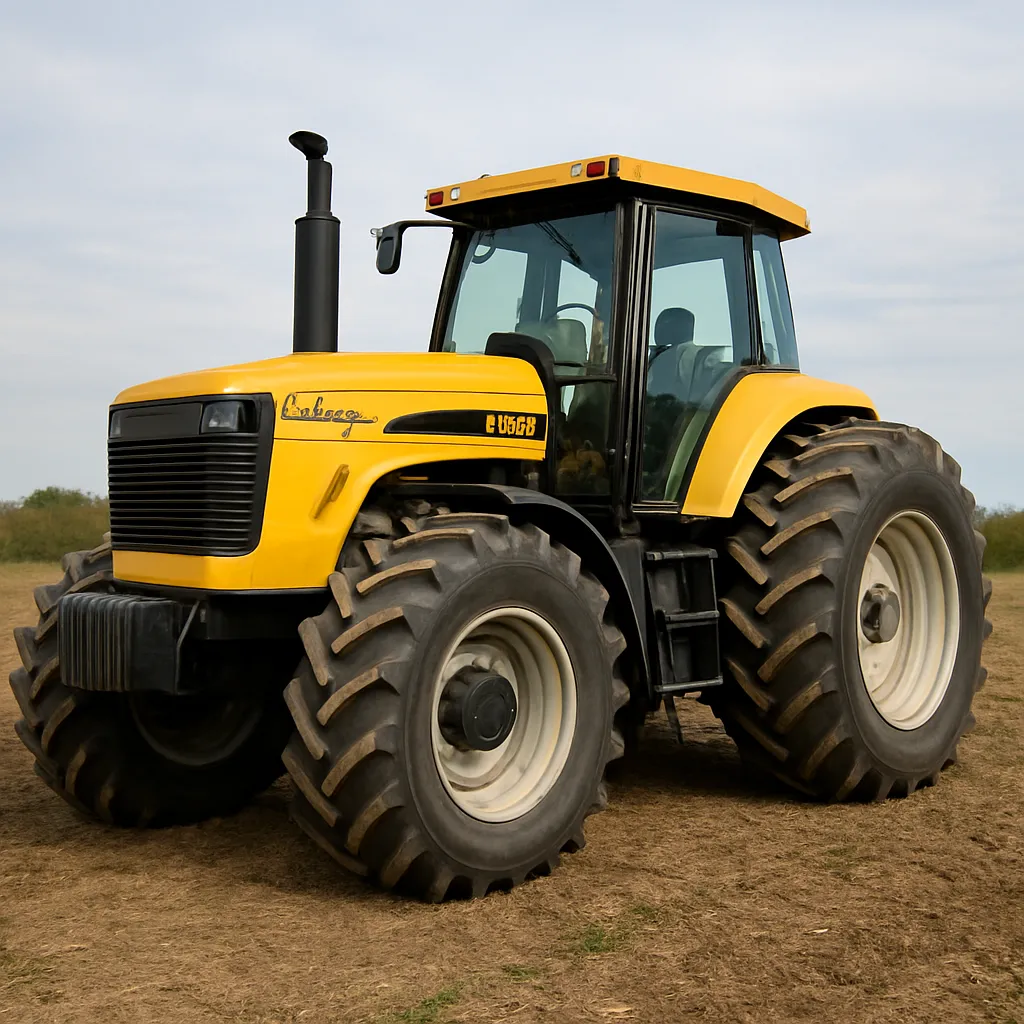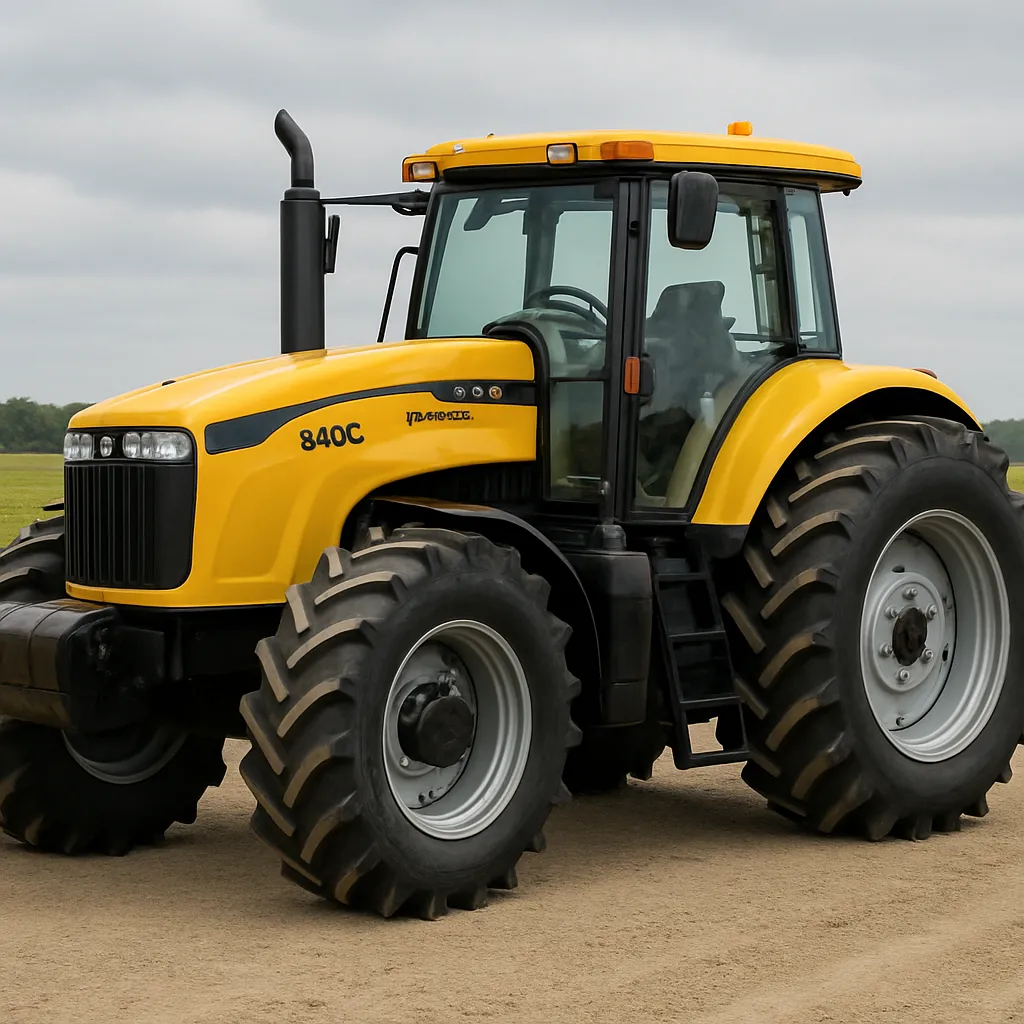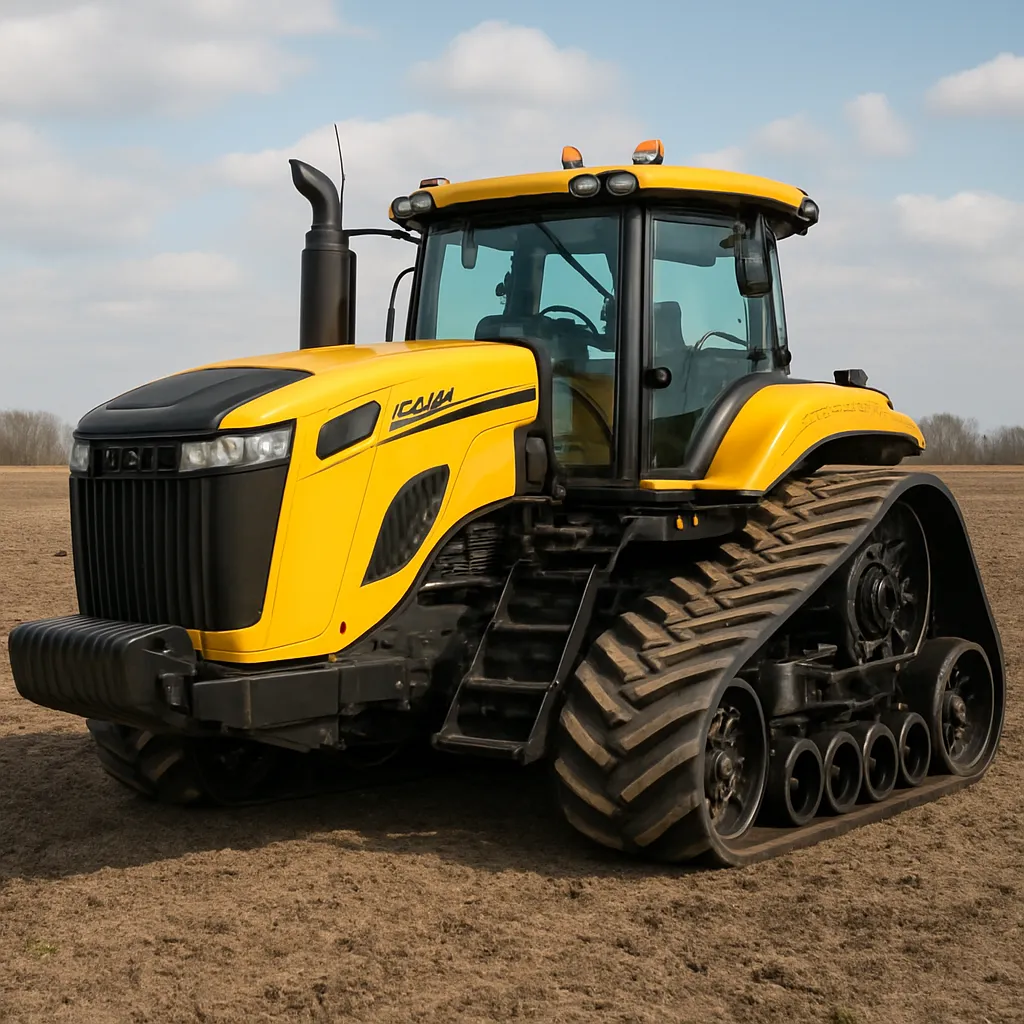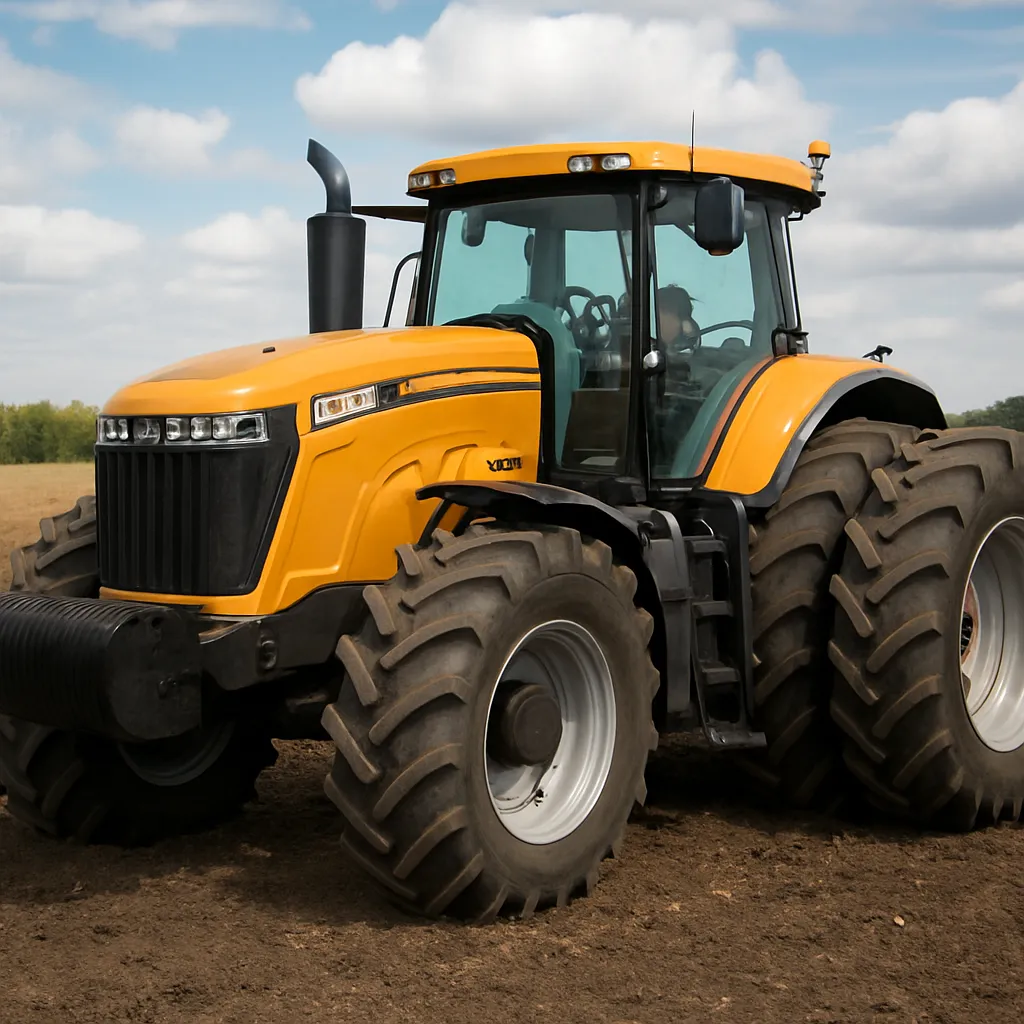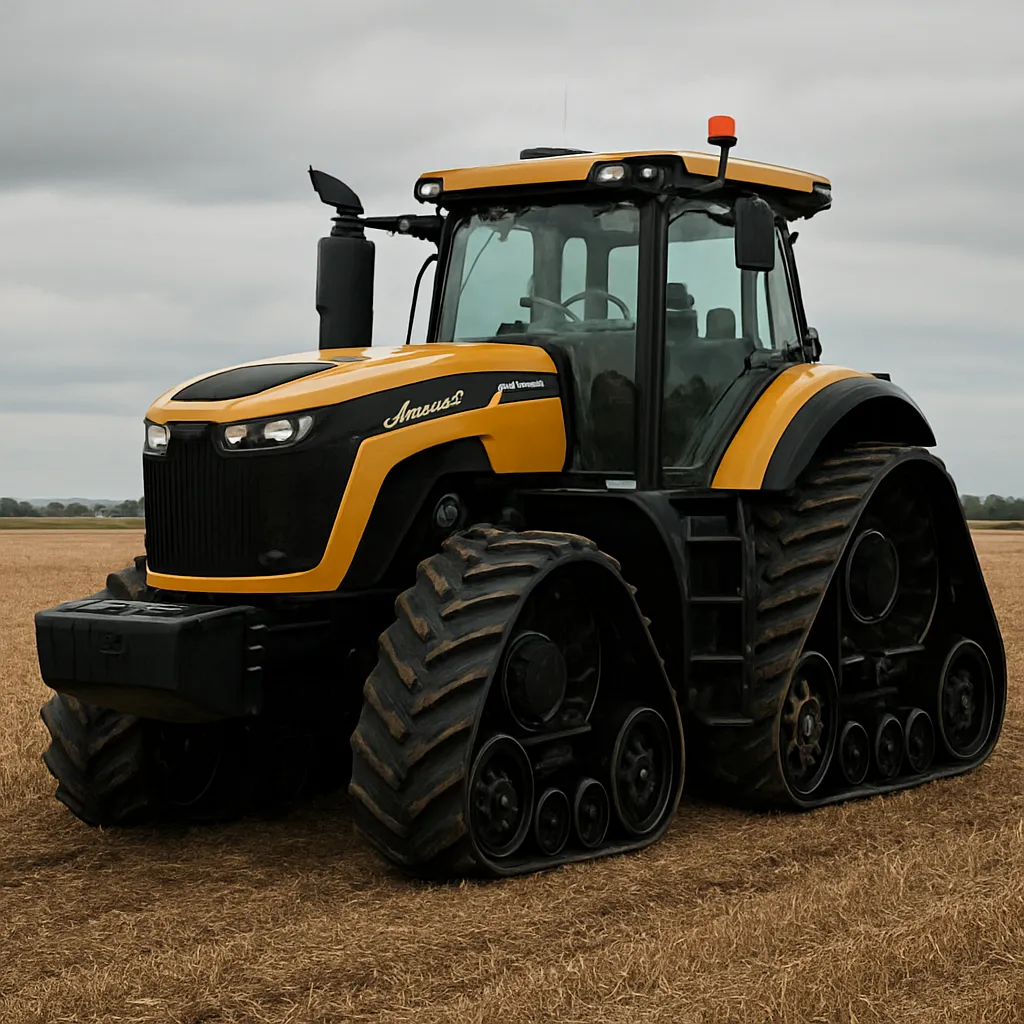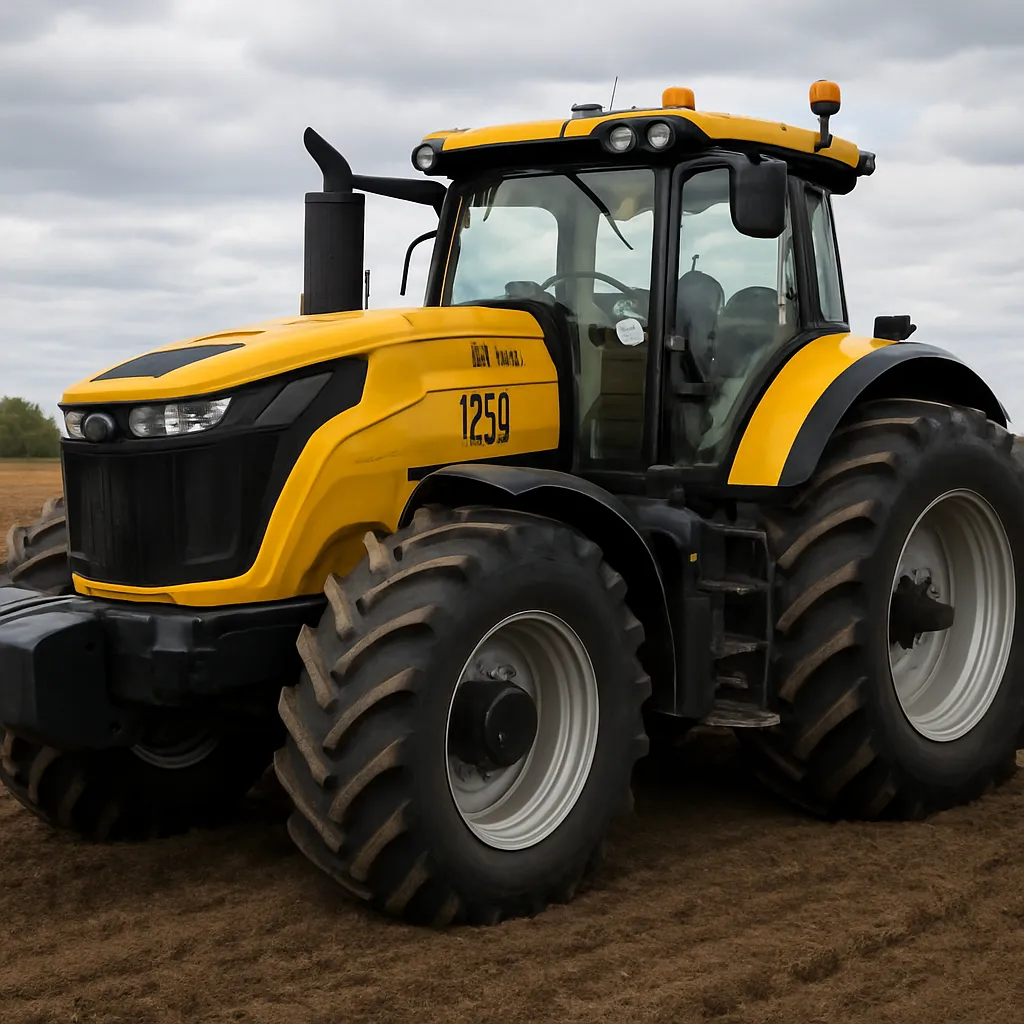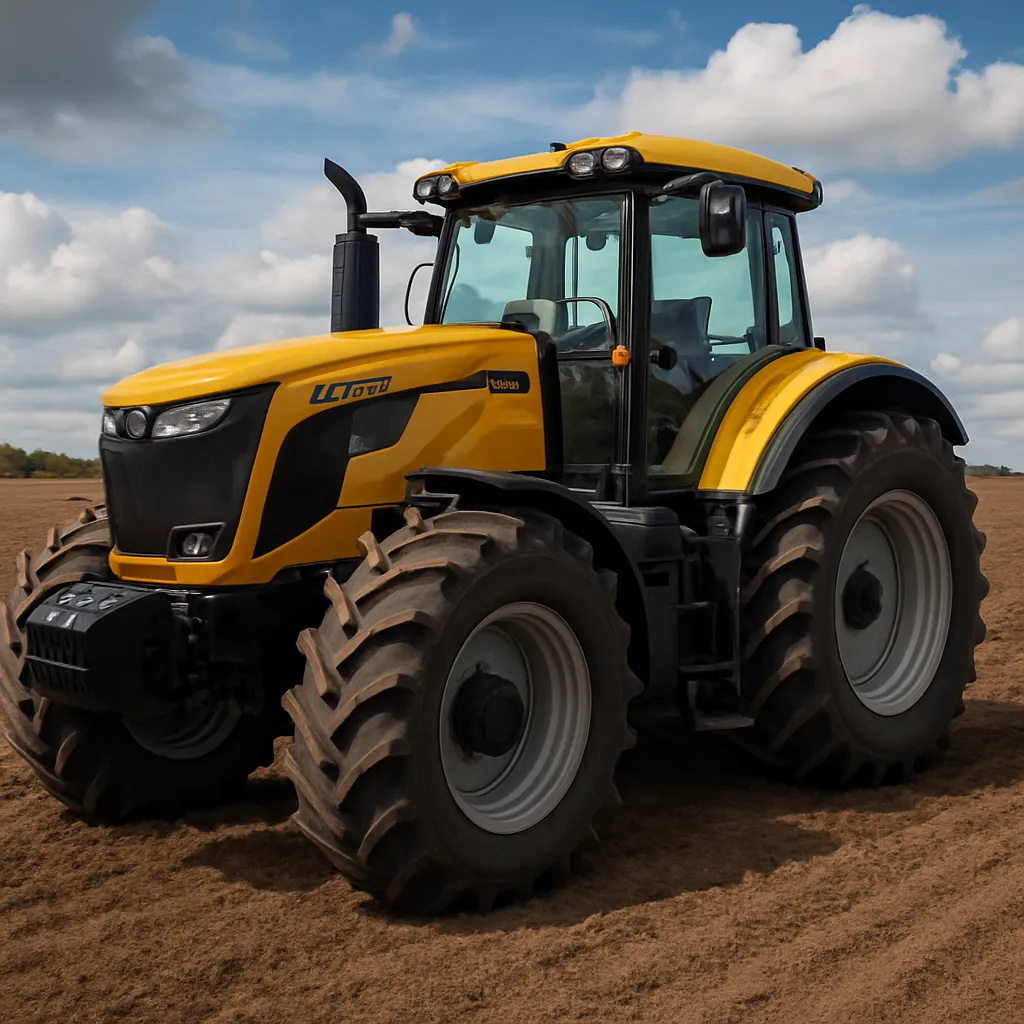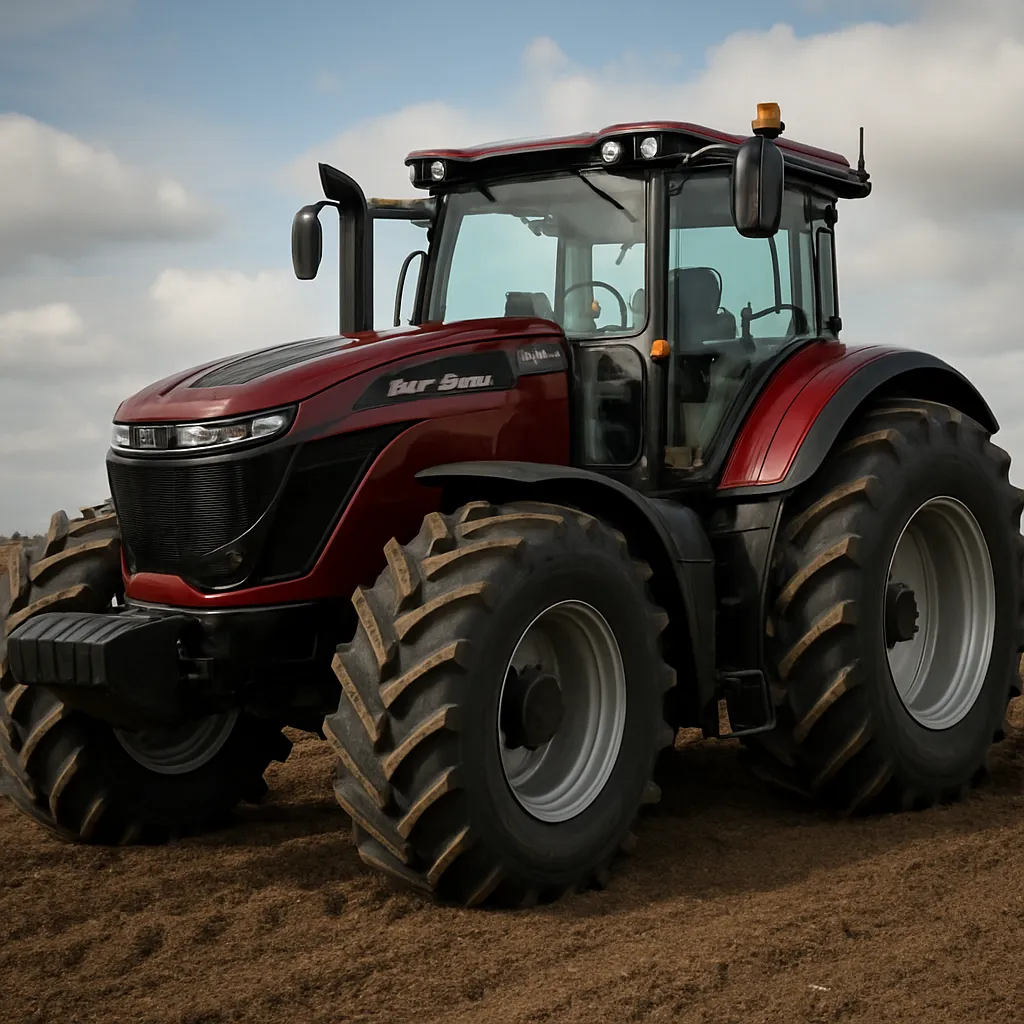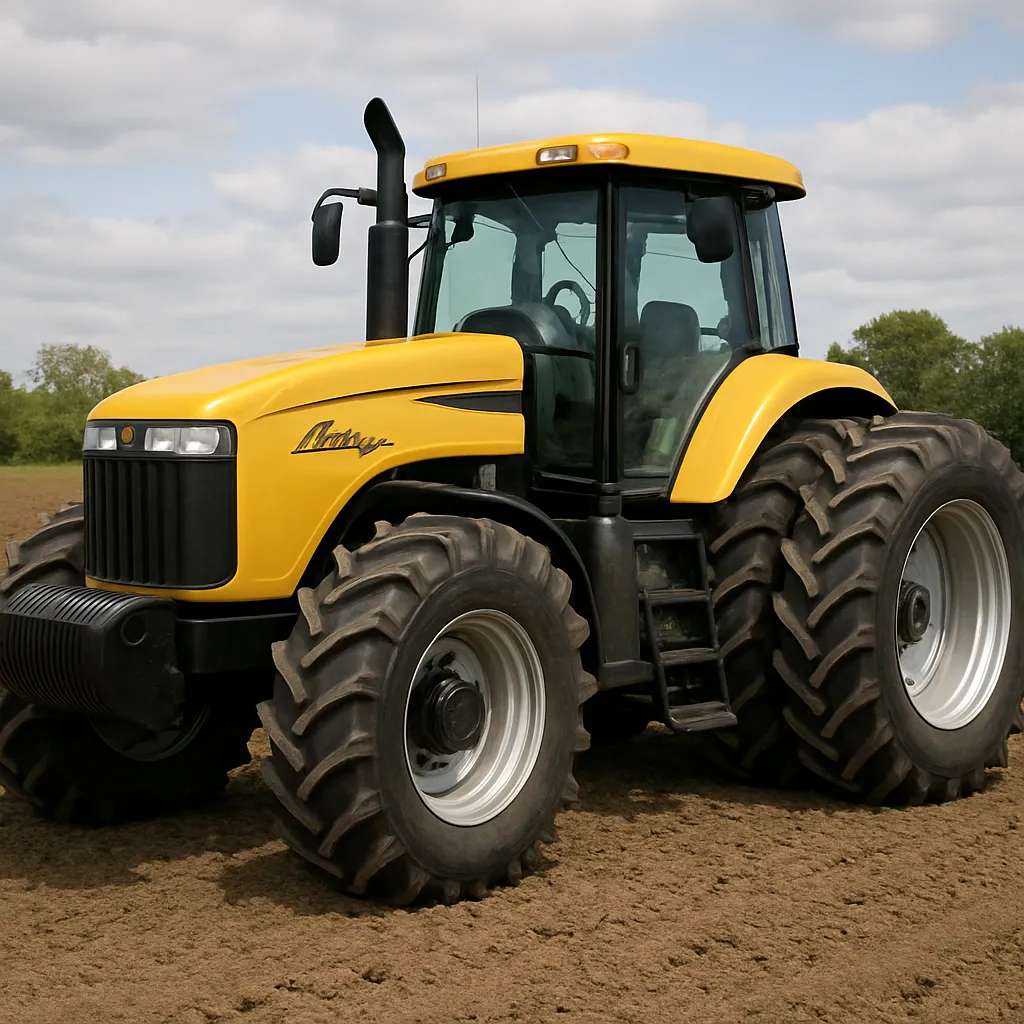
The Challenger 965E is a heavy-duty, rubber-tracked agricultural tractor that represents a class of machines designed to deliver consistent high-performance in large-scale farming operations. Combining powerful propulsion, low ground pressure and a stable platform for implements, the 965E is frequently chosen where traction, fuel efficiency and soil protection are priorities. This article explores the machine’s design, typical uses, operational characteristics, maintenance needs and the broader impact of using a tractor of this class on farm productivity and sustainability.
Design and technical overview
The Challenger 965E is engineered around a robust chassis and a rubber track undercarriage instead of traditional wheels. This fundamental design choice prioritizes continuous ground contact and load distribution. The use of wide rubber tracks spreads the tractor’s weight over a larger surface area, which reduces peak pressure on the soil and improves traction in soft or wet conditions.
Powertrain and driveline
Power delivery is a defining feature of the 965E. The tractor typically employs a high-displacement diesel engine tuned to deliver steady torque across a wide rpm range, ensuring reliable pulling power for heavy tillage and high-draft implements. Transmission options in this class often include powershift or continuously variable transmissions (CVT) that enable smooth speed changes under load and efficient transfer of engine power to the tracks. Reliable driveline components and a reinforced final drive protect the machine during sustained high-load operations.
Undercarriage and traction
The rubber-track undercarriage is the signature element. Tracks provide greater tractive effort relative to wheeled machines in challenging conditions and help maintain consistent ground speed while minimizing wheel slip. Key advantages include reduced soil compaction, improved flotation and enhanced stability on slopes. Track design in the 965E emphasizes durability—heavy-duty track frames, heat-treated links and reinforced rubber compounds help resist wear from stubble, rocks and abrasive soils.
Hydraulics, hitch and PTO
Modern tractors in this segment offer high-flow hydraulic systems suitable for large planters, air seeders, sprayers and tillage equipment. The 965E is typically equipped with multiple remote valves, high-capacity hydraulic pumps and a category 4/5 three-point hitch or equivalent linkage and drawbar connections that support heavy implements. A robust PTO shaft and strong driveline bearings allow the tractor to power PTO-driven attachments as required.
Typical applications and uses
The Challenger 965E is primarily designed for large-scale arable and mixed farms, contractors and operations that require continuous high-power capability. Its specific uses include:
- Primary tillage: pulling large plows, cultivators and disk harrows where consistent traction and draft control are essential;
- Seeding and planting: operating wide planters and seeders that demand even ground contact and minimal tramline compaction;
- Soil management: operations such as deep loosening, subsoiling and bed-forming that benefit from low ground pressure and stable power delivery;
- Transport: hauling heavy trailers or liquid tanks on-farm and between fields, especially across soft ground where wheeled tractors might get bogged down;
- Specialist operations: paving the way for large sprayers, mulch and residue management systems, and other high-tonnage implements.
Why chosen for large-scale farms
Operators select the 965E and similar machines when they need a dependable workhorse that minimizes downtime and maximizes field hours. The combination of high traction, low slippage and consistent speed maintains fuel efficiency and reduces the wear and tear associated with repeated draft corrections. For contractors who must finish large acreages quickly, the uptime and traction characteristics of a tracked machine are particularly valuable.
Performance and efficiency
Performance metrics for a machine like the Challenger 965E are measured by several interrelated factors: tractive efficiency, fuel consumption per hectare, effective field capacity and maintenance intervals. Tracked tractors typically exhibit higher drawbar efficiency and improved fuel economy under heavy-load conditions versus comparable wheeled tractors, because reduced slippage translates into less wasted energy.
Soil impact and traction
A major benefit of the tracked design is lower maximum soil pressure. Reduced compaction preserves soil structure, improves root penetration and enhances water infiltration—factors that contribute to long-term yield stability. Many studies and field trials comparing tracks to dual-wheeled tractors show measurable reductions in surface and sub-surface compaction, particularly under wet or marginal conditions.
Fuel and operational economy
In real-world use, fuel consumption varies widely with task, load and terrain. However, when performing high-draft fieldwork, tracked machines like the 965E can require less fuel per hectare than wheeled equivalents because they avoid energy loss through wheel slip. Efficient power transmission and modern engine management systems further optimize consumption during transport and light-load tasks.
Operator comfort and safety
The operator environment on the 965E is designed for long shifts. Ergonomics in the cab include intuitive controls, adjustable seating, climate control and visibility enhancements. Sound insulation, vibration damping and responsive suspension systems reduce operator fatigue—critical when covering hundreds of hectares in a day.
Electronics and control systems
Advanced electronics provide improved implement control, GPS guidance compatibility and telematics for remote monitoring. Precision-agriculture features such as auto-steer, variable-rate control and section shutoff are commonly integrated, allowing the 965E to be part of a precision farming fleet that optimizes input use and reduces overlap.
Safety features
Essential safety systems include rollover protection through the cab structure, easy-access service points, robust lighting for night operations and fail-safe hydraulic circuits. Track-based tractors also offer stable behavior on slopes, but operators must remain vigilant about track damage, debris accumulation and safe transport speeds on roads.
Maintenance, durability and lifecycle
Maintenance is a critical aspect of owning a high-hour tractor like the 965E. Tracks, undercarriage components, final drives and hydraulic systems demand regular inspection and service. A proactive maintenance program extends component life and prevents expensive downtime.
Track and undercarriage care
Track tensioning, track pad inspections and cleaning of track rollers are routine tasks. Proper alignment and tension prevent premature wear. Operators should regularly check for cuts, missing vulcanized pads or damaged track links and address issues before they escalate.
Engine and hydraulic upkeep
Scheduled oil changes, fuel system maintenance and air filter replacements are essential. Hydraulic fluid cleanliness and filter maintenance protect pumps and valves. Using manufacturer-recommended lubricants and replacement parts preserves warranty coverage and extends machine service life.
Expected lifecycle and resale
With proper service, tractors in this class can remain operational for many thousands of engine hours. Resale value depends on maintenance history, track condition and installed technology. Tracked tractors often retain value well in markets where soil conditions and farm scale favor tracks over wheels.
Economic and environmental considerations
Choosing a Challenger 965E involves economic and environmental trade-offs. Initial purchase and track replacement costs tend to be higher than for comparable wheeled tractors, but operating advantages can offset these expenses over time through increased uptime, reduced compaction-related yield losses and improved fuel economy under load.
Cost of ownership
Key factors in total cost of ownership include:
- Depreciation and resale value;
- Fuel consumption and efficiency during typical tasks;
- Maintenance costs for tracks and undercarriage parts;
- Service intervals and labor costs;
- Productivity gains from faster or more reliable field completion.
For many large operations, the productivity gains and reduced field damage justify the investment in a tracked machine.
Environmental benefits
Lower ground pressure reduces soil compaction, helping maintain soil organic matter, drainage and aeration—factors that support long-term sustainability and can reduce the need for remedial tillage. Furthermore, efficient field passes and precise implement control reduce overlapping work and unnecessary fuel use, contributing to lower greenhouse gas emissions per hectare.
Purchasing, customization and aftermarket
When acquiring a Challenger 965E, buyers consider factors like available warranties, dealer support, parts availability and compatibility with existing implements. Many owners invest in optional packages to tailor the tractor to their needs—examples include enhanced hydraulics, upgraded comfort packages, precision-agriculture electronics and heavy-duty undercarriage variants.
Used market and refurbishment
The used market offers opportunities for cost savings, but prospective buyers should closely evaluate track condition, hydraulic system integrity and service history. Refurbishment programs can replace key wear components—tracks, sprockets and seals—bringing an older machine close to new-condition performance for a fraction of the cost.
Aftermarket and upgrades
Aftermarket options include improved track compounds for abrasive soils, reinforced undercarriage parts, higher-capacity radiators for hot climates and telematics systems for fleet management. Upgrading guidance and rate-control systems is a common way to extend the utility of an existing machine platform.
Operational tips and best practices
Maximizing the lifespan and productivity of a Challenger 965E depends on sound operational habits:
- Maintain proper track tension and inspect for damage after each job;
- Follow manufacturer service intervals for engine, hydraulic and final-drive fluids;
- Use appropriate implements and avoid sharp turning on hard surfaces to reduce track wear;
- Implement precision guidance to minimize overlap and improve field pass efficiency;
- Store the machine in winter or extended downtime in a clean, dry area to prevent rubber degradation and corrosion.
Summary and final considerations
The Challenger 965E is a purpose-built, tracked tractor well-suited for large-scale agricultural tasks that require exceptional traction, lower soil compaction and reliable heavy-duty performance. While it represents a significant investment, the machine’s strengths—improved field efficiency, durability and compatibility with precision agriculture systems—make it a compelling choice for operators prioritizing productivity and soil health. Proper maintenance, operator training and selecting the right implement combinations are essential to extracting the full value from the 965E platform.
Challenger 965E, engine characteristics, hydraulics, traction, soil protection, efficiency, durability, maintenance, precision, and productivity are central concepts to understand when considering this tractor for modern agricultural operations.