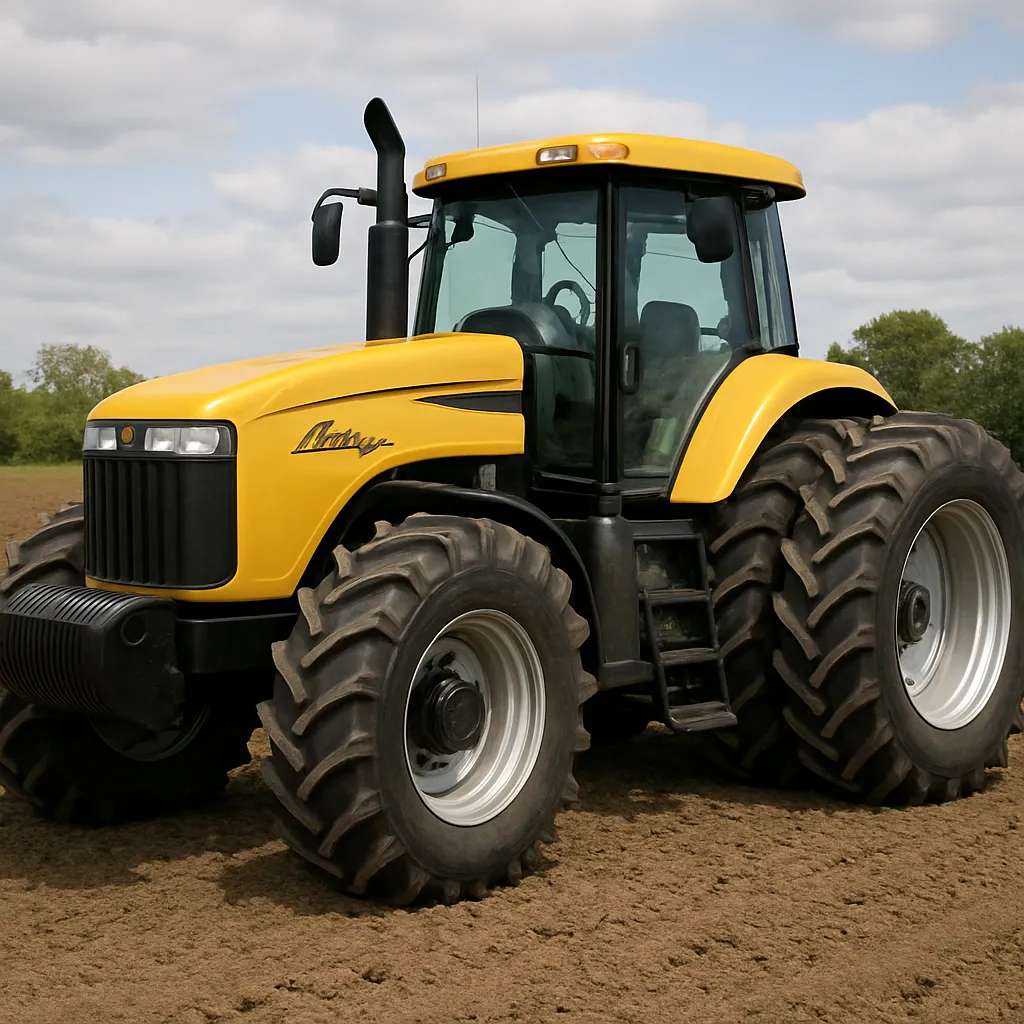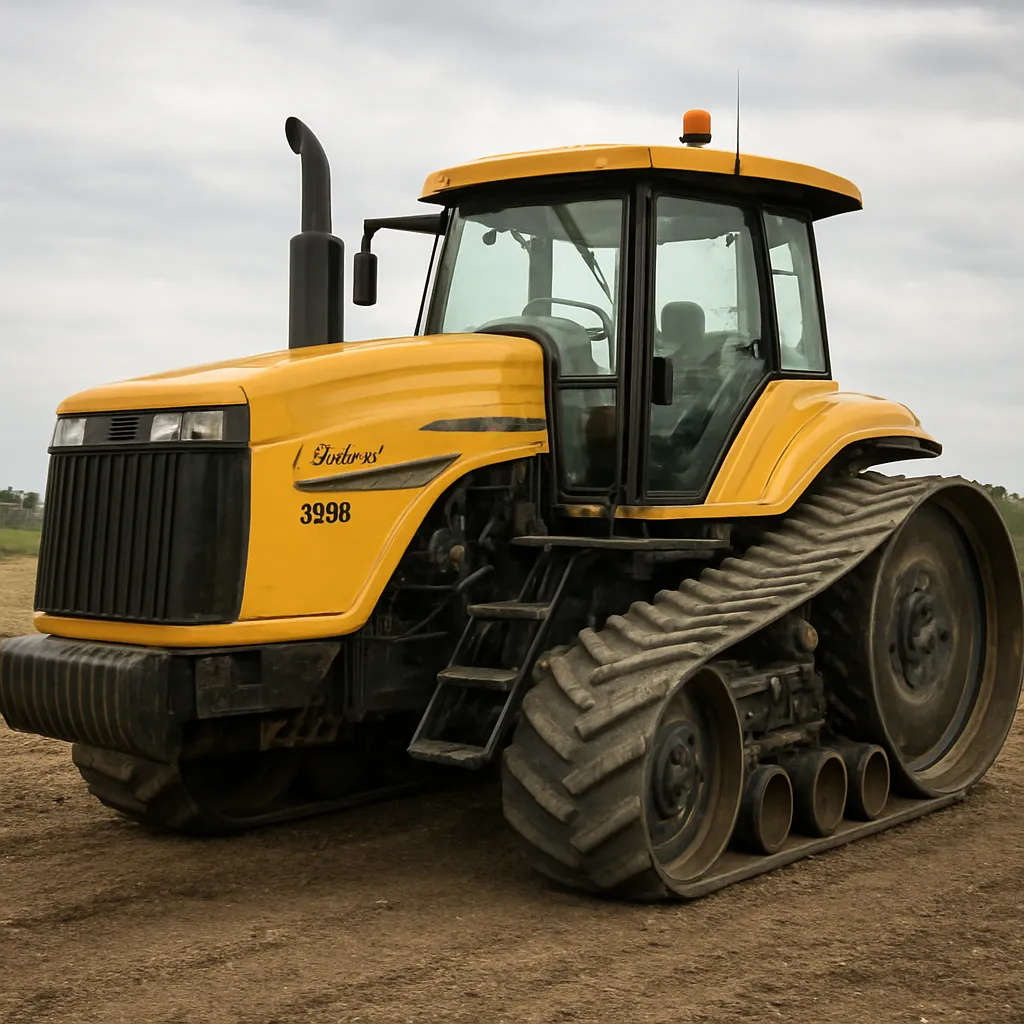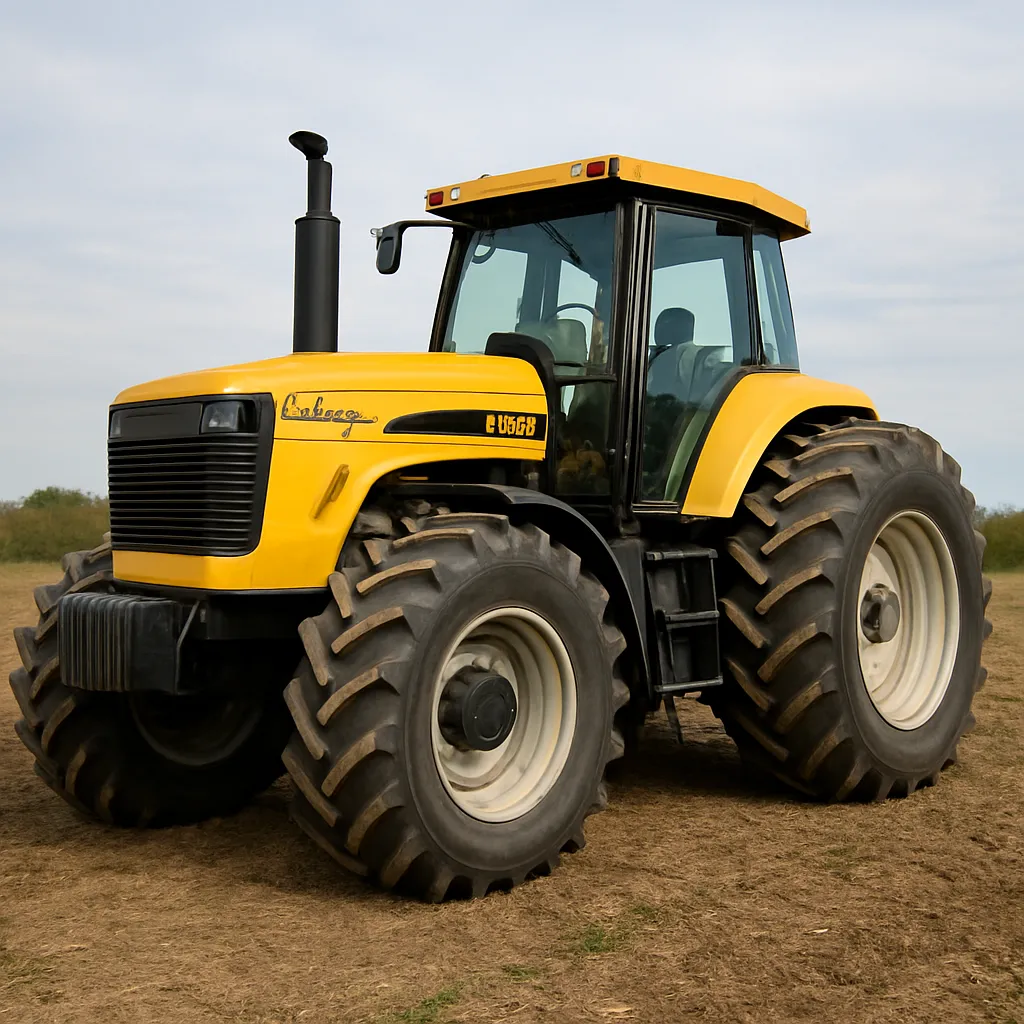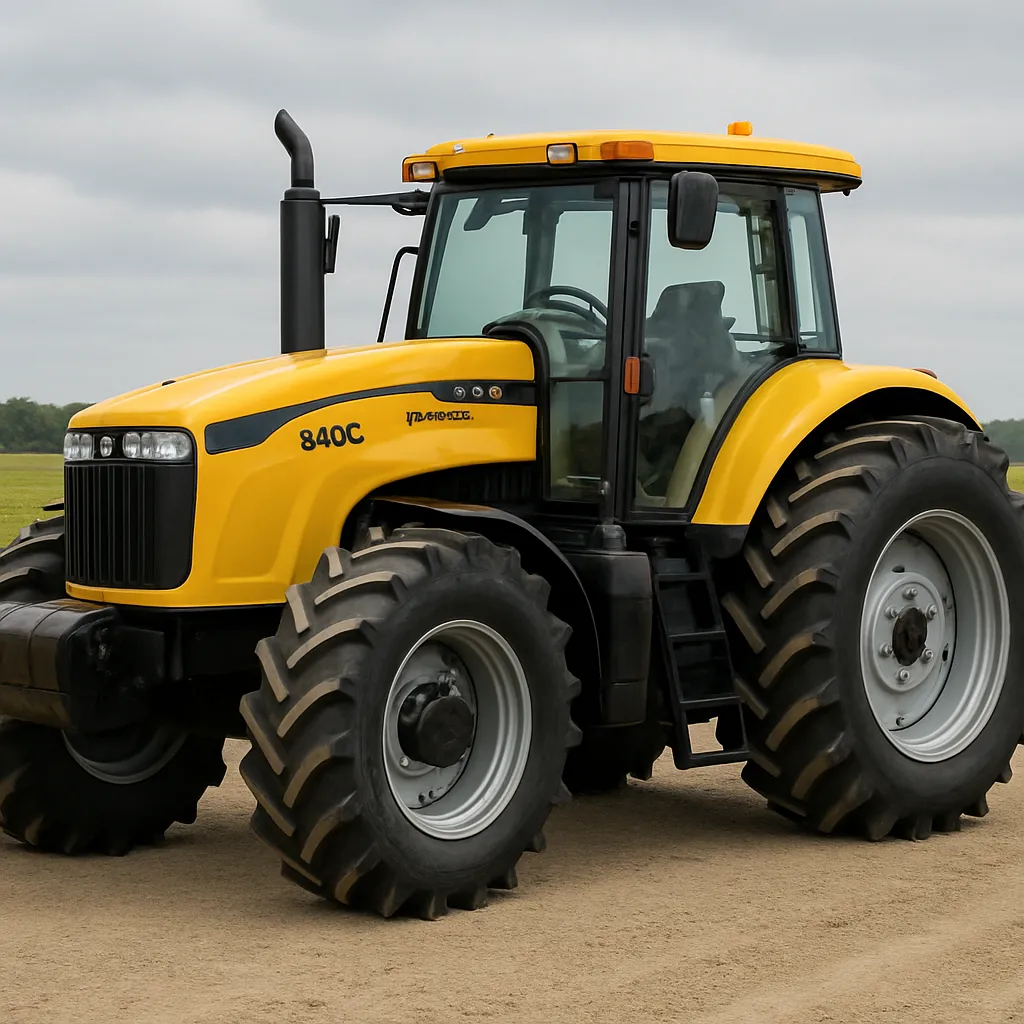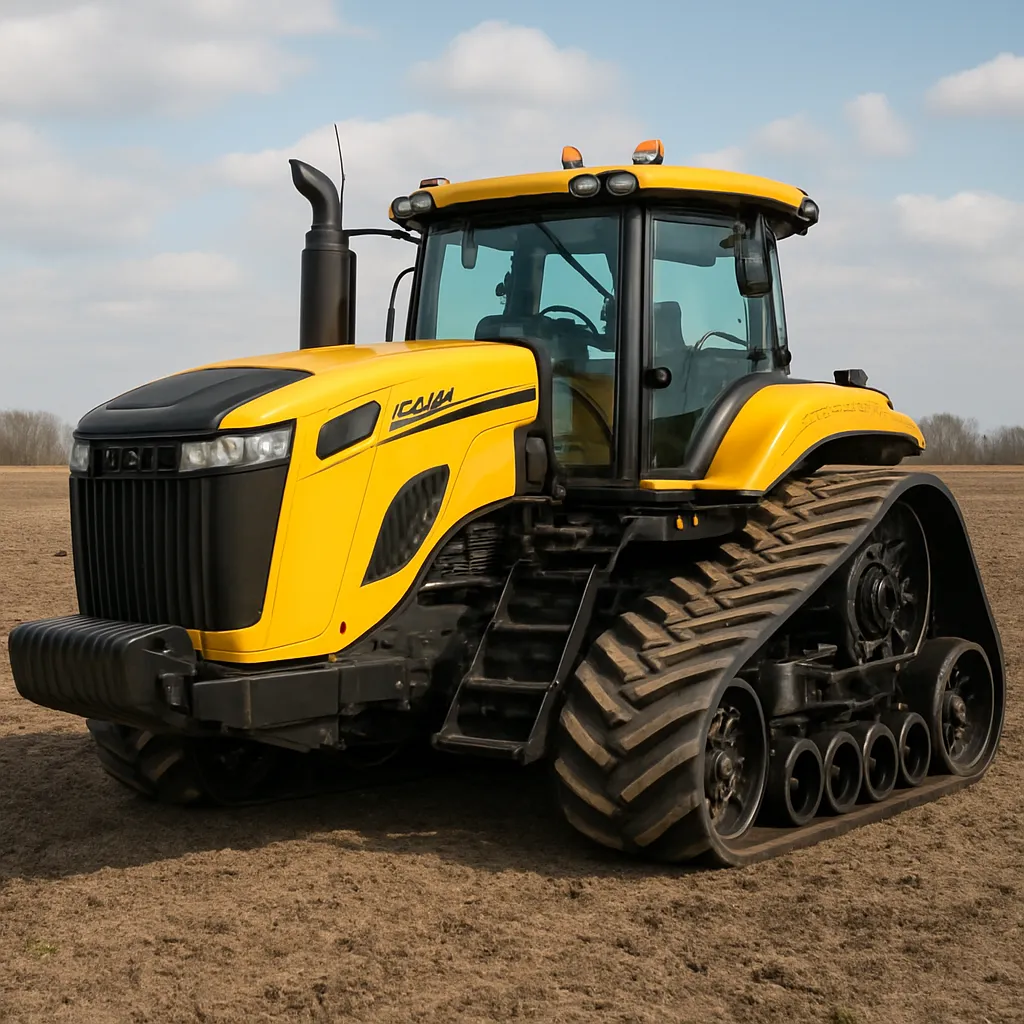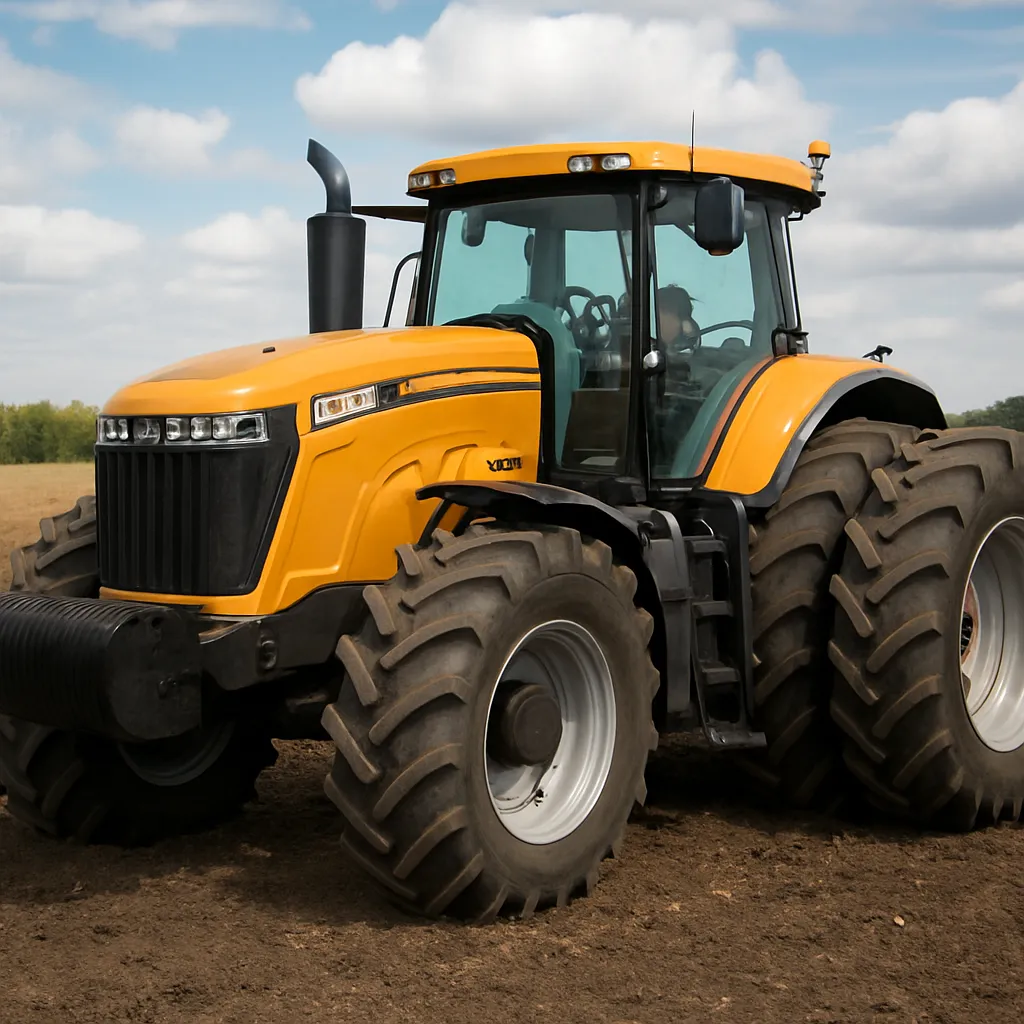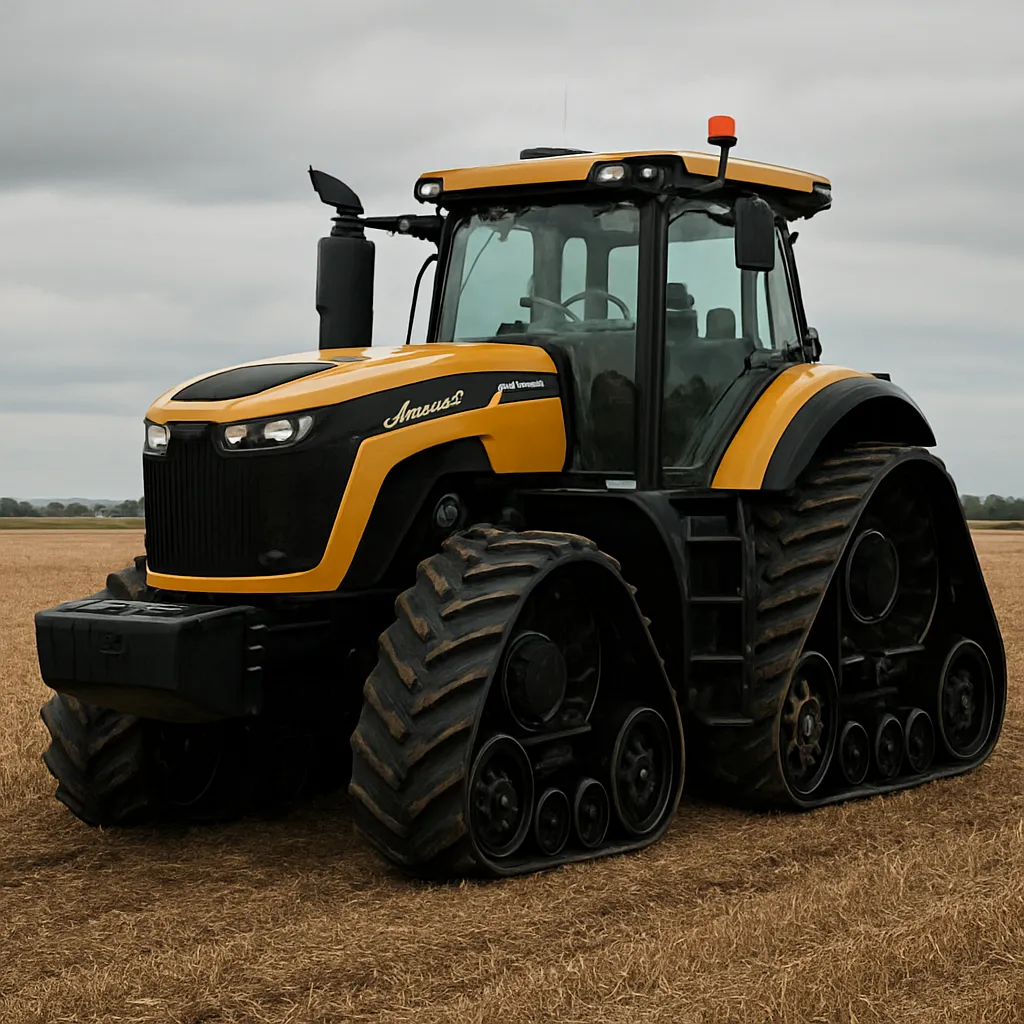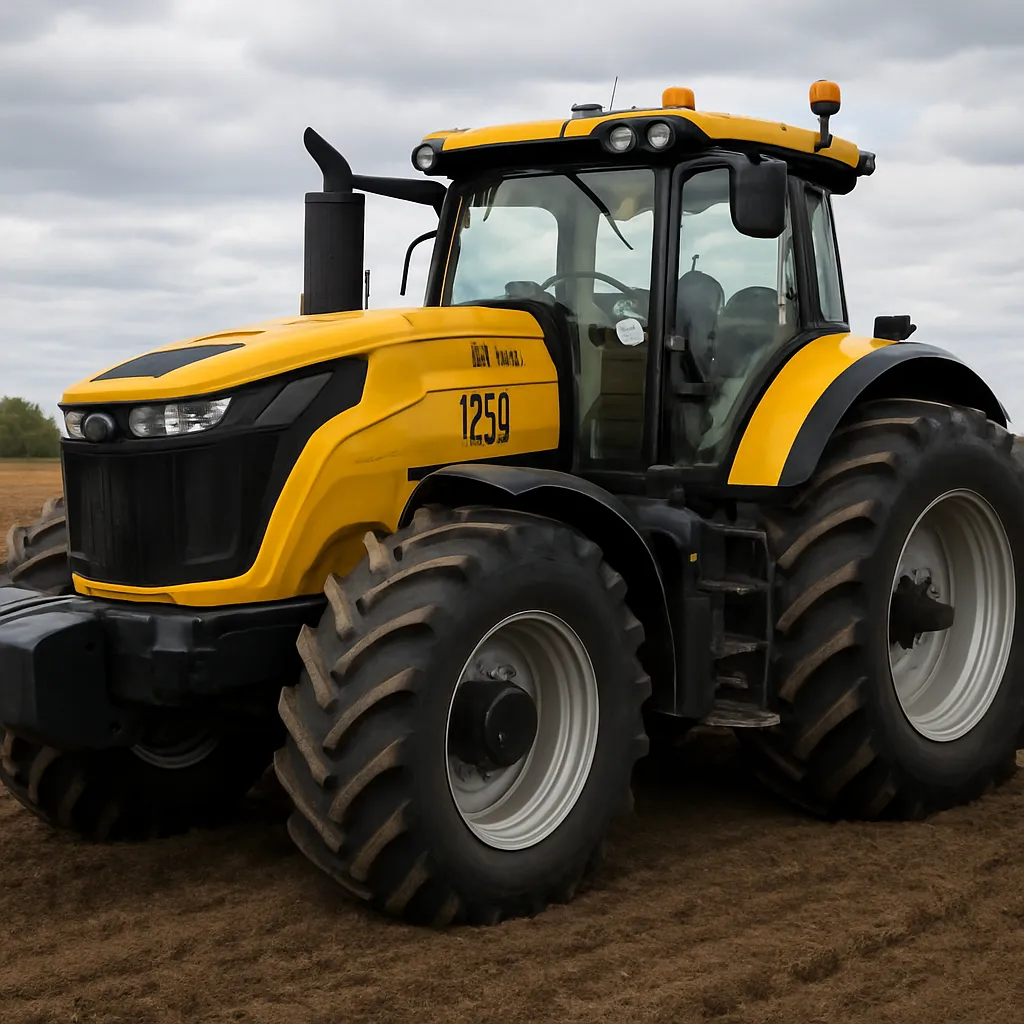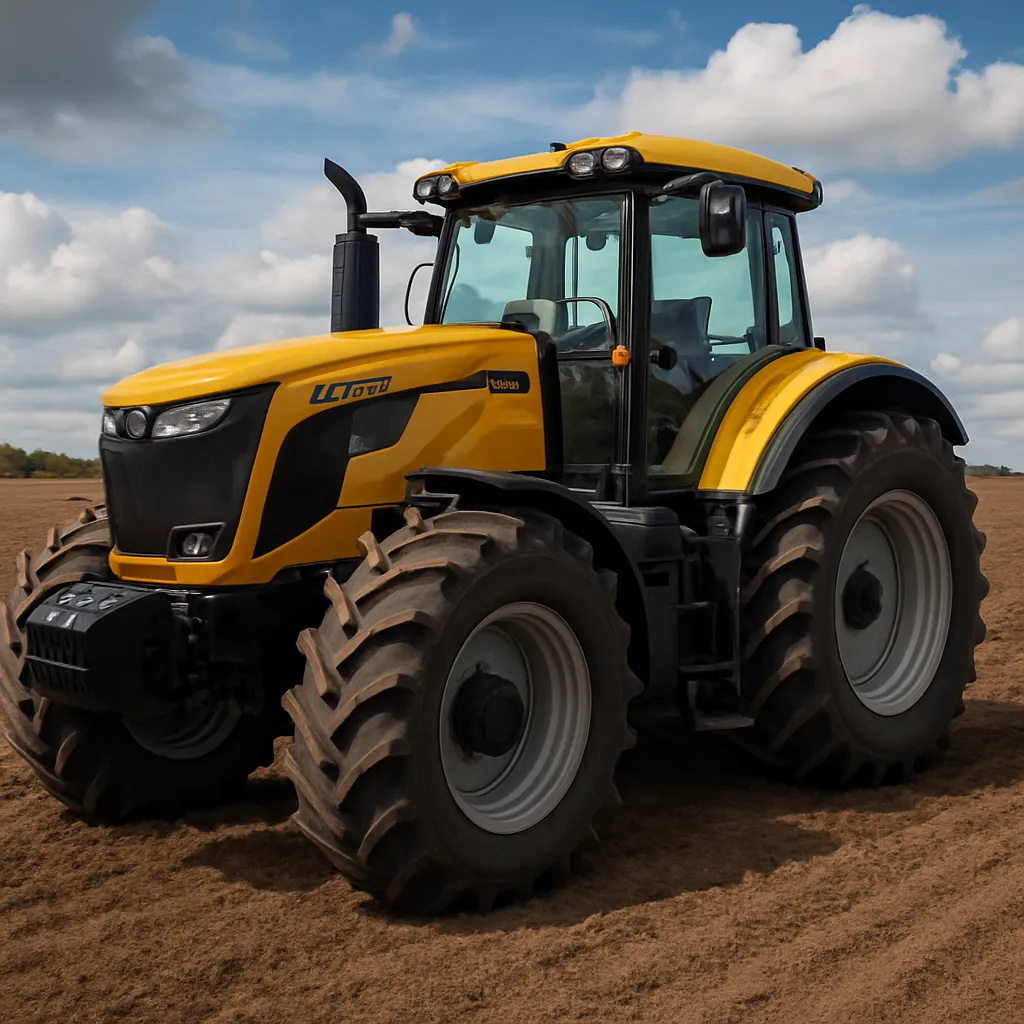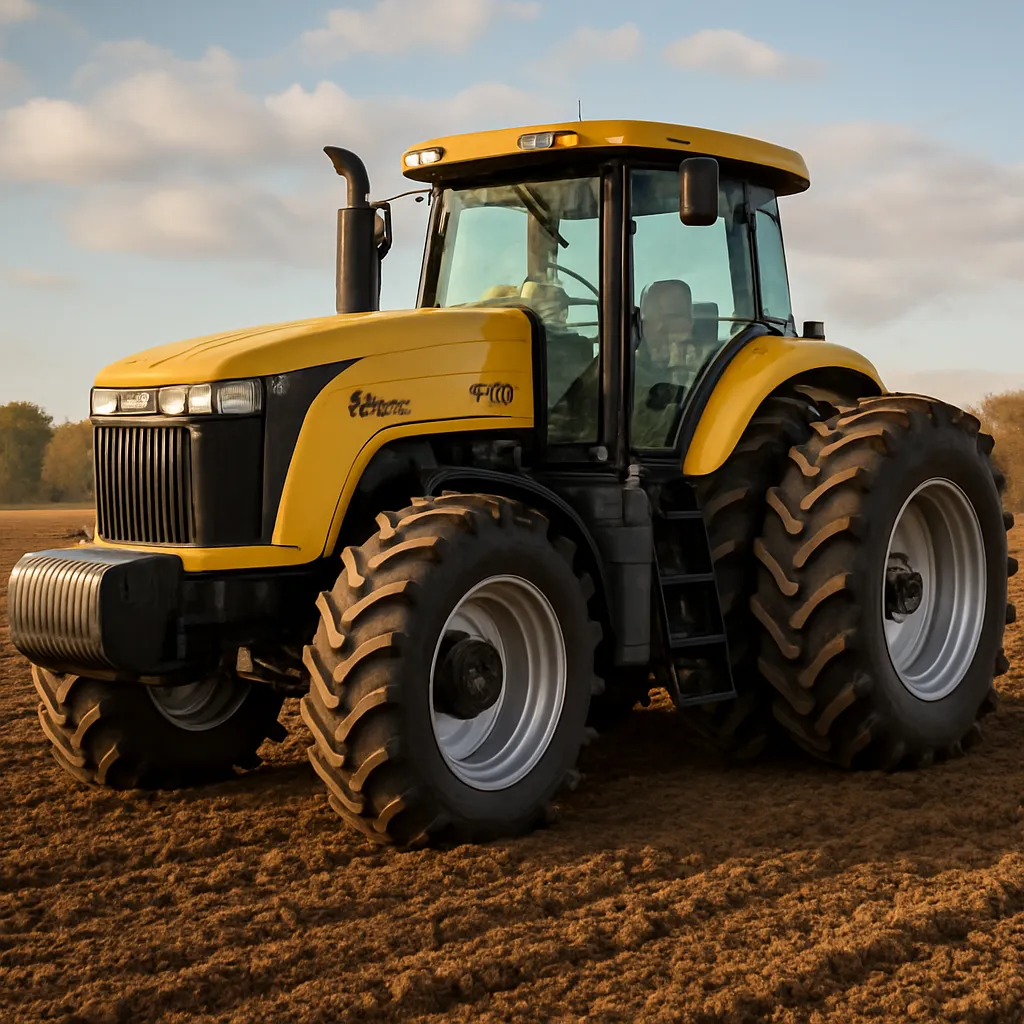
The Challenger 975E tractor is a heavy-duty, track-equipped agricultural machine designed for large-scale farming and demanding soil-preparation tasks. Combining high **power**, exceptional **traction** and a focus on operator **comfort**, the 975E belongs to a class of tractors built to handle deep tillage, primary cultivation and high-speed field operations where soil contact and ground pressure must be carefully managed. This article explores the history, technical characteristics, applications, operational considerations and market context for the Challenger 975E, and provides practical information for farmers, contractors and enthusiasts.
History and development
The Challenger brand originated in the United States and for decades was associated with high-horsepower, track-based tractors aimed at large farms and contractors. Over time, Challenger became part of AGCO Corporation, and the product line developed to meet rising demands for improved field traction and reduced **soil compaction**. The 975E represents an evolution of earlier Challenger models, combining a robust powertrain and a track system optimized for flotation and pull-through tasks.
Origins of the tracked concept
Tracked agricultural tractors were developed to distribute machine weight more evenly and to increase usable traction, especially in wet or soft soils. The 975E builds on this heritage with reinforced undercarriage components and track designs aimed at maximizing contact area while keeping maintenance intervals manageable for commercial operators. Engineers focused on balancing weight, track width and power output to provide predictable behavior across a wide range of field conditions.
Model placement and typical users
The 975E sits in the high-horsepower, heavy-traction segment of the market. Typical users include large grain farms, custom operators, and agricultural contractors who perform deep ripping, seedbed preparation and other tasks requiring continuous, strong traction. The 975E is also favored in regions with variable soils where a wheeled machine would either slip or cause unacceptable compaction.
Design and technical features
The technical design of the Challenger 975E reflects a focus on durable components, operator ergonomics and implement compatibility. While exact specifications can vary by production year and option package, several recurring design themes characterize the model:
Key Specifications
- Engine: robust diesel powerplants designed for continuous heavy load operation.
- Power class: positioned in the upper-tier horsepower range for row-crop and tillage tractors.
- Track system: wide rubber tracks (or optional track widths) to lower ground pressure and boost forward traction.
- Transmission: range of options tailored for field speed control and drawbar load performance.
- Hydraulics: high-flow systems for operating large implements and hydraulic downforce or steering cylinders.
Engine and powertrain
The 975E’s engine is built to deliver steady torque at working RPMs used in tillage and seeding. Manufacturers typically equip tractors in this class with durable, turbocharged engines that emphasize longevity and serviceability. The powertrain couples the engine to a heavy-duty final drive and differential, engineered to transmit substantial drawbar pull to the tracks. Operators value the combination of low-end torque and stable power delivery during prolonged heavy-duty passes across the field.
Track system and undercarriage
A defining element of the 975E is its track system. Compared with large wheeled tractors, tracked machines distribute weight across a much larger surface, reducing peak contact pressure and improving traction in soft or marginal conditions. The undercarriage is reinforced to withstand abrasive soils and the higher contact forces associated with large implements. Track tensioning and track replacement are routine maintenance items; readily accessible service points and modular components simplify field servicing.
Hydraulics, three-point and hitching
Hydraulic capacity on the 975E supports modern implements that demand high flow and precise control. The hitching system and drawbar are engineered to carry and pull large disc harrows, cultivators and seeders. In practice, the tractor’s hydraulic and hitch capacity allow for efficient operation of deep-ripping rigs, heavy multi-section tillage tools and large mounted or trailed planters, maximizing productivity on extensive acreages.
Cab and operator environment
Operator comfort is an important element in long-day operations. The Challenger 975E features a roomy cab with climate control, easy-to-read instrumentation and seating designed to reduce fatigue. Visibility over wide implements and to the rear hitch is emphasized for safe and accurate implement control. Modern iterations include sound insulation and ergonomic control layouts, which contribute to productivity when working long hours.
Applications and real-world uses
Challenger 975E tractors are used where high traction and consistent ground contact are essential. Below are common application areas and operational advantages the model brings to each.
Tillage and primary cultivation
Deep tillage operations demand sustained drawbar pull and resistance to wheel slip. The 975E’s track system and powerful torque curve enable it to pull wide cultivators and multi-row plows efficiently. For primary cultivation on heavier soils, the tractor provides the necessary consistency to maintain working depth and implement speed without excessive slippage.
Seeding and planting at scale
When paired with large planters or seed drills, the 975E offers stable draft performance—important for uniform seeding depth and seed placement. The reduced ground disturbance and optimized flotation of the tracks help maintain soil structure in the seedbed.
Field transport and haulage
Beyond tillage, the 975E can be used for high-capacity field transport, pulling large grain carts or slurry tanks. Its traction and stability across slopes and variable soils make it suitable for payload work where wheeled tractors might struggle or cause excessive compaction.
Specialized tasks
Large land-reclamation projects, deep ripping for drainage improvement, and other specialized tasks benefit from the 975E’s heavy-duty construction. Contractors often choose tracked tractors like the 975E when predictable performance in difficult soil conditions is a priority.
Maintenance, operating costs and lifecycle considerations
Owning and operating a Challenger 975E requires attention to consumables and service intervals but can be cost-effective when deployed on large acreages. Key considerations include:
- Track wear: Tracks and undercarriage components are more expensive to replace than tires, but they last longer under appropriate use and offer operational benefits that can offset the cost.
- Fuel and oil: High-horsepower tractors consume significant fuel while under heavy load. Fuel efficiency varies with field conditions, implement resistance and operator habits.
- Serviceability: The ease of accessing filters, belts and major components reduces downtime. Regular greasing, track tension checks and engine maintenance extend working life.
- Depreciation: Large tractors can retain value when well-maintained, especially models known for durability and parts availability.
Practical tips for operators
- Keep a maintenance log for track tension, undercarriage inspections and hydraulic system checks.
- Use implement matching to avoid overworking the tractor—optimize the size and configuration of tools to the tractor’s capacity.
- Train operators on efficient gear and throttle management to improve fuel economy and reduce wear.
- Consider ballast and weight distribution to maintain track contact and reduce slippage on slopes.
Attachments and implement compatibility
The 975E is compatible with a wide range of implements. Typical attachments include:
- Large disc harrows and finishing discs
- Multi-section cultivators and chisel plows
- Heavy-duty seed drills and planters
- Trailed sprayers and bulk seed/grain carts
- Subsoilers and deep-rip equipment
Because implements for this class require adequate hydraulic supply and hitch strength, the 975E’s hydraulic specifications and hitch ratings are sized to fit these tools. When choosing implements, verify PTO compatibility (if used), hydraulic coupler types and recommended hitch connections.
Market context and statistical notes
Tractors like the Challenger 975E are marketed to large-scale agricultural operations and contractors who prioritize productive field hours and durability. Sales volumes for high-horsepower tracked tractors are smaller than for general-purpose wheeled tractors because their use is specialized and capital cost is higher—but they remain essential in regions with extensive open fields and heavier soils.
Typical performance and numbers
Exact performance figures for the 975E depend on model year and configuration. Users and manufacturers typically report the following ranges and indicators for tractors in this class:
- Nominal engine power (PTO or rated): generally in the upper hundreds of horsepower; exact numbers vary by year and tuning.
- Operating weight: several metric tons overall; the weight helps with draft performance but requires careful management to avoid compaction where undesirable.
- Track contact area and ground pressure: designed to significantly reduce peak soil pressure compared to similarly weighted wheeled tractors, which improves traction and reduces rutting in soft fields.
- Hydraulic flow rates: high-flow systems to run modern, large-capacity implements with precision control.
Because manufacturers frequently update engines and electronics to meet emissions and efficiency regulations, buyers should consult model-specific technical sheets for precise horsepower, PTO ratings, drawbar pull and hydraulic flow figures. Certified dealer or factory documentation will provide accurate, current statistics for a given serial-number range or option package.
Operational advantages and limitations
The Challenger 975E offers clear advantages in certain operational contexts:
- Traction advantage: Tracks deliver superior traction in soft or wet soils and reduce wheel slip under high-draw loads.
- Flotation: Reduced ground pressure lowers the risk of deep ruts and helps preserve field structure, which is important for subsequent operations.
- Durability for heavy work: A reinforced drivetrain and undercarriage are built for demanding fieldwork over many seasons.
However, there are limitations to consider:
- Higher initial purchase cost relative to comparable wheeled machines.
- Potentially greater replacement cost for tracks and undercarriage parts.
- Less maneuverability on narrow roads and more complex transport logistics when moving between distant fields.
Buying considerations and residual value
When evaluating a Challenger 975E for purchase, new or used, consider the following checklist:
- Service history: documented maintenance and repairs for engine, transmission and undercarriage.
- Track and undercarriage wear levels: examine tread depth, rollers and idler condition.
- Hydraulic performance and leakage: ensure pumps and cylinders operate smoothly at rated flow.
- Cab and electronics: check controls, sensors and displays for proper function.
- Availability of parts: confirm dealer network support and parts delivery times for your region.
Used 975E tractors that have been well-maintained tend to hold value, especially in markets where track tractors are in demand for large-scale tillage and seeding operations. Residual value depends on overall hours, rebuild history and the condition of high-wear items such as tracks and final drives.
Final remarks
The Challenger 975E is a specialist machine aimed at operators who need reliable heavy traction, consistent draft performance and reduced soil compaction across large tracts of land. It combines robust mechanical architecture, a track system designed for flotation and a cab environment built for long operating days. While the total cost of ownership should be considered carefully—especially with regard to track wear and fuel consumption—the 975E delivers productivity and field performance that can justify its premium in the right farming or contracting context.
Prospective buyers and operators should consult up-to-date manufacturer specifications and local dealer expertise to match a specific 975E configuration to their operational needs, and to obtain the most accurate numerical statistics for horsepower, drawbar ratings, hydraulic flow and weight relevant to the model year under consideration.