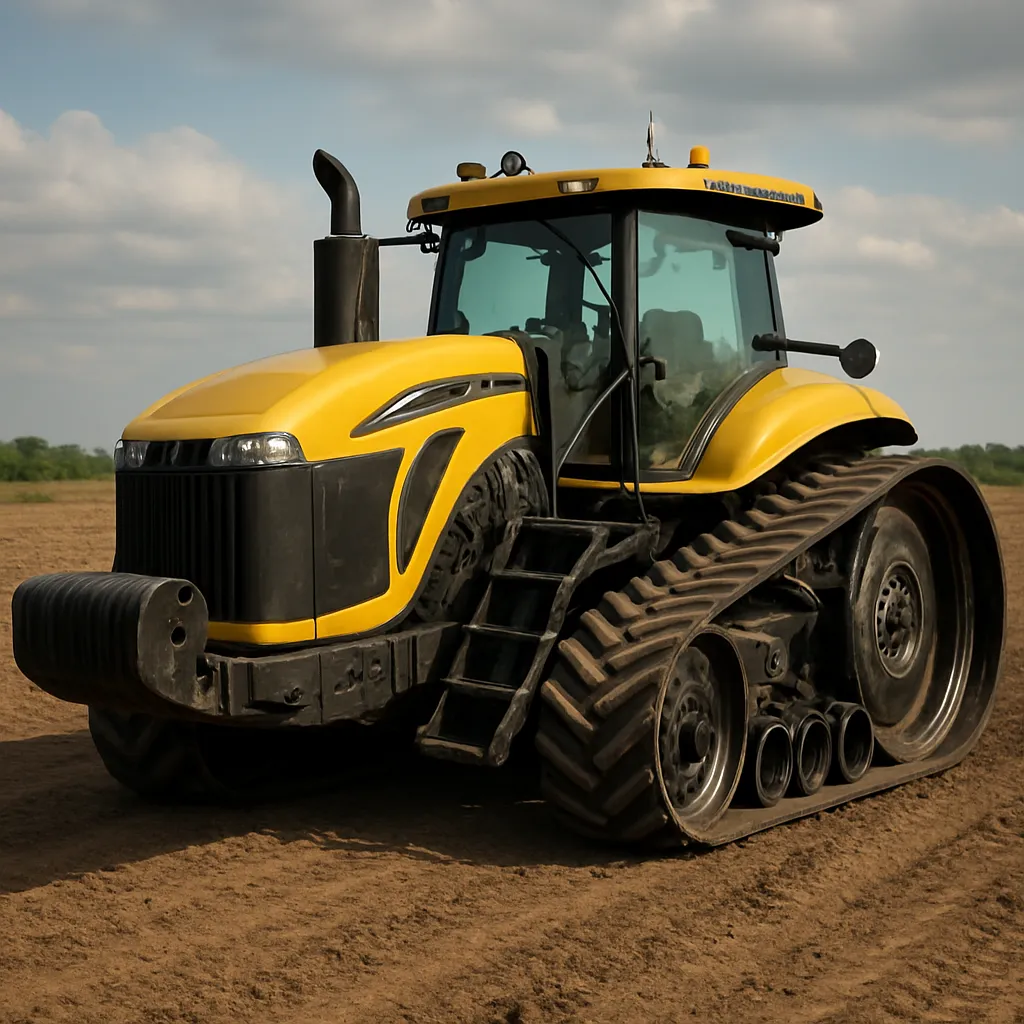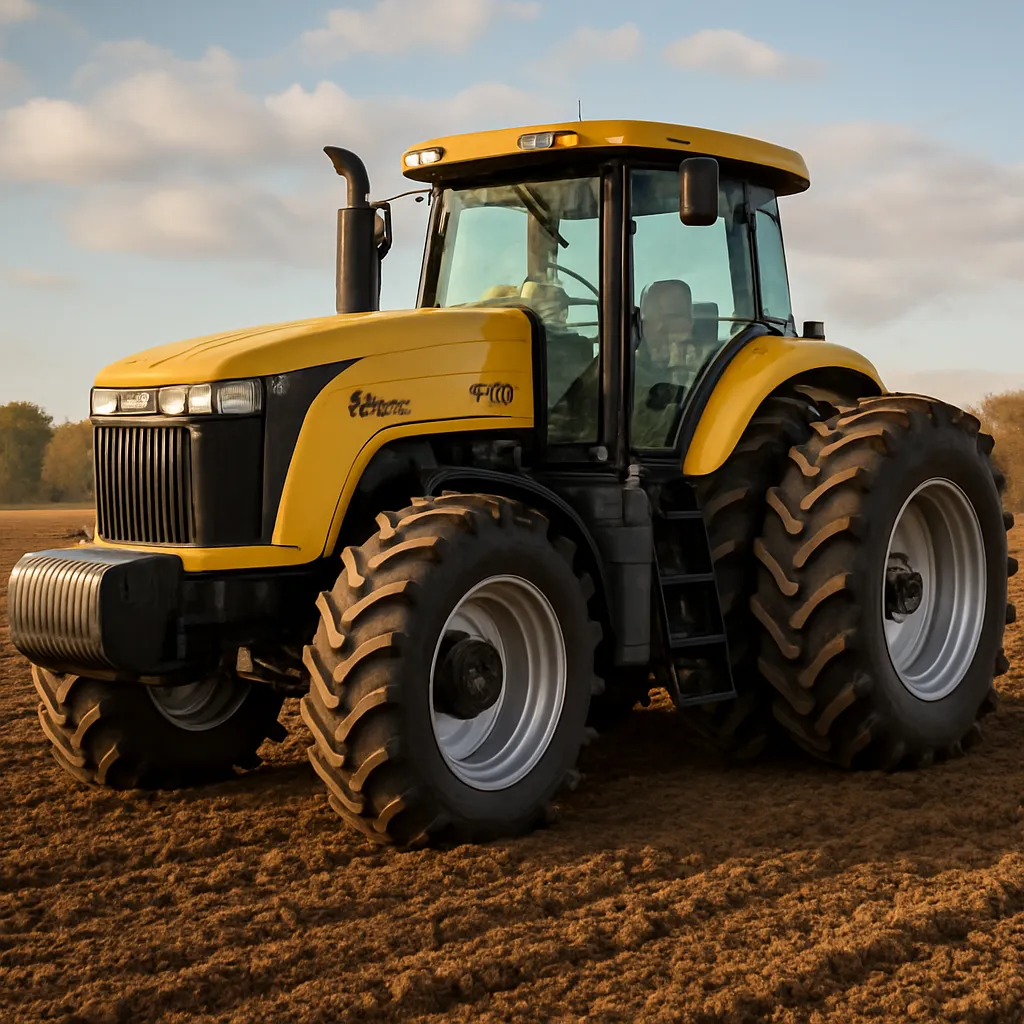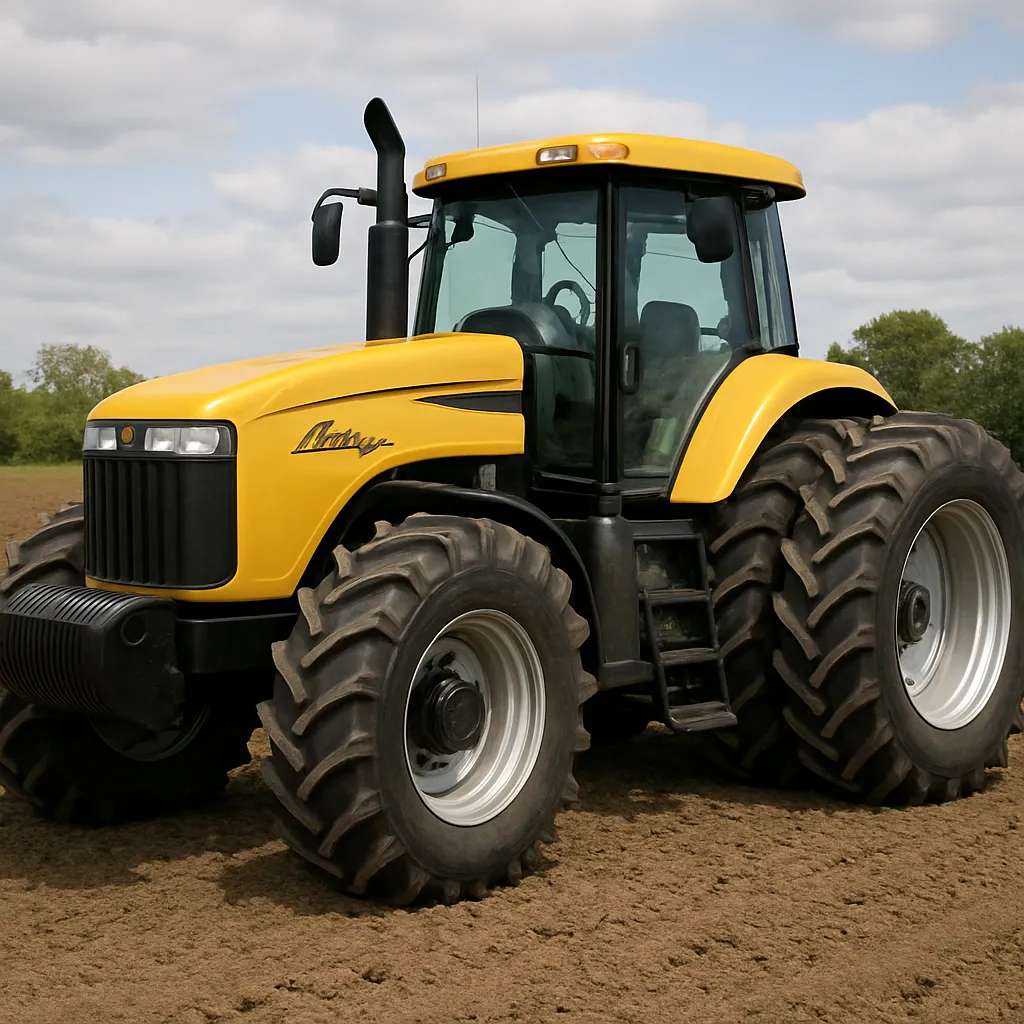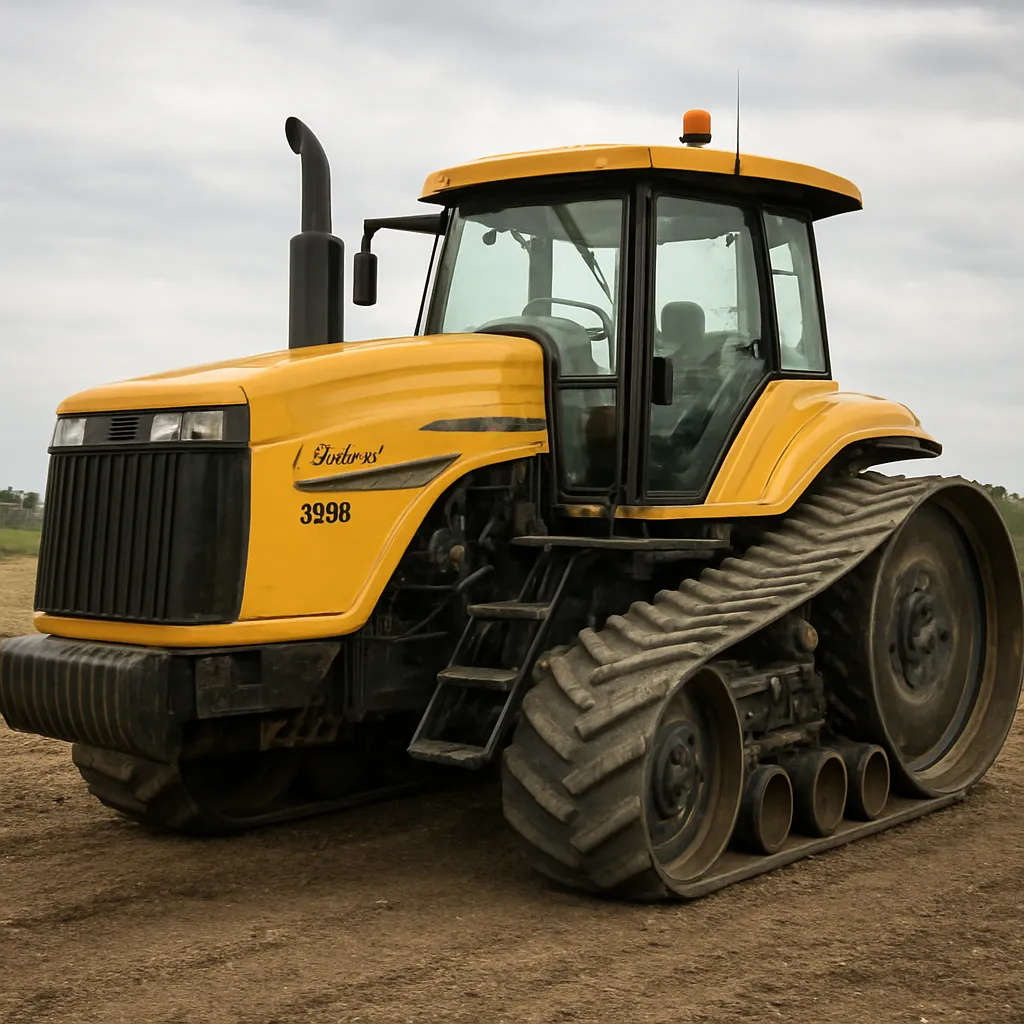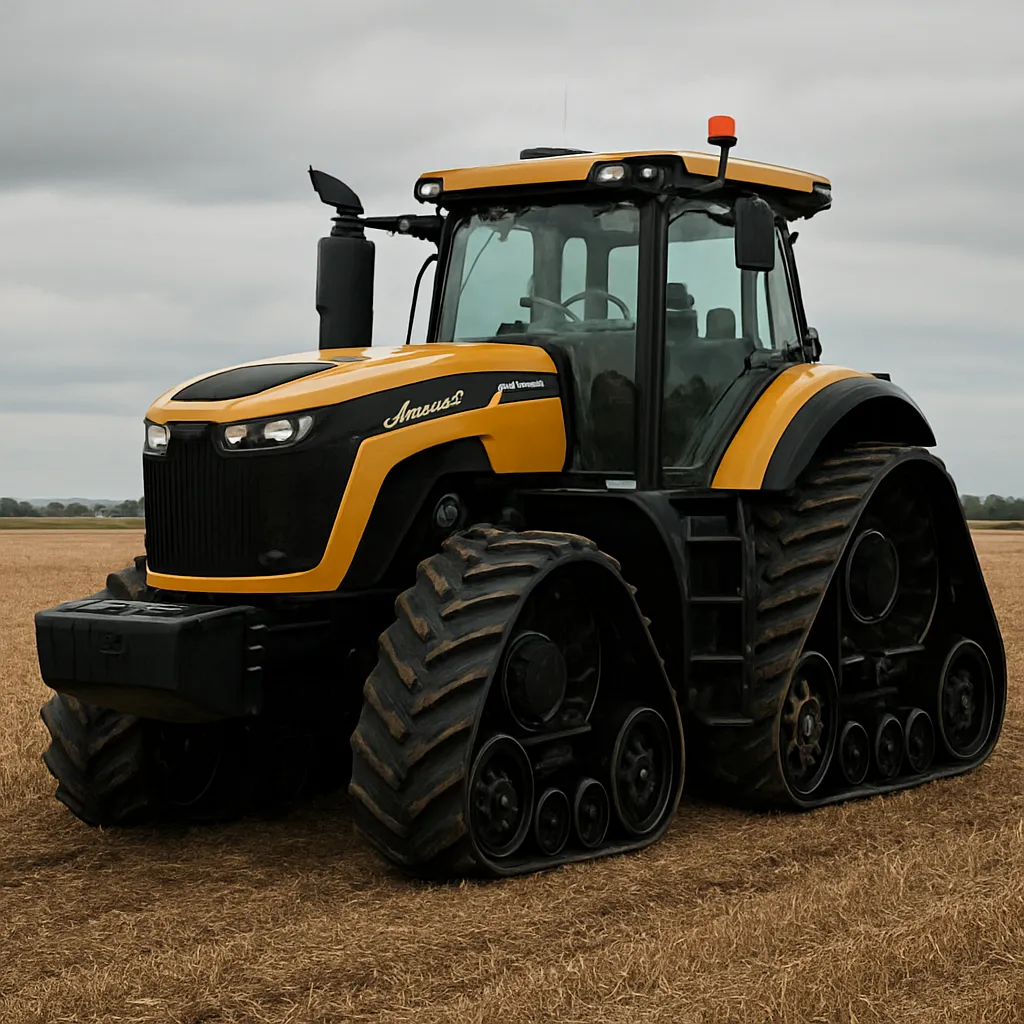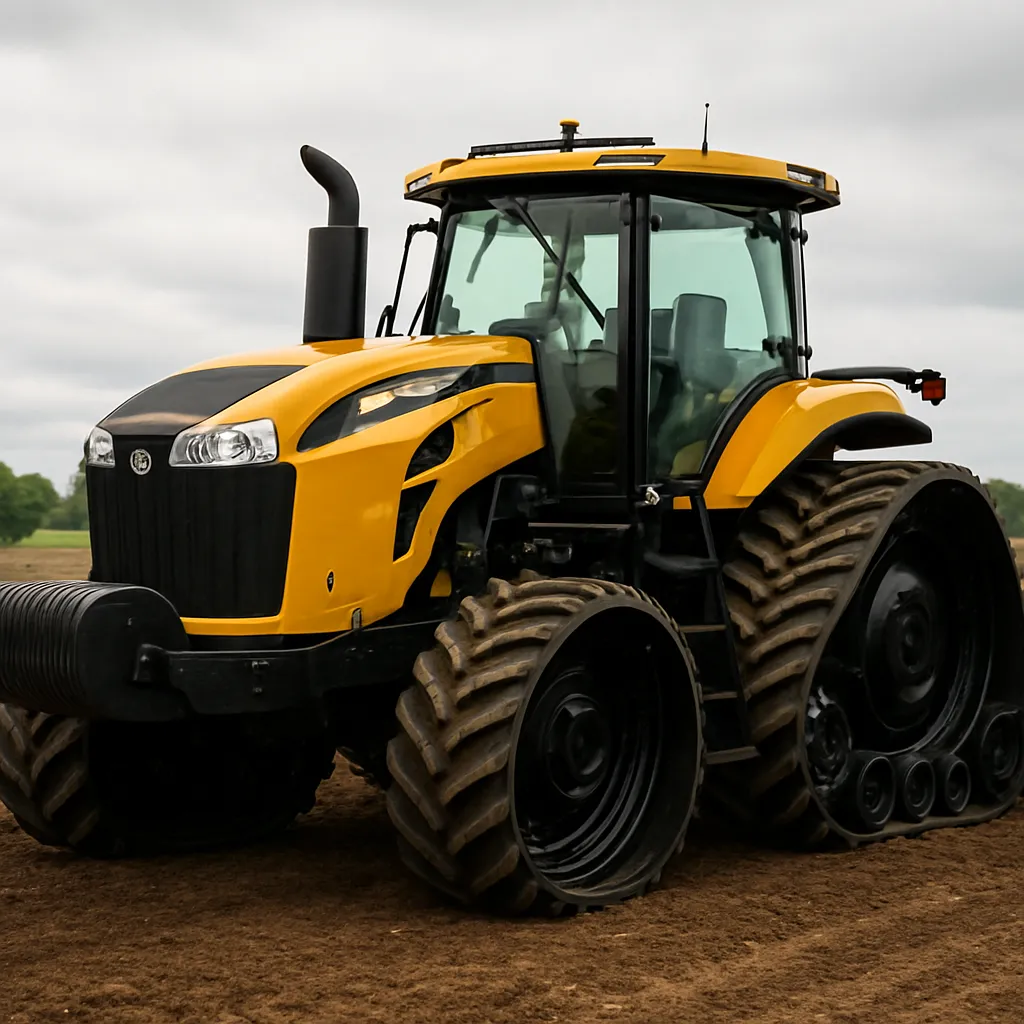
The Challenger MT835E is a high-horsepower, tracked agricultural machine designed to meet the demands of large-scale farming operations. Combining robust mechanical systems, advanced traction technology and operator-focused features, it is built to perform heavy tillage, seeding, and land-preparation tasks across a variety of soil types and climates. This article explores the MT835E’s design, typical applications, operational strengths and practical considerations for owners and operators. It also provides approximate performance figures and maintenance guidance to help you understand where this machine fits in modern agriculture.
Overview and historical context
The Challenger line of agricultural machines traces its origins to the emergence of purpose-built track tractors for farming, a concept that gained traction as growers sought ways to reduce soil compaction while improving traction and fuel economy. The MT800 series — including the MT835E — represents a generation of high-power tracked tractors produced to deliver consistent performance for demanding fieldwork.
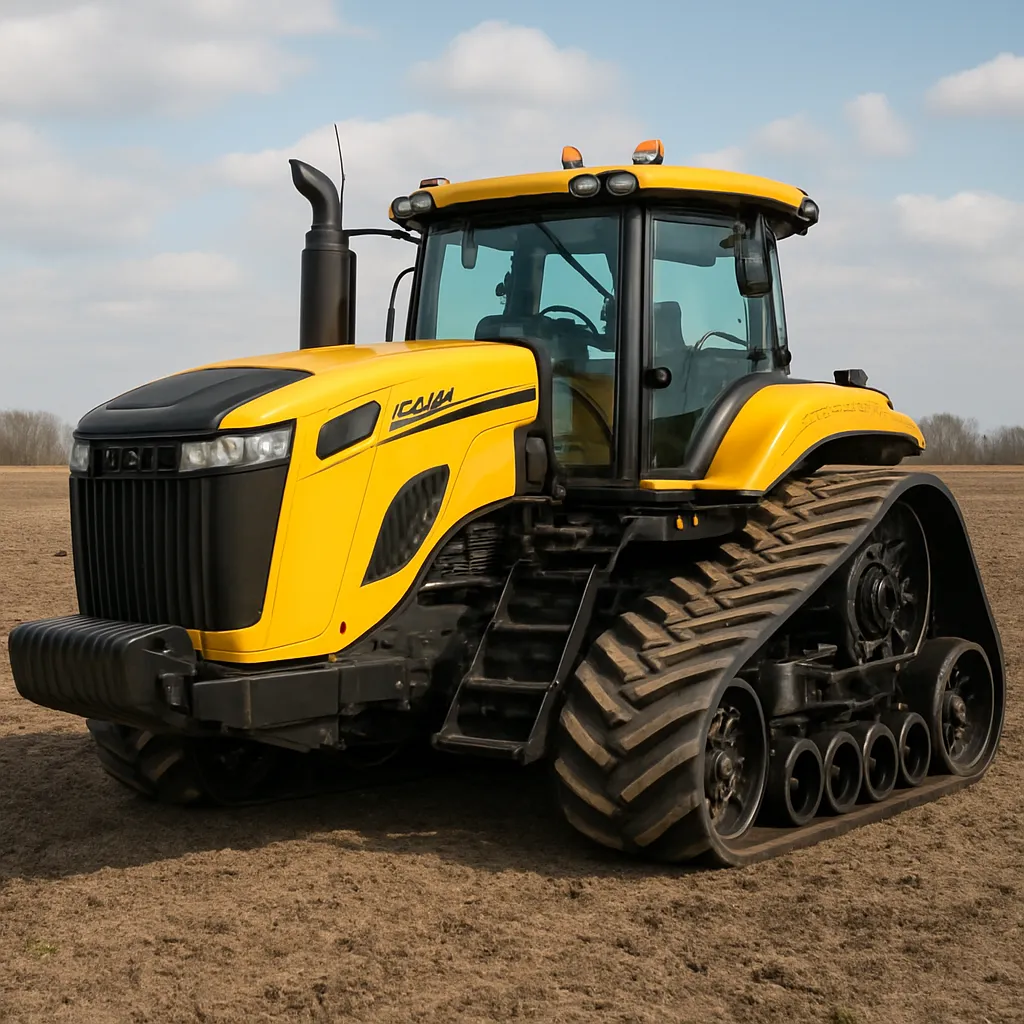
Unlike traditional wheeled tractors, the MT835E uses a continuous rubber track undercarriage, creating a large contact area with the soil. This design is central to the tractor’s advantages in traction and flotation, particularly on wet or soft ground. The “E” suffix designates a configuration aimed at reliable, heavy-duty operation with electronic controls and modern cab ergonomics.
Design and key technical characteristics
The MT835E is engineered around a heavy-duty powertrain and a reinforced frame to withstand the stresses associated with deep tillage and large implements. Below are the core elements that define its architecture and on-field behavior.
Engine and power
The MT835E is typically categorized in the mid-to-high horsepower class for tracked row-crop tractors. It is commonly rated at approximately 335 horsepower (around 250 kW) at the engine flywheel. PTO and drawbar power are somewhat lower than crankshaft ratings and depend on implement load and field conditions, but the MT835E is intended to supply continuous, high torque for heavy draft work.
Undercarriage and tracks
- Continuous rubber tracks provide a large footprint for reduced ground pressure, enhancing flotation and minimizing soil compaction compared with equivalent wheeled machines.
- Track width and length can vary by configuration; many MT835E setups offer options to suit row-crop versus broad-acre applications.
- The tracked undercarriage improves forward traction and pull, especially in soft or uneven terrain, translating engine output into usable work more efficiently.
Transmission, hydraulics and hitch capacity
The tractor is equipped with robust transmission systems designed to transfer high torque to the tracks through planetary drives and heavy-duty final drives. Hydraulic systems are sized to support large seeders, air drills, planters and tillage equipment, offering several remote valves, high flow rates and strong lift capacity at the three-point hitch and drawbar. This hydraulic capacity contributes to the MT835E’s versatility with various implements.
Cab and controls
Operator comfort and control are emphasized with an insulated, climate-controlled cab featuring ergonomic controls, clear sightlines and electronic monitors for engine, transmission and hydraulic parameters. Many units can be equipped with precision guidance systems, ISOBUS compatibility and auto-steer to maximize field efficiency and reduce operator fatigue.
Typical applications and field advantages
The MT835E is intended for large-scale and intensive farming tasks where sustained high power and traction are required. Below are common use cases that highlight its strengths.
Primary tillage and deep ripping
- Large moldboard ploughs, chisel ploughs and deep rippers demand significant drawbar pull. The tractor’s tracked design delivers steady traction to pull heavy implements at consistent working depths.
- Because tracks distribute weight more evenly, the MT835E can operate with aggressive tillage tools without causing excessive wheel tracks that impede subsequent operations.
Seeding and planting on large acreage
- Mounted and towed drills benefit from the MT835E’s steady ground speed and reduced slippage, improving seeding accuracy and seedbed consistency.
- When equipped with precision guidance and section control, the tractor helps reduce overlap, saving seed and inputs while boosting output per hectare.
Soils with high moisture or challenging traction
- In regions or seasons where high soil moisture reduces traction for wheeled tractors, the MT835E’s wide tracks allow operations to continue without excessive soil damage.
- Improved traction helps maintain field schedules and reduces the need to wait for ideal conditions, which is critical during narrow planting or harvest windows.
Specialty uses
Beyond traditional row-crop and broadacre tasks, tracked tractors like the MT835E are used in some specialized operations such as land reclamation, sugarcane cultivation and certain types of forestry or reclamation work where flotation and continuous traction are beneficial.
Performance statistics and practical figures
Exact specifications can vary by production year, factory options and regional configurations. The following figures are representative ranges and typical expectations for the MT835E class. Where precise factory data are available, these will match documentation; otherwise, they represent practical benchmarks observed in the field.
- Approximate engine rating: ~335 horsepower (≈250 kW) at the flywheel.
- Operational weight: typically in the range of 15,000–20,000 kg depending on track configuration and ballast.
- Fuel capacity: varies by build, with larger tanks for extended field operation common on machines in this class.
- Hydraulic flow and hitch lift: sized to operate large planters and tillage implements; high-flow circuits and multiple remote valves are standard options.
- Ground pressure: substantially lower than equivalent wheeled tractors due to track contact area, often reducing compaction measured in kPa or psi by a substantial margin.
These numbers translate into practical benefits: higher usable pull per horsepower, reduced slippage and better field efficiency under heavy draft loads. For many operations, that means quicker field passes, less repeat work and more consistent seedbed preparation.
Comparisons: tracked versus wheeled tractors
Choosing between a tracked tractor like the MT835E and a conventional wheeled tractor depends on operational priorities. Below are the most relevant comparative points.
- Traction: Tracks provide superior traction and less wheel slip, especially under heavy draft or in wet conditions.
- Flotation: The larger contact patch reduces ground pressure and soil compaction, which can preserve soil structure and improve yields over time.
- Transport and maneuverability: Wheeled tractors often have higher road speeds and are more maneuverable on narrow farm roads. Tracked machines may require transport considerations and slower on-road travel.
- Maintenance: Tracks and undercarriage components require different maintenance routines (track tension, undercarriage wear) compared with tires and axles. Replacement costs can be significant, but lifespan varies with use and terrain.
- Cost and resale: Tracked tractors generally carry a premium price but also deliver performance advantages for heavy-duty use that may justify the investment for large-scale producers.
Maintenance, uptime and operational tips
Maintaining an MT835E for long service life requires attention to the powertrain and undercarriage systems. Regular checks and preventative maintenance enhance reliability and keep operating costs predictable.
Undercarriage care
- Monitor track tension regularly and adjust to manufacturer specifications to prevent premature wear of belts, rollers and drive sprockets.
- Inspect for embedded debris, stones or crop residue that can increase wear or cause track damage.
- Rotate or replace components in sets when wear becomes significant to avoid uneven loads on the drivetrain.
Engine and drivetrain
- Adhere to scheduled oil, fuel and air filter changes. High-horsepower engines under heavy load benefit from clean filtration and correct oil grades.
- Check cooling systems and intercoolers for blockages—maintaining correct engine temperatures is crucial for performance and longevity.
- Transmission and final drive oils should be checked and changed per the service schedule, especially after heavy-duty seasons.
Hydraulics and electronics
- Keep hydraulic oil clean and monitor for leaks. Contamination can lead to premature pump and valve failure.
- Periodically update and verify electronic control systems, including guidance, engine management and transmission diagnostics, to take advantage of performance improvements and fault detection.
Precision agriculture, upgrades and modern features
Modern MT835E tractors can be equipped with precision agriculture tools to increase productivity and reduce input costs. These systems integrate well with the tractor’s hydraulic and electrical architecture.
- Auto-steer and RTK guidance reduce overlap and operator workload, increasing planting and spraying efficiency — a major advantage on large-acre farms.
- ISOBUS compatibility allows seamless communication between tractor and implements, simplifying control and data capture.
- Telematics and machine monitoring enable remote performance tracking, predictive maintenance and improved fleet management.
Such features increase operational efficiency and can improve return on investment by optimizing field passes, input application and maintenance scheduling.
Economic considerations and total cost of ownership
Investing in an MT835E involves weighing initial acquisition cost, operating expenses, maintenance and the expected gains in productivity. For large farms where heavy tillage and sustained traction are routine, tracked tractors often deliver value through:
- Higher effective work rates in challenging conditions;
- Reduced need for multiple passes (saving fuel and time);
- Potentially improved yields through less compaction and better seedbed preparation.
However, factor in higher capital cost, specialized maintenance (undercarriage components and track replacement) and transport logistics when comparing total cost of ownership to wheeled alternatives.
Operational safety and best practices
Safe operation of a high-powered tracked tractor requires trained operators and adherence to best practices:
- Ensure operators are trained in track maintenance, safe transport procedures and emergency protocols.
- Use proper ballasting and implement matching to avoid excessive load on the front or rear of the tractor, which can affect steering and track wear.
- When moving on public roads, verify local regulations for transport of tracked equipment; use proper escort, lighting and secure implements.
Environmental and agronomic impacts
One of the key agronomic advantages of machines like the MT835E is their ability to maintain lower ground pressures than equivalent wheeled tractors. Reduced soil compaction helps maintain pore space for air and water, supporting root growth and microbial activity. Over time, this can contribute to healthier soils and potentially better yields.
However, heavy machinery still concentrates load along the tracks and in wheelbases used for transport or in-field turns, so best management practice involves planning field operations to minimize repeated passes over the same zones and using controlled-traffic approaches where feasible.
Conclusion
The Challenger MT835E is a purpose-built, high-horsepower tracked tractor that offers substantial advantages in traction, flotation and sustained draft performance. It is well suited to large-scale farms and operations that require heavy tillage, reliable seeding and operations in challenging soil conditions. With modern cab comforts, precision agriculture compatibility and robust mechanical systems, the MT835E represents a platform that blends raw pulling power with operator-focused features. Effective maintenance, proper implement matching and thoughtful field management are essential to maximize uptime, control costs and achieve the long-term agronomic benefits associated with tracked machinery.