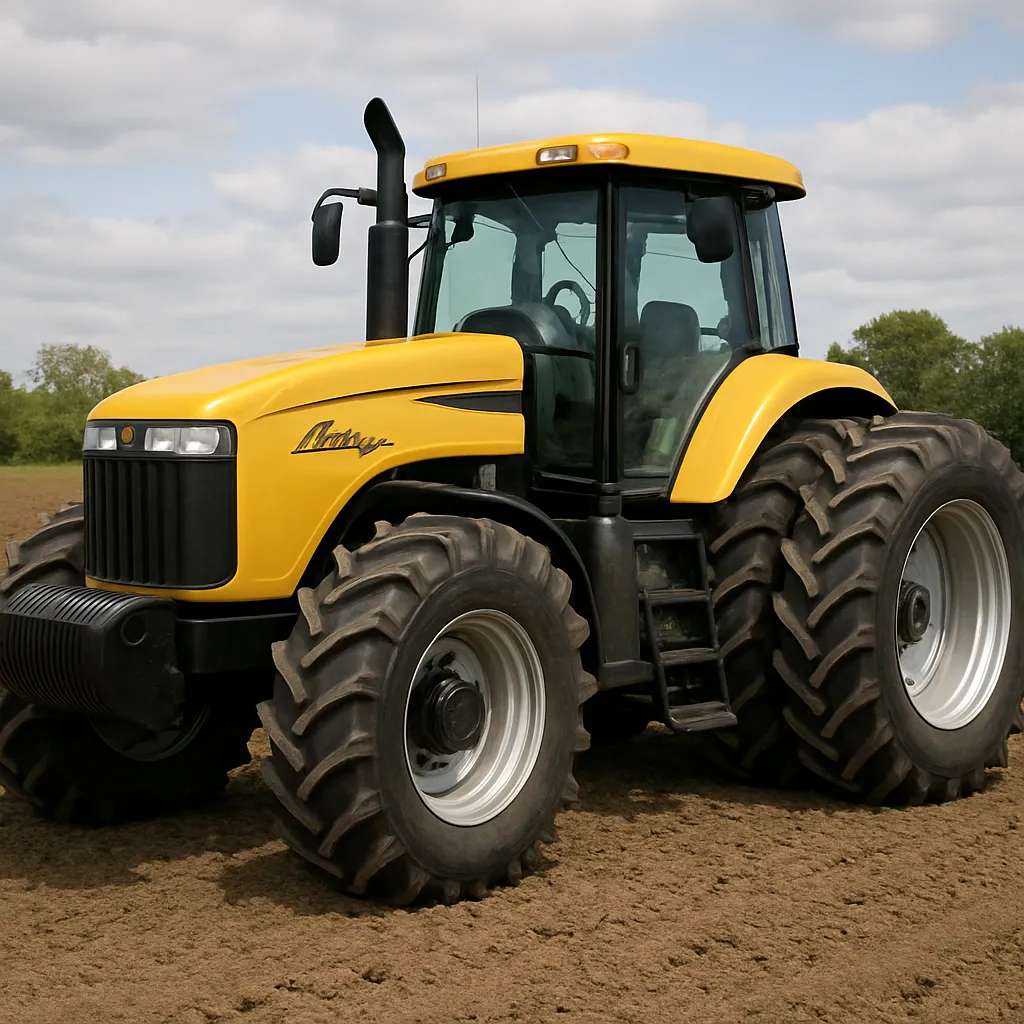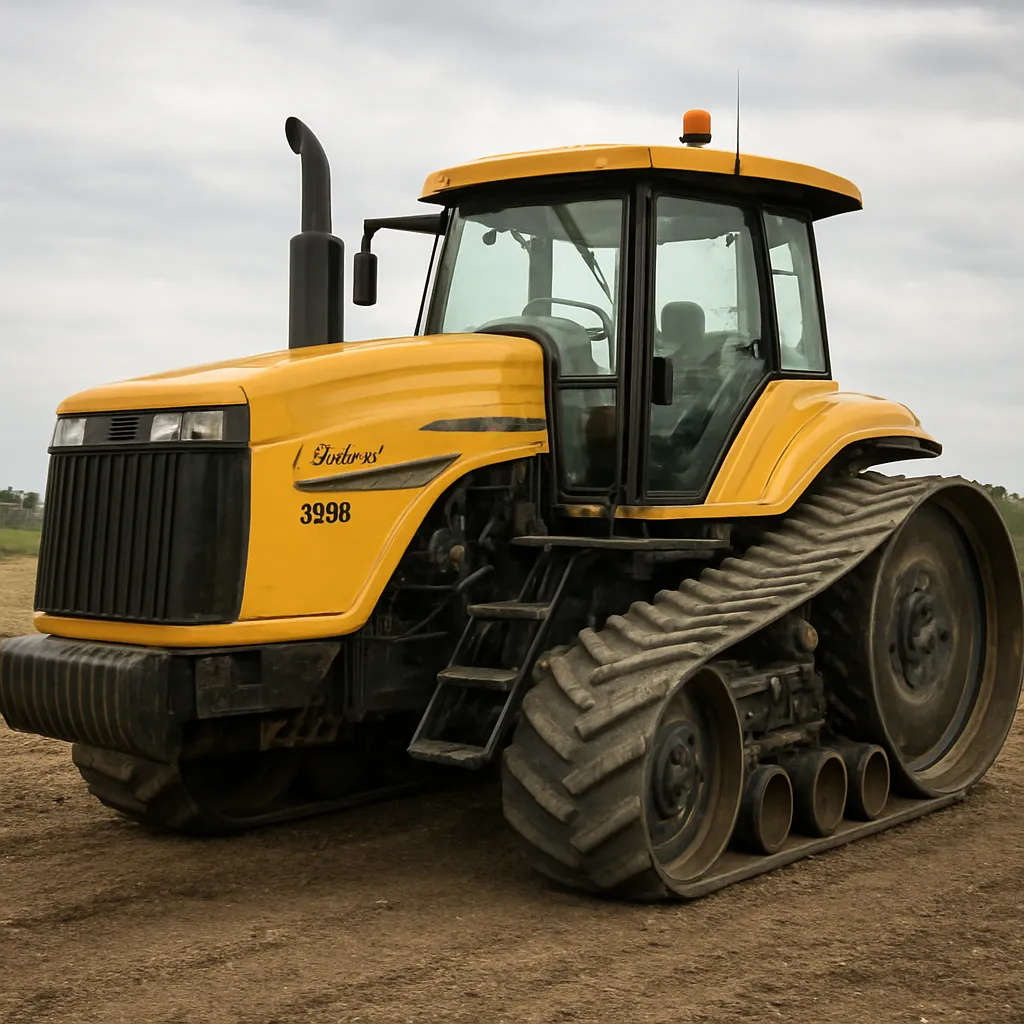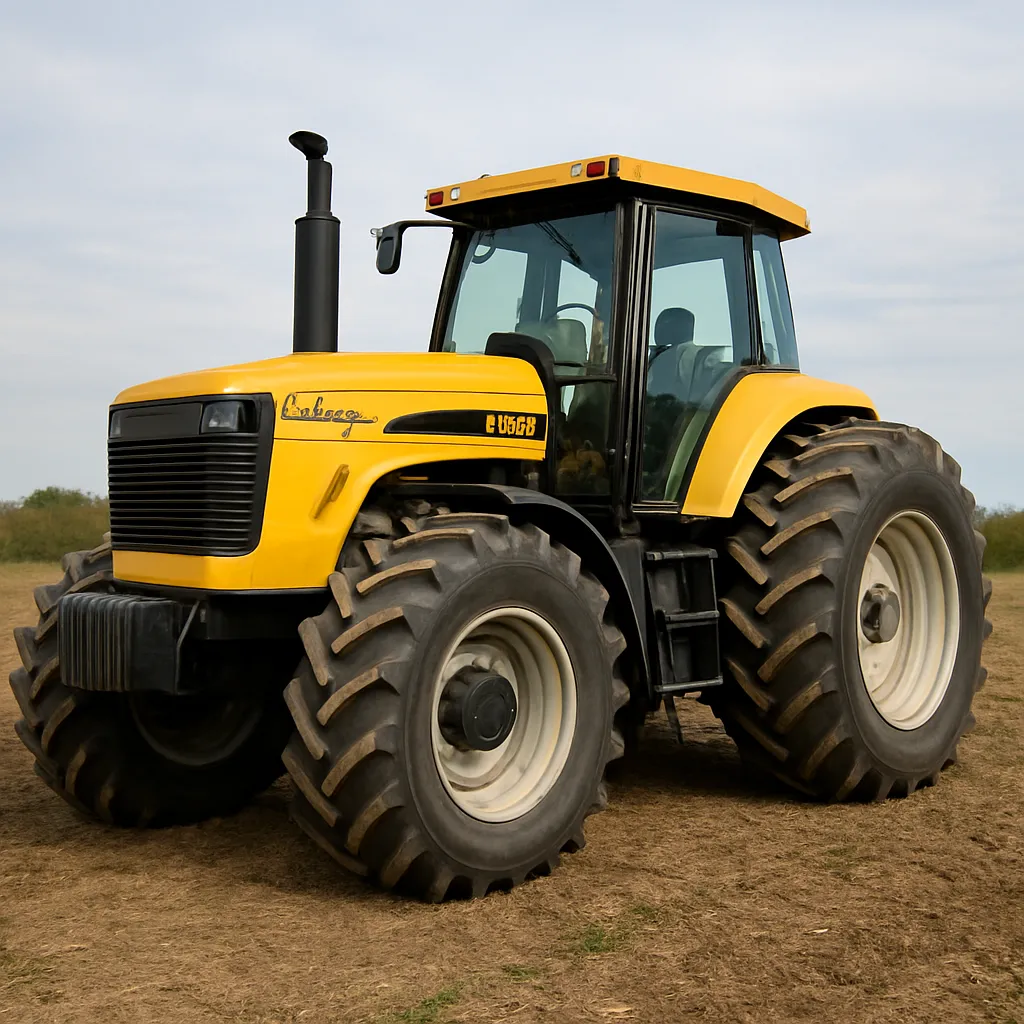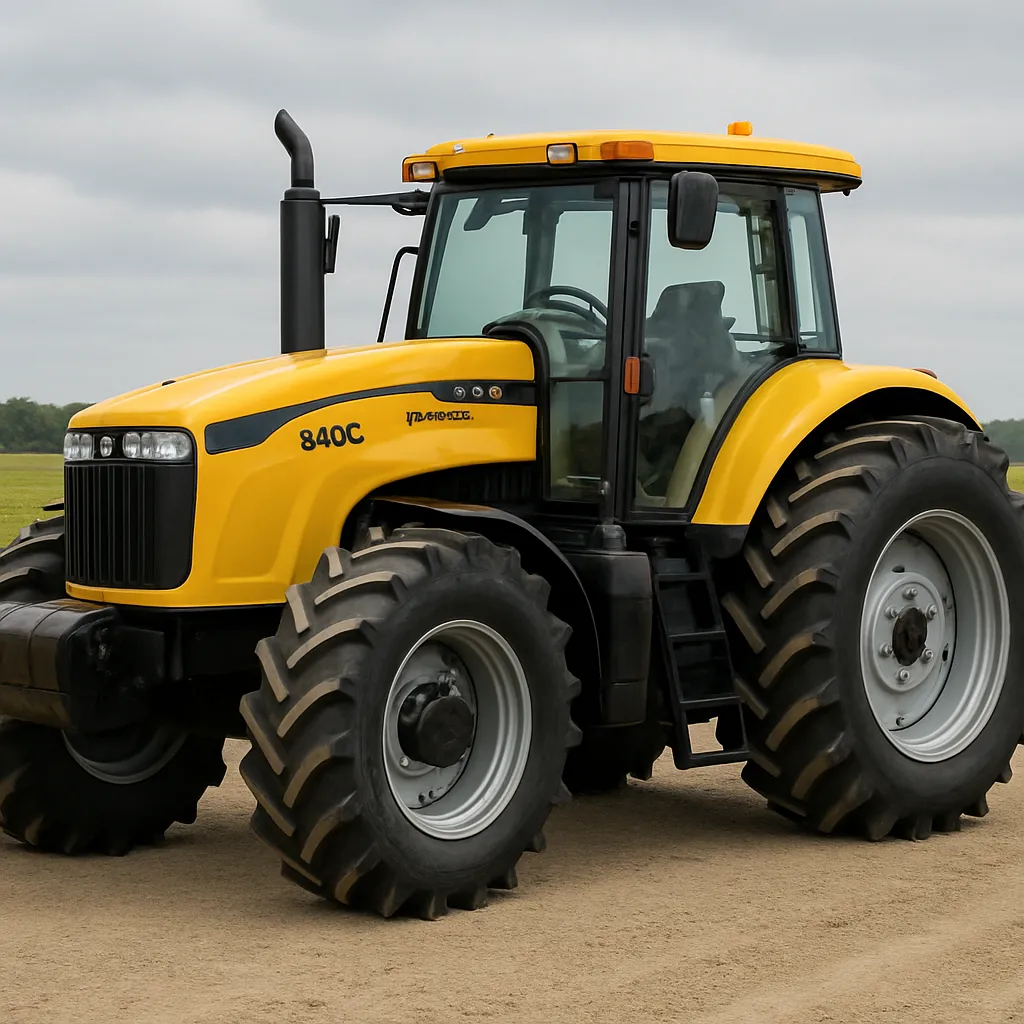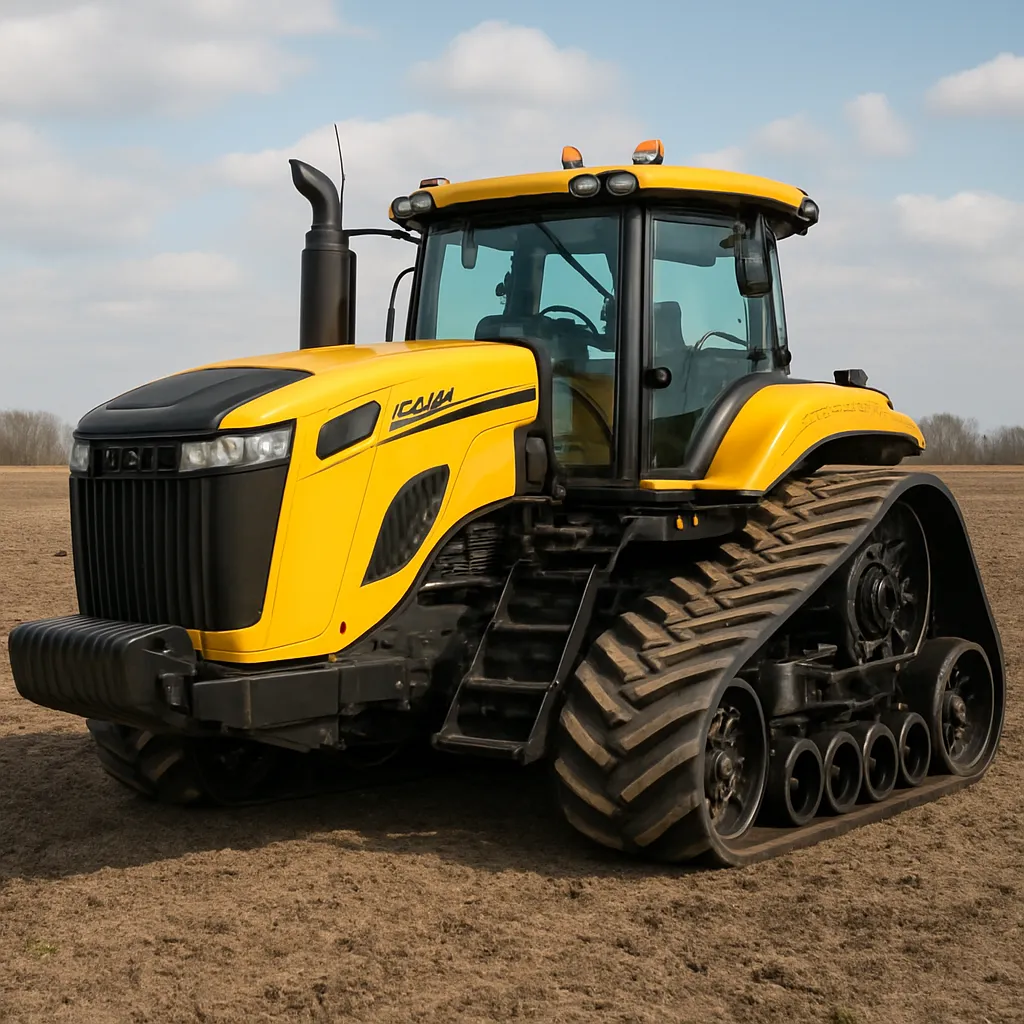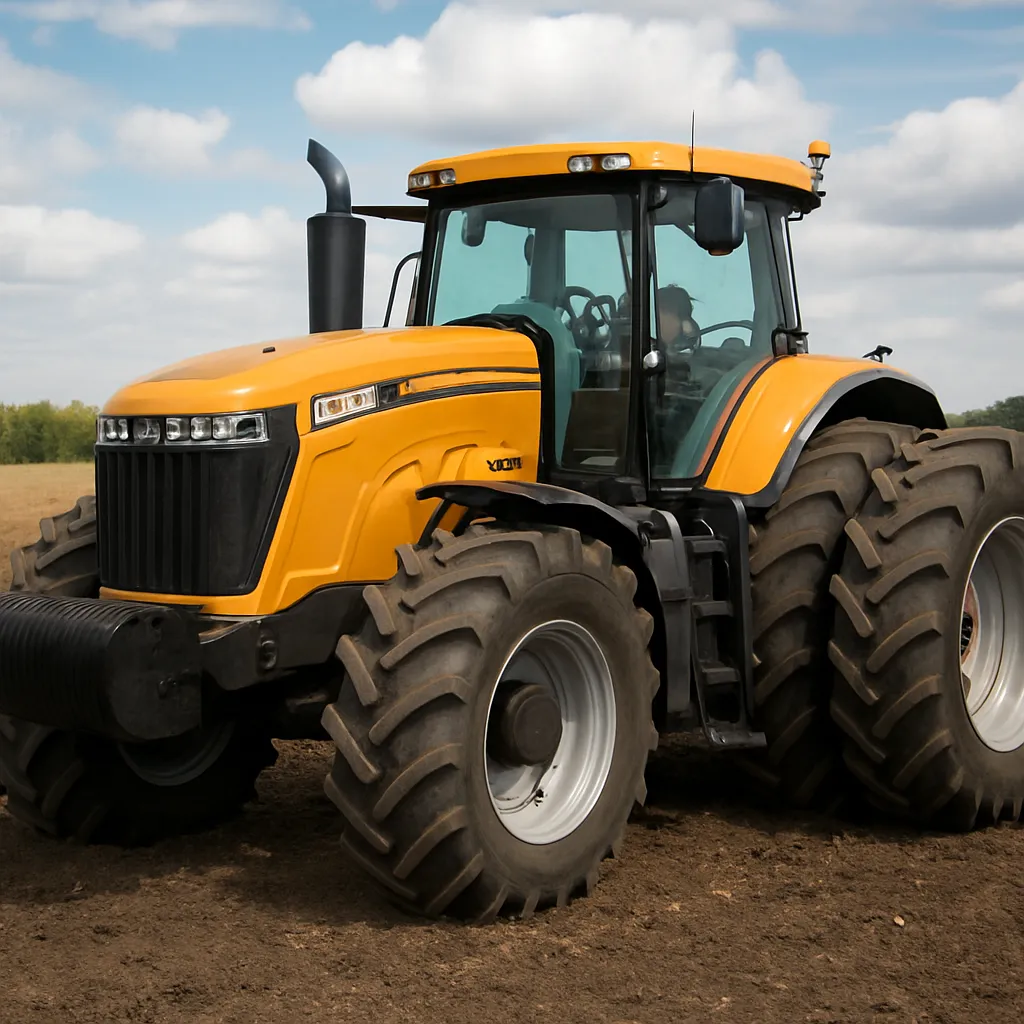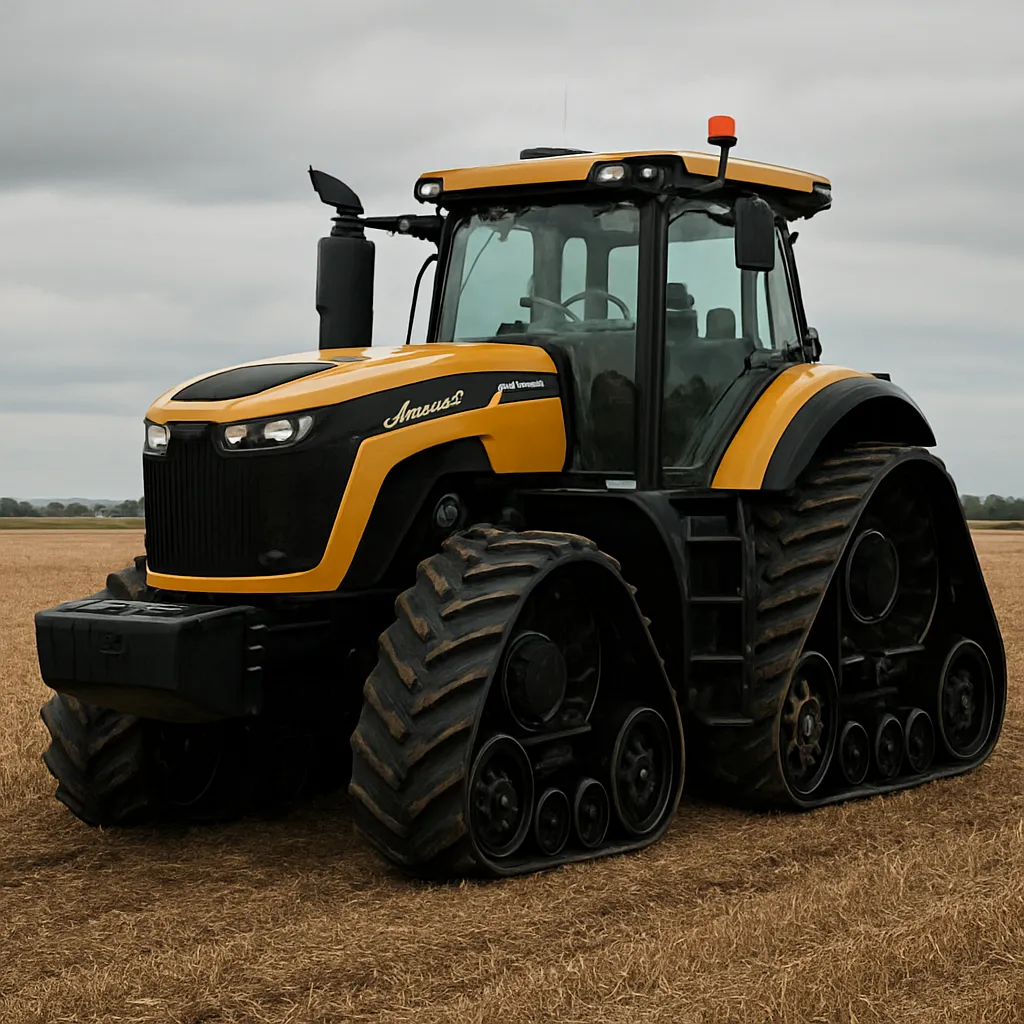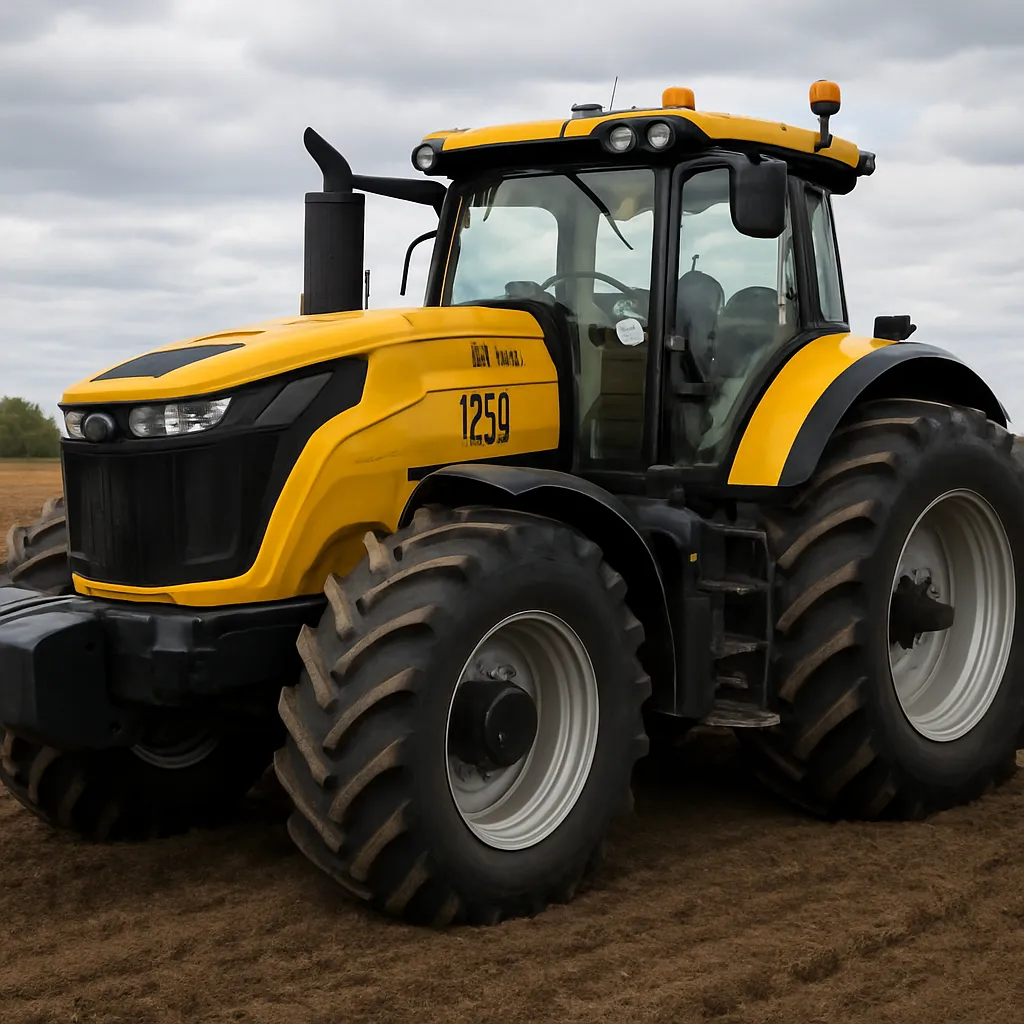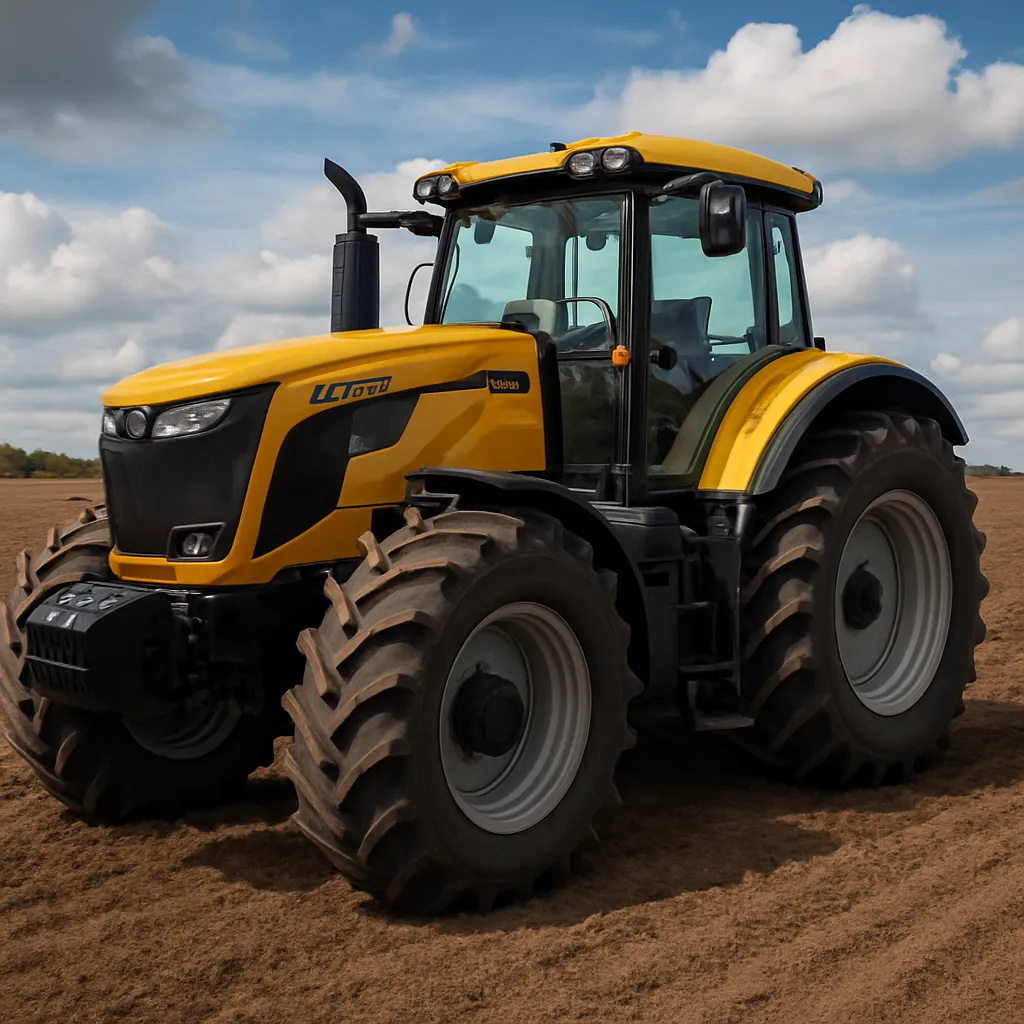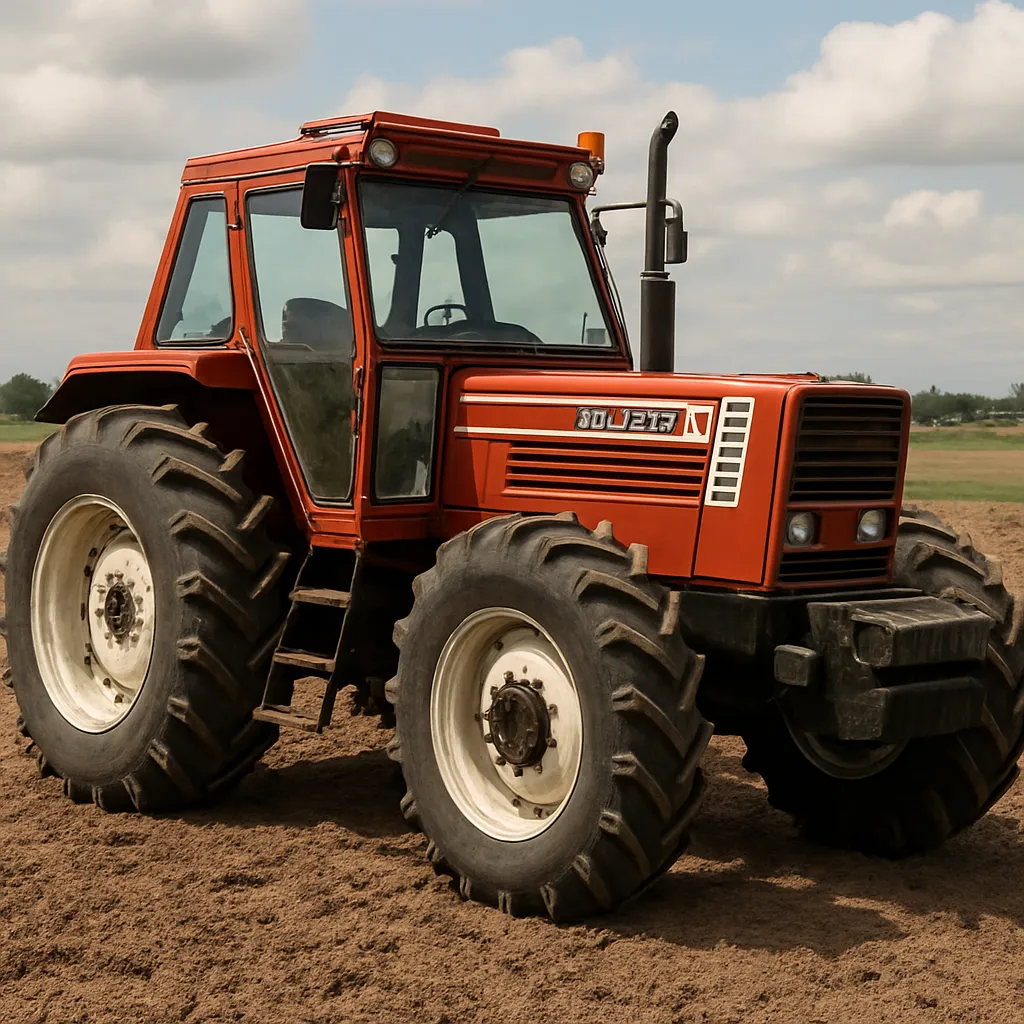
The Fiat 180-90 Winner is a heavy-duty agricultural tractor that has earned a reputation among farmers and contractors for robust construction, versatility and reliable performance in demanding field work. Designed to handle large implements and extended hours, this model sits in the category of high-power utility tractors intended for arable farming, transport and specialized operations. The following article examines the 180-90 Winner’s design, typical specifications, practical applications, maintenance considerations, market presence and legacy, along with useful tips for prospective buyers and owners.
Design, engineering and typical specifications
The Fiat 180-90 Winner was engineered to deliver a combination of strong drawbar and PTO performance with comfortable operator ergonomics for long shifts. While specifications can vary by year, market and optional equipment, most examples share a set of core characteristics that reflect Fiat’s approach to higher-power agricultural machines in that era.
Powertrain and engine
- The tractor typically features a turbocharged diesel engine designed for continuous duty cycles. Depending on the configuration, engine output is commonly quoted in the range of approximately 160 to 185 horsepower (rated).
- Many units are equipped with inline multi-cylinder layouts with indirect or direct fuel injection and a turbocharger to support high torque at low engine speeds—important for traction and fuel efficiency under load.
- Reported torque figures vary but are often optimized to provide good pulling power for implements such as ploughs, discs and seed drills. Peak torque is generally available at moderate engine RPM to facilitate steady draft performance.
Transmission and driveline
- Transmission options for the 180-90 Winner often include synchronized mechanical gearboxes with a range of forward and reverse gears; some versions may offer partial or full powershift units that allow gear changes under load.
- Typical configurations include 4WD (four-wheel drive) drivetrains with differential locks. A heavy-duty rear axle and optional front axle suspension or limited-slip features improve traction on uneven terrain.
- The PTO (power take-off) is normally provided in standard speeds (540/1000 rpm) to drive a variety of implements; PTO power is usually slightly lower than rated engine power but sufficient for large rotary mowers, balers and mixers.
Hydraulics, lifting capacity and chassis
- Hydraulic systems on these tractors are designed to operate large three-point hitches and multiple remote valves. Lift capacity at the hitch commonly falls in the mid-to-high range for its class—often several thousand kilograms—allowing use of heavy mounted or trailed implements.
- Options for multiple remote hydraulics make the 180-90 Winner suitable for implements requiring separate hydraulic circuits, such as loaders, seed drills with fold mechanisms and hydraulic top links.
- The chassis is built for durability with a heavy frame, reinforced linkage mounting and compatibility with various tyre sizes and ballast setups to match specific field tasks.
Cabin, ergonomics and comfort
- Fiat placed emphasis on driver comfort: sound insulation, reclining seats, clear visibility, and intuitive control layouts are common features. Air conditioning and optional radio or work lights were often available as factory options or dealer-installed kits.
- Large glass areas and elevated seating improve sightlines to both rear-mounted implements and front loader work, making the machine effective in mixed duties beyond strictly tillage roles.
Applications and field performance
The 180-90 Winner is typically used where a balance of high horsepower and durable design is required. Its versatility makes it useful across multiple farm and contractor tasks. Below are the main application areas and how the tractor performs in each.
Arable farming and soil preparation
For medium-to-large arable farms, the 180-90 Winner serves as a prime mover for primary and secondary tillage. Its torque curve and traction capabilities enable it to pull wide ploughs, heavy discs and cultivators with consistent performance. The combination of a strong hydraulic lift and reliable PTO also supports seed drills and combinable equipment during busy planting seasons.
- Tillage: Effective with heavy soil-engaging implements; ballast and tyre choices are important to maximize traction and minimize soil compaction.
- Seeding: Stable hitch control helps maintain consistent seed depth when paired with modern planters or seed drills.
Hay and forage, baling and mowing
The 180-90 Winner’s PTO capacity and hydraulic flexibility make it well-suited to mowing, raking and baling operations. Contractors and larger livestock farms often use the model for combination tasks: mowing fields, tedding and then baling with large square or round balers.
Transport, loader work and utility tasks
With an available front loader and appropriate transmission options, the tractor becomes a capable material handler for moving bales, feed, manure and palletized goods. High gearing for road transport provides efficient movement between fields and farmsteads, while the robust chassis handles loader cycles and auxiliary hydraulics for efficient front-end work.
Specialized uses: forestry, contractors and municipal work
In some regions, adapted versions of the 180-90 Winner are used for light forestry work, snow clearance and municipal tasks where durability and available auxiliary systems make these tractors competitive with more specialized machines.
Maintenance, common issues and ownership tips
Owning and operating a high-power tractor like the Fiat 180-90 Winner involves routine and preventive maintenance to ensure longevity and safe operation. Below are typical maintenance items and common issues reported by owners.
Routine maintenance checklist
- Regular oil and filter changes for engine, hydraulic system and transmission as per manufacturer intervals.
- Frequent inspection and replacement of air filters when operating in dusty conditions.
- Fuel system maintenance including water separators and injector checks to maintain efficient combustion.
- Hydraulic hose and seal inspections to prevent leaks; maintaining proper hydraulic oil levels and cleanliness.
- Cooling system checks: radiator cleaning, coolant level and condition monitoring, and thermostat function.
- Brake and clutch inspections; adjusting linkages and monitoring wear on friction components.
Common faults and preventive measures
- Turbocharger wear on older units can reduce power and increase smoke; timely oil changes and clean air intake help extend service life.
- Injector pump wear or nozzle fouling can cause rough running or loss of fuel efficiency; periodic fuel system treatments and quality fuel help minimize these issues.
- Hydraulic leaks are common on heavily used machines—replace seals proactively and use correct fluid grades.
- Electrical gremlins may appear in aging wiring looms or switches; keep connectors clean and protected from moisture.
Parts availability and resale considerations
Because Fiat’s agricultural division was integrated into larger corporate groups over time, parts availability is often reasonable, though rare or region-specific components may require sourcing from specialist suppliers or second-hand markets. For buyers, a service history and access to spare parts networks are important factors. Resale values depend heavily on hours, documented maintenance and condition of major systems such as engine, transmission and hydraulics.
Market presence, variants and production background
Exact production numbers for specific models like the 180-90 Winner are not always publicly summarized in a single source, especially across different markets and year ranges. However, the tractor enjoyed distribution in Europe, parts of Africa and Latin America, where Fiat tractors have historically had strong market penetration.
Variants and optional equipment
- Market variants often include 2WD or 4WD configurations, different transmission packages, and cab options for comfort upgrades.
- Optional equipment commonly offered: front loaders, various hitch and PTO packages, heavier duty axles, and enhanced hydraulic circuits.
- Some owners and dealers have created conversions or retrofits such as modern cabs, updated electronics, or aftermarket power upgrades to extend utility and compliance with local regulations.
Used market and valuation
On the second-hand market, prices are influenced by geography, hours of service, condition and included implements. Older tractors with documented maintenance, lower hours and maintained hydraulics/transmission fetch higher prices. For many buyers, the balance between purchase price and the cost of bringing a tractor to full working condition determines final value more than brand alone.
Legacy, strengths and what sets the 180-90 Winner apart
The Fiat 180-90 Winner is appreciated for several strengths that contribute to its ongoing presence on farms and in contractor fleets:
- Robustness: Heavy frame and durable components designed for long hours in field operations.
- Versatility: Ability to handle large tillage, seeding and PTO-driven implements.
- Operator comfort: Cab ergonomics and visibility suitable for extended shifts.
- Parts networks: Benefit from the legacy of Fiat agricultural engineering and subsequent integration into larger OEM support systems.
Compared with lighter utility tractors, the 180-90 Winner stands out where implement mass, field size and multi-function duties require higher continuous power and stability. Its best fit is on farms and operations that require sustained draft and PTO performance rather than compact maneuverability.
Buying advice and practical recommendations
If you are considering acquisition—either new (where available) or used—here are practical tips to assess suitability and long-term costs.
- Check the service history thoroughly: regular oil changes, clutch and gearbox service and hydraulic maintenance are key.
- Inspect for smoke patterns at various throttle settings—excessive smoke can indicate injection or turbo issues.
- Test the transmission and PTO under load; ensure gears engage smoothly and the PTO runs without vibration.
- Look for signs of heavy frame repairs, welds or past accidents that could affect alignment and hitch geometry.
- Consider the availability of local spare parts and qualified technicians familiar with Fiat heritage equipment or CNH-era systems.
Conclusion
The Fiat 180-90 Winner is a solid example of a high-power agricultural tractor designed to meet the needs of sizable farms and contractors. Its reputation rests on sturdy construction, practical ergonomics and the flexibility to perform multiple heavy-duty agricultural tasks. While exact specifications vary by model year and market, the tractor’s general strengths—durable powertrain, capable hydraulics and comfortable cab—make it a reliable choice for users who prioritize sustained field performance. Prospective buyers should focus on documented maintenance, hydraulic and drivetrain condition, and parts access to ensure the tractor remains a productive asset for years to come.