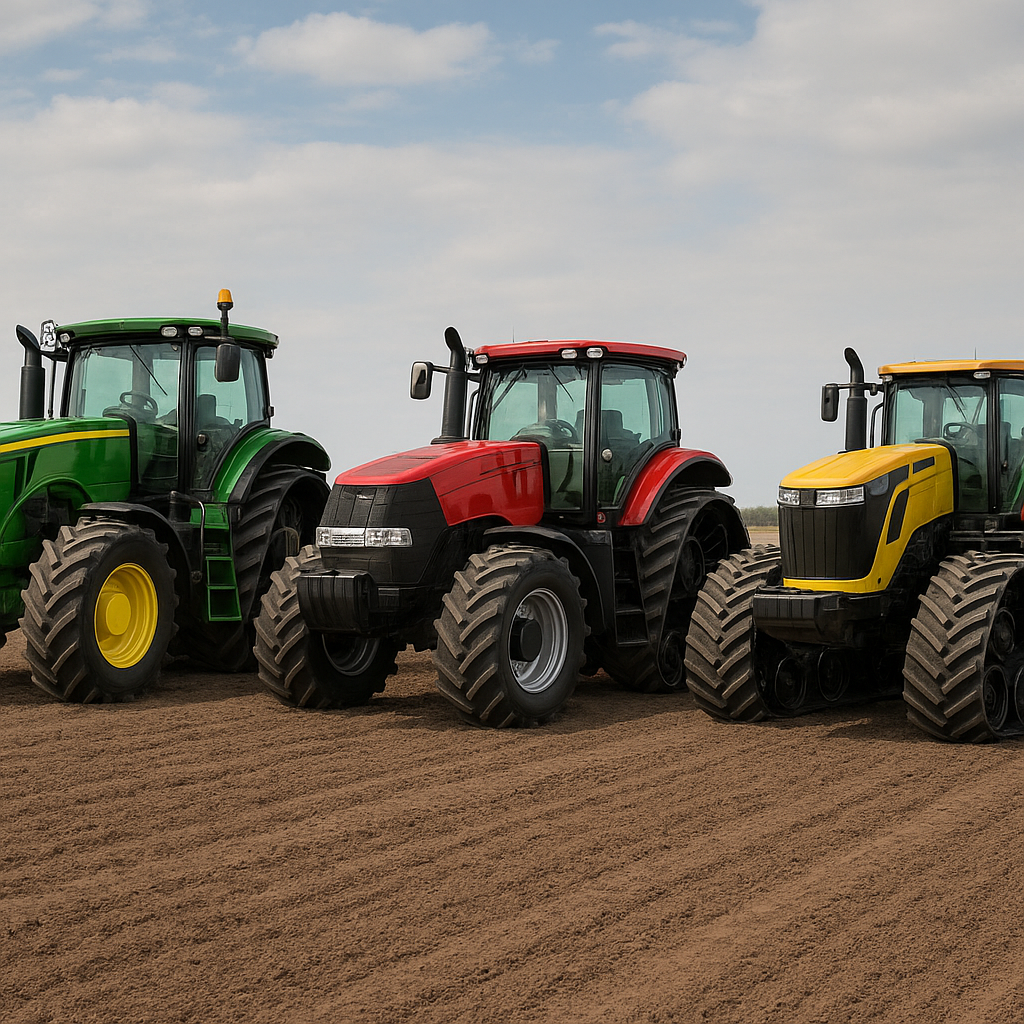
The competition among tractor manufacturers in the heavy segment has intensified as global agriculture demands ever-larger machines to boost productivity. This article explores the key factors that define the race for the title of producer of the biggest and most capable tractors, examining market dynamics, technological breakthroughs, and strategic approaches that shape this specialized industry.
Market Landscape and Demand Drivers
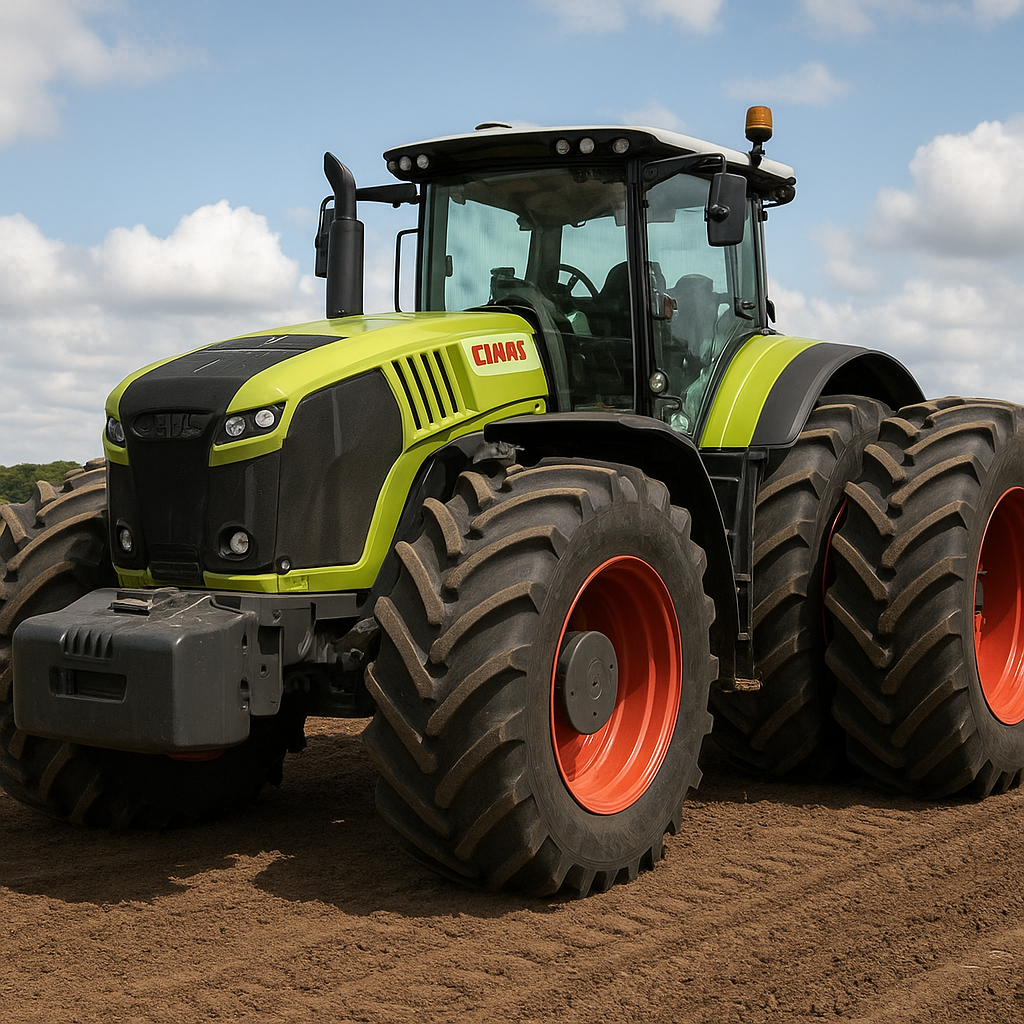
Global trends in farming—such as consolidation of landholdings, the push for higher yields, and the growing scarcity of labor—have created a substantial market for heavy-duty tractors. Farms exceeding several thousand hectares require machines capable of handling deep tillage, large-planter setups, and heavy implements. In regions like North America, Australia, and parts of Eastern Europe, the demand for tractors exceeding 300 hp, and in some cases 600 hp, has surged. Manufacturers respond by expanding R&D expenditure, optimizing supply chains, and forging partnerships with large-scale farming operations to tailor solutions that meet the unique needs of each geography.
Key Players and Flagship Models
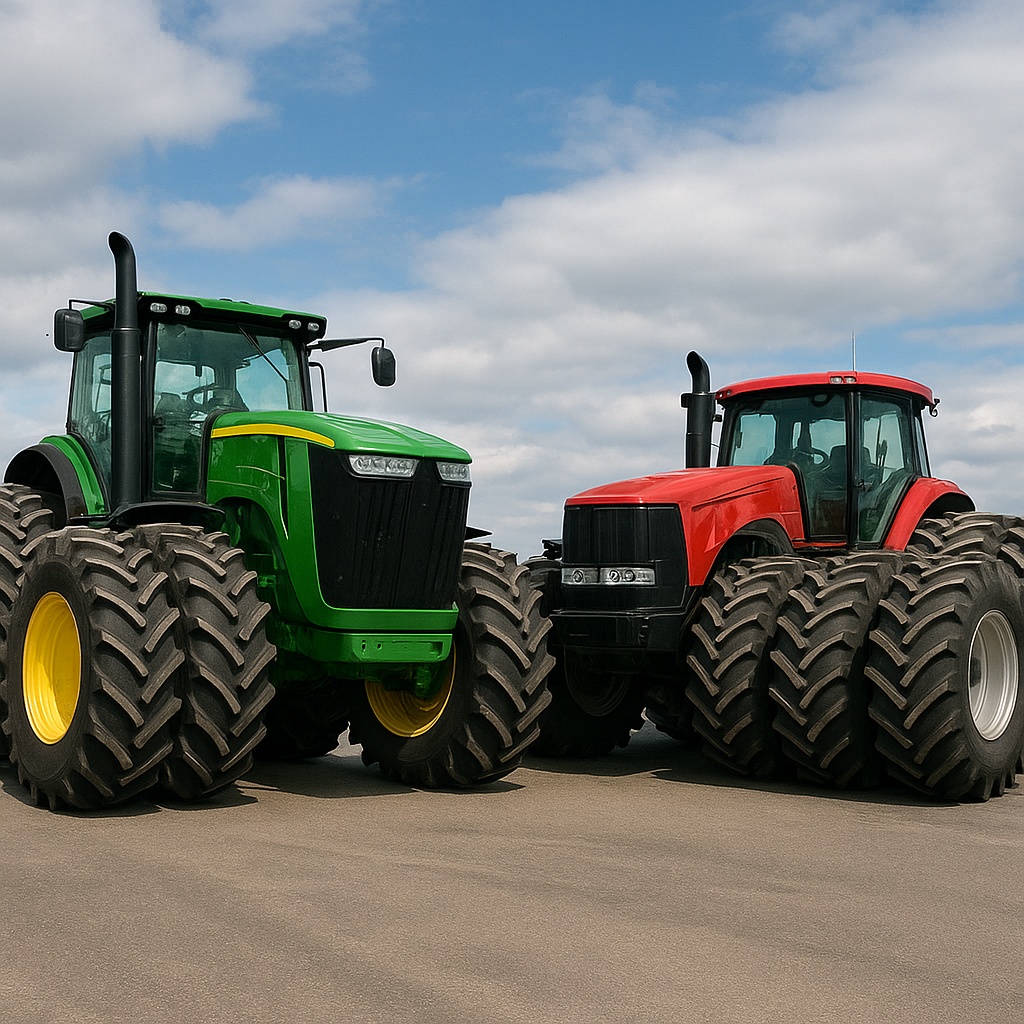
Leading brands compete by showcasing their most powerful and feature-packed tractors. Below is an overview of the top competitors and their standout offerings:
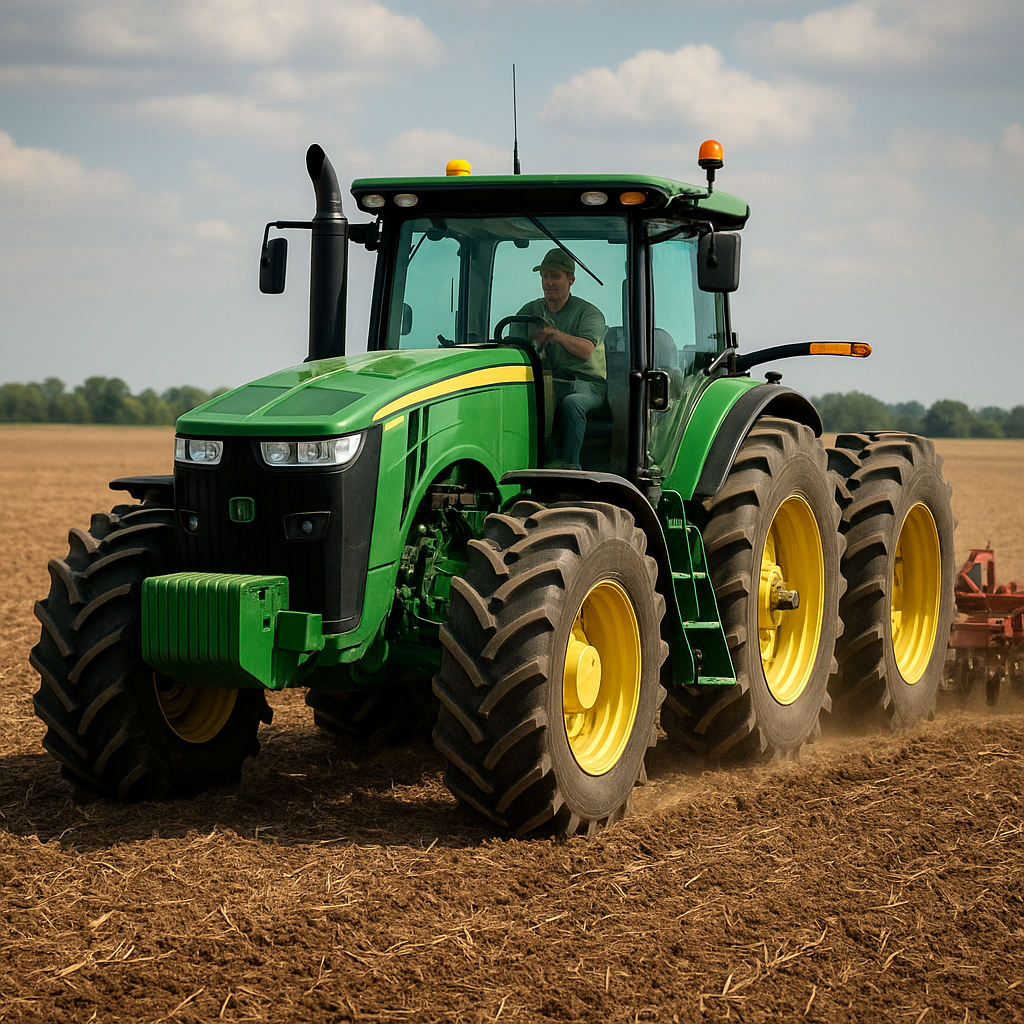
- John Deere 9RX Series
- Engine output: up to 620 hp
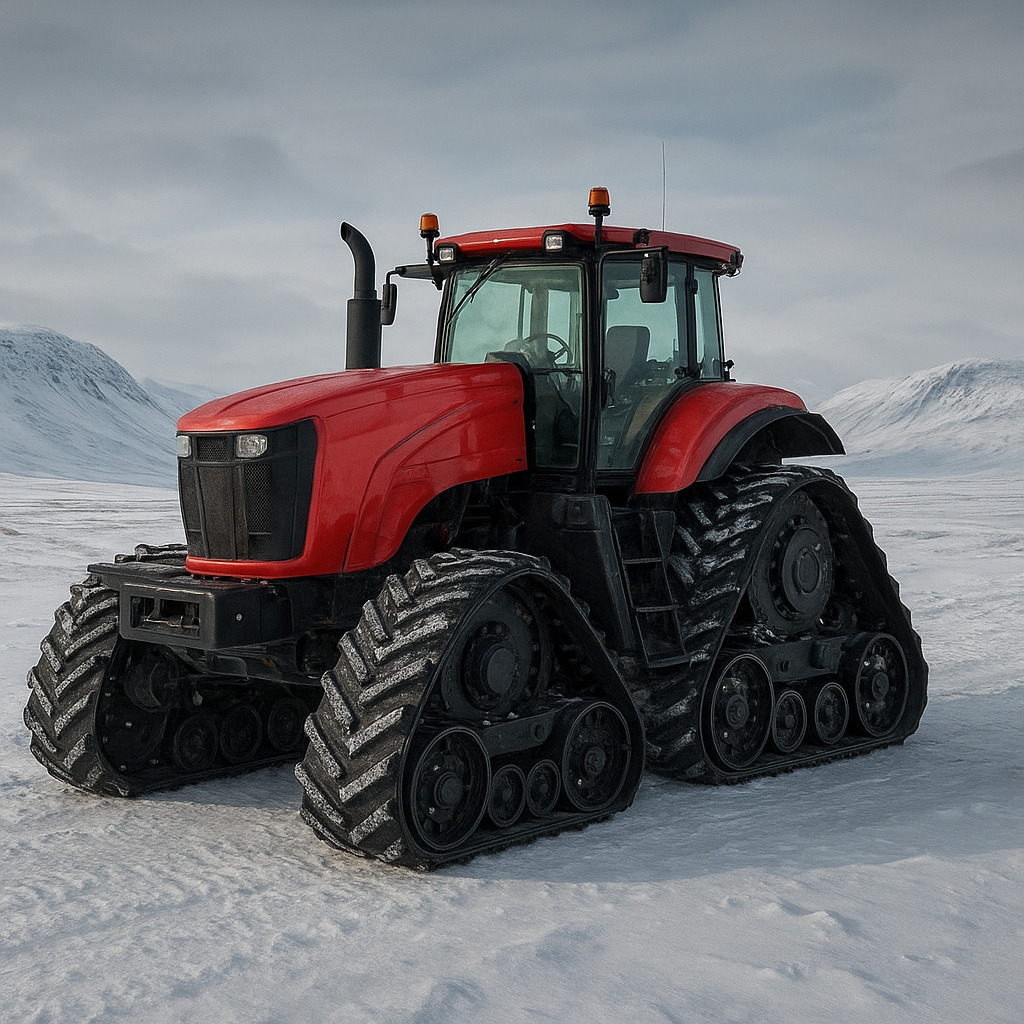
- Quad-tracked design for superior traction and low soil compaction
- Integrated AutoTrac™ for advanced precision guidance
- Fendt 1000 Vario
- Power range: 370–517 hp, extended by VarioDrive® system
- Dynamic cooling concept to maintain performance under extreme load
- VisioPlus cab with panoramic view and fingertip control
- Case IH Magnum AFS Connect
- Stage V engines delivering up to 400 hp
- AFS Pro 1200 display for seamless data integration
- Advanced front suspension for improved ride comfort
- New Holland T9 Series
- Power boost up to 682 hp
- Auto Command™ CVT transmission for smooth operation
- IntelliView™ cab offering a customizable interface
- Massey Ferguson 9000 Series
- Engine options up to 405 hp
- Dyna-VT™ Continuously Variable Transmission
- Datatronic 5 system for connectivity and remote monitoring
Technological Innovations Defining the Race
Manufacturers deploy cutting-edge solutions to outpace rivals. Key areas of innovation include:
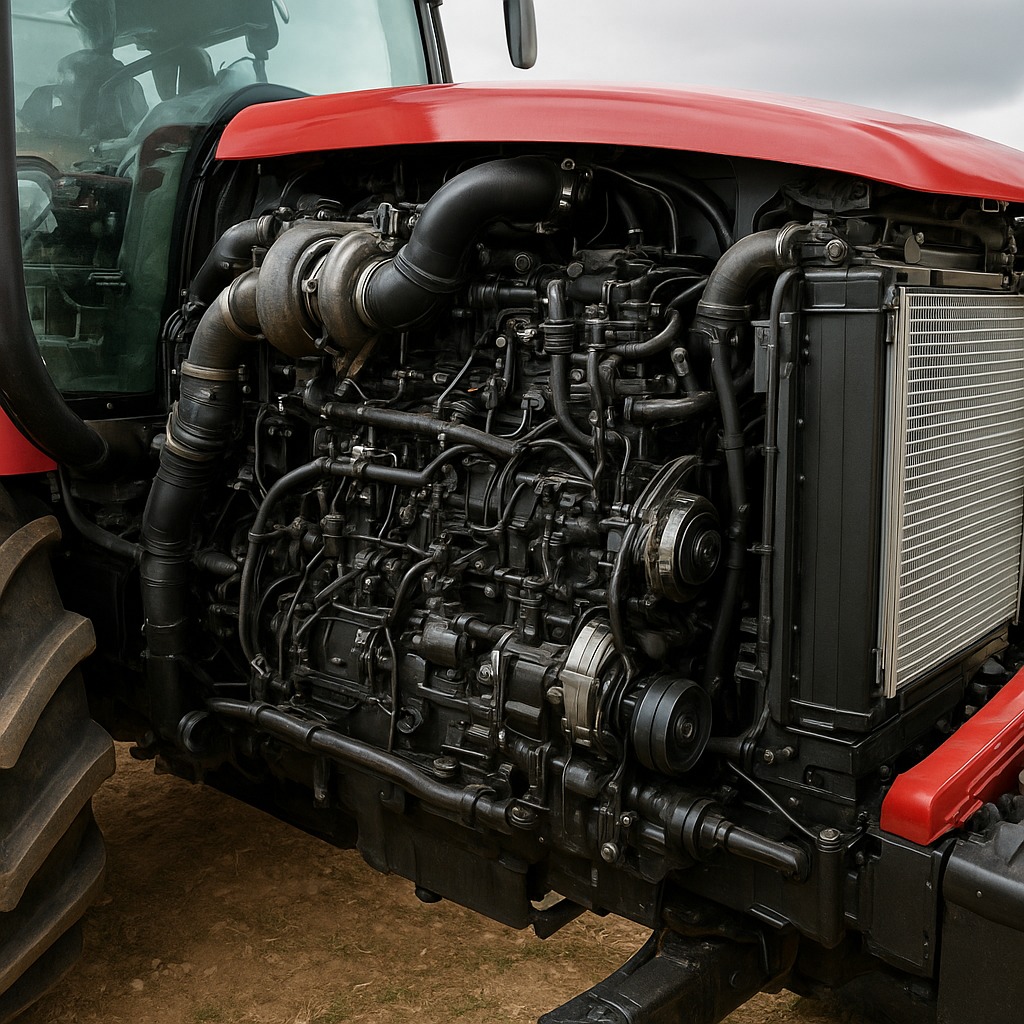
- Powertrain Advancements – High-capacity engines with selective catalytic reduction and particulate filters reduce emissions while maximizing torque and fuel efficiency.
- Precision Farming Tools – GPS-based auto-steering, section control, and yield mapping optimize input usage and minimize overlap.
- Telematics and IoT – Real-time data transfer from tractor to farm management platforms enables proactive maintenance and remote diagnostics.
- Autonomous Operation – Prototype models incorporate LiDAR, machine vision, and AI-driven path planning for unmanned fieldwork.
- Hydraulic System Enhancements – High-flow pumps and multi-function valves support massive implements, maintaining efficiency under heavy load.
Performance and Efficiency Strategies
Beyond raw horsepower, heavy tractor buyers seek machines that deliver low operating costs and reliability. Key performance metrics include:
- Specific fuel consumption measured in g/kWh
- Continuous PTO output for powering large disc harrows and planters
- Maximum drawbar pull and slip control for minimal tire wear
- Effective weight distribution to balance traction with soil health concerns
- Adaptive load-sensing hydraulics to match flow rates with implement demands
Manufacturers achieve these goals by leveraging advanced materials for lighter yet robust chassis designs and by incorporating software-driven engine maps that adjust power delivery based on real-time conditions.
Customer Support, Financing, and Service Networks
To secure market share in the heavy segment, brands build extensive dealer networks, ensuring rapid parts availability and expert field service. Innovative financing options—such as lease-to-own, pay-per-acre programs, and deferred-payment schemes—reduce upfront costs. Training initiatives, including e-learning portals and on-site clinics, empower operators to maximize machinery uptime. Remote assistance tools, like augmented reality overlays, enable technicians to guide on-farm repairs, further strengthening brand reliability.
Future Trends: Sustainability and Autonomy
The next frontier for heavy tractors merges sustainability and full automation. Manufacturers are investing in:
- Electric and hybrid drivetrains to lower carbon footprints and noise pollution
- Green hydrogen fuel cells for extended field endurance without refueling stops
- Advanced robotic systems for seeding, weeding, and harvesting tasks
- Integrated farm management platforms that utilize big data and machine learning to optimize entire cropping cycles
As these technologies mature, the definition of the “biggest” tractor will shift from mere size and power to encompass digital capabilities, environmental impact, and autonomous functionality. Manufacturers that balance raw strength with intelligent solutions will emerge as leaders in the evolving heavy segment.